



Where can outdoor display advertising be installed?
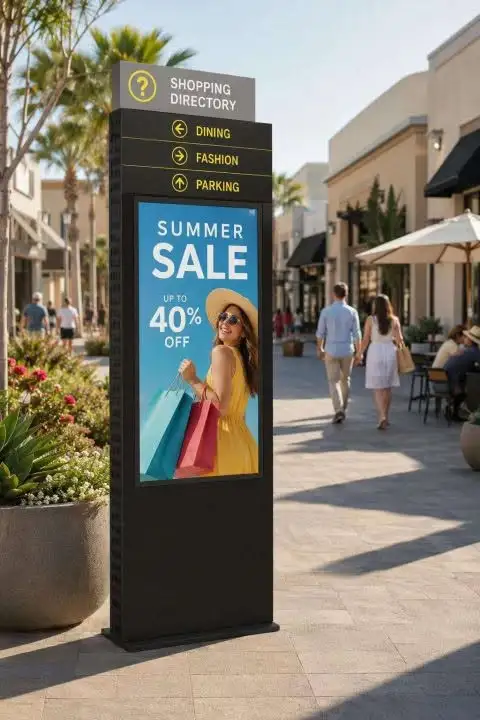
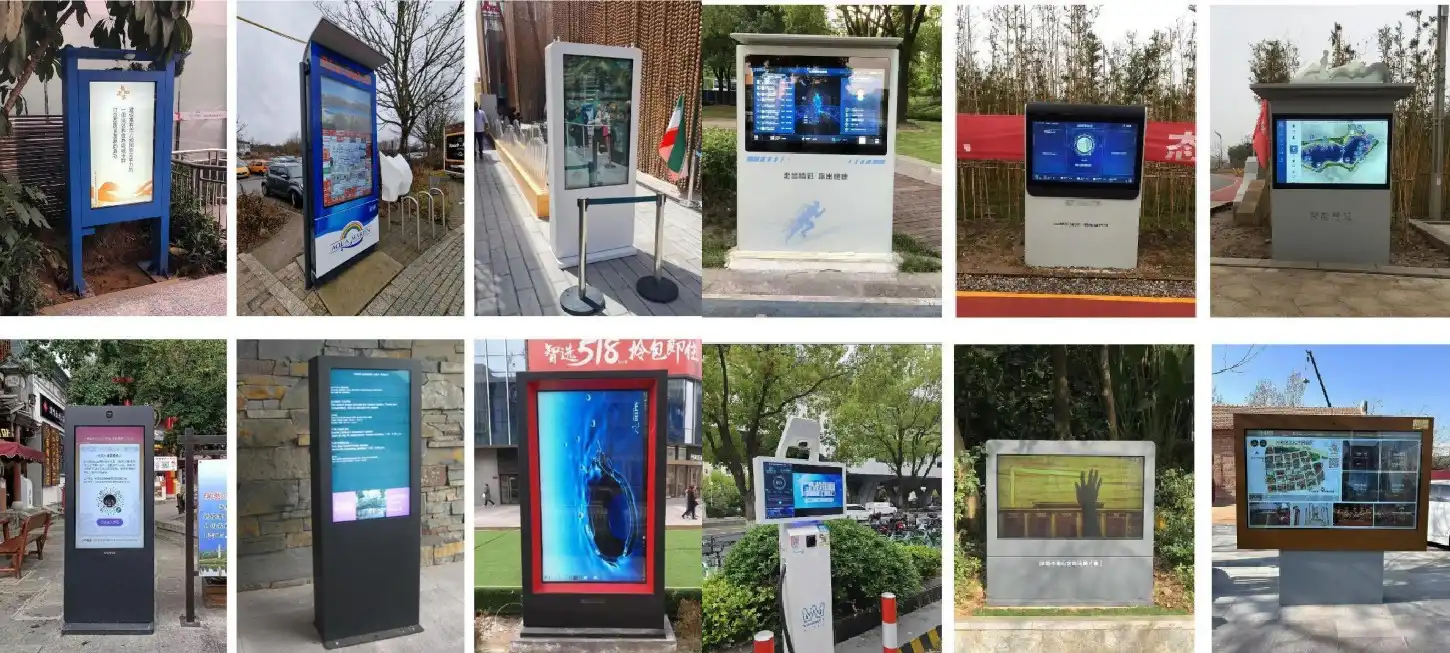
Outdoor display ads can be put up in a variety of high-visibility spots where they will get the most attention and attract the right kind of foot traffic. Outdoor Totem Signage can be strategically placed in busy business areas, transportation hubs, corporate campuses, and entertainment sites to make them strong brand connections. Digital outdoor displays work best in places where they are seen over and over, like shopping malls, airport hubs, stadiums, and even parking garages. They show changing content that gets people's attention and gets them involved in competitive B2B markets.
Popular Locations for Outdoor Display Advertising Installation
Your outdoor advertising investment will only work if you choose the best place to put it up. When it comes to making money, commercial areas are some of the best places to put up digital signs.
Shopping Malls and Retail Centers
Shopping malls are great places to reach a wide range of people because they are used by many different types of people every day. Digital outdoor displays placed near major exits, parking lots, or paths for pedestrians catch buyers as they are making choices. These works usually have promotional content along with ways to find your way. This makes the experience better for visitors while still providing measured advertising value. Retail chains use these signs to make sure that messages are consistent across all of their sites. This creates a consistent brand experience that makes people more likely to buy.
Transportation Hubs and Transit Centers
People are stuck in airports, metro stops, bus hubs, and train stations for long periods of time. People waiting for links are great people to target with brand messages, especially in B2B industries where decision-makers often go through these areas. It's possible for high-brightness screens to work in both covered and open-air areas with poor lighting. Industrial-grade units with an IP65 rating can work reliably even when they are exposed to changing weather and smog from cities. Transportation agencies are using digital signs more and more for passenger information systems. This makes it possible for displays that combine ads and information.
Corporate Campuses and Business Parks
Outdoor displays in business areas and company campuses are helpful because they serve two purposes: they reinforce the brand and help people find their way. These installations show off the company's character and beliefs while leading visitors through complicated buildings. Digital signs that can be used outside are used in technology parks and industrial zones to talk to workers, suppliers, and customers who come into the area. Modern, sleek displays make a business look more professional, especially when they are designed with company logos and color schemes. The way Outdoor Totem Signages are built is affected by how they are exposed to strong winds.
Entertainment Venues and Event Spaces
Stadiums, concert halls, meeting centers, and exhibition halls are great places for both temporary and permanent public advertising displays. These places get a lot of foot traffic during events, giving advertising access to interested, demographically-targeted crowds. Permanent installs and rental LED screens overlap in these settings, and procurement managers are often looking for solutions that can be scaled up or down to meet the needs of different events. Being able to change material on the fly lets venue owners make the most money possible through multiple advertising deals while still allowing for event-specific messaging.
Types of Digital Display Solutions Suited for Various Installations
Knowing the different technologies that are out there helps procurement teams choose the right ones for each rollout situation.
High-Brightness LCD Displays for Challenging Environments
High-brightness screens ranging from 2000 to 2500 nits are used in modern outdoor LCD technology to solve the basic problem of being able to read in direct sunlight. These screens keep the information clear even when they're in full sunlight, which gets rid of the problems with visibility that come with regular indoor screens. Adding anti-glare glass makes it even easier to read by cutting down on surface reflections that can be distracting or hide text. Topview's T-series outdoor screens come in sizes ranging from 32 to 86 inches and have UHD 4K quality (3840x2160), which makes sure that the images are clear and sharp, which is important for professional brand presentation.
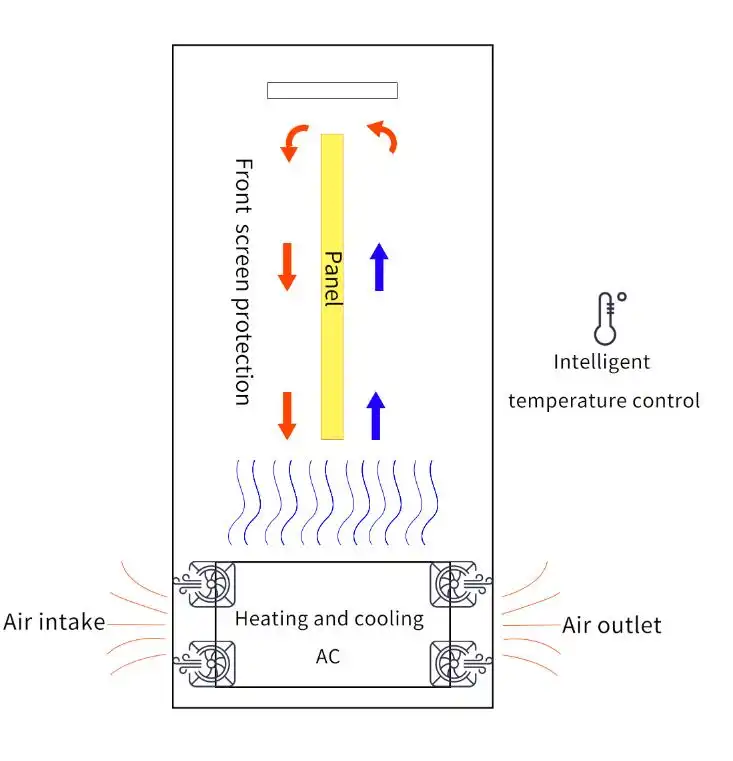
Industrial-grade outdoor displays are different from market goods because they have more advanced thermal control systems. Enclosures with air conditioning keep important parts safe from temperatures as low as -40°C and as high as +55°C. This keeps LCD panels from turning black when they get too hot from direct sunlight for a long time. This closed-loop cooling system doesn't need to be maintained as filter-based air systems do. This lowers long-term costs and makes sure the system works the same way in deserts, hot areas, and urban heat islands.
Customizable Enclosures and Integration Options
The choice of material affects both how long something lasts and how much it costs to own in total. 304 stainless steel structure is better at resisting corrosion in seaside areas where salt spray speeds up the breakdown of regular materials. Powder-coated finishes come in any RAL or Pantone color, so they can easily match current building designs or company branding rules. This ability to be customized is especially useful for wholesalers and integrators who have to handle different project needs at different client sites.
In addition to looking good, modern outdoor displays can be made to work with more people by using a flexible design. With PCAP touch screen overlays, passive displays can be turned into engaging stations that can be used for self-service purchases, product listings, or finding your way. Built-in cameras, mics, card readers, and thermal printers make them more useful for situations like ticketing, controlling entry, and interacting with customers. System integrators who work with current IT infrastructure and content management tools can choose between the Android 11 and Windows 10 operating systems.
Installation Guidelines and Considerations for Outdoor Display Advertising
For rollout to go smoothly, you need to do more than just choose the right tools. You also need to plan and carry out the whole project.
Site Assessment and Regulatory Compliance
Before installation, the spot is carefully checked for things like its ability to support weight, its power infrastructure, its ability to connect to networks, and its exposure to the environment. Different cities and towns have very different zoning rules that limit the size, brightness, and placement of signs in relation to roads or property lines. Getting permits on time affects project schedules, so working with local officials early is important to meet deployment targets.
Environmental factors affect the specs of equipment and how it is installed. The best viewing views and hanging heights are based on how people walk. The way Outdoor Totem Signages are built is affected by how they are exposed to strong winds. When building close to watering systems or drainage paths, you need to pay extra attention to how the base is designed and to waterproofing. Professional installation teams do thorough checks that find possible problems before the equipment gets to the job site. This keeps delays and changes from costing a lot of money.
Professional Installation and Ongoing Maintenance
Assuring proper anchoring, electrical integration, and compliance with safety standards that protect both machinery and public safety is the job of certified fitters. Putting up outdoor displays structurally requires concrete bases, steel posts, and thought for earthquakes in places that are prone to them. For outdoor setups, electrical connections must meet local rules. This includes proper grounding, weatherproof conduit, and the right circuit protection. To set up safe, dependable data links, network connectivity for content management systems needs to work together with IT teams.
Maintenance plans make tools last longer and protect the look of the brand. IP65-rated shelters keep water and dust out, but they still need to be cleaned every so often to keep their professional look and clarity. Fan-cooled units need to be serviced regularly, but air-conditioned units don't need filter upkeep because they are sealed. Changing the brightness automatically based on environmental light sensors saves energy while keeping vision high in all lighting conditions throughout the day and all four seasons.
How to Choose the Right Display Solution for Your B2B Needs
When making choices about purchases, people have to weigh the needs of the present with long-term practical concerns and strategic business goals.
Aligning Technology Selection with Business Goals
Technology choice is based on a clear description of the main use cases. For advertising-focused deployments, high brightness, wide viewing angles, and content management tools that let you make changes often are the most important things. Wayfinding apps focus on having dynamic features, easy-to-use interfaces, and the ability to connect to building control systems. Platforms that are flexible enough to handle multiple content streams and schedule rules are needed for hybrid apps that combine information services with ads.
The balance between initial capital spending and lifetime costs is affected by budget limits. Premium features cost more up front, but better build quality and longer warranties often lead to a cheaper total cost of ownership because they require less upkeep and last longer. When you buy in bulk, you get savings for buying more, which is good for the project's finances, especially for regional rollouts that cover more than one place. Lead times of 5 to 15 workdays from makers like Topview allow for quick deployment, which is very helpful when project deadlines need to fit in with holidays or big openings.
Evaluating Manufacturer Capabilities and Support
When choosing a supplier, it's not just about the product specs; it's also about the supplier's ability to manufacture the product, make changes to it, and provide help after the sale. Well-known companies with research and development departments can make custom solutions for specific project needs without charging the high prices that niche makers usually do. OEM and ODM features let sellers build branded product lines through private labeling. Engineering help during the creation of specifications and installation fixing stops mistakes that cost a lot of money and speeds up the project's completion.
The details of the warranty (Outdoor Totem Signage) show that the maker is confident in the durability and quality of the product's parts. Standard one-year warranties provide basic safety, while three-year extra coverage is a choice that shows a long-term dedication to customer happiness. Lifetime technical help is useful even after the guarantee has expired. This is especially important for installations in remote areas where local service providers don't have the right skills. Certifications like FCC, RoHS, and CE compliance make it easier to import goods and make sure they work with the rules of the target market. This lowers the legal risk of buying things from other countries.
Future Trends in Outdoor Display Advertising
The world of outdoor advertising is always changing because technology is getting better and people want more interesting, eco-friendly, and data-driven methods.
Digital Transformation and Interactive Capabilities
Moving from static to digital outdoor advertising is speeding up because content freedom and tracking tools make it worth the investment. With real-time content updates, messages can change based on things like traffic, weather, news events, or product levels. Cloud-based content management systems make uploads to multiple sites easier and let marketing teams run campaigns in different parts of the world from one central control platform. The Android-based systems with free CMS and cloud server access make complex content plans more available to everyone. Previously, only large businesses with lots of IT resources could use them.
Interactive screens turn watching something into actively participating, creating unique brand experiences that help businesses connect with their customers more deeply. Touch-enabled wayfinding screens collect data on how they are used, which helps with building planning and deciding where to put tenants. Adding QR codes to both real and digital materials connects them, sending people with mobile devices to detailed product information, special deals, or lead capture forms. These interactive features produce measured reaction data that standard outdoor advertising can't give. This lets optimization be based on how people actually behave instead of guesses about how many people will see the ad.
Sustainability and Energy Efficiency
As companies try to be more environmentally friendly and meet government requirements, environmental factors are becoming more important in their purchasing decisions. When compared to older electric systems, LED backlighting technology uses a lot less power while providing better brightness and color accuracy. Ambient light sensors change the lighting levels automatically throughout the day. This saves energy during times of low light without affecting vision when it's needed. Solar-powered choices don't need to be connected to the grid, so they can be used in remote areas. However, temperature and latitude restrictions may make this impossible.
The choice of material affects a product's environmental impact over its entire existence. Building with metal and steel that can be recycled supports the ideas of a circular economy. Powder finishing gets rid of the volatile chemical substances that come with liquid paints. When upgrades or fixes are needed, modular designs make it easy to swap parts instead of throwing away the whole unit. Manufacturers that give component-level service make products last longer, which reduces the amount of waste that ends up in landfills and lowers the total cost of ownership for people who run big display networks.
Conclusion
Putting outdoor digital displays in places with a lot of foot traffic, like transportation hubs, business campuses, and entertainment sites, is a smart way to build strong brand touchpoints that get real business results. The success of a project in a variety of application situations depends on the choice of technology that strikes a balance between brightness, longevity, customization, and cost. When procurement teams work with skilled manufacturers, those manufacturers can help them with everything, from making the specifications to installing the equipment and keeping it running. As outdoor advertising moves toward being more engaging, environmentally friendly, and data-driven, early adopters who see the value in better audience interaction will continue to find opportunities.
FAQ
1. How long do outdoor digital displays typically last?
Service life depends on the climate, how it is used, and how well it was built, but it's usually between 5 and 15 years. When properly kept, high-end units with air-conditioned shelters and industrial-grade parts often last longer than 10 years. Weatherproofing with an IP65 rating keeps important electronics safe from getting wet or dusty, which are the main reasons why electronics break down early. Cleaning and checking things on a regular basis can make things last longer because they find small problems early on, before they become big problems that need to be fixed.
2. What brightness level is necessary for outdoor installations?
For good vision in direct sunlight, outdoor lighting needs to be at least 2000 nits bright, but 2500 nits or more is best for maximum performance. Indoor screens usually work at 300 to 500 nits, which is too dim to read outside. High-brightness screens work better with anti-glare glass coatings because they cut down on surface reflections that get in the way of the material being shown. Ambient light sensors change the output levels automatically, making it easier to see during high sunlight hours and saving energy at dawn, dusk, and night.
3. Can outdoor displays be customized for bulk orders?
Manufacturers with a good reputation will handle requests for customizations like different enclosure colors, brand integration, custom mounting brackets, and built-in accessories. With OEM and ODM features, wholesalers who are making their own brand-name products can use private labeling. When you order in bulk, you can often get volume deals that make the job more cost-effective, but lead times get longer as the order gets more complicated and there are more of them. Making it clear what customizations are needed during the first meeting avoids confusion and makes sure that the goods provided meet the needs of the project.
Partner with Topview for Your Outdoor Display Advertising Needs
Topview makes outdoor digital signs options that are industrial-grade and built to last in the harshest conditions. Our T-series screens come in sizes from 32 to 86 inches and have 2000 to 2500 nits of brightness, an IP65 rating for weatherproofing, and UHD 4K resolution. They are also certified by FCC, RoHS, and CE. Our Shenzhen plant has been making LCD advertising screens for more than 13 years and has three modern production lines that can make 100 units per day. Lead times are flexible and range from 5 to 15 workdays. We are happy to work with OEM and ODM companies, and there is no minimum order size. Our cases can be made in any color, and we can also build them out of stainless steel 304 if you prefer. We can also add special parts like touch screens, cameras, and card readers. In addition to normal one-year warranties that can be extended to three years, our engineering team offers expert help for life. Get in touch with our team at market@tviewdisplay.com to talk about your project needs with an Outdoor Totem Signage manufacturer dedicated to providing cost-effective solutions and top-notch customer service after the sale.
References
1. Digital Signage Federation. "Standards and Best Practices for Outdoor Digital Displays." Industry Guidelines for Commercial Display Deployment, 2023.
2. Chen, Wei and Martinez, Roberto. "Thermal Management Systems in High-Brightness LCD Technology." Journal of Display Engineering and Applications, Volume 18, Issue 3, 2022.
3. International Sign Association. "Outdoor Advertising Regulations and Compliance: A Global Perspective." ISA Research Report, 2023.
4. Thompson, Sarah et al. "ROI Analysis of Digital vs. Static Outdoor Advertising in Commercial Real Estate." Marketing Technology Quarterly, Spring 2023.
5. Environmental Protection Agency. "Energy Efficiency Standards for Commercial Display Equipment." Federal Register Documentation, Updated 2023.
6. Kumar, Rajesh. "Integration of IoT and Cloud Technologies in Smart Signage Networks." International Conference on Digital Out-of-Home Media Proceedings, 2023.
YOU MAY LIKE
 VIEW MOREoptical display bonding
 VIEW MOREOutdoor airconditioned Totem Signage
 VIEW MORE120L solar compacting trash can
 VIEW MOREOutdoor LCD Digital Signage
 VIEW MORE77″ transparent OLED
 VIEW MOREDouble Sided Bar Lcd Monitor
 VIEW MOREUltra Slim Double-sided Floorstand Kiosk
 VIEW MOREFan Cooled Outdoor Kiosk