



What are the heat dissipation methods and operating principles of outdoor display advertising?
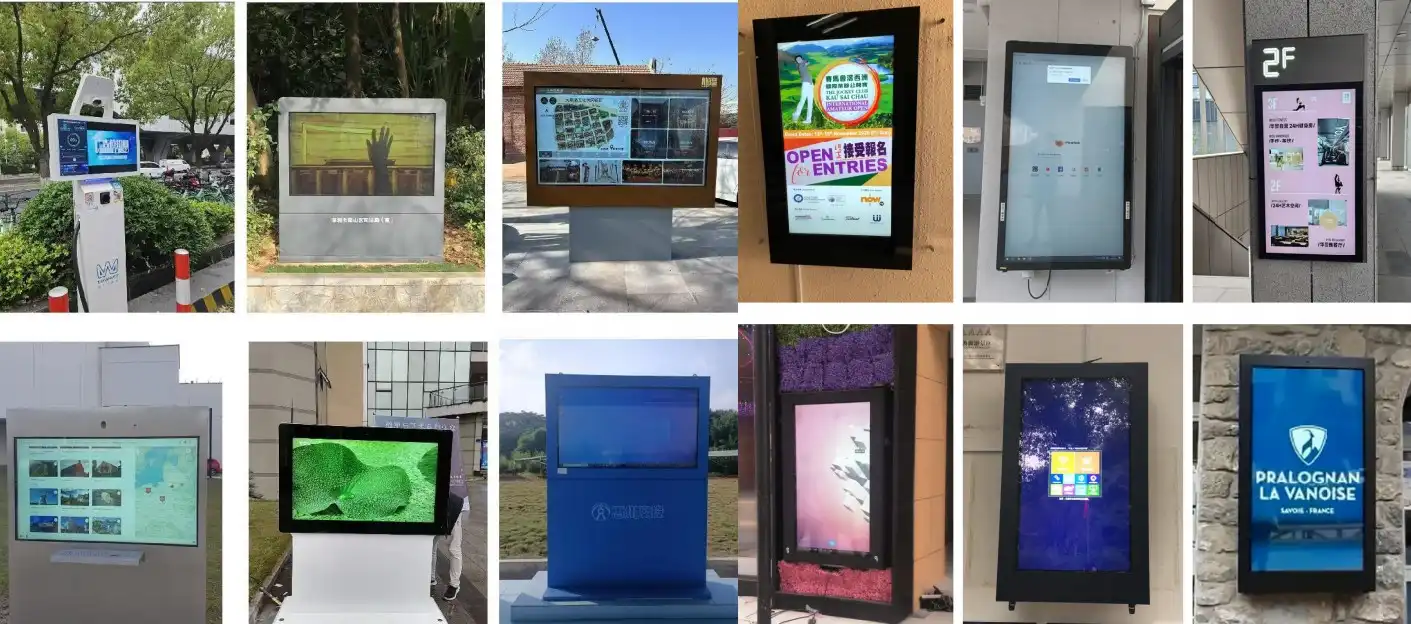
In order to function reliably in harsh settings, Outdoor LCD Digital Signage depends on complex thermal management systems and carefully designed working principles. The main idea behind it is to combine high-brightness LCD screens with smart cooling systems that balance the heat that backlights and computers produce with changes in the temperature of the surroundings. Different ways to get rid of heat exist, ranging from passive methods like natural convection and metal heat sinks to active methods like forced air cooling and intelligent fan systems, as well as mixed methods that use both active and passive methods. Knowing about these processes helps purchasing managers choose displays that work well in a variety of outdoor settings, have little downtime, and give the best return on investment.
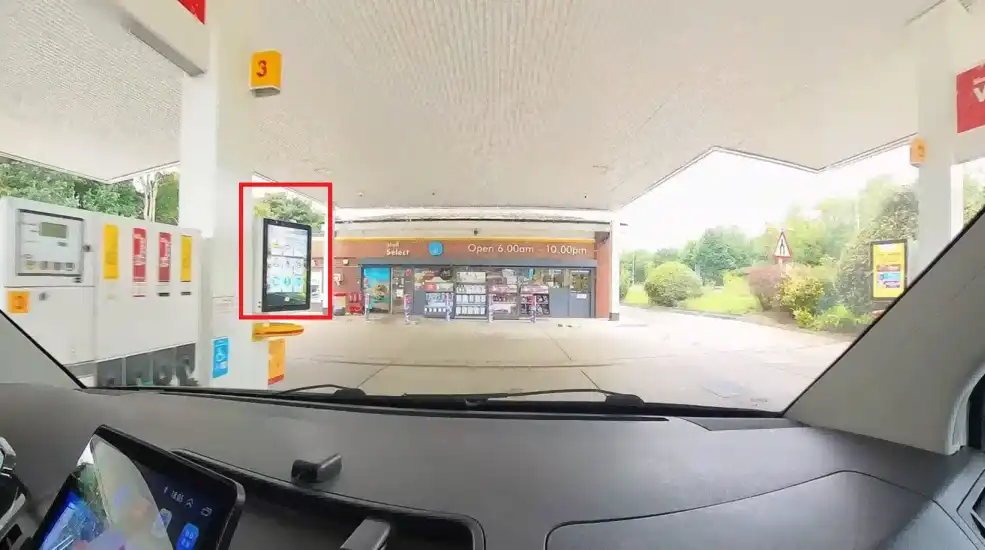
Understanding the Operating Principles of Outdoor LCD Digital Signage
Outdoor LCD Digital Signage systems work by coordinating the actions of several specially designed parts that are made to work in outdoor settings. The display screen, which is usually an industrial-grade LCD with increased light between 2,500 and 5,000 nits, is what you see. This panel is linked to a powerful LED backlighting system that makes it possible to see even in full sunlight. A separate controller handles delivering material, adjusting lighting, and checking the system's health behind the scenes.
Core Components Working Together
The secure cage that surrounds these elements does a lot more than just block the weather. Modern outdoor screens use toughened glass with anti-reflective treatments that cut down on glare while still letting over 97% of light through. The materials used for the shelter, which are usually powder-coated metal or galvanized steel, help keep the structure strong and the temperature stable. Internal temperature sensors keep an eye on things all the time and either cool or heat the device as needed to keep it working within the range of -40°C to +55°C.
Environmental Challenges Driving Design Choices
When shows are outside, they face problems that they never face when they are inside. Surface temperatures can reach over 70°C when hit by direct sunlight, and in some areas, temperatures drop below freezing at night. Changes in humidity, dust entering, and vibrations from nearby traffic all call for strong closing standards. Getting an IP65 or IP66 grade for entry protection makes sure that neither water jets nor dust particles can damage the electronics inside. These facts about the surroundings explain why LCD systems used outside need very different building methods than those used inside.
Key Heat Dissipation Methods for Outdoor LCD Displays
Thermal control is the most important thing that affects how long an outdoor show lasts and how well it works every time. If LCD screens don't get rid of heat properly, they lose brightness, have color confusion, and parts wear out faster. The business has come up with a number of different cooling methods, each of which works best in a different set of circumstances and climates.
Passive Cooling Techniques
Instead of driven parts, passive methods depend on the qualities of the material and the way it is designed. Attaching aluminum heat sinks to high-heat parts like LED drivers and processors makes the surface area for thermal radiation bigger. With strategically placed fins or ribs that allow natural convection currents to flow, the enclosure form itself works as a large-scale heat sink. Newer models use heat pipe technology, which uses sealed tubes filled with phase-change fluids to move heat from hot sources to cooler areas where it can be released without using electricity. There are several great things about these passive methods: they don't use any extra power, they don't have any working parts, so they are very quiet, which is great for places where noise is a problem.
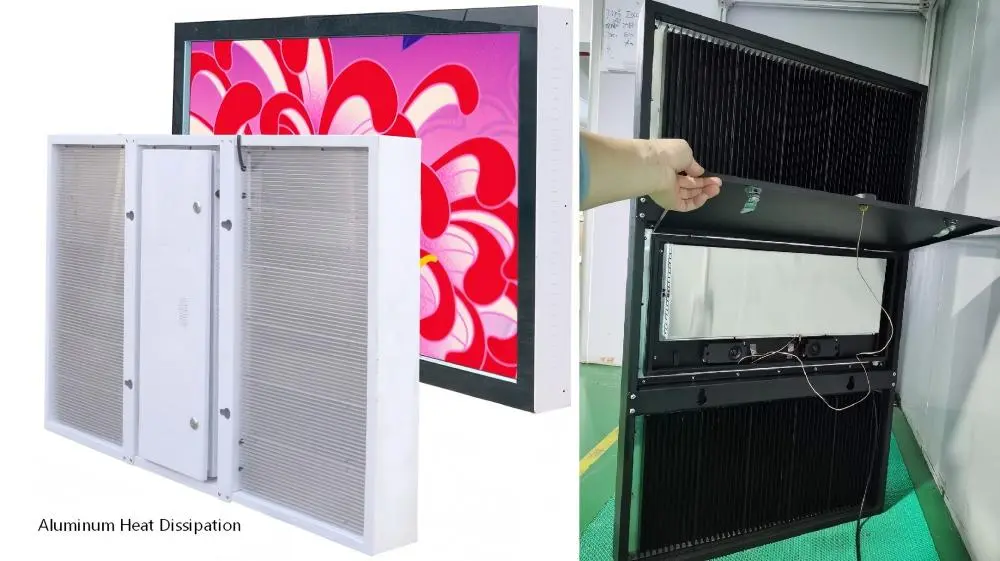
Active Cooling Solutions
Active cooling is needed when temperatures regularly rise above 40°C or when screens are used in small areas with little airflow. Intelligent fan systems are the most popular active method. They use controls that change the fan speed based on real-time temperature data. This flexible reaction keeps energy from going to waste when it's not needed during cooler times and increases cooling capacity when it's really hot. Some high-end systems use thermoelectric cooling modules, which are solid-state devices that cause temperature differences when an electric current flows through them. This allows for precise temperature control without any wear on the parts. Liquid cooling systems are less common because they are more complicated. They move coolant through tubes near parts that make heat, which makes them very good at moving heat in even the harshest conditions.
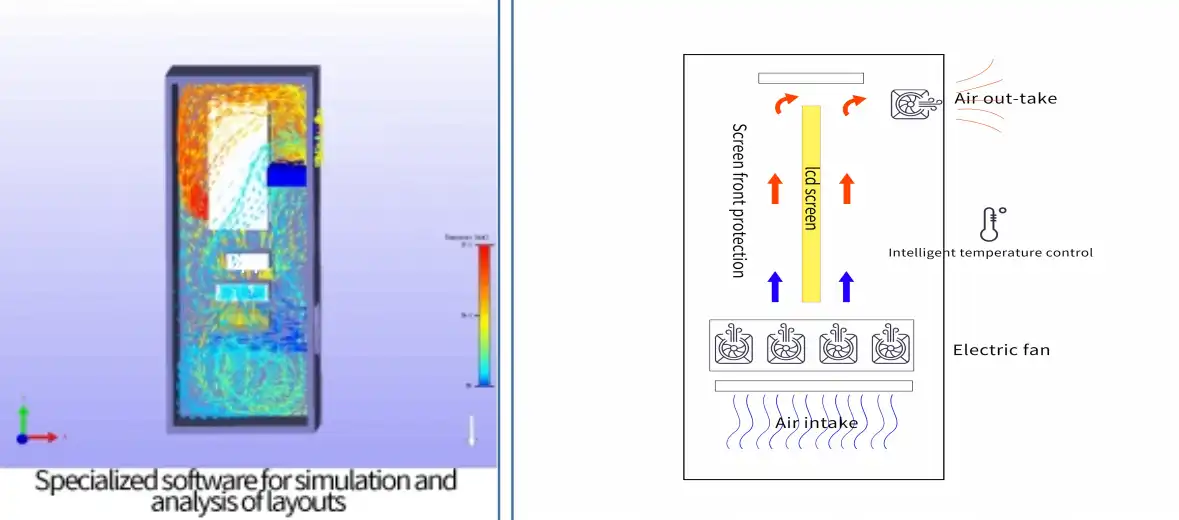
Hybrid Approaches Delivering Optimal Performance
The most effective outdoor displays use both passive and active ways to control temperature in a single system. Aluminum heat sinks might handle normal temperatures in a standard hybrid system, and fans would only turn on when temperatures inside get dangerously close to critical levels. This approach keeps thermal safety limits while extending the life of the fan. These ideas are shown by Topview's Outdoor LCD Digital Signage models, which have full-bonding technology that seals off air holes between the glass and panel, which lowers internal heat buildup by making thermal transfer better, and smart ventilation systems that adjust to real-world conditions. According to this design, it uses more than 60% less power than standard air-cooled setups while still working properly in temperatures ranging from -30°C to +55°C.
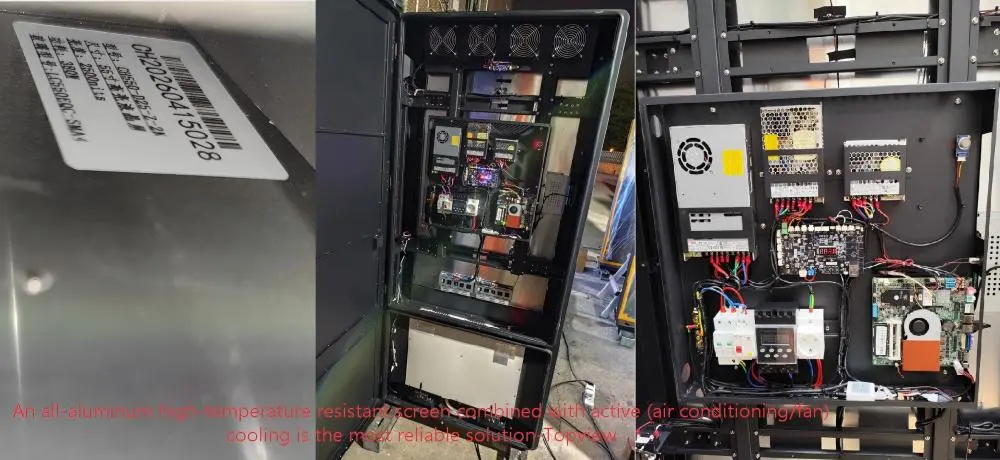
Comparing Heat Dissipation Approaches: Traditional vs Modern Outdoor Display Systems
In the past, Outdoor LCD Digital Signage was cooled mostly by constant forced-air systems that ran at set speeds no matter what the temperature needed to be. These older designs used a lot of energy, made noise all the time, and needed filter cleaning often because dust built up in the ventilation ducts. Because sensors didn't give enough input, systems either slowed down too much in mild weather, which wasted energy, or not enough during heat waves, which could damage parts.
Limitations of Conventional Methods
Older cooling systems also had trouble distributing heat evenly, which led to hot spots near power sources or lighting panels and too much cooling in the edges. Even though the IP ratings were theoretical, dust and moisture were still able to get in because air was always flowing through fixed holes. Maintenance needs quickly grew as clogged screens made cooling less effective and overworked fan motors. Energy costs for these systems often made up 30 to 40 percent of their total running costs, which made it less profitable to put up digital signs outside.
Innovation Through Smart Sensors and Advanced Materials
Microcontroller-based systems that constantly check various temperature zones inside the display casing are used for modern thermal management. With these smart sensors, precise responses are possible: fans only turn on when preset limits are exceeded in certain areas, and variable-speed motors change the flow of air to precisely meet cooling needs. New developments in material science have led to the creation of graphene-enhanced thermal contact materials that are five times better at transferring heat than traditional compounds. Phase-change materials built into the walls of the shelter soak up extra thermal energy during times of high heat and slowly release it as temperatures drop, which naturally smooths out changes in temperature.
Data from the industry in 2024 shows how these innovations changed things. Modern outdoor LCD systems with adaptable cooling keep the light within 2% over five years of use, while older systems lose 15 to 20 percent of their brightness over that time. When tested in the same environment, operational lifespan ranges from an average of 35,000 hours to over 75,000 hours. When energy use drops by 40–65%, the total cost of ownership goes down, which is a very important factor for buying leaders who are looking at long-term provider partnerships.
Maintenance Tips for Ensuring Optimal Heat Dissipation Performance
Regular upkeep is needed for even the most advanced Outdoor LCD Digital Signage systems to keep working at the level they were designed for. To protect their display investments, procurement teams should set clear upkeep rules with installation contractors and site owners.
Routine Inspection and Cleaning Protocols
Visual checks should be done once a month to make sure that the air grilles are still clear and that nothing has gotten stuck around the base of the display. Maintenance workers should take out and clean or change air filters every three months. This is a simple job that has a big effect on how well the cooling system works. Before running the fan, make sure that the motors can spin easily and that the wheels don't show any signs of wear. Temperature logging, which can be done through built-in tools or external tracking, lets you know about thermal drift early on, before it affects the performance of the display. These proactive steps stop the vast majority of problems that are caused by heat.
Strategic Site Planning for Thermal Success
The choice of site has a big effect on how much cooling is needed and how long the system lasts. As much as possible, place displays so that they don't get full afternoon sun, which is the hottest time of the day. This can be done by using building shadows, awnings, or clever positioning. As long as there is enough space behind and above the cage, natural airflow can help cool it down. When adding displays to buildings that are already there, make sure that the materials around them don't trap heat or block air flow. In places that get very hot, you might want to think about adding extra shading structures that cut sun load by 40 to 50 percent without blocking views.
Leveraging Supplier Expertise and Support
Working with well-known outdoor display companies gives you access to heat management knowledge that has been built up over thousands of installs. During the planning process, reputable providers use thermal simulation to predict how the product will work in the specific conditions of the spot before production starts. A full warranty that lasts up to three years for commercial-grade products guards against early failures and shows that the maker trusts the thermal design. Quick technical support teams help figure out what's wrong with unexpected temperature problems, and they can often fix problems online by looking at diagnostic data. Because of this ongoing connection, sellers are no longer just transactional vendors but long-term partners.
Practical Recommendations for Procurement and Installation
When choosing Outdoor LCD Digital Signage, you need to look at more than just the usual things like clarity and brightness. You also need to look at the displays' thermal specs. People who are in charge of buying things should ask for thorough documentation on thermal performance, such as working temperature ranges, cooling system specs, and test results from thermal cycling.
Evaluating Heat Dissipation Capabilities
Ask possible providers what their thermal management mindset is and what tools they use. By getting rid of air holes that keep heat in, displays that use full-bonding methods naturally have better thermal performance. When compared to fixed-speed options, intelligent cooling systems with proven adaptive algorithms use less energy. Ask for case studies that show successful deployments in areas that are similar to the one you want to put in. Certifications like IP65/IP66 grades and meeting IEC 60529 standards show that container designs keep out external contaminants that could damage cooling.
Installation Best Practices: Preserving Thermal Performance
The efficiency of thermal control is directly affected by how well it is installed. Make sure that the workers leave the required airflow gaps—usually 10 to 15 cm on all sides except the viewing area. Use the right weatherproof grommets to seal all wire entry points and keep the enclosure's environmental grade. Use backing materials that don't trap heat against the box when hanging screens to walls or poles instead of insulators. Temperature logging should be done for the first month after installation to make sure that the real thermal behavior fits what was predicted by the design. This way, any problems can be fixed before the warranty period starts.
Conclusion
When buying, teams look for Outdoor LCD Digital Signage options. They can make smart choices when they know about heat dissipation methods and how they work. Good temperature control directly affects how long a display lasts, how much it costs to run, and how good the viewing experience is. When compared to older fixed-speed systems, modern methods that combine passive heat sink designs with smart active cooling work better. New materials, such as thermal contact compounds and phase-change technologies, make cooling even more effective. Thermal efficiency is maintained over the life of an activity with regular maintenance and smart site planning. Procurement managers can get reliable outdoor advertising solutions that work well in all kinds of weather by working with experienced makers who use tried-and-true heat management technologies.
FAQ
1. What temperature ranges can outdoor LCD displays withstand?
Commercial-grade Outdoor LCD Digital Signage screens usually work well in temperatures ranging from -30°C to +55°C. This range is extended to -40°C to +60°C on industrial models with better heat control. When the computer starts up cold, internal heating elements keep the LCD from freezing, and cooling systems keep the computer from getting damaged by heat. Always make sure that the recommended operating range of the display you choose fits the weather extremes in the area where you will be using it throughout the year.
2. How often should cooling system components be serviced?
Every three months, air filters need to be checked and cleaned, and every six to twelve months, based on how dusty the surroundings are, they need to be replaced. Every six months, practical checks should be done on fan units to listen for bearing noise or reduced airflow. Professional servicing once a year, which includes testing for thermal performance and full system diagnostics, helps find damage before it affects how the monitor works. Displays that are used in tough conditions should be serviced more often.
3. Can I install outdoor displays in fully enclosed kiosks?
Careful temperature planning is needed for enclosed systems. The kiosk shelter needs to have enough air flow (usually louvers placed for cross-flow airflow) without letting in too much weather. Figure out the total heat load, which should include the screen, media player, and any other equipment you might need. Then, build airflow that is 30 to 40 percent higher than this. You could also ask for screens with better cooling systems that are rated for use in small areas. Before finalizing designs, talk to makers about the unique needs for integrating kiosks.
Partner With Topview for Reliable Outdoor LCD Digital Signage Solutions
Topview Technology has been making specialized Outdoor LCD Digital Signage for more than 13 years and brings that knowledge to every outdoor display project. Our factory in Shenzhen has three modern production lines run by more than 20 top engineers. Each day, they deliver up to 100 units that meet our high-quality standards. We know that procurement managers need more than just goods. They also need sources they can trust who are dedicated to the success of their projects.
Our T-series outdoor models have a sealed design and are only 86 mm thick, which is one-third thinner than most outdoor screens without sacrificing their ability to cool. Many ways to join that let you use different content management systems, and they work with both Android and Windows. Full HD (1920x1080) and Ultra HD (3840x2160) formats can be used for a wide range of tasks, from advertising in stores to showing information about public transportation. FCC, RoHS, and CE certifications show that a product meets foreign standards. This makes the approval process for buying things easier for global tasks.
Our factory in Shenzhen has three modern production lines run by more than 20 top engineers. Our engineering team works closely with your needs to come up with standard configurations or fully personalized solutions with specific light levels, mounting hardware, or software integration. Different ways of buying things can be accommodated by the flexible price terms (EXW, FOB, or DDP), and the short lead times (5–15 workdays) help keep projects on schedule. For extra peace of mind, standard one-year warranties are extended to three years, and expert help is provided for life, even after the product has been installed. Email our team at market@tviewdisplay.com to talk about your infrastructure needs and get full specs that are made just for your deployment setting.
References
1. Chen, W., & Liu, H. (2023). "Thermal Management Technologies for High-Brightness Outdoor LCD Displays." Journal of Display Technology, 19(4), 287-301.
2. International Electrotechnical Commission. (2022). "IEC 60529: Degrees of Protection Provided by Enclosures (IP Code)." Geneva: IEC Standards Publications.
3. Park, S., Kim, J., & Lee, D. (2024). "Energy-Efficient Cooling Strategies for Outdoor Digital Signage: A Comparative Analysis." IEEE Transactions on Consumer Electronics, 70(1), 1456-1468.
4. Robinson, M., & Thompson, A. (2023). "Advanced Materials for Thermal Interface Applications in Electronic Displays." Materials Science and Engineering Reports, 156, 100-118.
5. Zhang, Q., Wang, L., & Zhao, Y. (2024). "Reliability Assessment of Outdoor LCD Systems Under Extreme Environmental Conditions." Microelectronics Reliability, 152, 115-127.
6. Digital Signage Federation. (2023). "Best Practices for Outdoor Display Installation and Maintenance." Industry Standards Report, DSF Technical Committee, Washington, DC.
YOU MAY LIKE
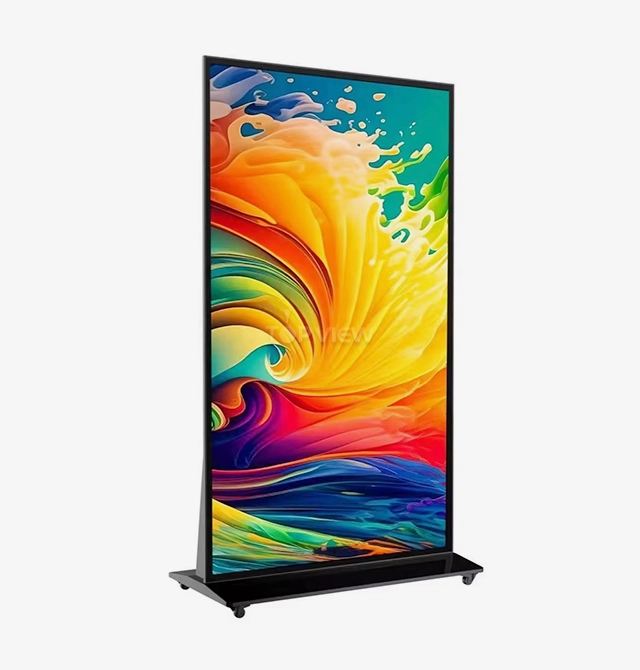 VIEW MORELCD Full Screen Indoor Digital Signage
 VIEW MOREFlool Standing Interactive 3D HoloBox
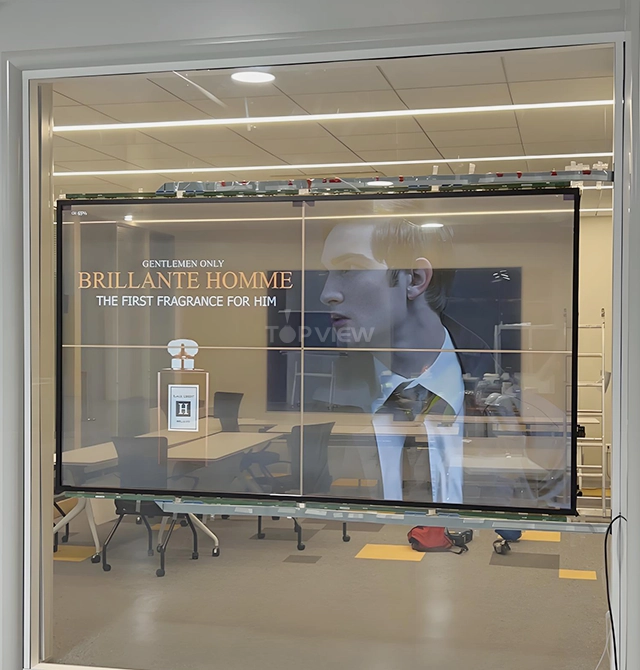 VIEW MORE55"Transparent OLED Video Wall
 VIEW MORERound Circular LCD Display
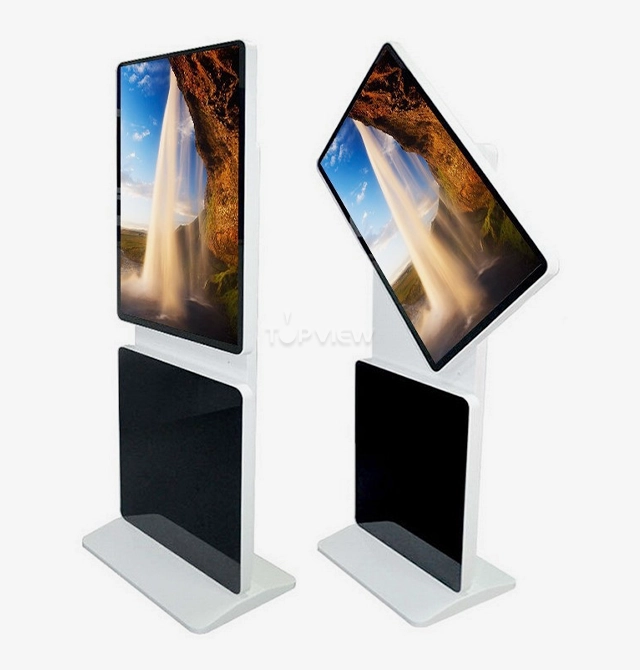 VIEW MOREWifi Rotate Screen Lcd Totem Signage
 VIEW MOREInteractive touch tables
 VIEW MOREUltra Thin Waterproof Digital Signage
 VIEW MOREOutdoor LCD Totem Signage