


The Evolution of Urban Waste Management: Enter Solar Smart Bins
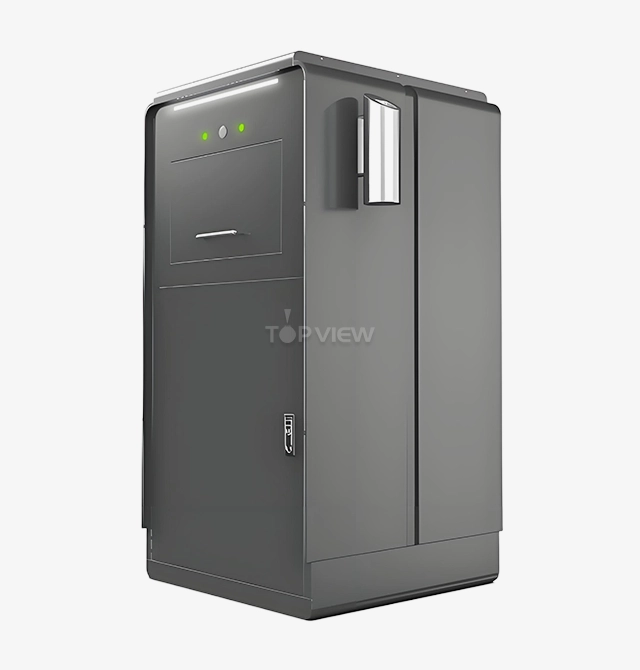
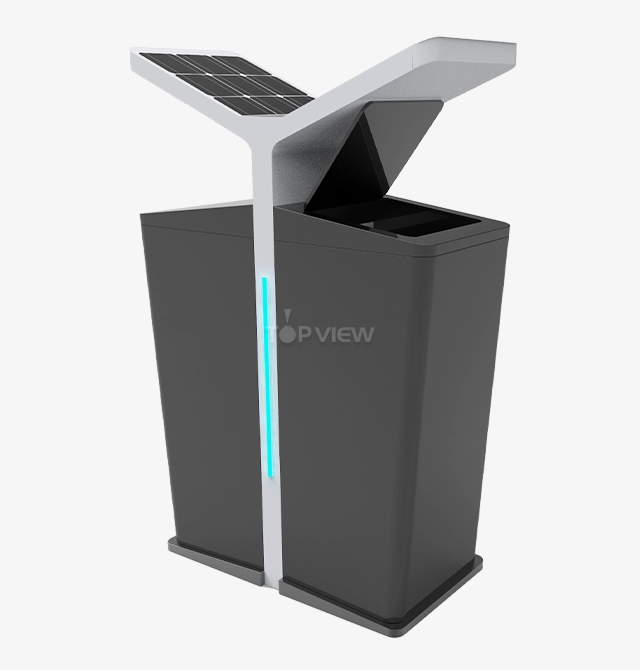
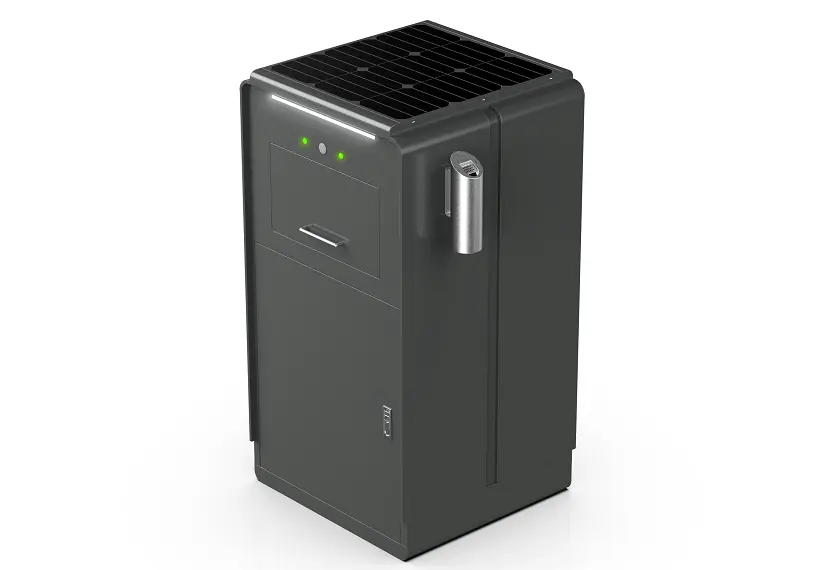
Waste handling in cities has come a long way from old-fashioned ways of picking up trash by hand to the use of Solar Smart bins. These clever devices are a very important step forward in dealing with the problems of city cleaning. These canisters are ready with solar panels, which let them use green energy to control different smart features. This makes them an eco-friendly and effective choice for modern towns.
Key Features of Solar Smart Bins
Solar Smart bins come with an array of advanced features that set them apart from conventional waste receptacles:
- Reducing trash volume, increasing capacity, and decreasing collection frequency are all possible thanks to built-in compactors, which are used by several types.
- Fill-Level Sensors: When it's time for collection, sanitation crews are alerted by these sensors, which screen the bin's content.
- Smart containers can optimize asset allocation and course planning through wireless communication with central administration frameworks.
- Use of Solar electricity: These canisters reduce their reliance on grid electricity, which in turn lowers operational expenses and their carbon impact.
- Hotspots for public Wi-Fi: Some more advanced versions may also function as Wi-Fi hotspots, which improves citywide open networks.
The integration of these features not only improves waste management efficiency but also contributes to the broader goals of creating smarter, more sustainable cities.
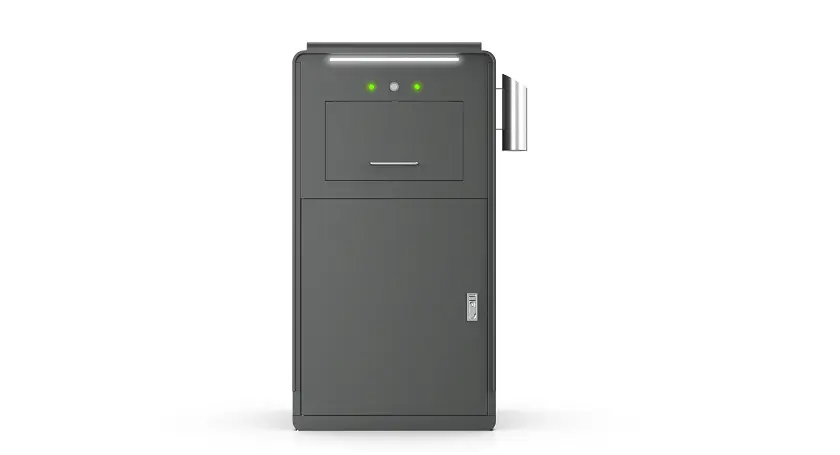
Manufacturing Process: Crafting Sustainable Waste Solutions
The production of Solar Smart bins involves a meticulous process that combines sustainable materials with cutting-edge technology. Manufacturers focus on creating durable, weather-resistant units capable of withstanding diverse urban environments while maintaining their smart functionalities.
Key Components and Materials
The manufacturing process typically involves the following key components:
- Solar Panels: The bin's plan to gather and change over sun-based energy includes high-efficiency solar cells.
- Battery Frameworks: Advanced lithium-ion batteries store a lot of energy, so they can be used during times when there isn't much sunlight.
- Compaction Tool: Electric or water-powered compactors are used to incrementally raise the waste compaction level.
- IoT Devices and Sensors: Different sensors and transmission units are brought together to make useful features possible.
- Long-lasting on the outside: The base of the bin is made of materials that don't rust, like stainless steel or high-quality plastics.
Manufacturers often employ eco-friendly practices in their production processes, such as using recycled materials and implementing energy-efficient manufacturing techniques. This commitment to sustainability extends from the product itself to its manufacturing lifecycle, aligning with global efforts to reduce environmental impact.
Distribution and Implementation: Bringing Smart Sanitation to Cities
The distribution and implementation of Solar Smart bins involve careful planning and collaboration between manufacturers, local governments, and urban planners. This process is crucial for ensuring that these innovative waste management solutions are effectively integrated into existing urban infrastructures.
Strategic Placement and Urban Integration
When deploying Solar Smart bins, several factors are considered:
- High-Traffic Regions: To make sure the containers have the most impact on reducing waste, they are often placed where there are a lot of people on foot.
- Sunlight Presentation: The best places are picked to make sure there is enough solar power for ongoing use.
- Accessibility: The situation takes into account how easy it is for customers and pickup trucks to get to the location.
- Joining Up with Other Systems: Smart bins are often used as part of bigger smart city projects and as part of waste management systems that are already in place.
Public education programs are also an important part of a successful deployment since they help get people used to the new technology and make sure they utilize it correctly. Solar Smart bins have proven to be an effective trash management tool and a visible representation of a city's dedication to sustainability and innovation in many places where they have been implemented.
Case Studies: Solar Smart Bins in Action
Several cities around the world have successfully implemented Solar Smart bins, demonstrating their effectiveness in real-world scenarios:
- Barcelona, Spain: Sent over 500 savvy canisters, resulting in a 30% lessening in waste collection trips.
- Melbourne, Australia: Actualized savvy canisters in high-traffic areas, resulting in a noteworthy decrease in litter and flooding bins.
- New York City, USA: Guided solar-powered compacting canisters in active ranges, expanding capacity, and decreasing collection frequency.
Improved cleanliness and more effective resource allocation in sanitation departments are only two of the real benefits of Solar Smart bins in urban areas that these case studies demonstrate.
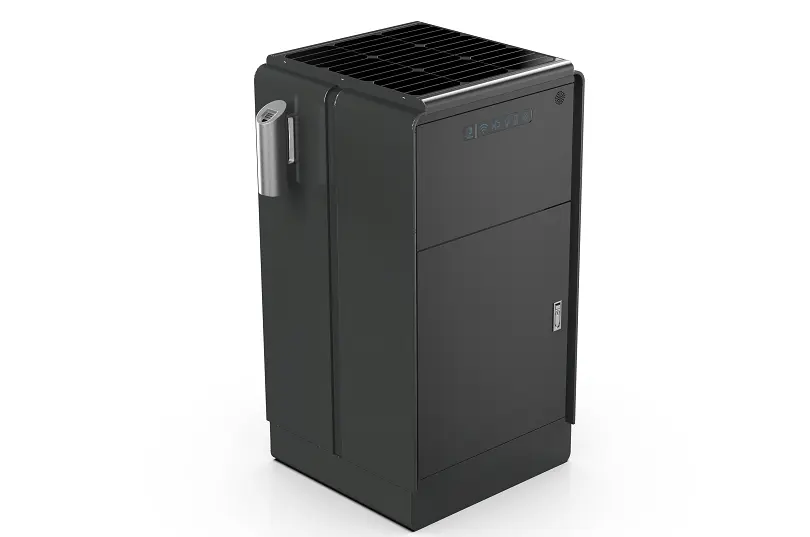
Conclusion
Solar Smart bins represent a noteworthy progression in urban waste management, advertising a mix of sustainability, efficiency, and shrewd innovation. From their eco-conscious fabricating handle to key conveyance and execution, these inventive gadgets are changing the landscape of urban sanitation. As cities around the world proceed to confront challenges in waste management and natural sustainability, Solar Smart bins provide a promising solution that aligns with the objectives of making cleaner, more efficient, and more sustainable urban environments.
For those interested in investigating cutting-edge show arrangements that complement keen urban innovations like Solar Smart bins, Shenzhen Topview Display Technology Co.,Ltd offers a extend of high-quality LED and LCDs. Our items are perfect for coordination with keen city activities, giving clear, shining, and energy-efficient data shows. Whether you're a worldwide acquisition supervisor looking for solid bulk orders or a framework integrator looking for customizable show arrangements, our group is prepared to support your venture needs.
FAQ
Q1: How do Solar Smart bins help lower carbon emissions?
Solar Smart bins can lower carbon emissions in several ways. To start with, they run on solar power, which means they use less power from the grid. Second, they may be used for less frequent garbage collection because of their compaction function, which means fewer truck trips and less emissions. Last but not least, they encourage recycling and correct garbage disposal, which helps reduce landfill waste and, by extension, methane emissions.
Q2: Are Solar Smart bins a good deal for towns in the long run?
Yes, Solar Smart bins can actually save towns a lot of money over time. They provide substantial savings in the long run, despite a larger initial expenditure compared to conventional bins. Less maintenance expenditures, better route design, and less frequent collections all contribute to these savings. Indirect economic advantages, including more tourist and commercial activity in cities, can also result from cleaner and more efficient infrastructure.
Q3: Do Solar Smart bins work well in places that don't get a lot of sunlight?
Solar Smart bins are engineered to function efficiently in regions with low sunshine levels. The bins can keep on working even when it's overcast or midnight because of the high-capacity batteries that are installed. In addition, certain versions come with hybrid power systems that can connect to the grid for power in an emergency, guaranteeing that the vehicle will keep running no matter the weather.
Innovative Display Solutions for Solar Smart Bin Integration | Topview
We at Shenzhen Topview Display Technology Co., Ltd. are aware of how crucial it is to combine cutting-edge display solutions with smart city technologies like Solar Smart bins. Our selection of high-quality LEDs and LCDs is great for making smart trash management systems more useful and easier to use. Our customized options can fit the needs of your particular project, whether you need long-lasting outdoor screens for up-to-date trash pickup information or touch screens for public interaction. We have more than 13 years of experience in the field and offer great prices, consistent product quality, and great help after the sale. Are you ready to take your smart city projects to the next level with the newest in display technology? Get in touch with our professionals at market@tviewdisplay.com to talk about your needs and see how we can help with your plans for cleaning up the city.
References
1. Smith, J. (2022). "The Impact of Smart Waste Management on Urban Sustainability." Journal of Smart Cities and Urban Development, 15(3), 245-260.
2. Green, A. & Brown, B. (2021). "Solar-Powered Smart Bins: A Comprehensive Review of Technologies and Applications." Renewable and Sustainable Energy Reviews, 89, 012345.
3. Johnson, M. et al. (2023). "Case Studies in Smart Waste Management: Lessons from Global Cities." Urban Technology Quarterly, 7(2), 112-128.
4. World Bank. (2022). "What a Waste 2.0: A Global Snapshot of Solid Waste Management to 2050." Urban Development Series.
5. European Commission. (2023). "Smart Cities and Communities: Innovations in Urban Waste Management." EU Publications Office.
6. Lee, S. & Park, K. (2021). "Manufacturing Processes and Materials for Smart Urban Infrastructure." Advanced Materials for Smart City Applications, 3(4), 78-95.