



How long does outdoor digital signage typically last?
IP66 Outdoor digital signage typically lasts between 5 and 10 years, though well-maintained units from reputable manufacturers often exceed that range. The actual service life depends on hardware quality, environmental exposure, usage hours, and how consistently the system receives maintenance. A display running 24/7 in direct sunlight in Phoenix, Arizona faces very different stress than one operating in a shaded transit corridor in Seattle. Understanding what drives lifespan helps procurement managers, AV integrators, and project buyers make smarter long-term investments.
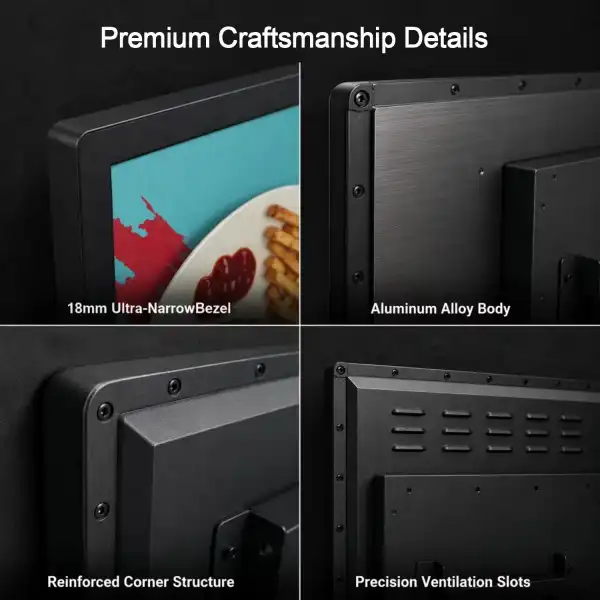
Understanding Outdoor Digital Signage Lifespan
Before making a budget for a rollout, it's helpful to separate two ideas: the technical lifespan and the useful lifespan. How you figure out the total cost of ownership depends on what the difference is.
Technical Lifespan vs. Functional Lifespan
The technical lifespan of hardware is the amount of time it works before it breaks. The display's functional lifespan is how long it can still be used for its original purpose, with enough brightness, sharpness, and dependability. Even if the screen still works after eight years, it may only be 60% as bright as it was when it was first bought, which means it can't be used for high-visibility advertising.
Environmental Factors That Reduce Service Life
UV light makes display panels and frames age faster. Changes in temperature make internal parts expand and contract, which over time loosens connections. When metal housings and PCBs are near the coast or in places with a lot of humidity, corrosion is a real problem. Over years of constant operation, each of these things adds up.

Usage Intensity and Its Impact
An IP66 outdoor digital signage screen that is used 18 hours a day wears out faster than one that is used 12 hours a day. Industry data shows that after 50,000 hours of use, LED backlights lose about 30% of their original brightness. That's about 7.6 years if you work 18 hours a day. Procurement teams should take that into account when figuring out when to replace things and how to calculate ROI.
Technology and Components Behind Outdoor Display Durability
Whether a screen lasts five years or twelve depends on the tech inside the case. There is a clear difference between public displays that are made to the same level of quality.
Display Panel Technology and Brightness
LCD screens with LED backlights that are very bright (1,500 to 2,000 nits) are now the standard for use outside. The T32SO, T43SO, T49SO, and T55SO series from Topview all have 1920x1080 resolution and 1,500 cd/m² of brightness, which is industrial-grade. Crucially, these units use a special LCD substrate that can work in temperatures ranging from -30°C to 110°C. This prevents the "panel blackening" failure that happens a lot with consumer-grade screens that are exposed to direct sunlight.
Protective Glass and Enclosure Construction
People often forget about the glass layer, but it's very important for how long something lasts. Topview's solar-powered sign line is made with 6 mm vandal-proof laminated double-sided glass that has an AR anti-glare covering. This glass keeps more than 97% of light passing through and reflects less than 3%. It also stops 99.99% of UV rays and cuts the heat from the sun by 52%. The enclosure is made of 1.5 mm galvanized steel and has an outdoor powder coating. The shell is expected to last more than seven years.
Thermal Management Systems
Heat is the main reason why displays fail early. Topview's units use military-grade heat dissipation technology along with an intelligent cooling system that keeps the inside temperatures between 5°C and 25°C, even when the outside temperature is 45°C. An automatic photosensitive probe changes the brightness of the screen based on the amount of light in the room. This cuts down on wasted energy use and speeds up the aging of the components.
Together, these technical choices make the service life much longer than what consumer or semi-commercial screens can do. For large purchases and project-based deployments, these specifications directly lead to lower costs for replacements and maintenance over the course of the product's lifetime.
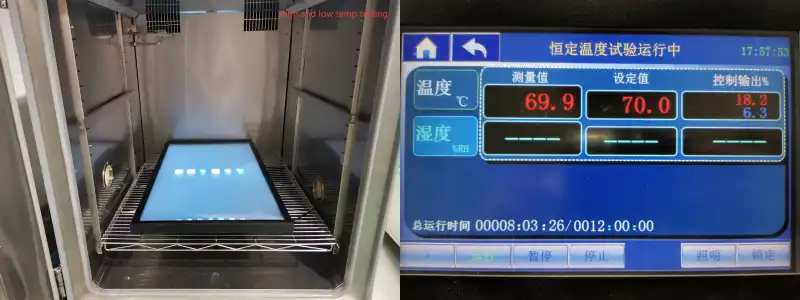
Installation and Maintenance: Extending the Life of Your Display
Even the best-designed display will break down quickly if it is installed incorrectly or not serviced regularly. The buyer has power over the site's conditions and upkeep schedules, and these things are important.
Site Assessment and Placement
Before installing IP66 outdoor digital signage, check the location's sun exposure, wind direction, and how close it is to water sources. Putting a screen where it will always be in the western sun without any shade makes it much hotter. A good site review can add two to three years to the unit's useful life by keeping it from being stressed out when it doesn't need to be.
Mounting and Physical Protection
Secure mounting stops vibration-induced connector fatigue, which is a common reason why things break down sometimes outside. The T-series enclosures from Topview can be mounted on a pole or on the wall. They have sealed cable entry points that keep the IP rating intact. If the cover is installed correctly, it will keep out wetness, bugs, and small particles.
Scheduled Maintenance and Software Upkeep
Cleaning the vents and filters every three months, checking the power lines and seals once a year, and updating the software on the embedded network player should all be part of a maintenance plan. Topview offers free technical support for life from the time of delivery, including during the warranty period and after it ends. The built-in play system works with picture, video, and text files stored over cable or offline storage. This makes it easy to add new material without having to have technicians come to the site.
Making these practices standard cuts down on unplanned downtime, protects your warranty, and increases the asset's useful life across your whole deployment.
Comparing Outdoor Displays to Traditional and Indoor Signage
It's helpful for procurement teams to know how outdoor digital displays stack up against other types of signage so they can explain capital expenditures and make upkeep budgets that are reasonable.
Outdoor Digital Displays vs. Static Billboards
A classic printed sign doesn't need any software updates and doesn't have any electronic parts that could break. But it can't show dynamic content, can't be updated from afar, and costs a lot to print and set up every time. A digital display costs more up front, but over a number of years, it costs less per content change. This is especially true for store chains, transit companies, and ad groups that run campaigns all the time.
Outdoor vs. Indoor Digital Signage
Indoor displays work in places where the temperature and humidity are controlled. Their brightness ratings are usually between 300 and 700 nits, which is much lower than what you need for outdoor use. If you put an indoor unit outside, the panels will turn black, water will get in, and the colors will change because of the UV light within months. Outdoor displays like Topview's T-series are designed to work in the settings they'll be used in, which is a big difference over the course of a 7–10-year deployment lifetime.
Cost-Effectiveness Over Time
For B2B buyers of IP66 outdoor digital signage, what counts is the total cost of ownership, not the price of the product. Over ten years, a cheaper unit that needs to be replaced every four years costs more than a more expensive unit that lasts the whole ten years. Topview's solar-powered signage series runs entirely on solar energy and doesn't need any wires or electrical hookups. This means that the company doesn't have to pay for any ongoing electricity costs.
Making Informed Procurement Choices to Ensure Longevity
It's not enough to just compare spec sheets when making a purchase choice. It involves checking the supplier's skills, making sure they follow certification rules, and looking at their after-sales support system.
Certifications and Compliance
For products sold in the US, FCC, RoHS, and CE certifications are required because they affect things like insurance coverage, getting building permits, and getting clients for government and municipal projects. The T-series from Topview has all three approvals, which means it can be used for government signage projects, transportation infrastructure projects, and store chain rollouts that need to show proof of compliance.
Supply Chain and Lead Time
Topview has a production center in Shenzhen that is 2,000 square meters and has three specialized production lines that can make 100 units per day. The T32SO, T43SO, T49SO, and T55SO lines have lead times of 5 to 15 working days, and you can choose between EXW, FOB, and DDP as a price term. You can pay with TT, and all of the items are sent in strong wooden cases to keep them from getting damaged in transit.
Warranty and Long-Term Support
The standard warranty lasts for one year, but you can ask for a longer three-year guarantee. Even better, Topview offers lifetime technical support, which means that engineers can still help you even after the guarantee period is over. This level of ongoing support lowers project risk and makes long-term asset management easier for integrators and EPC contractors who are in charge of multi-site deployments.
Conclusion
Depending on the quality of the hardware, the climate, how it was installed, and how often it was maintained, IP66 outdoor digital signage can last anywhere from 5 to over 10 years. Displays made with industrial-grade panels, good thermal management, IP-rated enclosures, and glass that can't be broken consistently work better than consumer-grade options. The goal for procurement managers, AV installers, and project workers is not just to buy a screen; it's to get an asset that will work reliably for as long as it's supposed to. The difference between a smart procurement choice and an expensive replacement cycle is choosing a provider with documented output capacity, foreign certifications, and real after-sales support.

FAQ
Q1: How long do outdoor LED digital signs typically last?
Outdoor LED digital signs that are well-made should last between 7 and 10 years when used normally. LED backlights can be used for between 50,000 and 100,000 hours, but this depends on how bright they are and how warm the room is. This range can go even further with proper thermal management and regular maintenance.
Q2: What shortens the lifespan of an outdoor digital display?
Long-term UV exposure, high heat without enough cooling, water getting in through poor sealing, and physical shaking from bad mounting all speed up the wear and tear on components. The most common reason for early failure is using a display that isn't meant to be used outside.
Q3: Does solar-powered digital signage last as long as grid-powered displays?
Yes. Topview's T-series solar panels use deep-cycle gel electrolyte batteries that are made to work well in high-temperature and high-altitude conditions and have good protection against overcharging and overdischarging. The battery system is made to work in the field for a long time without losing its power.
Q4: What IP rating should outdoor digital signage have?
IP65 is the lowest rating that should be used for outdoor installations. It makes sure that the unit is safe from dust and water jets coming from any direction. The T-series enclosures from Topview meet this standard. They are made of outdoor powder-coated galvanized steel and are guaranteed to have a shell life of more than seven years.
Get a Tailored Quote from Topview — Your Trusted Outdoor Digital Signage Manufacturer
From our factory in Shenzhen, Topview has been making professional LCD advertising screens for more than 13 years. Our T32SO, T43SO, T49SO, and T55SO IP66 outdoor digital signage units are FCC/CE/RoHS-certified and come with solar power, a brightness of 1,500 nits, and free technical support for life. Our team is ready to help you whether you need bulk supplies, OEM branding, or combinations that are specific to a project. To get a price right away, email us at market@tviewdisplay.com.
References
1. Digital Signage Magazine — 2022. "Lifespan and Reliability of Commercial-Grade Digital Displays."
2. InfoComm International (AVIXA) — 2021. "AV Technology Standards for Outdoor Display Installations."
3. IEC 60529 — 2013. "Degrees of Protection Provided by Enclosures (IP Code)." International Electrotechnical Commission.
4. Society for Information Display (SID) — 2020. "LCD Panel Degradation Under UV and Thermal Stress."
5. Digital Signage Today — 2023. "Total Cost of Ownership for Outdoor Digital Signage Networks."
6. Strategies in Light Conference Proceedings — 2021. "LED Backlight Lumen Maintenance and Lifetime Prediction Models."
YOU MAY LIKE
 VIEW MORE120L solar compacting trash can
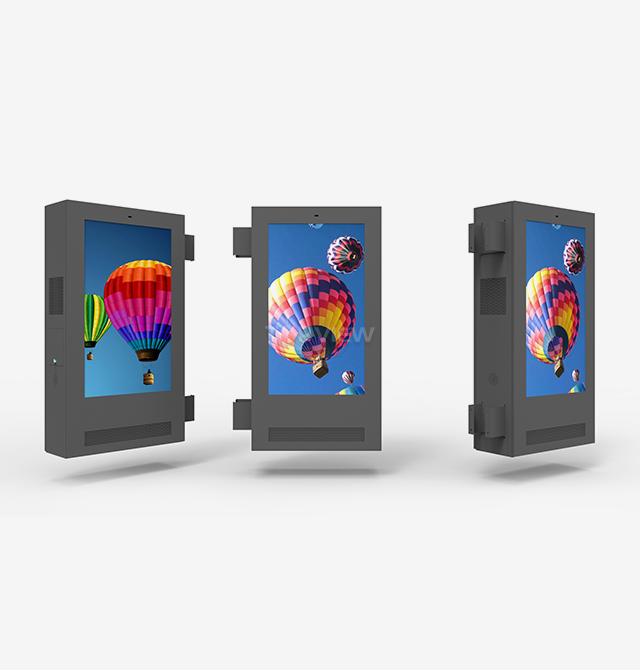 VIEW MOREBus station light Pole Mounted digital signage solutions
 VIEW MOREOutdoor LCD Digital Signage
 VIEW MOREStainless Steel Freestanding Water Drinking Fountain
 VIEW MORERound Circular LCD Display
 VIEW MOREUltra Slim Double-sided Floorstand Kiosk
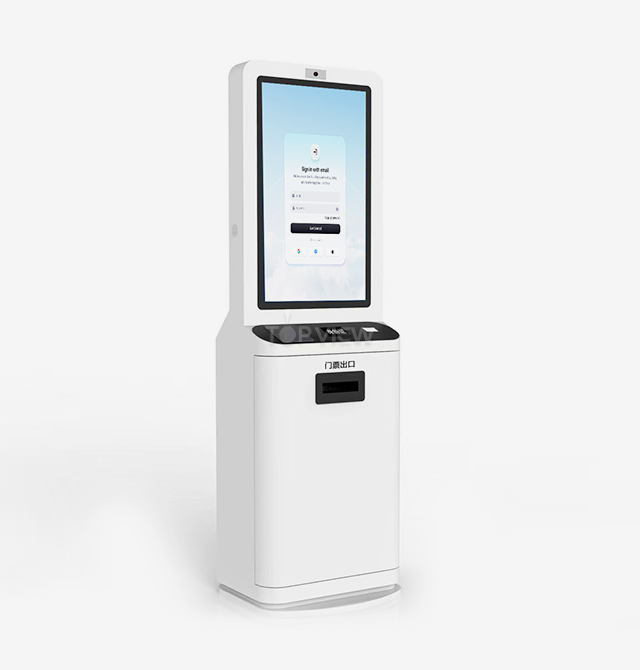 VIEW MORECustom Printing Self-Service Kiosk
 VIEW MOREOutdoor LCD Totem Signage