



How can one distinguish between genuine and counterfeit solar seats?
When evaluating Solar Multi-Functional Smart Seat WiFi Mobile Phone Wireless Charging Bluetooth for urban infrastructure projects, distinguishing genuine products from counterfeit alternatives matters tremendously. Authentic solar multi-functional smart seats with WiFi, mobile phone wireless charging, and Bluetooth capabilities deliver reliable performance through precision engineering—genuine solar panels efficiently harvest energy, lithium battery management systems prevent overheating, and certified wireless charging modules comply with Qi standards. Counterfeit versions often cut corners with inferior photovoltaic cells, unstable connectivity hardware, and missing safety certifications, leading to operational failures and potential liability issues for buyers managing large-scale deployments.

Understanding the Core Technologies of Genuine Solar Multi-Functional Smart Seats
Real solar-powered seating includes high-tech features that turn outdoor furniture into charging and internet hubs that can run on their own. When procurement teams look at source claims, knowing these technical basics helps them set standard expectations.
Solar Energy Harvesting and Storage Systems
Real units have either monocrystalline or high-grade polycrystalline solar panels that can convert sunlight into electricity with rates of more than 18%. They also have LiFePO4 batteries that can be charged and discharged over 2,000 times. These parts are controlled by Maximum Power Point Tracking (MPPT) charge controls, which make it possible to get the most energy even when it's cloudy outside. Overcharge protection, temperature monitoring, and cell balancing circuits are all part of the battery management system. The International Renewable Energy Agency (IRENA) published research in 2022 that says good solar furniture systems can run on their own for three to five days, even when there isn't much sunlight.
Wireless Charging and Connectivity Integration
Real solar benches have USB Type-A and Type-C ports with smart current distribution and Qi-certified wireless charge coils that can output 5W to 15W. The WiFi module usually has two bands, 2.4GHz and 5GHz, and uses enterprise-level security methods. Bluetooth 5.0 chips let you play music wirelessly up to 10 meters away. Private firmware controls how power is used, keeps the device from getting too hot, and keeps track of how it's being used. Manufacturers put unique serial numbers in both the hardware and software layers. This creates digital fingerprints that can be checked and verified by authorized dealers using secure websites.
Safety and Environmental Compliance Features
Premium solar seating has an ingress protection rating of IP65, can withstand IK10 impact tests, and is made of powder-coated aluminum or stainless steel that can withstand salt spray exposure for 1,000 hours or more (ASTM B117 standards). If temperatures get too high, internal thermal sensors turn off the charging functions. Real products have certifications from organizations like CE, FCC, RoHS, and REACH, which is proof that counterfeiters rarely copy correctly. These compliance marks show that the products have been tested by a third party to make sure they are safe for electromagnetic compatibility, chemicals, and electrical hazards.
Common Indicators and Risks of Counterfeit Solar Smart Seats
To spot fake solar furniture, you need to look at both what you can see and how well it works. Counterfeiters take advantage of buyers who are price-conscious by copying the way something looks while compromising important parts.
Visual and Physical Warning Signs
There are usually a few obvious problems with fake units of Solar Multi-Functional Smart Seat WiFi Mobile Phone Wireless Charging Bluetooth. Compared to official brand images, logo writing looks fuzzy or out of place. Labels with serial numbers use standard fonts instead of custom ones, and holographic security stickers aren't as clear and deep as those on real products. Welded seams have odd bead patterns, and powder coating has uneven thickness and sides that chip off too soon. The packaging feels cheap, and the instructions come with sloppy writing and low-resolution pictures. Genuine suppliers give thorough technical spec sheets that show exact model numbers of the parts they sell. Fake suppliers, on the other hand, often leave this information out or give vague specifications.
Performance and Efficiency Deficiencies
It becomes clear that fake solar benches don't work right when they are tested and used. Solar panels are 30–50% less efficient because the silicon they use isn't as good, or the wattage ratings they give you aren't accurate. Wireless charging pads don't always send power, so devices go back and forth between charging and not charging. Poorly made network chips often cause WiFi hotspots to lose links. Bluetooth music has trouble with static and range issues. Advertized battery capacities don't always match up with reality. For example, a 30Ah battery may only provide 15Ah, which makes it much harder to use at night. These flaws cause users to complain, require repairs, and lead to be replaced too soon, which cancels out any cost savings at first.
Safety and Liability Concerns
Fake solar furniture is very dangerous, and responsible procurement teams can't ignore this. Thermal runaway from bad battery management systems can start fires, especially in the summer when it's hot. Lightning strikes or changes in the power grid can hurt devices that are attached if surge protection is not present. Weak spots in the structure cause seats to fail under standard load conditions, which could hurt people and put property owners at risk of being sued. Products aren't insured during mishap reviews because they don't have the right certifications. When safety problems get a lot of attention in the media and from the public, municipal procurement managers who use fake units without understanding it could hurt their image.

Step-by-Step Guide to Verifying Authenticity Before Purchase
Smart buying rules keep fake goods from getting into supply chains. These steps of verification protect the value of the investment and make sure the project succeeds.
Manufacturer Verification and Documentation Review
If you want to get in touch with the brand owner, only use the official channels listed on their corporate website. Never rely on the contact information given by a distributor. Ask for papers that prove the item is real, such as quality inspection reports, unique product serial numbers, and times of manufacture. Use the manufacturer's online verification portal to check these serial numbers against each other. Real brands keep these portals up to date just for authentication purposes. Check the supplier's business license, factory audit reports from outside groups like Bureau Veritas or SGS, and proof that they are an approved store. Real makers are happy to give offers for factory tours and video conference facility walkthroughs.
Technical Testing and Performance Validation
Check the solar panels before they are shipped by using calibrated tools to measure their power under normal lighting conditions (1000W/m² irradiance). Check the effectiveness of wireless charging with a number of different smartphone models, making sure that charging starts within two seconds of placing and continues to give stable power. Connect monitoring software to USB ports to make sure the smart current distribution works. Real controls change the amperage based on what the device needs. Test the efficiency of WiFi by connecting multiple devices and checking the speed. Spectrum analyzers can be used to check the strength of Bluetooth signals at different distances. Compare the results to the manufacturer's specs, making sure that the accepted ranges of error are clearly spelled out in the procurement contracts.
Third-Party Certification Confirmation
Make sure that the certification marks match up with real test reports. To make sure the certificate is real, call a certification body like TÜV, Intertek, or UL directly with the certificate number. Fraudsters often make fake certification documents with fake tracking numbers. Carefully look over the scope of certification, as some sellers get certificates for one model and then use those marks illegally on versions that haven't been tested. Check that test reports are complete by making sure that the registration numbers for the lab match the ones that are on file now. The International Electrotechnical Commission (IEC) says that valid certification paperwork has clear explanations of how the tests were done, what equipment was used, and results that can be measured with acceptable error ranges.
Comparing Genuine Solar Smart Seats vs. Counterfeits: Features and Market Pricing
Knowing the differences in value for Solar Multi-Functional Smart Seat WiFi Mobile Phone Wireless Charging Bluetooth helps procurement teams make smart choices based on the total cost of ownership instead of just the purchase price.
Technical Performance Benchmarks
Real solar panels from well-known companies offer measurable performance benefits. Solar conversion rate is 20–22%, compared to 12–15% in fake units. This means that 40% more energy is produced with the same amount of sunlight. Genuine wireless charging coils stay at 85% efficiency and don't make a lot of heat, but fake ones stay around 60% efficiency and make hotspots that hurt smartphone batteries. Real devices can handle 50 or more simultaneous connections at 100Mbps speeds, but fakes can't handle more than 20 people before the network crashes. The battery cycle life is 5 to 8 years, while the life of inferior cells is only 1 to 2 years. These performance gaps have a huge impact on both user satisfaction and maintenance costs throughout the lifecycle of a deployment.
Warranty and After-Sales Service Comparison
Genuine makers back their goods with full guarantees that cover parts, labor, and levels of performance loss for three to five years. They have regional service offices with trained technicians who answer help tickets within 24 to 48 hours. Replacement parts are always available and priced clearly throughout the span of a product. Updates for software fix security holes and add new features at no extra cost. Most of the time, fake sellers offer unclear one-year guarantees with terms that can't be enforced, disappear after payment clears, or charge extra for basic technical support. When there isn't solid help, small problems turn into expensive system failures.
Total Cost Analysis
At first glance, fake solar seats may seem 30–40% less expensive, but they quickly lose their value due to hidden costs. Because they use 60% more energy, 60% more units are needed to reach the same charging capacity across a campus deployment. Because they break down too soon, they need to be replaced every 18 to 24 months instead of the 7 to 10 years that real goods last. Tech fees range from $150 to $300 for each service call for connection problems. When safety certifications are found to be false, liability insurance rates go up. The Urban Land Institute did a full five-year cost analysis in 2023 that showed that real smart furniture has a 47% lower total cost of ownership than fake versions when maintenance, energy use, and replacement cycles are taken into account.
Best Practices and Recommendations for B2B Procurement of Solar Smart Seats
Setting up strong processes for screening suppliers protects businesses from the risk of fake goods and builds trusting relationships with suppliers.
Supplier Qualification and Audit Procedures
Make a pre-qualification form that asks suppliers about their factories' locations, production capacity, quality management certifications (ISO 9001, ISO 14001), and client references from similar projects. Do workplace audits in person or virtually, looking at production tools, paperwork about where parts came from, and quality control testing procedures. Make sure that the companies they work with only buy authentic solar panels from names like JA Solar or Trina, battery cells from CATL or BYD, and certified wireless charging modules. Check the supplier's intellectual property paperwork to make sure they have the right to make the product and aren't making illegal copies. Trade associations and industry databases that keep track of past supplier performance can be used to screen potential suppliers.
Contract Protections and Testing Protocols
Set up contracts for buying things that include guarantees of validity backed by fines. Include clauses that require suppliers to provide documents that prove the goods' origin, the right to inspect the factory, and samples for testing by a third party at the supplier's cost. Set acceptance criteria based on measurable performance benchmarks, such as the amount of power the solar panel produces in watts under normal test conditions, the percentage of wireless charging efficiency, the stability of the WiFi link, and the structure's load capacity. Set up staged payment terms that hold back 20–30% of the contract value until the field performance review is complete and passes. Make sellers keep performance bonds or letters of credit that buyers can use if goods fail to pass tests to make sure they are real or to work properly.
Pilot Testing and Phased Deployment Strategy
Smart procurement teams don't commit to full-scale orders right away. Instead, they start with pilot installations of 5–10 units placed in a variety of environments. Watch how it works in real life for three to six months, keeping track of how much energy it makes, how much it charges, how often it connects and disconnects, and any repairs that need to be done. Use polls and research studies to get feedback from users. Compare the pilot results to the manufacturer's requirements and the standards set by other companies. Use the results of the pilot to negotiate the final price, make technical requirements clearer, and set reasonable goals for performance. The National Institute of Building Sciences (2022) suggests this step-by-step method because it lowers financial risk and boosts trust in the supplier's abilities before going big with hundreds or thousands of units.

Conclusion
To tell the difference between real Solar Multi-Functional Smart Seat WiFi Mobile Phone Wireless Charging Bluetooth and fake ones, you need to carefully look at the technical specs, check the supplier's qualifications, and make sure the seats work. Genuine goods have clear benefits, including better solar energy, stable connectivity, wireless charging that works, and full safety certifications. Even though fakes are cheaper at first, they cost more in the long run because they don't work well, break down often, and pose legal risks. To keep their companies safe, procurement professionals set up strict verification protocols, do factory audits, demand third-party certifications, and write contracts with guarantees of authenticity. Doing your research before buying something pays off in the form of longer product lifecycles, happy customers, and reliable operations that fake products can't match.
FAQ
1. Can I verify product authenticity through serial numbers alone?
Serial numbers are a good place to start, but they need to be checked against records kept by the maker. Genuine brands have safe web areas where buyers can enter serial numbers to find out when the products were made, where they were originally sold, and the state of their warranties. Use the manufacturer's official website to get in touch with them directly instead of using the contacts the supplier gives you.
2. What certifications should genuine solar smart benches carry?
Real units have the CE marking for European safety standards, the FCC marking for electromagnetic compatibility in North American markets, the RoHS marking for rules about dangerous substances, and IP65 ratings for water resistance that have been checked by outside testing labs. Instead of taking images of certification marks, ask for copies of the real test results.
3. How can I test wireless charging functionality before bulk purchase?
Place several smartphone models that support Qi wireless charging on the charging surface while keeping an eye on the charging signs and using USB multimeters to measure the power delivery. Real systems start charging in two seconds and keep up a steady power flow without getting too hot. Continuously test for 30 minutes or more to find problems with temperature management.
4. Do counterfeit solar seats pose fire hazards?
Poorly designed battery management systems in fake units can cause serious fire risks through thermal runaway events, especially when batteries overheat in hot weather or have problems charging. The Consumer Product Safety Commission (CPSC) says that real goods have multiple safety layers, such as thermal sensors, overcharge protection, and approved battery cells that meet UN38.3 transportation safety standards.
Partner with Topview for Certified Solar Smart Seating Solutions
Topview is a company based in Shenzhen that has been making products for over 13 years. They make certified Solar Multi-Functional Smart Seat WiFi Mobile Phone Wireless Charging Bluetooth units with Bluetooth music systems, WiFi connection, and certified wireless charging. Our 2,000-square-meter building has three modern production lines run by more than 20 top engineers. Strict quality control procedures make sure that every Model 1802 unit meets international safety standards. We offer full customization services, such as OEM/ODM branding, software configuration, and changes made specifically for each project, with no minimum order quantity requirements. Our solar benches have built-in power systems that can run on their own, USB and wireless charging ports, LED lighting, and the option to connect to 5G networks. They are perfect for city projects, business developments, and transportation hubs. Topview keeps all of its CE, FCC, and RoHS certifications up to date with clear paperwork and committed engineering help after the sale. Get in touch with our B2B buying team at market@tviewdisplay.com to talk about your solar smart seating needs with a reputable company that is dedicated to providing real, high-performance urban furniture options.
References
1. International Electrotechnical Commission (IEC). (2021). IEC 62368-1: Audio/Video, Information and Communication Technology Equipment – Safety Requirements. IEC.
2. International Electrotechnical Commission (IEC). (2022). IEC 62133-2: Secondary Cells and Batteries Containing Alkaline or Other Non-Acid Electrolytes – Safety Requirements for Portable Sealed Secondary Lithium Cells and for Batteries Made from Them. IEC.
3. ASTM International. (2021). ASTM B117: Standard Practice for Operating Salt Spray (Fog) Apparatus. ASTM International.
4. Wireless Power Consortium (WPC). (2023). Qi Wireless Power Transfer System: Specifications and Compliance Requirements. Wireless Power Consortium.
5. International Renewable Energy Agency (IRENA). (2022). Renewable Power Generation Costs in 2022. International Renewable Energy Agency.
6. National Institute of Standards and Technology (NIST). (2023). Cybersecurity Framework 2.0: Creating a Secure Digital Infrastructure for Connected Devices and Systems. National Institute of Standards and Technology.
YOU MAY LIKE
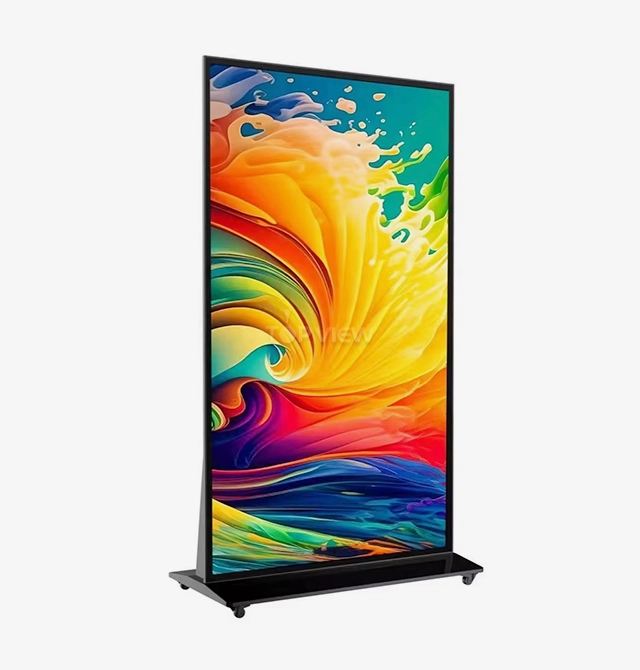 VIEW MORELCD Full Screen Indoor Digital Signage
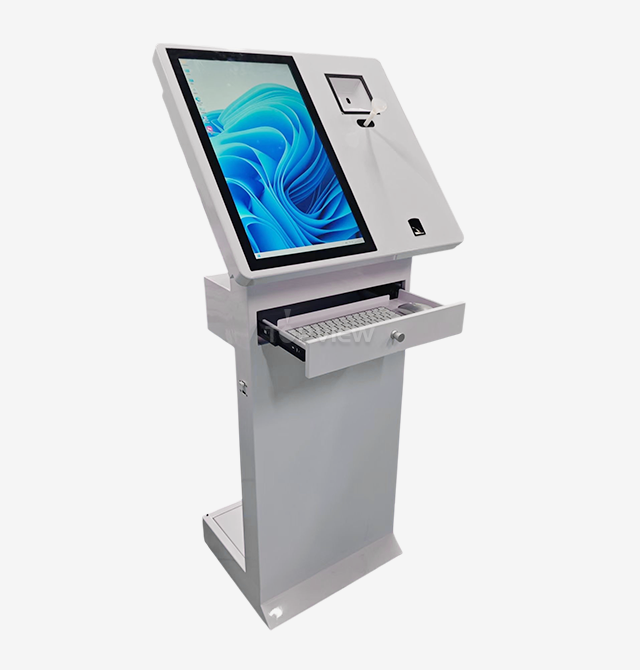 VIEW MOREBraille Keyboard PCAP self service Touch Screen Kiosk With Printer
 VIEW MOREOutdoor double-sided digital signage kiosk
 VIEW MOREIntelligent IOT System Bright LED Light Pole
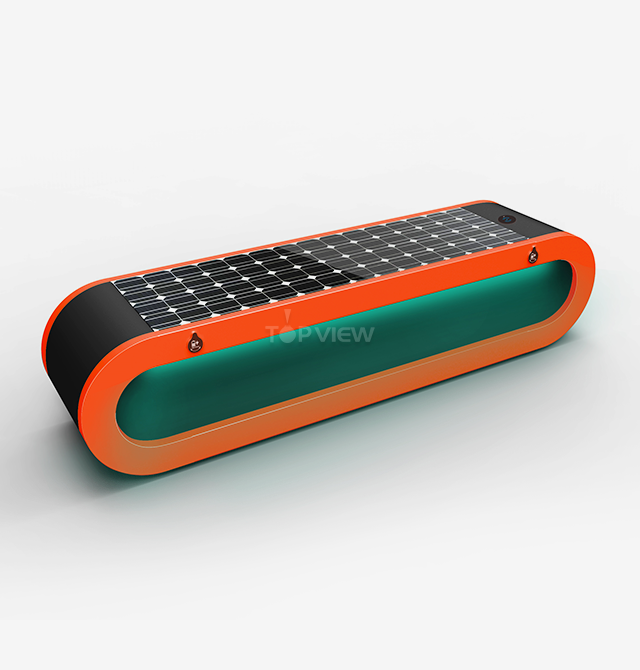 VIEW MORESmart Solar Furniture Bench
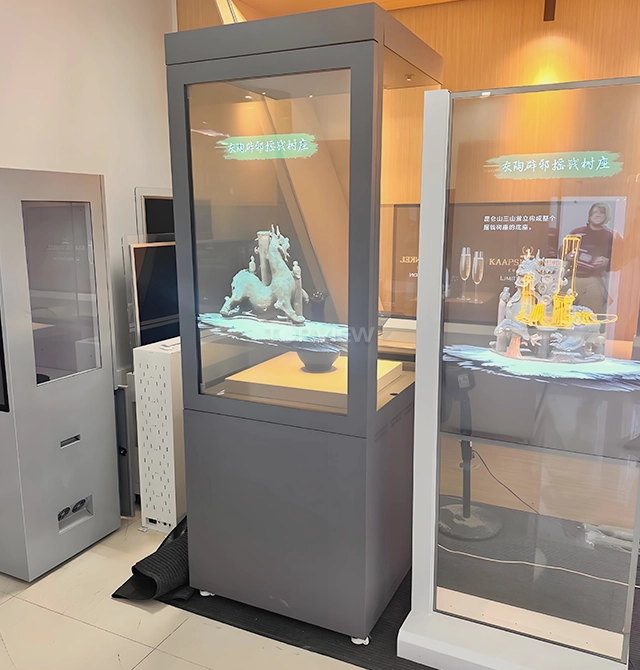 VIEW MORE55″ Transparent OLED Display Cabinet
 VIEW MOREPluggable OPS PC
 VIEW MOREElevator Advertising LCD Display