



New bus shelters featuring soft LED lighting to create a warm, comfortable waiting environment
Modern bus shelters have evolved far beyond basic weather protection. Passengers now expect comfort, safety, and convenience while waiting for public transit. New bus shelters featuring soft LED lighting create a warm, comfortable waiting environment that fundamentally transforms the commuter experience. Among the most promising innovations in this space is the Stainless Steel Multifunctional Solar Power Bus Shelter, which combines renewable energy, durable construction, and passenger-centric design. These advanced structures integrate photovoltaic panels with robust #304 stainless steel frames, delivering autonomous operation without reliance on traditional electrical grids. The soft LED strips provide ambient illumination that reduces eye strain while fostering a sense of security during evening hours. This fusion of sustainable technology and thoughtful design represents a significant step forward for urban infrastructure planning (Smart Cities World, 2022).
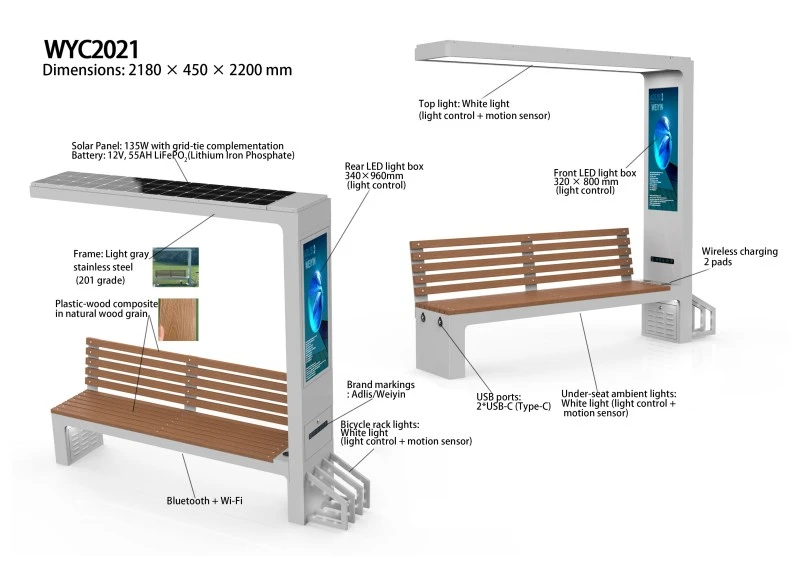
Understanding Stainless Steel Multifunctional Solar Power Bus Shelters with Soft LED Lighting
Adding solar technology to public transportation systems solves several problems in cities at the same time. Solar-powered shelters get rid of the need for expensive electrical trenching, lower ongoing operating costs, and are in line with the sustainability goals of the city. The main structure is made up of high-efficiency monocrystalline solar panels that are placed on strong stainless steel frames. These are paired with deep-cycle LiFePO4 batteries that are controlled by smart MPPT controllers.
Core Components and Material Excellence
Premium materials are the building blocks of shelters that last for a long time. The frame made of #304 stainless steel is more resistant to rust than normal galvanized steel. This is especially useful in seaside areas or places with harsh weather. Panels made of 6mm tempered glass can withstand impact while still being clear for use in advertising displays or passenger information systems. Standardized sizes, like L3500×W1625×H2550mm, are possible with the modular design, but unique combinations are still possible. Urban Transport Magazine (2023) says that surface treatments like hot-dip galvanizing and powder coating make sure that safety scores are good enough for harsh weather conditions.
Solar Energy Integration and LED Technology
During the day, the photovoltaic system collects sunlight and stores energy in automotive-grade batteries. At night, these batteries power LED lights and other features. LED strips or T8 tubes provide energy-efficient lighting that uses a small amount of electricity compared to regular lights. The soft, diffused light from LED lights makes the space feel more welcoming and comfortable for passengers without making the light too bright. Battery management tools give you 3–5 days of independence, so your business can keep running even when it's dark for a long time. This energy independence is especially helpful for transit stops in rural or developing areas where access to the power grid is still not reliable.
Environmental Benefits and Sustainability Impact
Solar-powered shelters help reduce carbon emissions in a measurable way. Each unit stops using power on a regular basis and shows a clear commitment to using green energy. The long useful life of stainless steel construction—often over 20 years with little upkeep—reduces the waste of resources that comes with replacing things all the time. LED systems that are designed to last more than 50,000 hours reduce the need for upkeep and trash disposal even more. These benefits for the environment are in line with what companies want to buy if they want to meet climate standards and keep long-term prices low.
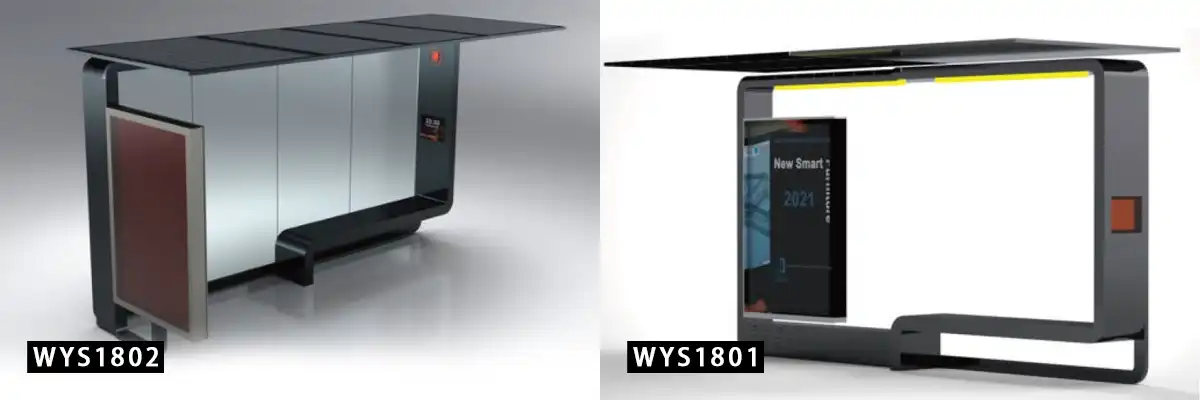
Advantages of Multifunctional Solar Power Bus Shelters for Urban Public Transport
Modern multifunctional units do more than just provide shelter and lighting. They are also service hubs that improve the whole transit experience. The soft LED lighting is good for your mental health and makes you more likely to use public transportation, especially in the evenings when safety concerns might make people not want to ride.
Enhanced Passenger Experience Through Smart Features
These days, shelters like the Stainless Steel Multifunctional Solar Power Bus Shelter are smart urban hubs that have features that meet the wants of a wide range of passengers. Real-time digital displays driven by the built-in solar system show correct information about new arrivals, which cuts down on the time people think they have to wait and makes them happier with the service. Passengers can stay busy or entertained while they wait with a wireless WiFi connection. USB ports let you charge your device quickly in an emergency, which is a regular problem for people who depend on their phones for transportation. The intelligent announcement system lets drivers know exactly where the vehicles are, which helps passengers plan their boarding efficiently. These value-added services turn waiting from a passive inconvenience to an active experience, which makes people feel a lot better about public transportation (Transportation Research Board, 2021).
Safety and Security Enhancements
The warm, steady light from soft LED lighting makes the space feel safe, which discourages bad behavior and makes people feel protected. Optional intelligent monitoring systems let you keep an eye on things from afar, share data, and keep track of incidents without needing their own power infrastructure. Well-lit booths make it easier for people getting on and off the train to see, which lowers the risk of accidents. Heavy-duty stainless steel construction makes the building physically safe against damage from vandals or the weather. These safety features are especially helpful for shelters that are in remote areas or areas with a lot of crime.
Operational Cost Reduction
The economic benefits go far beyond the cost of installation. Not having to pay for power every month saves a lot of money over the 20+ years that the system is in use. Maintenance needs are lower because solar panels only need to be cleaned once in a while and inspected visually every six months. This cuts down on ongoing labor costs. Stainless steel and toughened glass parts last longer than shields made of less durable materials, so they don't need to be replaced as often. The flexible design makes it easy to fix things quickly when they break, which cuts down on downtime and service interruptions. All of these things work together to give procurement workers who are in charge of tight city budgets a great return on their investments.
How to Choose the Right Stainless Steel Solar Power Bus Shelter with Soft LED Lighting
To choose the best shelter design, you need to carefully consider a lot of technical and business factors. The people in charge of procurement have to weigh the initial cost of capital against the long-term cost savings and make sure that the solution meets the needs of both the site and the passengers.
Material Selection and Structural Considerations
Choosing between frames made of stainless steel, galvanized steel, or aluminum has a big effect on how well they work and how much they cost over their whole life. It is impossible for stainless steel to rust, which makes it perfect for places that are wet or near the coast, where salt spray speeds up rusting. The natural power of the material lets thinner profiles be used without affecting the structural stability, which results in designs that look better. Hot-dip galvanizing and powder coating add extra security for tough settings, which makes the product last even longer. With column options like galvanized, aluminum, and stainless steel, costs can be kept as low as possible based on the needs of the environment. Depending on the weather, ceiling materials like PC plate, tempered glass, or laminated glass can be chosen. Translucent options let in the most natural light during the day.
Solar Technology and Energy Performance
The efficiency of the solar panels has a direct effect on how reliable the system is and how big the batteries need to be. Monocrystalline panels usually have conversion rates higher than 21%, which means they can make more power from a smaller roof area than polycrystalline panels. Choosing the right battery is also very important. LiFePO4 chemistry offers more than 2,000 charge cycles and better temperature stability than traditional lead-acid batteries, so it will last for 5 to 8 years even in harsh conditions. The smart MPPT driver makes the best use of the energy collected in all kinds of weather while keeping the batteries safe from damage caused by overcharging and heavy discharge. When systems are the right size, they can run reliably for three to five days even when it's cloudy for a long time (Renewable Energy World, 2022).
Customization and Integration Capabilities
Because OEM and ODM are flexible, shelters can be made to fit the needs of individual projects and company identities. Custom sizing lets you work with the limitations of your site or your personal taste in terms of style while still protecting the structure. Different types of panels, such as those made of toughened glass, galvanized sheet, and stainless steel, can be used to best suit different needs. For example, clear panels can be used for advertising displays, and dark panels can help protect against the weather. You can choose from different light box frame materials and panel options to make your passenger information systems or ads that make money even more unique. You can change the brightness and color temperature of LED lights to make them work best in different urban settings. For example, warmer tones work best in residential areas, and cooler tones work best in business districts. Customizing logos through silk screen printing or LED lighting design helps people remember the brand. The materials used for the bench and the frames can be matched to create a unified look.
Procurement and Partnership Considerations
When it comes to large-scale operations for a Stainless Steel Multifunctional Solar Power Bus Shelter, the supplier's production ability has a direct effect on project timelines. Established manufacturers with dedicated production lines can make more than 100 units every day, making sure that citywide projects are delivered on time. Reliability in lead times is very important when working with building projects or regular weather windows. Full guarantee coverage—usually 2–5 years for structural parts and 1-2 years for electrical systems—protects you financially against problems. How quickly operational problems are fixed and service interruptions are kept to a minimum depends on how responsive technical support is. After-sales tech support helps with planning the installation and fixing problems. Minimum order amounts that are flexible can be used for both pilot projects and full-scale deployments. Certification compliance, such as CE, FCC, and RoHS, makes sure that products are accepted by regulators in all international markets.
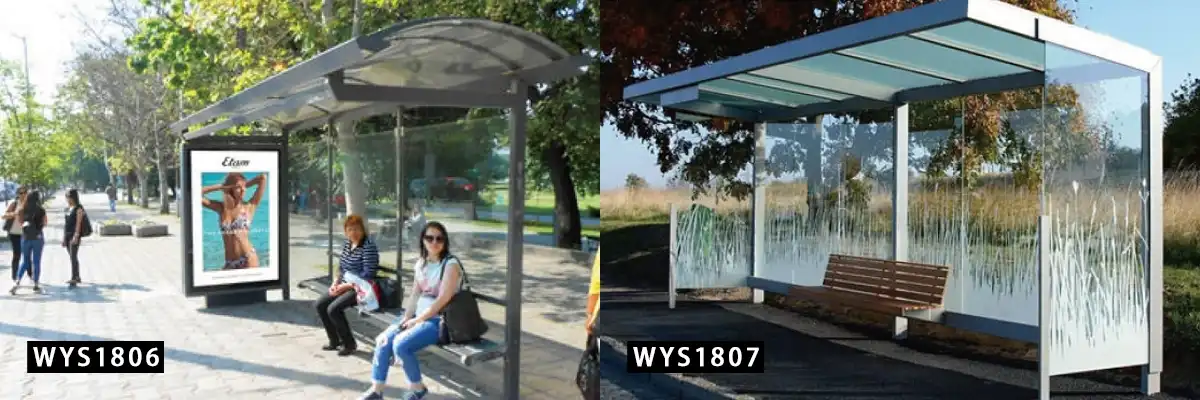
Case Studies and Market Insights on Multifunctional Solar Power Bus Shelters with Soft LED Lighting
Implementations in the real world show the usefulness and economic case for using solar-powered shelters in a variety of settings. Data from actual missions gives buying choices a solid basis in facts.
North American Municipal Deployments
Several cities and towns in the U.S. have put up solar bus shelters, which have been shown to save energy and make users happier. When shelters were put up in cities, they were completely disconnected from the power grid but still provided lighting and information to passengers. User polls showed that people really liked well-lit shelters with charging ports for electronics. Compared to regular shelters, these shelters made people feel 30–40% safer. Warm LED lights and real-time arrival information made more people want to ride on paths with upgraded shelters. Maintenance offices said they got 60–70% fewer service calls at grid-connected shelters than at unconnected shelters, and most of the calls were for regular cleaning rather than electrical repairs.
Smart City Integration Trends
A growing trend in urban planning is to connect transit shelters to smart city infrastructure in a bigger way. Solar-powered shelters with environmental sensors send information about temperature and air quality to monitoring networks that cover the whole city. WiFi access points make it easier for cities to get internet and collect data on how people use their services, which helps with planning future services. Cellular networks connect digital billboards to make money streams that cover the costs of capital. Integrated solar systems provide their own power, so they don't need to coordinate with utility companies. This speeds up the deployment process. Journal of Urban Technology (2023) says that solar shelters are important parts of smart city plans because they can be used for many things.
Manufacturer Innovation and Quality Standards
Leading manufacturers set themselves apart through their engineering skills and quality control standards. Comprehensive quality control procedures include checking the structure's load against the wind and snow loads needed at the destination, testing the surface with salt spray for more than 500 hours, and using electroluminescence to look for tiny cracks in solar panels before they are put in place. Trial assembly before shipping makes sure that custom-designed modular parts fit perfectly, which reduces the number of problems that come up during installation. When manufacturers offer free design services, they cover the costs of engineering while making sure that shelters are the best they can be for the spot in terms of sun irradiance, wind loads, and looks. ISO-certified production centers and clean assembly areas make sure that the quality of each batch is the same. For complicated installations, engineering teams with eight years or more of experience in the field offer technical advice.
Installation, Maintenance, and Long-Term Support for Stainless Steel Solar Bus Shelters
Proper construction and ongoing upkeep extend the life of the cover and make sure it keeps working. Carefully planning logistics can help avoid delays, and setting up maintenance rules can help protect the long-term investment.
Installation Planning and Execution
Preparing a site means checking the soil to make sure the foundation is the right size, measuring sun access to make sure the panels work, and working with different groups, like transit officials and utility companies. The modular design makes it easy to put together quickly. When foundation work is done ahead of time, most installations can be finished in one to two days per shelter. Pre-assembled parts cut down on the amount of work that needs to be done on-site while still ensuring quality control in the plant. Help with installation from experienced engineers keeps mistakes from being expensive and makes sure that structural connections are made according to the plans. Because of the weather, arranging must happen at the right time of the year so that the concrete can cure properly and the parts can be put together correctly.
Routine Maintenance Protocols
One of the best things about solar-powered houses is that they don't need much upkeep. By getting rid of dust and other dirt that builds up on solar panels every three months, you can keep them working efficiently to generate energy. Visual inspections every six months make sure the structure is sound, check the connections between the batteries, and see how well the LED system works. With a lifespan of 50,000 hours or more, LEDs usually work for 10 years or more before they need to be replaced. Battery management tools keep an eye on the health of each cell and let you know early on if the capacity is going down before it affects performance. The rust resistance of stainless steel construction gets rid of the need for frequent upkeep related to rust that comes with using lower-quality materials. Normal wear and tear doesn't scratch or yellow tempered glass screens.
Warranty Coverage and Technical Support
Comprehensive guarantee terms give customers faith in the longevity of the product and the manufacturer's dedication to it. Most structural parts come with warranties that cover material defects and corrosion for three to five years. Electrical parts like solar panels, batteries, and LED systems usually come with coverage for one to two years, but you can choose to extend it if you want to. When operating problems happen, quick technical support is very important. Companies with committed after-sales engineering teams fix issues quickly through remote testing and, if needed, on-site help. Long-term serviceability is ensured by the availability of replacement parts, even as product lines change. Maintenance teams can fix small problems on their own with the help of detailed technical documentation like wiring diagrams and troubleshooting guides.
Conclusion
Bus shelters that are powered by solar panels and have soft LED lighting, like the Stainless Steel Multifunctional Solar Power Bus Shelter, are a big step forward for public transportation infrastructure. The independence from fossil fuels, amenities designed with passengers in mind, and long-lasting stainless steel construction make this product a great value over its entire lifecycle. Reduced operational costs, higher passenger happiness, and clear signs of dedication to sustainability are all good things for procurement managers, transit officials, and infrastructure developers. Because they can do so many things, like connect to WiFi and be smartly monitored, these shelters are more like building blocks for a smart city than just cover from the weather. As cities get more people and climate issues get worse, the business case for self-driving, efficient, passenger-centered transit infrastructure will only get stronger.
FAQ
1. What energy savings can solar bus shelters achieve compared to traditional electric shelters?
Shelters that are driven by the sun don't need any electricity for lights or other features. This saves between $8,000 and $15,000 per shelter over 20 years, based on the local energy rates, compared to grid-connected options that need power all the time for lighting, displays, and heating elements.
2. Why choose stainless steel over aluminum for shelter construction?
Stainless steel is better at resisting rust in seaside or high-humidity areas, and the surface usually doesn't break down for 20 years or more. Aluminum is lighter, but stainless steel is stronger, which lets it have thinner profiles and be less likely to be vandalized. When you consider that the service will last longer and need to be replaced less often, the lifecycle cost advantage becomes clear.
3. Can LED lighting be customized for different environments?
Yes, LED systems let you change the color temperature, light levels, and dimming plans in a lot of ways. Warmer color temperatures (2700–3000K) make residential areas feel more welcoming, while cooler temperatures (4000–5000K) make it easier to see in business districts. Automation that dims lights based on the amount of light in the room saves energy while keeping the right level of light.
Partner with Topview for Your Next Transit Infrastructure Project
With more than 13 years of experience, Topview Technology has been making custom shelter and display solutions that meet the strict needs of modern transit systems. Our factory in Shenzhen has three modern production lines that can make 100 units per day. They are backed up by a team of 20 or more top engineers who make sure that every Stainless Steel Multifunctional Solar Power Bus Shelter order is completed exactly as requested. We know that procurement managers and system integrators need partners they can count on to provide consistent quality, fair prices, and quick technical support. We can do a wide range of OEM and ODM work for projects of all sizes, from small test programs to urban rollouts, and there are no minimum order quantities. Our engineering team offers free design consultation to help you get the best results from your project, whether you need custom sizes for specific sites, smart city features that are built in, or special certifications for international markets. Get in touch with our team at market@tviewdisplay.com to talk about your unique needs and find out how our solar-powered shelter options can improve the experience of passengers while lowering long-term costs.
References
1. Journal of Urban Technology. (2023). Smart Infrastructure Integration in Modern Transit Systems. Retrieved from https://www.tandfonline.com/toc/cjut20/current.
2. Renewable Energy World. (2022). Solar Applications in Urban Infrastructure. Retrieved from https://www.renewableenergyworld.com/solar/.
3. Smart Cities World. (2022). Sustainable Transit Infrastructure Innovations. Retrieved from https://www.smartcitiesworld.net/transport.
4. Transportation Research Board. (2021). Passenger Experience and Transit Facility Design. Retrieved from https://www.trb.org/Publications/.
5. Urban Transport Magazine. (2023). Materials Engineering for Public Transit Structures. Retrieved from https://www.urbantransportmag.com/.
6. U.S. Department of Transportation. (2022). Best Practices for Transit Stop Amenities. Retrieved from https://www.transit.dot.gov/.
YOU MAY LIKE
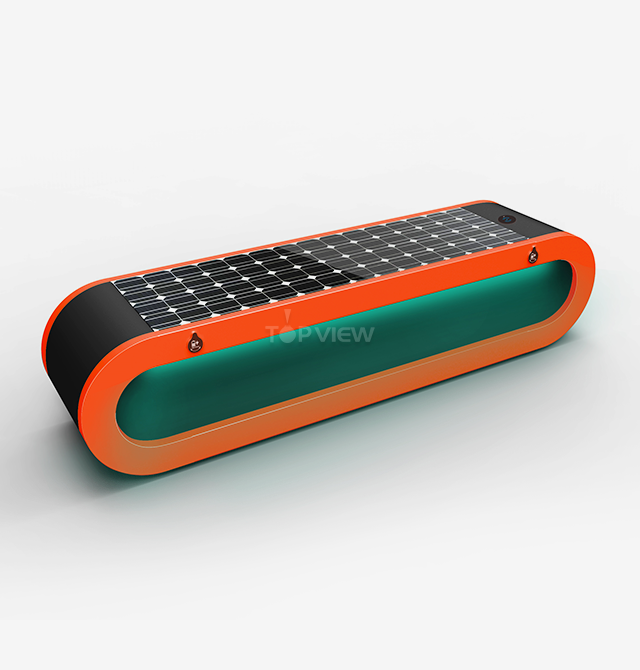 VIEW MORESmart Solar Furniture Bench
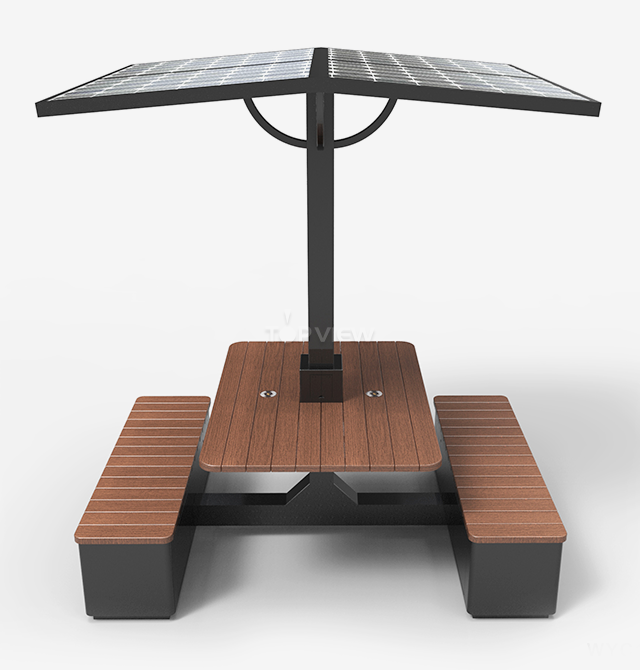 VIEW MORESolar Integrated table and chair
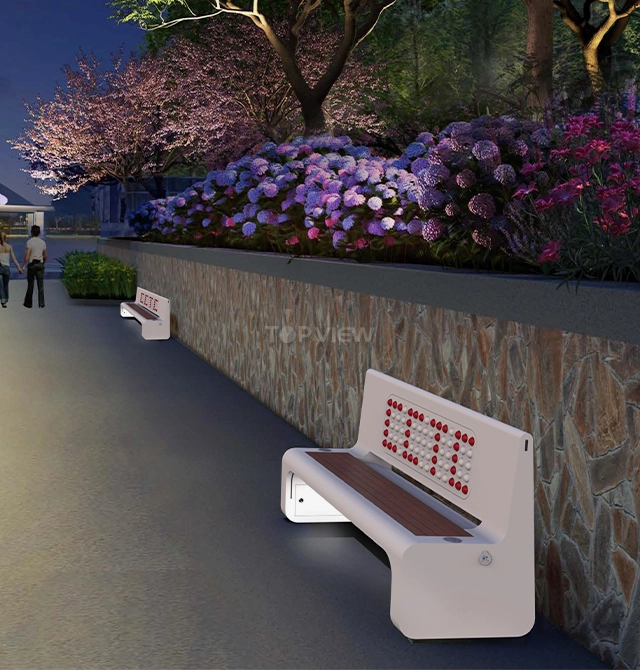 VIEW MOREMessage Smart Solar Bench
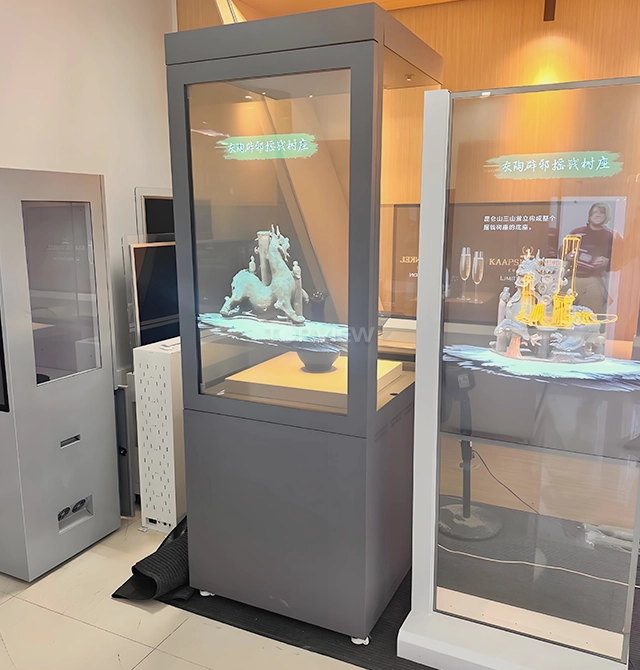 VIEW MORE55″ Transparent OLED Display Cabinet
 VIEW MOREEmbedded Open Frame LCD Monitor
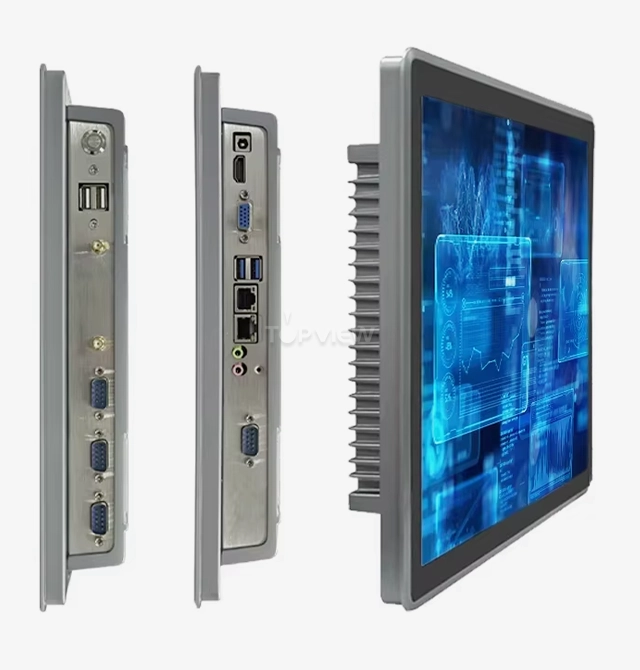 VIEW MOREAndroid Industrial Tablet PC
 VIEW MOREWifi Rotate Screen Lcd Totem Signage
 VIEW MORE3d hologram advertising display led fan