



How are carbon neutrality reports from solar seats uploaded to the "Topview" platform?
Carbon neutrality reports from solar seats are uploaded to the Topview platform through integrated wireless data transmission systems embedded within the furniture infrastructure. When discussing a Remote Control Supermarket Solar-Powered Park Bench, the process begins with onboard sensors that continuously monitor energy generation from photovoltaic panels, battery storage levels, and power consumption from features like USB charging ports and LED lighting. These data points are aggregated by the bench's microcontroller and transmitted via WiFi or 4G/5G connectivity directly to the Topview cloud-based platform, where they are processed into standardized carbon offset reports compliant with international sustainability frameworks.

Understanding Carbon Neutrality Reporting for Solar Seats
Carbon neutrality reporting is crucial to keeping corporations accountable for the environment, particularly those who install renewable energy infrastructure in public and commercial spaces. These findings demonstrate how reduced clean energy use improves the environment when discussing solar-powered park seats in supermarkets and other outdoor shopping places.
A carbon neutrality report shows how much greenhouse gas emissions an asset reduces. To calculate how much energy solar benches consume, compare the photovoltaic panels on the roof's kilowatt-hours to built-in amenities like charging pads, speakers, WiFi hotspots, and lighting systems. Net positive energy input reduces CO2e, aiding companies in achieving environmental goals.
The Topview app collects, checks, and displays environmental data. Topview helps procurement managers, AV system integrators, and EPC contractors monitor renewable energy assets across various locations. It's popular for B2B sustainability reporting. The platform's strength is its ability to link to IoT-enabled equipment like Model 1802 solar benches, which feature sensors that communicate real-time performance data. This fluid integration ensures that energy production, consumption patterns, and emission offset calculations are accurate, checkable, and compliant with ISO 14064 for greenhouse gas accounting.
Knowing how solar chairs link to platforms helps business-to-business buyers make sensible purchases. Facilities seeking third-party sustainability certification might benefit from automated data gathering solutions that eliminate errors in handwritten reports and provide stakeholders and certification bodies with clear documentation.
Step-by-Step Process of Uploading Carbon Neutrality Reports to Topview
There are a few technical steps that must be taken to make sure that the data uploaded from solar-powered park chairs to the Topview app is correct and doesn't change. The steps below show how remote-controlled solar chairs make this process easier.
Data Collection from Solar Bench Sensors
Modern solar benches, like the Model 1802, have sensors built in that track a number of performance measures 24 hours a day, 7 days a week. These include the voltage and current output of the solar panel, the state of charge of the battery, the amount of power sent through USB and wireless charging ports, and the amount of power used by Bluetooth audio systems and LED lights. The built-in microcontroller collects this data at set times, usually every 15 to 60 minutes, so that detailed views of energy flows are possible.
Facility managers can access diagnostic data and change operating settings without having to go to the site in person thanks to the remote control feature. This feature is especially helpful for grocery chains that have to manage dozens of benches in different locations. Because the tracking is centralized, it lowers the cost of upkeep and speeds up the troubleshooting process when something goes wrong.
Integration with Remote Monitoring Systems
The sensors on the bench send data wirelessly to the Topview platform through built-in WiFi hotspots or cellular modules that support both 4G and 5G connections. This transmission happens naturally and uses safe, encrypted methods to keep the data secure while it's being sent. The bench works on its own as an IoT node, sending performance data to the cloud all the time. There, Topview's analytics engine processes the data and organizes it in a way that is ready for compliance.
Before the data is uploaded, the system does some preliminary validation checks to make sure it is correct and complete. Alerts are sent when data points are missing or numbers don't make sense. This tells expert staff to look into possible sensor malfunctions or connectivity problems. This built-in quality control system keeps stakeholders from getting reports that aren't complete, which maintains the credibility of sustainable disclosures.
Preparing Standardized Report Formats
When you send data to Topview, it has to follow certain rules that are in line with international standards for carbon tracking. Raw sensor data is automatically turned into standard metrics by the platform, such as total kilowatt-hours produced, energy consumed, net energy contribution, and CO2e offset calculations based on regional grid emission factors. For these estimates, they use databases that are kept up to date by groups like the International Energy Agency and state environmental protection agencies.
Topview's reporting factors can be changed by procurement managers and compliance officers to fit their company's sustainability frameworks, whether they use GRI (Global Reporting Initiative) guidelines, CDP (Carbon Disclosure Project) protocols, or their own company's standards. This gives you the freedom to make sure that the data you upload works well with bigger systems for environmental management.
Upload Mechanisms and Security Protocols
The bench's wireless connection is what does most of the uploading for a Remote Control Supermarket Solar-Powered Park Bench. It sends data packets to Topview servers at set times or in real time, based on how the configuration is set up. In places where network service is spotty, the bench's built-in storage stores data locally until the connection is restored. This keeps data from being lost.
Some of the security protocols that protect data transmission are SSL/TLS encryption, device authentication through unique hardware identifiers, and the Topview platform's role-based access controls. These steps keep sensitive operational data from getting into the wrong hands and make sure that data privacy laws for commercial installations are followed.
After a file goes through successfully, Topview creates proof records that can be accessed through the user dashboard. B2B clients can look over uploaded datasets, see trends through interactive charts, and send reports to stakeholders in a number of formats, such as PDF and Excel. For clients having trouble uploading, troubleshooting tools like user guides and technical support numbers are easy to find and use. This makes sure that the system works well in all kinds of deployment situations.

Benefits of Using Remote Control Solar-Powered Benches in Supermarkets for Carbon Reporting
Remote Control Supermarket Solar-Powered Park Benches aid environmentally conscious and efficient enterprises. They affect how consumers see a brand, how it manages expenses, and how well it follows the laws, not only sustainability.
Integrated sensors and remote control improve data accuracy. Manual data collection may lead to errors and inconsistent reporting times, whereas automated systems gather performance measures with sensor-level precision. Trustworthiness ensures that carbon offset claims can withstand third-party audits and regulatory scrutiny, which is crucial for firms that pledge to be more environmentally friendly.
Remote monitoring reduces technology maintenance expenses. Facility managers may remotely diagnose performance issues, dispatch technicians only when required, and optimize energy consumption using data. Supermarket managers of big outdoor seating areas may utilize centralized screens to check the health of multiple seats. This reduces downtime and extends asset life.
Verified carbon neutrality reporting improves a company's image outside operations. Consumers and business partners increasingly prioritize environmental responsibility when selecting providers and establishments. Supermarkets that invest in renewable energy via carbon offsets stand out in a competitive market, attracting environmentally conscious consumers and strengthening brand loyalty.
Live implementations reveal meaningful gains. Retail chains say they see clearer sustainability statements, quicker net-zero development, and more consumers believing environmental promises when they link solar benches to Topview. These findings suggest choosing IoT-enabled green infrastructure over outdoor furniture.
Key Features of Remote Control Solar-Powered Park Benches Impacting Reporting Quality
The high level of technology in modern solar benches has a direct effect on how accurate and complete carbon neutrality reports are. Knowing about these features helps B2B procurement teams look at what suppliers have to offer and choose products that meet the goals for sustainability reporting.
Solar Energy Harvesting and Storage Systems
The Model 1802 chairs have high-efficiency monocrystalline solar panels that can turn sunshine into electricity even when they are partially shaded. These panels are linked to modern Maximum Power Point Tracking (MPPT) controllers that make the best use of energy gathering in different daylight situations. This makes sure that the panels always work at their best, no matter the season or weather.
Industrial-grade lithium iron phosphate (LiFePO4) batteries are used to store energy because they have a long cycle life and work well in temperatures ranging from -20°C to +60°C. Battery management systems keep an eye on charge levels, stop overcharging and deep discharge, and send health data to the Topview platform. Using correct battery data makes sure that calculations for energy availability are based on real-world operational capacity instead of theoretical specs.
LED Lighting and Power Consumption Profiles
Putting LED lighting systems into solar benches uses very little power but gives off enough light for use at night. These systems' detailed usage data, along with data from USB charging ports, wireless charging pads, and Bluetooth speakers, help figure out the total amount of energy that is being used. The platform collects data on both production and usage, which gives net energy input numbers that are needed to figure out carbon offsets.
Wireless Remote Control and Data Transmission Capabilities
The remote handle does more than just make things easier; it's also the main way that data is sent and collected. Bench can be a communication hub in a smart city because it can be a WiFi hotspot and have an optional 5G signal transmitter/receiver built in. This connection makes sure that data keeps flowing to Topview computers and gives you extra perks like access to the internet and the ability to call for help in an emergency.
Facility managers can keep an eye on bench performance, change operational settings, and get past data whenever they need to using easy-to-use interfaces that can be accessed through websites or smartphone apps. These interfaces work with procurement platforms so that sustainability teams and supply chain management departments can work together easily.
Durability and Weather Resistance Factors
Consistent data access for a Remote Control Supermarket Solar-Powered Park Bench needs hardware that can handle rough outdoor circumstances. Galvanized steel or anodized aluminum solar benches with marine-grade powder coating don't rust in coastal areas or places where road salt is used. Ingress Protection (IP) ratings of IP65 or IP67 make sure that electronic enclosures keep dust and water out of sensitive parts during heavy rainstorms.
Designs that are hard to break into and use toughened glass solar panels that meet IK09 or IK10 standards keep damage from being done by impacts. These long-lasting features reduce the number of maintenance issues that could stop data collection, making sure that continuous reporting coverage is maintained, which is necessary for full carbon accounting.
These benches are reliable for long-term sustainability efforts because they are well-built, have efficient energy systems, and are connected in a smart way. When B2B buyers put an emphasis on data-driven environmental management, they find that buying high-quality solar furniture pays off by improving the accuracy of their reports and lowering the total cost of ownership.
Procurement Considerations for B2B Clients: Choosing Solar-Powered Benches for Reliable Carbon Reporting
It's important to carefully consider technical specifications, supplier capabilities, and long-term operational needs when choosing the right solar benches to connect to the Topview platform. When making decisions about procurement, keep the following things in mind to get the best reporting efficiency and investment returns.
Evaluating Reporting Efficiency and Data Accuracy
When it comes to reporting, remote control benches are more efficient than human ones. Automated data transfer gets rid of the need for regular site trips and data entry by hand, which saves money on labor costs and lowers the chance of missing reports due to human error. When procurement managers look at different providers, they should make sure that the goods they offer can sync data in real time with cloud platforms and have backup plans, like local data buffering, for places where connectivity isn't always reliable.
The accuracy of data depends on the quality of the sensors and the way they are calibrated. Manufacturers with a good reputation will show that their products meet important standards, like IEC 61215 for photovoltaic panels and ISO 9227 for corrosion protection tests. With these certifications, you can be sure that the efficiency numbers you see are based on real operations and not just optimistic predictions.
Cost-Effectiveness for Large-Scale Deployments
Purchasing solar benches in bulk can save you money when you put them in a lot of places, like shopping malls and supermarket chains. Companies can test small setups with suppliers that offer flexible minimum order quantities (MOQ) and volume savings before committing to larger rollouts. Customization choices like branded advertising light boxes or custom color schemes add value by making sure that the look of the infrastructure matches the company's brand and making extra money through advertising spaces.
When figuring out the total cost of ownership, you should include the costs of installation, ongoing upkeep, warranty coverage, and the projected length of time the product will last. Even though they cost more at first, premium benches with longer guarantees, quick customer service after the sale, and flexible parts that are easier to fix are better value in the long run.
Technical Compatibility with Topview Platform
Making sure that the solar benches and the Topview platform are technically compatible will keep integration problems from happening during deployment. Suppliers should give thorough specs that list the API addresses, communication methods, and data types that they support. Pre-configured benches that come with Topview integration turned on cut down on the time and technical knowledge that installation teams need to spend setting up the benches.
Companies that already have IoT technology should make sure that any new solar benches they put in will work with their existing tracking systems. Topview's open design lets it connect to third-party management tools, which lets you keep an eye on a lot of different types of assets from one place.
Supplier Evaluation and After-Sales Support
A supplier's reputation affects work quality. Manufacturers like Shenzhen Topview Display Technology facilitate procurement throughout. For almost 13 years, the firm has focused on LCD advertising displays and smart city infrastructure. They employ over 20 top engineers in a 2,000-square-meter facility with three contemporary manufacturing lines. Project milestones must be met, and this operational scale ensures product quality and timely delivery.
After-sales technical support, installation, and maintenance services distinguish leading suppliers from inexpensive ones. Procurement teams should request samples of prior work, client references, and service level agreements that outline the supplier's support obligations to determine supplier speed.
Buying in bulk and making deployment-specific adjustments boosts supplier value propositions. When a firm wants integrated bike docking stations, custom-sized advertising displays, or unique mounting hardware, they should deal with OEM and ODM manufacturers without minimum order quantities.
Conclusion
Modern IoT connectivity and renewable energy technology make it possible for solar-powered park benches to send carbon neutrality reports to the Topview platform in a way that is both simple and complex. Remote Control Supermarket Solar-Powered Park Benches with built-in sensors, wireless communication modules, and long-lasting construction provide continuous environmental data that is needed for clear sustainability reporting. B2B procurement managers, system integrators, and project contractors benefit greatly from automated data collection, lower operational costs, and better company reputations that come from proven environmental achievements. It is important to choose providers that offer technology compatibility, full support, and the ability to make changes as needed. This will help make sure that implementations go smoothly and meet the sustainability goals of the organization while also providing real practical benefits across large-scale deployments.
FAQ
1. What hardware features must a solar bench include for Topview platform compatibility?
For solar benches to work, they need to have Internet of Things (IoT) sensors built in to track how much energy they produce and use, as well as WiFi or cellular modules for data transfer and microcontrollers that can handle standard communication methods. When paired with suitable software set up for Topview integration, the Model 1802 meets these standards thanks to its USB charging, wireless charging, WiFi hotspot, Bluetooth speaker, LED lighting, and optional 5G signal capabilities.
2. How frequently should carbon neutrality data be uploaded to maintain reporting accuracy?
How often you upload depends on the reporting needs of your organization and any legal requirements. For dynamic tracking, real-time synchronization is the most accurate method. For most sustainability reporting systems, hourly or daily batch files are sufficient. The Topview platform supports flexible scheduling, which lets businesses balance the amount of data they need with the cost of storage and bandwidth. Regular updates make sure that any problems with equipment that could affect carbon offset estimates are found quickly.
3. What support resources are available when troubleshooting upload issues?
Topview gives detailed user guides that explain how to use the platform, how to validate data, and how to fix common problems. Technical support teams that can be reached by phone or email can help with issues with connectivity, questions about sensor calibration, and requests to make changes to reports. Manufacturers like Shenzhen Topview Display Technology offer technical help after the sale to figure out problems with the hardware that are stopping data transfer. Support from both the manufacturer and the platform makes sure that problems with sustainability reporting workflows are fixed quickly.
Partner with Topview for Advanced Solar Bench Carbon Reporting Solutions
Integrating cutting-edge Remote Control Supermarket Solar-Powered Park Bench technology with proven carbon neutrality reporting tools can help your company's sustainability efforts go to the next level. Shenzhen Topview Display Technology has been making high-quality products for over 13 years and offers full OEM and ODM customization services, so we can make solutions that are perfect for your specific needs. Our 2,000-square-meter factory has more than 20 top engineers working there, and we offer professional after-sales support. We make reliable solar furniture that is ready to connect to the Topview platform without any problems. Get in touch with our team at market@tviewdisplay.com to learn more about our low bulk prices, individual advice, and installation help. Improve your brand's environmental credentials while getting clear, verifiable carbon offset reporting that shows you care about sustainability and earns the trust of stakeholders.
References
1. Greenhouse Gas Protocol. (2022). Corporate Value Chain (Scope 3) Accounting and Reporting Standard. World Resources Institute. https://ghgprotocol.org/standards/scope-3-standard
2. International Energy Agency. (2023). CO2 Emissions from Fuel Combustion: Overview. IEA Publications. https://www.iea.org/data-and-statistics/data-product/co2-emissions-from-fuel-combustion
3. International Organization for Standardization. (2018). ISO 14064-1:2018 Greenhouse gases — Part 1: Specification with guidance at the organization level for quantification and reporting of greenhouse gas emissions and removals. ISO Standards. https://www.iso.org/standard/66453.html
4. Zhang, Y., Wang, J., & Li, X. (2020). IoT-enabled monitoring systems for renewable energy applications: A comprehensive review. Renewable and Sustainable Energy Reviews, 131, 109991. https://www.sciencedirect.com/science/article/abs/pii/S1364032120302884
YOU MAY LIKE
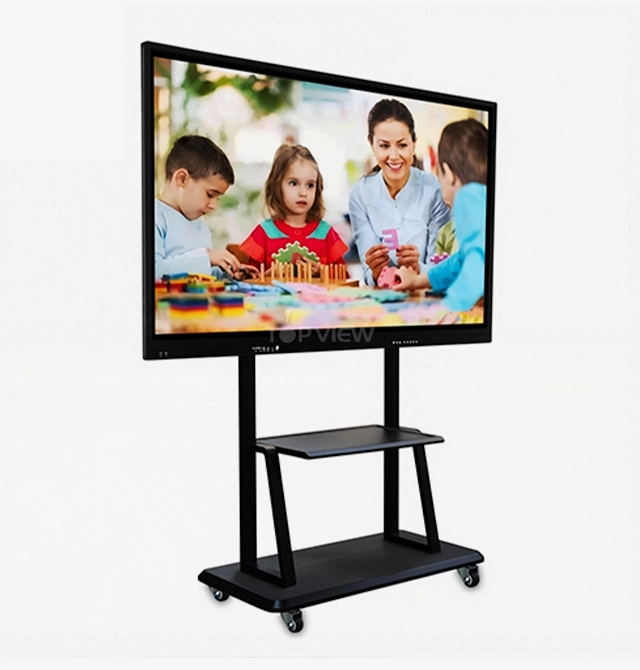 VIEW MOREDigital interactive whiteboards
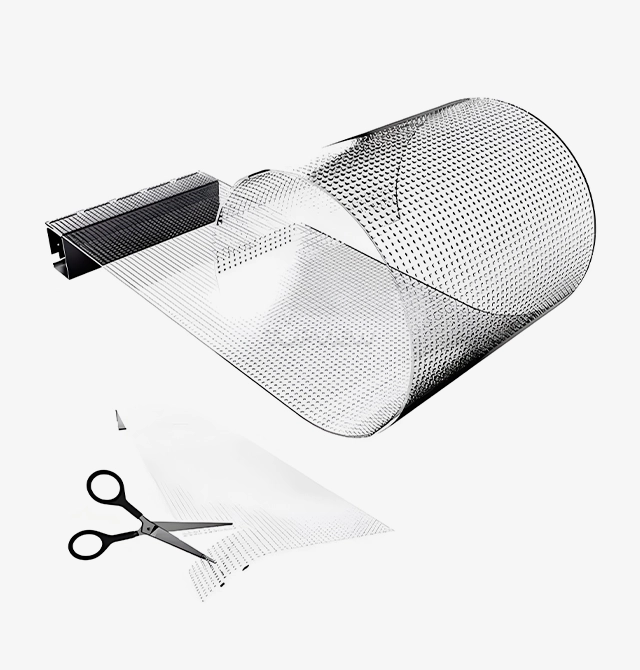 VIEW MORELED Flexible Transparent Crystal Film Screen
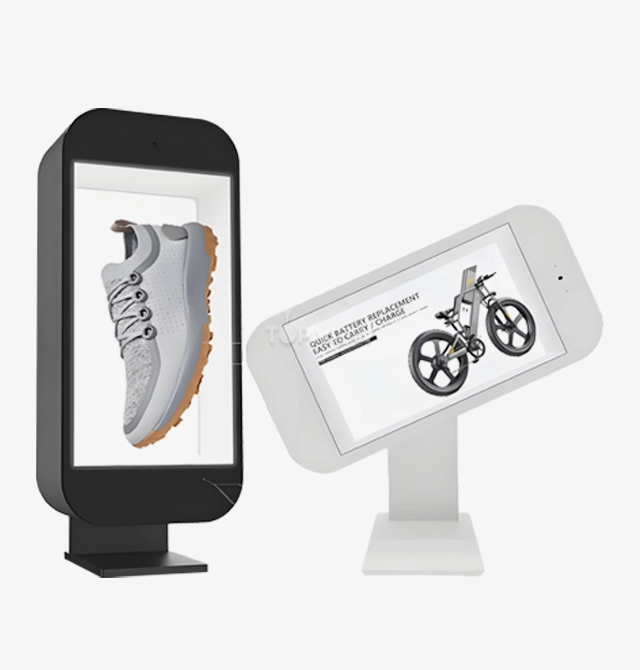 VIEW MORE22inch Rotate Interactive 3D HoloBox
 VIEW MORERound Circular LCD Display
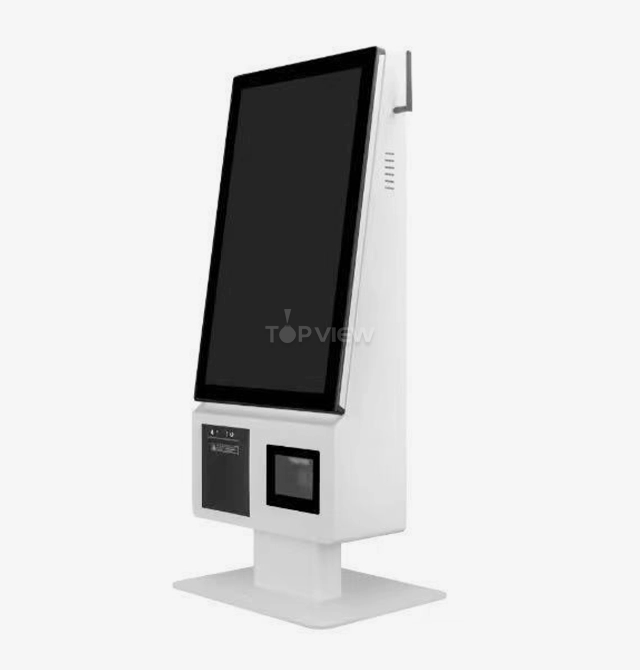 VIEW MOREDesktop Restaurant Hotel Self Ordering Kiosk
 VIEW MOREFoldable LCD Digital Signage Player
 VIEW MOREInteractive K-type Interactive Touch Kiosk
 VIEW MOREInteractive L-type self service Touch kiosk