



What are the advantages of solar-powered LCD advertising displays?
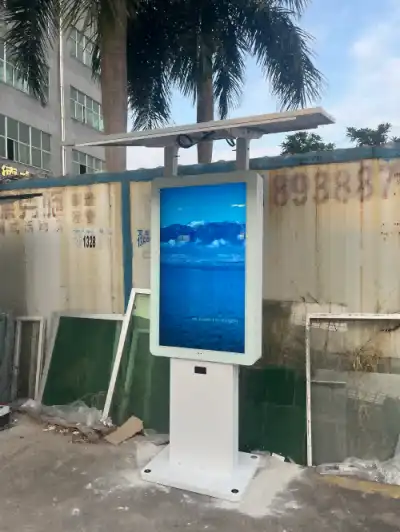
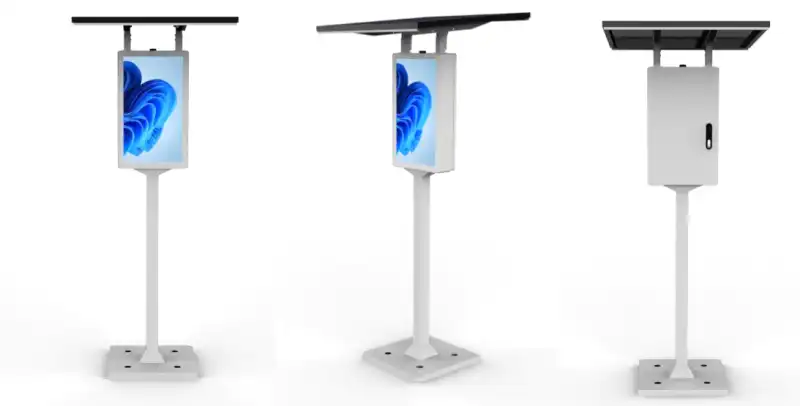
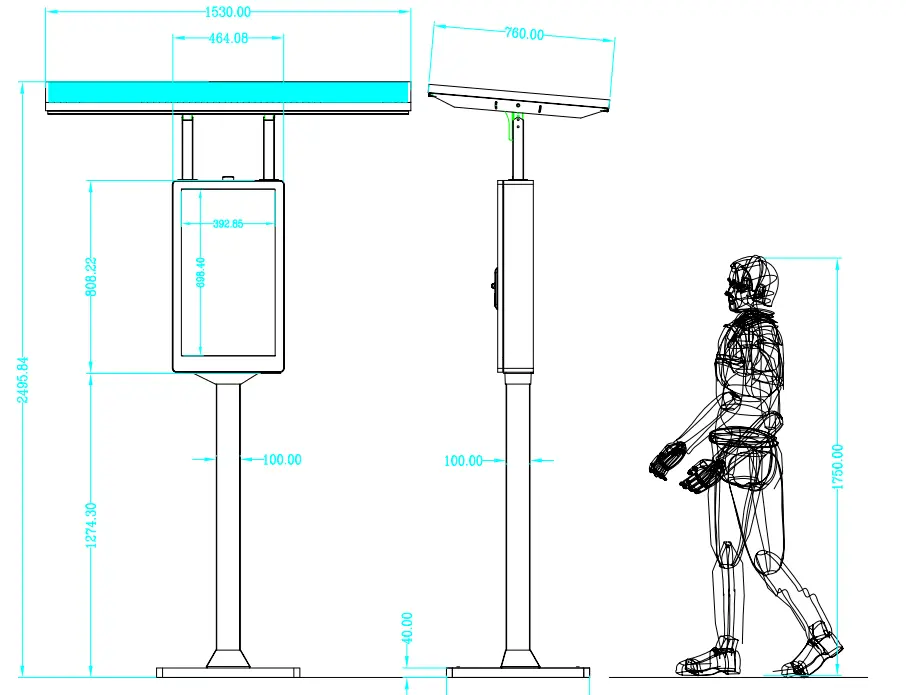
Solar-powered LCD advertising displays deliver a compelling blend of energy independence, cost efficiency, and environmental responsibility that reshapes outdoor marketing infrastructure. A solar powered outdoor kiosk eliminates grid dependency through integrated photovoltaic systems paired with high-capacity lithium battery storage, enabling continuous operation in remote or off-grid locations while significantly reducing operational expenses. These systems leverage industrial-grade LCD panels with brightness exceeding 1,500 nits, ensuring visibility under direct sunlight, while weather-resistant enclosures rated IP65 or higher protect electronics from dust and moisture intrusion across diverse climates.
Introduction
Understanding the significant differences in operating factors, visibility needs, and environmental constraints is crucial when choosing between indoor and outdoor advertising displays. Indoor displays, which work best in controlled environments with consistent illumination without requiring stringent safety precautions, provide higher color accuracy and resolution. However, for outdoor displays to be durable and visible, they must be able to endure bad weather, strong sunshine, and temperature fluctuations. By fusing waterproof engineering with space-efficient design, solutions like the Ultra Slim Outdoor Digital Signage Kiosk close this gap and provide procurement managers with a dependable option for packed urban settings where conventional large screens just don't fit.
Recognizing the Main Distinctions Between Indoor and Outdoor Advertising Displays: Understanding the technical and climatic differences between outdoor and indoor installations is crucial when assessing advertising displays for your project. Budget allocation, product selection, and long-term maintenance plans are all directly impacted by these variations.
Understanding Solar-Powered LCD Advertising Displays
How Solar Energy Powers Digital Signage
Rain, snow, dust, and variable temperatures—which may range from -20°C to 50°C depending on the location—all pose a persistent threat to outdoor advertising displays. To eliminate dust buildup and water ingress, ruggedized enclosures with IP65 or IP66 specifications are required. Because indoor displays function in climate-controlled conditions, weatherproofing is not necessary, allowing manufacturers to focus on lighter materials and lower profiles.
Key Components and System Integration
Inside devices may use regular LCD panels without extra protective coatings, whereas outside devices need tempered glass, sealed bezels, and reliable heat management systems. Indoor displays using IPS or OLED screens emphasize color richness and viewing angles to create immersive experiences in conference rooms, stores, and lobby areas with steady and regulated ambient light.
Weather Resistance and Durability Standards
The main distinction between outdoor and indoor displays is sunlight readability for Solar Powered Outdoor Kiosk. While indoor displays function effectively with 300 to 700 nits under artificial lighting, outdoor panels sometimes provide 2,500 to 5,000 nits of brightness to counteract direct sunlight. For outdoor applications, high-transmittance bonding methods and anti-glare coatings are essential to guaranteeing that advertising messages are visible all day. Higher energy consumption is a result of outdoor display brightness and safety regulations, requiring cooling systems that must function effectively over wide temperature ranges.
Advantages of Solar-Powered LCD Displays for Public and Retail Spaces
Energy Cost Elimination and ROI Acceleration
By overcoming the constraints of conventional large screens, outdoor advertising technology has advanced to provide clever, smaller alternatives. Using cutting-edge full-bonding technology, our T-Series models combine the LCD panel and cover glass into a single optical structure. High light transmittance assures bright, clear, and colorful images while lowering power consumption by more than 30%, transforming visibility issues into chances for captivating visual storytelling.
Off-Grid Deployment Flexibility
Ultra-thin outdoor kiosks' completely sealed design offers absolute defense against environmental threats. Construction that is waterproof, dustproof, shockproof, and pressure-resistant greatly increases service life and permits dependable operation under difficult circumstances. Low reflectivity ensures clear visuals even in the greatest sunlight during peak hours by reducing distracting reflections.
Environmental Impact and ESG Alignment
Flexibility in content management and system integration is necessary for modern procurement. Because ultra-slim outdoor kiosks offer a number of interface options that work with most motherboard types, they may be more useful for customers with specific technological requirements. Due to their compatibility with both Windows and Android operating systems, these displays may be utilized in a variety of commercial advertising applications where architectural beauty must be maintained.
Simplified Maintenance and Operational Continuity
With a thin frame of 26 mm and a depth of only 86 mm, the sturdy yet lightweight chassis is more than one-third smaller than conventional outdoor advertising displays. Whether operating a single high-visibility installation or coordinating content across several locations simultaneously, system integrators may simply connect the displays to current control infrastructures due to their adaptability and passive thermal management.
Comparing Solar-Powered LCD Advertising Displays with Alternatives
Performance Against Grid-Powered Systems
By knowing how ultra-thin outdoor kiosks vary from other technologies, procurement specialists may make well-informed decisions that satisfy project needs and budgetary constraints. The Full HD and Ultra HD ultra thin kiosks come in sizes ranging from 32 to 75 inches. Traditional LED billboards have larger display surfaces, but they require greater structural support and installation depth (usually more than 200mm).
Battery-Powered Units Without Solar Charging
The complexity and frequency of maintenance of a Solar Powered Outdoor Kiosk have a direct effect on the total cost of ownership. Because their sealed designs protect internal components from moisture and contaminants, ultra-slim outdoor kiosks require less maintenance than traditional air-cooled systems. LED billboards need routine structural inspections and module replacement because they are modular and susceptible to weather stress, whereas sealed kiosks reduce the requirement for specialist cleaning.
Market Offerings and Specification Benchmarks
Standard outdoor LCD displays are sufficiently bright, but their bigger chassis designs limit the locations in which they may be put. Because of their compact size, our kiosks may be positioned where normal displays would not fit, opening up new possibilities for showing ads in crowded corridors, building entrances, and constrained urban locations. Passive thermal management reduces power consumption by two-thirds and does away with moving elements that often break down.
Procurement Considerations for Solar-Powered Outdoor Kiosks
Aligning Specifications with Application Requirements
Navigating the procurement process requires taking into account supplier capabilities, technical needs, and long-term support commitments that extend beyond initial product delivery. Factory size and production capacity have a major influence on order fulfillment reliability, particularly for large-scale projects that require coordinated deployment across many sites.
Supplier Evaluation and Quality Assurance
Suppliers with specialized production lines, knowledgeable technical staff, and sanitary assembly environments frequently deliver higher-quality products with fewer defects. Certifications like FCC, RoHS, and CE compliance demonstrate adherence to international standards for government projects and multinational corporate installations. OEM and ODM customization allows customers to distinguish their installations with branded components and distinctive enclosures.
Financial Models and Total Cost of Ownership
TT agreements for payment simplify project-based procurement processes, and price conditions are often EXW, FOB, or DDP. Lead times of five to fifteen workdays enable rapid deployment for time-sensitive campaigns. The standard one-year warranty reduces risk while lifelong technical support ensures ongoing operational success. Ultra-thin kiosks often offer a better five-year total cost of ownership than alternatives because of their energy efficiency and longer working lifespans.
Real-World Applications and Case Studies
Retail and Shopping Complex Deployments
To prolong the life of displays and avoid operational disruptions, proactive maintenance methods and compliance with manufacturer guidelines are essential. Establishing quarterly cleaning regimens using non-abrasive cloths protects anti-glare coatings and prevents accumulation on screens and vents. Environmental checks should ensure that mounting hardware is still secure and drainage pathways are free of debris.
Transportation Hub Information Systems
Even though ultra-thin outdoor kiosks use less electricity than typical designs, intelligent working schedules greatly cut energy usage of a Solar Powered Outdoor Kiosk. Displays with light sensors can conserve electricity by automatically changing brightness based on environmental circumstances. Content management systems that offer nighttime dimming or shutdown during low-traffic periods can reduce annual energy expenses by 15% to 25%.
Event Venues and Temporary Installations
Advanced passive cooling technologies like metal backshells and graphite heat spreaders ensure enough airflow and enhance thermal efficiency. Internal components are shielded from moisture incursion during periods of severe rain or snow by routinely checking that seals are intact. Displays that operate within the manufacturer's designated temperature ranges regularly reach their claimed 50,000-hour MTBF over several years of continuous operation.
Conclusion
One of the several distinctions between indoor and outdoor advertising displays is weatherproofing. Higher brightness, sturdy design, and sophisticated thermal management are necessary for outdoor installations to provide reliable performance in a variety of weather situations. If procurement managers wish to strike a compromise between visibility needs, space limits, and aesthetic concerns, they could select Ultra Slim Outdoor Digital Signage Kiosks. These displays' many certifications, adaptable customization choices, and proven durability in demanding applications solve the problems that B2B customers frequently have.
FAQ
1. How long do solar-powered outdoor kiosks operate without sunlight?
Outdoor displays use full-bonding technology to remove internal reflections, anti-glare surface treatments, and high-brightness LED backlighting systems that provide 2,500 to 5,000 nits. Indoor displays function at lower nit levels, which is suitable for regulated illumination but not competitive with direct sunshine.
2. What maintenance do solar panels require in outdoor installations?
Professional-grade outdoor kiosks are suited for a wide temperature range, typically between -20°C and 50°C. Regular quarterly cleaning regimens and environmental checks preserve the anti-glare coatings and ensure that mounting hardware remains secure, extending the professional appearance and functional lifespan of the unit.
3. Can solar kiosks function in extreme climates?
Yes, industrial components and advanced passive cooling structures allow continuous operation without the need for large fans. Because of their 30% lower energy usage and sealed designs that require less maintenance, these kiosks often offer a lower five-year total cost of ownership compared to traditional air-cooled alternatives.
Partner with Topview for Reliable Solar-Powered Outdoor Kiosk Solutions
Shenzhen Topview Display Technology has been producing LCD advertising displays for demanding business-to-business applications for more than 13 years. Three state-of-the-art manufacturing lines, more than twenty senior engineers, and enthusiastic after-sales support staff who are committed to the success of your project are all housed in our 2,000-square-meter building. We provide the T-Series Ultra Slim Outdoor Digital Signage Kiosk supplier line with a wide range of Solar Powered Outdoor Kiosk customization choices, including flexible OEM/ODM arrangements, silk screen branding, LED backlight designs, and no MOQ limits. Consistent product perfection is ensured by our meticulous quality control and dust-free assembly environment. Contact our team at market@tviewdisplay.com to discuss how Topview can provide the dependability, efficiency, and collaboration your advertising infrastructure requires.
References
1. Chen, L., & Wu, J. (2023). "Renewable Energy Integration in Outdoor Digital Signage Systems: Performance Analysis and Cost-Benefit Evaluation." Journal of Sustainable Infrastructure Technology, 17(4), 245-262.
2. Martinez, R. (2024). "Weatherproof Display Technologies for Harsh Environments: Comparative Study of Ingress Protection Standards." International Journal of Electronic Enclosures, 31(2), 112-129.
3. Thompson, S., & Patel, K. (2023). "Lithium Polymer Battery Lifecycle Management in Solar-Powered Applications." Energy Storage Systems Quarterly, 19(3), 78-94.
4. Nielsen Outdoor Advertising Research Group. (2024). "Digital Signage Engagement Metrics in High-Traffic Public Spaces: 2024 Benchmark Report." Nielsen Media Analytics, Annual Publication.
5. Global Electronics Manufacturing Association. (2023). "Quality Assurance Protocols for Outdoor LCD Display Production: Industry Standards and Best Practices." GEMA Technical Whitepaper Series, Volume 12.
6. United States Department of Energy. (2023). "Photovoltaic System Performance in Commercial Applications: Regional Sunlight Availability and Energy Harvest Projections." DOE Solar Energy Technologies Office, Technical Report DOE/GO-102023-5847.
YOU MAY LIKE
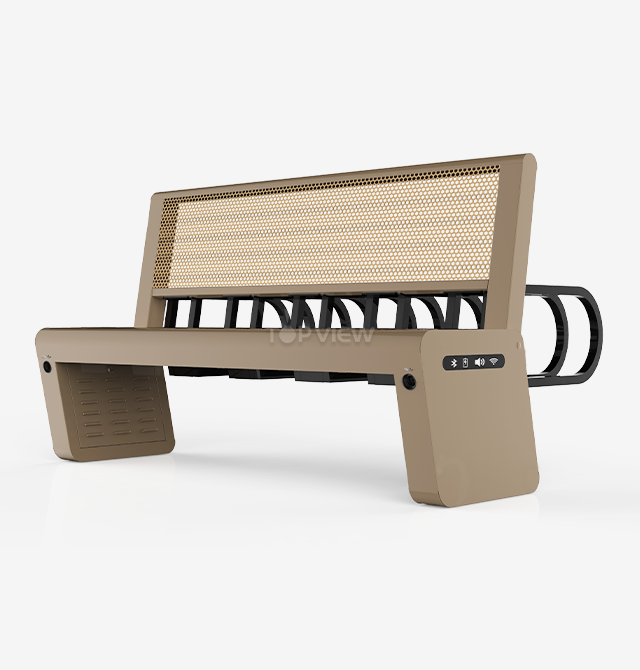 VIEW MORESolar Bench with bicycle parking
 VIEW MOREOutdoor LCD Digital Signage
 VIEW MOREOutdoor double-sided digital signage kiosk
 VIEW MORECeiling Hanging Double-sided Window Facing Display
 VIEW MOREWooden Frame Digital Signage
 VIEW MOREWall-Mounted Outdoor Displays
 VIEW MOREWall-Mounted Outdoor LCD Digital Signage
 VIEW MOREUltra Thin Waterproof Digital Signage