



Solar Smart Bin: How Solar-Powered Trash Cans with Alarm Systems Work
Using photovoltaic panels to power integrated sensors, automatic compaction mechanisms, and real-time alarm systems, a Solar smart bin is a cutting-edge trash management solution that is fully powered by renewable energy. These smart gadgets use sunlight to make electricity that is kept in large batteries. This lets them work without being connected to the grid. With Internet of Things (IoT) connectivity, these bins can keep an eye on how full they are, start compaction cycles, and send alerts to trash management platforms. This cuts down on pickup times by up to 75% while keeping public areas clean.
Understanding Solar Smart Bins — Technology & Features
Modern solar-powered trash cans are made up of a core design that is made up of several complex subsystems that work together to make garbage control easy.
Solar Energy Harvesting and Storage
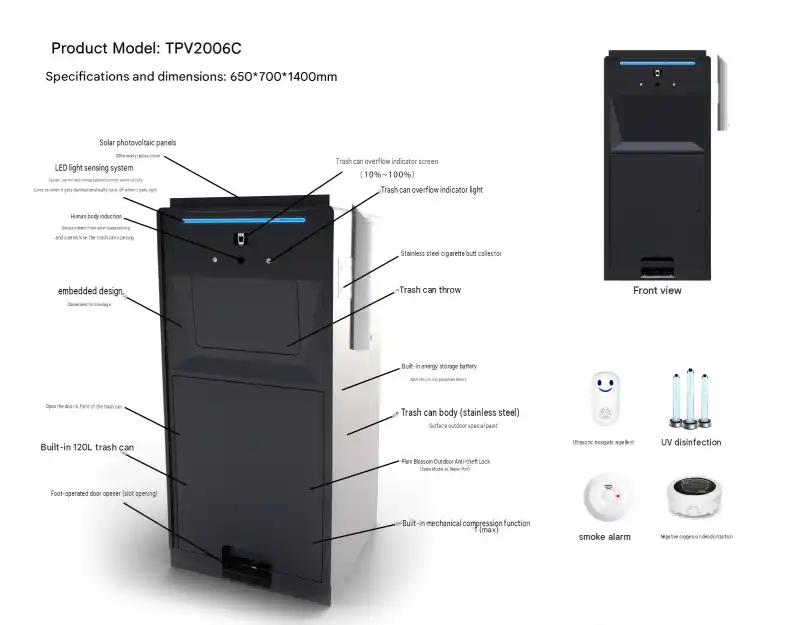
At the heart of these systems is a 60W monocrystalline silicon solar panel that is designed to get the most sunshine even when there are some clouds. The power goes through an MPPT smart processor, which changes the voltage and current settings in real time to get the best charging efficiency. A 30AH lithium iron phosphate battery is charged by this complex system. This type of chemistry was chosen because it has a very long cycle life and is stable at high temperatures. Unlike traditional lead-acid batteries, LiFePO₄ batteries work the same in hot summers and cold winters, so they can be used reliably for two to three years.
Sensor Integration and Monitoring Capabilities
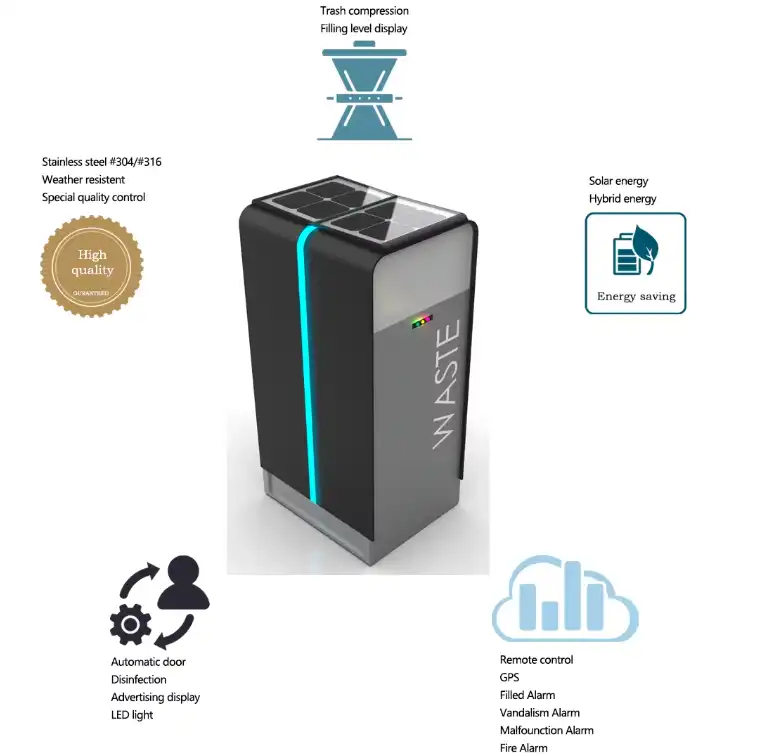
Having a lot of different kinds of sensors allows for full tactical awareness. The human body monitor opens the door automatically when a person walks up to it, making the experience touchless and more hygienic. Ultrasonic fill-level sensors inside constantly measure the amount of waste and send information through cellular or LoRaWAN networks. When a certain level of capacity is reached, the overflow warning goes off, which is shown by a bright LED light and alerts people nearby. The anti-pinch safety sensor keeps people safe when the door closes by stopping the motion right away if it senses pushback. GPS positioning for tracking assets, sensor data for detecting theft, fault diagnosis, and fire detection are some of the other monitoring features.
Compaction and Capacity Management
It's a big step forward in technology that the clever reduction function exists. When sensors that measure fill levels show that conditions are right, an electric compaction device starts working. This applies controlled pressure to the waste to make it smaller. This unique method drastically cuts down on the amount of room that waste actually takes up, which means that collections happen much less often. The 100L cylinder made of galvanized steel can hold a lot more when it is compressed, which directly solves the problem of having to collect trash by hand all the time, which is a big problem for standard waste management.
Solar Smart Bins vs. Traditional and Electric Smart Bins — Making the Right Choice
Knowing the main differences between the different types of trash cans (Solar smart bin) helps procurement teams make choices that are in line with practical needs and budgetary goals.
Operational Independence and Cost Efficiency
Traditional bins need to be inspected and collected by hand on a set schedule, which is inefficient when routes stick to the same plans no matter how full the bins are. This method causes trucks to roll over empty bins and overflowing ones between trips, which is not needed. Monitoring is better with electric smart bins, but they need to be connected to the grid or have their batteries replaced often, which increases the cost of equipment and makes upkeep more difficult. Solar-powered options get rid of all of these needs because they can run on their own for weeks without direct sunlight, thanks to large battery banks. With a 30AH capacity and a 60W panel, the TYB2006 model keeps working even when it's dark for a long time, which is important for places where the weather changes often.
Durability and Environmental Adaptability
The quality of the construction has a direct effect on the total cost of ownership over the duration of the gadget. The building of the galvanised steel plate or stainless steel body can handle harsh weather conditions, such as salt spray at the coast or pollution from factories in cities. The material is carefully bent, welded, ground, and painted in a process called "baking." This makes a barrier that can withstand the weather for years at a time. This strong engineering solves a common problem that buyers have: equipment that is placed in tough places breaks down too soon. The 670x670x1280mm shape gives you a lot of space while keeping the size doable for city streets.
Integration with Smart City Infrastructure
Today's trash management goes beyond single units and includes full fleet management systems. Solar smart bins that are driven by the sun send operating data over cellular or low-power wide-area networks. This data includes the percentage of fullness, battery voltage, number of cycles of compacting, and alert state. This connection allows for dynamic route optimization, where pickup cars get real-time information that tells them which containers need service. Regional distributors and system designers really like this feature because it lets them easily connect to current city management software through open API standards, which supports larger smart city projects.
Procurement Guide for Solar Smart Bins — What B2B Buyers Need to Know
To be successful at buying, you need to look at a lot of technical and business factors that affect both the original investment and the long-term performance of the business.
Environmental Assessment and Deployment Planning
The position of the installation has a big effect on how well the system works. Buyers should look at the average number of sunlight hours per day, how the solar radiation changes with the seasons, the range of temperatures in the area, and how exposed the property is to the weather. Coastal sites need better security against corrosion, and areas with a lot of foot traffic need strong resistance to mischief. Even though the device has an IP65 grade that protects it from dust and water jets, some uses may require extra care. These units are often put in covered outdoor areas by shopping mall managers and purchasing managers for store chains, where reflected light still provides enough solar power.
Customization Options and OEM Flexibility
When buyers work with makers (Solar smart bin) that offer full customization, they can make solutions that fit their exact needs. Commercial property developers can improve brand exposure by customizing logos through silk screen printing or LED lighting integration. Units can be used in building settings or put in places where they will be seen by many people because they come in colours other than black. Customizing the software lets it work with current building management systems, and making changes to the structure lets it meet unique needs like having bigger liners or more places to separate recycling. Manufacturers in Shenzhen with their own research and development departments and building companies can help with the engineering needed for project-specific changes.
Supplier Evaluation and Quality Assurance
Checking the qualifications of the manufacturer guards against inconsistent quality and problems in the supply chain. Procurement professionals should check the production capacity. Facilities with more than one production line and a daily output of more than 100 units show that they can handle big orders. Clean, dust-free workshops keep parts from getting contaminated during assembly, which has a direct effect on the stability of electronic components. International standards like CE, FCC, and RoHS compliance make sure that rules are followed in all areas. After-sales support infrastructure is just as important. This includes specialized service experts, full warranty coverage, and easy access to technical literature. Manufacturers with more than ten years of experience in display technology can help with making outdoor-friendly electrical systems that are tough.
Maintenance and Optimization Tips for Solar Smart Bins
Proactive repair plans extend the life of equipment and cut down on unplanned breaks and service interruptions.
Regular Inspection and Cleaning Procedures
When surfaces get dirty with dust, pollen, or urban grime, solar panels work less well. Cleaning every three months with soft cloths and cleaners that don't scratch keeps the energy collection at its best. Check the panel fixing tools to make sure they are securely attached, and look for signs of weathering on the seals around electronic enclosures. Even though the LED strip lighting looks nice and works well, it should be checked often to see if any of the diodes are failing early. Calibration of the sensor makes sure that it reports the correct fill level; if the thresholds are off, false warnings are sent, which lowers practical trust. To keep the cigarette butt collector from catching fire, it needs to be emptied often. This is an easy maintenance job that can be added to regular cleaning plans.
Battery Health Monitoring and Replacement Planning
Lithium iron phosphate batteries last a very long time, but they need to be replaced eventually because their charge capacity drops. Monitoring systems often show the power and charging patterns of batteries, which helps facility managers see how they are degrading over time. Service gaps can be avoided by planning replacement before the whole system fails. The 30AH capacity gives you a lot of power buffering, but places with extreme temperatures speed up the ageing process. Operators in places with harsh winters should check battery performance measures every three months during the winter, when less sunshine and lower temperatures put a lot of stress on the power system.
Firmware Updates and System Optimization
Manufacturers sometimes release software patches that add new features or fix problems that have been found. Setting up processes for deploying updates makes sure that devices get the latest changes. Updates could make compaction methods better, network connection techniques better, or security against online threats better. The MPPT intelligent controller changes the charging parameters on its own, but it's helpful to check these parameters against maker specs every so often. With remote management, big deployments can be centrally monitored, which lets technicians find trends that point to repair needs before they happen.

Future Trends and Innovations in Solar Smart Bin Technology
The field of trash management (Solar smart bin) is still changing quickly as new technologies open up new ways to do things and make them more efficient.
Artificial Intelligence and Predictive Analytics
Next-generation systems use machine learning techniques to look at past fill patterns and guess how waste will be generated in the future. These predictive models let you schedule collections ahead of time, which makes the best use of your fleet and makes sure that bins never overflow. Installing AI-powered picture recognition systems inside trash cans can tell what kind of trash is inside, which can help clean up recycling streams. These kinds of features are especially appealing to government procurement officials who are in charge of city waste operations and want to improve performance using data.
Enhanced Connectivity and Edge Computing
IoT-enabled trash cans can be put in more places now that 5G networks and LoRaWAN equipment are becoming more common. Low-power wide-area networks cut the cost of cell phone data by a huge amount and increase battery life by reducing the amount of transfer noise. Edge computing lets bins handle data locally, sending only useful insights instead of raw sensor streams, which lowers the amount of bandwidth that needs to be used. AV system integrators and smart building solution providers are asking for these devices to be included more and more in full property control platforms.
Sustainability and Circular Economy Integration
New ideas in materials and lifetime management are being driven by stricter rules about the environment. Manufacturers are looking into biodegradable materials for non-structural parts and designing with removal in mind to make recycling easier at the end of their life. Carbon footprint tracking tools figure out how many emissions are saved by cutting down on pickup trips, which helps companies meet their green reporting requirements. These metrics are important for commercial property developers and entertainment place owners who want to get green building certifications and show stakeholders that they care about the environment.
Conclusion
Intelligent trash cans that are driven by the sun bring together green energy, IoT connections, and automated trash handling to fix major operating inefficiencies in managing public spaces. The technology gets rid of the need to connect to the grid and offers real-time tracking and big capacity gains through automatic compaction. Organizations can get the most out of their investments by understanding the technical design, comparing choices to practical needs, and putting in place proactive upkeep procedures. As smart city infrastructure improves and requirements for sustainability get stricter, these self-driving systems will become more and more important for running cities efficiently.
FAQ
1. What is the typical battery lifespan under continuous outdoor operation?
When used normally, the 30AH lithium iron phosphate battery that comes with good units keeps its working power for two to three years. The actual lifespan depends on harsh weather, how often the soil is compacted, and how deep the discharge processes go. Because the chemical is naturally stable across a wide range of temperatures, it has a longer useful life than lead-acid options. This lowers the total cost of ownership because it needs to be replaced less often.
2. Can solar smart bins operate during extended periods without sunlight?
Yes, the energy store cushion lets the system run on its own for three to four weeks without being charged directly by the sun. The MPPT processor makes the most of the energy captured, even when there is scattered light, and smart power management cuts down on use when there isn't much going on. This independence is especially helpful for sites in places where the weather changes with the seasons.
3. How does customization work for large-scale procurement projects?
Manufacturers who give OEM and ODM services can change specs like structure sizes, color finishes, sensor configurations, and communication methods. Customization is possible with no minimum order number limits, which allows for project-specific tailoring. Before finishing specifications, procurement managers should work with engineering teams early on in the planning process to describe technical needs and make sure the project is possible.
Transform Your Waste Management with Topview's Solar Smart Bin Solutions
Topview Technology has been making specialized products for over 13 years and now works in the intelligent garbage management sector. They combine their proven display technology skills with new ideas for designing outdoor equipment. Our factory in Shenzhen has three modern production lines, more than 20 senior engineers, and committed after-sales service to make sure that the quality of every unit we make is the same. The Solar smart bin provider can fully customize for OEMs, including adding logos and matching colors, as well as adapting software and making changes to the structure. There are no minimum order requirements, which means that smaller projects can be done. When global corporate procurement managers work with Topview, they get reasonable factory prices, solid lead times, and detailed technical documentation that makes adoption easy. Please email our team at market@tviewdisplay.com to talk about your unique needs and find out how our solar-powered intelligent bins can help your facilities be more environmentally friendly while also lowering the costs of pickup.
References
1. Chen, L., & Wang, M. (2022). Smart Waste Management Systems: IoT Integration and Operational Efficiency. Journal of Environmental Technology and Innovation, 28, 45-62.
2. European Commission Directorate-General for Environment. (2021). Solar-Powered Infrastructure in Urban Waste Management: Technical Guidelines and Best Practices. Publications Office of the European Union.
3. International Solid Waste Association. (2023). Global Trends in Smart Waste Collection Technology: Market Analysis and Future Outlook. ISWA Technical Report Series, Volume 14.
4. Patel, R., & Thompson, S. (2023). Renewable Energy Applications in Municipal Services: Cost-Benefit Analysis of Solar Smart Bins. Sustainable Cities and Society, 91, 104-118.
5. Zhang, H., Liu, Y., & Anderson, K. (2022). Lithium Iron Phosphate Battery Performance in Outdoor IoT Applications: A Comprehensive Field Study. Energy Storage Materials, 47, 223-239.
6. World Bank Group. (2023). Smart City Infrastructure Development: Technology Assessment for Waste Management Solutions. International Development in Practice Series.
YOU MAY LIKE
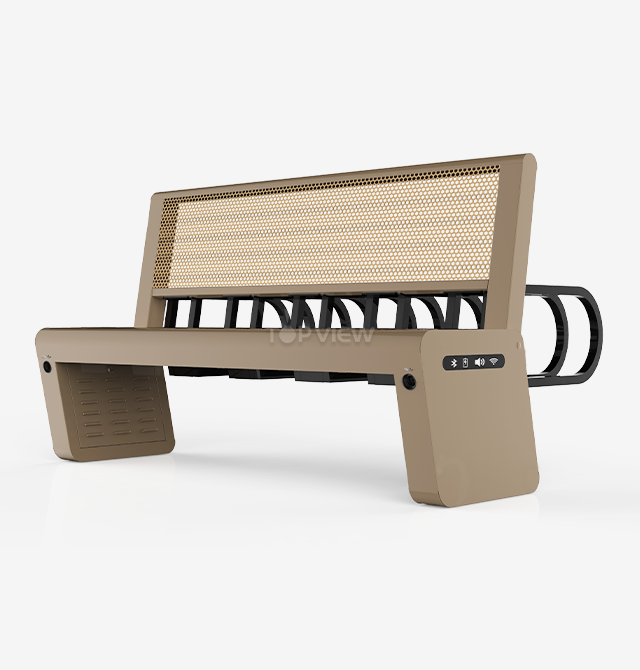 VIEW MORESolar Bench with bicycle parking
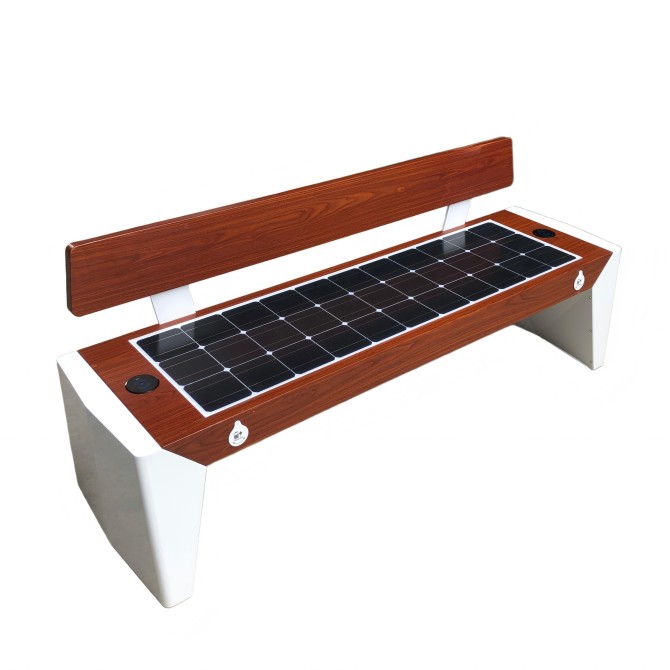 VIEW MOREair quality measuring solar smart bench
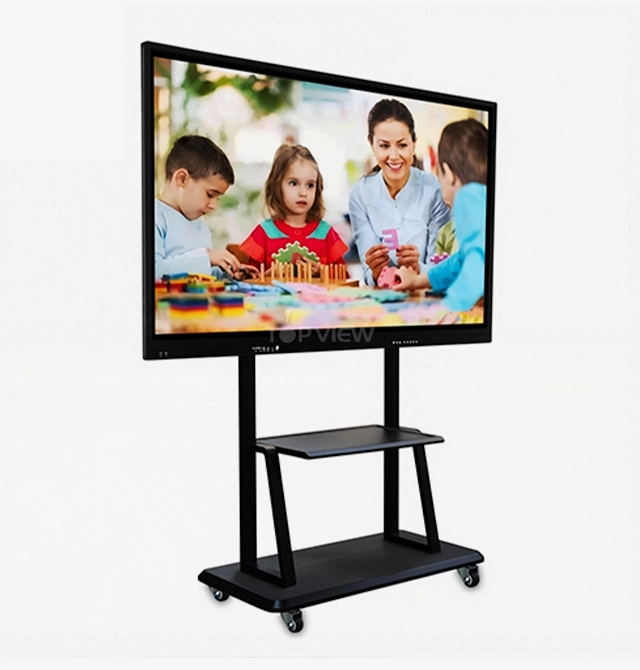 VIEW MOREDigital interactive whiteboards
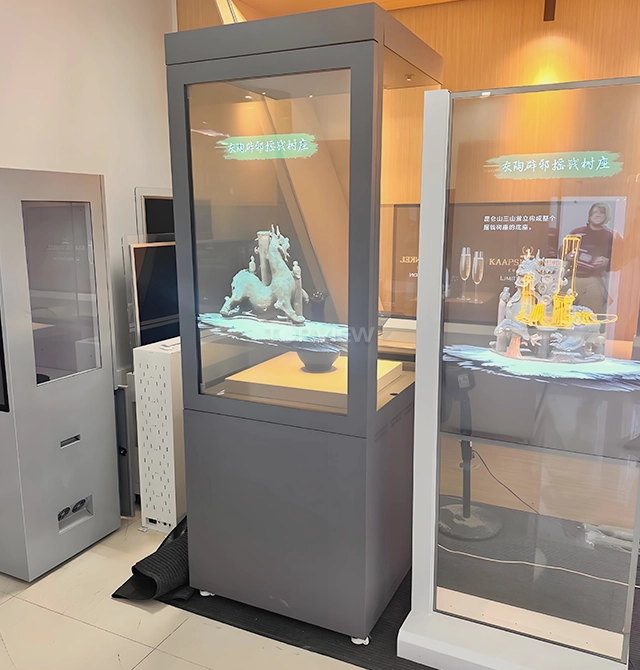 VIEW MORE55″ Transparent OLED Display Cabinet
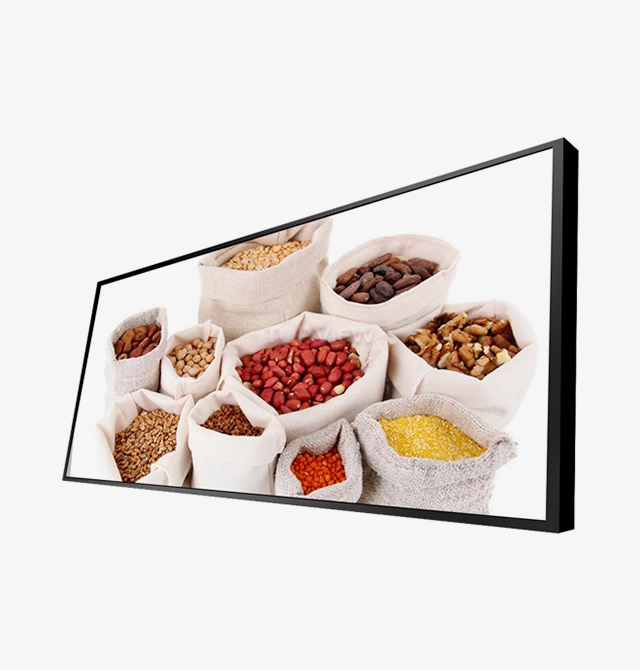 VIEW MOREStretched Bar LCD Display
 VIEW MOREDouble Sided Bar Lcd Monitor
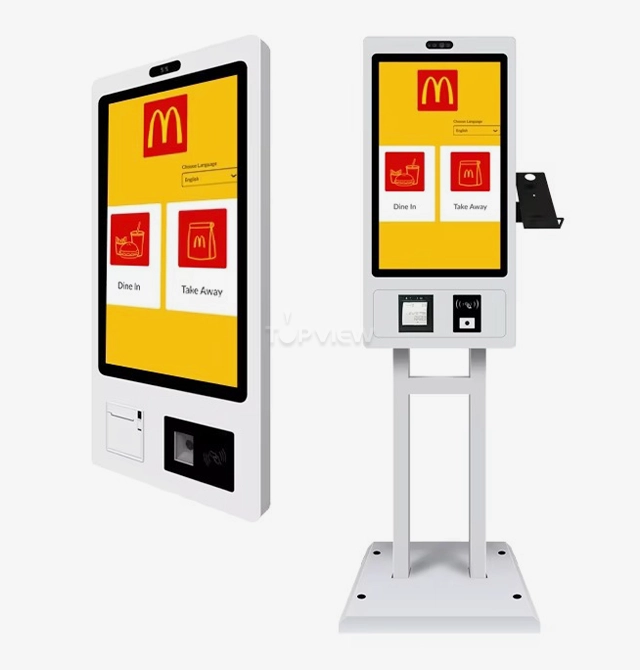 VIEW MORESelf Service payment Kiosk
 VIEW MOREWall-Mounted Outdoor LCD Digital Signage