



What is the purpose of the advertising display on a charging station?
Outdoor EV charging kiosks' advertising screens accomplish more than just brand recognition. In addition to making charging stations more useful, these digital screens also make the charging experience better for people who are using them. EV drivers usually stay at a charging station for 20 to 45 minutes. The built-in screen shows targeted content, real-time information about how the charging is going, and promotional messages from local or global brands. This keeps the audience captive and interested, which is good for both the station operator and the end user.
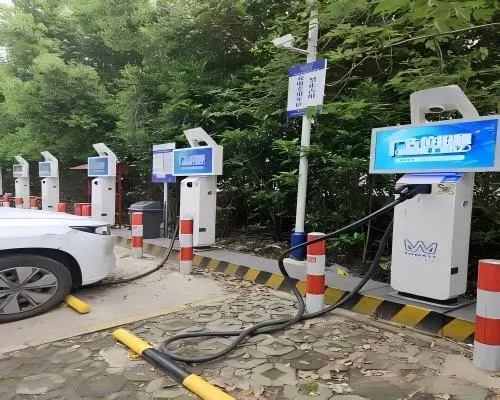
Introduction to Advertising Displays on Outdoor EV Charging Kiosks
As more people around the world switch to electric cars, charging stations are being put in more shopping malls, public parking lots, and commercial developments faster. Outdoor EV charging kiosks are now a lot more than just useful places to get power. They've changed over time into smart communication tools that combine usefulness with online interaction.
Market research shows that the number of electric vehicles (EVs) in the US has grown by more than 40% every year. This has led infrastructure makers to look for new ways to lower the costs of installation and running the EVs. Adding advertising displays directly solves this problem. These screens use the fact that EV drivers tend to stay put for a while to show changing content, such as local ads or messages about being environmentally friendly.
Types of Displays Used in Charging Kiosks
There are two main types of screens that most charging stations have. LCD screens with high brightness can show bright images even in full sunlight, so they can be used outside. Interactive touchscreen panels add another level of functionality by letting users look at charging options, get help finding their way, or interact with branded content.
This change in technology can be seen in the 43X/55X/65X Series from companies like Topview. The waterproof housings of these commercial-grade screens have smart temperature control systems, and the brightness changes automatically based on the amount of light in the room. These technology features make sure that the booth works the same way whether it's in the parking lot of a shopping mall that gets a lot of sun or a charging hub for the city that is shady.
The Role of Advertising in EV Infrastructure Economics
Charging station owners have to pay a lot of money up front for equipment and on a regular basis for repairs. Displays with ads are a tried-and-true way to make extra money that boosts a project's return on investment (ROI). Retail, hospitality, and auto brands all know how important it is to reach environmentally conscious customers at the same time that they are using green technology.
In the past few years, digital out-of-home (DOOH) advertising in the U.S. has cost more than $9 billion. One of the fastest-growing areas is charging and transportation infrastructure. Advertisers are very interested in EV charging kiosks because they can send location-specific, time-sensitive ads to an audience that can be predicted based on demographics.
Core Purposes and Benefits of Advertising Displays on Charging Stations
Procurement managers, AV system integrators, and commercial property developers can figure out how useful advertising displays are by understanding their strategic goals for outdoor EV charging kiosks.
Enhancing the User Experience Through Relevant Information
Drivers like getting clear information about their charging process in real time. Displays show the speed of charging, the expected time of finishing, and the cost. This makes things clearer and cuts down on wait times. In addition to transactional data, these screens can show local services like bathrooms, bars, or shopping malls, which can turn frustrating downtime into time for work or fun.
Updates on the weather, traffic, and neighborhood events make the experience even better for users of the outdoor EV charging kiosk. When drivers are informed and entertained, they form positive associations with the charging network brand. This makes them more likely to use the network again and stay a loyal customer.
Creating Revenue Opportunities for Operators and Property Owners
Adding advertising panels is a great way to make money during computer time that would otherwise be wasted. Network operators who charge for their services can work with local companies, area names, or national advertisers to sell advertising space on a cost-per-impression or time-based basis.
For example, shopping mall owners use these displays to promote tenant stores, holiday sales, or special deals, which brings more people into the mall's stores. Managers of fleet depots might show safety notes or private communications. Public service messages and emergency alerts can be sent out by the government and local projects.
Potential for making money depends on where it is, how much traffic it gets, and what kind of people it attracts. Advertising rates are higher in high-traffic cities and high-end retail spaces. Some business owners say that the extra money they make each month covers 30 to 50 percent of their operating costs.
Strengthening Brand Presence and Corporate Messaging
Charging station signs are used by automakers, energy companies, and brands that care about the environment to strengthen brand identity and express company values. A company that makes electric vehicles (EVs) might show videos of its newest models, and a company that provides energy can teach people about renewable energy sources.
This way of interacting builds trust and a strong emotional link. People think that a brand cares about the bigger goal of sustainable transportation when they see constant, value-aligned messages while they charge. Over time, this strategic visibility leads to more people remembering the brand and thinking about buying it.
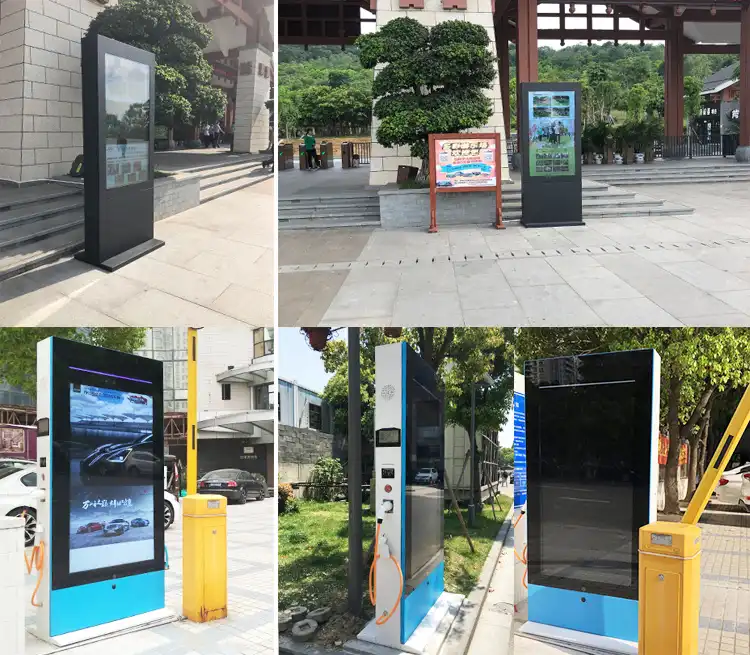
How does Advertising Display Integrate with the Technical and Operational Framework?
Paying close attention to technical details and practical facts is important for putting advertising screens on outdoor EV charging kiosks that work well.
Power Supply and Network Connectivity Requirements
For advertising screens to work all the time, they need stable power and strong network links. Modern charging kiosks have power control systems that make sure that both charging and showing things on the screen get enough power without slowing them down.
Connecting to the network through 4G, 5G, or Wi-Fi lets you control content from afar, check on performance in real time, and serve ads in a way that fits your needs. OCPP (Open Charge Point Protocol) compatibility makes sure that the charging hardware, the display system, and the central management platform can all talk to each other without any problems. From a single dashboard, operators can make changes to material, fix problems, and gather information about how people are using the site.
When the network goes down, redundancy methods like local content caching keep services from stopping. When connectivity is suddenly lost, displays keep showing material that has already been loaded until the link is restored. This keeps users interested and keeps advertising valuable.
Weatherproofing and Safety Standards
Rain, snow, extreme weather, UV rays, and physical hits are just some of the tough problems that can happen outside for outdoor EV charging kiosks. To keep water and dust out, displays must meet strict ingress protection (IP) grades, which are usually IP65 or IP66.
The 43X/55X/65X Series meets these needs through thorough engineering. IK10-rated curved explosion-proof glass keeps people from breaking in or damaging things by mistake. AkzoNobel outdoor-specific powder coating is used on SGCC-galvanized steel plates and aluminum alloy frames. This gives them great corrosion resistance, even in coastal or industrial settings.
Electronics inside a device are kept safe by lightning protection circuits, surge protection switches, and leak protection systems. Anti-glare glass keeps the screen visible in direct sunlight while also making it easier on the eyes of users. G4 automotive-grade filters keep harmful dust particles out, which extends the life of internal parts.
Installation Best Practices and Maintenance Regimes
When screens are installed correctly, they can be seen at the best angles and are less likely to be damaged directly. Mounting displays at the right heights (usually 1.5 to 1.8 meters above ground level) makes them visible and easy for people of different heights to use.
Cable control systems keep power and data links safe from damage from the outside world and accidents. Anti-theft locks, like the Huawei outdoor cabinet dedicated systems used in professional kiosks, stop people from stealing while still letting maintenance workers get in.
Regular maintenance plans make displays last longer and work better every time. Every three months, the screen's clarity, brightness, and the stability of the case are checked. Smart temperature control systems with high-speed fans and built-in sensors change the cooling based on the temperature outside, keeping things from getting too hot in the summer. When temperatures rise too quickly, the system turns off the screen but keeps the fans running until temperatures return to safe levels.
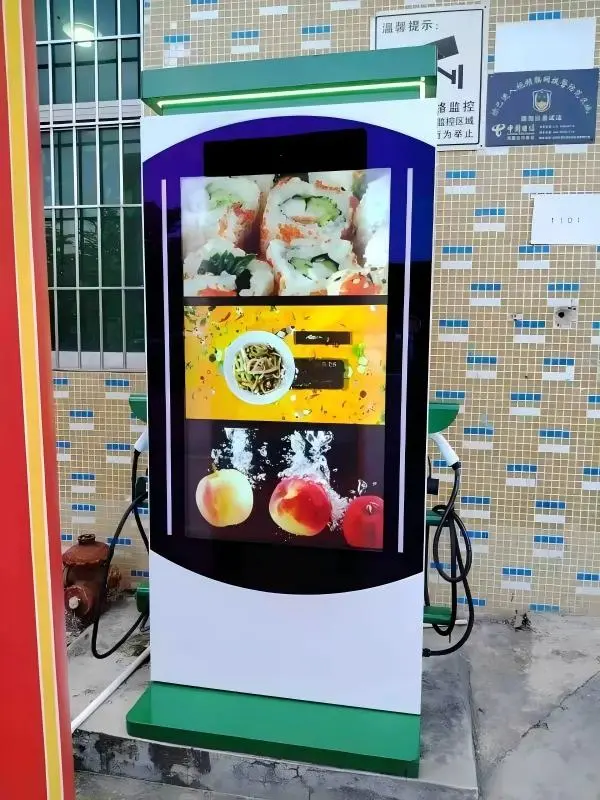
Evaluating Advertising Displays for Procurement – What B2B Clients Need to Know?
When looking for advertising displays for charging infrastructure projects, procurement managers and system integrators need to think about a number of things regarding outdoor EV charging kiosks.
Compatibility with Charging Protocols and EV Models
The screens must work with the charging hardware without getting in the way of communication or electricity safety systems. Plug & Charge features are made possible by ISO 15118 compliance. This means that the display can verify users and start charging itself immediately.
Different types of kiosks can be mounted in a variety of ways, from small units that sit on the curb to large stations that serve many vehicles at once. Modular design lets workers change the size of the screens (43-inch, 55-inch, or 65-inch) based on how far away they need to be seen and what they need to show.
Technical Specifications: Size, Resolution, and Interactivity
High-brightness screens (1,500 to 2,500 nits) make it possible to read in direct sunlight, which is a must for outdoor use. The 178-degree wide viewing angle makes it possible to see clearly from any approach direction. This means that drivers can see the screen while walking to or from their car.
Resolution is important when showing small text, detailed maps, or QR codes. Full HD (1920x1080) or 4K (3840x2160) resolutions keep things clear on big screens. Intelligent light-sensing technology changes the brightness automatically based on the lighting conditions. This saves energy at night while keeping vision high during the day.
Users can get more information, look at deals, or give feedback using interactive tablet choices that use G+F nano touch technology with 10-point sensitivity. With a sensitivity rating above 90%, the device will still respond even when gloves are worn or there is light rain.
Customization Options for Buying in Bulk
When B2B clients buy in bulk, they can make a lot of changes to their orders. Adding a logo through silk screen printing or LED lighting design strengthens the brand's character. The colors of the enclosures can be changed to match the company's brand or to blend in with the architecture around them.
Customizing software lets you make user interfaces that are exactly what you want, support multiple languages, and connect it to your own content management system. Power-on logo options, split-screen playback, and clever multi-screen display all let you show different kinds of information in ways that are visually appealing.
Topview's factory in Shenzhen can handle projects with special needs, and there is no minimum order number for customization. Lead times between 5 and 15 workdays help keep projects on track, and warranty choices that range from normal one-year coverage to three-year deals give you peace of mind for the long run.
Indoor versus Outdoor Installation Considerations
Even though we're talking about outdoor uses here, knowing the differences helps buying teams make smart choices. When compared to indoor units, outdoor displays need much brighter lights, stronger enclosures, and better thermal management.
When doing a cost-benefit study, you need to weigh the higher starting cost of outdoor-rated displays against their ability to make advertising money in places that a lot of people will see them. When retail stores put charge stations in more than one location, they often use the same outdoor EV charging kiosks, even in covered parking garages. This makes sure that all of the locations have the same performance standards and makes managing inventory easier.
Conclusion
Outdoor EV charging kiosks' advertising screens serve more than just aesthetic uses. They bring in real money, which improves the economics of infrastructure, makes the user experience better by giving them up-to-date and useful information, and gives brands access to an interested, eco-conscious audience. Improvements in weatherproofing, brightness control, and smart thermal management make it possible for these displays to work reliably in harsh outdoor settings. It is a good idea for procurement managers, AV integrators, and commercial property developers to choose displays that have been shown to last a long time, can be customized easily, and come with strong technical support. This will give them both short-term operational benefits and long-term competitive advantages in the rapidly changing world of electric mobility.
FAQ
1. Can advertising displays withstand extreme weather conditions?
It is important for professional outdoor EV charging kiosk displays to meet IK10 impact resistance standards and IP65/IP66 ingress protection ratings. They are made with toughened glass that isn't likely to explode, powder coats that won't rust, and smart temperature control systems that work reliably in temperatures from -30°C to +55°C, so they work all year long, no matter what the weather is like.
2. How much revenue can operators generate from advertising displays?
The potential for making money depends on where it is, how much traffic it gets, and how much advertisers want it. Through local business partnerships and regional advertising campaigns, high-traffic urban stores can make several hundred to several thousand dollars a month per display. Some store owners say that advertising income covers 30 to 50 percent of their monthly operating costs.
3. What customization options are available for bulk orders?
Manufacturers like Topview allow for a lot of customization, such as adding a brand, matching the color of the case, designing the software interface, supporting multiple languages, and integrating a specific content management platform. Special device connections and custom structure changes can be made to meet the needs of any project, and there are no minimum order quantities.
Partner with Topview for Advanced Outdoor Charging Display Solutions.
Topview Technology offers professional advertising displays that are designed to work with outdoor EV charging kiosks. We have been making things in Shenzhen for 13 years, and our experience helps procurement managers and system designers find reliable outdoor electric vehicle charging booth suppliers. The 43X/55X/65X Series is made to last in any weather and has smart heat management, high brightness, and the ability to be customized by OEMs and ODMs. Email our technical team at market@tviewdisplay.com to talk about your project needs, get detailed product specs, or look into ways to buy in bulk with longer warranty coverage. Let us help you turn your charging infrastructure into communication tools that make you money and offer great value.
References
1. Electric Vehicle Infrastructure Council (2023). "Digital Integration in EV Charging Networks: Technical Standards and Commercial Applications."
2. Journal of Transportation Technology and Policy (2023). "Revenue Models for Public EV Charging Infrastructure: The Role of Ancillary Services."
3. International Display Technology Association (2022). "Outdoor Display Engineering: Environmental Resilience Standards for Commercial Applications."
4. McKinsey & Company (2023). "The Future of EV Charging: Infrastructure Economics and User Experience Innovation."
5. Society of Automotive Engineers (2023). "SAE J1772 and ISO 15118 Compliance in Integrated Charging Systems."
6. Digital Out-of-Home Advertising Association (2023). "Audience Engagement Metrics in Transportation and Mobility Infrastructure."
YOU MAY LIKE
 VIEW MOREUltra Thin Super Slim Display Indoor Digital Display Screen
 VIEW MORE21.5/23.8 inch Android 14 L Shaped Restaurant Desktop Menu Board
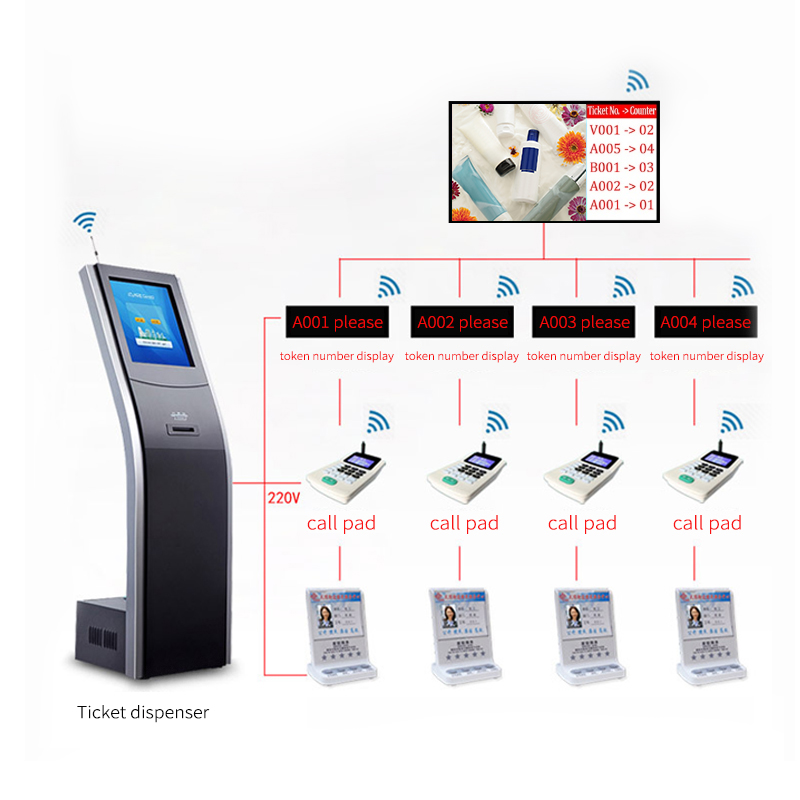 VIEW MOREBank/Hospital/Government queue management display system
 VIEW MORElcd video display
 VIEW MORESquare Monitor LCD Screen
 VIEW MOREUltra Thin Waterproof Digital Signage
 VIEW MORESlim outdoor digital totem
 VIEW MOREOutdoor Horizontal Freestanding Digital Signage