



Can outdoor advertising displays be customized to meet user requirements?
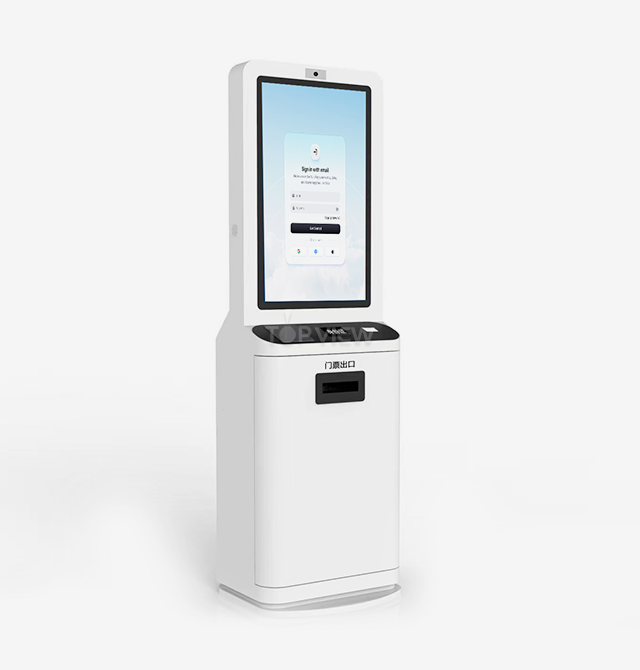
Advertising displays and outdoor self-service kiosks that are set up outside can be easily changed to fit the operating, environmental, and identity needs of B2B buyers. Modern companies like Topview let you fully customise the hardware design, software interfaces, environmental protection features, and the ability to integrate their products. Customised solutions let you improve performance while keeping costs low, whether you're in charge of advertising campaigns for shopping malls, video walls in control rooms, or interactive kiosks at transportation hubs. Customisation is especially helpful for outdoor self-service kiosks because they have to deal with problems that normal indoor devices can't, like bad weather and a lot of people using them at the same time.
Introduction
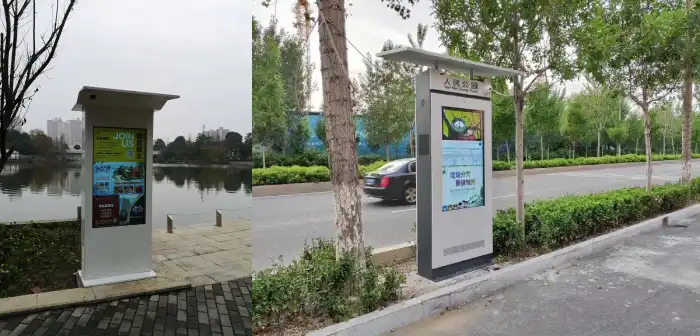
Business communication with customers in shopping malls, transit stations, stadiums, and city infrastructure has changed because of outdoor advertising displays. The content on these digital signs changes all the time, and they can handle rain, dust, extreme temperatures, and vandalism. As B2B procurement managers and AV system integrators look for display technology that is both reliable and affordable, customisation has become the key difference between good solutions and great ones.
This piece talks about how public advertising displays and interactive kiosks can be changed to fit the needs of different users. We look at the basic technical terms, customisation options, buying strategies, and future trends that will shape this industry. Our goal is to give people who make purchase decisions useful information that helps them make smart buying choices that are in line with practical goals and budgetary limits.
Understanding Outdoor Advertising Displays and Self-Service Kiosks
Outdoor advertising displays are industrial-grade digital sign systems that are made to work reliably in places that aren't controlled. These units are different from indoor screens because they have toughened casings, high-brightness panels, and thermal management systems to protect them from UV rays, water, and changes in temperature.
Core Hardware Components
Outdoor screens have weatherproof housings that are usually marked IP55 or IP65. This protects them from water jets and dust getting in. Corrosion doesn't happen in coastal or industrial settings because the enclosures are made of SGCC galvanised steel or aluminium alloy shapes that have been treated with AkzoNobel marine-grade powder coats. The 43X, 55X, and 65X Series from Topview are good examples of this method because they use anti-glare IK10 tempered explosion-proof glass and automotive-grade G4 screens to keep dangerous particles out.
High-brightness LCD screens with 2,000 to 4,000 nits can still be seen in direct sunlight. Topview's smart light-sensing technology changes the screen brightness instantly based on the lighting conditions, saving energy while keeping the picture clear. The 178-degree wide viewing angle makes sure that material can be seen from a variety of angles, which is great for places with a lot of people, like airports and outdoor plazas.
Thermal Management Systems
For outdoor displays, keeping the temperatures inside under control is very important. Topview uses smart temperature control systems with high-speed fans that have temperature sensors built in. When the chassis notices an unusual rise in temperature, the system turns off the screen while keeping the fan running at full speed. Once the internal temperatures return to normal, the display starts working again on its own. This preventative method increases the life of parts and reduces downtime, which is very important for EPC workers who are in charge of big projects.
Software and Content Management
Modern outdoor booths have content management systems built in that let you make changes in real time, play videos on two screens at once, and keep an eye on things from afar. Windows and Android working systems can be used with Topview's solutions, which gives developers more options for making custom apps. Buyers who need interfaces in more than one language, branded user experiences, or connections with payment systems can work directly with makers to create custom software designs.
Customisation: Meeting Specific User Requirements in Outdoor Advertising Displays
Customisation takes into account the fact that no two rollout situations are the same. The problems that purchasing managers at retail chains face are different from those that AV installers or distributors who create video walls for control rooms face.
Hardware Customisation Options
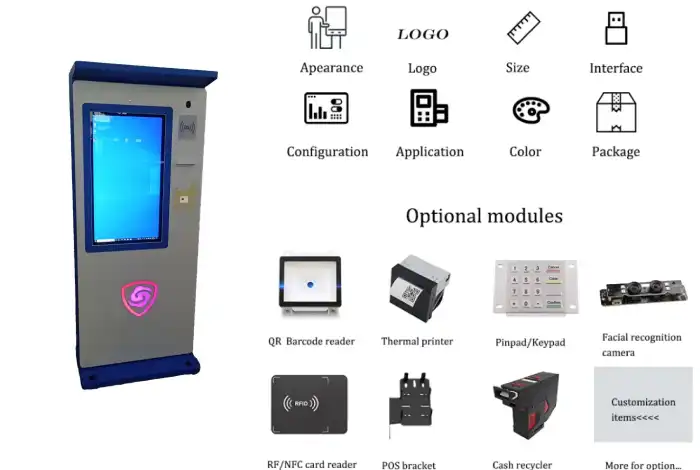
The most obvious way to customise is by choosing the Outdoor Self-Service Kiosk screen size. TopView makes outdoor self-service kiosk screens that are 43 to 65 inches, so buyers can choose a screen size that fits their installation needs and watching lengths. Regional wholesalers often ask for more than one size choice within the same product line so they can meet the needs of a wide range of customers without having to manage relationships with different suppliers.
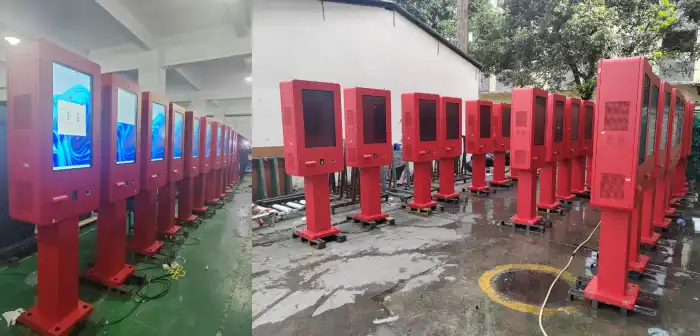
Brand matching is possible by changing the colour of the enclosure. Standard finishes come in black and silver, but Topview can also do custom powder coating to match corporate identity guidelines. This seemingly small detail has a big effect on aesthetic integration in stores where visual consistency affects how customers see things.
By adding a touch module, passive displays can be turned into interactive kiosks. Topview has G+F nano-touch technology that you can choose to use. It has 10 points of touch sensitivity and 90% response. To have this feature, transport hubs must have methods where people can use apps to find their way or buy tickets. The touch screen has to be able to handle constant use by the public while staying accurate even when temperatures change, and the surface condenses.
Environmental Protection Customisation
Depending on where they are put, outdoor displays must talk about specific environmental threats. Because of the salt air, sites near the coast need stronger anti-corrosion treatments. In industrial areas, you might need to add more dust filtering to keep particles from building up on internal parts. The engineering team at Topview changes filtration systems and sealing methods to fit the risk levels of the surroundings. This makes operations more reliable in tough situations.
Protection against lightning and surges is an important customisation for outdoor installations that stand alone. TopView builds in brand surge protection switches and leak protection methods that keep expensive display technology safe during power outages. This extra layer of security is especially useful for government buyers who are in charge of local digital sign networks and have to deal with broken equipment that causes service interruptions and cost overruns.
Software and Integration Customisation
Power-on logo customisation lets dealers build brand awareness as soon as the gadget is turned on. Topview allows both logos that are silk-screened and logos that are built into the case using LED backlighting. For wholesalers to build their brand reputation in area markets, they need to be able to use OEM branding.
Ads can send specific messages based on the time of day, the demographics of the audience, or real-time data feeds by scheduling content and customising how it plays. Topview's split-screen feature lets advertising material, emergency alerts, and operational information all show up at the same time. This is necessary for stadium deployments where sponsor messages need to fit in with event plans and safety alarms.
Adding a payment system is another way to push the limits of customisation. Secure transaction handling is needed for outdoor self-service kiosks that are used outside in places like parking lots, charging stations, and stores. Topview works with buyers to add mobile payment devices, RFID readers, and digital wallet interfaces that are legal in the buyer's country.
How to Choose and Procure Customised Outdoor Advertising Displays and Self-Service Kiosks?
Systematically evaluating technical specs, manufacturer abilities, and total cost of ownership is key to the successful procurement of outdoor self-service kiosks.
Evaluating Hardware Durability and Environmental Ratings
First, find out what ingress protection grades are right for your operating environment. IP55 ratings are enough for covered outdoor areas that don't get much direct water. On the other hand, IP65 certification is needed for installations that are fully exposed to heavy rain. Topview's fan-cooled thermal management system solves the problem of keeping air moving while keeping water out—a balance in design that many lesser makers fail to achieve.
Check the vandal-proof features, such as the IK10 grade for toughened glass, which shows that it can withstand 20 joules of impact energy, and the locking systems that prevent theft. Huawei outdoor cabinets' dedicated anti-theft locks made of die-cast stainless steel are used by Topview. These locks provide the physical security needed for public sites that are left unsupervised.
Assessing Manufacturer Production Capacity
Scale has a direct effect on how reliably deliveries happen and how easy it is to make changes. Topview runs a 2,000-square-metre factory with three modern production lines that can make 100 units every day. This ability makes sure that there is a steady supply for large orders and gives engineers the time they need to work on unique projects.
Lead time is an important factor in purchasing things. Topview has a production window of 5–15 workdays for custom orders and doesn't require a minimum order quantity (MOQ). This is a big edge over competitors who do this, as rivals who do this force buyers to either hold too much inventory or make concessions on specifications.
Comparing Customisation Costs and ROI
When compared to off-the-shelf options, outdoor self-service kiosk custom solutions usually cost more. But when you figure out the total cost of ownership, you have to take into account things like lower maintenance costs, longer operational lifespan, and missed opportunities due to downtime. An outdoor self-service kiosk display that is tailored to your surroundings works more reliably than a general unit that needs to be fixed more often.
Topview's guarantee structure—one year as normal, with a maximum of three years available—reduces risk, which is taken into account when figuring out ROI. When looking at different makers, you should compare the guarantee terms, the ability to customise, and the speed with which customer service responds after the sale.
Supplier Reliability and After-Sales Support
Topview has two dedicated after-sales engineers and more than 20 senior assembly technicians who all go through pre-service training before they start working. Throughout the lifetime of a product, this system helps with technical troubleshooting, getting new parts, and updating the firmware.
Ask clients who have used the same maker in similar deployment situations for examples. EPC workers should look for case studies that show how large-scale projects have been completed successfully. Distributors, on the other hand, should make sure that quality is consistent across production batches and that companies are quick to respond to flaw claims.
Installation, Maintenance, and Security of Customised Outdoor Displays
Installing it correctly and keeping up with the upkeep will protect your investment and keep it running.
Installation Best Practices
Before equipment is delivered, site surveys are used to find out what mounting needs to be done, how much power is needed, and how the equipment can connect to the network. Outdoor displays need stable mounting systems that can hold both the weight of the unit and the force of the wind. When compared to steel options, Topview's aluminium alloy frame design is lighter overall, making installation easier while still keeping structural integrity.
The electrical links must have specific channels with the right amperage levels for the amount of power the display and thermal management system needs. In addition to the device's built-in safety features, surge security at the service panel level adds another layer of defence.
Network setup is different for each use case. Static IP addresses make it easier to control content servers remotely, and cellular connection choices let them be set up in places that don't have wired infrastructure. Topview's systems can connect to the internet via wired or wireless connections, and engineers can help you figure out the best way to set them up for different situations.
Maintenance Protocols
Cleaning the ventilation openings and screen areas on a regular basis keeps dust from building up. Topview's G4 automotive-grade filters need to be replaced every so often, depending on the environment. In industrial areas, they need to be replaced every three months, and in cleaner areas, they only need to be replaced every six months. Changing the filters is an easy preventative maintenance job that greatly increases the life of the fan motor and the efficiency of the cooling system.
Software updates fix bugs and add new features that could be harmful to your computer. Topview offers firmware updates through safe download portals, and technical documentation walks IT staff through the steps of installation. With the ability to watch from afar, possible problems can be found before they become operational failures.
Physical and Cybersecurity Measures
Enclosures that are hard to open and strong closing systems are the first steps in physical security. Topview's anti-theft locks keep thieves out while still letting authorised repair workers in. When surveillance cameras are integrated, they record incidents that can be used for insurance claims and to help police work together.
For outdoor self-service kiosks and networked screens to work, security measures are necessary. Topview works with buyers to set up firewalls, encrypted channels of communication, and user authentication rules that are in line with company IT security policies. Kiosks that can take payments must be PCI-DSS compliant, and transaction data must be kept separate from content management functions in secure processing environments.
Conclusion
Customised outdoor advertising displays and interactive kiosks offer measurable benefits in lowering costs, improving operational dependability, and setting a brand apart. Manufacturers like Topview have both scientific knowledge and flexible production options, which means they can make solutions that are perfect for the climate, technical needs, and price limitations. The total cost of ownership is much lower for procurement managers who take the time to define specific needs and choose capable suppliers than for buyers who settle for generic options. As the use of public digital signs grows in shopping, transportation, and city government, customisation is the best way to stay ahead of the competition.
FAQ
1. What customisation options are available for outdoor self-service kiosks?
Outdoor kiosks can be changed in many ways, such as the screen size (43 to 65 inches), the colours of the container, the number of environmental protection levels, the software platforms, the ability to work with payment systems, and the branding elements. Topview lets you change the logo by silk-screen printing or LED backlighting, set up the logo when the power goes on, and create the whole user interface to fit your operational processes.
2. How long does customisation typically take from order to delivery?
Lead times depend on how complicated the customisation is. Topview keeps production schedules for most custom orders between 5 and 15 workdays. On the shorter end of this range are simple changes like adding a logo or changing the colour. On the other end are more complicated tasks like making software or protecting the environment, which can take up to 15 workdays. Topview's production capacity and technical bandwidth keep delays to a minimum, which isn't always the case with smaller makers.
3. What warranty coverage applies to customised outdoor displays?
Topview's normal warranty lasts for one year, but you can choose to stretch it to a maximum of three years. The warranty covers flaws in the way the product was made and parts that break down under normal use. Custom changes do not void the guarantee as long as the installation follows the manufacturer's instructions. Topview's after-sales tech team helps with troubleshooting and getting new parts all the way through the warranty time and beyond.
Partner with a Trusted Outdoor Display Manufacturer
Topview has been making specialised LCD advertising displays for 13 years and can customise them in a lot of different ways to serve B2B buyers around the world. Our factory in Shenzhen has three modern production lines that can make up to 100 units per day. They are helped by more than 20 top engineers and dedicated after-sales experts. We're happy to work on OEM and ODM projects, and there is no minimum order size. We can make outdoor self-service kiosks that fit your brand, software needs, and environmental standards. Our 43X, 55X, and 65X Series outdoor screens come with smart temperature control, all-weather safety, and high-brightness technology, and they are priced competitively at the factory. Topview provides quality and quick responses, whether you are a procurement manager looking for dependable supply partnerships or an AV system integrator needing to work together on technical issues. Get in touch with our team at market@tviewdisplay.com to talk about your project needs and get a full quote from an outdoor self-service kiosk provider with a lot of experience.
References
1. Digital Signage Federation, "Outdoor Display Standards and Best Practices for B2B Procurement", Industry Technical Report, 2023.
2. Chen, M. and Rodriguez, A., "Thermal Management Systems in Outdoor LED Display Technology: A Comparative Analysis," Journal of Electronic Display Engineering, 2022.
3. International Electrotechnical Commission, "IEC 60529: Degrees of Protection Provided by Enclosures (IP Code)," International Standard, 2021.
4. Park, J., "Customisation Strategies in Industrial Display Manufacturing: Cost Analysis and ROI Modelling", Manufacturing Technology Quarterly, 2023.
5. Global Outdoor Advertising Association, "Digital Out-of-Home Procurement Guide for Corporate Buyers," Professional Development Series, 2023.
6. Williams, R., "Environmental Stress Testing Protocols for Outdoor Electronic Enclosures," Reliability Engineering Handbook, 2022.
YOU MAY LIKE
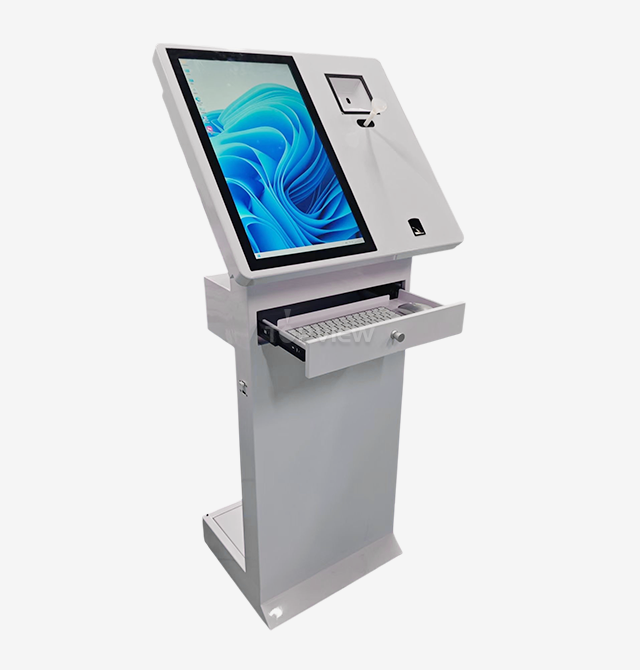 VIEW MOREBraille Keyboard PCAP self service Touch Screen Kiosk With Printer
 VIEW MOREair quality measuring solar smart bench
 VIEW MOREDesktop landscape Interactive 3D HoloBox
 VIEW MORE55″ Landscape Transparent OLED Self-Service Touch Kiosk
 VIEW MOREWooden Frame Digital Signage
 VIEW MORECustom Printing Self-Service Kiosk
 VIEW MOREDouble Sided Floor Standing Digital Signage
 VIEW MOREOutdoor Wall Mounting Advertising Totem