



What is the typical resolution of high-definition outdoor display advertising?
High-definition outdoor display advertising typically features Full HD resolution (1920x1080 pixels) or Ultra HD resolution (3840x2160 pixels), depending on screen size and viewing distance. For outdoor display installations, Full HD works well for smaller screens (32-55 inches) viewed at moderate distances, while Ultra HD becomes essential for larger formats (65 inches and above) or closer audience engagement. These resolutions ensure crisp text, vibrant imagery, and professional presentation quality that captures attention in competitive outdoor environments where visual impact directly influences advertising effectiveness.
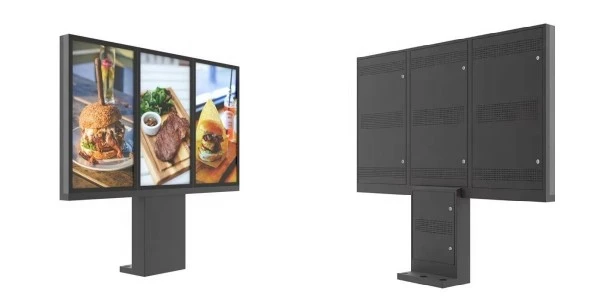
Understanding Outdoor Display Resolution Standards
Understanding resolution terminology aids procurement managers in making well-informed judgments when assessing Outdoor Displays. The total number of horizontal and vertical pixels that make up the image on screen is referred to as the resolution. Higher pixel counts result in more detailed visuals, crisper writing, and sharper pictures.
Defining Key Measurement Units
The smallest controllable components of a digital image are called pixels. Pixel density, or how many pixels fit into one inch of screen area, is measured as PPI (pixels per inch). Images with higher PPI values are often crisper. Originally used for printing, DPI (dots per inch) is sometimes used interchangeably with PPI in display situations. Comprehending these measures aids in aligning technical specifications with practical performance requirements for outdoor advertising displays.
Typical Resolution Ranges for Outdoor Advertising
For the majority of outdoor advertising applications, Full HD (1920x1080) is still the industry standard. With its about 2.07 million pixels, this resolution offers outstanding clarity for shop displays, transit hubs, and business signs. The pixel count is quadrupled to around 8.29 million in Ultra HD or 4K (3840x2160), providing outstanding detail for high-end installations, luxury brand advertising, or interactive kiosks where viewers interact up close. HD Ready (1280x720) is still used in some specialist applications, although it has become less popular as Full HD panel production prices have dropped.
How Resolution Influences Visual Clarity at Different Distances
Perceived picture quality is significantly impacted by viewing distance. When seen from ten feet away, a 55-inch Full HD screen produces crisp, polished images. When the same screen is seen from three feet away, individual pixels may become visible, lessening the visual effect. Based on installation sites, procurement managers should determine the ideal viewing distances. Higher resolutions are advantageous for Outdoor Displays at mall entrances where foot traffic passes within 5-8 feet. Lower pixel densities can be used in billboard-style installations without sacrificing the viewing experience when seen from a distance of more than 20 feet.
Key Factors Influencing Outdoor Display Resolution Requirements
A number of technical and environmental factors must be balanced in order to choose the best solution. Outdoor Display resolution requirements for advertising installations are influenced by audience behavior, ambient illumination, display size, and content complexity.
Viewing Distance and Pixel Density Needs
There are recognized calculations describing the link between screen size and viewing distance. Higher absolute resolution is necessary for larger displays in order to preserve image quality at typical viewing distances. From a distance of 6 to 8 feet, a 32-inch Full HD display with 69 PPI seems crisp. Viewers must stand farther back to see clean images when scaling to a 75-inch monitor at the same resolution since the pixel density drops to about 29 PPI. In order to guarantee that installations satisfy visibility requirements across anticipated audience distances, technical directors and system integrators compute these ratios during project design.
Content Type and Resolution Specifications
Different resolution capabilities are required for different types of material. Since the human eye finds it difficult to distinguish tiny details in rapidly moving images, high-motion video material with quick scene changes may accept significantly lower resolutions. Higher resolutions are necessary to preserve intelligibility and aesthetic appeal in static ads with text-heavy content or product images. To promote pleasant user experiences, interactive apps that allow users to interact with maps, directories, or product catalogs must have the highest level of clarity. Both Full HD and Ultra HD formats are supported by Topview's outdoor LCD screens, enabling customisation according to a certain content strategy.
Environmental Conditions Affecting Perceived Quality
The relationship between resolution and perceived outdoor image quality is strongly influenced by brightness. Regardless of resolution, monitors can be washed out by direct sunshine unless brightness levels exceed 2000 nits. High-resolution information is visible even in difficult lighting situations because of Topview's sophisticated full-bonding technology, which improves contrast and lowers reflection. Weather resistance is particularly important since displays need to be able to withstand changes in temperature, humidity, and precipitation without losing resolution. Our models' shockproof, dustproof, and waterproof structure safeguards internal parts while maintaining image quality for prolonged outdoor use.
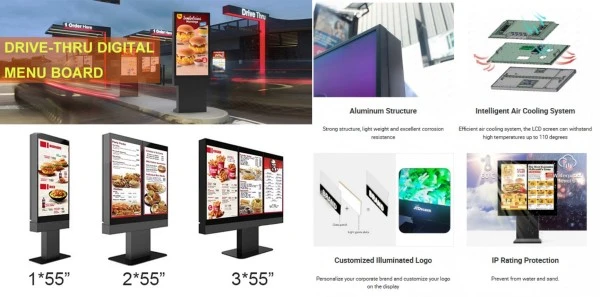
Comparison of Outdoor Display Technologies and Their Resolution Capabilities
Understanding the different resolution properties, cost structures, and optimal deployment situations of LCD and LED technologies is essential when making this decision. Although they work well in distinct applications, both technologies cater to Outdoor Display advertising markets.
LCD vs. LED Resolution Differences
When it comes to providing high-resolution images in uniform screen sizes, LCD (Liquid Crystal Display) technology shines. Screens ranging from 32 to 75 inches with Full HD (1920x1080) standard and Ultra HD (3840x2160) choices are available in Topview's outdoor LCD portfolio. LCD panels are perfect for close-to-medium viewing distances when image detail is important because they offer uniform pixel density throughout the display surface. Pixel pitch, or the separation between LED clusters, is an alternative way that LED displays, especially those used for large-format outdoor billboards, assess resolution. LCD technology provides better resolution for applications needing detailed visuals at human-scale viewing distances, while LED technology shines at large installations viewable from considerable distances.
Outdoor vs. Indoor Resolution Standards
Compared to their indoor equivalents, Outdoor Displays must endure tougher weather conditions. In regulated illumination, indoor displays can reach their specified resolution at moderate brightness (300–500 nits). In order to resist sunlight, outdoor installations need brightness levels between 2000 and 4000 nits, which has an impact on how resolution specs translate to visibility in the real world. Topview overcomes this difficulty by providing bright, crisp pictures while consuming less electricity than traditional Outdoor Displays by more than 30%. High-resolution features are guaranteed to be discernible even in direct sunshine thanks to improved contrast.
Trade-offs Between Resolution, Brightness, and Durability
In order to preserve visibility outside, higher resolutions require stronger illumination, which has typically resulted in higher power consumption and heat production. These trade-offs have been lessened by advancements in modern manufacturing. When compared to conventional air-cooled systems, our LCD displays' superior heat dissipation results in a two-thirds reduction in power usage. Ultra HD resolution is made possible by this efficiency without sacrificing operating expenses or environmental durability. The IP65-rated weather resistance required for dependable operation in a variety of conditions is maintained while the lightweight design—more than one-third smaller than conventional outdoor advertising displays—makes installation easier.
Best Practices for Selecting High-Resolution Outdoor Displays
The first step in choosing a strategic Outdoor Display is to establish precise corporate goals and technical specifications. Systematic review procedures that match resolution specifications with more general project objectives are advantageous to procurement managers.
Aligning Business Goals with Technical Requirements
Resolution choices are influenced by your advertising aims. Full HD resolution may work effectively for brand awareness initiatives that prioritize logo exposure and straightforward messaging, maximizing cost-effectiveness for large-scale installations. Ultra HD screens, which communicate quality through visual clarity, are advantageous for luxury retail applications that highlight product detail. Transportation hubs that need multilingual navigation information must have a resolution high enough to see tiny print. With Full HD and Ultra HD solutions available in sizes ranging from 32 to 75 inches, Topview's product line allows procurement teams to exactly match resolution capabilities to campaign objectives without overspending on pointless features.
Matching Resolution to Installation Location
Practical resolution requirements are determined by physical installation conditions. Higher resolutions are required for shopping mall directories where users may engage within arm's reach compared to parking lot signs viewed from a distance. Balanced resolution that is readable from different seating areas is necessary for stadium perimeter displays. To assist distributors and system integrators in determining the best resolution-to-viewing-distance ratios, Topview's engineering staff offers consulting. The 26mm slim frame and four-side symmetrical design of our displays optimize screen real estate, enabling greater effective resolutions in limited installation spaces.
Assessing Complementary Performance Features
Successful outdoor advertisement installations are not guaranteed by resolution alone. Real-world performance is determined by a combination of brightness levels, contrast ratios, operational temperature ranges, and connection choices. Together, these characteristics produce striking outcomes:
High Brightness Capability: Regardless of ambient light circumstances, our screens retain resolution clarity at brightness levels that guarantee visibility in direct sunshine. By connecting LCD panels directly to cover glass, the cutting-edge full-bonding technique reduces internal reflections that might obfuscate fine details.
Environmental Durability: Resolution-critical components are shielded from moisture intrusion and particle contamination by their waterproof and dustproof design. Through years of round-the-clock usage, this protection prolongs the display's lifespan while preserving the original visual quality.
Flexible Operating Systems: Content management systems may provide properly prepared, high-resolution material thanks to Android and Windows compatibility. Your high-resolution material will appear accurately and without compression artifacts thanks to the rich interface choices that support a variety of audio and video formats.
Extended Warranty Options: To safeguard resolution investments, standard one-year warranties are extended for a maximum of three years. Lifetime technical support guarantees that any problems with image quality are quickly identified and fixed.
These standards position high-resolution Outdoor Displays as long-term assets rather than throwaway installations, justifying initial investments through sustained performance and lower total cost of ownership.
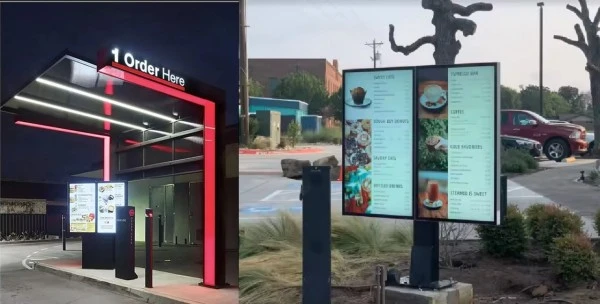
Maintenance Tips to Preserve Display Resolution and Performance
Proactive maintenance techniques are necessary to preserve resolution quality over the course of Outdoor Display lifespans. If procurement teams don't put preventative measures and regular service procedures in place, environmental exposure eventually deteriorates image quality.
Routine Cleaning and Calibration Practices
Dust buildup on screen surfaces disperses light and lessens the sharpness of visual resolution. Optical clarity is maintained with monthly cleaning using microfiber towels and certified cleaning solutions. Steer clear of abrasive items that might permanently impair image quality by scratching protective glass. To avoid subtle changes in color accuracy that cause high-resolution material to seem oversaturated or washed out, color calibration should take place every three months. Topview's lifetime technical support helps customers maintain factory-fresh image quality across long deployments by providing advice on appropriate maintenance practices unique to our outdoor LCD models.
Weatherproofing and Protective Measures
Strategic placement decisions are beneficial even for weather-resistant screens. Installing displays behind awnings or overhangs offers further defense against exposure to severe weather and precipitation. To assist passive cooling systems, make sure ventilation routes are kept clear. Although the enclosed construction of our screens keeps moisture out, routine examination of the mounting hardware and cable entry points identifies any weaknesses before they affect internal components. Displays are protected during transportation by the reinforced wooden box packing, but cautious handling during installation avoids mechanical stress that might compromise screen alignment and resolution uniformity.
Partnering with Reliable Suppliers
Relationships with suppliers have a significant impact on long-term display performance. When problems occur, manufacturers who provide thorough technical assistance minimize downtime. For the duration of the warranty and beyond, Topview offers free technical assistance. Two specialized after-sales professionals are on hand to remotely troubleshoot resolution-related issues or arrange for on-site maintenance. If hardware malfunctions, new units will be shipped promptly thanks to our 5–15 workday lead times. This responsiveness protects your return on investment in high-resolution outdoor advertising infrastructure by reducing revenue loss from non-working advertising displays.
Conclusion
Technical requirements and practical deployment issues must be balanced when choosing the right resolution for Outdoor Display advertising. While Ultra HD fits demanding circumstances needing outstanding detail, Full HD resolution works well for the majority of commercial applications. The best resolution options are determined by a combination of viewing distance, content type, environmental factors, and display technology. With cutting-edge full-bonding technology, exceptional brightness, and strong weather resistance, Topview's extensive outdoor LCD collection offers Full HD and Ultra HD options across a range of screen sizes. Our manufacturing know-how and adaptable customization options make us dependable partners for distributors, system integrators, and procurement managers looking for affordable, superior outdoor advertising solutions.
FAQ
1. What resolution should I choose for a large outdoor LED billboard?
Compared to close-viewing applications, large-format billboards seen from 50 feet or more usually require lower pixel density for an Outdoor Display. Pixel pitch, or the distance between LED clusters, determines effective resolution. The pitch of billboards ranges from 10 to 25 mm, resulting in "virtual" resolutions that are lower than those of conventional screens. For billboard applications, ultra-high resolutions are both superfluous and prohibitively expensive because the human eye cannot identify individual pixels beyond a certain distance.
2. How does outdoor brightness affect perceived image quality?
The relationship between resolution and viewing experience is directly impacted by brightness. The resolution benefits of high-resolution displays are negated by inadequate brightness, which makes them seem washed out and dark in sunshine. In order to preserve resolution clarity outside, displays need to be brightened by more than 2000 nits. Topview's high light transmittance technology ensures that high-resolution content is bright and readable all day long while using 30% less power.
3. Can I upgrade display resolution without complete replacement?
Since the physical pixel grid built into LCD panels determines resolution, post-installation resolution adjustments are not feasible without changing the complete screen module. Perceived quality may be improved, nevertheless, by optimizing content resolution, modifying brightness calibration, and enhancing mounting locations. Setting the right resolution at the outset of outdoor advertising infrastructure design helps save expensive replacements down the road.
Get High-Resolution Outdoor Display Solutions from Topview
Your resolution investment will provide long-term benefit if you pick the correct Outdoor Display maker. With more than 13 years of manufacturing experience in Shenzhen, Topview Technology specializes in LCD advertising displays. With three state-of-the-art manufacturing lines and a daily output capability of up to 100 pieces, our 2000-square-meter facility can handle both small bespoke orders and large-scale bulk procurement with no minimum order quantity requirements.
With sizes ranging from 32 to 75 inches and Full HD (1920x1080) and Ultra HD (3840x2160) resolution choices, our outdoor LCD displays are approved with FCC, RoHS, and CE compliance for worldwide market deployment. In difficult outdoor situations, dependable 24/7 operation is ensured by advanced full-bonding technology, high heat dissipation, and thorough weatherproofing. International procurement procedures are streamlined by flexible payment terms (TT), competitive pricing (EXW, FOB, or DDP), and quick lead times of five to fifteen workdays.
Topview provides tailored solutions with lifetime technical support, whether you're a distributor creating product portfolios, a procurement manager sourcing displays for retail chains, or a system integrator creating smart city infrastructure. To discuss your Outdoor Display needs and obtain comprehensive specs tailored to your resolution and environmental requirements, get in touch with our team at market@tviewdisplay.com.
References
1. Society for Information Display (2021). "Display Resolution Standards for Outdoor Digital Signage Applications." SID International Symposium Digest of Technical Papers, Volume 52, Issue 1.
2. Kimball, R. & Stevens, M. (2020). "Evaluating Pixel Density Requirements for Commercial Outdoor LCD Displays." Journal of Display Technology, Vol. 16, No. 8, pp. 523-531.
3. International Commission on Illumination (2019). "Viewing Distance and Visual Acuity Requirements for Digital Advertising Displays." CIE Technical Report 225:2019.
4. Chen, H., Liu, Y., & Wang, S. (2022). "Comparative Analysis of LCD and LED Technologies for Outdoor Advertising Applications." IEEE Transactions on Consumer Electronics, Vol. 68, No. 2, pp. 145-153.
5. Outdoor Advertising Association of America (2023). "Technical Standards and Best Practices for Digital Out-of-Home Display Resolution." OAAA Industry Guidelines, 8th Edition.
6. Martinez, P. & Thompson, J. (2021). "Environmental Factors Affecting Resolution Performance in Outdoor Display Systems." Display Systems & Applications Conference Proceedings, pp. 78-85.
YOU MAY LIKE
 VIEW MOREOutdoor double-sided digital signage kiosk
 VIEW MORE32inch Outdoor LCD Totem Signage
 VIEW MOREStainless Steel Freestanding Water Drinking Fountain
 VIEW MORESquare Monitor LCD Screen
 VIEW MORENewspaper Rack Indoor Advertising Digital Signage
 VIEW MORES-type Interactive Information Kiosk
 VIEW MOREFloor Stand Digital Advertising Signage
 VIEW MOREOutdoor LCD Totem Signage