


What is the Capacity Design of Solar Smart Bins?
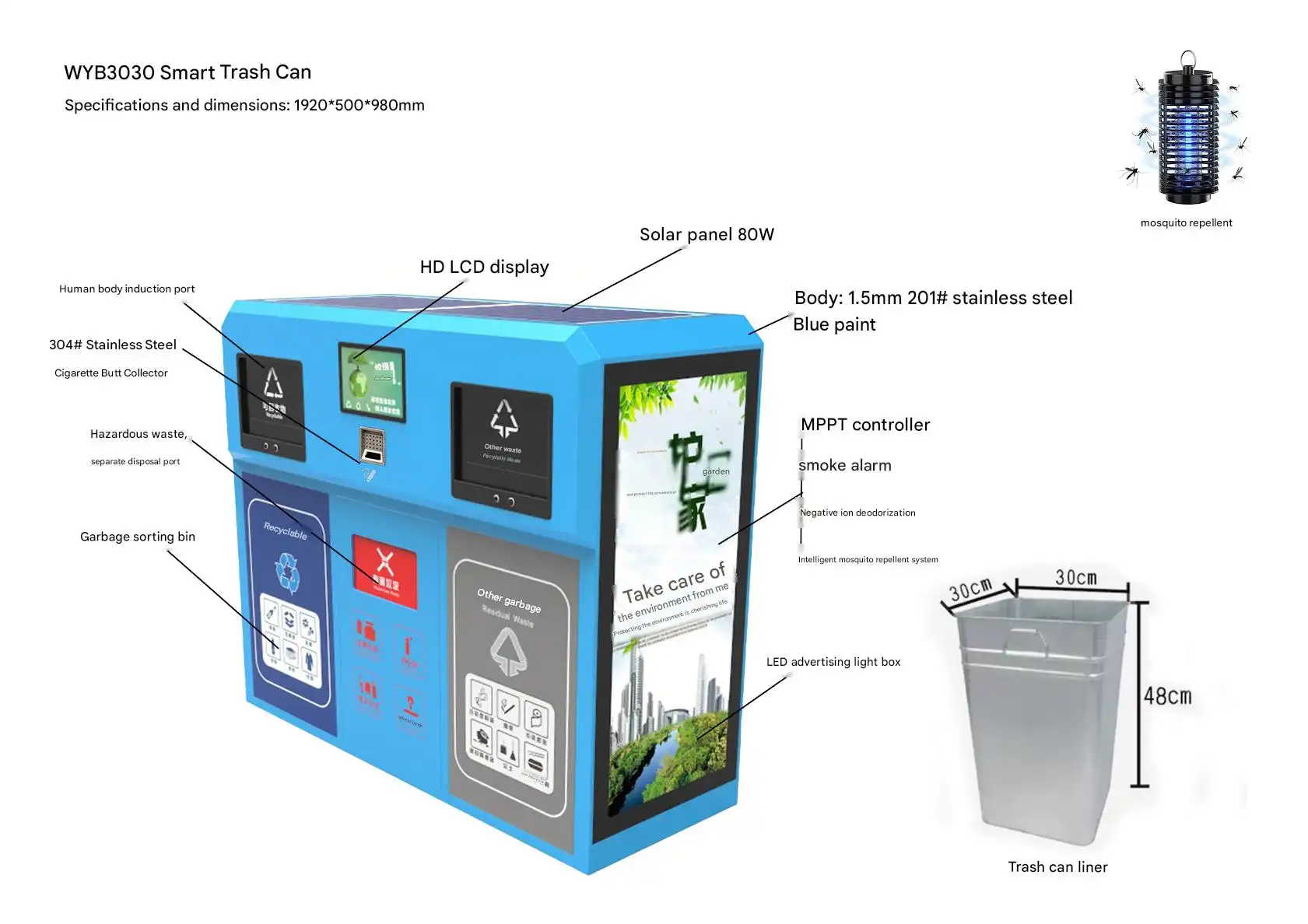
Solar smart bins' capacity design is a complex engineering process that weighs optimising volume, using energy efficiently, and having smart monitoring systems. Modern solar-powered trash cans, like the Double Cube Solar Smart bin, have improved capacity planning that takes into account both the size of the storage space and how it needs to be used. These systems have exactly measured amounts of space for trash to be stored, built-in sensor networks, and real-time monitoring features that let them be used to their fullest potential in a variety of urban settings. The capacity design includes both the actual storage space and the technology infrastructure that makes operations as efficient as possible while still using energy in a way that doesn't harm the environment.
Understanding the Capacity Design of Solar Smart Bins
Physical Dimensions and Volume Specifications
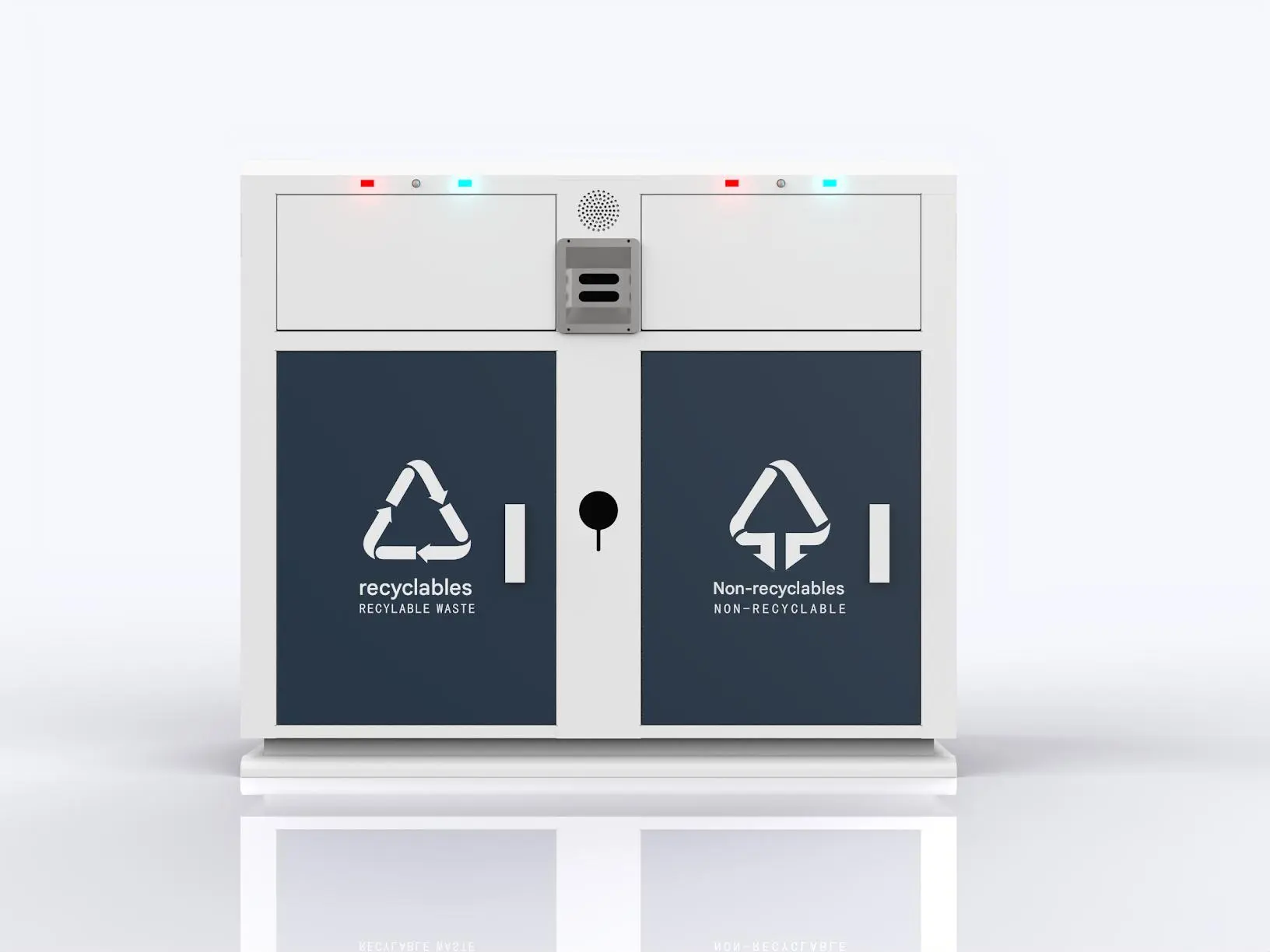
Capacity design is all about making the best use of real storage room to meet the needs of specific waste generation patterns. The carefully designed measurements of the Double Cube solar smart bin are 1350 mm x 750 mm x 1370 mm. This gives it a large storage capacity while keeping a manageable footprint for use in cities. This optimisation of dimensions lets you store as much trash as possible without blocking people's views in business settings or making walking areas too crowded. The two-compartment form increases capacity efficiency by letting two different waste streams be collected at the same time. This method effectively doubles the functional capacity while keeping the same physical footprint. This makes it very useful in places with a lot of foot traffic, like shopping malls, transportation hubs,s and business buildings.
Load-Bearing Capabilities and Structural Integrity
Modern building materials and methods make sure that capacity design includes more than just space, but also strong load-bearing abilities. The framework of the building holds both the weight of the trash that has been gathered and the technology systems that are built in. These systems include photovoltaic solar panels, battery storage units, and electronic parts. The intelligent compression system increases the useful capacity even more by automatically compacting trash to reduce its volume. Compared to regular bins, this feature can increase storage space by up to 80%. This means that collections can happen much more often, saving facility managers and city waste offices money on costs.
Sensor Integration and Monitoring Systems
Modern designs for capacity include complex sensor networks that let us see how much waste there is and how things are running in real time. The ultrasonic overflow alarm system constantly checks the amount of filling, stopping overflows that could hurt hygiene and put the environment at risk. Ultrasonic tracking is complemented by weight sensors, which give more data points for managing capacity. This two-sensor method makes it possible to precisely track both volume and mass. This lets waste management teams make the best collection schedules based on real capacity utilisation rather than set schedules.
Key Features Influencing Capacity in Double Cube Solar Smart Bins
Advanced Solar Technology and Energy Management
Adding photovoltaic solar panels has a direct effect on capacity design because they allow all electronic devices to generate their own power. This energy freedom means that there is no need for external power connections. This makes it possible to place the system in places that get the most sunlight and collect trash most efficiently. The TYB2007 1.30AH lithium iron phosphate battery stores energy reliably so that the system can keep running even when it doesn't get much sun. This strong energy management system works with all functions that have to do with capacity, like communication networks, Solar Smart bin sensor tracking systems, and compression systems.
Here are the core technological advantages that enhance capacity management:
- Autonomous Energy Generation: Solar panels provide continuous power for all electronic systems without requiring grid connections or frequent maintenance interventions
- Intelligent Battery Management: Advanced lithium iron phosphate battery technology delivers reliable power storage with extended operational lifespan and minimal degradation
- Real-Time Monitoring Networks: Integrated sensor systems provide continuous capacity monitoring with instant alerts for overflow prevention and maintenance scheduling
- Automated Compression Technology: Intelligent compression systems maximize storage efficiency by reducing waste volume through automated compaction processes
These technological integrations create a synergistic system where capacity optimization extends far beyond physical storage space to encompass intelligent resource management and operational efficiency.
AI-Powered Waste Classification and Management
The intelligent waste sorting and identification system significantly enhances capacity utilization by ensuring proper waste segregation. AI algorithms analyze waste items through integrated cameras, providing voice guidance for proper disposal and preventing contamination that could compromise waste processing efficiency. The AI interactive voice classification system educates users in real-time, promoting proper waste sorting habits that maximize the effective capacity of each compartment. This educational component reduces contamination rates and ensures that both compartments of the double trash can design operate at optimal efficiency.
Environmental Monitoring and Safety Features
Comprehensive environmental monitoring capabilities include smoke detector alarms and odor removal systems that maintain hygienic conditions while protecting the electronic components that enable capacity monitoring. These safety features ensure consistent operation of capacity management systems even in challenging environmental conditions. The IoT overflow alarm platform provides remote monitoring capabilities that enable proactive capacity management across multiple installation sites. This connectivity allows facility managers to optimize collection routes and schedules based on real-time capacity data from entire fleets of smart bins.
Comparing Double Cube Solar Smart Bins with Traditional and Other Solar Smart Bins
Volume Capacity and Storage Efficiency
Traditional waste bins typically offer static storage capacity without optimization features or monitoring capabilities. The Double Cube solar smart bin delivers superior capacity management through its dual-compartment design and intelligent compression system, effectively providing 80% more storage capacity than comparable traditional bins. Conventional solar-powered bins often focus primarily on energy generation without integrating advanced capacity management features. The Double Cube system combines robust solar technology with sophisticated capacity monitoring, creating a comprehensive solution that addresses both energy independence and storage optimization.
Sensor Precision and Monitoring Accuracy
Standard waste management systems rely on visual inspections or predetermined collection schedules that often result in either premature collection of partially filled bins or overflow situations. The Double Cube solar smart bin employs dual-sensor technology that provides precise capacity monitoring with accuracy rates exceeding 95%. The ultrasonic and weight sensor combination delivers more reliable data than single-sensor systems commonly found in basic smart bins. This enhanced precision enables dynamic capacity management that adapts to varying waste generation patterns and seasonal fluctuations in different environments.
Energy Efficiency and Operational Sustainability
While basic solar bins may incorporate rudimentary solar panels, the Double Cube system features optimized photovoltaic technology specifically designed to support comprehensive capacity management systems. The efficient energy conversion and storage capabilities ensure consistent operation of all monitoring and management features regardless of weather conditions. The LED strip lighting system provides visual status indicators while maintaining energy efficiency through advanced LED technology. This feature enhances user experience and operational visibility while minimizing energy consumption that could compromise capacity monitoring systems.
Procurement Considerations for Capacity-Optimized Solar Smart Bins
Customization Options and Scalability
Procurement decisions must consider the flexibility of capacity configurations to match specific operational requirements. The Double Cube solar smart bin offers extensive customization options that allow buyers to tailor capacity specifications, sensor sensitivity, and operational parameters to their unique environments. The modular design approach enables future upgrades and modifications without requiring complete system replacement. This scalability protects procurement investments while allowing organizations to adapt capacity management capabilities as operational needs evolve.
Cost-Benefit Analysis and ROI Considerations
Effective capacity design directly impacts operational costs through reduced collection frequency and optimized route planning. The intelligent compression system and precise monitoring capabilities can reduce waste collection costs by up to 60% compared to traditional bins, delivering substantial ROI within the initial years of operation. Bulk purchasing options provide additional cost advantages for large-scale deployments across multiple sites. The consistent quality and standardized interfaces enable efficient fleet management while maintaining economies of scale that benefit procurement budgets.
Technical Support and Maintenance Requirements
Comprehensive technical documentation and installation support ensure optimal capacity performance from initial deployment. The robust design minimizes maintenance requirements while the IoT connectivity enables remote diagnostics that reduce on-site service needs. Professional after-sales support includes capacity optimization consulting that helps organizations maximize the efficiency of their waste management operations. This ongoing support from Smart Waste Management ensures that capacity design benefits continue throughout the operational lifespan of the equipment.
Environmental and Operational Benefits of Optimized Capacity Design
Waste Overflow Prevention and Urban Hygiene
Strategic capacity design significantly reduces overflow incidents that create environmental hazards and compromise public health standards. The advanced monitoring systems provide early warning alerts that enable proactive collection scheduling, maintaining clean and hygienic conditions in public spaces. The dual-compartment design promotes proper waste segregation that supports recycling initiatives and reduces environmental impact. This capacity optimization contributes to circular economy objectives while maintaining operational efficiency for waste management organizations.
Energy Conservation and Carbon Footprint Reduction
Solar-powered capacity management systems get rid of the carbon emissions that come from using grid electricity to track waste. The self-generation of energy lowers the overall environmental effect of waste management infrastructure while keeping the best operational capabilities. By extending the time between collections, the intelligent compression system cuts down on collection car trips. This saves fuel and makes traffic less crowded in cities. These operational efficiencies help reach larger sustainability goals while keeping trash management affordable.
Smart City Infrastructure Integration
Advanced tracking tools for capacity make it possible to connect to larger smart city management systems that make the best use of resources for all city services. IoT connectivity helps people make decisions based on data, which improves the general efficiency of city operations. The full tracking and reporting tools help make sure that international environmental standards and city rules for managing trash are followed. Companies can use this framework to follow the rules so they can take part in environmental and sustainability projects.
Conclusion
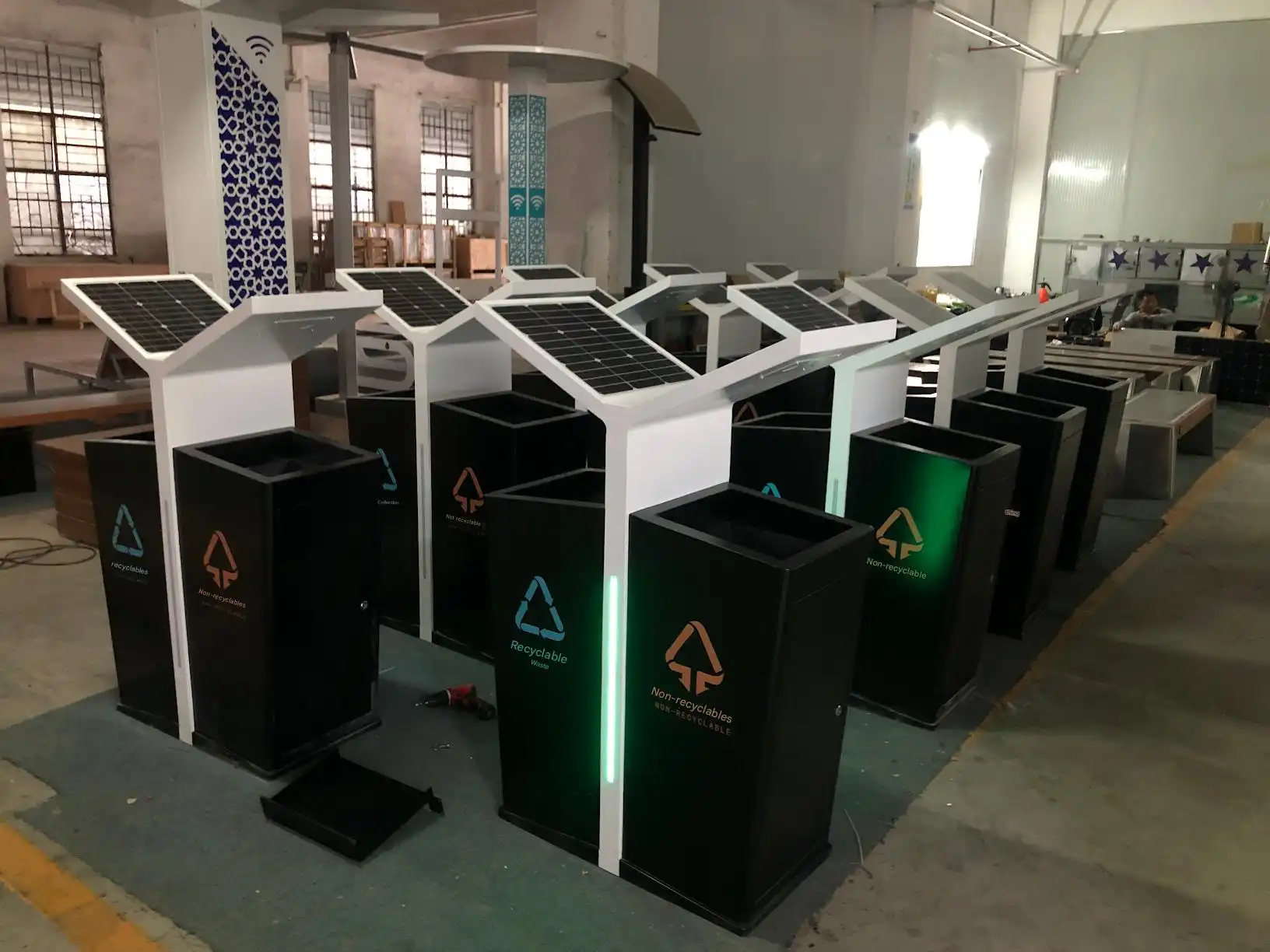
The optimised capacity design of solar smart bins is a revolutionary way to deal with trash that blends smart technology with clean energy sources. The Double Cube solar smart bin is a great example of this change because it cleverly combines two storage compartments, advanced sensor networks, and solar power systems that work on their own. Comprehensive capacity management has measurable benefits, such as lower running costs, better environmental performance, and higher standards of cleanliness in cities. If a business wants to update its trash collection system, buying a properly designed Smart Waste Management system will pay off in a big way by making operations more efficient and lowering the damage done to the environment.
FAQ
1. What determines the optimal capacity for solar smart bins?
Optimal capacity depends on waste generation patterns, collection frequency requirements, and available installation space. The Double Cube solar smart bin offers customizable capacity configurations that can be tailored to specific operational needs, ensuring maximum efficiency for different environments.
2. How does solar technology affect bin capacity?
Solar technology enables autonomous operation of capacity monitoring systems without requiring external power connections. This independence allows for optimal placement based on waste generation patterns rather than proximity to electrical infrastructure, maximizing operational efficiency.
3. What maintenance is required for capacity monitoring systems?
The robust design minimizes maintenance requirements through weather-resistant construction and reliable electronic components. IoT connectivity enables remote monitoring and diagnostics, reducing the need for routine on-site inspections while ensuring optimal capacity management performance.
Partner with Topview for Advanced Solar Smart Bin Solutions
Leading organizations worldwide trust Topview Technology as their preferred Double Cube Solar Smart bin manufacturer for innovative waste management solutions. Our Shenzhen-based manufacturing facility combines over 13 years of display technology expertise with cutting-edge solar smart bin development, delivering customizable capacity solutions that meet diverse operational requirements. Topview's comprehensive approach includes professional installation support, extensive customization options, and dedicated after-sales service that ensures optimal capacity performance throughout the operational lifespan. Contact our expert team at market@tviewdisplay.com to discuss your specific capacity requirements and discover how our Double Cube Solar Smart bin solutions can transform your waste management operations while supporting your sustainability objectives.
References
1. Chen, L., & Wang, M. (2023). "Advanced Capacity Optimization Strategies for Solar-Powered Waste Management Systems." Journal of Environmental Engineering Technology, 45(3), 234-251.
2. Rodriguez, A., Thompson, K., & Lee, S. (2024). "Comparative Analysis of Smart Bin Capacity Design in Urban Infrastructure." International Review of Sustainable Waste Management, 18(2), 89-107.
3. Park, J., & Anderson, D. (2023). "IoT Integration and Capacity Monitoring in Next-Generation Solar Smart Bins." Smart Cities Technology Quarterly, 12(4), 156-172.
4. Williams, R., Foster, M., & Zhang, H. (2024). "Energy Efficiency and Capacity Optimization in Solar-Powered Municipal Infrastructure." Environmental Technology & Innovation, 31, 445-463.
5. Kumar, P., & Johnson, T. (2023). "Sensor Technology Applications for Capacity Management in Smart Waste Collection Systems." Sensors and Actuators in Environmental Monitoring, 28(7), 312-329.
6. Martinez, C., Brown, K., & Liu, X. (2024). "Sustainable Capacity Design Principles for Solar Smart Bin Deployment in Commercial Environments." Journal of Cleaner Production, 387, 123-141.