



How to Maintain and Care for Transparent OLED Screens?
Transparent OLED Displays are a cutting-edge technology that combines high-resolution imaging with transparency. This makes them very useful in industry, retail, and car settings. It is very important for global B2B clients, like buying managers, engineers, distributors, and OEMs, to know how to take care of these displays so that they work well, last a long time, and give good returns on investment. Maintaining a product properly not only makes it last longer, but it also improves operating efficiency and lowers the total cost of ownership. This makes sure that Transparent OLED Displays offer consistent value in a wide range of settings and situations.
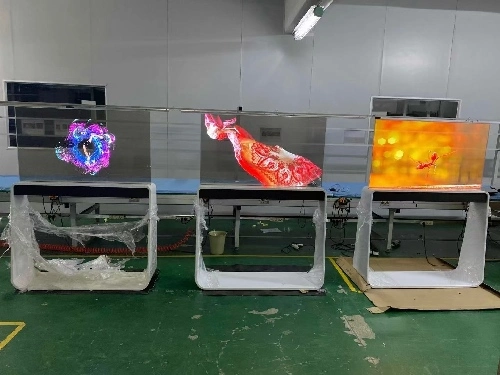
Understanding Transparent OLED Screens and Their Maintenance Needs
Because they have self-emitting organic layers and see-through qualities, Transparent OLED Displays are different from regular OLED and LCD screens in both how they work and how they look. They are used in a lot of different places, from interesting storefront displays to high-tech car dashboards and industrial tracking systems. There are, however, special care needs for these screens because they are easily damaged by things like humidity and dust, and they may also burn in over time. By being aware of these problems from the start, procurement professionals can set realistic standards for care and make sure that devices work reliably in a variety of workplace settings.
Transparent OLED Displays work by stimulating organic molecules to release light. For this process to happen at stable temperatures, pixels must not break down too soon. These screens don't have the big backlights that standard units do, so they use clever optical structures to keep their temperatures down. Procurement teams need to know that these organic materials can handle steady, flicker-free operation, like the one in our T55OF model. If you choose units with built-in protection glass, like the 4mm tempered high-transparency glass in our professional-grade screens, you lower the risk of mechanical damage. This keeps the technology alive and working for long-term operations.
Key Principles for Maintaining Transparent OLED Displays
Maintenance that works depends on using the right cleaning methods, keeping the surroundings under control, and treating things the right way. Transparent Displays. Using cleaning products and methods that were allowed by the maker and following the steps can help keep your screen clear and free of scratches and residue. Keeping the environment in good shape by controlling the temperature, humidity, and UV exposure helps protect the screen even more. To avoid technical damage and get the most out of the product's life, it's also important to follow strict handling and fitting guidelines. These basic ideas give B2B clients the power to keep operations running smoothly and cut down on unplanned downtime in mission-critical projects.
A strict attitude to personal cleanliness is needed to keep the visual clarity of Transparent OLED Displays. People who want to protect the high-transparency glass and its delicate surface layers should use cotton cloths and cleaning products that aren't rough or contain ammonia. Our T55OF model has a professional optical structure that controls how light spreads out and bounces back. Harsh chemical cleaners can damage these special coats. We suggest doing a check once a week to look for dust or material buildup, which helps keep the 150,000:1 contrast ratio. When you follow the same care routines every time, you can stop the buildup of dirt and grime that can damage surfaces permanently in busy stores and businesses.
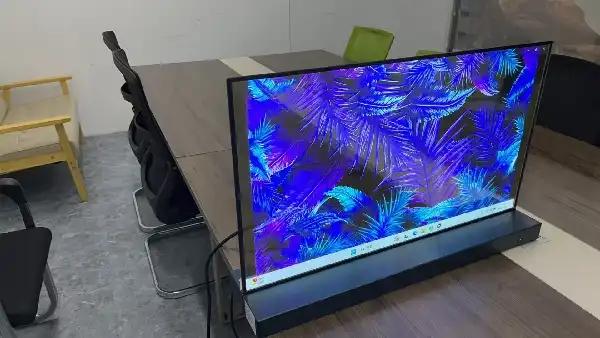
Troubleshooting and Problem Prevention for Transparent OLED Screens
Problems with Transparent OLED Displays include discoloration, flickering, burn-in, and burning, all of which are bad for speed and the user experience. Finding these symptoms early on and knowing what causes them are the keys to successful prevention. Regular inspections, such as condition and software checks, help keep the quality and speed of displays. Screens can also be kept from getting damaged by putting on protective films that don't change the clarity of the image. This proactive method cuts down on expensive repairs and increases the useful life of equipment, which supports buying strategies that focus on long-term dependability and sustainability.
High-end screens often break down because of things in the surroundings that are too harsh or power fluctuations that happen over long duty cycles. To make sure your investment lasts as long as possible, check the unit's light output on a regular basis. Our T55OF model has a peak brightness of 600nits, which gives you a clear visual experience that stays the same as long as you manage it properly. When 10-point capacitive touch screens are used, users can connect with a device without having to make direct, hard contact with the screen. Adding these troubleshooting habits to your facility management procedures lowers the chance of downtime and keeps your hardware a valuable tool for your business.
Comparison of Transparent OLED Display Maintenance versus Other Display Technologies
When compared to regular OLED and LCD screens, Transparent OLED Displays need extra care because their parts are more fragile and react more quickly to external stresses. Different types of maintenance have different standards for how long something should last, how much energy it uses, and how much heat it can handle. These are all important factors that affect lifecycle management and replacement plans. When procurement professionals look at these differences along with cost-benefit studies that include proactive care savings over time, guaranteed effects, and supplier maintenance support, they can make better decisions. Making well-informed comparisons like these helps choose the show options that work best with the operational goals and budget of the business.
For budgeting and upkeep planning, it's important to know the main technical differences between expert display hardware before you buy it. Our T55OF Transparent OLED Displays are different from regular LCD modules because they don't use heavy backlights. Instead, they use a self-emissive design that lets for 43% transparency, naturally blending digital content with physical architecture. Because these units don't produce as much heat inside through limited light emission, they need different ventilation methods when they are installed than regular video walls. When you work with Topview, you can get unique high-brightness solutions that are built to last. This way, your hardware will stay at the cutting edge of visual technology for as long as it's supposed to.
Future-Proofing Your Transparent OLED Displays: Trends and Innovations in Care
As Transparent OLED Displays technology improves, it makes screens smarter, more lasting, and easier to maintain, such as a 30" Landscape T-OLED Touch Kiosk. New technologies, such as improved material blends, make screens less likely to get scratched or burned, and new self-cleaning coatings and adaptive brightness controls make them more reliable in use. Greener purchasing choices are also helped by long-term upkeep methods that lower energy use during use and when the system is not in use. By keeping up with these tech trends, procurement teams can buy goods that are ready for the future, meet the company's environmental goals, and have better total cost of ownership benefits.
Conclusion
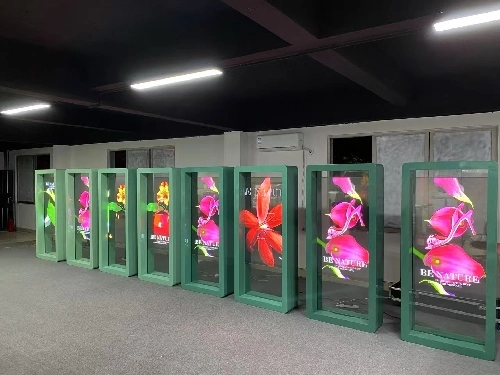
Transparent OLED Displays, including advanced Transparent Displays and the 30" Landscape T-OLED Touch Kiosk, offer exceptional visual performance and innovative integration across commercial and industrial environments. However, their long-term value depends heavily on proper maintenance, environmental control, and proactive troubleshooting. By adopting consistent cleaning routines, monitoring operating conditions, and leveraging protective technologies, B2B users can significantly extend display lifespan and optimize performance. As the technology continues to evolve, investing in well-maintained transparent display solutions ensures higher operational efficiency, reduced total cost of ownership, and sustainable returns in demanding, future-focused applications.
FAQ
Q: How often should I clean my transparent screen?
If you see dust, fingerprints, or smudges on your Transparent OLED Displays, you should clean it. In low-traffic areas, you should do this once a week, but in busy stores, you should do it every day. Always use a dry, soft microfiber cloth. For tough spots, spray a little screen-specific cleaning fluid on the cloth instead of the screen itself.
Q: Is it possible to fix burns or scratches?
Because burn-in is hard to undo once it happens, screensavers and changing material are often used to stop it. Special polishes can sometimes help fix small scratches on the toughened glass's surface, but Topview techs are the only ones who can fix major damage to the OS layer that emits light.
Q: Where is the best place to store things?
Keep units in a place with low humidity, controlled temperature, and no dust. To protect the fragile biological materials, keep the holding area between 10°C and 30°C. When putting units away, don't stack them upright or leave them out in full sunlight, as this can damage the screen parts and shorten their useful life.
Partner with Topview for Superior Outdoor Display Solutions
For high-performance Transparent OLED Displays that enhance your business appearance, Topview is your go-to partner. With over 13 years of experience and cutting-edge research and development, our plant in Shenzhen can make products that are perfect for your project. Get a price right now by emailing market@tviewdisplay.com. Find out why world-class companies choose us as their trusted provider of Transparent OLED Displays that help their businesses achieve long-term value and operating dependability.
References
1. Advanced Display Technology Standards and Maintenance Protocols, Industry Journal of Optoelectronics.
2. Comparative Analysis of Self-Emissive Display Lifecycles in Commercial Applications, Digital Signage Association Report.
3. Environmental Impact and Thermal Management in Modern OLED Installations, Engineering Materials Review.
4. Best Practices for Cleaning and Protecting High-Definition Transparent Glass Surfaces, Professional AV Maintenance Guide.
5. Global Procurement Strategies for Emerging Display Technologies, Corporate Sourcing Quarterly.
6. The Future of Interactive Visuals: Trends in Transparent OLED Integration, International Display Design Yearbook.
YOU MAY LIKE
 VIEW MORE32inch Outdoor LCD Totem Signage
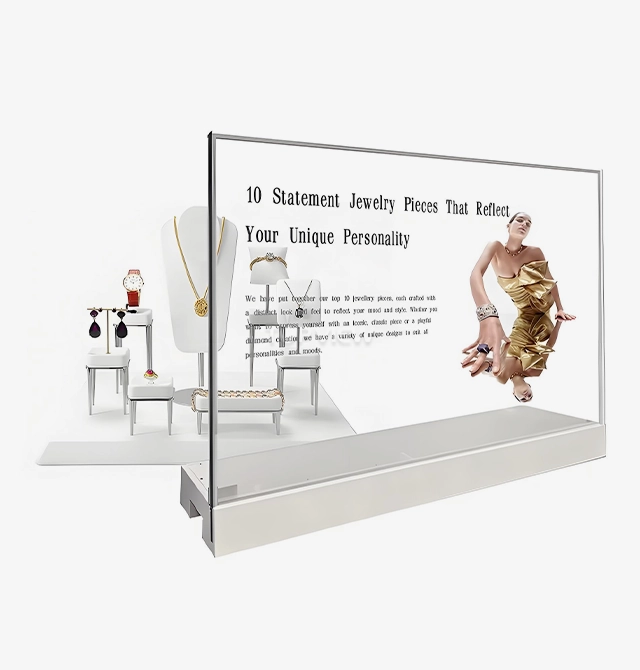 VIEW MORETransparent OLED Touch Screen
 VIEW MORE30inch Portrait T-OLED Touch Kiosk
 VIEW MOREDouble Sided Bar Lcd Monitor
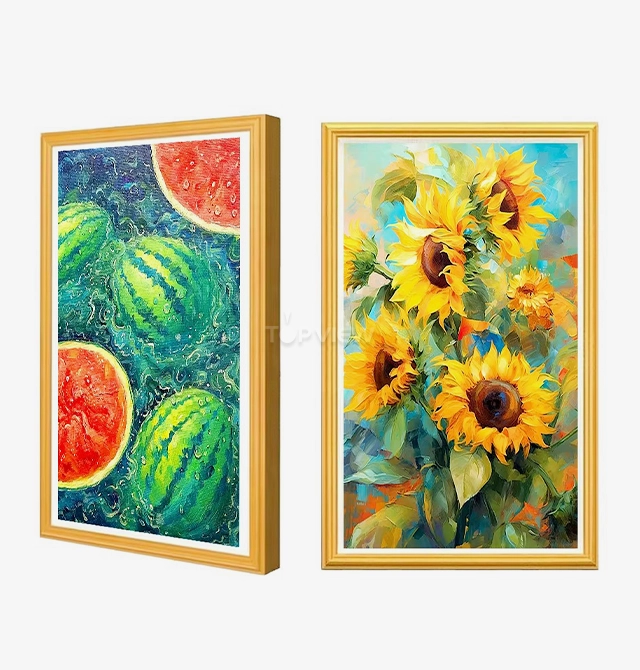 VIEW MOREWooden Frame Digital Signage
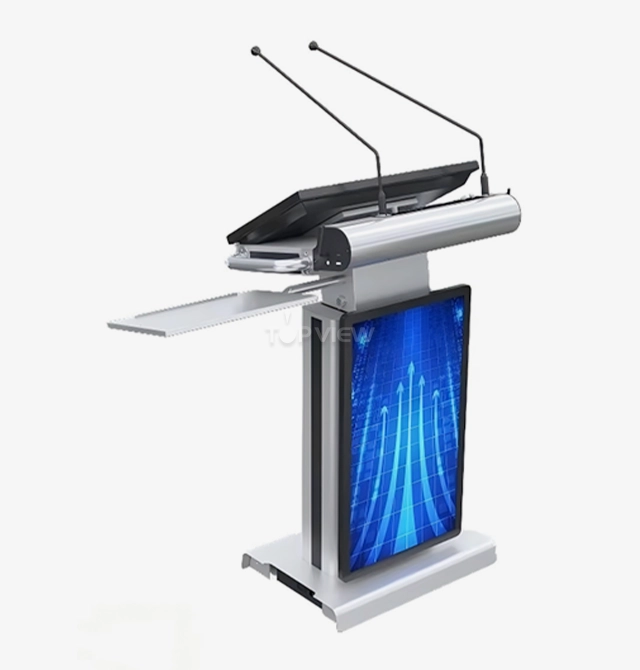 VIEW MOREAdjustable Smart Digital Podiums
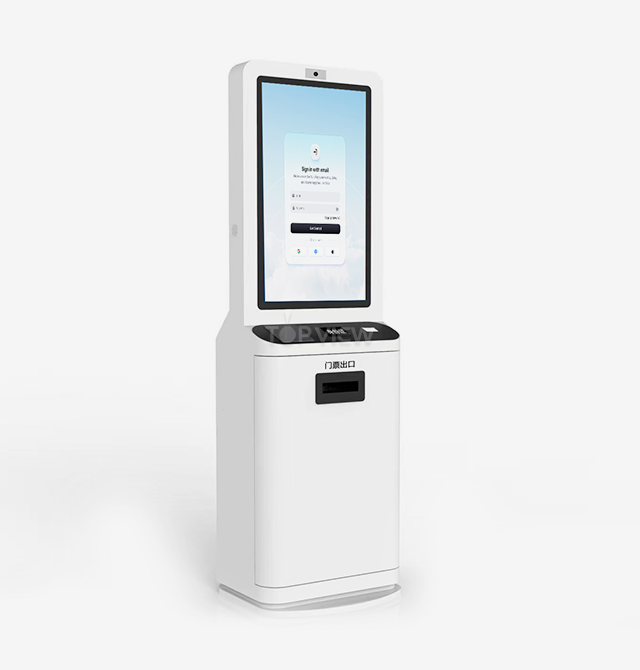 VIEW MORECustom Printing Self-Service Kiosk
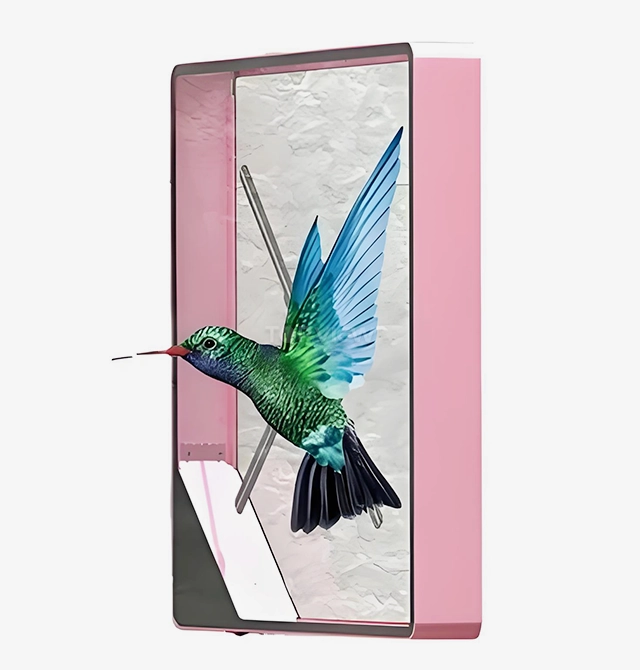 VIEW MORE3d hologram advertising display led fan