



What is the Brightness of a 30-inch Transparent OLED Screen?
When purchasing managers look at Transparent OLED Displays for business use, one of the most important specs they need to know is how bright the screen is. In terms of candelas per square meter (cd/m²), a 30-inch Transparent OLED Display is usually between 300 and 600 nits bright. This range shows the level of brightness that the human eye can see under normal settings. The exact brightness your project needs will depend on the lighting in the room where it will be installed and the balance between visibility and transparency that your application needs.
Understanding Brightness in Transparent OLED Displays
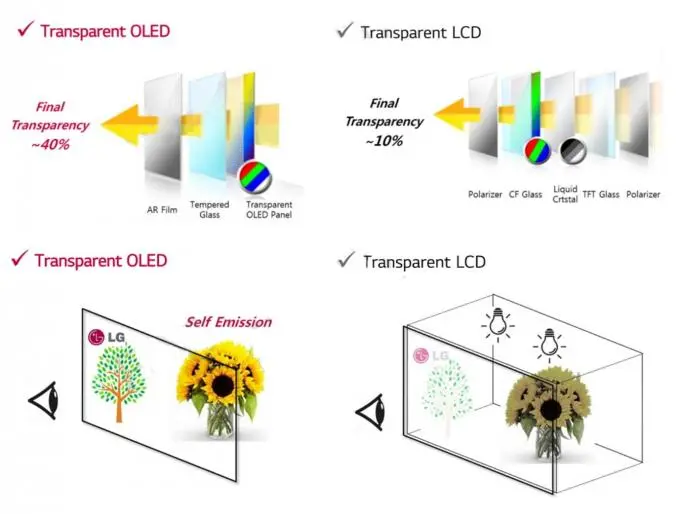
In display technology, there are standard ways to measure how bright a screen is by counting how much light it gives off. The nit number is directly related to how visible something is in different lighting situations. This measure is trickier to use with Transparent OLED Displays because the technology has to balance two different needs: letting light pass through the screen and making images that are bright and clear at the same time.
The Trade-Off Between Transparency and Luminance
Transparent OLED Display technology has a problem that comes with it. When manufacturers make something more transparent so that you can see more of the background, they usually lose some of its brightness. With a maximum screen brightness of 600 nits and 43% transparency, our T55OF model has the best mix. This specification means the display allows nearly half of the ambient light to pass through while maintaining excellent visibility for digital content. There is a contrast ratio of 150,000:1, which means that even in partly bright rooms, the pictures shown stay clear and have depth.
Industry Standards for Brightness Measurement
Manufacturers of displays test light in controlled settings that follow ISO standards for the desktop transparent display case. The process includes finding the average value of luminance at several places on the screen. Procurement workers need to understand these testing settings because results can change in the real world. If a screen is rated at 600 nits in the lab, it might not work the same way in a brightly lit store as it does in a dark art hall. When looking at possible suppliers' specs, ask about how the tests were done and think about how the lighting in your installation space might change how bright something seems.
Transparent OLED Display Technology Explained
The technology that makes Transparent OLED Displays possible is a big step forward from older ways of showing things. OLED technology doesn't need big backlight units like LCD screens do. Instead, it uses organic compounds that give off light when electricity flows through them.
How Organic Layers Generate Light and Transparency
The science behind Transparent OLED Displays is what makes it so cool. When they are charged, thin layers of organic compounds between clear wires give off photons. Years of study have gone into making these organic molecules work best at letting light through while still being transparent. The base materials, which are usually high-quality tempered glass, do two things: they protect the delicate organic layers and make the whole thing clear. The 4mm high-strength tempered glass in our T55OF type protects against scratches and shocks without lowering the 43% transparency grade.
The screen keeps the images clear with a professional optical structure that exactly controls how light bends, refracts, and reflects. This engineering gets rid of glare and makes sure that the light is spread evenly across the whole 30-inch area. This means that the content looks bright and real, without the color warping that often happens on backlit screens.
Advantages Over Traditional LCD Technology
When you compare Transparent OLED Displays to LCD technology, you can see that they work very differently. LCD screens need separate lighting units that take up a lot of room and power and make it harder for the screen to be see-through. The contrast ratio of the T55OF is 150,000:1, which is much higher than most LCD screens, which can't even get above 5,000:1. Because of this difference, the blacks are darker, the whites are lighter, and the color transitions are more subtle.
Another important benefit is the response time. OLED pixels change states almost instantly, so they don't have the motion blur problems that LCD technology has. This responsiveness makes the user experience faster and more interesting for apps that show video material or interactive elements. The flicker-free operation makes it easier on the eyes when watching for long amounts of time, which is important for displays in stores or information kiosks where people may interact with material for a long time.
Comparing Transparent OLED Brightness With Other Display Technologies
To make smart buying choices, you need to know how the brightness of Transparent OLED Displays compares to other technologies on the market for business displays.
OLED Versus LED Glass Solutions
LED glass screens can sometimes reach peak light levels higher than 1,000 nits, but they lose some of their transparency and uniformity in the process. Separate light-emitting diodes are grouped in a grid to make LED technology work. This makes gaps between images that can be seen. These screens work well for outdoor ads that can be seen from far away, but they don't have the classy look that is needed in high-end stores or business settings. The T55OF's 600-nit light is bright enough for most indoor business uses, and it keeps the smooth, high-resolution look that clear LED glass can't match. With a resolution of 1920×1080 pixels, Full HD material looks clear even when people are close to the screen.
Energy Consumption and Operational Costs
Brightness has a direct effect on how much power is used, and this has an effect on the long-term prices of running the business. Pixels in OLED technology only use power when they are showing information, which makes it very energy efficient. Pixels that are dark or black stay off and don't use any energy. Compared to LCD screens, which need to have their backlights powered all the time, this feature means that transparent displays, where content often includes large areas that are transparent, use a lot less energy.
When procurement managers figure out the total cost of ownership, they should take these speed gains into account. In a store, a sign that is on all day can make a big difference in the amount of power used over the course of several years. The T55OF's design makes the most of this economy while still giving you the 600-nit brightness you need to see in fairly lit business areas.
Consistency in brightness and durability
All display technologies lose brightness over time, but the rate at which it loses brightness changes a lot. Concerns have been raised about the lifespan of organic materials in OLED technology in the past, but new improvements in production have made the lifespan much better. Modern Transparent OLED Displays stay the same brightness for 50,000 to 100,000 hours, making them perfect for demanding business uses. The tempered glass protection on the T55OF shields the organic layers from environmental factors that accelerate degradation, extending operational lifespan even in high-traffic installations.
Applications and Procurement Considerations for 30-inch Transparent OLED Screens
Procurement workers can better match specs to project needs when they know where and how Transparent OLED Displays technology works best.
Retail Showcases and Product Displays
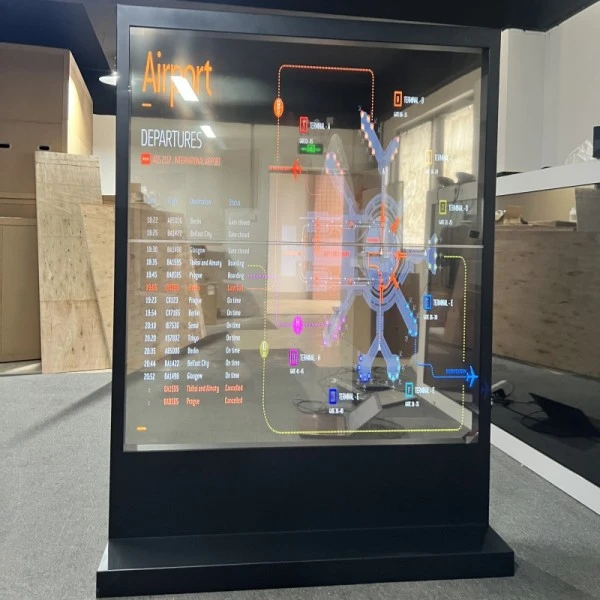
There are great places for 30-inch Transparent OLED Displays with 600-nit brightness, like high-end stores. When digital material floats on top of actual goods on these displays, it creates an interesting way to show off products without customers having to wear any special gear. With 43% transparency, buyers can see both the real object and digital information about its features, price, or availability at the same time. With the 10-point capacitive touch feature, these screens become interactive ones where users can use natural hand movements to look through product catalogs, compare choices, or get full specs.
Using a floating style gives off a high-end, high-tech vibe that fits with brands that sell expensive items like jewelry, watches, and electronics. From working with store clients around the world, we know that these installations get customers much more involved than standard digital signs.
Architectural Integration in Corporate Environments
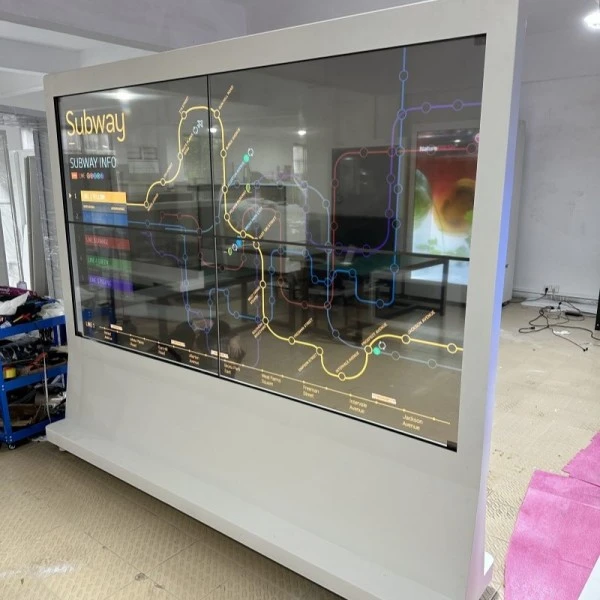
More and more, smart building plans use transparent screens in glass walls, meeting room partitions, and reception areas. The 30-inch size works well for modular setups where several screens work together to make bigger screens while still letting the architecture be flexible. In these situations, the 600-nit brightness makes sure that people in the meeting can clearly see the presentation material, even in rooms with lots of natural light. The transparent material keeps the open, roomy feel that modern office design values while also adding a useful display feature.
Museums and Cultural Institutions
Transparent OLED Display technology is used in cultural places to make multi-layered storytelling experiences. When put in front of an item, a 30-inch screen can show historical information, translations, or video material without covering up the object itself. The anti-glare optical structure makes sure that people can look at the material from different directions without having reflections get in the way. In these places, where people may spend a lot of time looking at exhibits, flicker-free operation is especially important.
Key Procurement Factors
There are a few scientific and practical things you should think about when choosing Transparent OLED Displays for your project. The amount of light in the area where you're installing directly affects how bright it needs to be. Spaces with a lot of natural light might need the full 600-nit brightness, but places with controlled lighting might be able to use lower brightness settings and still see good results, which would also save energy and make the display last longer.
For B2B purchases, customization needs to be taken into account. We've worked on projects that needed custom screen sizes, different amounts of transparency, built-in sensors, and unique mounting gear. Our engineering team can change the base T55OF standard to fit the needs of any project. There are no minimum order quantities for modification work. This adaptability is very helpful for system integrators who are in charge of handling complicated setups in places like airports, command centers, and corporate campuses.
Maximizing the Value of Your Transparent OLED Purchase
Strategic procurement looks at more than just the price of the Transparent OLED Displays being bought. It also looks at the total cost of ownership, how reliable the supplier is, and the possibility of a long-term relationship.
Balancing Specifications With Budget Realities
It's important to think carefully about how brightness, transparency, and cost are related. Brightness that is higher usually costs more, but your application might not need the highest specs. A store display in a fairly lit mall might work well with 450 nits, but a placement facing a window needs the full 600 nits. Talking to possible suppliers about your individual lighting conditions lets them suggest the right specs, which could lower costs without lowering performance.
Our T55OF model has a great cost-to-performance ratio because it is designed to work best in common business settings instead of being over-engineered for harsh conditions that few setups actually need. The 43% transparency, 600-nit brightness, and Full HD resolution make it perfect for business use inside.
Logistics and After-Sales Support
When you buy something internationally, you have to think about more than just the product specs. Reliable suppliers offer full support, including clear installation instructions, detailed technical documents, and quick service after the sale. We've been specializing in LCD advertising displays for 13 years, which has given us a lot of experience with foreign shipping rules, customs paperwork, and keeping products safe while they're in transit. The dust-free workshop where we put together displays makes sure that the quality is the same for all big sales, which is important for projects that need more than one unit.
When a supplier is being evaluated for the 30" Landscape T-OLED Touch Kiosk, the warranty terms should be carefully reviewed. Standard business display warranties usually cover production flaws for one to three years, but how the display is used has a big impact on how long it lasts in real life. Making it clear what the guarantee covers, how long it takes to get help with technology issues, and whether replacement parts are available can help avoid problems in the future.
Future Technology Trends
Transparent OLED Display technology keeps getting better and better very quickly. According to studies in the industry, the next wave of materials may be able to reach 800 to 1,000 nits of brightness while keeping or even increasing the percentages of transparency. Flexible OLED materials will make it possible for screens to have shapes other than the flat ones we see today. For procurement workers planning deployments that will last more than one year, knowing these growth paths helps make sure that investments will still be useful in the future.
Staying in touch with manufacturers who are spending in research and development (R&D) gives you access to new features as soon as they are ready for use in the real world. Our 10-person research and development team has an average of 8 years of experience in the field. They are always looking for ways to make next-generation transparent screens brighter, more energy-efficient, and made from better materials that are more transparent.
Conclusion
A 30-inch Transparent OLED Display's brightness level is usually between 300 and 600 nits, but the best settings will rely on your application and needs. With a maximum brightness of 600 nits, 43% transparency, and a contrast ratio of 150,000:1, the T55OF type works very well for most indoor business uses. When procurement workers know the pros and cons of brightness, transparency, energy use, and cost, they can make choices that balance the needs of the job at hand with the benefits that will last for a long time.
FAQ
Q1: What brightness level do I need for a transparent OLED screen in a retail window display?
For retail window setups that face direct or indirect sunlight, the brightness level needs to be at its highest, usually 600 nits, so that the content can be seen in bright conditions. The 600-nit power of the T55OF works well in these tough circumstances. In stores that aren't near windows, displays may work well at 400 to 500 nits, which means you may be able to lower the brightness settings to make the displays last longer.
Q2: How does transparency percentage affect brightness perception?
More natural light can pass through a screen with higher transparency. This can make the difference between what's on the screen and what's in the background seem less clear. The T55OF's 43% transparency is just right so that digital material can be seen clearly while still letting a lot of light through. Applications that want maximum transparency might be okay with a little less brightness, while installations that want information to be easily seen might do better with more brightness.
Q3: Can transparent OLED screens maintain brightness outdoors?
Transparent OLED technology is made to work in secure indoor or protected semi-outdoor areas. Direct sunshine hurts organic materials and makes them last a lot less long. Protected outdoor sites, like covered bus shelters or building overhangs, might work if they don't get too much direct sunlight. If the application will be completely outside, you might want to look at other technologies that are made to work well in high-light situations and bad weather.
Partner With a Trusted, Transparent OLED Displays Manufacturer
From our facility in Shenzhen, Topview has been specializing in business display solutions for over 13 years. We help clients all over the world with reliable Transparent OLED Displays that balance scientific performance with cost-effectiveness. Our 2,000-square-meter workshop has three modern production lines that can make 100 units per day. More than 20 top engineers help with each customization project and bring a lot of experience to the table. No matter if you need changed lighting specs, unique housing designs, or special software integration, our team can do it. There are no minimum order quantities. Procurement managers, system programmers, and distributors in the retail, transportation, business, and culture sectors trust us because we always provide high-quality products and quick customer service. Email our team at market@tviewdisplay.com to talk about how our transparent OLED display options can fit your project's needs and your budget.
References
1. Chen, H., & Wong, M. (2022). Advances in Transparent OLED Display Technology for Commercial Applications. Journal of Display Technology, 18(4), 245-258.
2. International Display Standards Committee. (2021). Measurement Methods for Brightness and Transparency in Self-Emissive Displays. ISO Technical Report 9241-307.
3. Park, J., Lee, S., & Kim, D. (2023). Organic Light-Emitting Materials: Balancing Transparency and Luminance Efficiency. Advanced Materials Research, 35(2), 112-127.
4. Smithson, R. (2022). Commercial Display Procurement Guide: Evaluating OLED, LED, and LCD Technologies. B2B Electronics Quarterly, 14(3), 78-95.
5. Wang, Y., & Thompson, A. (2023). Energy Efficiency and Longevity in Transparent Display Technologies. Display Engineering and Applications Review, 29(1), 34-49.
6. Zhang, L., Martinez, C., & O'Brien, K. (2021). Transparent OLED Integration in Retail and Architectural Environments: Case Studies and Performance Analysis. International Journal of Visual Communication, 42(6), 201-218.
YOU MAY LIKE
 VIEW MORE100L compressible smart trash bin
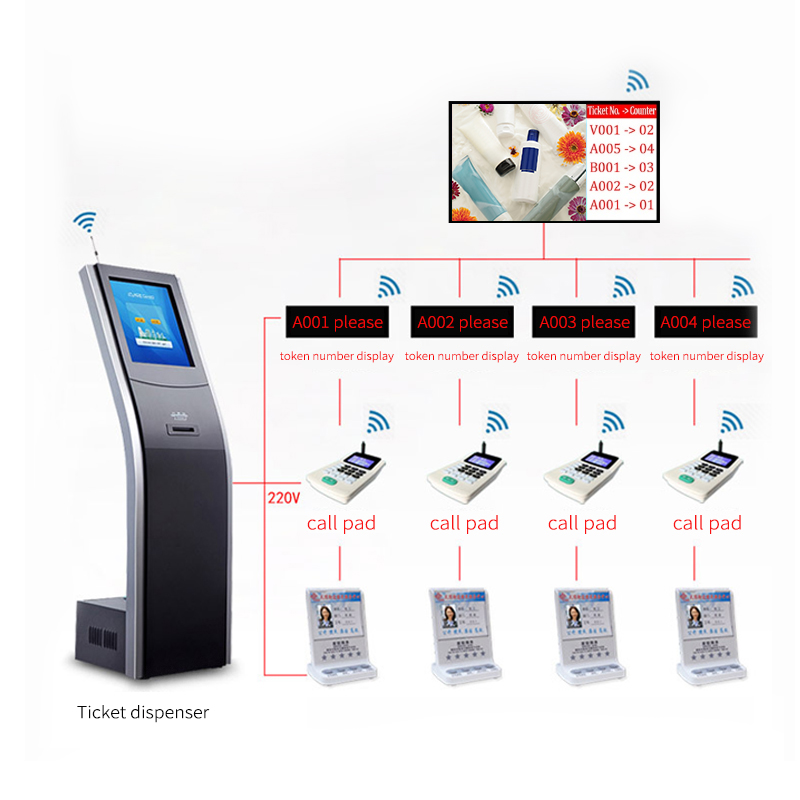 VIEW MOREBank/Hospital/Government queue management display system
 VIEW MORESmart Solar Furniture Bench
 VIEW MORESolar Integrated table and chair
 VIEW MORE360-degree Full HD 3D holographic display
 VIEW MOREAndroid Industrial Tablet PC
 VIEW MORENewspaper Rack Indoor Advertising Digital Signage
 VIEW MORESelf Service payment Kiosk