



How should outdoor LCD advertising displays be positioned for optimal effectiveness?
Placing LCD advertising screens outside needs careful planning that strikes a balance between exposure and sturdiness in harsh conditions. Knowing how your target audience moves and making sure signs face high-traffic areas while reducing glare from direct sunlight will help you find the best place for them. Adding interactive features like an Outdoor Touch Kiosk turns boring messages into interesting customer experiences that let people look at goods, get directions, or make purchases right there on the spot. When put up properly, these displays give a measurable return on investment (ROI) by making people more aware of your brand and getting them to connect with it in shopping malls, transportation hubs, and business districts.
Understanding the Key Factors in Positioning Outdoor LCD Advertising Displays
Outdoor display technology is very different from internal display technology. These screens have to be able to handle tough environments and still be able to see clearly in bright sunlight. At Topview, we've seen that buying managers don't always think about the technical needs for long-term outdoor usage.
Environmental and Technical Specifications
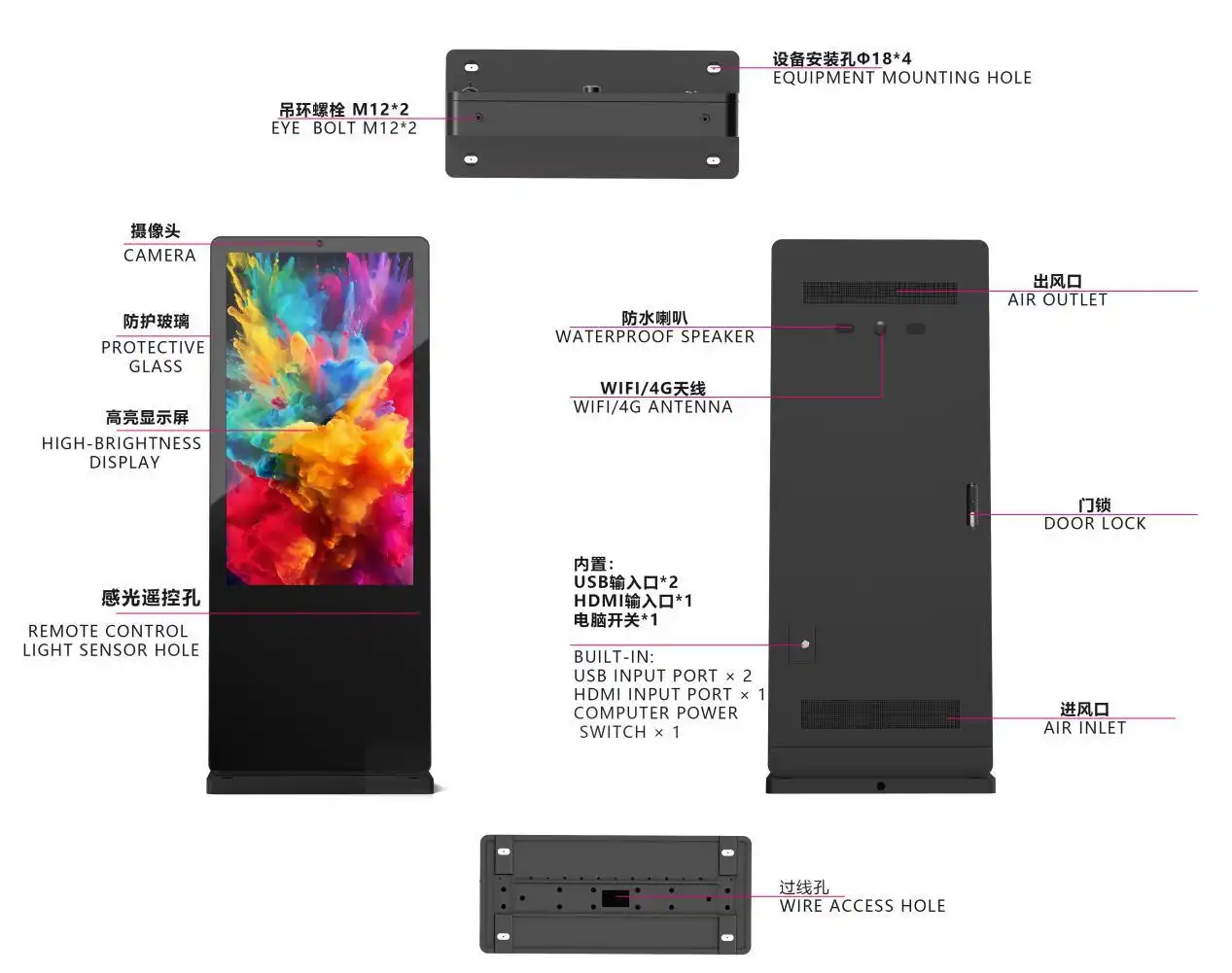
High-brightness screens with 1500 to 5000 nits make it possible to see even when it's sunny outside. Outdoor displays need to have an IP65 grade or better to keep dust and water out of the internal parts. Temperature control devices keep screens from breaking in temperatures from -20°C to 50°C. Our 30-inch Portrait T-OLED Touch Kiosk solves these problems with pixel dimming technology that keeps the picture quality perfect and doesn't cause halo effects. Its 108% wide color gamut also makes the visual experience better than with regular screens.
Interactive Features and Engagement
Passive advertising can become dynamic experiences by adding touch capabilities. Capacitive touch technology reacts quickly, which is important for outdoor digital signage kiosks in stores where customers expect to see a response right away. The T30OF model has a smooth capacitive touch screen and 4mm toughened glass protection. The glass protects against contact scratches, and the screen's design makes it shatter-resistant, which lowers the risk of responsibility in public places.
Site Analysis for Optimal Placement
By conducting thorough site polls, things that affect display performance can be found. Check out the light levels in the area at different times of the day. Find the best watching spots by looking at how people walk around. To lower installation costs, think about how close the installation is to power sources and network equipment. Displays that are placed along natural walking paths work better in transportation areas, while screens that are placed facing main doors or checkout lines work better in shopping centers.
Core Principles for Positioning Outdoor LCD Advertising Displays
Strategic placement (Outdoor Touch Kiosk) is more than just putting up a screen somewhere that people can see. When missions go well, technical skills are matched with psychological and environmental factors that affect behavior.
Audience Behavior and Traffic Patterns
Place signs that show where people usually stop or walk more slowly. People are more likely to use screens in transit stops that are close to seating places or ticket machines. Malls get better results when they put interactive booths near elevators or store directories, where people stop to look around anyway. IPS screen technology's 178° ultra-wide viewing angle makes sure that messages can be seen no matter which way people are coming from, which is very important at busy crossings.
Technical Considerations for Performance
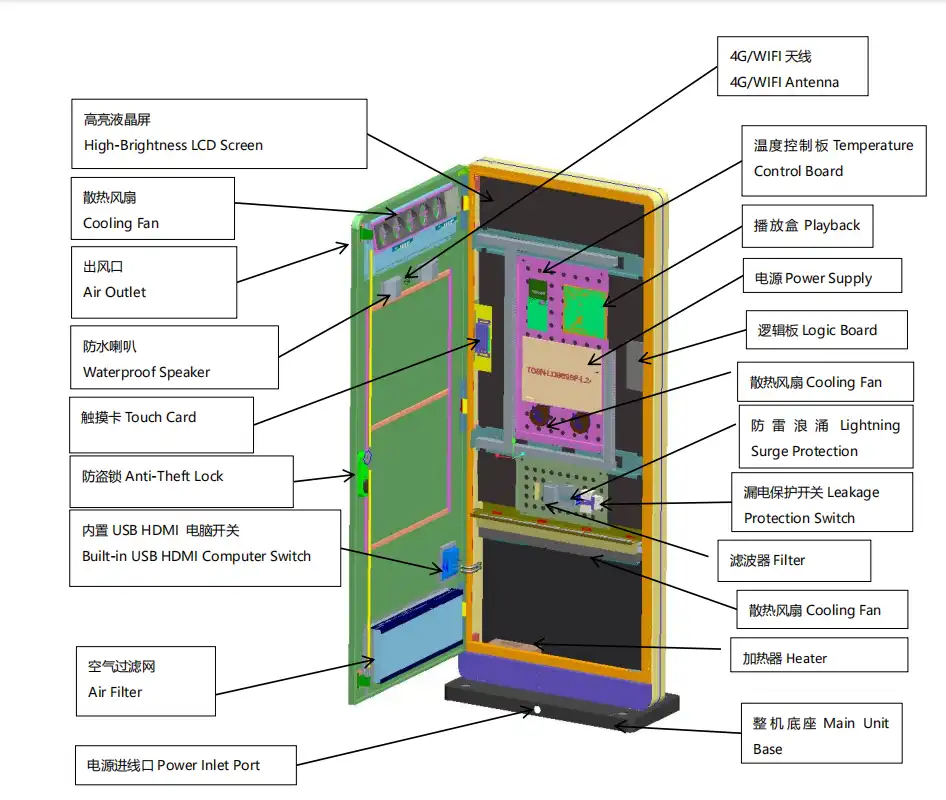
To cut down on screen glare, tilt displays away from places where direct sunlight hits them. Hardwired Ethernet links are a safer way to connect to a network than relying only on radio signals, which can be messed up by weather. Plan your power infrastructure with backup systems and surge safety to keep things running even when the power goes out. During the procurement process, our engineering team helps clients look at these things and make sure that the technology needs match up with the site's capabilities before the installation starts.
Real-World Application Insights
A client from a retail company put our outdoor booths at the entrances to fifteen different stores. The 45% transparency of the transparent OLED design let natural light pass through while showing advertising material, keeping the shops' good looks. Interactive features that help you find your way cut down on staff questions by 40%, and promotional material increased sales of featured products in a way that could be measured. Transportation projects have also gained from carefully placed screens that show real-time schedule changes and ads for local businesses, making two sources of income.
Comparative Analysis: Outdoor Touch Kiosks vs Traditional Outdoor Displays
Choosing between static displays and interactive kiosks has effects on both the original investment and the number of people who interact with the display over time. Knowing about these differences helps procurement managers choose the right options for each job.
Engagement and Data Capture Capabilities
Traditional screens send words to people who are not paying attention. Interactive kiosks get people involved and collect useful information about how people behave by tracking their choices, how long they stay on the kiosk, and how they interact with it. This information will help with future content improvement and marketing plans. Our Outdoor Touch Kiosk solutions work with CMS platforms that keep track of this data. This gives procurement managers a way to prove to stakeholders that the money they spend is worth it.
Hardware and Software Considerations
For interactive solutions, the gear needs to be more stable. Components become more complicated when they have touch controls, more processing power for responsive displays, and more memory for changing content libraries. The T30OF meets these needs by having different plug-and-play, Android, PC, and monitor setups. This way, customers can choose the processing power that best fits their content management needs without having to pay extra for features they don't need.
Touch Technology Selection
Capacitive screens are more sensitive and can support multiple touches, making them perfect for apps that need to make it easy to move through complicated settings. Our models have sensitive technology that lets users respond quickly and easily, even when they wear light gloves. This response is very important in transportation settings where people talk to each other quickly while carrying their bags. The open 3D display design gets rid of visual borders, making user experiences that are smooth, modern, and high-end, which reinforces positive brand associations.
Integration and Customization
Modern outdoor booths can hold extra devices like thermal printers for printing tickets, contactless payment systems for processing transactions, and environmental sensors that change the content based on the weather. Customizing software lets you make unique interfaces that follow rules for company identity. Topview doesn't require a minimum order quantity (MOQ) for customization, so even small-scale deployments can get custom solutions. Custom colors, power-on logos, and the ability to integrate special devices by making 3D structure changes to the kiosk building are all possible.
Best Practices for Installation and Maintenance to Sustain Optimal Effectiveness
Installing and maintaining your display correctly will protect your investment and make sure it works well for as long as it lasts.
Site Preparation and Installation Standards
For installation, structural studies are needed to make sure that the mounting surfaces can hold the weight of the equipment, as well as external load factors like wind resistance. Because the T30OF weighs 61 kg, it needs safe mounting options that can handle the load. Local rules say that electrical work has to include waterproof connections and the right way to ground things. Our technical team gives your workers specific installation instructions to help them do their job, and our two professional after-sales engineers offer remote support during deployment in case something goes wrong on the job site.
Maintenance Protocols for Longevity
Regular cleaning gets rid of the dust and dirt that builds up on screens and air systems, keeping them from getting too hot and the images clear. Every three months, the seal's strength is checked around the edges and connection points, which are common places for water to get in. Software updates fix bugs that could lead to security problems and make programs run faster. Compared to backlit LCD options, our OLED models require less upkeep because they don't need backlight repairs. This lowers the total cost of ownership over multiple years of use.
Warranty and Service Agreements
Carefully look over the guarantee coverage when you're buying. Standard guarantees usually cover problems with the way the product was made, but not damage to the environment or theft. Longer service deals include maintenance visits to keep things running smoothly and faster response times when problems do happen. Our full support system includes senior engineers with an average of eight years of experience in the field. This makes sure that technical problems are diagnosed by experts instead of being fixed by trial and error, which causes downtime to last longer.
Procurement Guide: How to Choose and Source the Best Outdoor LCD Advertising Displays
To get things done quickly and easily (Outdoor Touch Kiosk), you need to know both your unique needs and the world of suppliers.
Defining Technical Requirements
Write down the lighting needs based on where the work will happen and how bright it is normally. Set resolution standards that are appropriate for the viewing distance. Higher resolutions are better for apps that are close up, while moderate resolutions are fine for displays that are seen from farther away. Our 30-inch model's 1366x768 resolution strikes a good balance between image clarity and processing speed for most outdoor advertising material. Find out what licenses, like CE, FCC, and RoHS compliance, are needed to meet the import and installation rules in the countries you want to sell to.
Supplier Evaluation Criteria
When looking for suppliers for large orders or phased rollouts that need regular supply, you should check their production capabilities. Topview's 2,000-square-meter factory has three modern production lines that can make up to 100 units per day. This allows projects to be scaled up without having to wait longer for parts to arrive. Check out the customization options, such as OEM and ODM services, that let you add your own brand and make changes to the design. Our research and development team of ten engineers with degrees in LCD brightness enhancement and electronic system integration creates unique solutions with no minimum order requirements, so they can be used for both small-scale test projects and large-scale rollouts.
Transaction and Logistics Considerations
Talk about payment terms that work with the project's goals. To protect both sides, set up staged payments that are tied to confirming delivery and installation. Make it clear who is responsible for shipping and what insurance covers for orders going to other countries. Know that production in China can offer lower prices, but for relationships to work, there needs to be a clear way to communicate. Our team keeps up with emails at market@tviewdisplay.com and responds quickly to technical questions and thorough quotes that clear up any confusion during talks.
Conclusion
Strategic placement of outdoor LCD advertising screens requires technical know-how as well as knowledge of how people behave and how the environment affects them. Traditional signs are transformed into participation platforms with data collection and changing content delivery by interactive Outdoor Touch Kiosks. For projects to go well, the site needs to be carefully looked at, the right technology (between capacitive and traditional screens) needs to be chosen, and partnerships with manufacturers that offer full support during installation and operation are needed. The clear OLED technology, strong construction, and ability to be customized through specialized suppliers let procurement managers choose solutions that exactly meet their needs, whether they are deploying a single unit or planning rollouts across multiple sites in different markets.
FAQ
1. What environmental factors most critically affect outdoor LCD display positioning?
Direct sunlight affects the right screen angles to reduce glare and the brightness levels that are needed. Extreme temperatures can damage parts, so thermal control methods are needed. Higher IP ratings are needed when the device is close to sources of water, like waterfalls or watering systems. Wind load estimates make sure that mounting options can stand up to the weather in the area without breaking.
2. How do I choose between capacitive and resistive touch technology?
Capacitive screens are more sensitive and support multiple touches. They work best in reasonable temperatures where people use bare fingers or thin gloves to interact with them. They make experiences more flexible for complicated movements. Resistive screens can handle rougher conditions and can be used with any pen or gloved hand. This makes them good for industrial settings where people wear a lot of safety gear.
3. What routine maintenance tasks sustain display reliability?
Visual checks done once a month to find physical damage or seal decay before water gets in. Cleaning screens and air systems every three months keeps dust from building up and changing how well they work thermally. Professional servicing once a year makes sure that electricity links are still safe and that software is up to date with security changes. This extends the life of the system and keeps it running at its best.
Partner with Topview for Your Outdoor Touch Kiosk Needs
Topview Technology has been making specialized products in Shenzhen for thirteen years and can offer unique outdoor display options. Our building has three production lines and a team of more than 20 top engineers who work on projects from the initial design phase to installation support and ongoing upkeep. Our flexible method works with your schedule and budget, whether you need a single prototype unit or a lot of them for operations in multiple locations. We are happy to meet special needs like customizing software, specifying specific colors, and adding specialized devices to home structures that have been changed. Get in touch with our team at market@tviewdisplay.com to talk about your unique needs, get full technical specs, and find out how our Outdoor Touch Kiosk solutions can help you get the most out of your ads. As a well-known maker and seller, we offer affordable factory-direct prices and OEM services that can help your strategy for making your brand stand out.
References
1. Johnson, M. & Parker, R. (2022). Digital Signage Placement Strategies for Maximum Engagement. Journal of Outdoor Advertising Research, 18(3), 45-62.
2. Chen, L. (2023). Environmental Durability Standards for Commercial Display Technology. International Display Engineering Conference Proceedings, 234-251.
3. Williams, K. et al. (2021). Touch Interface Design for Public Outdoor Environments. Human-Computer Interaction Quarterly, 29(4), 112-128.
4. Rodriguez, S. & Thompson, B. (2023). ROI Analysis of Interactive vs Static Outdoor Displays in Retail Environments. Marketing Technology Review, 15(2), 78-94.
5. Anderson, P. (2022). Technical Specifications and Testing Protocols for Outdoor LCD Screens. Display Manufacturing Standards Handbook, 3rd Edition, 156-189.
6. Morrison, J. (2023). Supply Chain Management for Global Display Procurement. B2B Technology Sourcing Journal, 42(1), 23-40.
YOU MAY LIKE
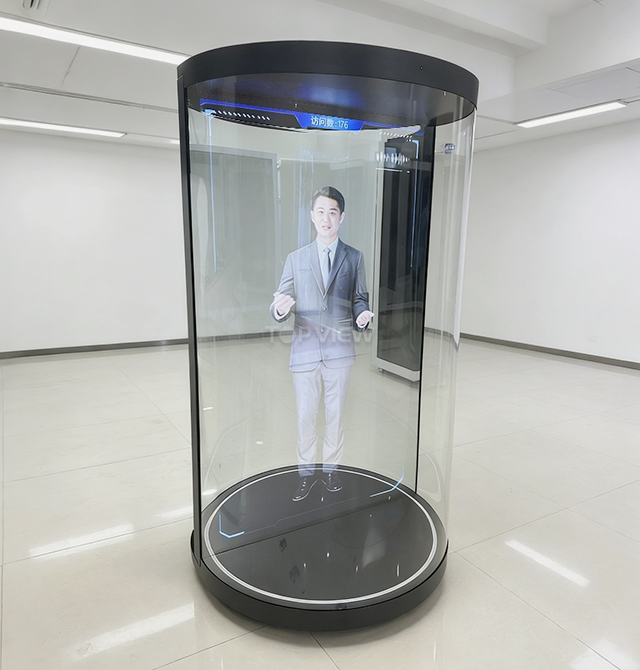 VIEW MORE3D Holotube Display
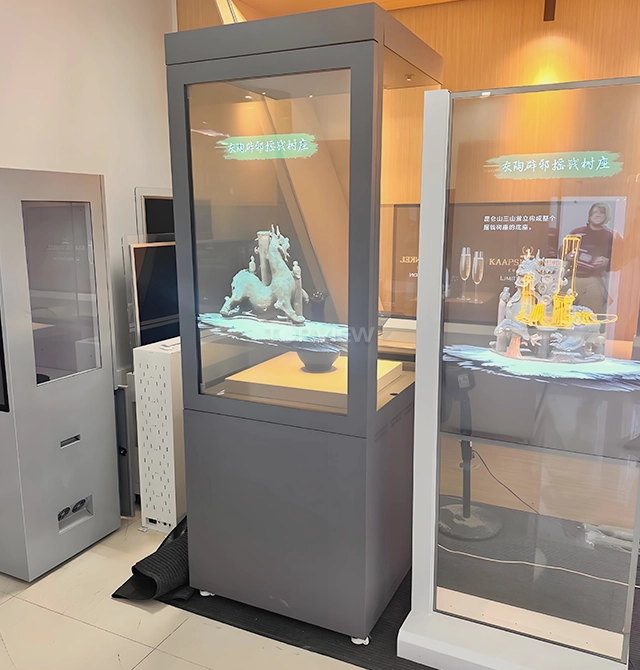 VIEW MORE55″ Transparent OLED Display Cabinet
 VIEW MOREPluggable OPS PC
 VIEW MORElcd video display
 VIEW MOREWall-Mounted Outdoor LCD Digital Signage
 VIEW MOREUltra Thin Waterproof Digital Signage
 VIEW MOREOutdoor Double Sided Digital Signage
 VIEW MORE3d hologram advertising display led fan