



Why do smart electronic bus stop signs use solar panels?
Solar panels are the main way that smart electronic bus stop signs get their power and keep costs down. Solar Bus Shelter systems don't need complicated electricity grid links, which cuts down on both the cost of installation and the cost of running the system. By using renewable energy, these buildings can run on their own, making sure that digital screens, LED lights, and real-time passenger information systems always have power, even when the power goes out. This method fits with global goals for sustainability and gives city governments stable, low-maintenance infrastructure that can be used in both cities and rural areas.
Introduction
Public transportation in cities is going through a big change. Smart electronic bus stop signs can now tell you when the next bus is coming, give you safety tips, and let you connect with the service in ways that regular shelters can't. Solar panels have become the main technology that powers these high-tech systems in a way that is both environmentally friendly and effective. This blog post talks about why solar technology is so important for modern transit options. It gives procurement workers, engineers, and project managers useful information about the benefits, technical issues, and ways to choose a supplier. If you are in charge of municipal projects or business transit networks, you will be able to make better infrastructure investments if you know how incorporating solar power helps with practical efficiency and being environmentally responsible.
Understanding Solar Bus Shelters and Smart Electronic Bus Stop Signs
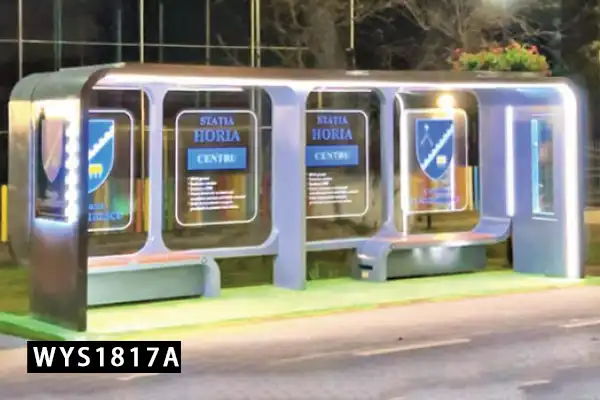
Solar Bus Shelters are a mix of regular waiting areas for people and photovoltaic devices that turn sunlight into power. Unlike most shelters, which get their power from the city's grid, these ones have solar panels on the roofs or platforms that turn the sun's rays into electricity that can be used. What makes them different is that solar-equipped shelters can work on their own, which makes them perfect for places where burying electrical lines would be too expensive or hard to do.
What Defines a Solar Bus Shelter
Solar Bus Shelters are a mix of regular waiting areas for people and photovoltaic devices that turn sunlight into power. Unlike most shelters, which get their power from the city's grid, these ones have solar panels on the roofs or platforms that turn the sun's rays into electricity that can be used. What makes them different is that solar-equipped shelters can work on their own, which makes them perfect for places where burying electrical lines would be too expensive or hard to do.
Essential Components Working Together
A full Solar Bus Shelter is made up of several parts that are all linked to each other. Solar panels, which are usually made of monocrystalline silicon modules and have conversion rates higher than 21%, use light from the sun to make direct current. This power goes into deep-cycle LiFePO4 batteries that are controlled by MPPT controllers. These controllers make charging more efficient and help the batteries last longer than 2,000 cycles. Energy storage makes sure that power stays on even at night and when it's cloudy, so the system can run on its own for three to five days. This saved energy is used by electronic displays, LED lighting strips, and smart features like Wi-Fi routers and USB charging ports. This makes an environment that can keep going on its own.
Technical Integration and Energy Management
Solar Bus Shelters are more technically advanced than just making electricity. Smart energy management systems keep an eye on the load usage, solar input, and battery charge levels all the time. When there is a lot of sunlight, the extra energy charges the battery backup and powers active parts like security cameras and digital signs. Whenever there isn't enough light, the system changes to battery power without stopping service. This smart load balance, along with weatherproofing up to IP65, makes sure that the system works reliably all year long in a variety of climates.
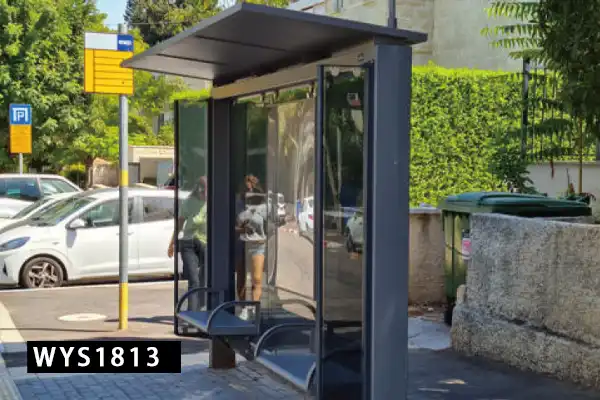
6 mm tempered glass panels, #304 stainless steel frames, and hot-dip galvanized steel poles that don't rust in seaside or industrial settings are all used in modern designs. LED strips or T8 tubes provide energy-efficient lighting that uses very little power but gives you better vision. Customizable sizes, like the normal L3500×W1625×H2550mm layout, can be used to meet the needs of different sites. PC plates, laminated glass, and metal shapes are some of the materials that can be used to match the look and price of a project.
Why Solar Panels Are Essential for Smart Electronic Bus Stop Signs
Substantial Energy Savings and Reduced Operational Costs
Traditional shelters that are driven by the grid have ongoing energy costs that solar panels don't have. Municipal transit agencies that spend thousands of dollars a year on electricity bills for many bus stops could use those funds to improve services or grow their networks. Independent studies show that solar-powered transit infrastructure cuts energy costs by 80–95% over a 10-year working period. This provides a clear return on investment (ROI) that supports the higher initial capital spending.
Solar systems give you independence and keep you from having to rely on public power grids. Cities that are growing their transit networks into rural or residential areas can escape the $150 to $300 per square foot costs of trenching for underground wiring. This benefit is especially useful for transportation hubs in growing areas or highway links in remote areas where grid access is still limited or nonexistent.
Environmental Benefits and Carbon Footprint Reduction
Transportation officials around the world are under more and more pressure to meet green standards. By replacing energy produced from fossil fuels, Solar Bus Shelters directly help achieve carbon neutrality. Compared to grid-powered shelters, a single solar-powered shelter saves about 1.5 to 2.5 metric tons of CO2 per year. This effect is increased when dozens or hundreds of units are placed across a city.
In addition to lowering pollution, adding solar panels to a city makes it look more environmentally friendly, which can help with grant applications and public-private partnerships that focus on caring for the environment. Cities that install solar transit systems often see better community image and more usage. This is because environmentally conscious residents like public transportation more when it is paired with clear sustainability efforts.
Reliability Through Off-Grid Operation
Bus stops that depend on the power grid can't work when the power goes out. This means that riders can't get real-time information or safety lights when they need it the most. When solar systems have enough energy storage, they can keep working during storms, blackouts, and natural disasters. The emergency lights, SOS buttons, and surveillance cams stay on, which makes passengers safer in dangerous conditions.
Compared to traditional electricity systems, Solar Bus Shelters don't need as much upkeep. There are no checks on the cables buried underground, repairs of circuit breakers, or calls for electricians to fix problems. Operators visually check the solar cells and battery connections every six months. LED systems are rated to work for more than 50,000 hours, so bulbs only need to be replaced every so often. This dependability means lower costs over the product's lifetime and more stable upkeep funds.
Enhanced Safety and Operational Efficiency
LED lights driven by the sun keep the building lit up all the time, which keeps people from vandalising and makes them feel safer. Integrated security cameras that are powered by solar energy allow for round-the-clock tracking, and data is sent wirelessly to central control rooms for analysis. Having reliable lighting and camera security at transit stops greatly lowers the number of accidents that happen there, which is a known issue for city planners.
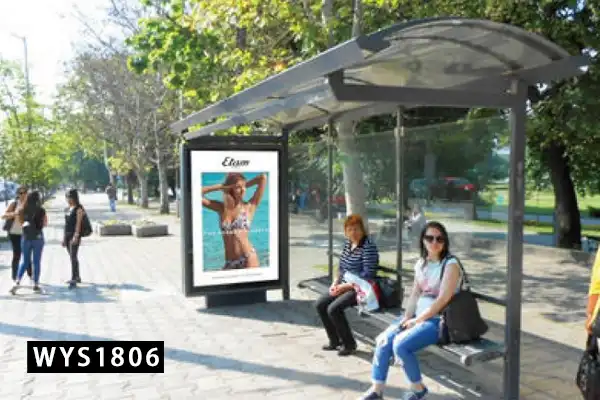
Real-time information tools are also part of operational efficiency. Solar-powered electronic displays show arriving times in real time, which makes passengers less anxious about waiting and raises service happiness scores. These systems work with smart alert platforms that keep track of where vehicles are, so transit officials can quickly let people know about delays or route changes. When solar energy is used to power Wi-Fi, waiting areas become connected places that improve the overall passenger experience and could bring in advertising income.
Comparing Solar Bus Shelters to Traditional Bus Shelters
Cost Analysis and Long-Term Investment Value
Solar Bus Shelters usually have higher initial procurement costs than conventional grid-connected options by 30–50%. The price of a basic solar-powered shelter with lights, electronic signs, and connectivity features runs from $15,000 to $35,000. The price depends on how customised it is and what the spot needs. Traditional shelters with the same electrical features need to be connected to the power grid, which costs between $8,000 and $20,000. They also have ongoing energy costs of about $800 to $1,500 per unit per year.
The financial tipping point happens in five to seven years. After that, Solar Bus Shelters make net savings for the next twenty to twenty-five years. Total cost of ownership estimates support solar installations, especially for large-scale deployments where economies of scale lower the cost of making each unit, and suppliers are willing to negotiate big discounts with cities.
Energy Efficiency and Utility Independence
Solar Bus Shelters achieve energy economy in a number of ways. LED lighting is 70% more energy-efficient than neon lighting while still giving off more brightness per watt. When photovoltaic systems are matched to load needs, energy isn't wasted because extra generation goes into battery storage instead of being wasted. This closed-loop economy is very different from grid-powered shelters, which always draw current no matter how much they need.
Being independent from utilities also protects transit owners from rising energy costs. In many markets, the cost of grid power goes up by 3–5% every year. However, the costs of running a Solar Bus Shelter stay the same, so you can plan your budget with confidence. This protection against changes in the energy market is a strategic benefit for building long-term infrastructure.
Climate Adaptability and Heating Options
Through careful system size and component selection, Solar Bus Shelters operate consistently in a wide range of climates. In places that don't get a lot of sunlight, bigger solar panels and bigger batteries make up for the lower daily solar gain. Modern systems work well even in the north, thanks to tilted panel mounting that makes the best use of the winter sun.
Optional heating and air cooling systems make it easier for passengers to stay comfortable in harsh weather. Heat pumps that use little energy get their power from the sun and instantly adapt to the seasons. Even though these features use more energy, well-designed systems keep working on their own by adjusting the amount of battery storage and panel power that is needed.
Supplier Capabilities and Quality Assurance
Choosing skilled makers is the most important part of a successful project. Some of the best sellers offer foreign certifications, such as CE, FCC, and RoHS compliance, which prove that their products meet safety and environmental standards. Purchase investments are protected by guarantees that cover solar panels for 25 years, batteries for 5 to 8 years, and structural parts for 10 to 15 years.
With 13 years of experience making specialised LCD displays, Topview Technology is a great example of a seller. Our 2,000-square-metre building has three modern production lines and more than 20 top engineers who can do OEM and ODM customisation. Large government projects can be delivered on time thanks to a daily output capacity of up to 100 units, and specialised after-sales engineers offer ongoing technical support.
Procurement Guide for B2B Clients: Buying and Installing Solar Bus Shelters
Supplier Selection Criteria and Customization Options
For B2B purchases, suppliers must be carefully checked out. Check the size and production capabilities of the plant to make sure deliveries happen on time, which is very important for rolling out a transit network in stages. Ask for proof that the building is structurally sound, electrically safe, and environmentally friendly. Suppliers with variable MOQs and customisation options can work with projects of all sizes, from small trial programmes to widespread rollouts.
Customisation isn't just about looks. Choose from galvanised steel, aluminium, or stainless steel for the columns; tempered glass, laminated glass, or zinc sheets for the panels; and bench designs that meet the needs of the site. Ask for technical help with problems that are unique to the spot, like high wind loads or seismic concerns. Topview's design team will make CAD models and 3D images for free, covering the cost of engineering so that the shelter works best in your area.
Purchase Lifecycle and Professional Installation Support
The process of getting something starts with thorough questions about the project's scope, the site's conditions, and its useful needs. When qualified providers reply, they give technical proposals, breakdowns of costs, and delivery dates. Clear pricing systems that break down prices into individual parts, like solar panels, batteries, LED systems, and building materials, make it possible to accurately plan budgets and figure out returns on investment.
Order handling includes keeping an eye on production, checking for quality, and coordinating transportation. Manufacturers you can trust will give you installation instructions, wiring diagrams, and completion reports. A lot of providers give full installation services that include handling the foundation work, putting together the shelter, and checking the system. After the installation, skilled after-sales teams offer warranty service, remote repairs, and extra parts. This makes sure that the business can keep running for a long time.
ROI Calculations and Financing Arrangements
Total lifetime costs must be compared in order to figure out the return on investment. Compare the costs of connecting to the grid, yearly energy bills, and upkeep for standard shelters to solar options that cost more up front but have lower ongoing costs. Think about the money that could be made from solar-powered advertising displays and the government's benefits for building green infrastructure.
Budgets can be flexible with leasing agreements and public-private partnerships. Some companies set up payment plans that are based on how much energy is saved, which lowers the amount of money that needs to be paid up front. These ways of financing are good for cities and towns that don't have a lot of money but still want to update their old transit systems without going over their budgets.
Future Trends and Innovations in Solar Bus Shelter Technology
IoT Integration and Smart City Infrastructure
The Internet of Things (IoT) nodes in smart city ecosystems are next-generation Solar Bus Shelters. Embedded sensors collect information about users, the surroundings, and the health of equipment. This information is sent wirelessly to central control platforms for analysis. This information lets us plan ahead for repair, find the best routes, and make service changes based on real-time demand trends.
Digital advertising systems that are built into solar buildings bring in a lot of money. Solar-powered LCD screens with high light show specific material based on the time of day, the weather, or special events. Shelter running costs are covered by advertising income, which could result in a net profit for transit officials, while relevant, dynamic content keeps passengers interested.
Advanced Energy Storage Technologies
New developments in battery technology offer longer battery life and faster charging. Solid-state batteries that are now being made commercially have a higher energy density, can handle a wider range of temperatures, and last longer than lithium systems currently on the market. These changes will make it possible to make Solar Bus Shelters that are smaller and more reliable in harsh areas.
Intelligent Energy Management Systems with AI
Intelligent energy management systems with AI will make the best use of usage trends and weather forecasts to determine how to distribute power. Machine learning programmes can guess how much energy will be needed and change the way batteries are charged to make them last longer and keep the service going.
Regulatory Support and Sustainability Initiatives
More and more, government rules require that public buildings use renewable energy. Federal and state subsidies that cover 20–40% of the cost of installing solar panels make it easier for towns that are watching their budgets to accept solar power. Cities are required to report on sustainability, which encourages them to keep track of how solar transit equipment has helped lower their carbon footprint.
Unified specs for Solar Bus Shelters are being developed by international standards organisations to make purchasing easier and to guarantee maker interoperability. These attempts to standardise will make customisation easier and lower costs through economies of scale. This will make solar options available to smaller cities and private transit companies.
Conclusion
For smart electronic bus stop signs to work, they need solar panels because they provide energy independence, lower running costs, and environmental benefits that are in line with today's urban transit goals. The technology creates a stable, low-maintenance system that can support high-tech passenger services like safety features, Wi-Fi connection, and real-time information. When procurement experts are looking at different suppliers, they should prioritise makers with a history of customisation, full certifications, and strong after-sales support to make sure the project runs smoothly. As energy storage and Internet of Things (IoT) technologies keep getting better, Solar Bus Shelters will become an even more important part of smart city infrastructure. They will offer transit officials long-term solutions that improve the passenger experience while lowering long-term running costs.
FAQ
1. What is the typical battery lifespan in a solar bus shelter?
When used normally, high-quality LiFePO₄ batteries in Solar Bus Shelters should last between 5 and 8 years. These batteries are made for cars and have built-in battery management systems that make sure they get the right number of charge cycles and keep the temperature under control. Lifespan is affected by the weather, the depth of the flow, and how well it is maintained. Batteries last a lot longer if the system is the right size and doesn't go through too many deep discharge cycles.
2. How do solar bus shelters perform in regions with limited sunlight?
Solar Bus Shelters work well in places with little sunlight because they have larger panel arrays and bigger batteries. When systems are properly built, they can run on their own for three to five days during long periods of cloudiness. Panel angle adjustment makes the best use of the sunshine that is available, even in the north. Performance data from sites in the Pacific Northwest and Northern Europe show that systems can work reliably all year long if they are properly sized for the amount of sunlight they receive.
3. What maintenance does a solar bus shelter require?
There aren't many maintenance needs. Every six months, a visible review checks the structure, battery connections, and cleanliness of the panel. Cleaning the panels every so often keeps them working at their best; this is usually needed once or twice a year, based on how much dust and pollen is in the area. LED lighting systems that last 50,000 hours or more don't need to have their bulbs changed very often. Overall, the costs of upkeep are 60–75% lower than for standard shelters that are connected to the power grid and need regular checks on their electrical systems.
Partner with Topview for Reliable Solar Bus Shelter Solutions
Topview Technology is ready to help you buy a Solar Bus Shelter by providing you with thorough production knowledge and unique solutions. We have been making Solar Bus Shelters for over 13 years and are experts in LCD displays. We only sell high-quality, certified goods and offer professional tech support. Three modern production lines and more than 20 senior engineers at our site allow us to offer flexible OEM and ODM services that can be used for projects of any size without a minimum order number. We offer sizes that can be changed, materials like tempered glass and stainless steel, and smart features like intelligent monitoring systems and WiFi connections that can be added as an extra. Our committed after-sales engineers make sure that installation goes smoothly and that you get ongoing technical help for the lifecycle of your project. Get in touch with market@tviewdisplay.com right away to talk about your unique needs, get full technical specs, or set up a product demonstration. Find out how Topview's stable quality control and low-cost manufacturing can help you improve your transit systems and meet your green goals.
References
1. National Renewable Energy Laboratory. (2022). "Photovoltaic System Performance and Cost Analysis for Transit Infrastructure Applications." U.S. Department of Energy Technical Report.
2. American Public Transportation Association. (2021). "Sustainability and Public Transportation: Best Practices Guide for Solar-Powered Transit Facilities." APTA Standards Development Program.
3. International Energy Agency. (2023). "Off-Grid Solar Applications in Urban Infrastructure: Technical Performance and Economic Feasibility Analysis." IEA Renewable Energy Division.
4. Journal of Public Transportation. (2022). "Passenger Perception and Safety Outcomes at Solar-Powered Bus Stops: A Multi-City Study." Vol. 25, Issue 3, pp. 47-68.
5. Smart Cities Council. (2023). "IoT Integration in Solar Transit Infrastructure: Implementation Guidelines and Case Studies." Smart Cities Readiness Guide Series.
6. Transportation Research Board. (2021). "Lifecycle Cost Analysis of Solar versus Grid-Powered Transit Shelter Infrastructure." National Cooperative Highway Research Program Report 912.
YOU MAY LIKE
 VIEW MORE360-degree Full HD 3D holographic display
 VIEW MORE22inch Rotate Interactive 3D HoloBox
 VIEW MORE30inch Portrait T-OLED Touch Kiosk
 VIEW MORERound Circular LCD Display
 VIEW MOREEmbedded Open Frame LCD Monitor
 VIEW MOREAndroid Industrial Tablet PC
 VIEW MOREInteractive K-type Interactive Touch Kiosk
 VIEW MOREDouble Sided Floor Standing Digital Signage