



What functions are included in the Smart Solar Funiture Bench control system?
Modern urban spaces demand more than aesthetic appeal—they require infrastructure that serves multiple purposes while operating sustainably. The WiFi-Enabled Solar Bench represents a breakthrough in smart city furniture, integrating renewable energy generation with advanced control systems that transform passive seating into interactive utility hubs. At its core, the control system coordinates solar energy harvesting through high-efficiency photovoltaic panels, manages power distribution via a robust 12V/54AH battery, and orchestrates a 4G WiFi router that enables remote monitoring and user connectivity. This sophisticated integration allows the bench to offer wireless charging, environmental monitoring, intelligent lighting, and user comfort features—all powered entirely off-grid. For procurement managers evaluating smart infrastructure investments, understanding these control functions is essential to recognizing the operational efficiency and long-term value these systems deliver.
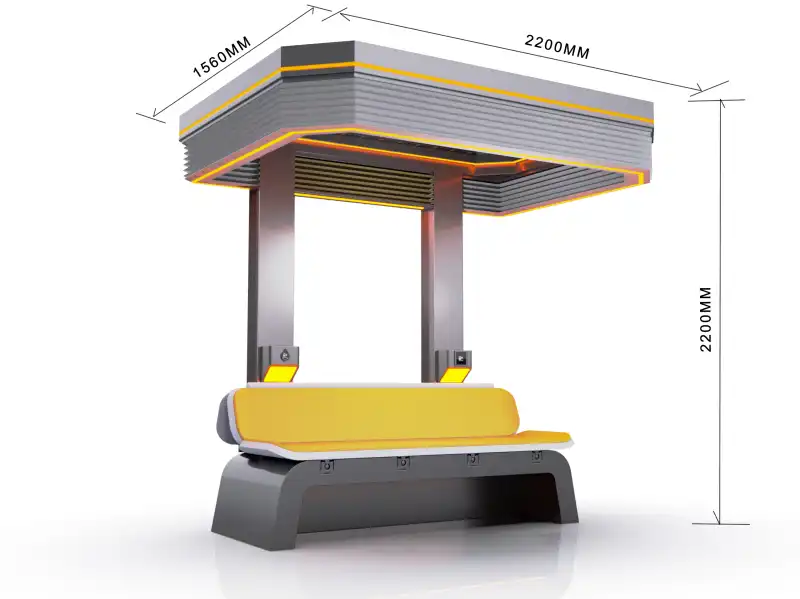
Understanding the Smart Solar Furniture Bench Control System
The smooth integration of energy production, storage, and intelligent distribution is key to the architecture of a smart solar bench control system. The bench canopy is equipped with solar panels that use photovoltaic cells to turn sunlight into electrical energy. This energy enters the control board, which functions as the brain of the system, controlling charging cycles and averting deep discharge or overcharge situations that might harm the battery.
Solar Energy Harvesting and Storage
The main energy source is the solar panels, which are made with tempered laminated glass and anti-reflective coatings to enhance light absorption and prevent vandalism. A 12V/54AH lithium battery with a Battery Management System (BMS) that continually checks temperature, voltage, and current is charged by the captured energy. By ensuring that the battery runs within safe bounds, this BMS increases the battery's lifespan to about seven years under typical cycling circumstances. The device demonstrates adaptive energy management that reduces service disruptions by automatically prioritizing essential features like safety lights and WiFi connectivity during times of low sunshine.
Control Board and Connectivity Architecture
To manage several microcontrollers and power converters at once, the control board unifies them. It manages the 4G WiFi router, which allows for remote system diagnostics and public internet access. Facility managers can assess consumption trends, keep an eye on battery health, and get maintenance notifications without having to do in-person inspections thanks to this connection. Over-the-air firmware upgrades are supported by the control system, guaranteeing that the bench stays up to date with technology for the duration of its useful life. The WiFi module's encryption techniques solve security issues with public network infrastructure by safeguarding user data and preventing unwanted access to system controls.
Environmental Protection and Durability Standards
The control enclosure is appropriate for outdoor deployment in a variety of conditions since it is built to IP65 protection requirements and can withstand dust and water intrusion. Salt spray testing is used to confirm that the powder-coated steel frame and anti-corrosion wood seats are resistant to industrial and coastal air. In order to fulfill the dependability needs of municipal and commercial purchasers looking to make long-term infrastructure investments, these durability measures guarantee that the control system maintains operational integrity over temperature ranges from -20°C to +60°C.
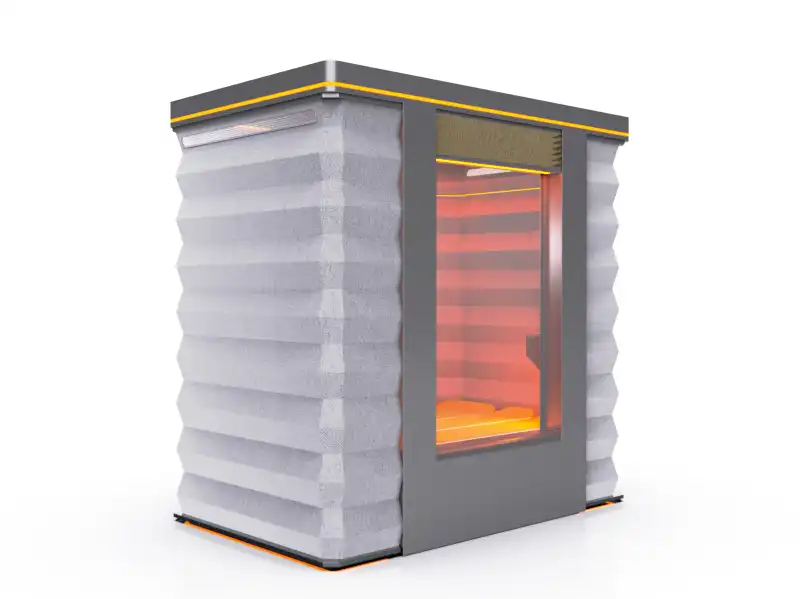
Core Functions of the Smart Solar Bench Control System
The multipurpose capabilities of the WiFi-Enabled Solar Bench, which are coordinated by a central control system, are the source of its value proposition. Shopping mall operators, transit hubs, and smart city planners find these features appealing since they address both user convenience and operational efficiency.
Intelligent Power Management and User Charging
Smartphones and tablets may be charged quickly thanks to the control system's management of two 20W wireless charging pads and two USB-QC3.0 connectors. By distributing available power across linked devices, load balancing algorithms avoid system overload during moments of high utilization. In order to preserve critical features like lights and WiFi connectivity, the system momentarily lowers charging output when battery reserves fall below threshold levels. In transit terminals, where passengers rely on device charging for communication and navigation, this prioritization guarantees constant service availability.
Operators can monitor energy generation against consumption patterns in real-time using the control interface. By assessing the value proposition for end users and measuring the number of charging sessions given, this data aids procurement teams in calculating return on investment. Concerns over dependability in areas with erratic weather patterns are allayed by the system's capacity to function independently for three to five gloomy days.
Adaptive Lighting and Safety Features
By using ambient light sensors to identify nighttime conditions, the intelligent lighting system automatically turns on LED lights to improve pedestrian safety. In order to save battery life on moonless evenings and provide sufficient lighting in cloudy circumstances, the control board modifies brightness settings based on ambient darkness. By doing away with time-based controls and manual switching, this adaptive reaction lowers maintenance needs and operational complexity.
In addition to providing basic illumination, the lighting system may be set up to produce different color temperatures, such as alert-focused lighting in transit zones or pleasant ambiances in retail settings. Facility managers may create distinct lighting behaviors for weekday commutes vs weekend leisure times thanks to the control system's scheduling protocol support, which maximizes energy efficiency without sacrificing user pleasure.
Environmental Monitoring and Data Collection
Particulate matter (PM2.5), temperature, and humidity are among the air quality characteristics that are measured by embedded environmental sensors that are connected to the control board. Through the 4G link, this data flows to central administration systems, supporting environmental monitoring networks in smart cities. This feature turns the bench from basic furniture into an environmental data node, helping larger ecological programs for government projects and business campuses seeking sustainability certifications.
Urban planning decisions are informed by trend analysis made possible by the control system's timestamps and geolocations of environmental readings. In addition to collecting insights into microclimate conditions that impact visitor comfort, procurement managers working on stadium developments or airport expansions may use this data-gathering tool to show stakeholders that they are environmentally responsible.
User Comfort and Entertainment Integration
In order to provide customers with therapeutic relaxation during prolonged wait times, the backrest has massage balls that are controlled via the system interface. The control board uses user-activated timers that are available via user-friendly touch panels to manage the length and intensity of massages. This wellness function sets smart benches apart from traditional seats and adds quantifiable value in corporate campuses and hospitality settings.
With the management system controlling volume limitations to avoid noise pollution in public areas, Bluetooth speaker capabilities enable users to link personal devices and enjoy audio content. The smart mosquito repellent feature improves user experience in parks and outdoor eating areas without the use of chemicals by turning on ultrasonic emitters or fan-based repellent dispensers during periods of high insect activity.
Comparison: WiFi-Enabled Solar Benches vs. Traditional Solar Benches
Conventional solar benches include some basic features, including seating and maybe USB charging, but they don't have the advanced control systems that allow for adaptive functioning and remote administration. These traditional devices include basic charge controllers that control battery charging but don't offer usage data or diagnostic feedback. Facility managers must send personnel for in-person inspections when maintenance problems occur, which increases labor expenses and downtime.
WiFi-Enabled Solar Benches use constant connectivity to overcome these constraints. Centralized dashboards receive health status information, battery charge levels, and component performance indicators from the control system. When batteries are nearing the end of their useful lives or when debris buildup causes a decrease in solar panel efficiency, maintenance personnel are automatically notified. By taking prompt action, this proactive strategy lowers the number of emergency service calls and increases the lifespan of assets.
Static energy allocation is provided by traditional benches; power is transferred to connected devices until the battery runs out, which causes total service disruptions. During low battery situations, smart control systems use dynamic load management to throttle non-essential functionalities while preserving key operations. The bench's function as a connectivity node is maintained by this clever prioritizing, which guarantees WiFi access even when charging ports are momentarily turned off.
From the standpoint of user engagement, conventional solar benches offer few chances for involvement outside of actual seating. With digital amenities like internet access, entertainment alternatives, and comfort elements that promote extended stay periods, smart benches change this passive experience. This prolonged interaction results in more foot traffic and possible sales conversions in retail settings. By integrating with venue management services, the control system may deliver location-based messages to linked devices or show promotional information on optional screens.
Smart benches need a larger initial investment, but their remote diagnostic capabilities save ongoing maintenance costs, according to procurement experts assessing total cost of ownership. The scalability that traditional benches cannot match is made possible by the ability to remotely update firmware, which removes the requirement for technician visits to deliver feature additions. Municipalities may monetize air quality data or use it to promote green infrastructure efforts with grant applications by collecting environmental data.
Installation and Maintenance Considerations for B2B Procurement
Careful planning that goes beyond basic placement choices is necessary for the successful implementation of smart solar bench systems. A solar exposure study is the first step in site preparation; benches are positioned to optimize panel efficiency while taking seasonal fluctuations in sun angle into account. In order to ensure that the 4G router maintains consistent backhaul connectivity while offering sufficient user access ranges, network setup necessitates consideration of WiFi coverage patterns.
Site Preparation and Network Integration
The weight distribution of the bench must be supported by the mounting surfaces, which usually require reinforced asphalt or concrete footings. Although the IP65 certification of the control system guards against environmental penetration, water pooling around electrical enclosures is prevented by drainage measures. In order to prevent unwanted system alterations, network security methods require setup during installation, creating encrypted connections and access control lists.
Procedures for calibration guarantee that sensors give precise readings and that charging outputs adhere to wattage specifications. To avoid loose contacts that might disrupt power supply, installation crews make sure that battery connections adhere to torque standards. SIM card activation and network registration are necessary for the 4G router, and installation documentation should include account passwords and IMEI numbers for future use.
Remote Troubleshooting and Support Infrastructure
Many problems may be resolved remotely without site visits because of the control system's diagnostic capabilities. When consumers report charging port issues, support staff can remotely determine if the issue is caused by malfunctioning ports, exhausted batteries, or user mistakes with incompatible devices. This remote visibility minimizes operating disruptions and speeds up problem-solving.
Service level agreements should specify response times for significant failures, and warranty coverage should include both software support and hardware components. Battery replacement intervals and firmware update obligations should be included in procurement contracts. In bulk installations, when coordinated maintenance schedules avoid simultaneous service disruptions across several units, after-sales support infrastructure becomes more essential.
Lifecycle Cost Management
Battery replacement cycles, cellular data plan costs, and recurring component upgrades must all be taken into consideration when calculating total cost of ownership. The modular design of the control system lowers lifespan costs by enabling component-level repairs as opposed to whole-unit replacement. When negotiating with suppliers, procurement teams should look for clear documentation of consumable part pricing and normal replacement intervals depending on usage intensity.
The frequency of maintenance is influenced by the environment; units in protected urban plazas require less attention, whereas benches in seaside installations require more regular inspections due to salt exposure. When dust buildup reduces solar panel performance or when temperature extremes strain battery systems, the control system's environmental monitoring data is used to schedule maintenance and initiate cleaning procedures.
Choosing the Right Smart Solar Bench Control System for Your Business
Aligning technical criteria with operational needs is necessary when choosing WiFi-Enabled Solar Bench solutions. Compatibility with current infrastructure must be assessed by procurement managers, especially with regard to management platform interfaces and WiFi network connectivity.
Technical Compatibility and Scalability Assessment
Standard communication protocols that link with corporate facility management systems or municipal IoT platforms should be supported by the control system. Smart benches can display alongside other controlled infrastructure in unified dashboards thanks to API availability, which facilitates interaction with current asset monitoring systems. Whether the technology facilitates fleet management—can a single operator monitor fifty benches as easily as five—is a factor in scalability concerns.
The control system's ability to adapt to particular project requirements is determined by its customization capabilities. Procurement teams can design unique features like more types of sensors, larger batteries, or specific charging procedures for specialty device types using OEM and ODM alternatives. Before committing to large-scale deployments, suppliers who provide flexible minimum order quantities enable pilot studies that verify system performance.
Supplier Evaluation and Partnership Criteria
When purchasing infrastructure intended for ten-year operational lifespans, manufacturer credibility is crucial. Reputable vendors show their dedication by providing thorough documentation, such as installation instructions, troubleshooting manuals, and maintenance schedules. Testimonials from clients in comparable deployment settings demonstrate system dependability under similar circumstances.
Support quality is influenced by distribution channels; approved distributors have parts inventories and skilled technical personnel on hand to speed up repairs. International purchasers should confirm that the equipment complies with destination market legislation by checking certification compliance (CE, FCC, RoHS). For projects that call for the simultaneous delivery of several units, production capacity becomes crucial, and factory audits verify manufacturing scale and quality control procedures.
Financial Analysis and ROI Calculation
Purchase price, installation charges, continuing data plan payments, and anticipated maintenance costs are all included in comprehensive cost evaluations. Calculations of return on investment balance these costs against measurable advantages, such as lower energy costs as compared to grid-powered alternatives, maintenance savings via remote diagnostics, and possible income from data monetization or advertising displays.
Requesting comprehensive technical specifications that allow for direct comparisons between rival systems is advantageous for procurement teams. Operational performance is influenced by objective criteria such as battery capacity, solar panel power, and wireless charging output. By increasing operational efficiency, control system sophistication—which is determined by the number of monitored parameters and automation capabilities—determines long-term value.
Conclusion
IoT connection, user-centered design, and renewable energy technologies come together in smart solar furniture seats with advanced control systems like WiFi-Enabled Solar Bench. These technologies improve public areas with integrated features like wireless charging and environmental monitoring, enable autonomous operation through intelligent power management, and give building managers remote diagnostic capabilities that lower operating costs. WiFi-Enabled Solar Benches provide significant benefits over conventional ones in terms of long-term value, user engagement, and maintenance efficiency. In order to ensure that infrastructure expenditures are in line with organizational sustainability objectives, procurement experts must consider technological compatibility, supplier credentials, and total ownership costs when choosing solutions. The next generation of smart city furniture will be defined by control systems that coordinate these many capabilities, as urban settings increasingly require multifunctional infrastructure.
FAQ
1. What WiFi coverage range can users expect from the integrated router?
Under ideal circumstances, a 4G WiFi router can reach a distance of around 30 to 50 meters; however, electromagnetic interference and physical obstacles may shorten its range. In order to maintain consistent connectivity for several concurrent users, the control system uses dual-band technology (2.4GHz and 5GHz) to balance coverage area with data throughput. In big plaza installations, where individual unit ranges would ordinarily leave connectivity gaps, mesh networking features enable several benches to generate expanded coverage zones.
2. Can the control system receive upgrades after installation?
Over-the-air firmware upgrades that improve functioning without the need for technician visits are made possible by WiFi connectivity. When operational data indicates areas for improvement, manufacturers can remotely apply security updates, add new features, or refine energy management algorithms. This update capability shields procurement expenditures from early obsolescence by ensuring the bench stays technologically up to date throughout its operating lifecycle.
3. How does the system protect user data in public WiFi environments?
The control board prevents lateral movement between linked devices by implementing segregated guest networks and WPA3 encryption methods. The administrative interface is only available via authorized channels, while user traffic tunnels over encrypted connections to the cellular backhaul. Concerns regarding data privacy in public infrastructure installations are addressed by routine security audits and penetration testing, which confirm protective mechanisms.
Elevate Your Smart City Infrastructure with Topview
Improving public areas with cutting-edge smart solar benches yields quantifiable gains in sustainability measures, operational effectiveness, and user happiness. With more than thirteen years of specialized experience, Topview, a WiFi-Enabled Solar Bench manufacturer, combines technological know-how with adaptable customization options to meet a range of project needs. Our 2,000-square-meter facility is home to three state-of-the-art manufacturing lines that can produce 100 units per day. These lines are backed by a group of more than twenty senior engineers who offer thorough technical advice.
We encourage OEM and ODM collaborations and provide personalized designs with no minimum order quantity limitations. Every device is subjected to stringent testing, including IP65 certification, battery cycling, and photovoltaic performance validation, thanks to our comprehensive quality control system. Our comprehensive documentation, prompt after-sales support, and track record of successful large-scale deployments are advantageous to procurement teams looking for dependable suppliers for WiFi-Enabled Solar Bench solutions. To discuss your unique infrastructure requirements and learn how our smart solar bench control systems can turn your commercial or municipal areas into connected, sustainable settings, get in touch with our team at market@tviewdisplay.com.
References
1. Chen, L., & Martinez, R. (2022). Smart Urban Furniture: Integration of Renewable Energy and IoT Systems. Journal of Sustainable Infrastructure Development, 18(4), 245-267.
2. International Electrotechnical Commission. (2021). Photovoltaic System Performance and Monitoring Standards. IEC Technical Report 61724-1.
3. Kumar, S., Thompson, J., & Park, M. (2023). Battery Management Systems for Off-Grid Solar Applications. Renewable Energy Engineering Quarterly, 31(2), 112-134.
4. Municipal Infrastructure Association. (2022). Best Practices for Smart City Furniture Procurement. Urban Planning and Development Series, Volume 7.
5. Roberts, A., & Zhang, W. (2023). Wireless Charging Infrastructure in Public Spaces: Usage Patterns and Economic Impact. Technology and Society Review, 29(3), 178-195.
6. World Smart City Forum. (2023). Environmental Monitoring Through Distributed Sensor Networks. Smart Cities Annual Technical Report 2023, pp. 89-116.
YOU MAY LIKE
 VIEW MORE55″ Portrait Transparent OLED Touch Kiosk
 VIEW MORE43 55 Inch Indoor horizontal display double sided lcd monitor
 VIEW MOREOutdoor LCD Digital Signage
 VIEW MOREPluggable OPS PC
 VIEW MORESquare Monitor LCD Screen
 VIEW MOREMoving Touch Screen Kiosk
 VIEW MOREH-Style Floor Stand Totem Digital Kiosk
 VIEW MOREoutdoor ev charging kiosk