



PV benches: Custom-made to order, unlocking a new green leisure experience
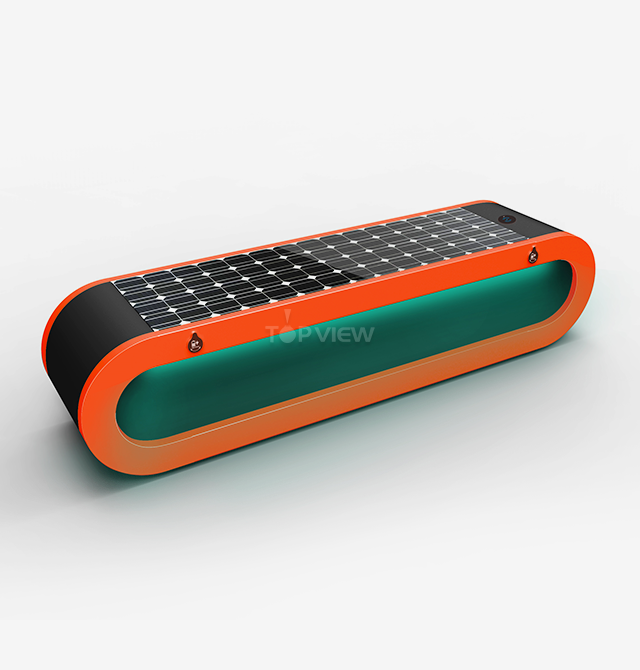
Public spaces are evolving beyond simple functionality. Today's urban planners, procurement managers, and system integrators seek solutions that balance aesthetics, sustainability, and technology. The Outdoor Solar Park Bench with Charging represents this shift—a custom-designed furniture piece powered entirely by renewable energy, offering device charging, smart connectivity, and comfortable seating in one integrated unit. These benches transform parks, campuses, transit stations, and commercial plazas into interactive, eco-friendly environments that serve both visitors and municipalities. With customisable features that address specific project needs, photovoltaic benches unlock new green leisure experiences while supporting long-term sustainability goals.
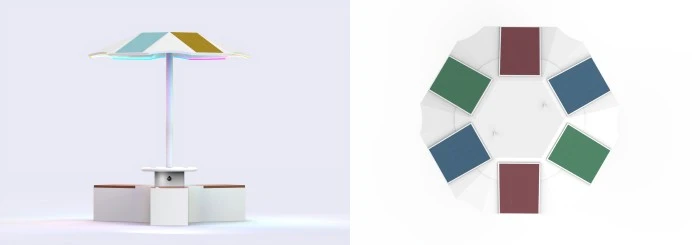
Understanding Outdoor Solar Park Benches with Charging: Technology and Environmental Impact
How does solar bench technology work?
Outdoor solar park benches with charging get their power from photovoltaic panels that are built into the tops or backrests. The energy received powers up an internal battery system, usually a 12V/54AH lithium battery, which saves power so the device can keep running even when it's cloudy or dark outside. This saved energy can be used for many things, like wireless charging (20W output per pad, usually two units), USB-QC3.0 fast charging ports, LED lights, and 4G Wi-Fi hotspots.
The system works on its own without being connected to the power grid. This means that it can be installed in remote areas where laying electricity lines would be too expensive. Advanced battery management systems make sure that the battery can work safely in a wide range of temperatures and protect it from overcharging and heavy discharging, both of which shorten the battery's life.
Environmental Benefits and Carbon Reduction
Solar benches don't need to be charged with energy like standard street furniture does, so cities don't have to pay for it over and over again. During peak sunlight hours, each unit produces about 150 to 300 watts of electricity, which is equal to avoiding the use of fossil fuels that release several hundred kilograms of CO₂ each year. This is in line with business social responsibility programmes and government sustainability rules that are becoming more popular in North American cities.
Advanced models have environmental tracking systems that keep an eye on the weather, humidity, and quality of the air. This information is useful for planning smart cities. Because they serve people and gather information about the environment, solar benches are good investments in infrastructure that can be used for more than one thing.
Integration with Smart City Infrastructure
4G routers and cloud-based control tools make it easy for modern photovoltaic benches to connect to IoT platforms. Facility managers can check on the state of the batteries, usage data, and repair alerts from afar. This connectivity lets you plan maintenance ahead of time, which cuts down on downtime and makes assets last longer. When city-wide sensor networks are connected, they build large urban data platforms that help with planning for the future.
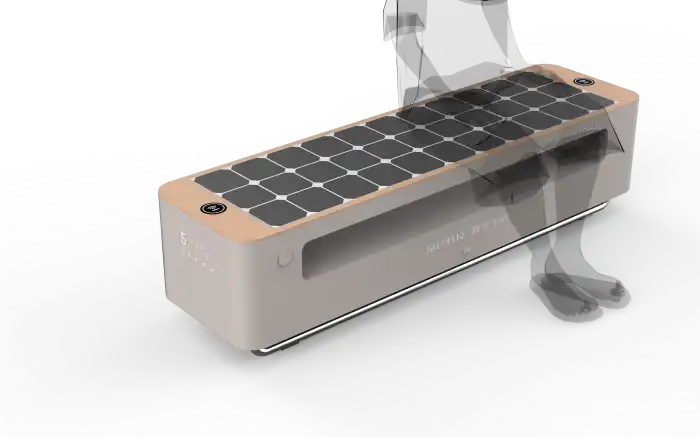
Key Considerations When Custom-Making Outdoor Solar Park Benches for B2B Projects
Material Selection for Durability and Aesthetics
The choice of materials has a direct effect on how long something lasts, how much care it needs, and how nice it looks. Anti-corrosion wood is naturally warm and soft to the touch, and it doesn't get damaged by water in damp places. Aluminium frames that have been powder-coated are strong, light, and don't rust when installed near the coast. Companies that value the global economy will be interested in recycled construction materials.
When procurement managers choose materials for bulk orders, they should look at the UV resistance ratings, the structural load capacity (usually at least 200 kg), and the IP65 protection classification, which ensures that dust and water can't get in. These requirements guarantee the performance of the outdoor solar park benches with charging in a wide range of settings, from the dry heat of the desert to the humid air of the coast.
Power Capacity and Battery Configuration
The size of the battery relies on how it will be used and where it will be used. A 12V/54AH setup can handle modest daily use, such as charging multiple devices and leaving LEDs on all night. For projects in places with a lot of foot traffic, bigger systems or setups with two batteries may be needed.
The power of solar panels should be based on the environment. Places that get a lot of sun can use smaller panels, while places that get a lot of clouds should use panels with bigger surfaces. When evaluating vendors, technical leaders should ask for site-specific energy output modelling. This will ensure year-round reliability without battery draining in the winter.
Feature Customisation for Project-Specific Needs
Custom solar chairs can have extra features that are useful in certain situations, in addition to basic charging functions. In wellness-focused parks, massage ball backrests make people more comfortable. Bluetooth sound sets let you play background music or make emergency calls. Smart systems that keep mosquitoes away make waterfront areas more usable at night.
Environmental monitoring sensors give useful information to city health departments about the quality of the air. Ambient light sensors in LED lighting systems turn them on automatically at dusk, making it safer at night without any extra work from the user. This flexible method lets buyers pick only the features that fit their needs and budget, which keeps prices from going up for no reason.
Here are the technical considerations for specifying custom features:
- Charging Infrastructure: List the number of wireless charging pads (usually two units at 20W each), the type of USB port (USB-A, USB-C, or QC3.0 fast charging), and the largest number of devices that can be charged at the same time. This makes sure that there is enough power during times of high usage.
- Connectivity Options: Figure out if 4G Wi-Fi routers meet the needs of the project or if connecting to the city's current networks is a better deal. When looking at connection features, think about how much the data plan costs and how much ongoing IT help you will need.
- Lighting Configuration: Adaptive LED systems with lux sensors can change the brightness automatically, which saves power during off-peak hours. Choose the colour temperature (warm white for mood lighting, cool white for safety lighting) based on where the light will be installed.
For these customisation choices to work, makers need to be able to clearly communicate with buyers early in the procurement process. Detailed technical specs keep everyone on the same page and make sure that the goods provided exactly meet the needs of the project.
Installation and Ongoing Maintenance Requirements
The right way to install something starts with figuring out what the foundation needs to be and how much solar exposure the area gets. To keep them from moving, most solar chairs need concrete footings or support bolt systems. Suppliers who offer installation support are very helpful, especially for large-scale operations in various places.
As part of regular maintenance, solar panels should be checked every three months to clean off any dust or pollen that has built up, batteries should be checked once a year, and software updates for connected systems should be done regularly. Total cost of ownership is kept low by vendors who offer extensive warranties and quick customer service after the sale. When choosing a vendor, procurement managers should ask for detailed maintenance records and information on whether the service is available locally.
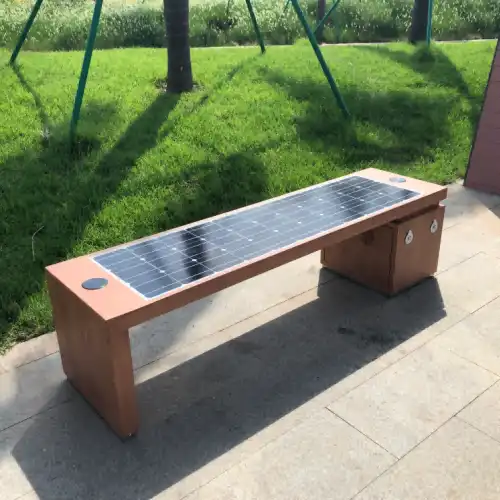
Comparing Solar Park Benches to Traditional Seating Solutions: Making the Right Choice
Cost-Benefit Analysis and ROI Considerations
The initial cost of outdoor solar park benches with charging is usually 200–400% higher than the cost of regular seats. A lifecycle cost study, on the other hand, shows strong benefits. Electrical hookup costs (often $5,000 to $15,000 per location for trenching and connection), no ongoing electricity costs, and a longer lifespan (10–15 years compared to 5-7 years for standard benches) all add up to a good return on investment within 3–5 years.
When projects qualify for green energy incentives or LEED certification credits, they make more money. When evaluating proposals, procurement directors should ask for total cost of ownership estimates that include projected energy savings, differences in maintenance costs, and the ability to get incentives.
Functional Advantages and User Experience Enhancement
Solar benches turn ordinary chairs into useful features that you can use. Having charging ports for devices directly meets the needs of modern users—surveys show that 73% of people who visit public spaces think that having charging ports is an important part of choosing where to go. Wi-Fi access lets people work from home, which means parks can be used for more than just fun.
Traditional benches are easy to use and don't cost much up front, so they can be used as extra seating in places where electricity is already present. The choice depends on the project's goals: solar benches are great as showpieces that show commitment to sustainability, while standard benches are more cost-effective for basic sitting needs.
Evaluating Vendor Capabilities and Product Quality
When choosing a supplier, you need to do a lot more than just compare prices. Technical directors should look at the vendor's production capacity (can they meet deadlines for big orders?), certifications (for example, CE, FCC, and RoHS compliance for foreign projects), and quality control methods. Solar cells are tested for electroluminescence, the temperature stability of batteries is checked, and structures are loaded to show that strict production standards are met.
Ask for examples of projects with a similar size and level of difficulty. Site visits to pieces that are already in place give you information about how they work and how they age in the real world. Modular designs from vendors let you add features like environmental sensors or bigger batteries in the future without having to replace the whole unit.
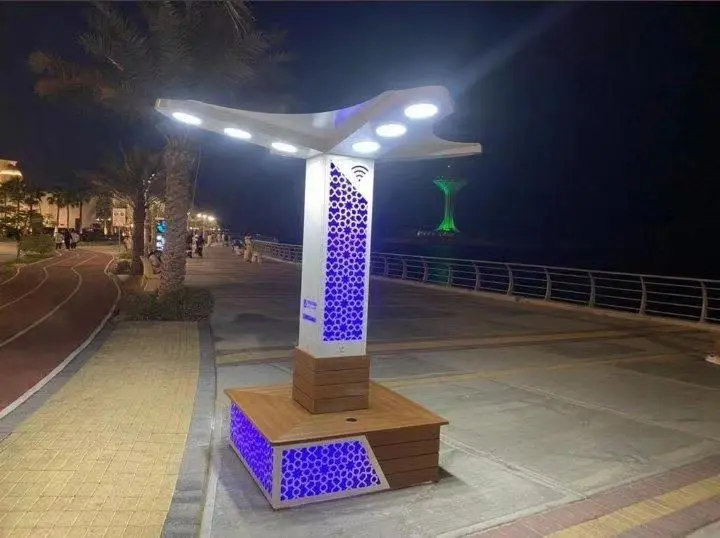
Procurement Guide: How to Buy Custom Outdoor Solar Park Benches with Charging?
Defining Project Requirements and Specifications
A complete recording of requirements is the first step to a successful purchase of the Outdoor Solar Park Bench with Charging. List the number of items you need, the level of customisation you want, your budget, and the due date for the project. For big projects, you might want to think about implementing things in stages so that you can make changes based on how well the first installation goes before the full rollout.
List your technical needs, such as the size of the battery, the way the charging ports are set up, the communication options, and the type of material you'd like. Think about things like temperature ranges, salt spray exposure, and how resistant the building is supposed to be to damage. Clear specifications help vendors give accurate quotes and stop expensive change orders from happening during production.
Vendor Evaluation Criteria
When evaluating possible suppliers, look at these important factors:
- Manufacturing Capacity: Make sure that the amount of work that can be done matches the size of your order. Consistent output is guaranteed by facilities with quality-controlled areas and specialised production lines. Topview's 2,000-square-metre factory has three modern production lines that can make up to 100 units per day. This shows that the company has the kind of scalable manufacturing infrastructure that can be used for big city projects.
- Technical Support: Check the qualifications and responsiveness of the engineering team. Suppliers with their own research and development units (Topview has a 10-person team with advanced degrees and 8+ years of experience in the field) can meet specific needs and offer ongoing expert support.
- Warranty and After-Sales Service: Full warranties that cover solar cells (usually for 10 to 15 years), batteries (3 to 5 years), and structural parts (5 to 10 years) protect long-term investments. Make sure that replacement parts are available and that service response times are reasonable for your area.
Pricing Factors and Negotiation Strategies
Prices depend on the material chosen, the difficulty of the feature, and the number of orders. Base models with basic charging features are less expensive than fully equipped ones with massage backrests, environmental sensors, and better connectivity. Ask for detailed quotes that break down the costs of each part. This will help you make smart choices about extra features.
When you buy more than 20 units, you usually get a discount. Prices go down when you buy 50, 100, or 500 units. Talk about training for maintenance workers and combined installation services as value-added features. Set clear payment terms that are in line with the project's goals, such as the deposit, the end of production, and the final acceptance.
Lead times for unique solutions vary from 6 to 12 weeks, based on how complicated the requirements are and how busy the production line is. Orders that need to be done quickly may cost more. Planning purchase timelines with enough room for error keeps projects from being held up and lowers the need for expensive fast shipping.
Conclusion
Outdoor solar park benches with charging that can be customised are more than just pieces of furniture; they reflect the coming together of sustainability, technology, and user-centred design. These independent power plants get rid of the need to connect to the power grid while still providing modern users with the essential services they expect. By carefully choosing the materials, battery systems, and built-in features, B2B buyers can make solutions that are perfect for their needs and the needs of the project. When lifecycle costs, environmental benefits, and compatibility with smart city infrastructure development are taken into account, the investment case gets stronger. Solar chairs put businesses at the cutting edge of green technology as cities become more connected and environmentally friendly.
FAQ
1. How long do solar bench batteries typically last before replacement?
How long a battery lasts relies on how much it is used, the weather, and the makeup of the battery. After 3 to 5 years of daily spinning, lithium batteries in solar chairs usually keep 80% of their original capacity. Operational life is increased by using the right battery management systems and avoiding full discharge cycles. Batteries from good manufacturers come with warranties that cover certain levels of performance loss.
2. Can solar benches function effectively in northern climates with limited sunlight?
If the machine is the right size, yes. Larger solar panel systems and tanks with more power make up for the lack of sunlight in the winter. In more advanced models, battery heaters keep the ideal working temperatures even when it's freezing outside. As part of the installation study, worst-case yearly energy production modelling should be included to make sure that the system works all year.
3. What customisation options exist beyond charging and lighting features?
Some of the things that can be customised are Bluetooth speakers, massage ball backrests, sensors that measure air quality, temperature, and humidity, smart mosquito repellent systems, digital displays, and changes to the way the furniture looks, such as colour schemes, logo integration, and different material finishes. Modular designs let you add features after the system is built, if your budget allows it or your wants change.
Partner with Topview for a Premium Outdoor Solar Park Bench with Charging Solutions
TopView is the outdoor solar park bench with charging brand you can trust. They have over 13 years of experience making smart urban furniture and display technology. Our factory in Shenzhen has three modern production lines, more than 20 senior engineers, and a wide range of quality control systems that make sure every unit meets strict international standards, such as IP65 protection and full certifications.
We're happy to work with OEM and ODM projects, and there are no minimum order quantities for customisation. This means that both pilot programmes and large-scale deployments are possible. Our research and development team works closely with clients to add custom features, like massage functions and systems that watch the environment, which are exactly what the project needs. Standard goods can be turned into branded solutions that show your organisation's personality with the help of customised software, housing designs, image integration, and colour schemes.
To talk about your needs for an outdoor solar bench, email Topview at market@tviewdisplay.com. From the first meeting to installation and ongoing upkeep, our team takes care of everything, making sure that your investment lasts and shows leadership in sustainable urban development.
References
1. Anderson, M. & Roberts, J. (2022). Solar-Powered Urban Infrastructure: Design Principles and Implementation Strategies. Urban Planning Institute Press.
2. Chen, L., Martinez, R., & Thompson, K. (2023). "Lifecycle Cost Analysis of Renewable Energy Street Furniture in North American Cities." Journal of Sustainable Urban Development, 18(3), 245-267.
3. European Commission Directorate-General for Energy. (2021). Smart Cities and Energy Efficiency: Best Practices in Public Space Innovation. Publications Office of the European Union.
4. Greenfield, A. (2023). The Intelligent City: IoT Integration in Municipal Infrastructure. MIT Technology Press.
5. National Renewable Energy Laboratory. (2022). Photovoltaic System Performance in Diverse Climate Zones: Technical Assessment Report. U.S. Department of Energy.
6. Williams, S. & Patel, N. (2023). "User Experience and Public Space Technology: Survey Analysis of Smart Furniture Adoption." International Journal of Urban Design Technology, 11(2), 112-134.
YOU MAY LIKE
 VIEW MOREOutdoor airconditioned Totem Signage
 VIEW MOREDigital interactive whiteboards
 VIEW MORESmart Solar Furniture Bench
 VIEW MOREFree Design Good Quality Solar Bus Shelter
 VIEW MOREStretched Bar LCD Display
 VIEW MOREElevator Advertising LCD Display
 VIEW MOREFloor Stand Digital Advertising Signage
 VIEW MOREOutdoor Horizontal Freestanding Digital Signage