



What features should outdoor LCD advertising displays possess?
If procurement managers and wholesalers are looking for outdoor LCD advertising displays, they need to find equipment that works well visually and can handle tough circumstances. Ultra-high brightness (typically 2,500 to 4,000 cd/m²), weatherproof enclosures rated at IP65 or IP66, smart thermal management systems, and vandal-resistant construction are all necessary for an effective outdoor digital advertising kiosk. These core capabilities make sure that content can be seen consistently in direct sunlight, that it is protected against dust and moisture, that it works reliably in a wide range of temperatures, and that it can last in public areas with a lot of foot traffic. Businesses can buy screens that get the most out of their advertising while also minimizing upkeep costs and downtime by understanding these key features.
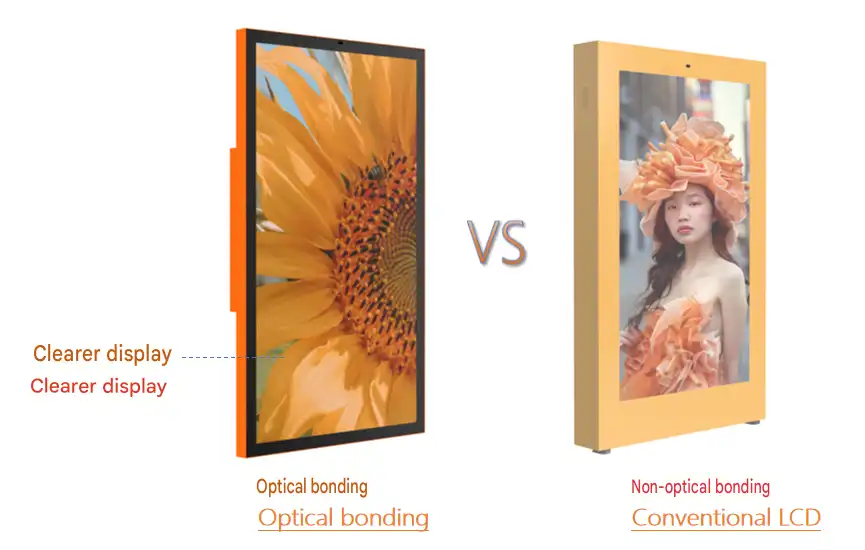
Understanding Outdoor LCD Advertising Displays
Outdoor display technology is a special type of digital sign that is made to deal with problems that indoor screens never have to deal with. These systems use industrial-grade parts that are made to work continuously in conditions like high temperatures, high sunlight, heavy rain, and the chance of physical damage.
The Technical Foundation of Outdoor Displays
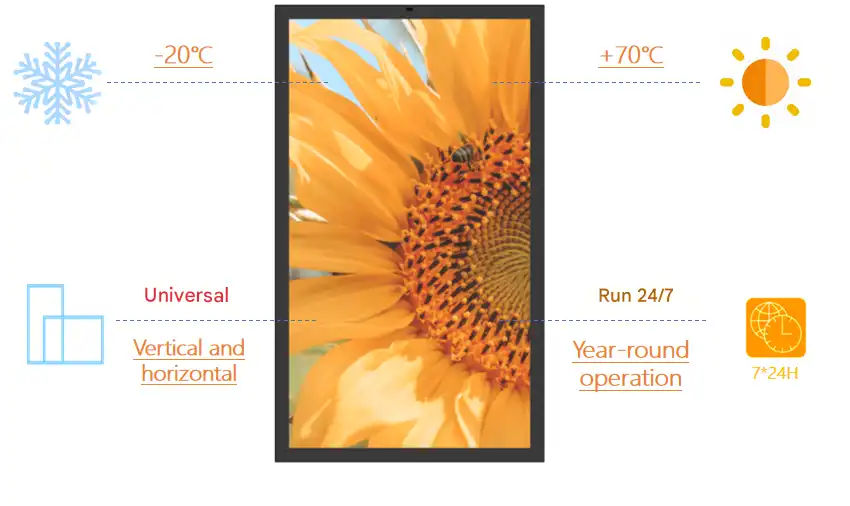
Several complex subsystems work together to make up the design of outdoor LCD screens. To keep the LCD panel from turning black when it's in direct sunlight, it needs a high clearing point (Tni > 110°C). The enclosures are usually made of SGCC-galvanized steel or extruded aluminum, and they get special powder coatings that meet ISO 12944 standards for rust protection for C4/C5 environmental classes. These two things work together to keep structures strong in seaside areas, polluted cities, and places where the temperature can range from -30°C to +60°C.
Distinguishing Outdoor from Indoor Applications
Temperature, humidity, and lighting are mostly stable in controlled environments where indoor displays work. The needs of outdoor projects are very different. The brightness of the screen has to be able to fight with sunshine that is brighter than 100,000 lux, and the thermal management systems have to get rid of the heat that is generated by both the electronics inside and the sunlight outside. To keep contrast ratios above 1200:1 even when it's directly in the sun, the protective glass needs to be chemically tempered and have anti-reflective and anti-glare coatings added. It must be at least 6 mm thick.
Key Features: Outdoor LCD Advertising Displays Must Have
To choose the best outdoor display option, you need to look at a number of technical requirements that can't be changed and have a direct effect on performance, reliability, and content exposure.
Weatherproof Construction and Ingress Protection
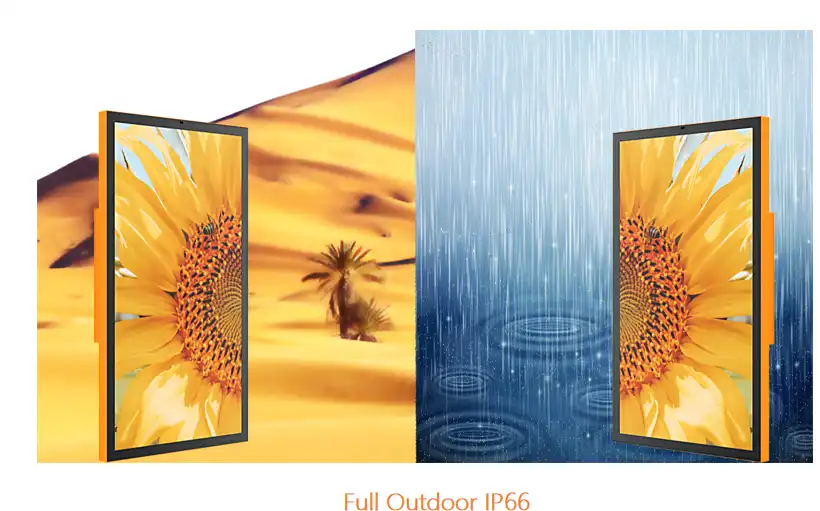
Professional digital signs that are put outside must be certified as IP65 or IP66, which means they are completely safe from dust and high-pressure water jets coming from any direction. Our 43X/55X/65X Series use multi-layer closing systems and automotive-grade G4 screens to keep dangerous particles out while still letting air flow for temperature control. The tempered explosion-proof glass meets IK10 impact resistance standards, which means it can take hits of up to 20 joules, which is the force of a 5 kg item being dropped from 40 cm.
High-Brightness Performance with Adaptive Intelligence
Effective Outdoor Digital Advertising Kiosk-outdoor digital advertising kiosks display can be told apart from poor ones by how well they are seen in low light. The 43X/55X/65X Series are very bright (2,500+ cd/m²), and they have built-in ambient light sensors that change the brightness of the screen automatically based on the lighting conditions. This smart light-sensing technology makes the best use of energy in the evenings while keeping the screen perfectly visible during the hottest part of the day. The ultra-wide viewing angle of 178° ensures great color performance and clarity from almost any angle, making it suitable for areas with a lot of foot traffic or where cars are approaching from different directions, like transportation hubs or stores, making it an ideal outdoor digital advertising kiosk solution.
Advanced Thermal Management Systems
One of the main ways that outdoor gadgets break is by getting too hot. Our smart temperature control system uses high-speed rotating fans and accurate temperature sensors to keep an eye on the conditions inside the body all the time. When the system notices that the temperature is rising faster than usual, the control software turns down the screen's brightness or turns it off for a short time while keeping the fan running at full speed. As soon as the screen's internal temperatures drop back to safe levels, it instantly goes back to working normally. When compared to passive cooling methods, this proactive thermal management greatly increases the life of components.
Anti-Corrosion and Security Features
Materials that can stand up to long-term contact with the outdoors are needed. The middle frame is made of aluminum alloy profiles that have been treated with an AkzoNobel outdoor powder finish. This gives them better corrosion protection in marine and industrial settings. Huawei outdoor cabinet-grade anti-theft locks made of die-cast stainless steel are used for physical security. These locks keep valuable internal components and content management systems safe from people who aren't supposed to be there or who are trying to damage them.
Additional Value-Added Features That Improve Advertising Impact
In addition to basic safety and performance requirements, a number of advanced features make advertising more effective and give procurement managers more practical freedom when they are looking at different solutions.
Interactive Touchscreen Capabilities
With the optional G+F nano touch module, passive screens can be turned into platforms for direct interaction. The 10-point multitouch feature with 90% transparency keeps the picture quality high while letting customers interact with it in ways like navigating, looking through product catalogues, or exploring advertising content. This interaction makes people stay on the page longer and remember the message better than flat ads, which makes campaigns more effective for entertainment places and shopping chains.
Content Management Flexibility
The 43X/55X/65X Series can intelligently switch between multiple screens and show different types of information by using split-screen playback settings. This feature is very useful for fast food restaurants that want to show promotional content next to price lists or transportation hubs that want to show plan information next to advertising content. The system works with standalone boards, Windows systems, or Android platforms, and it can work with current content management infrastructure in a variety of application situations.
Rapid Deployment and Extended Warranty Support
Time-to-market factors affect the viability of an outdoor digital advertising kiosk project, especially for campaigns that run during certain times of the year or during events. Our standard lead time of 5-15 workdays lets us deploy quickly, while larger manufacturers usually need more time to buy things. The guarantee structure—1-year basic coverage, with the option for 3-year extended coverage—gives buyers peace of mind and shows faith in the quality of the parts and the high standards of assembly kept in our 2,000-square-meter clean workplace.
Customization and OEM/ODM Capabilities
To make a brand stand out, shell colors, logo placement, or mounting setups often need to be changed. We can print names on a silk screen or put patterns on LED backlights, and there are no minimum order quantities. This gives regional distributors the freedom to build their brand, and it also helps AV system integrators work around architectural problems in smart city infrastructure projects or government digital signage deployments.
How to Choose the Ideal Outdoor LCD Advertising Display for Your Business?
To find your way around the outdoor display market, you need a structured evaluation strategy that takes into account technical specifications, supplier skills, and the total cost of ownership.
Assessing Environmental Requirements
First, write down the exact startup setting. Coastal areas need better protection against corrosion, while installations at high elevations have to deal with more UV light and temperature changes. Vandalism-resistant and air-filtration methods that work better in cities with lots of traffic are needed. Transport hubs need to be certified to meet the safety standards for public infrastructure in their area. By matching the display's specs to its real working conditions, you can avoid early failures and warranty disagreements.
Evaluating Supplier Production Capacity
How well a supplier can make things has a direct effect on how reliably orders are filled and how well they help customers after the sale. Our factory has three modern production lines that can make up to 100 units per day. They are backed by more than 20 top engineers and dedicated technical staff who work after the sale. This size makes it possible for quality to stay the same across batches, which is important for rollouts in multiple locations, while still allowing for quick responses to custom projects. When purchasing displays from China, purchasing managers can get them at factory-direct prices, which helps them deal with the competitive cost pressures that global business purchasing teams face.
Comparing Technical Specifications Against Application Needs
The choice of screen size is based on how far people usually sit and how densely they are seated. The 43-inch size works well for people walking between 3 and 5 meters away, while the 65-inch size is better for traffic or big meeting areas. Different types of content have different resolution needs. For example, promotional videos work best on 4K panels, while content with a lot of text for wayfinding works fine at 1080p resolutions. The brightness requirements must be higher than the natural lighting by a reasonable amount. Places with direct southern exposure need the highest brightness levels, no matter what size screen they have.
Verifying Certification Compliance
When doing business with other countries, you have to deal with their different rules and regulations. The CE mark proves that the product meets European safety and electromagnetic compatibility standards. The FCC mark covers radio frequency emission limits in North America, and RoHS compliance makes sure that products don't contain dangerous substances. These certifications keep target markets from having to deal with customs delays and legal liability issues. When evaluating suppliers, don't just rely on marketing claims; ask for proof that the certification is real.
Best Practices for Maintaining and Maximizing Outdoor LCD Advertising Displays
Maintenance rules that are followed correctly can make equipment last longer and keep ads working well throughout ownership times. This protects capital investments and makes sure that campaigns are delivered consistently.
Establishing Preventive Maintenance Schedules
Set up checkup schedules that include cleaning the glass, replacing the fan filter, and checking the connections between the cables every three months. To keep the layer from getting damaged, clean the protective glass with pH-neutral cleaning products and microfibre cloths that aren't rough. Weatherproof gaskets should be checked for cracks or compression set that could make them less effective at keeping water out. Keep track of how many hours the fan has been running and repair units that are getting close to the manufacturer's recommended service intervals before bearing failures cause heat events. These proactive steps stop calls for emergency services, which mess up advertising plans and raise costs.
Software and Content Management Updates
Remote management lets you keep an eye on all of your Outdoor Digital Advertising Kiosk installations from one place, but the firmware needs to be updated regularly to fix security holes and add new features. Plan changes for times when there isn't much traffic to keep ads from getting in the way. Use backup material that is saved locally on displays to keep your brand visible even if your network goes down. Check that the readability and color accuracy of the content are the same in different lighting conditions.
Troubleshooting Common Operational Issues
Flickering on the screen is usually a sign of an unstable power supply or loose connections, not a problem with the panel. Make sure that the surge protectors work properly and that the power stays within the given working ranges. Temperature-related shutdowns mean that airflow is being blocked or fans aren't working right. Clear out the ventilation paths and make sure the fans are turning. Connectivity issues are usually caused by problems with the network infrastructure, not the display hardware. To find the source of the problem, try continuously from the content server to the display output, going through the network switches.
Conclusion
When choosing outdoor LCD advertising displays, you need to think about how well they work technically, how long they will last in the weather, and how reliable the seller is. Outdoor advertising campaigns that work depend on having the basic features, like weatherproofing up to IP65/IP66, high-brightness screens that can detect ambient light, smart thermal management, and construction that can't be damaged by vandals. Value-added features like tablet interaction, flexible content management, and quick customization make campaigns more effective and operations more flexible. Partnering with manufacturers that offer flexible production capacity, full certification compliance, and quick technical support is good for procurement professionals. When looking at different options, give more weight to providers that can show they know how to make things by having clean workshops, experienced engineering teams, and flexible OEM/ODM capabilities that can adapt to changing business needs in a variety of installation settings.
FAQ
1. What screen size works best for different outdoor applications?
The watching distance and crowd movement patterns are the main factors that affect the choice of screen size. 43-55-inch screens work well at a viewing range of 3 to 6 meters for pedestrian uses like digital signs in shopping malls or wayfinding at transportation hubs. Larger 65-inch screens serve advertising to people in their cars at drive-thru lanes or in parking lots, where people are 8 to 15 meters away. Larger setups or video wall arrays are often needed in stadiums and other event sites so that everyone can see. Use the formula screen height (in inches) = viewing distance (in feet) ÷ 3 to find the best size for reading.
2. How do outdoor displays withstand extreme weather conditions?
Professional outdoor digital signs are resistant to the weather because they have many layers of protection. The IP65 or IP66 rating proves that sealed enclosures keep water and dust out. LCD screens are protected from damage by tempered glass that is at least 6 mm thick. Internal thermal management systems with high-efficiency fans and temperature monitors keep the computer from overheating in the summer, and wide-temperature TFT LCD panels keep it running in the winter. During multi-year operation times, corrosion-resistant materials such as powder-coated aluminum and galvanized steel can handle rain and humidity.
3. Can outdoor displays integrate with existing marketing systems?
Modern outdoor advertising booths can link to content management systems through Ethernet, Wi-Fi, and cellular 4G/5G networks, allowing for full integration. The screens can show media from Windows, Android, or stand-alone media players, so they can work with current artistic processes. Split-screen features let you see more than one source of content at the same time, like real-time data feeds and planned advertising content. Cloud-based remote management platforms make it possible to centrally handle networks of spread installations. This makes it easier to update content and keep an eye on campaign success across multiple locations.
Partner with Topview for Reliable Outdoor Digital Advertising Kiosk Solutions.
Topview Technology makes industrial-grade outdoor LCD advertising displays that are designed to work in challenging B2B settings like ad agencies, store chains, transportation infrastructure, and smart city projects. Our factory in Shenzhen has 13 years of specialized experience as well as modern production tools, such as three dedicated assembly lines, cleanliness standards, and a team of over 20 top engineers who make sure that the quality of every unit is the same. The 43X/55X/65X Series outdoor displays have screens that are more than 2,500 cd/m² bright, are built to withstand the elements (IP65), have smart temperature control, and are completely safe from vandalism. We allow full customization without minimum order numbers, meeting OEM/ODM needs for colors, logo placement, and unique designs for the enclosure. As a reputable outdoor digital advertising kiosk maker, we offer low factory-direct prices, wait times of 5 to 15 workdays, and warranties that last up to 3 years. Email our team at market@tviewdisplay.com to talk about your specific project needs and get detailed technical specifications that are made to fit your deployment environment and business goals.
References
1. Digital Signage Federation (2023). "Outdoor Display Technology Standards and Best Practices for Commercial Applications." Industry Technical Report Series, Vol. 8, pp. 45-72.
2. Chen, M. and Roberts, J. (2022). "Thermal Management Systems in High-Brightness Outdoor LCD Displays: A Comparative Analysis." Journal of Electronic Cooling and Thermal Control, 12(3), pp. 189-207.
3. International Electrotechnical Commission (2021). "IEC 60529: Degrees of Protection Provided by Enclosures (IP Code) - Application Guidelines for Outdoor Electronic Equipment." IEC Standards Publication, 4th Edition.
4. Anderson, K. (2023). "Evaluating Total Cost of Ownership for Outdoor Digital Signage Deployments." B2B Procurement Quarterly, 29(2), pp. 33-51.
5. Outdoor Advertising Association of America (2022). "Digital Out-of-Home Technology Specifications and Performance Metrics." OAAA Technical Guidelines, Annual Edition.
6. Liu, Y., Thompson, R., and Garcia, S. (2023). "Corrosion Resistance in Outdoor Electronic Enclosures: Material Selection and Surface Treatment Strategies." Materials Science and Engineering: B, Volume 287, Article 116089.
YOU MAY LIKE
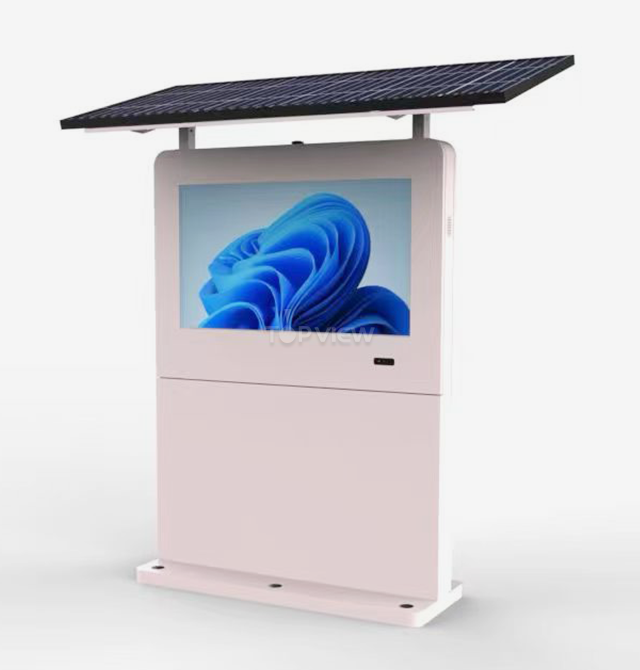 VIEW MORESolar Panel Outdoor Digital Signage
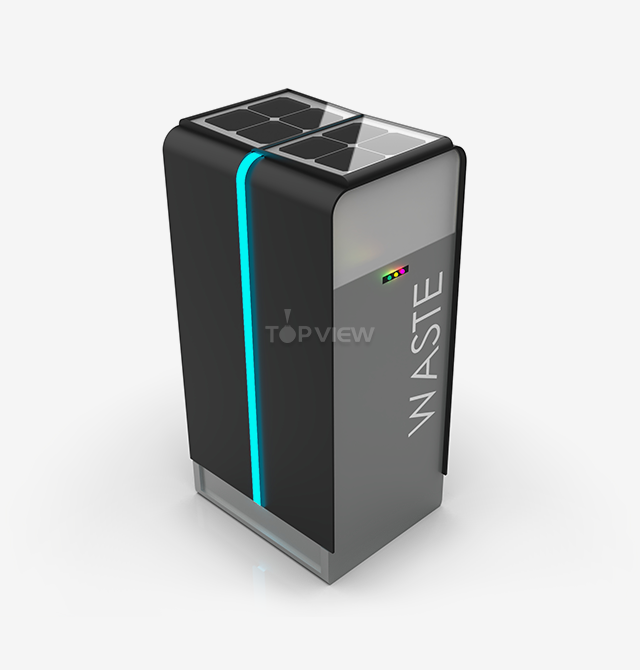 VIEW MORE100L compressible smart trash bin
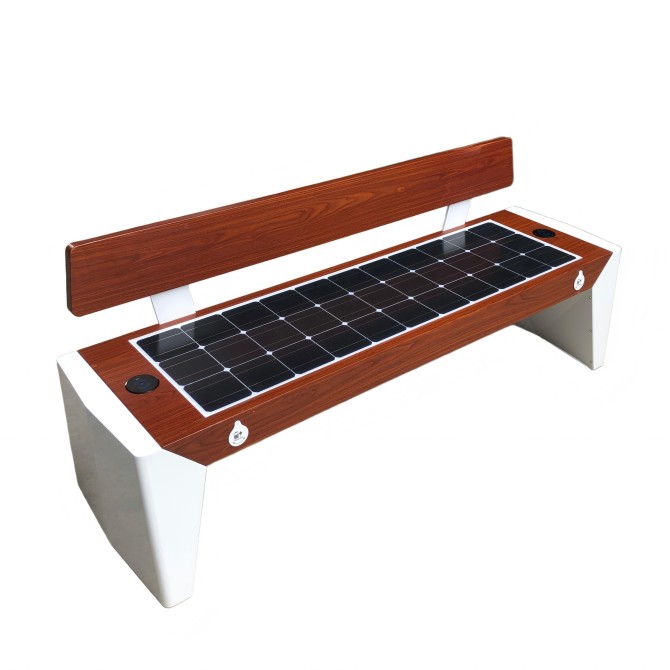 VIEW MOREair quality measuring solar smart bench
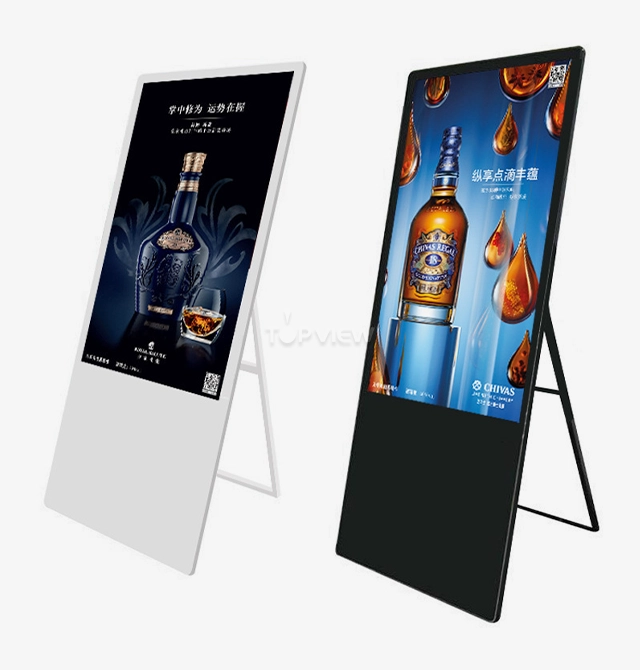 VIEW MOREDigital Poster Display
 VIEW MOREIntelligent IOT System Bright LED Light Pole
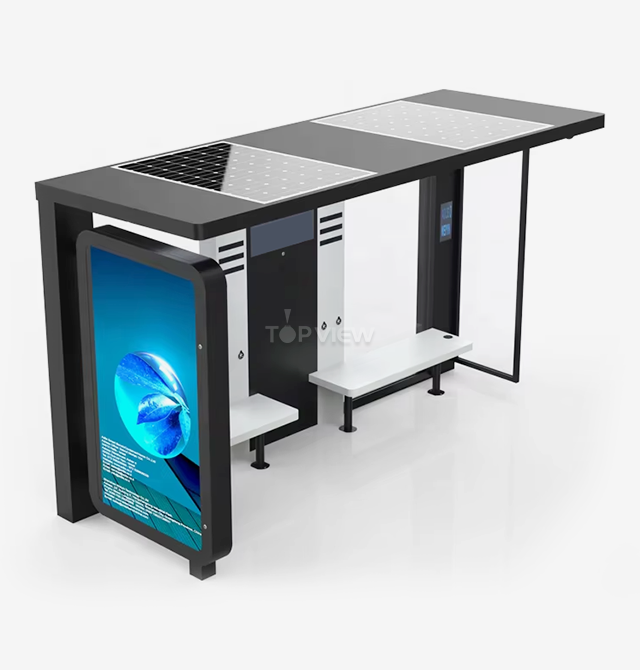 VIEW MOREFree Design Good Quality Solar Bus Shelter
 VIEW MORESingle Sided High Brightness Windows Facing Displays
 VIEW MORERound Circular LCD Display