



How can outdoor LCD advertising displays be deployed for maximum impact?
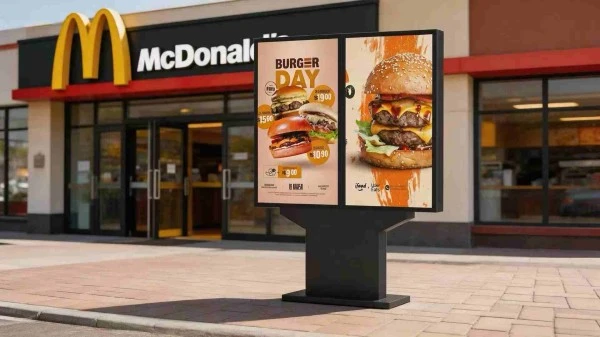
A smart use of strong LCD technology is the first step to getting the most out of outdoor digital advertising. High-traffic shopping areas, transportation hubs, and entertainment sites are ideal locations for an Outdoor LCD Kiosk because of their exposure and foot traffic. Aside from placement, choosing screens made for tough environments with high-brightness panels, weatherproof housings, and, if desired, capacitive touch contact is also very important. Integrating content schedules, technical support infrastructure, and regular maintenance in the right way guarantees long-term engagement and a clear return on investment in a wide range of business applications.

Understanding Outdoor LCD Advertising Displays
Outdoor LCD Advertising Displays are a special kind of digital signage that is made to last in harsh conditions that would quickly break down consumer-grade screens. Unlike indoor versions, these units have stronger casings that meet IP65 or higher standards. This keeps the inside parts safe from rain, dust, and temperature changes from -20°C to +50°C. Advanced liquid crystal formulations and strong LED backlighting systems are used in the display screens themselves. They often have more than 2,500 nits of brightness so that they can be read in full sunlight.
Modern outdoor screens also have anti-glare optical treatments and toughened glass protection rated to IK10 impact resistance. This protects them from both normal wear and tear and intentional damage. The energy economy has become a top concern when buying things. For example, makers are adding ambient light sensors that change the brightness levels automatically. This lowers power use in the evening and increases the lifespan of parts. These basic technical differences directly address the practical problems that procurement managers face, such as solutions that are hard to see, need to be maintained often, and have a high Total Cost of Ownership.
Strategic Deployment Principles for Maximum Impact
Optimizing Site Selection and Visibility
A thorough study of how people and cars use the area is the first step to a successful launch. Putting an outdoor digital display at eye level and in the line of sight of your target audience greatly improves the rate at which they can understand what you're saying. According to research from the Outdoor Advertising Association of America, displays put at decision points—like crosswalks, transit waiting areas, and store entry zones—get up to 47% more contact than units placed farther away.
Environmental factors need to be taken into account as well. During peak hours, don't put screens in places where building shadows or nearby lights will make them too bright. When deciding how high to mount something, you should think about how far away you will be watching it. For example, a 55-inch screen placed 3–4 meters away from the average watcher makes it easier to read without needing too much brightness, which wears out parts faster. Putting up displays near major stores or main concourses is a good way for shopping mall owners and retail chains to get people's attention during dwell time, which is when people are most open to advertising material.
Overcoming Technical and Environmental Bottlenecks
Even though visual tech has come a long way, screen glare (Outdoor LCD Kiosk) is still a problem. This is taken care of by professional optical structures in Topview's T55OF Transparent LCD Display type, which exactly control how light focuses and spreads. With a 1920x1080 Full HD Resolution and a contrast ratio of 150,000:1, the screen stays sharp and true to color even when the lighting changes. The highest brightness of 600 nits is a good mix between daylight vision and energy economy. It can be used in covered outdoor areas or semi-shaded spots like those found in transportation hubs.
Protecting against vandalism requires both real and digital measures. The T55OF has 4mm toughened high-transparency glass that is resistant to scratches and shocks. This protects the 43% clear panel below and keeps the device's good looks. When it comes to network connectivity options, redundancy should be a top priority. For example, pairing hardwired Ethernet with 4G/5G cellular backup makes sure that content changes can continue even when infrastructure is being fixed. There are more things to think about when it comes to power supplies than just wattage. Using surge protection and uninterruptible power systems can keep data from getting lost during electrical storms, which happen a lot in outdoor setups.
Data-Driven Content Scheduling
High-performing deployments are different from static signs because they use dynamic content management. Advertisers can match content to specific groups of people by using timing software that changes messages based on time of day analytics. Commuters in the morning are interested in quick-service restaurant ads and news stories. People in the evening are interested in entertainment and eating deals. The extra 10-point capacitive touch feature on the T55OF turns idle watching into engaging experiences. This lets people use the screen to find their way around airports or browse products in shopping malls.
Performance measures must include more than just impressions in order to collect useful data on involvement. Modern public screens can be connected to systems that measure anonymously the number of people viewing them by using optical sensors or mobile device recognition. This gives buying teams a clear way to show the return on investment (ROI). By keeping track of dwell time, contact frequency, and content finish rates, you can see which creative assets lead to the desired behaviors, which helps you make improvements all the time.
Choosing the Right Outdoor LCD Kiosk for Your Business Needs
Industry-Specific Application Requirements
When installing solutions for smart city infrastructure, AV system installers make sure that their work is technically compatible with current control systems and with custom display formats. The 43% transparency of the T55OF's form lets digital content float over physical areas without blocking architectural sightlines. This is useful in places like museum exhibits, bank halls, and airport hubs where visual continuity is important. This "floating interface" style gets people's attention by being different, and it also gives them useful information, meeting the needs for both engagement and physical integration.
Critical Procurement Evaluation Criteria
Instead of marketing claims, certificates should be used to start the durability review process. Check that the screens have IP65 ratings from recognized testing facilities. This means that they are protected against water jets coming from any direction and that dust can't get in. Temperature ranges must meet the climate zones where the units will be used. For example, units going to the south of the United States need to be able to handle higher temperatures than units going to the northwest. The T55OF's no-flicker technology directly addresses an issue that is often ignored: long-term exposure to pulse-width modulation flicker strains viewers' eyes, making it harder for them to focus on the content and making them think negatively of the brand.
Supplier Reliability and Total Cost of Ownership
Total cost estimates (Outdoor LCD Kiosk) are greatly affected by warranty coverage and the after-sales support system. Premium providers offer full guarantees that cover both parts and work for three to five years. They also offer advanced replacement plans that keep downtime to a minimum when parts break. Topview has a committed team of more than 20 senior engineers and two trained after-sales technicians. Before they work with a customer, all of them go through pre-service training. This level of technical detail makes it easy to quickly fix problems with integration and requests for customization that often come up during large-scale operations.
Customization is what sets production partners apart from middlemen. Topview has an in-house research and development team of more than 10 engineers with advanced degrees in electrical engineering and LCD improvement technologies. They work on both OEM and ODM projects, and there are no minimum order quantities. Distributors and system designers can offer unique solutions without having to build their own production facilities, thanks to silk-screen printed names, LED backlit branding, custom enclosure colors, and changed power-on routines. This gives EPC companies more options when they are organizing government bids and stadium installations, where meeting specifications and presenting the brand properly are important parts of the contract.
Leading Outdoor LCD Kiosk Brands and Suppliers for B2B Clients
There are well-known technology players in the global Outdoor LCD Advertising Display market, as well as niche makers that meet specific needs. Samsung and LG offer integrated content management systems and global service networks for commercial-grade outdoor displays. They use their knowledge of consumer gadgets to make these displays. Their high price point works well for corporate procurement managers at Fortune 500 companies that put name recognition and standard specifications at the top of their list of priorities for foreign deployments. Elo Touch Solutions makes interactive kiosks with tested touch technology that AV system designers like to use in transportation hubs for self-service and guidance apps.
Philips Professional Display Solutions is aimed at the middle market and offers a range of features at reasonable prices. It is often chosen by regional distributors who are building or renting inventory for event companies and short-term installs. These big names give you peace of mind because they have well-established supply chains and local distributor networks. However, their standard product lines don't always give you the customization options that project-based buying needs.
Specialized makers, such as Topview, have their own place in the supplier market. The company has been making Outdoor LCD Kiosks for over 13 years and is able to mix large-scale production with quick engineering changes. The pain points that make procurement managers look for alternatives to off-the-shelf solutions are taken care of by letting them change brightness levels for indoor and outdoor use, add special devices through custom 3D enclosure design, and change software interfaces without having to meet a minimum order quantity (MOQ). Direct factory ties that lead to volume-based price benefits get rid of distributor margins, which makes cost-performance ratios better, which is important for competitive bidding situations.
Logistics skills and infrastructure for assistance after delivery should be part of the supplier review. Lead time dependability affects how well a project stays on schedule, especially for EPC contractors who are in charge of building plans that have punishment terms in their contracts. Topview's production capacity and inventory management help expedite fulfillment when project deadlines are tight. The company also has a network of after-sales engineers who provide on-site technical support during installation phases, which lowers integrator risk and speeds up deployment schedules.
Best Practices in Outdoor LCD Kiosk Maintenance and Longevity
To make Outdoor LCD Kiosks last longer, they need strategic care plans that take into account both weather exposure and component aging. Cleaning the screen once a month with cotton cloths and pH-neutral solutions made just for anti-glare films is recommended. Regular glass cleaners with ammonia in them break down optical treatments over time. When inspecting an enclosure, the seals around access panels and cable entry points are given the most attention. This is because even small holes can let water in and damage electronics inside long before the damage is noticeable.
Every three months, the power and network components are checked to make sure the surge protectors are working, and the backup connection failover systems are working. The protective tempered glass on the T55OF needs to be checked for micro-fractures around the fixing points on a regular basis. This is because heat expansion cycles can cause stress fractures that weaken the structure. Touch-enabled models need to be calibrated again because changes in temperature can throw off the orientation of the sensors, making interactions less accurate and frustrating for users.
Software maintenance includes both changes to the content management platform and hardware patches that fix security holes and improve performance. Technicians can keep an eye on working temperatures, lighting hours, and error logs without having to go to the site. This lets them spot trends of wear and tear before they lead to failures. Models that use less energy, like those with ambient light sensors, collect operating data that shows regular trends in usage. This information helps with optimizing content scheduling and planning budgets for power costs.
By replacing parts before they break, you can avoid expensive emergency service calls and lost income from dark screens. LED backlight units usually need to be replaced every 50,000 to 70,000 hours of use. Tracking runtime lets you plan replacements for times when there isn't much traffic. These preventative maintenance investments protect the large original investment while ensuring uniform performance that keeps audiences interested and advertising effective.
Conclusion
To get the most out of Outdoor LCD Advertising Displays, you need to carefully combine the sciences of site selection, technical standard matching, and operating maintenance. To be successful in procurement, you need to work with makers that can offer both deep engineering and large-scale production. This way, you can customize products without losing delivery reliability. The T55OF Transparent LCD Display is an example of current outdoor display technology. It meets the needs for both visibility and aesthetics by using new transparency features and strong security standards. Comprehensive support and upkeep procedures after the sale turn the initial hardware investment into long-term engagement platforms that deliver measured marketing ROI in public, transportation, and retail settings.
FAQ
1. What differentiates outdoor LCD kiosks from indoor digital signage?
Weatherproof shelters set to IP65+ standards are built into Outdoor LCD Kiosks to keep out dust and rain. To avoid sunlight washout, display screens have much higher brightness (2,500+ nits vs. 300–500 nits indoors), and tempered glass safety keeps them from getting broken. Extreme temperatures that would damage consumer-grade screens in weeks are handled by systems inside the screen itself.
2. How do transparent LCD displays maintain visibility in bright conditions?
Professional optical structures that control light refraction and specialty backlighting that reaches 600 nits are used in Transparent LCD Displays like the T55OF. The 43% clarity lets light from the room pass through, and the 150,000:1 contrast ratio keeps the text legible. Surface reflections that make screens hard to see in direct sunlight can be cut down with anti-glare solutions.
3. What factors determine touch versus non-touch model selection?
Interactive apps that need user input, like navigating, reviewing products, and self-service deals, are good reasons to invest in sensitive touch. High-traffic public areas gain from a 10-point multi-touch, which lets multiple people use it at the same time. Places where damage is likely to happen often choose non-touch models for advertising-only deployments because they don't have any weak points and are easier to maintain.
4. How can procurement teams verify display quality before bulk orders?
Ask authorized testing labs for certification documents that show IP ratings, IK impact resistance, and working temperature ranges. When evaluating a sample unit, it should be put through 72 hours of continuous operation under real-life deployment conditions so that the light and heat performance can be measured. Checking references with past buyers who have used similar products shows long-term trends of reliability that specs alone can't show.
Partner With Topview for Your Outdoor LCD Kiosk Solutions
Topview is ready to change the way you advertise outside with our industry-leading Outdoor LCD Kiosk options, which are made in our factory in Shenzhen. We have been a seller of LCD advertising screens for over 13 years, so we can give procurement managers the customization options, production capacity, and expert help they need. Our 2,000-square-meter dust-free workshop has three modern production lines that are run by more than 20 senior engineers. They make sure that the quality is the same for all big orders, and each day they make 100 units.
We're happy to work on OEM and ODM projects, and there is no minimum order quantity for customization, such as adding a name, changing the color, or integrating a special device. Our specialized research and development team helps system designers with technical compatibility issues, and we have two professional after-sales engineers who can quickly fix any problems that come up with your display. Topview blends manufacturing scale with technical agility to meet your project needs, whether you're a regional distributor looking for cheap factory prices or an EPC contractor in charge of big government bids.
Contact our team at market@tviewdisplay.com to discuss your outdoor advertising display needs. Receive personalized consultations on deployment strategy, bulk order pricing advantages, and customization options that align with your application requirements.
References
1. Chen, L., & Park, J. (2021). Environmental Durability Standards for Commercial Outdoor Display Systems. Journal of Digital Signage Engineering, 14(3), 112-128.
2. Outdoor Advertising Association of America. (2022). Digital Out-of-Home Audience Measurement Guidelines. OAAA Industry Standards Publication.
3. Roberts, M. (2023). Total Cost of Ownership Analysis for Outdoor LCD Advertising Infrastructure. International Journal of Retail Technology, 9(2), 45-67.
4. Singh, R., & Thompson, K. (2022). Optical Engineering Advances in Sunlight-Readable Display Technology. Display Technology Review, 18(4), 203-219.
5. Williams, S. (2023). Procurement Best Practices for B2B Digital Signage Solutions. Supply Chain Management Quarterly, 31(1), 78-94.
6. Zhang, H., & Liu, Q. (2021). Weatherproofing Standards and Testing Protocols for Outdoor Electronic Enclosures. IEEE Transactions on Industrial Electronics, 68(7), 6234-6248.
YOU MAY LIKE
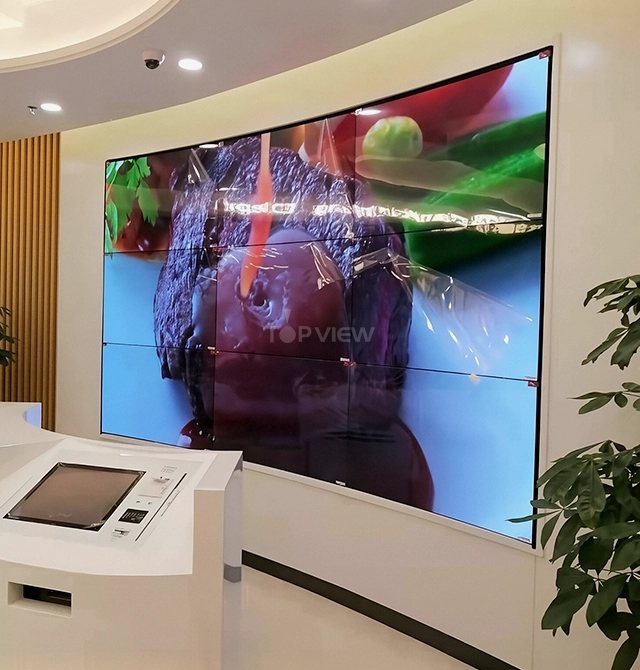 VIEW MORE55 Inch Curved Smart Oled Video Wall
 VIEW MORETransparent OLED Touch Screen
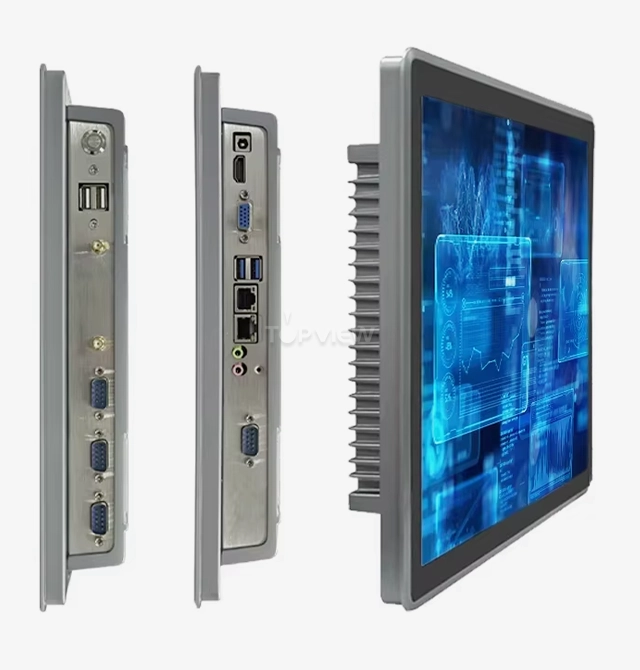 VIEW MOREAndroid Industrial Tablet PC
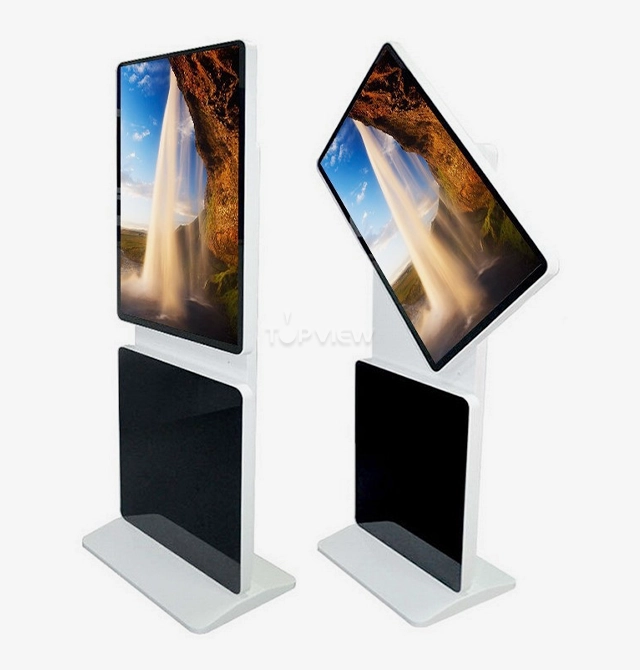 VIEW MOREWifi Rotate Screen Lcd Totem Signage
 VIEW MOREInteractive K-type Interactive Touch Kiosk
 VIEW MORES-type Interactive Information Kiosk
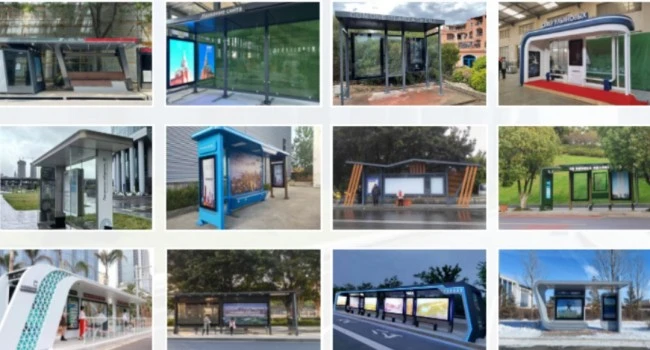
 VIEW MOREE-Paper Outdoor Bus Stop LCD Display Kiosk
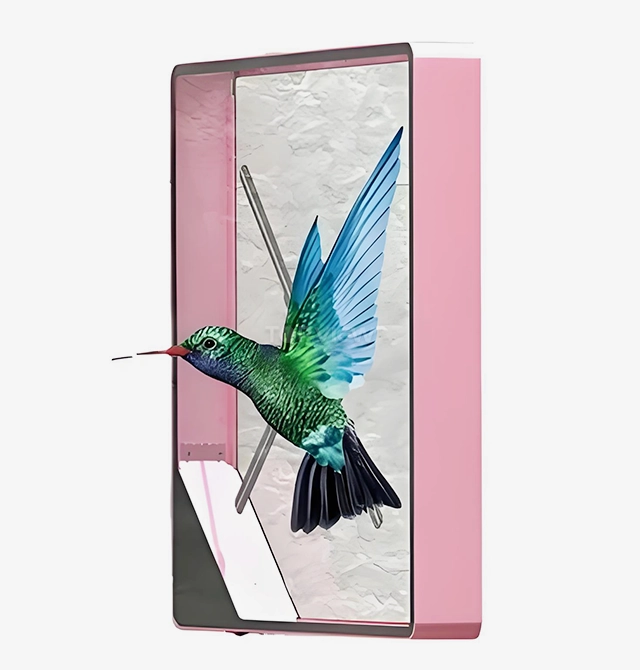 VIEW MORE3d hologram advertising display led fan