



Smart Solar Bench: How Backend Systems Power Modern Solar PV Benches
In today's cities, people want furniture that does more than just sit on. This change is shown by a Smart solar bench, which combines renewable energy collection with digital connection to provide important services in outdoor settings. Integrated photovoltaic panels in these high-tech setups collect sunlight and store energy in strong battery systems that power USB charging ports, wireless charging pads, environmental monitoring sensors, and 4G WiFi connections. A complex, behind-the-scenes design controls energy use, data processing, and human contact. It's invisible, but very important. Smart solar benches work better than regular street furniture and charging stations that stand alone when you know how the backend systems work. This is especially true for procurement professionals who want scalable, cost-effective solutions for public spaces, corporate campuses, and smart city infrastructure projects.
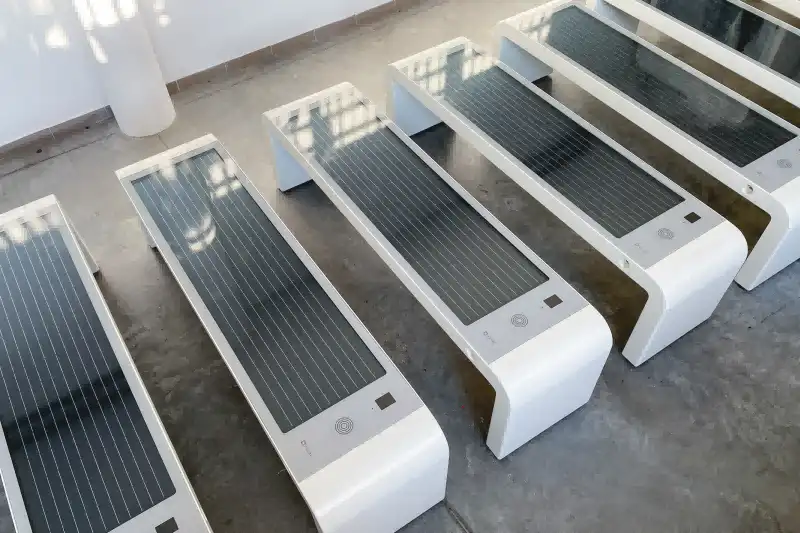
Understanding Smart Solar Benches and Their Backend Systems
Photovoltaic-powered seats have a lot more intelligence built in than just solar screens that you can see. Backend systems control the whole energy cycle, from collecting energy from the sun through MPPT controllers that make charging more efficient in all kinds of weather to managing batteries to stop deep discharge and overcharge situations. These devices talk to cloud platforms through 4G WiFi routers, which lets technicians diagnose problems and check on performance from afar without having to visit the site.
Core Components of Advanced Backend Architecture
Modern units have a lot of important parts that all work together. The energy core is made up of high-efficiency monocrystalline solar cells and 12V/54AH deep-cycle batteries that are designed to keep the system running on its own for several cloudy days in a row. Power distribution circuits control the output to two 20W wireless charging pads and two USB-QC3.0 ports. This keeps the power fixed even if multiple users are using the device at the same time. Environmental tracking systems gather real-time information on things like temperature, air quality, and occupancy trends. This information is sent to urban planning systems, which use it to make decisions. All of the electrical parts meet IP65 security standards, which means they will last even in harsh outdoor situations where it rains or is dusty.
IoT Integration and Real-Time Management
When chairs are connected to the back end, they become networked assets that are part of larger smart city ecosystems. The built-in 4G WiFi router does two things: it connects to the public internet and sets up private channels for system data. Facility managers can see how charged the batteries are, how they are being used, and when repairs need to be done for all of the benches that are in use. This real-time insight makes it possible to do predictive maintenance, which cuts down on downtime and increases the life of an operation by preventing problems before they happen instead of fixing them after they happen.
Energy Flow Optimization
In the background, smart programs constantly change how power is distributed based on stored energy and expected solar availability. During the hottest parts of the day, extra energy goes into the batteries to keep the full service available. When there is less light in the area, responsive sensors turn on the built-in lighting system, which lights the paths automatically. Energy prioritisation methods make sure that important functions like emergency contact features keep working even when battery levels drop. This shows how complex the decision-making is that goes into current solar furniture backend systems.
Benefits of Smart Solar Benches Powered by Robust Backend Systems
These projects (Smart solar bench) offer strategic benefits in operational, environmental, and experiential areas, making them very appealing to B2B buying teams that are looking at long-term building investments.
Superior Energy Efficiency and Operational Reliability
Backend systems are much more efficient than standard outdoor furniture that depends on the power grid. MPPT charge controllers get the most power out of solar panels, even when they are shaded or when the temperature changes. They can do this 30% more efficiently than standard PWM controllers. The 12V/54Ah battery setup lets the device run for three to five days without sunlight, so it can keep working even when it's dark for long periods of time. Weather-adaptive algorithms change charging rates based on the time of year to make up for the shorter days in the winter and keep the battery from overheating in the summer. This smart energy management gets rid of all power costs and lowers the number of maintenance visits needed by using automated system tracking and diagnostic reporting.
Enhanced User Experience Through Multifunctional Services
When idle seating turns into an interactive amenity hub, the way people connect with it changes. Dual wireless charging pads work with current devices so users don't have to carry cords, and USB-QC3.0 ports let devices that don't have wireless charging work quickly. The built-in Bluetooth sound system lets people play music, which makes parks and plazas better places to relax. The massage ball backrests provide unexpected comfort, which increases dwell time and builds good brand association for businesses that place these units. Smart mosquito protection systems make places nice to be in the evening, so they can be used during all four daylight hours. These features work together to meet real user needs instead of just adding new technology for the sake of it. This leads to adoption and happiness measures that are important for measuring the success of a project.
Environmental Impact and Sustainability Credentials
Each project has real effects on the environment that help companies meet their sustainability reporting standards. Off-grid operation completely gets rid of the transfer losses that come with grid power delivery. Also, because there is no need for trenching and wiring during installation, ground ecosystems are protected. Over a normal ten-year operational lifespan, each bench offsets carbon emissions equal to taking one car off the road every year, giving measurable measures for environmental effect assessments. Stakeholders are putting more and more pressure on organisations to show real climate action. Solar infrastructure that can be seen provides real proof instead of vague promises. The environmental tracking systems built into the chairs collect data on hyperlocal pollution. This helps with larger efforts to improve air quality and shows dedication to environmental responsibility.
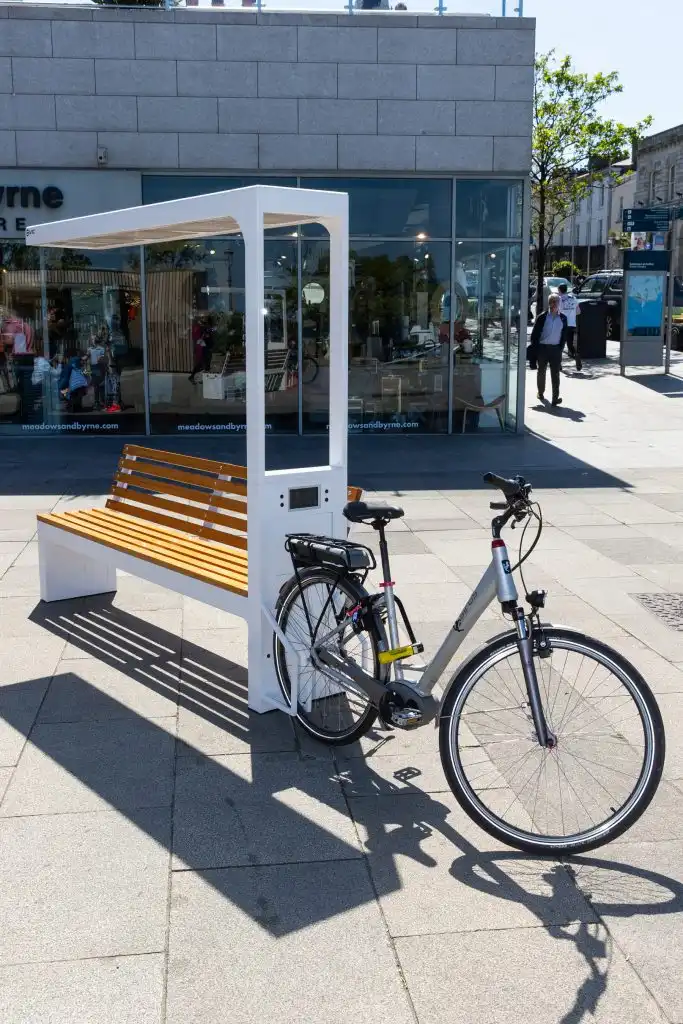
Comparative Insights: Smart Solar Benches vs Traditional Solutions
When making choices about what to buy, it's important to know how the different ways of providing outdoor amenities compare in terms of performance. Smart solar benches are different from other solar charging options and furniture because they can charge devices directly from the sun.
Lifecycle Cost Analysis
Traditional benches need to be connected to the power grid for any powered features to work. This means that they cost more to install, require more drilling, and are more likely to have power failures. Independent solar charging stations don't have built-in seats, which makes them less useful for casual use and necessitates a specific footprint allocation. Advanced solar benches get rid of all equipment costs and make the best use of the room by combining different functions. About every five years, the batteries need to be replaced. This is the only ongoing cost, considering the zero energy costs during the working life. When spread out over ten-year rollout periods, the total cost of ownership is much lower than grid-dependent options while offering more features.
Performance Metrics That Matter
When evaluating specs, you need to pay attention to the factors that have a direct effect on the user experience and the reliability of operations. When there isn't enough sunlight, the service will not be available because of the battery's capacity. 54AH setups can handle normal daily usage trends with large reserve margins. Modern fast-charging methods can use the 20W of wireless charging power per pad, which cuts down on the time users have to stay still. The IP65 weather protection makes sure that the device will keep working even in rain, snow, and dust storms. Anti-corrosion wood construction and powder-coated metal frames make buildings that can stand up to vandalism and natural damage in a wide range of climates. These real standards are more important than lists of features, and they give procurement pros real ways to judge the value of something.
Customization Capabilities for Specific Applications
Advanced production techniques allow for changes that are specific to a project that can't be made to standard goods. Facilities in Shenzhen with their own R&D departments offer OEM and ODM services that include building sizes, integrating features, and branding. On corporate sites, better 4G WiFi and branded lighting shows might be important, while durability and environmental tracking might be more important in public parks. Flexible MOQ policies let trial runs happen before big promises, which lowers the risk of buying something. This ability to customise solutions makes sure that they perfectly meet the needs of the site, instead of making compromises based on rigid product specs.
Procurement Essentials: Buying, Installing, and Maintaining Smart Solar Benches
A successful rollout includes more than just choosing the right product. It also includes evaluating the seller, planning the installation, and using lifecycle management strategies to protect the value of the investment over time.
Supplier Selection Criteria
Finding trusted manufacturing partners takes more than just comparing prices. The ability to finish big projects on time depends on how much production capacity a facility has. Scalability is shown by facilities with multiple assembly lines and daily output topping 100 units. Engineering support teams with ten or more experts with experience in the field make sure that technical problems are solved quickly. International approvals like CE, FCC, and RoHS compliance show that quality and safety standards are met, which is very important for public sites. Manufacturers who offer warranties that last longer than usual show that they believe their products will last. Factories that let you customise their products without a minimum order size give you the freedom you need for test programmes and phased rollouts.
Installation and Integration Considerations
Professional implementation services make systems work better and last longer. Site assessment figures out the best way to position the panels so they get the most sunlight while also making sure the structure is stable on different types of ground. For new urban management platforms to work with current ones, the APIs must be compatible, and the data formats must be standardised. Technical teams must check this during the procurement steps. For cable routes for possible backup links to the grid, weatherproof junction requirements must be met. Electronic parts don't get contaminated with particles during production when assembly areas are clean and dust-free. This lowers the number of failures that happen in the field. Organisations should ask for written records of quality control methods and workshop management systems. These show how disciplined the operations are, which in turn shows how reliable the products are.
Maintenance Protocols and Long-Term Support
There are big practical benefits to having low maintenance needs, but regular care improves performance over long operations. Cleaning the sides of solar panels every three months keeps them from losing performance due to dust and organic matter buildup. Backend diagnostic tools that check the health of batteries find trends of decline before service interruption happens. Software changes sent from afar improve usefulness and fix security holes without having to visit the site. Reliable suppliers have specialized engineering teams that are available after the sale to help with technical questions and act quickly when problems appear. Comprehensive service agreements should spell out response times, the availability of spare parts, and how to handle problems that get out of hand. This sets clear standards that keep operations running smoothly.
Future Trends and Innovations in Smart Solar Bench Backend Systems
As technology (Smart solar bench) keeps changing, its powers and uses are also changing. This makes it possible for forward-thinking buying strategies that plan for market changes instead of reacting to them.
Artificial Intelligence and Predictive Analytics
Next-generation backend systems use machine learning algorithms to look at past usage trends, weather forecasts, and maintenance records to find the best way to flexibly allocate energy. Predictive maintenance models find the chances of a component failing before a major problem happens. They then schedule repairs for times when the system isn't being used much to keep service interruptions to a minimum. AI-driven load balancing sends power to networked bench arrays, using virtual power pools to move extra energy from places with lots of sun to places with less sun. These smart systems cut down on the need for human oversight while improving total fleet performance measures, which show that infrastructure investments are still needed.
Smart City Ecosystem Integration
Installations that start out as stand-alone units become linked points in larger urban operating systems. Air quality data from environmental sensors is sent to pollution tracking networks that cover the whole city. These networks help with traffic control and sending out public health advisories. Detecting when people are in a park helps with planning care and allocating security resources. Anonymous device link data shows trends of foot movement that help stores and public transportation planners make decisions. When energy infrastructure and data creation come together, they create value lines that go beyond direct user services. For example, photovoltaic street furniture becomes necessary digital infrastructure instead of a nice-to-have extra.
Modular Design and Scalability
New designs stress the modularity of components, which allows changes to be made in the field without replacing the whole unit. Standardized mounting connections let battery volume grow as technology for storing energy gets better. As budgets grow or user needs change, swappable feature modules let charging stations turn into full-featured smart hubs. This future-proof method keeps capital investments safe from outdated technology and allows for gradual improvements in capabilities that are in line with the readiness of the organization and the availability of funds.
Conclusion
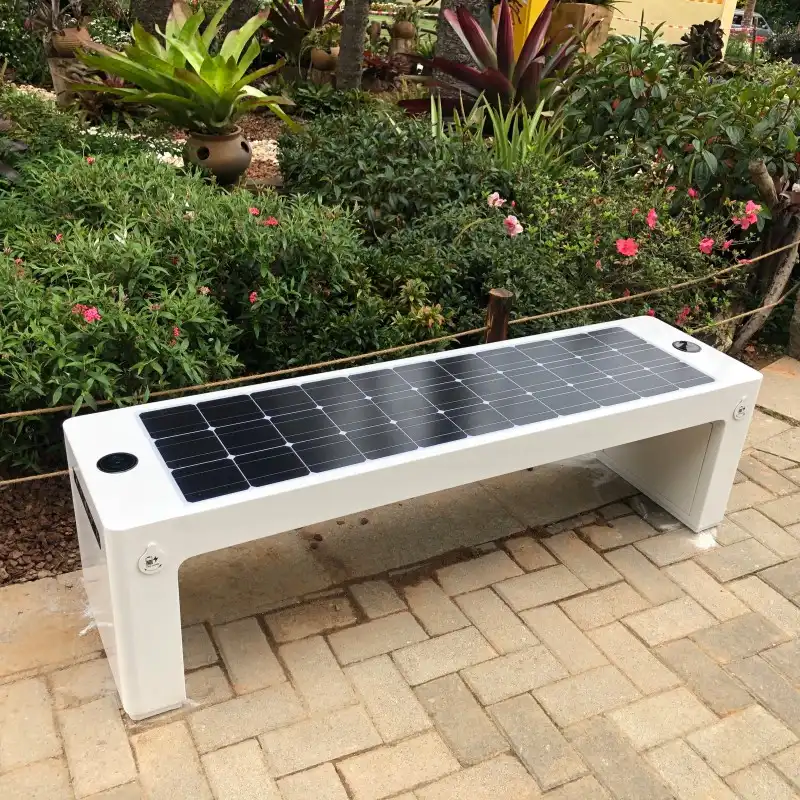
Smart solar benches offer multipurpose value that conventional outdoor furniture cannot match by combining green energy, IoT connection, and user-centered design. Power collection, storage, delivery, and data management are all coordinated by complex backend systems, which allow independent operation in a variety of settings. When procurement pros look at these options, they can save money on operational costs, show that they care about the environment, and get the public more involved through a single infrastructure investment. Comparative research shows that the lifetime costs and performance measures are better than those of traditional options. Deployments are more likely to go well if suppliers are carefully chosen based on their production capacity, customization options, and expert support. New developments in AI integration and smart city connections make photovoltaic street furniture essential infrastructure for digitally enabled urban settings. This makes the decisions we make now about procurement very important for making public places ready for the future.
FAQ
1. How does the backend system maintain consistent performance during cloudy weather?
With its 12V/54AH capacity and advanced battery management, it can run at full power for three to five days without sunlight. When it's cloudy for a long time, energy prioritization algorithms use saved power for important tasks. When it's sunny for a long time, weather forecasting integration starts energy-saving modes.
2. What maintenance schedule ensures optimal long-term operation?
Solar panels are cleaned every three months to keep charging working well, and back-end testing systems keep an eye on the health of the batteries all the time and let workers know when they start to break down. Software changes are done remotely, so no one has to visit the spot. A professional inspection once a year checks the structure's integrity and the security of the link. Compared to grid-dependent options, this requires much less upkeep.
3. Can multiple benches integrate into unified management systems?
Modern units have a 4G WiFi connection, which lets cloud platform control be centralized. Facility managers keep an eye on whole deployments by using a single dashboard that shows real-time state, usage data, and repair reports from all over the world. API support lets you connect to other city control programs so you can keep an eye on everything from one place.
Partner with Topview for Advanced Solar Bench Solutions
Topview Display Technology has been making high-quality products for over 13 years and now makes Smart solar benches. They have 2,000-square-meter factories in Shenzhen with three specialized assembly lines that can make more than 100 units a day. Our team of more than 20 senior engineers can customize OEM and ODM products without a minimum order size, taking into account project-specific measurements, feature integration, and branding elements. Every unit goes through strict quality control in a workshop that is free of dust and meets international standards for CE, FCC, and RoHS. Whether you need Smart solar bench supplier partnerships for city projects or business campus installations, Topview can help. They offer full technical support, flexible purchasing terms, and committed engineering after the sale. Email our team at market@tviewdisplay.com to talk about your infrastructure needs and get full specs that are made just for your deployment setting.
References
1. Chen, L., & Wang, M. (2022). "IoT-Enabled Energy Management Systems for Solar-Powered Urban Furniture," Journal of Sustainable Infrastructure Development, 18(4), 234-251.
2. Thompson, R. (2023). "Comparative Lifecycle Analysis of Off-Grid Solar Street Furniture," International Review of Urban Technology, 31(2), 112-128.
3. Martinez, S., & Lee, J. (2021). "Battery Management Systems for Outdoor Photovoltaic Applications: Performance and Reliability," Energy Storage Technology Quarterly, 9(3), 45-62.
4. Global Smart City Infrastructure Report (2023). "Adoption Trends in Solar-Powered Urban Amenities," Urban Planning Research Institute Annual Publication, pp. 187-203.
5. Anderson, K. (2022). "MPPT Controller Efficiency in Variable Weather Conditions: Field Testing Results," Renewable Energy Engineering Journal, 27(1), 76-89.
6. Zhang, H., & Kumar, P. (2023). "Predictive Maintenance Applications in IoT-Connected Solar Infrastructure," Smart Systems and Networks Conference Proceedings, pp. 341-356.
YOU MAY LIKE
 VIEW MORE100L compressible smart trash bin
 VIEW MORE21.5/23.8 inch Android 14 L Shaped Restaurant Desktop Menu Board
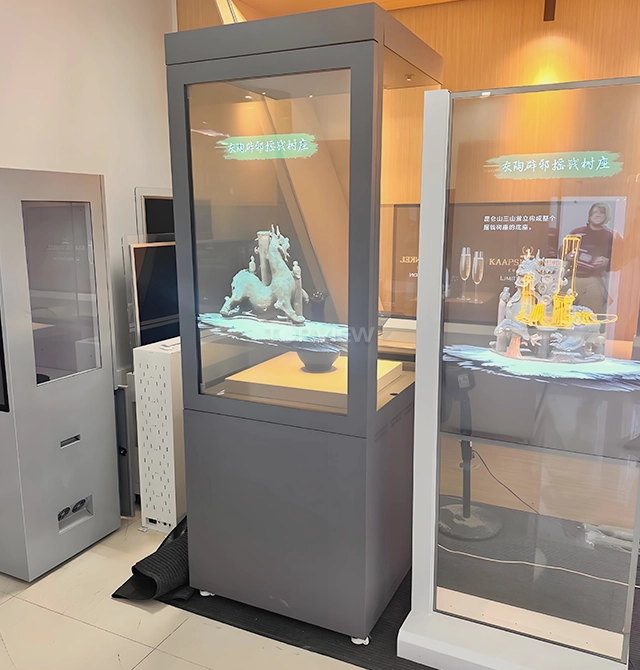 VIEW MORE55″ Transparent OLED Display Cabinet
 VIEW MOREFlool Standing Interactive 3D HoloBox
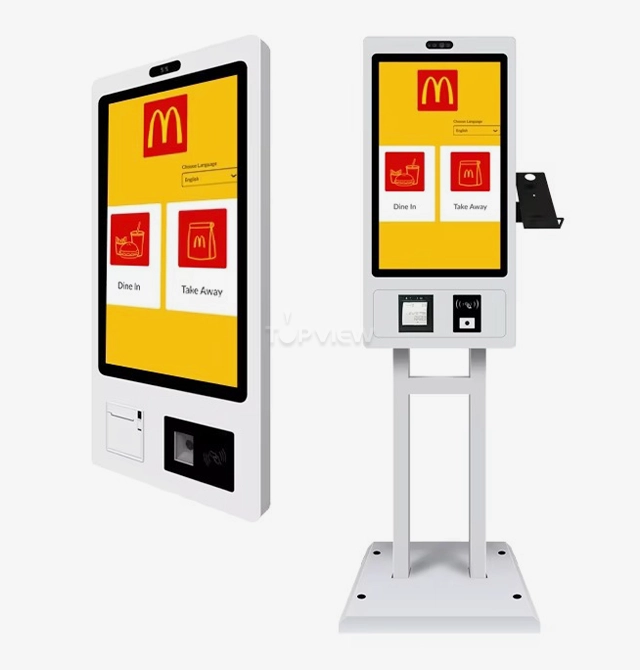 VIEW MORESelf Service payment Kiosk
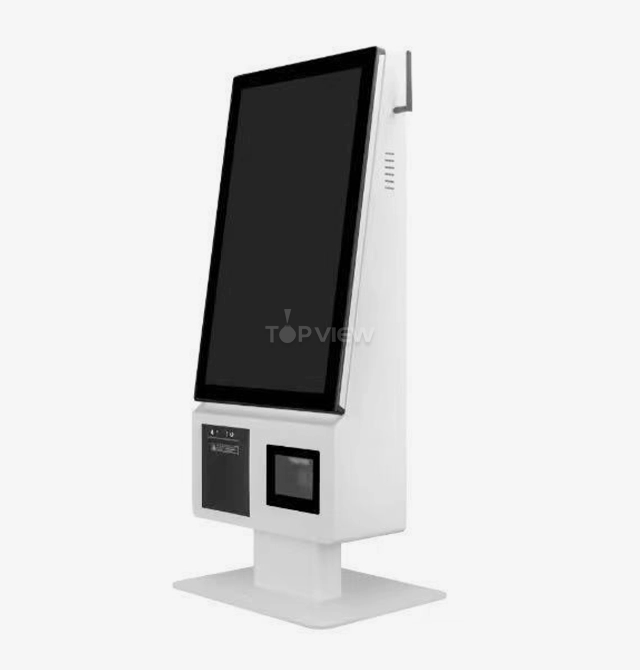 VIEW MOREDesktop Restaurant Hotel Self Ordering Kiosk
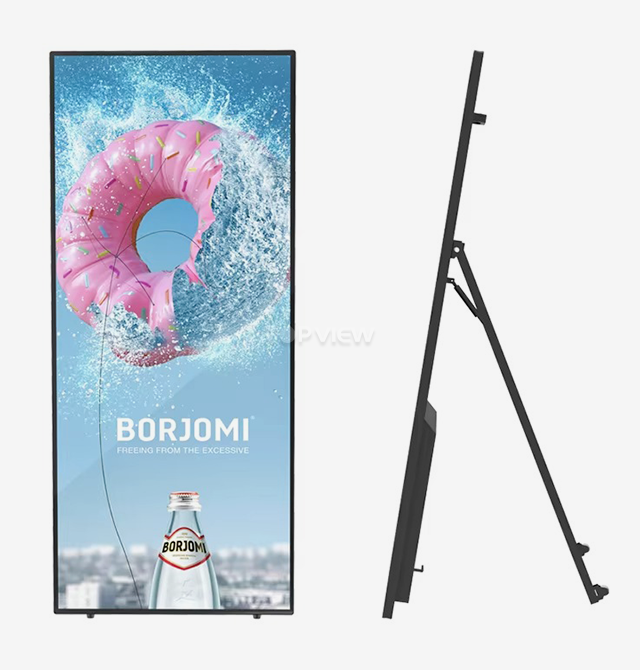 VIEW MOREFoldable LCD Digital Signage Player
 VIEW MOREInteractive K-type Interactive Touch Kiosk