



What are the Unique Uses and Functions of Transparent OLED Screens?
Self-emissive organic light-emitting diodes are built onto a clear base to make transparent OLED screens, which are a big step forward in visual technology. This design lets pixels give off light on their own, making images that are bright and clear with lots of contrast. These screens are much clearer, use less energy, and look more modern than standard LCDs that have bulky backlights. Transparent OLED Displays work great in places that need to do more than one thing, like the windows of high-end stores or interactive command centers, where combining digital information with the real world is important for creating an engaging experience for users and modern business design.
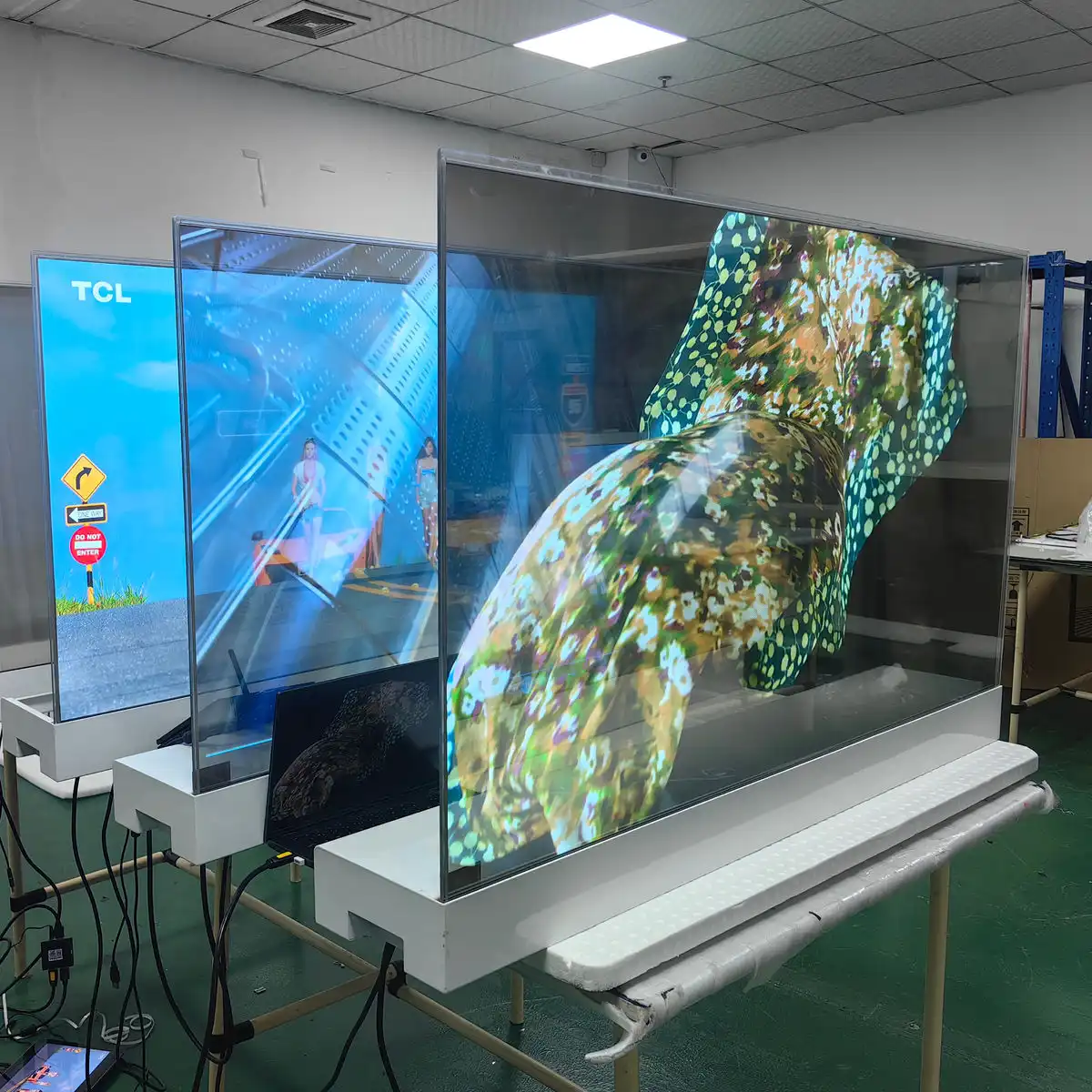
Understanding Transparent OLED Screen Technology
Self-luminous pixel dimming is used in Transparent OLED Displays technology to make sure that each pixel works on its own to produce perfect picture quality without the "halo" effect that is common in older display technologies. By getting rid of the lighting unit, makers are able to make the screens very thin, which lets a lot of light through. This makes the colors look better, with a wide color range that goes up to 108%. This is better than regular display screens in terms of both brightness and visual depth.
When you compare these Transparent Displays screens to others like Transparent LCD or LED, the main difference is in contrast and how well the structures fit together. An additional backlight is needed for transparent LCDs, which often causes a "gray haze" and a lot of depth. On the other hand, Transparent OLED Displays have contrast ratios that never end, so dark parts of the picture look completely clear. MicroLED is very bright, but it's hard to make a lot of them at a low cost and with good resolution for big industrial screens right now. For procurement managers, these technical details decide how long a project will last and how it looks. This is because OLED is self-emissive, which means it works the same way in all kinds of settings.
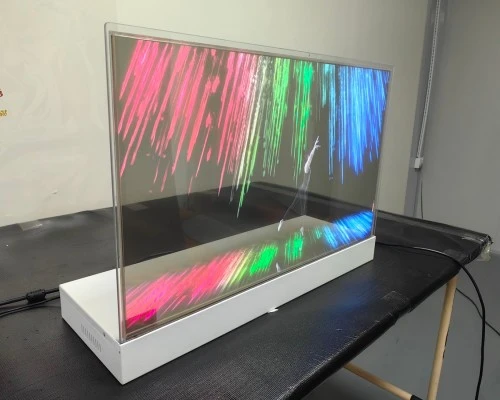
Unique Functional Applications of Transparent OLED Screens in B2B Markets
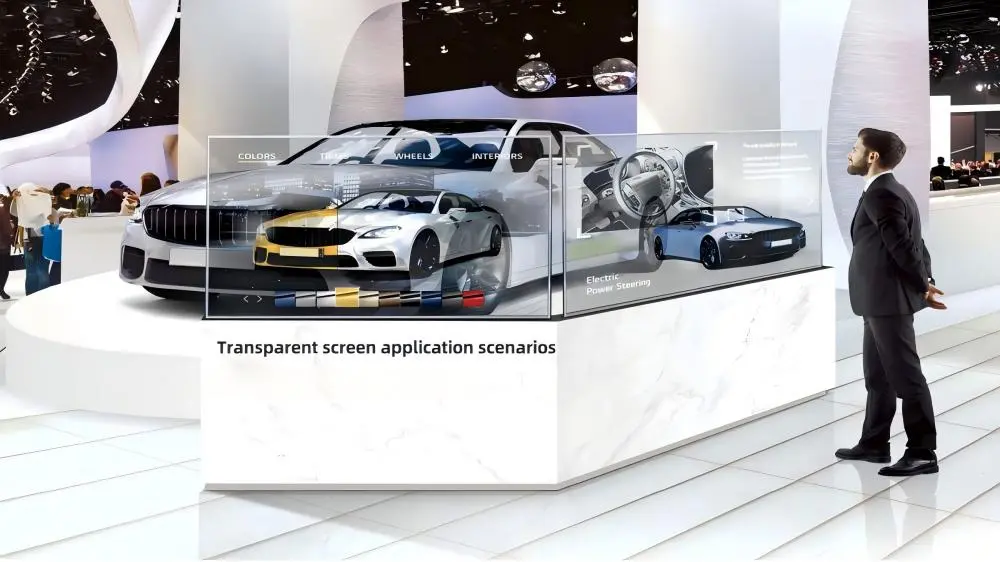
Transparent OLED Displays have unique uses in business-to-business markets. This technology is so flexible that it can be used in places other than standard digital signs. It can be found in shopping displays and safety interfaces in factories. Businesses can make strong interactive experiences that keep people interested and improve operating efficiency by combining digital material with real-world events.
Sector-Specific Deployments
- Retail and Advertising Innovation: 45% openness lets natural light pass through, making digital material look like it's flying in the air. This makes a virtual reality effect in shop windows or product display cases without the need for wearable tech. When customers interact with dynamic product information while still being able to see the real goods behind the display, retailers say that customers stay on the page longer and make more purchases.
- Industrial and Smart Building Integration: These screens show real-time information on top of machines or glass walls in control areas and factories. Through a "heads-up" interface that uses capacitive touch and high-transparency panels, workers can keep an eye on important system data. This design makes things safer and easier to understand because workers can see what's happening physically while also seeing important digital messages. In this way, normal safety walls are turned into smart management tools.
These unique benefits solve common problems in retail and industry by improving the look of the space while giving important information. When these kinds of solutions are used, they turn static places into lively, interactive hubs that grab users' attention and make it easier to see how work is being done in busy business settings.
Key Performance Metrics and Challenges in Transparent OLED Procurement
To properly evaluate Transparent OLED Displays, one must carefully read through their technical specifications to make sure that the hardware meets the needs of the project's long-term requirements. Systems designers and procurement heads need to know about things like thermal stability, pixel reaction times, and safety measures.
Essential Procurement Considerations
- Durability and Protection: The T30OF 1.32" type and similar professional-grade panels usually have 4mm tempered glass, which protects against scratches on the surface and makes the shield impossible to break. This function is especially important in public places like airports and transit hubs, where a lot of people walk by and could damage something by mistake. Adding these kinds of safety features lowers the total cost of ownership by making upkeep less frequent and increasing user safety.
- Visual Fidelity and Interaction: High-end units have an ultra-wide viewing angle of 178°, which means that pictures don't get warped from any angle. When combined with smooth, sensitive touch response, these screens make it easy to connect with them. The borderless 3D display design makes it possible to tile large-format video walls without any gaps. This is very important for EPC contractors who need to show big, impactful images in government projects or convention centers without having to deal with heavy, annoying borders.
As long as buyers pay attention to these measures, they can avoid problems like low quality or old hardware. Project managers can make sure that the equipment will meet the performance standards needed for long-term business deployments by asking providers for specific reports on color gamut, transparency rates, and touch-layer noise immunity.
Selecting the Right Transparent OLED Display Supplier and Brand
In this niche business, picking a partner for Transparent OLED Displays is more complicated than just picking a name. You also have to check out the manufacturer's research and development (R&D) skills and their ability to work with customization. For example, Topview has a special center in Shenzhen that works on the area where display tech and hardware integration meet.
When looking for possible partners, you should look for companies that offer a lot of customization options. This could mean anything from custom 3D structures inside kiosks to software features that allow plug-and-play functions. Topview is an example of a source with 13 years of specialized knowledge that can give integrators the technical paperwork and installation help they need to be successful. Being able to provide OEM/ODM services, such as name silk screening or LED backlight marking, makes sure that the finished product matches the client's brand while still being well-made.
Future Trends and Innovations in Transparent OLED Displays
Artificial intelligence (AI) and the Internet of Things (IoT) are becoming more and more integrated in the business world. Soon, these technologies will make it possible for Transparent OLED Displays to instantly change the brightness and content of a screen based on real-time data when the user moves closer or the surroundings change.
Discoveries in the science of materials should make 30inch Portrait T-OLED Touch Kiosk screens even clearer and last longer. As supply chains get better, we expect more shape options, like clear panels that are bendable and foldable, which will make them more useful in places like car displays and curved architecture installations. Early users and global buying teams will need to stay up to date on these important breakthroughs to stay ahead of the competition when planning and implementing projects.
Conclusion
Transparent OLED Displays technology is a high-tech, flexible way to show information in modern businesses and factories. Because they can combine digital information with real-world objects, these screens make settings that are more interesting and powerful than those made with regular displays. Global procurement managers and AV installers are still trying to find trusted manufacturing partners who can deliver high-quality, customizable hardware that can handle the wear and tear of business use. The technology will play a bigger part in shopping, infrastructure, and business interactions as it keeps getting better. By buying this technology now, you can be sure that your projects will always be on the cutting edge of digital innovation and visual greatness.
FAQ
Q1: What is the expected lifespan of these displays?
These screens are designed to be used professionally and commercially, and they can usually handle long daily working hours. They keep the colors looking great over time by using advanced pixel-dimming algorithms and high-quality organic materials, as long as they are used within the suggested temperature range.
Q2: Can these screens be integrated with my existing CMS?
Of course, these screens can be connected in several ways, such as via Plug & Play, Android, or a PC. This flexibility makes sure that it works well with the most common content management systems used in businesses and stores.
Q3: How do they differ from Transparent LCDs?
The main difference is that Transparent OLED Display cells don't need an external lighting unit because they are self-emitting. This makes the design much smaller, improves transparency, and makes blacks look like blacks, instead of the "gray wash" effect seen in backlit LCD options.
Partner with Topview for Superior Outdoor Display Solutions
B2B buying teams that need high-performance visual options should get in touch with Topview to talk to an expert. We are experts at selling cutting-edge Transparent OLED Displays, and we can customize our OEM/ODM services to meet the needs of your project. You can email our team at market@tviewdisplay.com to talk about bulk prices, technical details, or integrating a particular device. When you work with Topview, you can get solid, top-of-the-line display technology that makes your business better and guarantees the long-term success of even your biggest projects.
References
1. Advanced Organic Light-Emitting Diode Materials for Next-Generation Display Technology.
2. Engineering Standards for Transparent Commercial Signage and Digital Media.
3. Market Analysis of Transparent Display Integration in Smart Building Infrastructures.
4. Comparative Thermal and Optical Performance in Self-Emissive Display Panels.
5. Best Practices for Professional AV System Integration in Public Transit Hubs.
6. The Evolution of Augmented Reality Overlay Systems in Modern Retail Spaces.
YOU MAY LIKE
 VIEW MORE55 Inch 500nits High Brightness OLED Video Flexible Self LED Backlit
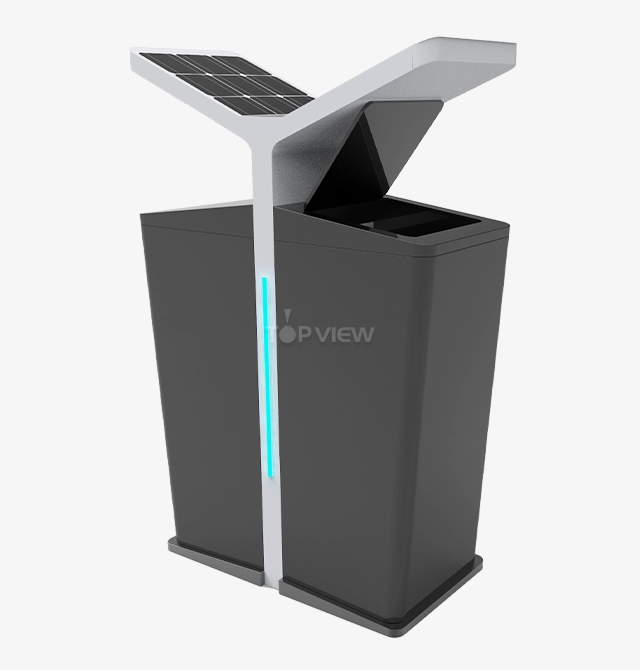 VIEW MOREDouble Cube Solar Smart bin
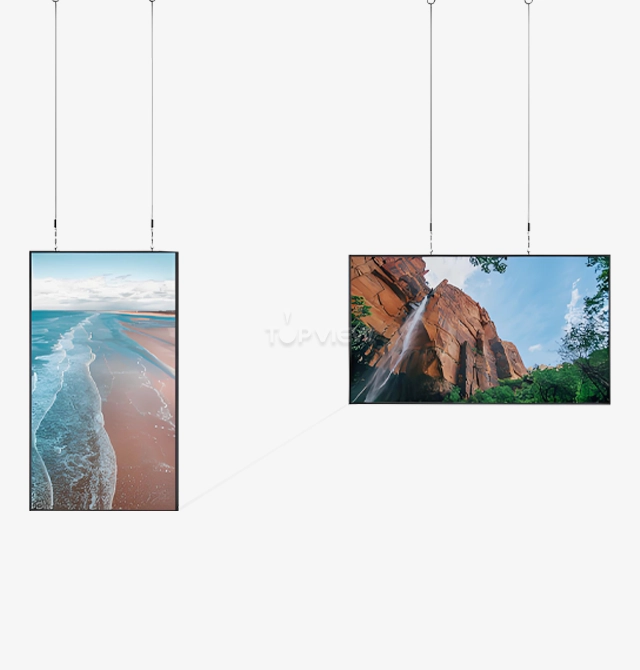 VIEW MORECeiling Hanging Double-sided Window Facing Display
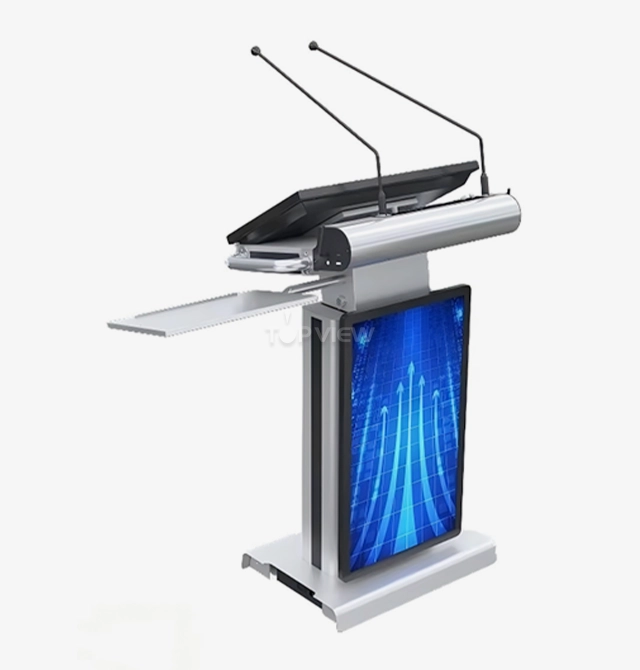 VIEW MOREAdjustable Smart Digital Podiums
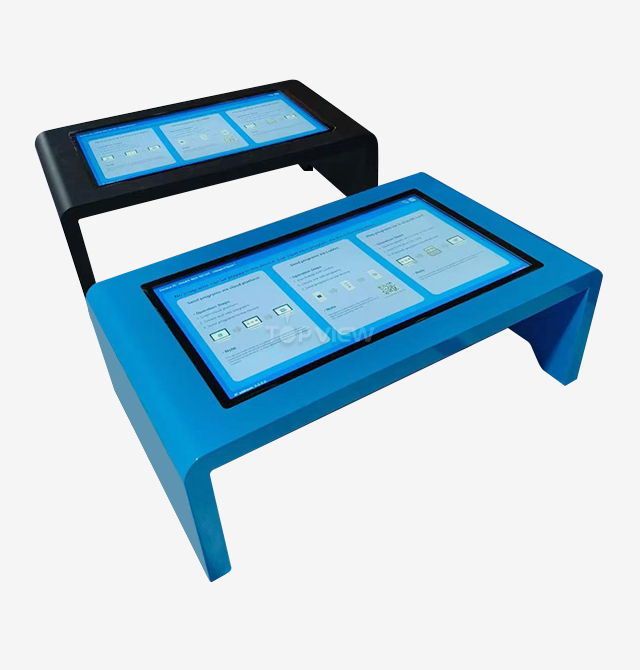 VIEW MOREInteractive touch tables
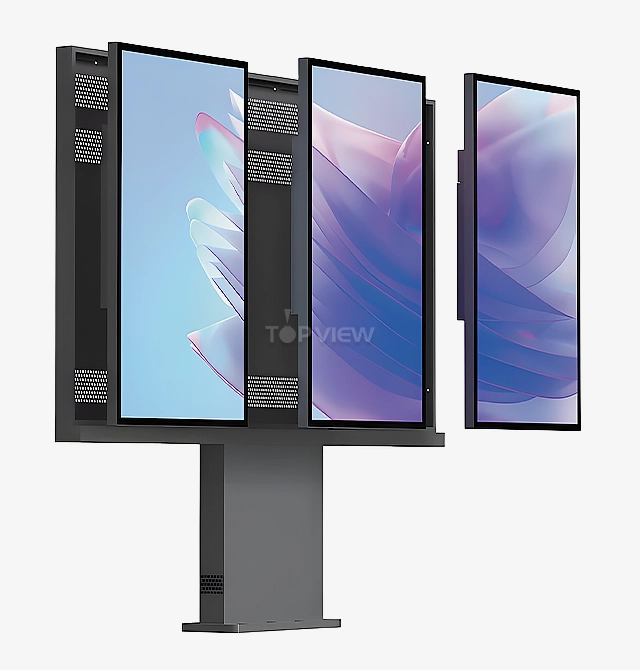 VIEW MOREDrive Thru Menu Board Display
 VIEW MORESolar Panel Waterproof Digital Poster Foldable Portable LCD Advertising Screen
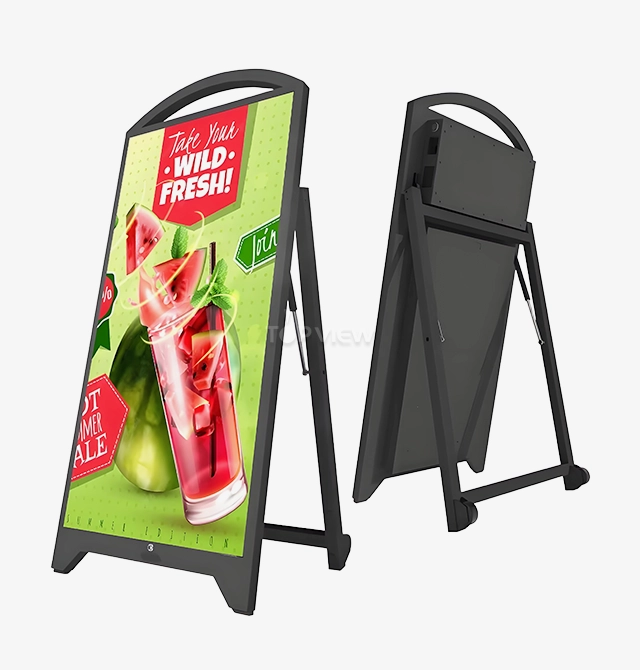 VIEW MOREOutdoor Portable Waterproof LCD Display