



What are the key technical features of outdoor display advertising?
Outdoor billboard advertising has changed how companies talk to people in public places with a lot of foot traffic. At the centre of this change is Outdoor LCD Digital Signage, which blends advanced visual technology with industrial-grade durability to show changing material in tough circumstances. Some of the most important technical features are screens that are brighter than 2,500 nits so they can be read in direct sunlight, weatherproof cases that meet IP65 or IP66 standards, intelligent thermal management systems that can work in temperatures ranging from -40°C to +55°C, and full-bonding technology that gets rid of internal reflections and boosts contrast. With these features, public advertising displays can work successfully in places where regular screens can't.
Introduction
Outdoor advertising is still getting a lot of attention in B2B marketing plans, especially for businesses that want to reach customers in shopping areas, transportation hubs, and business parks. It's important for procurement managers, AV system integrators, and regional distributors who need equipment that works regularly in all kinds of weather, even when it's being vandalised or used all the time, to understand the technical aspects of outdoor display options.
This guide goes over the technical basics of outdoor advertising displays, looks at important success measures, compares different technologies, and gives you useful buying advice. This complete guide gives you all the information you need to make smart investment choices that balance low cost with long-term dependability, whether you're looking for displays for airport wayfinding systems, shopping mall networks, or public digital sign projects.
Understanding Outdoor LCD Digital Signage: Key Technical Foundations
What Makes Outdoor Displays Different from Indoor Screens
Outdoor advertising screens have to deal with problems that inner screens never have to. Standard commercial displays made for climate-controlled spaces break down quickly when they are hit by direct sunshine, changes in temperature, water, or other physical forces. Outdoor-grade signs use special engineering to protect against these weaknesses by having stronger construction, better cooling systems, and visual treatments that are set for high ambient light conditions.
Core Application Scenarios in B2B Environments
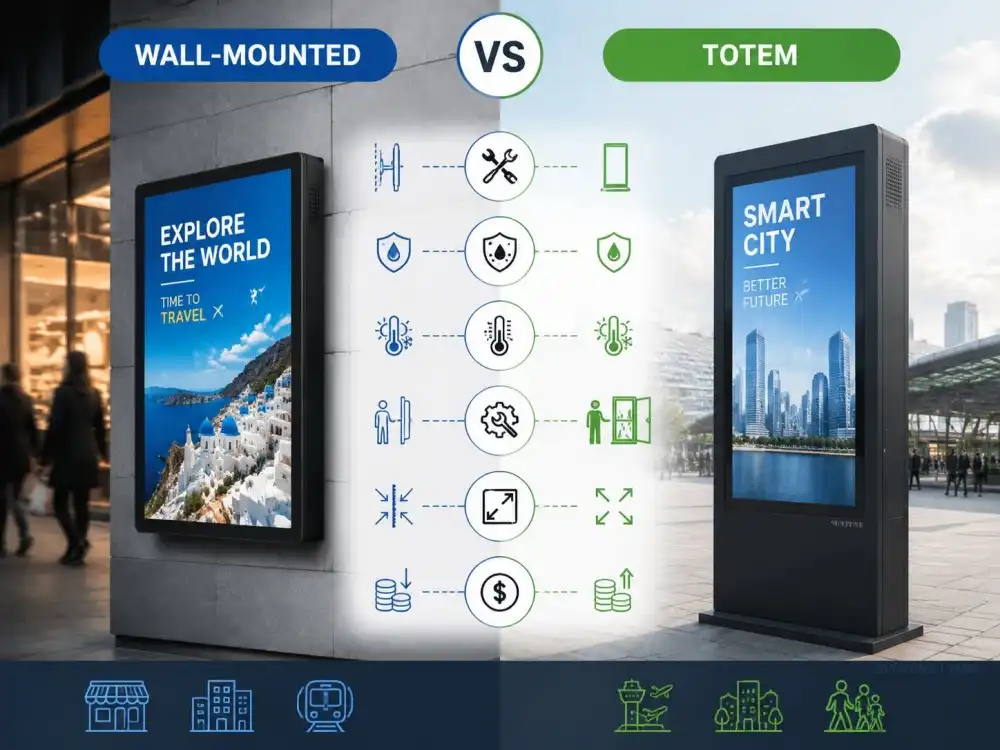
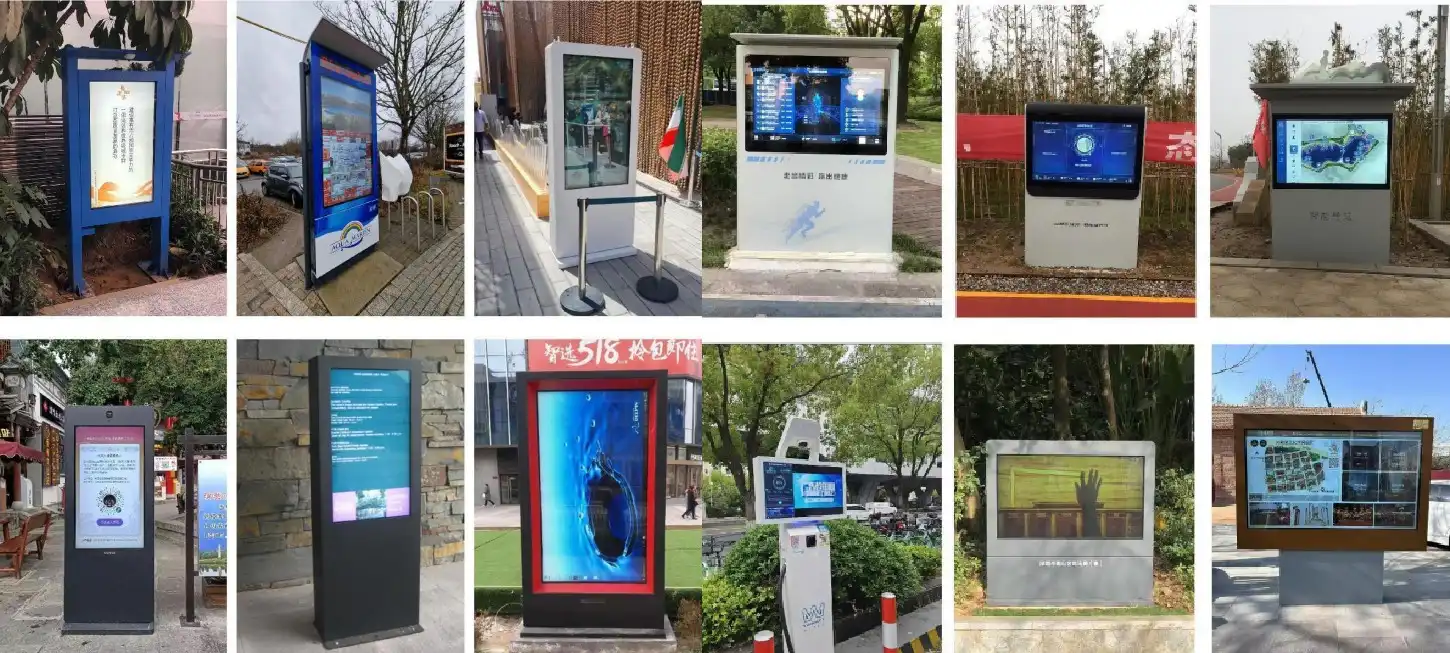
Outdoor displays are put up in a variety of places by procurement managers in a number of different businesses. Retail chains put up units on the walls at the front doors of their stores to show off deals, and shopping mall owners use standalone totems to help people find their way and advertise for tenants. These screens are used in transportation hubs like airports and subway stops to show real-time information to passengers and advertise goods. Rental-grade units are chosen by event companies for short-term installations at outdoor gatherings and sports sites that need to be able to be set up quickly and be resistant to the weather.
Essential Technical Features for Outdoor Performance
Construction that is resistant to weather is the basis of effective outdoor use. In seaside and industrial settings, corrosion can't happen because of industrial shelters made of galvanised steel or marine-grade metal with powder-coated finishes. IP65 certification is maintained with sealed cable entry points and gasket-reinforced service doors that keep dust and water jets from any direction out.
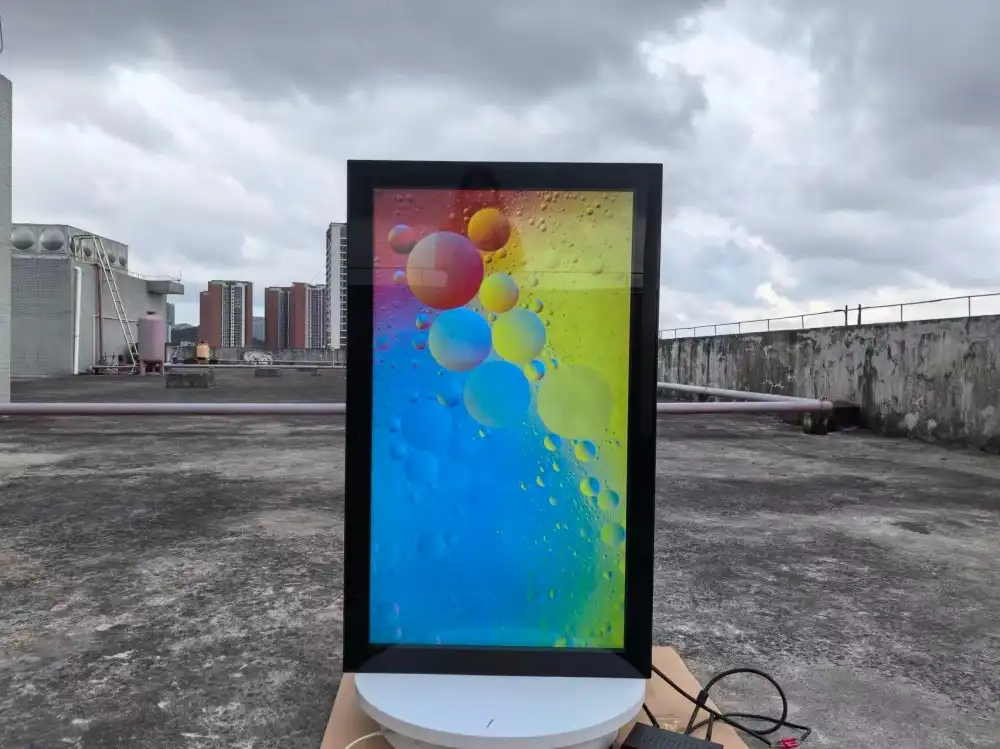
Outdoor screens are different from indoor screens because they give off more light. Commercial outdoor screens usually have luminance levels of 2,500 to 5,000 nits, which is five to ten times brighter than regular computers. This means that the material can be seen even in full sunlight at noon. Surface glare is cut down with anti-reflective glass treatments, and optical bonding technology closes off the air gap between the LCD panel and protected glass. This stops internal reflections that blur pictures.
By keeping internal temperatures stable, thermal control devices make machines last longer. More advanced models have climate control units that include both heating elements for starting up in cold weather and smart cooling systems that change fan speeds based on temperature sensors that are constantly reading. This two-zone design keeps delicate electronic parts safe and stops the blackening of liquid crystals that happens when panels get too hot when they are directly exposed to sunlight.
Critical Technical Dimensions for Outdoor LCD Signage Performance
Brightness Specifications and Ambient Light Performance
The nit number is the main way to measure how bright a display is. For outdoor use, the minimum level of brightness is 2,500 nits in shaded areas and 3,500 to 5,000 nits in full sunlight. Professional outdoor displays have natural light sensors that change the brightness automatically throughout the day. This makes the display easier to see during the day and less power-hungry and light-polluting at night.
The usefulness of light goes beyond measuring its raw luminance. The contrast ratio tells you how well a screen shows dark text on a bright background. By getting rid of the air gap that causes interior light scatter, Outdoor LCD Digital Signage with optical bonding can achieve contrast ratios higher than 4,000:1. This makes pictures sharper and deeper blacks, which helps advertising stand out in visually busy areas.
Ingress Protection Ratings Explained
IP grades give standard information about how resistant something is to its surroundings. The two-digit number tells you how much safety there is against solids and liquids. IP65-rated shelters completely block out dust and can survive low-pressure water jets from any direction, making them ideal for most outdoor advertising uses in cities.
Commercial sites near water features, the coast, or places that need to be cleaned with high-pressure water often can benefit from IP66 approval, which protects against strong water jets that release 100 liters per minute at higher pressure. When purchasing managers look at bids, they should make sure that the IP ratings cover the whole system, not just the front glass surface. This includes all service panels.
Material Durability and Vandal Resistance
Ratings for impact resistance are based on the IK scale and measure how well something is protected against mechanical strikes. IK10-rated screens can handle 20 joules of impact energy, which is the same as a 5-kilogram weight being dropped from 400 millimetres. This means they can be used in public places where people aren't watching and theft is a risk to operations. Fronts made of tempered glass that is 6 to 8 millimetres thick keep the view clear and don't scratch easily.
Installation Flexibility and Cooling Technologies
Different mounting setups are used for different tasks. Wall-mounted units take up less room in places like transit stations and building facades, while freestanding totem forms let people find their way and see advertising messages from all sides in open plazas. Professional installs include service access panels and wire management channels that make upkeep easier without having to take the whole unit apart.
Architecture for cooling has a direct effect on how reliable it is and how much it costs to run. Traditional air-conditioned shelters keep temperatures fixed, but they use a lot of power and need to have their filters changed often. Modern intelligent cooling systems use fans with different speeds that are controlled by microprocessors that keep an eye on several temperature zones and only start cooling when the inside temperature gets close to critical levels. This method cuts power use by up to 65% compared to AC units that run all the time. It also makes parts last longer by reducing heat stress.
Comparing Outdoor LCD Digital Signage to Other Outdoor Display Technologies
LCD Versus LED Technology Trade-offs
Outdoor advertising on big screens, like billboards and boards around the edges of stadiums, is mostly done with LED video walls. These flexible systems can be put together in almost any size and can reach light levels above 8,000 nits, which makes them perfect for uses where people need to see things from a long way away. But LED technology costs a lot more per square metre and has lower clarity at the normal viewing range of less than three metres.
Outdoor LCD Digital Signage works best in medium-format situations with screens 32 to 75 inches, where people can see the information up close. Full HD (1920x1080) and Ultra HD (3840x2160) resolutions make text and images clear from less than two metres away, which is important for menu boards, interactive information booths, and direction guides. The sealed LCD design also gets rid of the pixel-level service needs that LED walls have, which lowers the long-term cost of upkeep.
Energy Efficiency Considerations
Both practical costs and environmental goals are affected by how much power is used. Full-bonding technology, which is found in high-end outdoor LCD screens, lets up to 30% more light through. This lets makers reach their brightness goals with LED backlights that use less power. Modern Outdoor LCD Digital Signage usually uses 200 to 400 watts of power, which is a lot less than LED video wall panels of the same brightness. This is because they have smart brightness control that dims screens when it's cloudy or at night.
Interactive Capabilities and Smart Features
Touchscreen additions turn public displays that aren't doing anything into places where customers can connect with them. Projected sensitive touch technology works reliably through protective glass layers and stays responsive even when users wear gloves, which is important for places like airports and parking lots that are cold. Integration with content management tools lets you schedule events from afar, change material in real time, and keep an eye on performance across distributed display networks.
An IoT connection adds more features than just playing material. Modern outdoor signs have weather monitors that send data to building management systems, cameras that analyze audiences to make content more relevant, and NFC readers that let people use their phones to interact with the signs. These features give property managers practical information and open up new ways for advertising networks to make money.
Selecting the Right Outdoor LCD Digital Signage: Technical Criteria and Procurement Insights
Size and Resolution Selection Based on Application
How you choose a screen size relies on how far away you usually sit and how complicated the content is. 43-inch to 55-inch screens that can fit multiple information zones and can still be read from 3 to 5 metres away are good for transportation guidance apps. Drive-thru menu boards at quick-service restaurants usually have 32- to 49-inch screens placed 2 to 4 metres away from cars. 55-inch to 75-inch screens are often used for shopfront ads so that they are easy to see from sidewalks further than 5 metres away.
Screen size and material clarity affect how high a resolution you need. For screens less than 49 inches, Full HD resolution gives you enough pixels per inch. For screens 55 inches and bigger, Ultra HD panels keep the picture sharp when users get within one metre of them. Higher resolutions make small font sizes easier to read, which is especially helpful for apps with a lot of text, like transportation plans and menu boards.
Evaluating Supplier Credentials and Production Capacity
The ability to manufacture has a direct effect on the success of a project for both large buying and custom integration needs. Topview Display Technology is based in Shenzhen and has a 2,000-square-metre factory with three modern production lines that can make 100 units every day. This scale makes sure that delivery plans are always the same for rollouts to multiple sites, and quality control is kept up with dedicated testing procedures.
Professional suppliers are different from commodity providers because they have technical support systems. Topview has more than 20 top engineers, assembly experts, and people whose sole job is to help customers after the sale. This level of engineering detail lets you make custom changes, like adding third-party control systems and customising software. These are important skills for system designers who are in charge of big projects with lots of different technical needs.
Certification Requirements for Global Markets
For international operations to work, safety and electromagnetic compatibility guidelines must be met. The CE mark shows that a product meets the rules set by the European Union for environmental protection, electricity safety, and electromagnetic compatibility (EMC). FCC approval meets US standards for radio frequency emissions, and RoHS compliance shows that dangerous chemicals are limited. Managers in charge of buying things should make sure that the certifications cover the whole unit, not just individual parts. This includes control systems and containers.
Documentation of product testing (Outdoor LCD Digital Signage) gives trust in claims of dependability. Manufacturers with a good reputation test their products with sun radiation simulations that load them with 1,200W/m² for long periods of time. This makes sure that thermal management systems keep the LCD from going black. Validation of IP waterproofing through standard spray tests and thermal cycles across temperature ranges of -40°C to +55°C shows practical resilience across deployment zones.
Commercial Terms and Total Cost of Ownership
Pricing models are very different depending on the number of orders and the level of customisation needed. For buyers who handle their own transportation, Topview offers open terms like EXW (Ex Works), FOB (Free on Board), and DDP (Delivered Duty Paid). DDP means "Delivered Duty Paid", which means "delivered to final destinations". TT (Telegraphic Transfer) payment terms with milestone-based plans work well with the project-based purchasing processes that are popular in EPC contracting.
Lead times for normal setups range from 5 to 15 workdays, which allows projects to be put into action quickly. Custom engineering projects, on the other hand, get dedicated project management to keep to their schedules. Standard business warranties last for one year, but you can choose to extend your warranty for three years, which will protect the value of your investment over the long run. Lifetime expert help, even if the warranty is still active, shows that the manufacturer wants the product to last.
Total cost analysis looks at more than just the initial buy price. It also looks at how hard it is to install, how much power it uses over its lifetime, and how often it needs to be maintained. The price of displays with advanced full-bonding technology is higher, but they save 30% on power costs that add up over time. Less complexity in the cooling system means less upkeep and longer periods between replacing parts, which increases the system's efficiency.
Future Trends and Innovations in Outdoor LCD Digital Signage Technology
Ultra-High Brightness with Reduced Power Consumption
Next-generation LED backlight systems that use mini-LED and micro-LED technologies offer brightness levels close to 6,000 nits while using 40% less power than current designs. These improvements make it possible for outdoor displays to stay visible even in the hottest places, and they also meet the requirements for sustainability that are becoming more and more important in purchasing decisions.
AI-Driven Content Optimization
Machine learning algorithms look at the lighting, the demographics of the crowd (gathered by built-in cameras), and past patterns of engagement to instantly find the best way to show material. Dynamic brightness adjustment goes beyond simple light sensors to models that can guess where the sun will be and what the weather will be like. Content scheduling systems pick creative variations that keep viewers interested based on patterns seen during the day and information about the audience.
Enhanced Environmental Sustainability
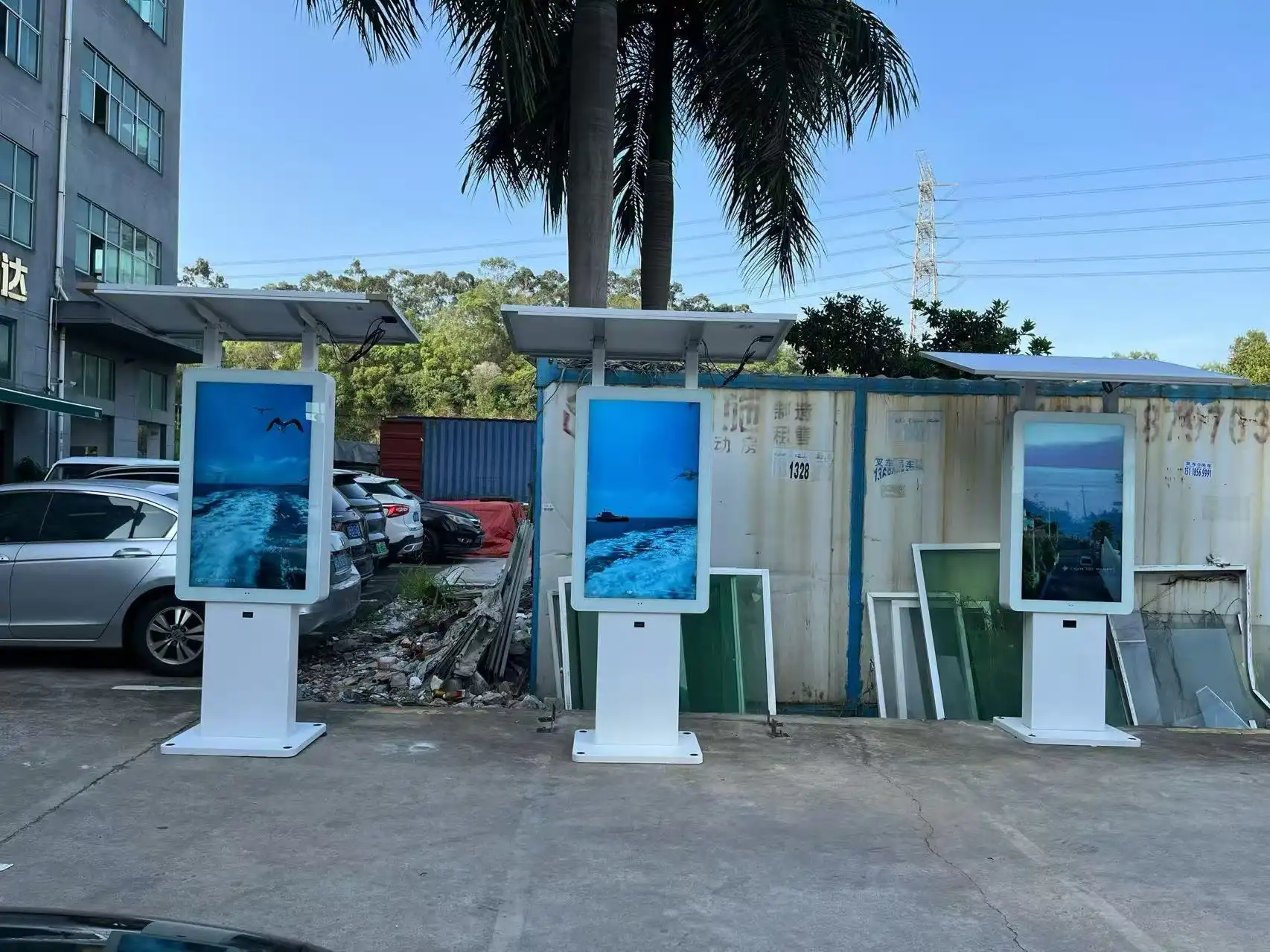
Manufacturers are using more and more reusable materials to build enclosures and getting rid of dangerous materials above and beyond what the law requires. Energy recovery systems that use waste heat to keep buildings warm in cold places show how public displays can be part of larger plans for sustainability. Adding solar panels for extra power to off-grid sites makes them more useful for brief events and places that are far away.
Modular Construction for Simplified Upgrades
Standardised interface standards allow changes at the component level that make products last longer than the usual number of replacement rounds. Backlight modules, media players, and control systems that are made to be field-replaceable parts allow technology to be updated without replacing the whole display. This cuts down on electronic waste and protects the initial capital investment by giving users ways to upgrade.
Conclusion
The technology behind public display advertising keeps getting better and better, giving procurement workers more and better ways to deal with tough situations. The main features—excessive brightness of more than 2,500 nits, full environmental protection with IP65/IP66 ratings, smart thermal management, and full-bonding optical technology—all work together to provide reliable performance that makes the higher price tag worth it compared to consumer-grade options.
To make good procurement choices, you need to weigh the current cost against the total ownership costs, which include things like power use, upkeep needs, and the length of time the product will work. Working with well-known companies that offer full technical support, open customisation options, and a track record of large-scale production guarantees project success, whether it's launching a single unit or overseeing network-wide rollouts in multiple countries.
FAQ
1. How do outdoor displays maintain visibility in direct sunlight?
Multiple technology methods work together to make Outdoor LCD Digital Signage readable in direct sunlight. High-brightness LED backlights that produce 2,500 to 5,000 nits are bright enough to block out outdoor light, and anti-reflective glass coatings cut down on surface glare that makes pictures look dull. Full-bonding technology gets rid of the air gap between the LCD screen and the protective glass. This stops internal reflections that spread light around and lowers brightness. Automatic lighting sensors constantly change the output based on the environment, making it easier to see when it's really sunny outside while saving power when it's cloudy or at night.
2. What maintenance protocols extend the outdoor display's lifespan?
To keep the ingress protection ratings, seals around service panels and wire entry points should be checked for soundness on a regular basis. Anti-reflective glass treatments can be kept in good shape by following cleaning instructions that use soft cloths and approved cleaning products. As part of maintaining a thermal management system, the filters need to be cleaned or replaced every 90 days in dusty areas, and the fan and heater elements need to be checked once a year. Software patches that fix security holes and add new features should be released at the same time every time by the maker. Professional screens that are meant to be used outside 24 hours a day, seven days a week, usually have a lighting life of 50,000 to 100,000 hours before they need to be replaced.
3. When should buyers choose LCD over LED technology?
LCD technology works better for screens less than 100 inches across, with viewing distances between 1 and 5 metres, and material like pricing information, detailed writing, or high-resolution images. Outdoor LCD Digital Signage doesn't need to be maintained at the pixel level like modular LED screens do because they are made of a single sealed unit. They also have better picture quality at close viewing distances. When it comes to medium-format installations, cost savings become important because LCD screens cost less per unit and are easier to place. LED video walls are still the best choice for large-format applications with screens bigger than 100 inches, long viewing lengths of more than 5 metres, and installations that need forms other than rectangles.
Transform Your Outdoor Advertising with Topview's Industrial-Grade Display Solutions
Outdoor LCD Digital Signage is made by Topview Display Technology, which has been making specialised products for 13 years and has a 2,000-square-metre factory in Shenzhen with modern production lines that can make up to 100 units a day. Our engineering team of more than 20 experts can fully customise OEM and ODM orders, including adding your name via silk-screening, changing the style of the housing, and integrating software exactly as you want.
The T-Series outdoor screens, which range from 32 to 75 inches, have improved full-bonding technology, are weatherproof (IP65), and have brightness levels that are best for harsh outdoor conditions. Competitive factory-direct price and flexible EXW, FOB, or DDP terms make it possible for both small-scale operations and prototyping with a single unit. We're committed to the success of our long-term partnerships, which is why we offer extended warranty choices of up to three years and expert help for life.
Email our team at market@tviewdisplay.com to talk about your needs for public displays. Topview has the manufacturing power, technical support, and customisation options that your projects need, whether you're an Outdoor LCD Digital Signage supplier looking at new product lines, a system integrator managing complicated installations, or a procurement manager looking for reliable solutions for rollouts across multiple sites.
References
1. Chen, L. and Wang, H. (2022). Advanced Thermal Management Systems for Outdoor Digital Signage Applications. Journal of Display Technology, 18(4), 245-258.
2. Global Industry Analysts Inc. (2023). Outdoor Digital Signage: Global Strategic Business Report. San Jose: GIA Publications.
3. International Electrotechnical Commission. (2020). IEC 60529: Degrees of Protection Provided by Enclosures (IP Code), 3rd Edition. Geneva: IEC Central Office.
4. Park, S., Kim, D., and Lee, J. (2021). Optical Bonding Technology for High-Brightness LCD Displays in Outdoor Environments. Society for Information Display Symposium Digest of Technical Papers, 52(1), 876-879.
5. Thompson, R. and Martinez, C. (2023). Environmental Durability Testing Protocols for Commercial Outdoor Display Systems. Standards in Electronic Testing Quarterly, 15(2), 112-129.
6. Zhang, Y., Liu, X., and Anderson, M. (2022). Energy Efficiency Optimization in Outdoor LCD Digital Signage Through Intelligent Brightness Control. IEEE Transactions on Consumer Electronics, 68(3), 287-296.
YOU MAY LIKE
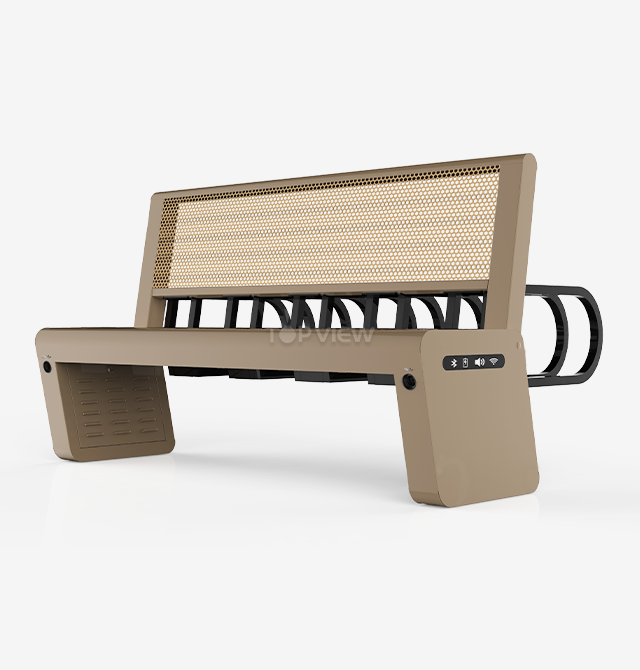 VIEW MORESolar Bench with bicycle parking
 VIEW MOREIntelligent IOT System Bright LED Light Pole
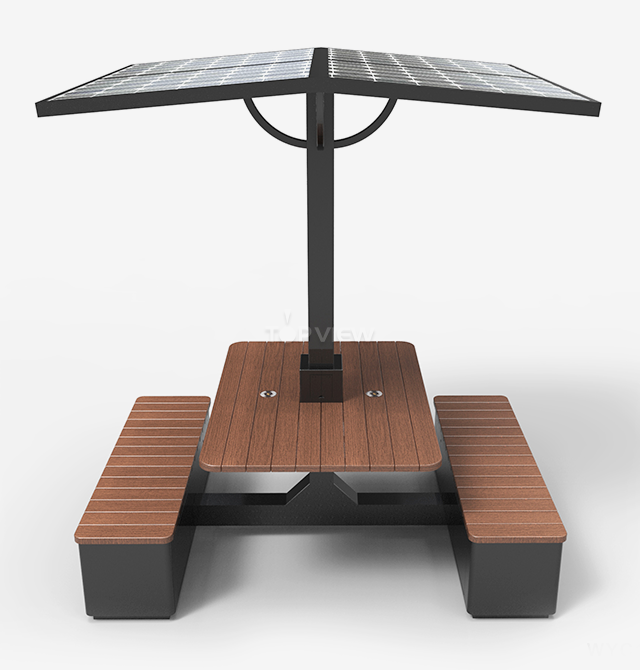 VIEW MORESolar Integrated table and chair
 VIEW MORERound Circular LCD Display
 VIEW MOREInteractive K-type Interactive Touch Kiosk
 VIEW MOREOutdoor Wall Mounting Advertising Totem
 VIEW MOREoutdoor ev charging kiosk
 VIEW MORESlim outdoor digital totem