



What safety precautions should be observed when using outdoor display advertising?
Outdoor Digital Signage used for advertising must adhere to stringent safety standards that cover electrical integrity, structure stability, weather resilience, and regulatory adherence. Important safety measures include choosing weatherproof enclosures with an IP65 rating to keep water out, making sure the installation is done by a professional using certified mounting systems rated for local wind loads, using high-Tni LCD panels to keep them from breaking down in the sun, and following brightness rules to keep drivers from getting distracted. If you choose displays with built-in thermal management systems, like climate-controlled cooling and heating, they will stay at safe working temperatures even in extreme weather. This protects both the equipment's life and the public's safety in busy business areas.
Introduction
Outdoor Digital Signage has changed how companies talk to people in public places by showing changing content that gets people's attention in shopping malls, transportation hubs, and corporate offices. But the good things about advertising that gets a lot of attention also come with big duties. Electrical problems, building crashes, and damage to the environment are all very bad things that can happen. They can damage expensive equipment, put people in danger, and hurt a brand's image. When purchasing managers and system designers look for solutions for big projects, they need to know all the safety steps that need to be taken. Not doing so can affect their return on investment (ROI), their liability exposure, and their ability to keep operations running. This piece goes over important safety measures, from evaluating the site to long-term upkeep. It gives B2B buyers the information they need to put up safe, reliable Outdoor Digital Signage that protects people, property, and investment.
Understanding Safety Risks in Outdoor Digital Signage
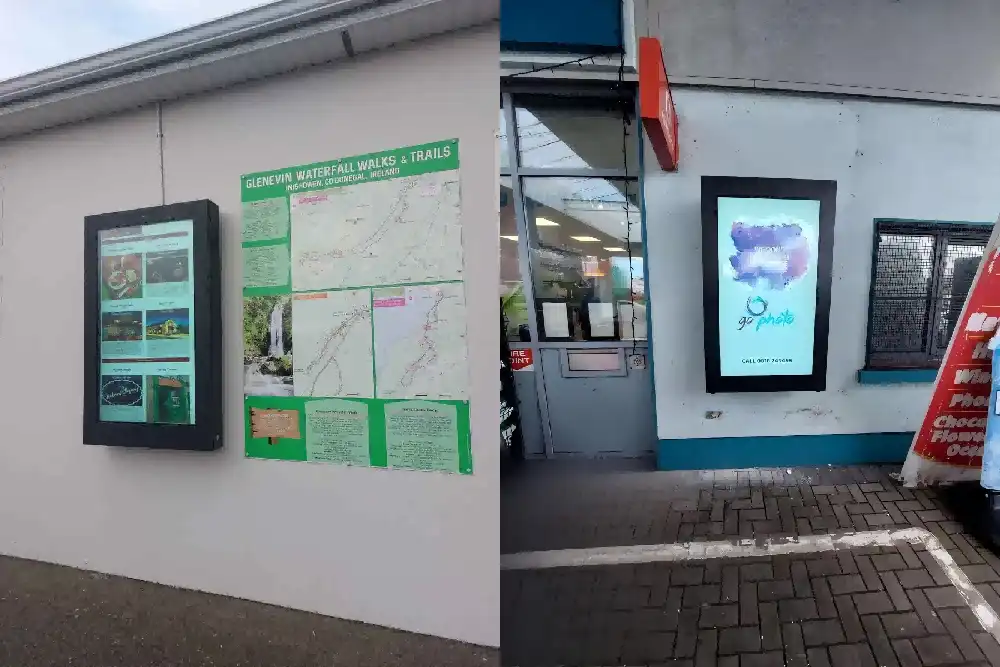
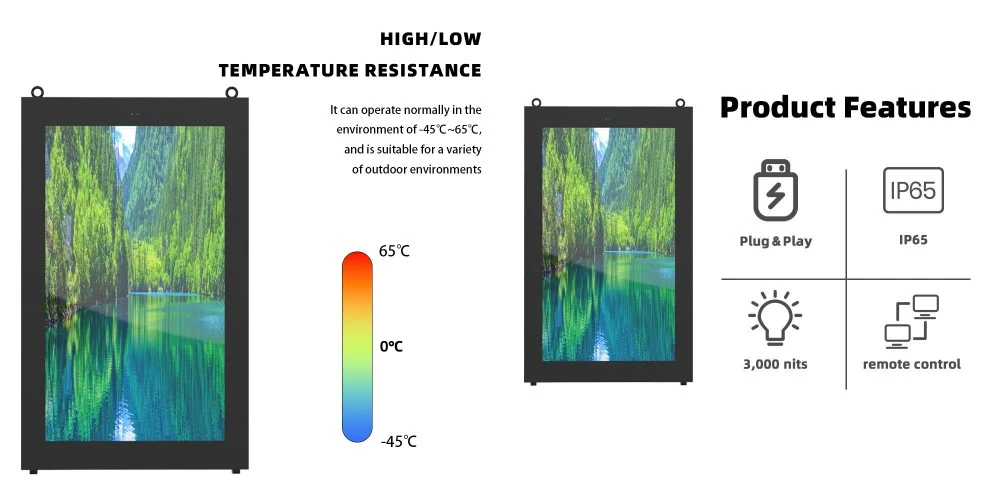
Putting up Outdoor Digital Signage in open outdoor areas brings risks that displays that are kept inside never have to deal with. Electrical risks happen when moisture gets into areas that aren't properly protected, causing short circuits or shock risks for repair workers. Physical risks include mountings that aren't stable and can't stand up to hurricane-force winds and efforts to damage them with sledgehammers or spray paint. Environmental stressors, such as strong sunlight topping 100,000 lux, temperature changes from -40°C to +55°C, and salt spray in coastal areas, speed up the breakdown of parts and the collapse of structures.
Electrical Hazards and Water Ingress
Water getting into the Outdoor Digital Signage is still the main reason why they fail early and cause safety problems. Consumer-grade gadgets aren't made to withstand the rain, humidity, mist, and high-pressure washing that is often used for public maintenance. When water comes in contact with live electrical parts, it makes a way for current to leak out. At best, this trips breakers; at worst, it can start fires or kill people. In open settings, it's important to make sure that the ingress protection values are correct.
Structural Instability and Mounting Failures
Installations that weren't properly designed fall down when there is wind or seismic activity, putting people nearby in great danger of getting hurt. A lot of accidents happen because the structural estimates weren't done correctly during the site survey, or the mounting hardware wasn't rated for the weight and wind resistance needs of the Outdoor Digital Signage. Procurement teams have to make sure that installation workers follow technical standards that are specific to their area, taking into account things like building codes and weather trends.
Visual Distraction and Public Safety
When Outdoor Digital Signage units are placed close to roads, they create dangerous glare that takes drivers' attention away and makes crashes more likely. Research shows that screens with brightness levels above 5,000 nits or graphics that change quickly near roads greatly raise the risk of a crash. In the US, regulatory bodies are enforcing lighting and content update rate limits more and more to make sure that ads are effective while also keeping drivers safe.
Key Safety Principles for Outdoor Digital Signage Deployment
Getting rid of risks in a smart way starts long before the work teams get there. Safe operation starts with choices made during procurement about equipment specs, vendor certifications, and rollout planning.
Selecting Equipment with Proper Environmental Protection
The IP rating method shows how well a barrier stops solid particles and water from getting inside. An IP65 grade means that the product is completely dust-proof and can withstand water jets coming from any direction. This is the lowest level that Outdoor Digital Signage should meet. This method is shown by Topview's T32ODA through TP86ODA line, which has fully sealed IP65 shelters that can handle direct sunlight, rain, dust storms, and high-pressure cleaning. These units work consistently in temperatures ranging from -40°C to +55°C. They deal with temperature problems by having climate control built in, instead of holes for ventilation that are easily broken and let water in.
Material choice is very important for a lot of reasons, not just entry protection. Galvanized steel or metal casings with an Outdoor Digital Signage grade powder coating keep rust from forming, even in places where salt spray is present. Anti-glare tempered glass with UV-blocking layers keeps the LCD panel clear and protects it from damage caused by UV rays. When purchasing goods from different companies, managers should ask for salt spray test results that show the products were exposed to salt spray for at least 72 hours without breaking down or corroding.
Ensuring Compliant Installation Practices
Professional installation is what separates reliable operations from risks. Before choosing equipment, site studies must check the load capacity of the structure, the quality of the electricity service, and the environmental exposure. Mounting methods need to be approved by an engineer based on the local wind speed rates, which are usually at least 150 km/h in warm zones and higher in areas that are prone to hurricanes or tornadoes. To keep people from getting shocked, electrical connections need to be made with waterproof tubes, good grounding, and residual current devices (RCDs).
Following the rules for permits and licensing keeps sellers out of trouble with the law. Many cities and towns limit the brightness of Outdoor Digital Signage near private areas, require setbacks from roads, or hold public meetings before allowing new installs. Working with sellers who know the local rules speeds up approvals and keeps you from having to pay for expensive repairs. Topview's engineering team helps with permit applications by providing technical paperwork like FCC, CE, and RoHS certifications that pass regulatory checks in North American and European markets.
Brightness and Content Safety Standards
To balance safety and sight, brightness control needs to be fine-tuned. Our T-series Outdoor Digital Signage units put out 2,000 to 2,500 nits, which is bright enough to read in daylight without being dangerously glaring. Ambient light sensors change the output automatically, turning it down to less than 100 nits at night to reduce light pollution and driving confusion. In line with instructions from the Department of Transportation, content management systems should limit the refresh rate and not allow strobing effects in sites that can be seen from the road.
Maintenance Best Practices to Ensure Safety and Longevity
Even the most solidly built Outdoor Digital Signage units need regular maintenance to keep working safely for as long as they're in use. Putting off maintenance increases the risks, which can range from a small efficiency loss to catastrophic failure.
Scheduled Inspection Protocols
Inspections every three months find new problems before they become dangerous. Trained techs should check the enclosure seals for cracks or UV damage, make sure the ground is solid, make sure the cooling system works, and write down any rust they find on the mounting hardware. Thermal image cameras find hot spots that show electrical resistance problems or parts that aren't working right that can't be seen with the naked eye. When an internal humidity sensor warns, or condensation patterns show that water is getting in, it's possible to fix the problem before the water gets to the high-voltage electronics.
Software Security and Firmware Updates
Hackers can use the security holes in networked Outdoor Digital Signage to show inappropriate material, steal data, or even shut down systems completely. Regular changes to the software fix security holes and make the system more stable. Topview offers technical assistance and security updates for the life of the product, making sure that screens are always safe from new threats. Content management systems should use encrypted messaging and role-based access controls to stop people from changing playlists without permission, which could show inappropriate content or break advertising rules.
Weather-Adaptive Maintenance Scheduling
Extreme weather events require repair that can be done quickly. During storm seasons, sites along the coast need to be inspected more often. In northern areas, heating elements and seal integrity need to be checked before winter arrives. After a storm, structural checks are done to make sure everything is okay, even if the Outdoor Digital Signage doesn't seem damaged. This is because mounting systems can get stressed out over time and fail suddenly. Setting up repair deals with local service providers cuts down on downtime and makes sure that problems caused by bad weather are fixed quickly.
Protective upkeep increases safety while extending the life of parts. Putting slippery coats on glass surfaces helps water run off, which stops mineral deposits from building up and obstructing your view. When cleaning, you should not use rough materials or high-pressure methods that hurt seals or glass coatings. Topview builds filtration systems into our climate-controlled models that don't need to be maintained. This means that you don't have to worry about replacing filters as you do with regular outdoor enclosures.
Leveraging Technology to Enhance Safety in Outdoor Digital Signage
Modern Outdoor Digital Signage units have smart systems that stop safety problems before they happen, instead of just responding to them when they do. These improvements in technology lower the total cost of ownership while also lowering the danger that is involved.
Remote Monitoring and Predictive Maintenance
Management systems that are tied to the cloud constantly check the health of devices by measuring things like their internal temperature, humidity, power use, and the state of their parts. When normal working limits are departed from, automatic alerts are sent out so that technicians can look into problems before they get worse and cause failures. If the temperature inside an Outdoor Digital Signage unit suddenly rises, remote tests may show that a fan bearing is failing. This is a simple fix that keeps expensive LCD panels from getting damaged by heat. Our Android-based systems come with free CMS software and access to a cloud server, so you can get enterprise-level tracking without having to pay monthly fees.
Predictive analytics find trends that show a part is about to break. Machine learning algorithms look at past performance data to predict what repair will be needed. This helps them make the best use of service plans and parts supplies. This data-driven method changes maintenance from an emergency reaction to planned work that is done when traffic is low. This reduces disruptions and increases safety gaps.
Energy Efficiency and Thermal Safety
In the past, Outdoor Digital Signage with a lot of brightness used a lot of power, which caused heat problems that put stress on parts and raised the risk of fire. When compared to older CCFL systems, modern LED backlighting technology provides more light while using 60% less power. Less heat output means less cooling needs and less stress on parts, which directly improves safety and dependability. Intelligent thermal management in our screens changes the brightness and turns on cooling systems on the fly, so safe working temperatures are always met, even during heatwaves.
Low-heat running offers more safety benefits than just protecting components. Lower surface temperatures make it less likely for curious kids to get burned when they touch easily available areas, and lower overall energy consumption makes electrical hazards less dangerous when faults happen. For sites in places that are good for the environment, solar-powered choices with battery storage get rid of the need to connect to the grid and all the electrical risks that come with it.
Case Studies: Successful & Safe Outdoor Digital Signage Implementations
Deployments in the real world show how thorough planning for safety turns theoretical precautions into operational success. These examples can help buying teams figure out what vendors can do and how they can achieve their plans.
Corporate Campus Communication Network
A Fortune 500 tech company put up 50 Outdoor Digital Signage units around the campus of its global offices to talk to workers and guests. After a risk review showed that vandalism was a worry, engineering teams chose enclosures with an IP65 rating and IK10 impact protection. Topview provided 55-inch units with powder-coated stainless steel 304 casings that matched the company's brand guidelines. The installation worker looked at the structure of each mounting spot and made custom brackets to fit different types of building surfaces. The network was up 99.7% of the time for three years, even during weather peaks that ranged from -30°C in the winter to +45°C in the summer. Maintenance done every three months found one problem with the humidity sensor that required a new seal to be installed before water could get in. This proved that proactive tracking works.
Transportation Hub Passenger Information System
A regional airport authority switched from traditional signs to Outdoor Digital Signage that shows real-time flight information, directions, and ads. Safety concerns included keeping drivers from getting distracted on nearby access roads and making sure the business could keep running even though it was exposed to jet wash, aircraft smoke, and changing weather 24 hours a day, seven days a week. Brightness management algorithms changed the output automatically based on sensors that sensed natural light and the time of day. This kept the text legible without making the screen too bright. There were two sets of power supplies and cellular connections, which made sure that important flying information could still be accessed when the network went down. Hurricane-force winds reaching 180 km/h did not damage the structure or stop operations during the five-year deployment, showing the value of designed mounting systems and careful equipment selection.
Conclusion
Putting up Outdoor Digital Signage safely requires a complete plan that includes choosing the right equipment, having a professional install it, keeping it in good shape, and keeping an eye on it with technology. Professionals in charge of buying things need to put weatherproof construction with an IP rating, approved structure fixing, compliant brightness control, and vendor partnerships that offer full technical support at the top of their list. Because outdoor settings are more complicated, Outdoor Digital Signage needs to be made for harsh circumstances instead of using indoor equipment outside. This is a big difference that has a big effect on safety, stability, and the total cost of ownership. Organizations can protect their investments, meet their duty-of-care duties, and create advertising campaigns that involve audiences without putting public safety or operational integrity at risk by following the steps described in this guidance.
FAQ
1. What brightness level balances visibility with safety for roadside installations?
Standards in the industry say that Outdoor Digital Signage should have between 2,000 and 2,500 nits of brightness and should automatically dim to less than 300 nits at night. This range makes sure that the text can be read in daylight without making it dangerous for drivers to see. Installations that are less than 100 meters from roads should use ambient light monitors and follow the lighting rules set by the local Department of Transportation. These rules usually have stricter limits at night. To keep people from getting distracted, content update rates should stay below 4 frames per second near traffic.
2. How often should repairs be done by a professional?
For most climates, checks should be done at least once every three months. In harsh environments or mission-critical uses, inspections should be done more often. Coastal sites that are subject to salt spray do better with technical inspections every three months in addition to monthly eye checks. No matter when planned maintenance is done, reviews should be done after severe weather events. When physical checks aren't possible, remote tracking systems keep an eye on things and let workers know right away if something doesn't seem right.
3. Does improper installation void warranty coverage?
Of course. Manufacturers make it clear that only qualified professionals can install their products so that the guarantee stays valid. Under normal guarantee terms, claims for damage caused by poor fitting, bad electrical connections, or not properly preparing the site are not covered. The contracts for purchases should list the skills of the installers and demand proof that they follow the manufacturer's instructions and local building rules. Topview provides detailed installation support paperwork and can suggest qualified regional partners to keep the warranty security in place.
Partner with Topview for Certified Outdoor Digital Signage Solutions
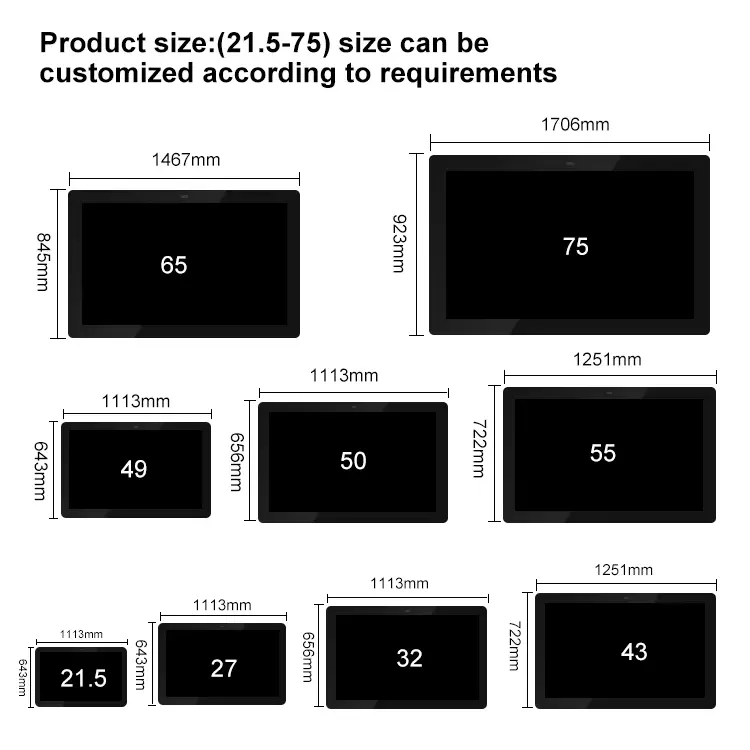
With 13 years of experience in specialized manufacturing, Topview Technology can solve problems with Outdoor Digital Signage. We work out of a 2,000-square-meter building in Shenzhen that has three modern production lines. The T-series Outdoor Digital Signage screens, which come in sizes from 32 to 86 inches and 4K UHD resolution, were made by our engineering team to meet the safety needs of B2B buying workers. The screen is waterproof up to IP65, has a brightness of 2,000 nits, built-in climate control, and FCC, CE, and RoHS certifications. It also comes with full expert help for life. We don't have minimum order quantities for customization projects, so we can meet special needs like those for stainless steel cases, built-in cameras, thermal printers, and custom Pantone color matching. With the ability to make 100 units per day, deliveries are guaranteed to happen within 5 to 15 business days, and the flexible price terms (EXW, FOB, or DDP) make foreign purchasing easier. We are an Outdoor Digital Signage company that is dedicated to engineering success. Procurement managers are welcome to talk to our expert team about project-specific needs. You can email us at market@tviewdisplay.com to get full specs, certification paperwork, and custom quotes for your next rollout.
References
1. Digital Signage Federation. "Outdoor Digital Display Safety Standards and Best Practices for Commercial Installations." Industry Technical Publication, 2022.
2. International Electrotechnical Commission. "IEC 60529: Degrees of Protection Provided by Enclosures (IP Code)." International Standard for Environmental Protection Ratings, 2021.
3. National Electric Code. "Article 840: Premises-Powered Broadband Communications Systems Installation Requirements." NFPA 70 Electrical Safety Standards, 2023 Edition.
4. Society for Information Display. "High-Brightness LCD Technology for Outdoor Applications: Thermal Management and Optical Performance." Technical Journal of Display Engineering, Volume 18, 2023.
5. Transportation Research Board. "Impact of Roadside Digital Advertising on Driver Attention and Safety Performance." National Cooperative Highway Research Program Report, 2022.
6. Underwriters Laboratories. "UL 48: Standard for Electric Signs - Safety Requirements for Outdoor Electronic Displays." Product Safety Certification Guidelines, 2023 Revision.
YOU MAY LIKE
 VIEW MOREoptical display bonding
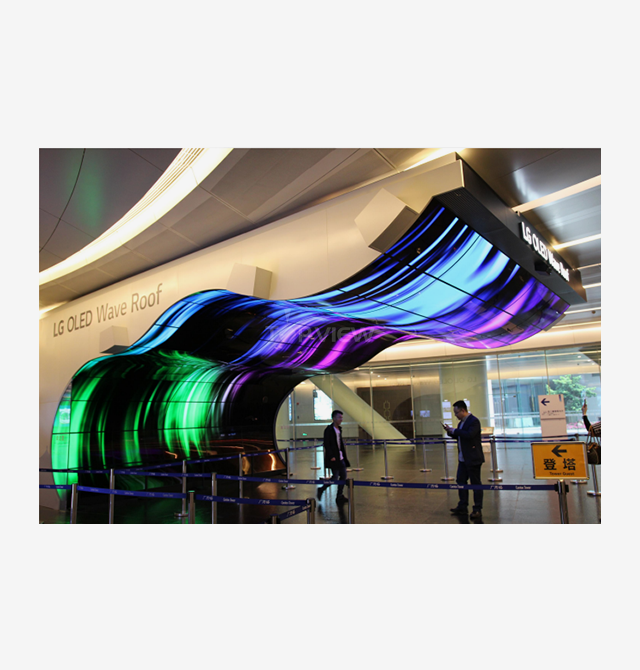 VIEW MORE55 Inch 500nits High Brightness OLED Video Flexible Self LED Backlit
 VIEW MORE32inch Outdoor LCD Totem Signage
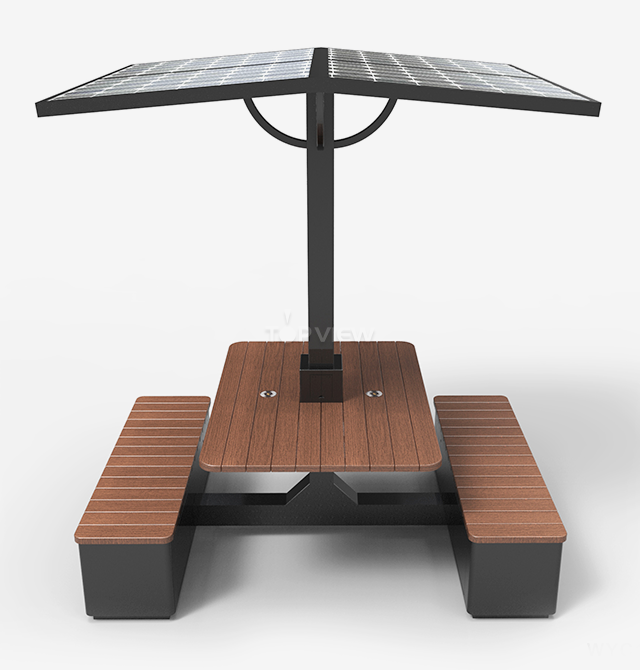 VIEW MORESolar Integrated table and chair
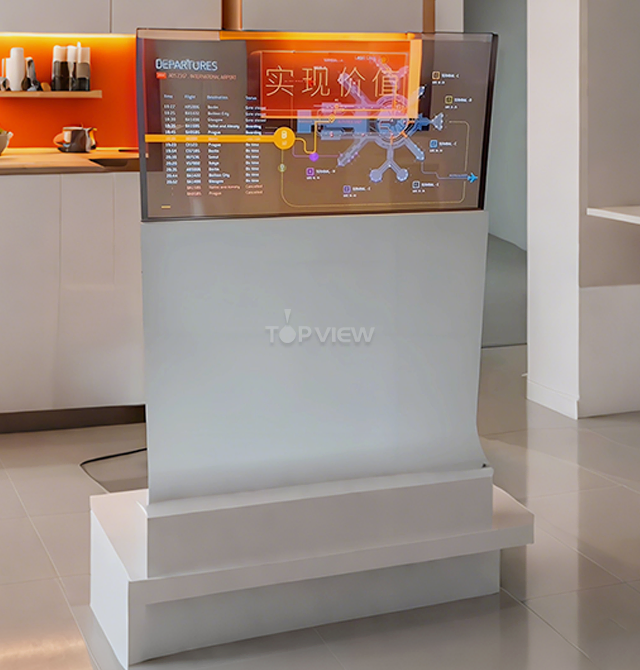 VIEW MORE55″ Landscape Transparent OLED Self-Service Touch Kiosk
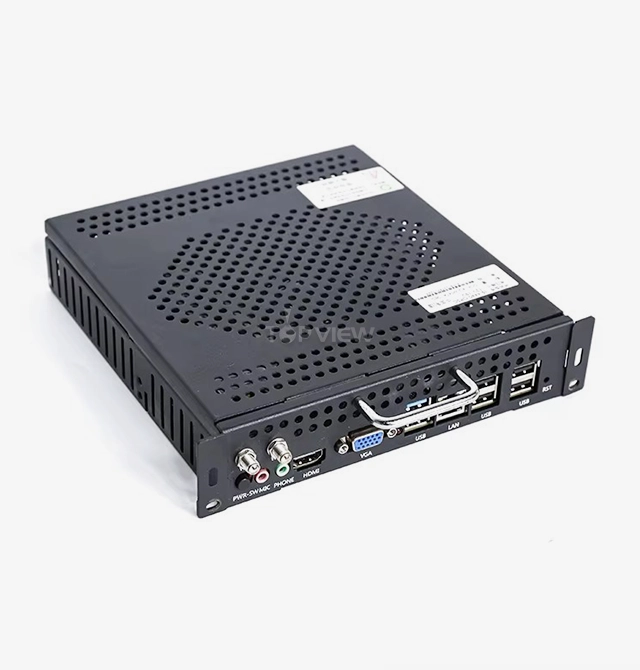 VIEW MOREPluggable OPS PC
 VIEW MORESingle Sided High Brightness Windows Facing Displays
 VIEW MOREHight Brightness Double-sided Windows Facing Kiosk