



What are the advantages of solar-powered benches?
Urban Furniture Smart Solar Chair solutions are a huge step forward in public space design because they combine advanced functionality with environmental friendliness. These smart seating systems run on 100% green solar energy, so they don't need to be connected to standard power grids. They also provide important services like charging for phones, WiFi, and LED lighting. More and more, procurement managers and urban planners see these benches as smart investments that cut costs, improve user experiences, and show dedication to caring for the environment. In addition to being places to sit, they are self-sufficient micro-utility stations that turn passive furniture into active tools for community involvement. This makes them perfect for shopping malls, transportation hubs, public parks, and smart city infrastructure projects.
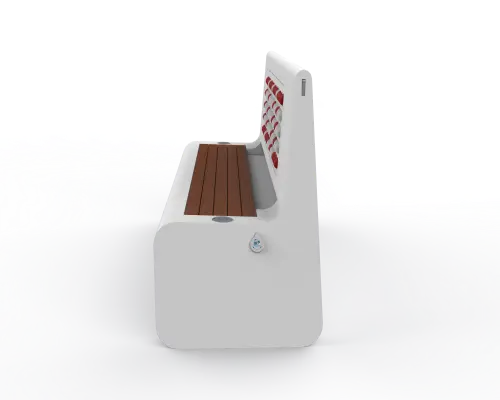
Understanding Solar-Powered Benches and Smart Solar Chairs
High-efficiency photovoltaic panels are built right into the structure of solar-powered benches. These panels collect sunlight throughout the day and turn it into stored electricity. Self-sufficiency in energy is at the heart of how it works: solar screens charge internal battery systems that power many smart features without the need for wiring or grid links. This digital process fits right in with modern ideas about low-carbon city planning.
Core Technical Architecture
Modern solar benches, like Topview's Model 1802, have monocrystalline silicon solar cells that are protected by tempered glass that can hold more than 800 kg. MPPT controls are used in the energy management system to improve charging efficiency by up to 30% compared to old ways of doing things. LiFePO₄ batteries made for industrial use can store power reliably and work in temperatures ranging from -20°C to +60°C, so they will always work well in a variety of conditions.
Integrated Smart Technologies
Unlike regular seating, which only does one thing, these systems combine several functions into a single unit. The bench allows both wireless Qi charging and USB port hookups, so users can choose how to charge their devices. Mobile signals are turned into local internet access by 4G/LTE or 5G cellular routers in built-in WiFi hotspots, so you don't need to connect cables. Bluetooth speakers let you play music and make public statements, and LED lighting systems give you safety lights at night while using very little power.
Autonomous Operation Benefits
Being completely separate from the electricity infrastructure gets rid of the need for complicated installations and ongoing energy costs. Cities can put these benches in remote areas, along the coast, or in newly built areas without having to pay a lot of money for trenching or wait for permits. Not having visible wiring lowers the risk of vandalism and the amount of upkeep that needs to be done. This is especially helpful for city procurement managers who have to balance tight budgets with high standards of service quality.
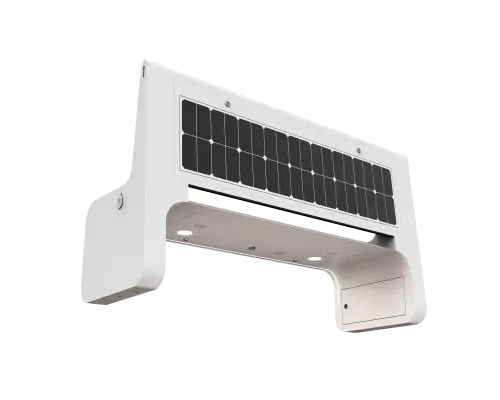
Key Advantages of Solar-Powered Benches for Urban Environments
Solar-powered seating has measurable benefits for the environment, the economy, and society. This makes them a great choice for B2B procurement professionals who are looking at investments in public infrastructure.
Environmental Sustainability and Carbon Reduction
Using renewable energy leaves much smaller carbon footprints than using grid-powered options. Each bench makes clean electricity on its own, which helps the city meet its greenhouse gas reduction goals and meets the requirements for corporate sustainability reporting. Property developers and retail groups that want to get LEED certification or green building awards can use this real-world proof of their commitment to the environment to boost the image of their brands.
Studies show that solar urban furniture can offset between 200 and 400 kg of CO₂ emissions per year compared to conventionally powered versions, but this depends on how often it is used and where it is located. When these cuts are made on a large scale, like in airport hubs, shopping stores, or college campuses, they add up to big savings.
Operational Cost Efficiency
In addition to not having to pay for electricity, solid-state electronics and long-lasting LED parts in Urban Furniture Smart Solar Chair solar benches also cut down on maintenance costs. Battery systems usually only need to be replaced after 5 to 8 years of continuous use. Other than that, they only need to have their solar panels cleaned every so often to keep them working at their best.
When saved building costs are taken into account, the return on investment looks even better. For traditional powered setups, you need to build electrical conduit, pay for permits, keep up with utility bills, and have your electrical system inspected every so often. Solar options completely avoid these costs while offering better usefulness. Directors of procurement who are in charge of multiple deployments across retail chains or transport networks see savings that add up over time and make up for the higher starting costs.
Enhanced User Experience and Engagement
People today expect to be able to connect and find things easily in public places. These expectations are met by solar benches, which have useful features that make people stay longer and be happier. Visitors can charge their devices while they rest, use the internet to get around or talk to others, and relax in well-lit areas after dark.
Advertising light boxes built into bench designs give businesses more ways to make money. The big screens make it easy to see promotional material, information about how to get somewhere, or paid messages. With this two-in-one feature, furniture goes from being a cost center to a possible source of profit. This makes it especially appealing to shopping mall owners and business property developers looking for new ways to make money.
Durability and Weather Resistance
Quality solar benches are made to last in harsh outdoor circumstances. They are made of galvanised steel or anodised aluminium and have a marine-grade powder finish that meets C4/C5 standards for corrosion protection. Electronic parts have ratings of IP65 or IP67, which means they are completely safe from dust and water jets coming from any direction.
Impact resistance testing to IK10 standards shows that the tempered glass surfaces can handle both intentional acts of mischief and unintentional hits. These strict requirements mean that the products will last longer than 10 to 15 years, giving procurement managers reliable long-term assets that will keep looking good and working even after years of heavy use and exposure to extreme weather.
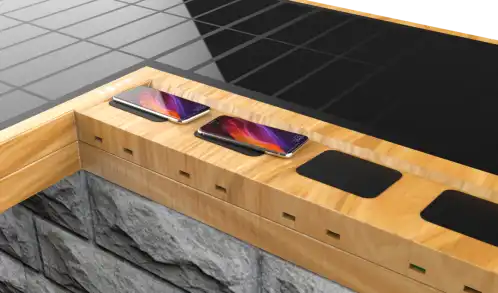
Comparing Smart Solar Chairs with Traditional Urban Furniture
Traditional chairs are only good for sitting on, and they don't offer the variety of uses that modern cities need. Urban Furniture Smart Solar Chair options completely change how we think about public furniture as infrastructure that can be used for many things.
Functional Superiority
For regular benches to work the same way, you have to buy separate lighting poles, electrical outlets, and WiFi infrastructure. This piecemeal method makes installation more difficult, requires more upkeep, and makes things look messy. Integrated solar solutions combine these services into a single, beautiful unit that makes buying easier, cuts down on installation times, and looks better overall.
Economic Justification
Urban Furniture Smart Solar Chairs cost more to buy at first, but when you look at the total cost of ownership, the more advanced solutions always win. Avoiding the costs of electrical infrastructure, utilities, and repairs, as well as the chance to make money from ads, all add up to strong financial cases. When purchasing managers make cost projections for five years, they usually find breakeven points between 18 and 36 months, depending on the price of electricity and how much it is used.
These predictions have been proven true by real-world applications. Municipal clients are happy with the reduced number of repair calls and good feedback from the community. On the other hand, commercial property owners say that places with solar bench installations get more foot traffic and visitors stay longer.
Adaptability and Future-Proofing
While people's wants change in cities, traditional furniture stays the same. New needs can be met by solar benches with modular designs that allow for software changes, component improvements, and the addition of new features. Environmental monitors that measure things like weather, noise level, or air quality can be added to smart city data collection projects to help them work better. If you want to make improvements in the future, things like emergency call buttons, digital wayfinding signs, or bike docking additions could be used to make the infrastructure work better without having to be completely replaced.
Procurement Considerations for B2B Buyers
To make sure long-term deployments go well, the strategic purchase of solar benches needs to look at more than just unit price.
Supplier Evaluation Criteria
Choosing manufacturing partners with a history of success lowers implementation risks by a large amount. Buyers should make sure that the production capacity can handle large orders while maintaining quality. This is especially important for projects with multiple phases or rollouts across the whole chain. International certifications like CE, FCC, and RoHS compliance show that safety and environmental standards are being met, which is important for city purchasing and import rules.
Transparency in manufacturing is very important. Suppliers with dedicated facilities that are clean places to work and have experienced technical teams make sure that products are reliable. Topview Technology's factory in Shenzhen is a great example of these skills. It has 2000 square meters of production space, three modern lines, more than 20 top engineers, and the ability to make up to 100 units per day. 13 years of experience specializing in display technology and OEM/ODM customization means that unique solutions can be made to fit the needs of each project.
Customization and Branding Opportunities
Distributors and business buyers can gain a competitive edge by offering flexible customization options. Adding a logo through silk screen printing or LED lights helps people see the brand and reach marketing goals. You can change the colors, program a name to appear when the power goes on, and change the lighting for indoor or outdoor use. These features can be used in a variety of places, from shopping malls to public plazas.
Advanced buyers use customization to make market offers stand out. With private labeling, distributors can make their own lines of products, and business property owners can match the style of furniture to the building's overall theme. You can change the software so that it works with other building management systems or your own user engagement platforms.
Warranty and Support Infrastructure
Procurement investments are protected by warranties that cover everything and provide quick customer service after the sale. Standard guarantee terms should cover things like structural soundness, electronic parts, and solar panels that stop working as well as they used to. Clear terms about replacing batteries, fixing technical problems, and getting spare parts keep you from having to pay extra or having your service interrupted.
Buyers have better experiences with companies that offer expert documents in multiple languages, remote diagnostics, and regional service networks. These support systems are especially helpful for international procurement managers who are in charge of installations in several countries or for AV system integrators who are in charge of big infrastructure projects that need regular technical advice.
Future Prospects and Trends in Smart Solar Urban Furniture
The paths of innovation show that solar-powered urban furniture is becoming more useful and capable, which opens up strategic possibilities for forward-thinking procurement pros.
IoT Integration and Smart City Connectivity
New models include complex sensors and communication methods that turn benches into hubs that collect data within larger smart city environments. Real-time monitoring of the environment, analysis of pedestrian traffic, and usage pattern data give city planners useful information for allocating resources and making services better.
By putting Urban Furniture Smart Solar Chair with 5G signal transmitters and receivers in bench structures, connectivity gaps can be filled in areas that aren't well served, which helps with digital inclusion efforts and economic development goals. This coming together of the Urban Furniture Smart Solar Chair, telecommunications, and data infrastructure creates strong value offers for government procurement managers working on smart city plans that cover the whole city.
Advancing Solar and Material Technologies
Continuous gains in photovoltaic efficiency raise the amount of energy produced from the same surface area. This makes it possible for more powerful features or longer times of independence when it's cloudy. New bifacial solar panels that collect light that is reflected off of the ground promise to increase power output by 15 to 20 percent without increasing the size of the installation area.
New developments in material science make structural parts lighter while still being stronger. This makes transportation and installation easier. New surface coats that clean themselves cut down on upkeep needs, and better battery chemistries make replacements less frequent and increase the temperature ranges where they can work.
Sustainability Mandates and Incentive Programs
Environmental laws that are stricter and buying habits that favor green goods both speed up the acceptance rate. In many places, renewable energy components are now required in public infrastructure projects, and sustainable solutions get higher marks in bidding processes.
Tax credits, accelerated depreciation schedules, and direct grants are some of the financial benefits that make it more appealing to business and institutional buyers. Purchasing workers who keep up with changes in reward programs are better able to get the most out of investments in solar furniture and make stronger business cases for them.
Conclusion
By combining environmental sustainability, operating efficiency, and better user experiences into a single, integrated solution, solar-powered benches are changing the way urban furniture is used. Their self-sufficient operation gets rid of the need for infrastructure and provides modern conveniences like charge ports for devices, WiFi, and lighting. The compelling total cost of ownership advantage comes from not having to pay for utilities, doing little maintenance, and not having to deal with complicated installation. Strong building makes things last longer in harsh outdoor conditions, protecting the money you spent on them over many years of use. Strategic deployment helps smart city projects, corporate sustainability goals, and community engagement goals. This makes adopters the leaders in urban development innovation.
FAQ
1. How does the Urban Furniture Smart Solar Chair work in the winter or when it rains for a long time?
Based on data from the construction site's solar radiation, professional models have battery banks that are big enough to run on their own for three to five days without direct sunlight. When battery levels get low, advanced power management systems automatically prioritize important functions like lights. This makes sure that basic services stay running even when it's cloudy for a long time. This smart energy distribution keeps user value while protecting battery health with the right discharge management.
2. What kind of upkeep do solar-powered chairs need?
Compared to standard infrastructure, it still doesn't need much maintenance. Solar panel surfaces should be cleaned on a regular basis to keep them working at their best. In most places, this only needs to be done every three months. Solid-state parts are used in internal electronics and don't need to be serviced regularly. Depending on how much you use it and the weather, the battery needs to be replaced every 5 to 8 years. This is the major long-term care cost. Total ownership costs and operating complexity are cut down by a large amount with this simplified upkeep profile.
3. Can the bench handle being broken into or moved without permission?
Strong construction includes heavy steel base plates with hidden anchor bolt mounting systems made for long-term concrete placement. This strong base can withstand both wind loads and tries to be removed physically, meeting standard security standards for city street furniture. The tempered glass surfaces have IK10 impact resistance ratings, which means they can withstand steady loads of more than 800 kg without damaging the photovoltaic cells below. This makes sure they will last through both intentional damage and unintentional impacts.
Partner with Topview for Your Urban Furniture Smart Solar Chair Supplier Needs
Topview Technology offers complete solar bench options that are built to last and can be tailored to your project's needs. Our manufacturing plant in Shenzhen blends 13 years of experience in display technology with flexible OEM/ODM capabilities. This means that they can do anything from customizing logos to integrating software without requiring a minimum order number. During the procurement, installation, and operational phases, the specialized engineering team offers expert advice to ensure a smooth rollout and long-term performance. Our Model 1802 and custom versions have been shown to be useful in a variety of settings, such as transport hubs, retail spaces, and smart city plans for cities. Get in touch with our purchasing experts at market@tviewdisplay.com to talk about your Urban Furniture Smart Solar Chair needs and get custom solutions that go above and beyond your hopes while making the best use of your budget.
References
1. Miller, J. & Thompson, R. (2022). Sustainable Urban Infrastructure: Solar Technology Integration in Public Spaces. Urban Planning Press.
2. Chen, L. (2023). "Economic Analysis of Renewable Energy Street Furniture in Municipal Procurement." Journal of Public Infrastructure Management, 45(3), 178-195.
3. European Solar Furniture Standards Committee. (2021). Technical Specifications for Outdoor Solar-Powered Amenities. Brussels: ESFSC Publications.
4. Rodriguez, M. & Singh, A. (2023). "Smart City Furniture: IoT Integration and User Engagement Metrics." International Journal of Urban Technology, 18(2), 234-251.
5. Green Building Council. (2022). LEED Credits and Renewable Energy Urban Furniture: Implementation Guidelines. Washington: USGBC.
6. Wang, H. (2023). Manufacturing Quality Control in Solar Urban Infrastructure: Best Practices and Standards. Shenzhen: Industrial Technology Institute.
YOU MAY LIKE
 VIEW MOREoptical display bonding
 VIEW MOREOutdoor LCD Digital Signage
 VIEW MORE55 Inch 500nits High Brightness OLED Video Flexible Self LED Backlit
 VIEW MOREFlool Standing Interactive 3D HoloBox
 VIEW MOREWall-Mounted Outdoor Displays
 VIEW MOREUltra Thin Waterproof Digital Signage
 VIEW MORESlim outdoor digital totem
 VIEW MOREOutdoor Horizontal Freestanding Digital Signage