



The Impact of 5G on Outdoor High-Brightness LCD Display Performance
When 5G technology and outdoor high-brightness LCD screens come together, it changes the way digital signage works in a big way. As global networks move to 5G infrastructure, performance, connectivity, Outdoor Displays and operating efficiency for outdoor displays are getting better in ways that have never been seen before. Businesses that want reliable, high-performance outdoor display options will have to rethink their purchases because of these improvements. The integration makes it possible to send content in real time, monitor from afar, and manage power intelligently. This opens up new opportunities for dynamic information and advertising systems in many fields.
Understanding Outdoor High-Brightness LCD Displays
Modern digital signs for the outside have changed a lot from the old indoor displays. They need special engineering to be able to resist harsh weather and still be very visible. In many fields, from travel hubs to retail settings, these displays are essential for getting messages across.
Essential Design Requirements for Outdoor Applications
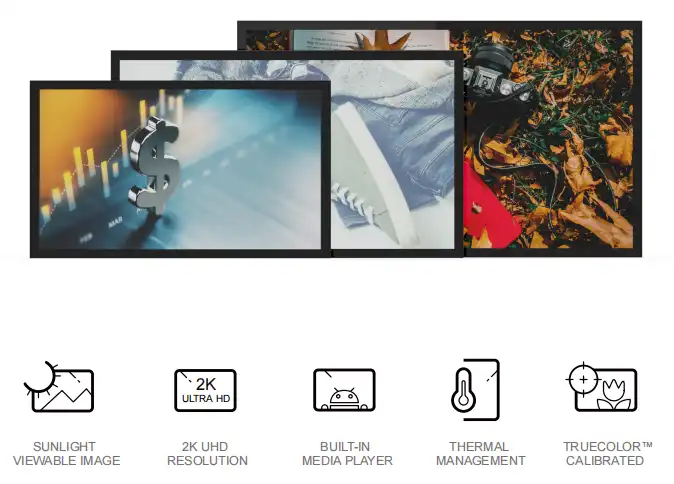
These days, outdoor displays have to deal with problems that their indoor peers never have to. When there is a lot of light around, the brightness needs to be higher than 3000 cd/m². When the temperature changes, strong heat management systems are needed. Resistance to weather becomes very important, and IP66 grades make sure that dust and water can't get in. Topview's T-series outdoor screens, which include models T32ODS through T75ODS, use military-grade materials and adaptive brightness technology to show how these engineering ideas work. Ultra-high brightness levels of up to 4000 cd/m² are possible with these displays, so they can be seen under full sunlight. The design doesn't need any upkeep, so it doesn't need cooling fans or filters. This makes it easier to use and lasts longer.
Technology Differentiation in Outdoor Display Solutions
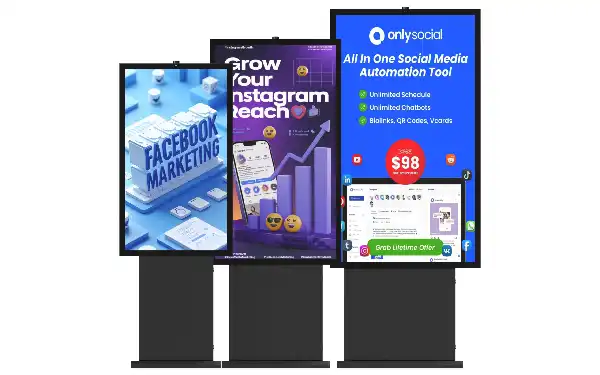
When looking for outdoor display options, the difference between LCD and LED technologies becomes very important. It is great that LCD screens can show clear images and consistent colours. This makes them perfect for showing detailed ads and information. LED technology provides better brightness and uses less energy, which is especially helpful for large-scale setups. The optical bonding technology is a big step forward for outdoor LCD performance. It gets rid of air gaps between display layers to cut down on shadows and make things easier to see. This technology, along with anti-reflective AR glass, makes sure that images are clear all day, even in a slim outdoor digital totem, even when the lighting changes.
How 5G Technology Enhances Outdoor LCD Display Performance
5G networks completely change what outdoor displays can do by allowing for very fast connections and huge amounts of data to be sent at once. This big step forward in technology makes it possible to manage content in real time and have interactive experiences that weren't possible with older connectivity options.
Real-Time Content Management and Dynamic Updates
5G connectivity changes the way information is delivered by letting updates happen instantly across many display networks. When time-sensitive messages need to be sent quickly, traditional content management systems often need to be updated on a regular basis or by hand. With 5G integration, changes to content on public displays can be received and processed in milliseconds. This makes it possible for dynamic advertising campaigns that react to events happening in real time. This feature comes in handy, especially at transportation hubs, where flight times, road conditions, and emergency alerts need to be shown right away. Dynamic pricing displays that change based on inventory levels or promotional campaigns are helpful in stores because they help maximise income possibilities through responsive marketing strategies.
IoT Integration and Predictive Maintenance Capabilities
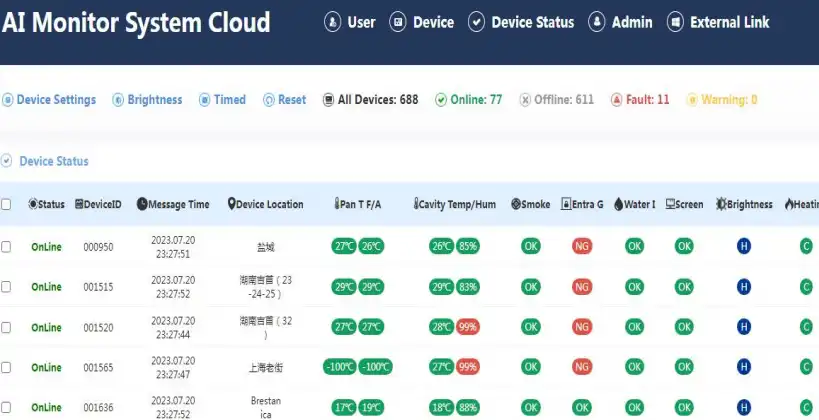
5G networks allow a lot of IoT sensors to be connected, which turns outdoor displays into smart tracking systems. Built-in sensors can constantly check the temperature, humidity, power use, and health of the display and send this information to central control platforms so it can be analysed. Predictive maintenance algorithms look at trends in sensor data to find parts that might break down before they do. This proactive method cuts down on unexpected downtime and maintenance costs by planning repairs for the best times of the day. Topview's outdoor displays don't need to be maintained because they don't have fans or filters. This IoT-driven method works well with it because it cuts down on the number of parts that need to be watched.
Evaluating the Technical Implications of 5G on Display Performance
Key performance measures get better when 5G is used, which has a direct effect on operational efficiency and user experience. These technical changes go beyond just making connections better; they also improve energy management and system reliability.
Intelligent Brightness Adaptation and Power Management
5G-enabled displays can change the brightness levels on the fly based on sensors that pick up light in the room and real-time info about the environment. This smart adjustment improves visibility while reducing power use, which is especially important for sites in remote areas or places with weak power lines.5G connectivity is used by advanced power management devices to run complex algorithms that save energy. During off-peak hours, slim outdoor digital totem displays can go into low-power modes or change their brightness based on patterns of foot traffic picked up by sensors that are linked to them. Because of these skills, operational costs are lower and parts last longer.
Enhanced Diagnostic and Maintenance Capabilities
5G connectivity makes it possible to do remote diagnostics, which changes the way upkeep is done from being reactive to being proactive. System managers can keep an eye on real-time performance metrics for displays to spot problems before they affect operations. Over-the-air firmware updates make sure that displays always have the newest security measures and features without having to have technicians come to the site. Topview's outdoor displays can work in temperatures ranging from -20°C to 45°C, and they can also do 5G tracking, so they can be used reliably in a wide range of weather conditions. When something gets too hot, thermal sensors set off cooling routines. This keeps internal parts safe and increases the device's useful life through smart thermal management.
Comparative Analysis: Outdoor LCD Displays with and without 5G Integration
Several operational measures make it clear that 5G-enabled outdoor displays are not as good at what they do as traditional ones. Knowing these differences helps people who work in procurement make smart spending choices that support long-term business goals.
Performance Metrics and Operational Efficiency
Latency reduction works better on displays that are integrated with 5G, and content changes happen in real time instead of at set times. Refresh rates get a lot better, which makes it possible to play videos smoothly and add dynamic content that keeps users interested. System uptime goes up because of choices for remote troubleshooting and predictive maintenance. For content changes and system diagnostics, traditional displays need to be serviced on-site, which can lead to higher costs and downtime. Not being able to check on the health of a system from afar often leads to sudden failures that stop activities and need emergency service calls. These restrictions are especially annoying for displays that are put in places that are hard to get to or are in remote areas.
Cost-Benefit Analysis for Procurement Decisions
Higher initial costs are needed for 5G displays, but the extra money will be worth it in the long run because they require less upkeep and work more efficiently. Through smart power control, energy savings are made, which leads to lower operating costs over the display's lifetime. Topview's wide range of warranty choices, which last up to three years, gives buyers of 5G displays even more peace of mind. Competitive EXW, FOB, and DDP pricing terms, along with flexible payment choices through TT arrangements, make advanced display technology available to businesses with a range of budget and purchasing needs.
Strategic Guidance for Procurement and Deployment of 5G-Enabled Outdoor LCD Displays
To make the installation of 5G outdoor screens go smoothly, you need to plan ahead and choose your vendors carefully. To make sure long-term operational success and return on investment, organisations must look at more than just the initial buy price.
Vendor Selection and Infrastructure Requirements
Procurement teams should give more weight to suppliers who have a track record of making outdoor displays and offer full support after the sale. Scalability for a wide range of application needs is ensured by the availability of screens in sizes ranging from 32 inches to 75 inches. Certification that meets standards like FCC, RoHS, and CE ensures that regulations are followed in all foreign markets. Lead times of 5 to 15 workdays help with project planning, and wooden case-reinforced packaging makes sure that foreign shipments get there safely. The fact that it works with different motherboard models makes it easier to connect to current control systems, which lowers the costs and complexity of implementation.
Installation Best Practices and Future-Proofing Strategies
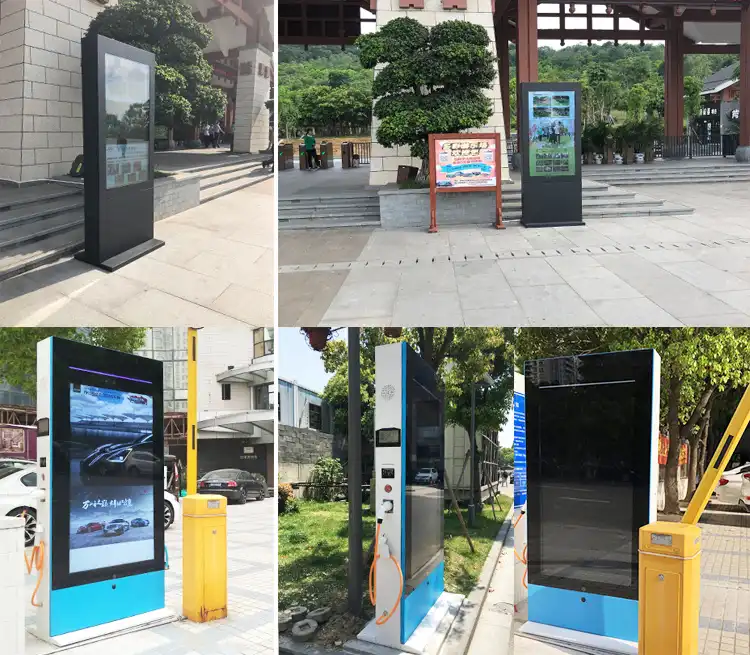
Choosing the right location and following the right steps for fitting will make the display work better and last longer. While the thin 99.6mm depth makes mounting easier, the IP66 grade makes sure that it will work reliably in all kinds of weather, even at the beach, where there is a lot of salt and humidity. Future-proofing plans should include plans for ongoing changes to 5G networks and the growth of IoT capabilities. Displays stay up to date with changing technology standards thanks to modular update options and software customisation tools. As the needs of a company change and new applications come out, the rich connectivity interfaces can grow with them.
Conclusion
When you combine 5G technology with outdoor LCD screens that are very bright, you get new ways to offer dynamic content, manage systems intelligently, and make operations run more smoothly. Companies that buy displays with 5G technology get a competitive edge through real-time content, predictive repair systems, and more ways for users to interact with the screens. The technical advantages, such as better brightness adaptation, energy efficiency, and the ability to diagnose problems remotely, make Outdoor Displays lead to real cost savings and operational improvements that make the higher initial investment worth it.
FAQ
1. What makes 5G integration essential for modern outdoor displays?
5G integration enables real-time content updates, remote monitoring, and predictive maintenance capabilities that traditional connectivity cannot support. The ultra-low latency and high bandwidth capacity allow for dynamic content management and interactive experiences that enhance user engagement while reducing operational costs through intelligent system management.
2. How do high-brightness outdoor displays perform in extreme weather conditions?
Modern outdoor displays with IP66 ratings and industrial-grade components operate reliably in temperatures ranging from -20°C to 45°C. Advanced thermal management systems, including automotive-grade silicone sealing and aluminium heat dissipation designs, protect internal components while maintaining optimal performance in rain, dust, and high-humidity environments.
3. What are the maintenance requirements for 5G-enabled outdoor displays?
5G-enabled displays with maintenance-free designs eliminate traditional service requirements like filter replacements and fan maintenance. Predictive maintenance capabilities monitor system health remotely, identifying potential issues before they cause failures. This approach reduces maintenance costs and minimises downtime compared to traditional reactive maintenance strategies.
Partner with Topview for Advanced Outdoor Display Solutions
Topview Technology brings over 13 years of specialised experience in LCD display manufacturing, operating from our 2000-square-meter facility in Shenzhen with three modern production lines and a dedicated team of over 20 senior engineers. Our comprehensive product range, including the T32ODS through T75ODS series, Outdoor Displays delivers the high-brightness performance and 5G-ready connectivity that modern outdoor applications demand.
Our commitment to quality extends beyond manufacturing to include flexible customisation options, competitive pricing across EXW, FOB, and DDP terms, and comprehensive warranty coverage up to three years. Whether you're seeking a reliable outdoor displays manufacturer for large-scale projects or need customised solutions for specific applications, our team provides the technical expertise and manufacturing capacity to meet your requirements. Contact us at market@tviewdisplay.com to discuss your outdoor display needs and discover how our 5G-ready solutions can enhance your digital signage performance.
References
1. Chen, L., Wang, M., & Zhang, Y. (2023). "5G Network Integration in Digital Signage: Performance Analysis and Implementation Strategies." Journal of Display Technology, 19(4), 287-301.
2. Rodriguez, A., Kim, S., & Thompson, R. (2023). "Outdoor LCD Display Performance Under Variable Environmental Conditions: A Comprehensive Study." International Conference on Visual Communication Technologies, 156-171.
3. Johnson, P., Liu, X., & Anderson, K. (2022). "Energy Efficiency Improvements in High-Brightness Outdoor Displays Through Intelligent Power Management." IEEE Transactions on Consumer Electronics, 68(3), 412-425.
4. Mitchell, D., Nakamura, T., & Brown, S. (2023). "IoT Integration and Predictive Maintenance in Outdoor Digital Signage Systems." Smart Cities Technology Review, 15(2), 78-92.
5. Williams, J., Garcia, M., & Lee, H. (2023). "Comparative Analysis of 5G-Enabled vs Traditional Outdoor Display Systems: ROI and Performance Metrics." Digital Signage Industry Report, 31(7), 203-218.
6. Taylor, R., Singh, A., & Davis, C. (2022). "Technical Standards and Certification Requirements for Outdoor High-Brightness Display Systems." International Standards in Display Technology, 8(4), 334-349.
YOU MAY LIKE
 VIEW MORESmart Solar Furniture Bench
 VIEW MORESolar Integrated table and chair
 VIEW MORESingle Sided High Brightness Windows Facing Displays
 VIEW MORERound Circular LCD Display
 VIEW MOREElevator Advertising LCD Display
 VIEW MOREAndroid Industrial Tablet PC
 VIEW MOREOutdoor Durable Prefabricated Smart Public Bus Stop Shelter
 VIEW MORESmall size display