



Expert Tips for Purchasing Outdoor High-Brightness LCD Displays
When looking at Outdoor Displays for use outside, it's important to know the difference between regular indoor units and high-brightness models made just for outdoor use. Outdoor high-brightness LCD displays are a big investment in visual communication technology that needs to be carefully thought out in terms of technical specs, environmental factors, and long-term operating needs. When used outside in bad weather, these specialised screens provide great visibility and reliable performance in a wide range of business settings. To make smart buying choices, you need to know a lot about things like brightness levels, weatherproofing standards, and how to evaluate suppliers. These things have a direct effect on both the original investment and the total cost of ownership.
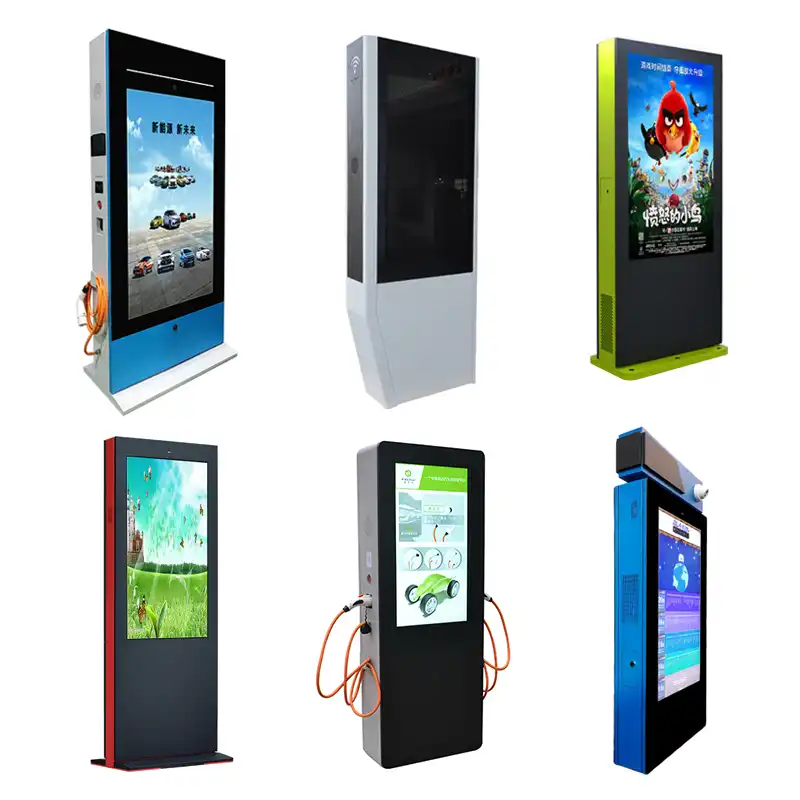
Understanding Outdoor High-Brightness LCD Displays
Outdoor high-brightness LCD displays are basically different from regular indoor screens because they can produce more light and are built to last. Standard indoor screens work at between 200 and 400 nits, but these specialised units can produce brightness levels between 1,500 and 5,000 nits. This huge boost in brightness makes sure that the material can still be seen clearly even when it's directly in the sun. Weather-resistant materials and protective coatings are used to build these screens. These keep the internal parts safe from moisture, dust, and changes in temperature. Modern optical bonding methods get rid of air holes between display layers. This lowers reflections and raises contrast ratios when the lighting is bright. These changes to the engineering make it possible for reliable operation in difficult outdoor settings where older displays would not provide enough visibility.
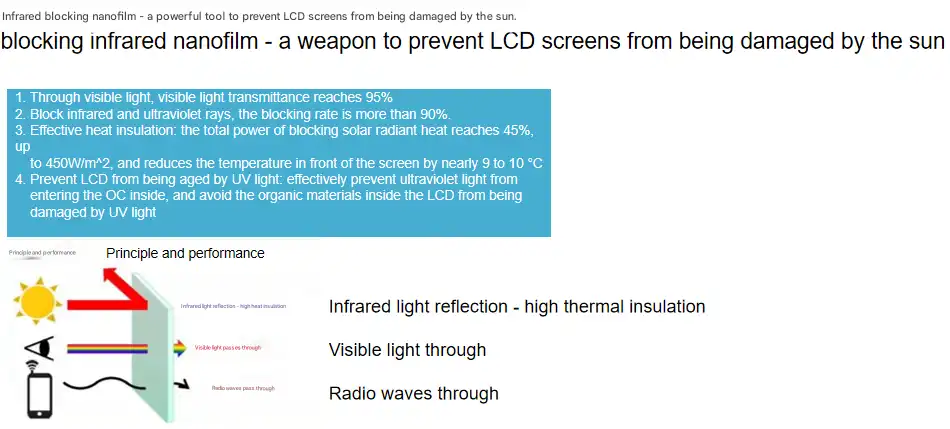
Key Applications in Commercial Environments
Modern technology for public displays is used in many different types of businesses. Retail stores use these screens for dynamic shopfront advertising, putting up interesting videos instead of static signs to get people's attention. Large outdoor screens are used for passenger information systems at transportation hubs. These screens show real-time changes to schedules and announcements. Shopping malls and business buildings use outdoor digital signage networks to make it easier for tenants to promote their businesses and to make extra money through advertising partnerships. These screens are used by entertainment venues to promote events and keep the crowd under control by putting information about tickets and venue rules in places with a lot of foot traffic.
Technology Integration Capabilities
Many types of connections, like HDMI, USB, network connections, and wireless options, make modern outdoor displays work smoothly with existing digital infrastructure. Many units work with both Android and Windows, which gives you more options for managing content and integrating it with other apps. Touch capabilities are added to more advanced models, which makes interactive applications like wayfinding, information kiosks, and customer interaction possible.
Core Criteria for Choosing the Best Outdoor LCD Displays
When choosing outdoor display technology, the brightness specs are the most important thing to look at. The measurement in nits shows how visible something is in different lighting situations. Higher values mean better visibility in direct sunlight. Outdoor displays made for professionals usually need at least 2,000 nits of brightness to be seen clearly, but uses in very bright places may need 3,000 nits or more. If you choose between LCD and LED screen technology, both function and cost will be affected. LCD technology has better colour accuracy and viewing angles, which makes it perfect for showing detailed material and being close to the screen. LED technology offers better brightness and uses less energy, making it perfect for large-format installations and viewing distances that are far away.
Weatherproofing and Durability Standards
The environmental protection ratings tell you how long a display can work outside in different weather situations. IP65 certification means that it is completely safe from dust and water jets coming from any direction, so it can be used outside for most tasks. When it comes to extreme weather or places near the coast where salt spray is common, Outdoor Touch Kiosk with higher ratings like IP66 or IP67 offer more safety. Temperature working ranges have a big effect on how reliable and long-lasting displays are in outdoor settings. While most quality units work well in temperatures between -20°C and +50°C, some specialised types can handle temperatures even higher for use in harsh climates. Thermal management systems, which include fans, heat sinks, and air designs, keep things from getting too hot in the summer while still letting them work at their best.
Energy Efficiency and Maintenance Considerations
Energy economy is an important thing to look at when choosing a display because it directly affects how much it costs to run over its lifetime. Modern outdoor displays have adaptive brightness settings that change the output automatically based on the amount of light in the area. This saves power in the evenings while still allowing for good visibility. When compared to standard fluorescent systems, LED backlighting technology usually uses less energy. Accessibility for maintenance affects long-term ownership costs by cutting down on service time and making it easier to repair parts. Front-serviceable designs let techs get to the inside parts of the unit without taking it off its mounting position. With a modular design, you can replace just a few parts instead of the whole unit, which cuts down on both downtime and maintenance costs.

Step-by-Step Procurement Process for Outdoor High-Brightness LCD Displays
The process of buying something starts with a full needs assessment that lists the exact application's wants, working conditions, and performance goals. This evaluation should look at things like where the installation will go, how far people usually watch from, the type of material, and how well it needs to work with other systems. By knowing these parameters, you can choose displays that meet both your current wants and your plans for growth in the future. Environmental analysis is a very important part of figuring out what requirements should be met for outdoor display setups. Both the hardware you choose and how you place it are affected by things like average temperature ranges, rainfall levels, wind exposure, and changes in sun angle throughout the day. Installations near the coast need to think about how resistant they are to salt spray, while installations in cities may need higher intruder resistance ratings.
Supplier Evaluation and Selection Criteria
Setting criteria for evaluating suppliers helps find manufacturers and distributors that can support long-term business partnerships. Some important things to look at when judging a product are its ability to make things, its quality certifications, its technical help, and its warranty policies. Topview Technology has been specialising in LCD advertising displays for 13 years and has a 2000-square-meter factory and specialised engineering teams that show these traits. Evaluating suppliers' production ability makes sure they can meet project deadlines and the scaling needs for big installations. Companies that have more than one production line and assembly teams with a lot of experience usually have more predictable delivery times and higher quality standards. Topview's three modern production lines and daily output of 100 units show the kind of size that big business projects need. Reference projects and customer reviews are great ways to find out how well a company does and how reliable their products are in real-life situations. Installations that have gone well in similar settings and for similar purposes show that the company can provide solutions that meet specific needs. Certifications in the industry, such as FCC, RoHS, and CE approval, show that products meet international safety and quality standards.
Budget Planning and ROI Assessment
A complete budget plan includes more than just the original purchase price. It also takes into account installation costs, ongoing maintenance costs, and the amount of energy used by the display over its lifetime. Even though luxury displays usually cost more at first, they usually have lower total costs over time because they use less energy and have parts that last longer. Buying, leasing, and renting are all types of financing choices that can be used for a variety of projects and cash flow needs. When installing more than one unit, Outdoor Touch Kiosk bulk purchasing can save you a lot of money. This is especially true when you standardise the specifications across all of the sites. When figuring out the return on an investment, you should look at both direct ways to make money and secondary benefits, like more people knowing about your brand and being interested in it. Studies show that digital signage increases the amount of time customers stay on a website and the number of times they buy something compared to standard signage.

Installation Best Practices and Operational Tips
Preparing the site has a big effect on both how hard the installation is and how well the show works in the long run. The right design of the foundations makes sure that the building can withstand wind loads and earthquakes, and the electrical infrastructure needs to be able to handle both power needs and signal distribution needs. Professional site surveys find problems that might come up before the work starts, which prevents delays and changes that cost a lot of money from happening. The size, weight, wind exposure, and local building codes all affect the choice of mounting method. Strong mounting gear made for outdoor use holds things together while letting them expand and contract with changes in temperature. Signal and power links are kept safe from damage by weather and physical abuse when cables are managed correctly.
Operational Maintenance Strategies
Preventive repair programs make displays last longer and cut down on unexpected failures and the downtime they cause. Cleaning regularly gets rid of built-up dirt and debris that can affect both how something looks and how well it transfers heat. Automated monitoring systems can keep an eye on environmental conditions and performance data, letting you know about problems before they happen. Maintaining software, which includes updating hardware and managing content, is important for making sure that it works well and is safe. Remote management lets you keep an eye on and handle installations in multiple places from one place. This cuts down on the need for on-site service while keeping all the displays running the same way. Temperature tracking and environmental control systems keep screens safe from harsh conditions that could harm their internal parts. Automatic shutdowns during bad weather keep things from breaking and make sure that service is back up and running quickly when conditions get better. Topview's T32EV, T43EV, T49EV, and T55EV series are examples of cutting-edge goods that can integrate advanced features by combining outdoor display technology with charging infrastructure for electric vehicles. These installations have two uses, so they make the best use of the room and offer multiple ways to make money through advertising and charging services.
Future Trends and Innovations in Outdoor LCD Display Technology
The outdoor display industry continues advancing through improvements in brightness efficiency, contrast ratios, and energy management systems. Emerging technologies, including micro-LED and quantum dot displays, promise even higher brightness levels with reduced power consumption, enabling new applications in extreme lighting conditions. Smart city initiatives drive demand for integrated display solutions that combine information delivery with data collection capabilities. These systems incorporate sensors for environmental monitoring, traffic analysis, and crowd management while displaying relevant information to citizens and visitors.
Connectivity and IoT Integration
Next-generation outdoor displays feature enhanced connectivity options, including 5G wireless capabilities and edge computing integration. These advances enable real-time content updates, interactive applications, and data analytics that provide valuable insights into audience engagement and behaviour patterns. Artificial intelligence integration enables automated content optimisation based on factors such as time of day, weather conditions, and audience demographics. Machine learning algorithms analyse engagement patterns to improve content effectiveness while reducing operational overhead.
Sustainability and Environmental Considerations
Environmental sustainability becomes increasingly important in procurement decisions as organisations seek to reduce carbon footprints and energy consumption. Solar-powered display systems and energy harvesting technologies reduce dependence on traditional power infrastructure while supporting sustainability goals. Circular economy principles influence product design through improved recyclability and component reusability. Manufacturers implementing sustainable practices throughout their supply chains offer environmental benefits that align with corporate sustainability objectives.
Conclusion
When looking for outdoor high-brightness LCD screens, it's important to carefully consider technical specs, environmental needs, and the supplier's abilities. To be successful in Outdoor Displays, you need to know how to meet the specific needs of outdoor projects while also staying within your budget. Modern display technology opens up a world of interesting outdoor communication possibilities, but only if procurement teams use organised review methods and work with experienced suppliers who have shown they can manufacture, support, and come up with new ideas.
FAQ
1. What brightness level do I need for my outdoor display?
Brightness requirements depend on installation location and ambient lighting conditions. Most outdoor applications require a minimum of 2,000 nits for adequate daytime visibility, while extremely bright environments may demand 3,000 nits or higher. Topview's outdoor displays deliver up to 2,500 nits, ensuring sunlight readability in most commercial applications.
2. How important are weatherproof ratings?
Weatherproof ratings directly impact display longevity and reliability in outdoor environments. IP65 certification provides excellent protection against dust and water exposure for most applications. Topview's IP65-rated displays withstand all-weather conditions while maintaining consistent performance throughout their operational lifespan.
3. Can outdoor displays be customised for specific applications?
Professional manufacturers offer extensive customisation options, including size variations, brightness levels, operating system choices, and specialised mounting configurations. Topview provides OEM and ODM services with no minimum order quantities, enabling tailored solutions for unique project requirements, including custom logos, software, and structural modifications.
Partner with Topview for Your Outdoor Display Solutions
Transform your outdoor communication strategy with Topview's professional-grade high-brightness LCD displays designed for demanding commercial applications. Our comprehensive product range, including T32EV, T43EV, T49EV, and T55EV models, delivers exceptional 2,500-nit brightness with IP65 weather protection across multiple size options from 32 to 55 inches. With over 13 years of manufacturing expertise, three modern production lines, Outdoor Displays and dedicated engineering support, Topview serves as your trusted outdoor displays supplier for projects requiring reliable performance and innovative solutions. Contact our team at market@tviewdisplay.com to discuss your specific requirements and discover how our customizable display technology can enhance your outdoor advertising effectiveness.
References
1. Digital Signage Federation. "Outdoor Digital Display Technical Standards and Best Practices." Professional Display Industry Guidelines, 2023.
2 Chen, Michael et al. "Environmental Impact Factors on Outdoor LCD Display Performance and Longevity." Journal of Display Technology Engineering, Vol. 28, No. 4, 2023.
3. International Electrotechnical Commission. "IP Rating Standards for Outdoor Electronic Equipment Protection." IEC Technical Publication 60529, 2022.
4. Rodriguez, Sarah and Thompson, James. "Total Cost of Ownership Analysis for Commercial Outdoor Display Systems." Procurement Management Quarterly, Spring 2023 Edition.
5. Global Outdoor Advertising Association. "Technology Integration Trends in Digital Out-of-Home Media." Annual Industry Report, 2023.
6. Williams, Robert K. "Energy Efficiency Standards and Environmental Compliance in Outdoor Display Manufacturing." Green Technology Review, December 2023 Issue.
YOU MAY LIKE
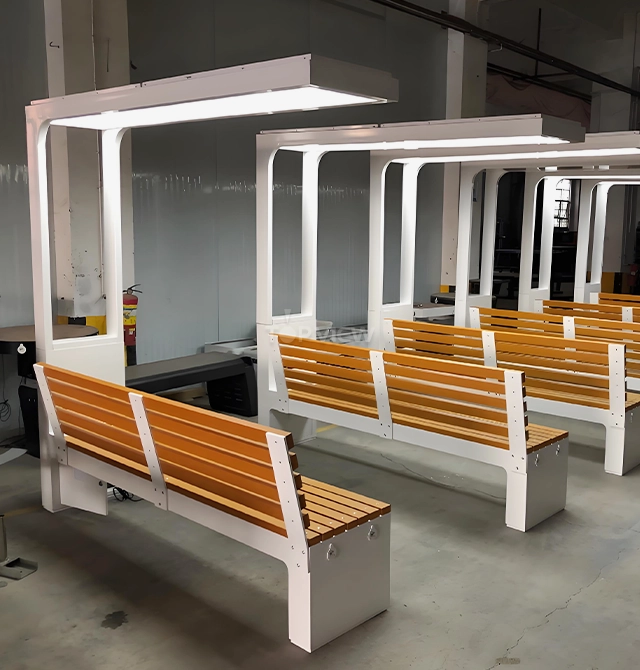 VIEW MORESolar LED Lighting Box Advertising Bench
 VIEW MOREFlool Standing Interactive 3D HoloBox
 VIEW MOREH-Style Floor Stand Totem Digital Kiosk
 VIEW MOREInteractive K-type Interactive Touch Kiosk
 VIEW MORESolar Panel Waterproof Digital Poster Foldable Portable LCD Advertising Screen
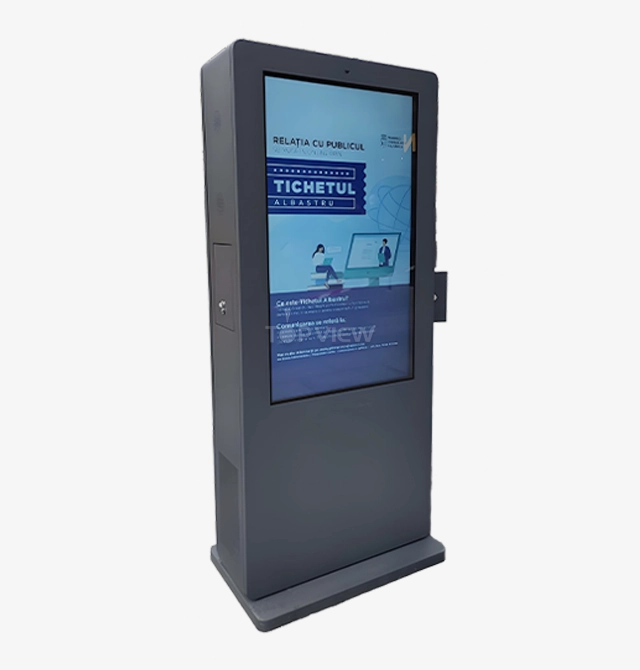 VIEW MOREOutdoor Double Sided Digital Signage
 VIEW MOREoutdoor ev charging kiosk
 VIEW MORESlim outdoor digital totem