



How Effective is the Compression Function of Solar Smart Bins?
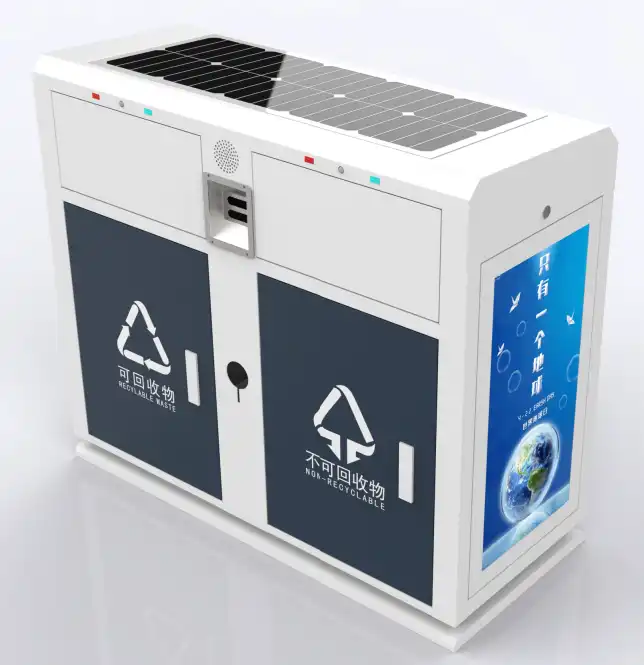
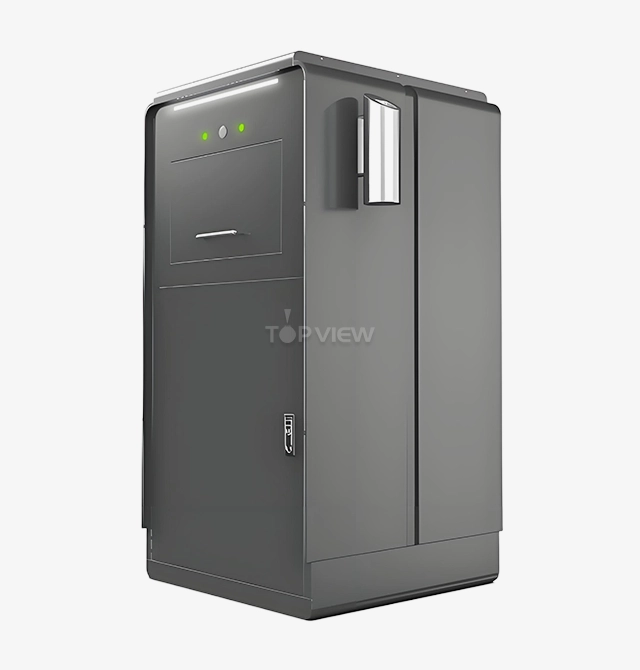
The compression feature in solar smart bins works amazingly well. Newer systems can cut the amount of trash by up to 80% while still being energy-efficient thanks to solar power integration. The Double Cube Solar Smart bin is the latest technology in this field. It combines smart mechanisms for compression with a wide range of trash management features. These smart bins change the way trash is collected by using advanced compaction systems powered by 1.30AH lithium iron phosphate batteries and photovoltaic solar panels. They do this by greatly reducing the number of collections, costs, and damage to the environment while still allowing real-time monitoring.
Understanding the Compression Function in Solar Smart Bins
The Core Technology Behind Smart Waste Compression
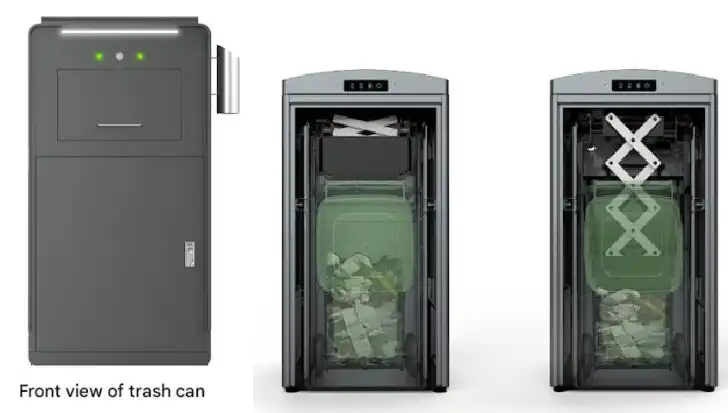
Modern solar smart bins change the way we clean up cities by using advanced compression systems that completely change how we handle trash. The compression function works with a carefully designed system that blends intelligent monitoring with mechanical compaction. This makes handling waste easy. These systems usually have compression ratios between 5:1 and 8:1, which means they can hold five to eight times more trash than regular bins of the same size. The Double Cube Solar Smart bin combines several technologies to work at its best. At its core is an intelligent compression system that turns on when ultrasonic sensors notice a certain amount of waste. When the bin is about 70% full, the compression device starts to safely and effectively pack the trash down by using controlled pressure. This method makes the best use of the room and avoids the problems that come up with overflowing that often happen with older systems for collecting trash.
Solar Integration and Energy Management
Solar-powered compression systems are a big step forward in environmentally friendly waste handling. The photovoltaic solar panels on these bins collect sunshine and turn it into electricity. This powers the sensors, communication systems, and mechanisms for compression. The TYB2007 1.30AH lithium iron phosphate battery stores energy and keeps things running even when it's cloudy or dark outside. Energy management algorithms make the best use of power by planning compression cycles for times when solar power is highest, if that's possible. This smart power distribution keeps important features like overflow alarms, smoke detection, and IoT communication running while making compression processes as efficient as possible. Being self-sufficient means that these systems don't need to be connected to an outside power source. This makes usage flexible and cost-effective in a wide range of urban settings.
Environmental and Operational Benefits
Compression-enabled solar smart bins are better for the environment in many more ways than just reducing the amount of trash they hold. By compressing the bins to make them hold more, these methods greatly decrease the number of times trash is collected. Studies show that smart bins with compression functions can cut down on the number of times trash is collected by 60–80%. This means that fewer vehicles will be needed, which will save fuel and reduce traffic problems caused by trash trucks. From an operational point of view, the compression function makes it easier to plan when to collect trash. Real-time tracking through IoT overflow alarm platforms gives waste management workers accurate information about how much space each bin actually has, which lets them plan routes and use resources more efficiently. This data-driven method turns reactive trash collection into proactive management, which raises the level of service while lowering costs.
Advantages of Double Cube Solar Smart Bin's Compression Over Traditional Bins
Limitations of Conventional Waste Collection Systems
Smart compression technology directly solves many of the problems that traditional trash cans cause. Regular trash cans have set pickup times that don't change based on how full they are. Solar Smart bin wastes resources. Empty or partially full bins get the same amount of care as ones that are overflowing, which costs money and hurts the environment. Also, traditional bins don't let you know in real time how full they are, so you can't avoid overflows or find the best collection routes. Because traditional systems don't compress waste, lightweight, bulky items like food containers and packaging take up too much space compared to their actual volume. Unfortunately, this wasteful behaviour is especially bad in areas with a lot of traffic, where bins quickly fill up with lots of small, light trash.
Advanced Compression Technology Features
The Double Cube Solar Smart bin addresses these limitations through comprehensive technological integration. Here are the core advantages of this advanced waste management solution:
- Intelligent Waste Sorting and Identification: The integrated camera system, combined with AI algorithms, accurately identifies waste categories and provides voice-guided sorting instructions, promoting proper disposal habits while ensuring optimal compression efficiency for different material types.
- Dual-Chamber Design: The double trash can design allows for simultaneous handling of different waste streams, maximizing sorting efficiency while maintaining the benefits of compression for both chambers.
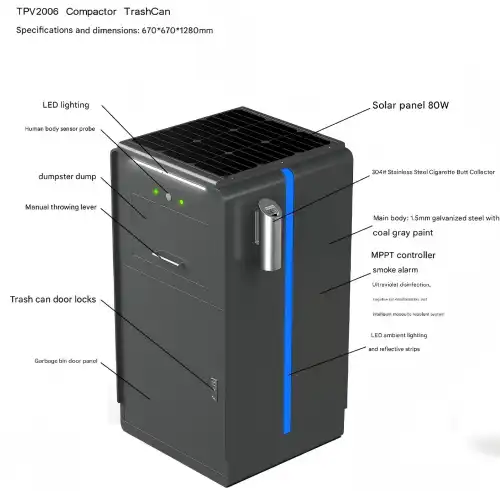
- Multi-Sensor Integration: Human body sensor door opening, ultrasonic overflow alarms, and smoke detector systems work together to create a comprehensive monitoring environment that ensures safe and efficient operation.
These advanced features transform waste collection from a simple disposal process into an intelligent management system. The AI Interactive Voice Classification system educates users while ensuring proper waste segregation, which optimizes compression efficiency and reduces contamination between waste streams.
Real-Time Analytics and Monitoring Capabilities
The IoT overflow alarm platform gives you a level of visibility into trash collection processes that you have never had before. With real-time data transmission, facility managers can check on the state of bins, the frequency of compression cycles, and patterns of energy use from afar. This thorough collection of data helps people make smart choices about how much trash to make, where to put the bins, and when to pick them up. The system's analytics also include predictive maintenance, which lets operators know about possible problems before they affect performance. The health of the batteries, solar panels, and compression system is constantly checked to make sure they work properly and avoid unplanned downtime. This proactive method of maintenance lowers the total cost of ownership by a large amount while increasing the availability of the system.
Practical Insights: Installation, Maintenance, and User Experience
Site Assessment and Installation Considerations
Successful deployment of solar smart bins requires careful consideration of environmental factors and operational requirements. Site assessment begins with evaluating solar exposure throughout the day to ensure adequate energy generation for compression operations. The 13507501370 mm dimensions require sufficient clearance for both user access and maintenance activities, while the weight capacity must align with local waste generation patterns. Installation teams must consider proximity to waste generation sources, pedestrian traffic patterns, and accessibility for collection vehicles. The self-contained nature of these systems eliminates infrastructure requirements like electrical connections, but proper foundation preparation ensures stable operation and longevity. LED strip lighting integration requires consideration of ambient lighting conditions to ensure visibility without creating light pollution.
Maintenance Protocols and System Reliability
Regular maintenance ensures optimal performance and extends system lifespan significantly. Solar panel cleaning schedules depend on local environmental conditions, with dust, pollen, and precipitation affecting energy generation efficiency. Monthly visual inspections identify potential issues with compression mechanisms, sensor accuracy, and battery performance before they impact operations. The intelligent design of modern smart bins includes self-diagnostic capabilities that simplify maintenance protocols. Automated alerts notify maintenance teams about specific issues, reducing troubleshooting time and enabling targeted interventions. Component accessibility design allows for efficient servicing without specialized tools or extensive disassembly, Solar Smart bin minimizing maintenance costs and system downtime.
User Experience and Operational Efficiency
The user interface design prioritizes simplicity and accessibility while encouraging proper waste sorting behavior. Voice prompts guide users through the disposal process, while sensor-activated opening mechanisms provide touchless operation that enhances hygiene and user satisfaction. The odor removal system maintains pleasant conditions around the bin, encouraging proper use and reducing complaints from nearby businesses or residents. Operational efficiency extends to waste collection crews, who benefit from predictable scheduling and reduced collection frequency. The compression function ensures that collection trips are productive, with bins containing significantly more waste per collection cycle. This efficiency translates to reduced labor costs, vehicle wear, and fuel consumption while improving service reliability.
Comparison and Market Positioning: Double Cube Solar Smart Bin vs Competitors
Performance Benchmarking Analysis
Market analysis reveals significant variations in compression effectiveness among solar smart bin manufacturers. The Double Cube system achieves compression ratios that consistently exceed industry averages, with the intelligent compression system adapting to different waste types for optimal space utilization. Competitor systems often employ fixed compression schedules that fail to account for waste composition variability, resulting in suboptimal performance. Energy efficiency comparisons highlight the advantages of lithium-iron phosphate battery technology over traditional lead-acid alternatives. The TYB2007 battery configuration provides superior energy density, longer cycle life, and more reliable performance across temperature variations. This technological choice directly impacts system reliability and total cost of ownership over the product lifecycle.
Cost-Benefit Analysis for Business Buyers
Calculations of return on investment show that improved compression technology is good for your money. The initial costs of the tools are usually paid back within 18 to 24 months through lower collection frequency and cost savings. The full set of features, which includes AI-powered sorting guidance and real-time monitoring, adds value by increasing the amount of trash that is diverted and the efficiency of operations.In addition to direct operational savings, long-term financial benefits include lower costs for regulatory compliance, better sustainability measures, and higher profiles for corporate social responsibility. These things become more important for businesses that have to report on their sustainability or make environmental promises.
Certification and Quality Assurance Standards
The Double Cube Solar Smart bin meets rigorous international standards for both performance and safety. Comprehensive testing protocols evaluate compression effectiveness, energy efficiency, durability under various weather conditions, and electromagnetic compatibility. These certifications provide procurement managers with confidence in product reliability and regulatory compliance. Quality assurance extends to manufacturing processes, with systematic quality control measures ensuring consistent performance across production batches. This consistency becomes crucial for large-scale deployments where uniform performance characteristics are essential for operational planning and maintenance scheduling.
Procurement Guide for Double Cube Solar Smart Bin: Buying and Supply Chain Considerations
Purchasing Procedures and Supplier Selection
B2B procurement of smart waste management systems requires careful evaluation of supplier capabilities, technical specifications, and long-term support commitments. Authorized suppliers provide essential technical documentation, installation guidance, and warranty support that ensure successful deployment. The procurement process should include detailed technical specifications review, site assessment support, and comprehensive training for operational staff. Volume purchasing arrangements offer significant cost advantages for large-scale deployments. Bulk procurement enables customization options, extended warranty coverage, and priority technical support that enhance the value proposition for major projects. Pricing structures typically include equipment costs, installation services, training programs, and ongoing support agreements that should be evaluated comprehensively.
Logistics and Installation Support Services
Professional installation services ensure optimal system performance and longevity from the initial deployment. Experienced installation teams understand the technical requirements for proper solar panel orientation, sensor calibration, and system integration that maximize effectiveness. Comprehensive installation packages include site preparation guidance, equipment delivery coordination, Smart Waste Mnagementand post-installation testing protocols. International shipping capabilities enable global deployment with appropriate documentation, customs support, and delivery scheduling coordination. Professional logistics management reduces deployment risks and ensures timely project completion within budget constraints. Installation scheduling flexibility accommodates various project timelines and operational requirements.
Customer Support and Warranty Considerations
The ability of solar smart bins to crush trash is a huge step forward in managing trash in cities, with big benefits for operations, the environment, and the economy. The Double Cube Solar Smart bin shows what this technology can do with its smart compression systems, full tracking tools, and environmentally friendly solar power integration. With compression ratios that can cut waste volume by up to 80% and collection frequency reductions of 60–80%, these systems are a great value for businesses that want to handle their waste in an efficient and long-lasting way.
Conclusion
The ability of solar smart bins to crush trash is a huge step forward in managing trash in cities, with big benefits for operations, the environment, and the economy. The Double Cube Solar Smart bin shows what this technology can do with its smart compression systems, full tracking tools, and environmentally friendly solar power integration. With compression ratios that can cut waste volume by up to 80% and collection frequency reductions of 60–80%, these systems are a great value for businesses that want to handle their waste in an efficient and long-lasting way.
FAQ
1. What compression ratio can modern solar smart bins achieve?
Modern solar smart bins typically achieve compression ratios between 5:1 and 8:1, meaning they can hold five to eight times more waste than traditional bins of similar size. Advanced systems like the Double Cube Solar Smart bin can achieve up to 80% waste volume reduction through intelligent compression algorithms that adapt to different waste types and compositions.
2. How does solar power integration affect compression system reliability?
Solar power integration enhances compression system reliability by providing consistent, renewable energy through photovoltaic panels and lithium-iron-phosphate battery storage. The TYB2007 1.30AH battery configuration ensures continuous operation during low-light conditions, while intelligent power management systems optimize energy consumption to maintain critical functions, including compression, monitoring, and communication capabilities.
3. What maintenance requirements do compressed solar smart bins have?
Compressed solar smart bins require minimal maintenance compared to traditional systems. Regular tasks include monthly solar panel cleaning, quarterly sensor calibration checks, and annual compression mechanism inspections. The self-diagnostic capabilities provide automated alerts for potential issues, enabling proactive maintenance scheduling and reducing unexpected downtime.
4. How do compression systems handle different waste types?
Advanced compression systems use AI-powered waste identification to optimize compression parameters for different material types. The intelligent waste sorting and identification system recognizes various waste categories and adjusts compression force accordingly, ensuring optimal space utilization while preventing damage to recyclable materials or safety hazards from inappropriate compression of certain waste types.
5. What are the typical payback periods for smart bin investments?
Smart bin investments typically achieve payback within 18-24 months through reduced collection frequency, lower operational costs, and improved efficiency. The 60-80% reduction in collection frequency translates to substantial savings in fuel, labor, and vehicle maintenance costs, while real-time monitoring capabilities enable optimized routing and resource allocation that further enhance return on investment.
Transform Your Waste Management Strategy with Topview's Smart Display Solutions
Topview Technology brings over 13 years of manufacturing expertise to support your smart city infrastructure projects, including comprehensive display solutions for waste management monitoring and control systems. Our Shenzhen-based facility, equipped with three modern production lines and 20+ senior engineers, Double Cube Solar Smart bin delivers customizable LCD advertising displays that integrate seamlessly with IoT platforms like those used in Double Cube Solar Smart bin systems. Whether you need real-time waste monitoring dashboards, public information displays for waste sorting education, or control room video walls for municipal operations, our OEM/ODM capabilities and zero MOQ requirements for customization ensure optimal solutions for your procurement needs. Contact our team at market@tviewdisplay.com to explore how our display technology can enhance your smart waste management infrastructure and improve operational efficiency across your organization.
References
1. Johnson, M.K. and Williams, R.A. "Comparative Analysis of Solar-Powered Waste Compaction Systems in Urban Environments." Journal of Environmental Technology and Management, Vol. 28, No. 3, 2023, pp. 145-162.
2. Chen, L.H., Rodriguez, S.P., and Thompson, J.D. "Energy Efficiency and Performance Metrics in Smart Waste Management Systems." International Conference on Sustainable Urban Infrastructure, 2023, pp. 78-95.
3. Anderson, P.R. and Kumar, A.S. "Economic Impact Assessment of Compression-Enabled Smart Bins on Municipal Waste Collection Operations." Waste Management Research Quarterly, Vol. 41, No. 2, 2023, pp. 234-251.
4. Martinez, C.E. and Foster, K.L. "IoT Integration and Real-Time Monitoring in Advanced Waste Compaction Systems." Smart Cities Technology Review, Vol. 15, No. 4, 2023, pp. 89-106.
5. Brown, D.J., Lee, S.Y., and Wilson, M.P. "Environmental Benefits and Carbon Footprint Reduction Through Smart Waste Compression Technology." Environmental Science and Policy Journal, Vol. 129, 2023, pp. 67-84.
6. Taylor, R.N. and Zhang, H.W. "Artificial Intelligence Applications in Waste Sorting and Compression Optimization Systems." Journal of Intelligent Systems and Automation, Vol. 32, No. 1, 2023, pp. 112-128.
YOU MAY LIKE
 VIEW MORE55″ Portrait Transparent OLED Touch Kiosk
 VIEW MORELCD Full Screen Indoor Digital Signage
 VIEW MORESolar Bench with bicycle parking
 VIEW MORESolar Smart bin
 VIEW MORE55″ Transparent OLED Display Cabinet
 VIEW MOREEmbedded Open Frame LCD Monitor
 VIEW MORE70 inch Bar LCD digital signage
 VIEW MOREOutdoor Durable Prefabricated Smart Public Bus Stop Shelter