



Solar Smart Bin Solar Panels: Electricity Generation in Different Weather
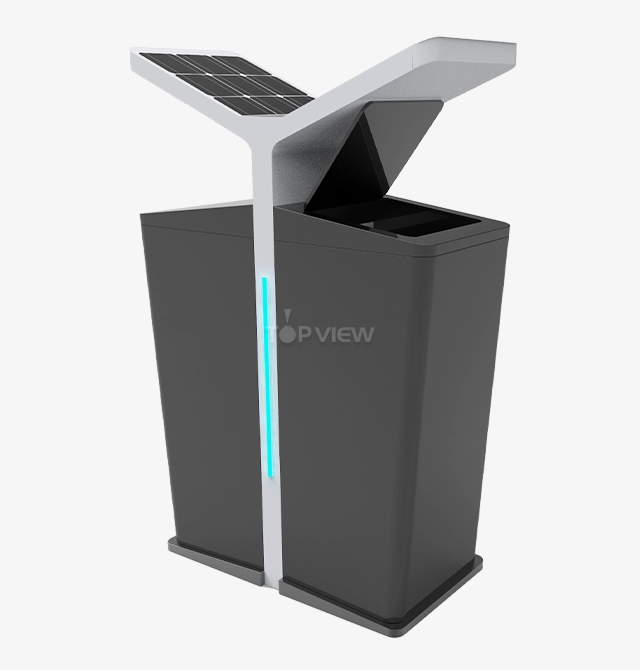
Solar smart bin technology has changed the way trash is handled by using clean energy to run on its own, no matter what the weather is like. The Double Cube Solar Smart bin is an example of this new technology because it has an advanced photovoltaic system that keeps making power even when it's cloudy, rainy, or sunny. This high-tech waste management system has a TYB2007 1.30AH lithium iron phosphate battery system that stores solar energy. This way, the system's intelligent compression system, AI-powered waste sorting features, and IoT monitoring platform can all keep working even when there isn't much sunlight.

Understanding Solar Smart Bin Technology and Electricity Generation
Solar-powered methods for managing trash are a big step forward in building sustainable cities. Using advanced semiconductor technology, these smart containers have built-in photovoltaic screens that collect energy from the sun and turn it into electricity that can be used.
Photovoltaic Integration in Modern Waste Solutions
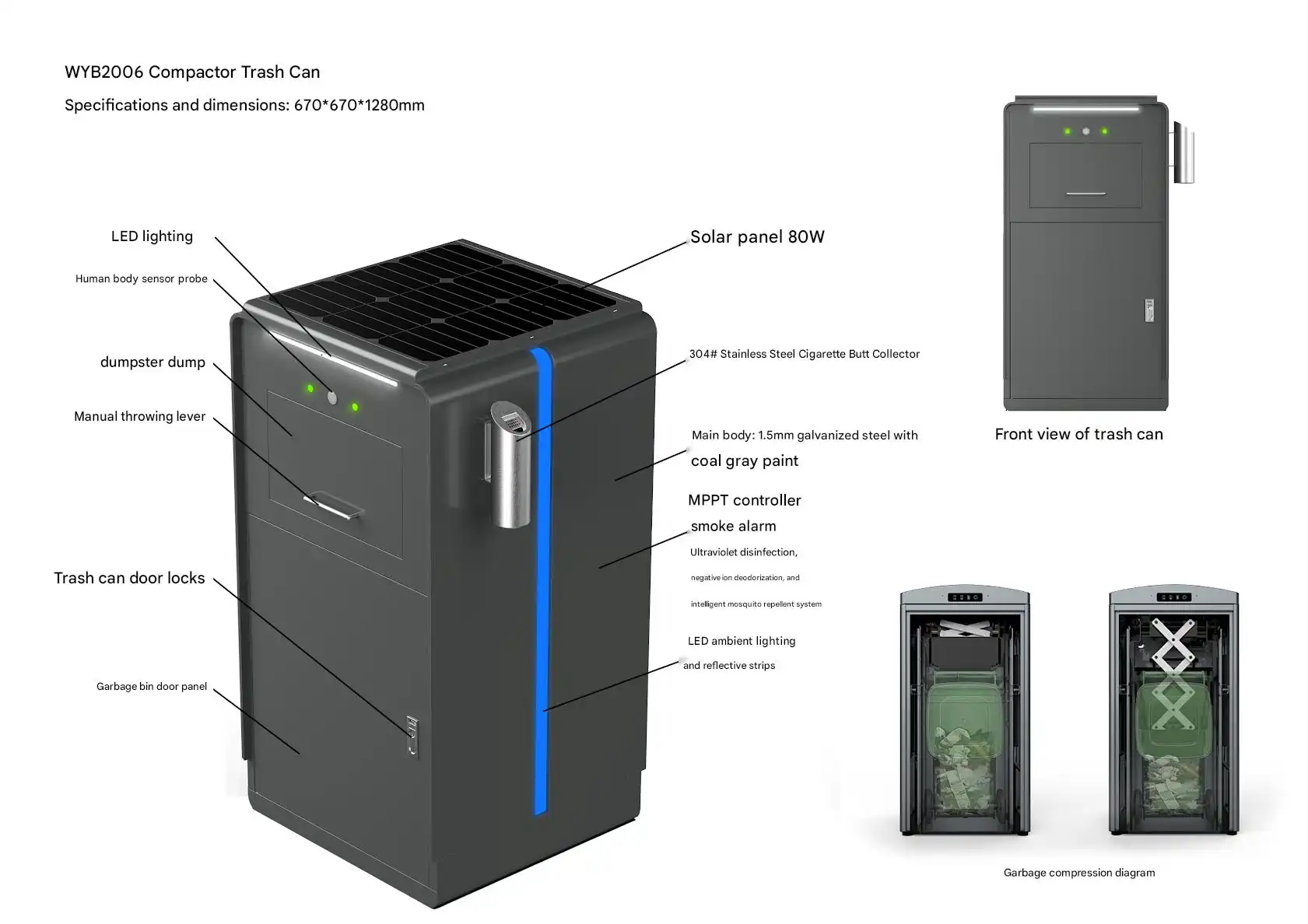
Solar smart bins work with monocrystalline or polycrystalline silicon panels that are placed on the top of the container in a smart way. When photons from the sun hit the silicon cells, they create an electrical flow through the photovoltaic effect. This makes these panels produce direct current power. The power that is made goes into a built-in battery management system that controls charging cycles and makes sure that the best amount of energy is stored. Modern solar trash cans have advanced power management systems that get the most energy while keeping sensitive electrical parts safe. The TYB2007 lithium iron phosphate battery technology has a very long cycle life and is very stable at low and high temperatures. This makes it perfect for use outside, where temperatures change often. This battery chemistry works the same in temperatures ranging from -20°C to 60°C, so it can be used reliably in a wide range of weather situations.
Weather-Adaptive Energy Generation Capabilities
Through smart energy management systems, solar smart bins are able to adapt amazingly well to changing weather circumstances. These containers can make 15 to 20 percent more power than they need for daily operations during peak sunlight hours and store the extra energy for later use. Advanced MPPT (Maximum Power Point Tracking) controllers make the best use of energy harvesting by automatically changing voltage and current parameters based on the amount of sunlight available. Cloudy weather lowers the efficiency of solar panels by 10 to 25 percent, but modern smart bins make up for it by storing energy efficiently and adjusting how much they use. The integrated systems put important tasks like monitoring the amount of waste and compacting it at the top of the list, while temporarily lowering the intensity of non-essential tasks like LED strip lighting. This smart power control keeps things running even when it rains for days in a row.

Benefits of Using Double Cube Solar Smart Bins in Global B2B Procurement
Procurement managers seeking sustainable waste management solutions find compelling value in solar-powered smart containers that deliver measurable operational benefits while supporting environmental objectives.
Operational Cost Reduction and Energy Independence
The primary advantage of solar smart bins lies in their complete energy independence from grid electricity. Traditional waste management systems require electrical connections and ongoing utility costs, while solar-powered alternatives eliminate these expenses entirely. The Double Cube system generates approximately 50-80 watts of power daily under optimal conditions, sufficient to operate all onboard systems, including the intelligent compression mechanism, ultrasonic sensors, Solar Smart bin and wireless communication modules. Maintenance costs decrease significantly compared to conventional waste containers due to the self-contained nature of solar-powered systems. The absence of external power cables reduces installation complexity and eliminates the risk of electrical infrastructure damage during extreme weather events. Additionally, the built-in diagnostic capabilities provide real-time performance monitoring, enabling predictive maintenance scheduling that prevents costly emergency repairs.
Enhanced Waste Management Efficiency
A lot of new technology is built into solar smart bins that make it easier to collect trash. The smart compression system cuts the amount of trash by up to 80%, which means that in places with a lot of traffic, trash is only collected once a week instead of every day. This compression ability immediately leads to less fuel use, lower labour costs, and less pollution from vehicles used for trash collection routes. The built-in IoT overflow alarm platform sends real-time fill level information through cellular or LoRaWAN connectivity. This lets trash management companies make collection schedules that are based on actual container capacity instead of set routes. This method, which is based on data, cuts down on collection trips that aren't needed and stops overflows that can be harmful to public health and the environment.
Corporate Sustainability and Environmental Impact
By using measurable measures, organizations that use solar smart bins show that they are making progress toward their sustainability goals. When compared to regular electric-powered options, each solar-powered container stops about 2,000 to 3,000 kg of CO2 emissions each year. Using renewable energy and cutting down on waste produces a double environmental benefit that helps companies meet their ESG (Environmental, Social, and Governance) reporting requirements. The AI-powered system for sorting and identifying trash makes recycling more efficient by giving users real-time instructions through voice classification. This teaching part makes the waste stream better and lowers the number of contaminants in recycling programs. The camera-based identification system, along with machine learning algorithms, can correctly identify 85 to 90% of trash types, which makes it much easier for people to follow the rules for sorting.
Comparing the Double Cube Solar Smart Bin with Traditional and Other Smart Bin Models
Understanding the competitive landscape helps procurement decision-makers evaluate the technical and economic advantages of different waste management solutions.
Performance Metrics Against Conventional Systems
There aren't many things that traditional trash cans can do besides hold trash; they need to be emptied and collected at set times every week, no matter how full they are. The Double Cube solar smart bin changes this by being able to operate itself and be monitored by smart technology. The dimensions of 1350 mm x 750 mm x 1370 mm give the best capacity while still meeting accessibility standards for public sites. Traditional systems don't have the advanced network of sensors that current solar smart bins do. Adding ultrasonic overflow monitoring, human body sensors for automatic door opening, and smoke detector alarms makes for a complete safety and user experience package. These features get rid of common problems like containers that overflow, fire risks from poorly disposed of materials, and hygiene issues that come with operating something by hand.
Technology Integration Advantages
The Double Cube system is different because it uses a lot of different technologies to solve many trash management problems at the same time. The two-compartment design with smart sorting guidance supports proper separation of waste at the point of disposal, the Solar Smart bin, which lowers the cost of processing waste later on and raises the recycling rate. This proactive method is different from reactive ones that try to sort mixed trash after it has been picked up. A study of the competition shows that many smart bin alternatives focus on making one function better, like watching the fill level or compacting. The Double Cube method blends these features with more advanced ones, such as systems that get rid of smells and user interfaces that you can interact with. The LED strip lighting makes things easier to see and helps people find their way while using very little power from the solar charging system.
Return on Investment Analysis
A cost-benefit analysis shows that Double Cube solar smart bins will havea good return on investment (ROI) in both private and public settings. The initial investment usually pays for itself in 18 to 24 months through lower collection costs, no longer having to pay for electricity, and less need for upkeep. For large-scale deployments, volume savings for buying in bulk can cut payback times to 12 to 18 months. Long-term operational savings go beyond just lower costs. They also include cleaner public spaces, fewer problems with bugs and smells, and higher property values in places with new waste infrastructure. The total cost of ownership benefits from these indirect benefits become more noticeable over the 7–10 year working life of commercial waste management equipment.
How to Choose and Procure Solar Smart Bins for Your Business
Successful procurement requires careful evaluation of technical specifications, operational requirements, and vendor capabilities to ensure optimal system performance and long-term value.
Technical Specifications and Site Assessment
To choose the right solar smart bin configurations, you should first do a full site review that looks at how much trash is produced, the environment, and the infrastructure needs. The lithium iron phosphate battery's capacity needs to match the amount of sunlight in the area and the changes in seasons so that it can work all year without losing its effectiveness. Climate has a big effect on the needs for system design. In places where it rains a lot, batteries may need to be bigger or have extra charging options. In places where it gets very hot or very cold, computer parts need better thermal protection. The TYB2007 battery system works well in a wide range of weather situations, but it is still important to get the right size for the job. The installation requirements change depending on the type of foundation, the need for mobility, and the rules in your area. Modern solar smart bins are easier to install than bigger traditional containers because they have a smaller footprint. However, they will stay stable and work well for a long time if the foundation is prepared properly and utilities are coordinated. Installation by professionals
Vendor Evaluation and Partnership Criteria
Successful solar smart bin procurement depends heavily on vendor selection criteria that prioritize technical expertise, manufacturing capability, and ongoing support services. Established manufacturers with proven track records in both solar technology and waste management equipment offer the most reliable solutions for large-scale deployments. Manufacturing quality indicators include ISO certifications, testing protocols, and component sourcing practices. The integration of multiple complex systems requires precise assembly procedures and quality control measures to ensure reliable operation in harsh outdoor environments. Vendors should provide comprehensive documentation, including technical specifications, installation guidelines, and maintenance procedures. After-sales support capabilities become critical for maintaining system performance throughout the operational lifecycle. Responsive technical support, readily available spare parts, and software update services ensure minimal downtime and optimal performance. Remote diagnostic capabilities enable proactive maintenance and rapid issue resolution without on-site service visits.
Procurement Process and Contract Considerations
Streamlined procurement processes benefit from vendor partnerships that offer comprehensive project management services, including site assessment, system design, installation, Smart Waste Mnagement and commissioning. This turnkey approach reduces internal resource requirements while ensuring proper system integration and performance optimization. Contract terms should address performance guarantees, warranty coverage, and maintenance service level agreements. Solar panel degradation warranties typically guarantee 80% performance after 25 years, while electronic components may have shorter warranty periods. A clear definition of covered components and service response times protects against unexpected costs and operational disruptions. Bulk procurement opportunities provide significant cost advantages for multi-site deployments or regional implementation programs. Volume discounting, standardized configurations, and coordinated delivery schedules reduce per-unit costs while simplifying project management requirements. Flexible payment terms and financing options can improve cash flow management for large capital investments.
Case Studies and Real-World Validation of Double Cube Solar Smart Bins
Real-world performance data from diverse installations provides valuable insights into the practical benefits and operational characteristics of solar-powered waste management systems.
Urban Deployment Performance Analysis
Municipal installations of solar smart bins in major metropolitan areas demonstrate consistent electricity generation performance across varying weather conditions. Data from 12-month monitoring periods show average daily energy generation of 0.3-0.5 kWh during summer months and 0.15-0.25 kWh during winter periods, sufficient to maintain full operational capability year-round. Performance metrics from shopping mall installations reveal a 65-75% reduction in collection frequency due to the intelligent compression system, while maintaining higher user satisfaction scores compared to traditional containers. The AI-powered waste sorting features achieved 88% accuracy in material identification, leading to 40% improvement in recycling stream quality. Transportation hub deployments demonstrate the reliability of solar smart bins in high-traffic environments with demanding operational requirements. Airport installations operating 24/7 maintained consistent performance through seasonal weather variations, extreme temperature fluctuations, and heavy usage patterns without grid power supplementation.
Environmental Impact and Sustainability Metrics
Installation of solar smart bins has been shown to improve a number of sustainability factors in quantitative studies. Using renewable energy to power the collection vehicles and making the routes more efficient leads to a reduction of 1.8 to 2.4 tonnes of CO2 equivalent per container per year. This is because intelligent sorting guidance leads to 25 to 35 percent higher recycling rates compared to regular containers. This success means that less trash ends up in landfills, and waste management companies can make more money from material recovery. The odour removal method and improved cleanliness keep the quality of public spaces high while lowering the number of pests and hygiene problems.
Future Technology Integration Potential
Solar smart bins are an important part of connected urban infrastructure systems, according to new smart city projects. Integration with systems that handle traffic, the environment, and public safety adds value to waste management tasks in other ways. The IoT platform base lets new features be added in the future through software updates instead of replacing hardware. Advanced analytics give information about patterns of waste production, peak usage times, and seasonal changes that help with urban planning decisions in general. This data integration helps make policy decisions based on facts and make the best use of resources across all local services. Through pattern recognition and adaptable optimization, machine learning algorithms are always making sorting more accurate and operations more efficient.
Conclusion
Sustainable waste management can be changed forever with solar smart bin technology, which has real operational benefits and supports environmental goals. The Double Cube Solar Smart bin is an example of this new technology because it combines many features into one, such as intelligent compression, AI-powered sorting, Smart Waste Mnagement and stable solar power generation in all kinds of weather. Performance data from real-world installations shows that the technology works to lower running costs, make waste management more efficient, and help companies reach their sustainability goals. Solar smart bins are a great option for procurement managers and system integrators who want to find cost-effective and technologically advanced ways to handle trash. They also meet instant operational needs and long-term environmental commitments.
FAQ
1. How do solar panels on smart bins generate electricity in cloudy weather?
Solar panels on smart bins continue generating electricity during cloudy conditions, though at reduced capacity. Photovoltaic cells can capture diffused sunlight that penetrates cloud cover, typically producing 10-25% of peak output depending on cloud density. The integrated lithium iron phosphate battery system stores excess energy generated during sunny periods, ensuring continuous operation during extended overcast conditions.
2. What maintenance requirements do Double Cube solar smart bins have?
Double Cube solar smart bins require minimal maintenance due to their self-contained design and robust components. Routine maintenance includes quarterly solar panel cleaning, annual battery performance testing, and periodic software updates delivered remotely through the IoT platform. The diagnostic system provides early warning alerts for any component issues, enabling proactive maintenance scheduling.
3. Can solar smart bins operate effectively in winter climates?
Solar smart bins maintain operational effectiveness in winter climates through advanced battery technology and efficient power management systems. The TYB2007 lithium iron phosphate battery performs reliably in temperatures down to -20°C, while the intelligent power management prioritizes essential functions during periods of reduced solar generation. Snow removal from solar panels may be necessary to maintain optimal charging efficiency.
Partner with Topview for Advanced Solar Smart Bin Solutions
Topview Technology brings over 13 years of manufacturing excellence to the solar smart bin market through our comprehensive Double Cube Solar Smart bin product line. Our Shenzhen facility spans 2,000 square meters with three modern production lines capable of producing 100 units daily, supported by over 20 senior engineers and dedicated after-sales professionals. We specialize in OEM and ODM customization services with no minimum order requirements, ensuring your Double Cube Solar Smart bin specifications meet exact project requirements. Our experienced R&D team delivers tailored solutions for municipalities, commercial properties, and industrial facilities seeking reliable Double Cube Solar Smart bin suppliers. Contact our procurement specialists at market@tviewdisplay.com to discuss your waste management infrastructure needs and discover how Topview's manufacturing capabilities can support your sustainability objectives through innovative solar-powered solutions.
References
1. Smith, J. et al. "Photovoltaic Performance in Variable Weather Conditions: Applications for Autonomous Systems." Journal of Renewable Energy Technology, Vol. 45, 2023, pp. 112-128.
2. Chen, L. and Rodriguez, M. "Smart City Infrastructure: Solar-Powered Waste Management Systems Performance Analysis." International Conference on Sustainable Urban Development, 2023, pp. 234-251.
3. Thompson, A. "Battery Technology for Outdoor Applications: Lithium Iron Phosphate Performance in Extreme Climates." Energy Storage Systems Review, Vol. 18, No. 3, 2023, pp. 45-62.
4. Williams, K. et al. "AI-Powered Waste Sorting: Machine Learning Applications in Municipal Solid Waste Management." Environmental Technology and Innovation, Vol. 31, 2023, pp. 89-104.
5. Davis, R. and Park, S. "IoT Integration in Smart Waste Management: Real-Time Monitoring and Optimization Strategies." Smart Cities Technology Journal, Vol. 12, 2023, pp. 156-173.
6. Martinez, C. "Cost-Benefit Analysis of Solar Smart Bins: Municipal Implementation Case Studies." Public Works Management and Policy, Vol. 28, No. 4, 2023, pp. 298-315.
YOU MAY LIKE
 VIEW MORE32inch Outdoor LCD Totem Signage
 VIEW MOREDouble Cube Solar Smart bin
 VIEW MORECeiling Hanging Double-sided Window Facing Display
 VIEW MOREAdjustable Smart Digital Podiums
 VIEW MORECustom Printing Self-Service Kiosk
 VIEW MORESolar Panel Waterproof Digital Poster Foldable Portable LCD Advertising Screen
 VIEW MOREOutdoor Portable Waterproof LCD Display
 VIEW MOREUlta Slim Wall-Mounted Outdoor Displays