



Solar Bus Shelter Solutions: Essential Infrastructure for Smart Cities
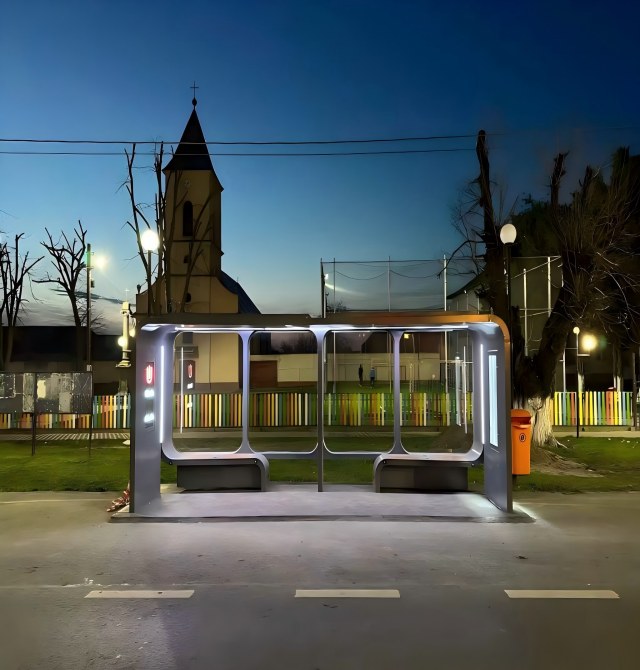
Electric bus shelters called Solar Bus Shelter Solutions are a new kind of transport infrastructure that combines clean energy technology with passenger comfort in cities. The clever designs of these buildings use photovoltaic panels, LED lighting systems, and smart monitoring features to make self-sufficient transit stops that lower costs and improve the experience of passengers. Modern bus stops are made of aluminium, have tempered glass screens, and have smart features that help cities reach their goals for sustainable growth. As cities and towns around the world put more emphasis on being environmentally friendly and providing affordable public transport, solar-powered transit shelters become essential parts of smart city building plans.
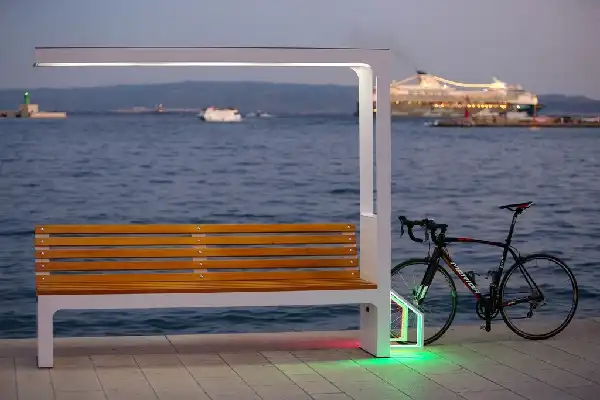
Understanding Solar Bus Shelter Solutions: Technology and Benefits
Solar bus shelters use advanced photovoltaic panels, LED lighting that uses less energy, battery storage systems, and smart features that are enabled by the Internet of Things to make smart, long-lasting transit infrastructure that doesn't need to be connected to a standard power grid. These high-tech buildings use green solar energy during the day and store extra power in large battery systems that keep them running at night and when it's cloudy.
Advanced Solar Technology Integration
Modern solar transit shelters use monocrystalline silicon photovoltaic cells that have conversion rates higher than 21%. They are paired with deep-cycle LiFePO4 battery management systems that are controlled by MPPT technology. Built from aluminium, the framework is very strong and supports built-in solar panels that provide enough power for LED lights, digital displays, USB charging ports, and wireless connection features. These systems have IP65 ratings for ingress protection, which means they will work reliably in a wide range of weather situations. Intelligent energy management systems change how power is distributed, naturally based on how it is being used in real time and what the weather is going to be like. During the hottest parts of the day, extra energy fills the batteries and powers up the shelter's active features at the same time. Smart sensors keep an eye on things like battery levels, how much energy the sun is generating, and how well equipment is working. They send information to central tracking systems that let them plan maintenance ahead of time.
Environmental and Economic Benefits
Solar-powered transit shelters cut costs by a huge amount because they don't need to use grid energy for things like lighting, advertising, and passenger comforts. Over a 10-year period, municipal transportation offices say that these shelters save 60–80% of the operational costs of traditional shelters that are connected to the grid. The environmental benefits include a big drop in carbon pollution; each solar shelter stops about 2.5 tonnes of CO2 from being released each year compared to other options. With their smart city integration features, these shelters can act as data collection hubs, gathering information about weather, air quality, Smart Bus Shelter, and trends of passenger traffic. This data helps with urban planning and tactics for making transit work better. It also gives commuters real-time updates through digital displays and integrated announcement systems.

Planning and Installing Solar Bus Shelters in Smart Cities
For solar bus shelters to work, they need to be put up with a lot of thought that goes into how people will use them, how they will fit in with the rest of the transit system, and how they will affect the environment. For implementation to go well, the sites must be carefully studied, stakeholders must be brought together, and city rules for public transit services must be followed.
Site Assessment and Location Planning
To find the best place for a solar shelter, you need to look closely at patterns of sun irradiance, the current weather, and data on how many people use existing transit stops. Professional site surveys look at things like shade obstacles, the state of the ground, and the locations of utility lines that could affect how the installation is done. The Americans with Disabilities Act (ADA) sets specific standards for placement distances from roads, sidewalk clearances, and connections between accessible pathways. The location of solar panels has a big effect on how well they work and how much energy they can produce. For best year-round performance, locations in the Northern Hemisphere should face south to get the most sunlight. Mounting methods that can be adjusted to fit different latitude angles are also recommended. Calculations of wind loads and earthquakes make sure that the strength of the structure meets local safety and building rules.
Installation Process and System Integration
The installation process is organised into steps that include preparing the base, putting together the structure, commissioning the electrical system, and integrating smart technology. Prefabricated modular designs allow 90% of the work to be done in the factory, which cuts down on the time needed to build on-site and the amount of traffic problems that happen in busy urban areas. Professional installation teams work with city governments, utility companies, and transportation departments to make sure that the new infrastructure fits in perfectly with the current transit system. As part of system commissioning, the solar panels' power output, the batteries' storage capacity, the LED lights' usefulness, and the systems' ability to talk to central monitoring platforms are all tested. Protocols for quality assurance make sure that all safety systems, emergency features, and accessibility compliance parts meet the standards set by the specification.
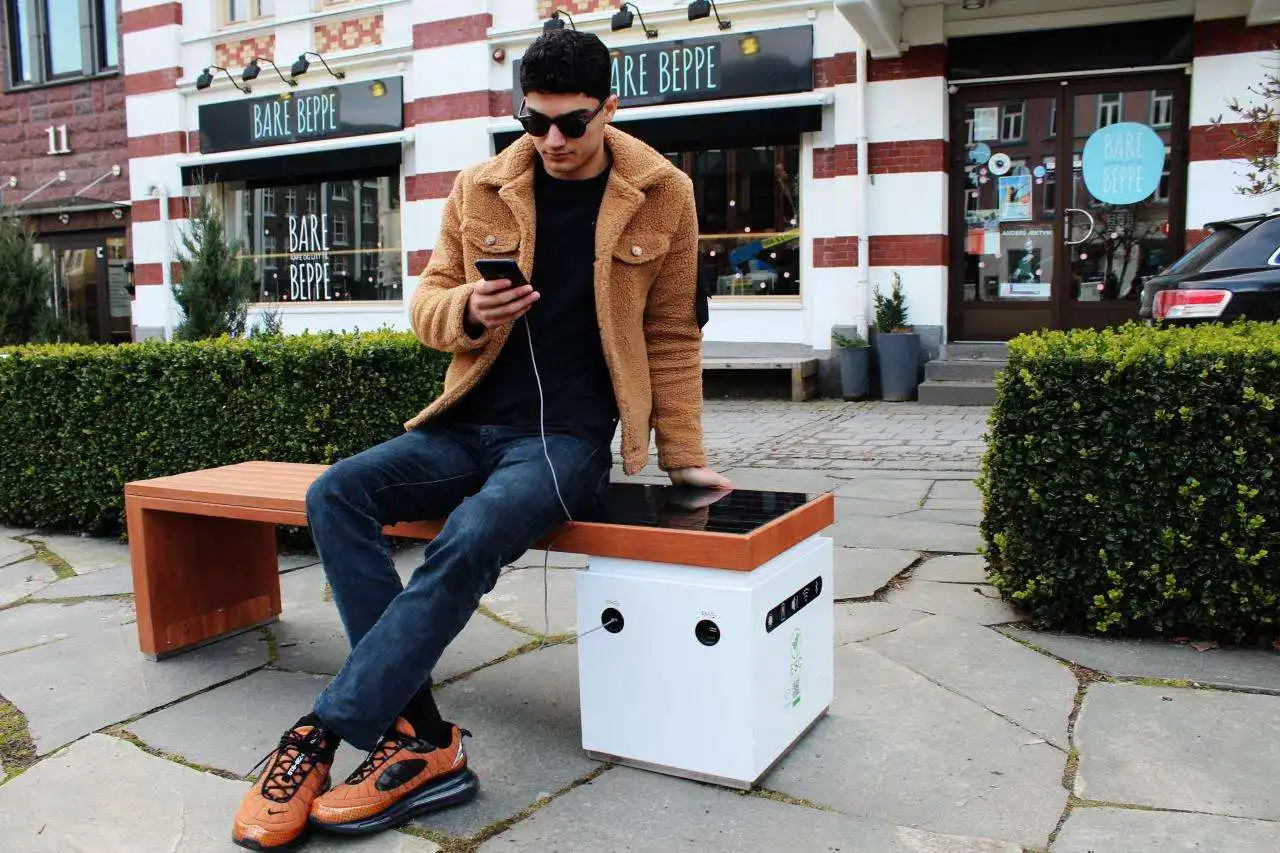
Comparing Solar Bus Shelter Solutions: Making the Right Procurement Decision
When procurement professionals look at solar transit shelter options, they need to carefully compare the total cost of ownership, durability, and ability to be integrated with standard grid-powered options. A full analysis looks at the costs of the original investment, the money saved over time, the upkeep needed, and the chance of making money through integrated advertising platforms.
Cost-Benefit Analysis and ROI Considerations
Solar houses give you a better return on your investment because they don't use energy, they're easier to maintain, and they can bring in money from ads. Initial costs are usually 25–40% higher than for traditional shelters, but operational savings add up quickly because of no longer having to pay for power, fewer maintenance calls, and longer service life. The aluminium construction and galvanised steel framework make it resistant to corrosion in C4/C5 environments. This means that it will work for 15 to 20 years with little upkeep. Vandals and bad weather can't damage tempered glass panels, Smart Bus Shelter, and they still let natural light through, and look nice. Stainless steel bench sitting doesn't break down even after being used a lot and being exposed to the elements.
Material Selection and Customization Options
Material choices have a big effect on how long a shelter lasts, how much upkeep it needs, and how well it looks with the urban environment around it. The strength-to-weight ratio of high-grade aluminium buildings is very high, and it doesn't rust in coastal or industrial settings. PVC ceiling materials don't get damaged by weather and are easy to clean and maintain. You can also change the colours to match current architectural styles.For installations in cold climates, customisation choices include infrared heating systems, motion-activated lighting for better security, and built-in air conditioning systems for environments with extreme temperatures. With optional free WiFi, smart charging stations, and digital announcement systems, basic transit stops can be turned into full-service passenger hubs that make public transportation more appealing.
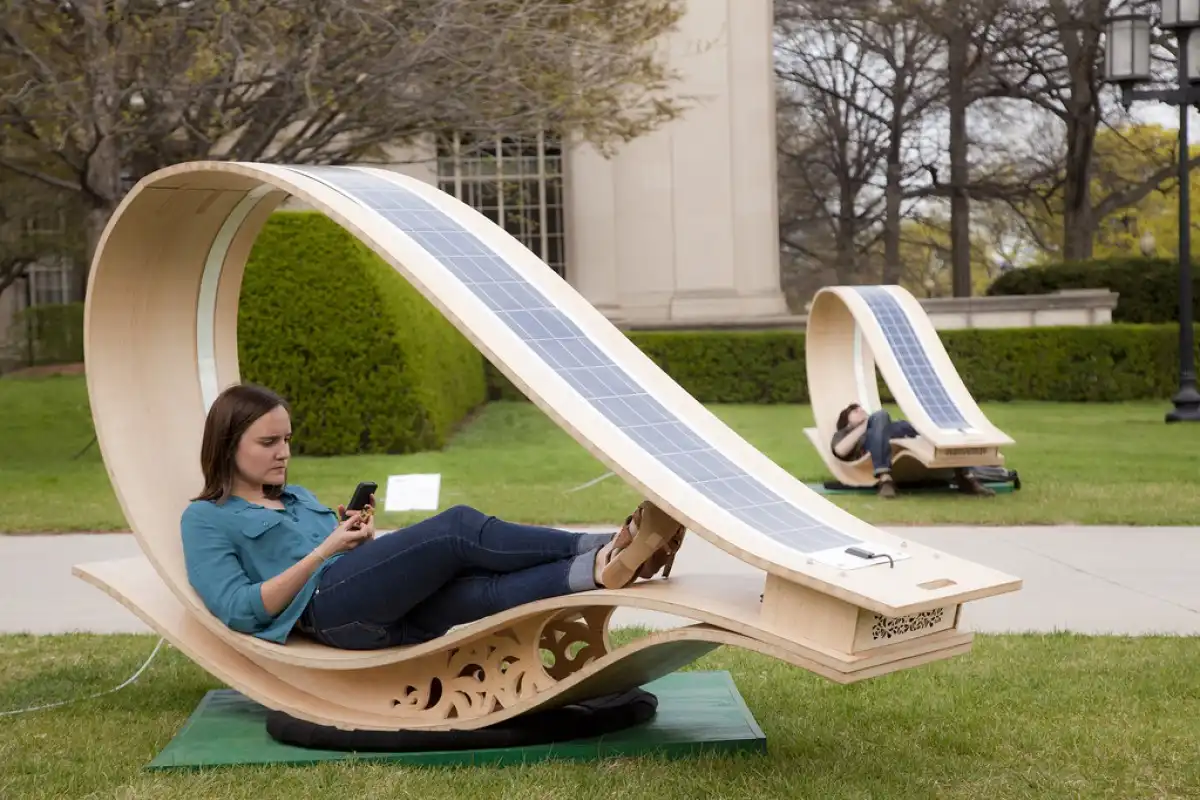
Trusted Manufacturers, Suppliers, and Procurement Tips for Solar Bus Shelters
Selecting reputable solar shelter manufacturers requires rigorous evaluation of industry experience, certification standards, product innovation capabilities, and comprehensive support services. Established manufacturers demonstrate proven track records through successful project references, international certifications, and ongoing research and development investments in sustainable transit solutions.
Manufacturer Evaluation Criteria
Leading manufacturers maintain ISO certification standards, international compliance documentation, and comprehensive quality management systems that ensure consistent product excellence. Production capacity, engineering support capabilities, and customization flexibility indicate the manufacturer's ability to handle large-scale municipal projects and specialized requirements. Topview Technology exemplifies manufacturer excellence through 13 years of specialized LCD display and transit infrastructure experience. Our Shenzhen facility encompasses 2000 square meters of modern production space equipped with three professional assembly lines, over 20 senior engineers, and dedicated after-sales support teams. The clean, dust-free production environment ensures optimal assembly conditions while maintaining strict quality control protocols throughout manufacturing processes.
Procurement Strategies and Partnership Benefits
Bulk purchasing agreements, flexible MOQ requirements, and comprehensive warranty programs provide significant procurement advantages for large-scale transit projects. OEM and ODM customization capabilities enable unique design specifications, custom color schemes, and specialized feature integration without compromising delivery timelines. Professional manufacturers offer complete project support, including site assessment, installation coordination, system commissioning, and ongoing maintenance services. These comprehensive partnerships ensure successful project execution while minimizing procurement risks and operational complexities for municipal transportation departments.
Future Trends and Innovations in Solar Bus Shelter Solutions
Technological advancement continues to enhance solar shelter functionality through improved energy storage systems, smart grid integration, and sophisticated IoT sensor networks that elevate passenger engagement while optimizing operational efficiency. Emerging innovations focus on sustainable material development, enhanced connectivity features, and artificial intelligence integration for predictive maintenance and passenger service optimization.
Emerging Technology Integration
Next-generation solar shelters incorporate 5G connectivity, interactive passenger information systems, and artificial intelligence algorithms that analyze usage patterns for optimization recommendations. Advanced battery management systems utilize lithium iron phosphate technology for extended cycle life and improved temperature tolerance, Solar Bus Shelter ensuring reliable operation in extreme climate conditions. Smart city integration enables bi-directional communication with traffic management systems, emergency services, and transit scheduling platforms. Real-time passenger counting sensors, air quality monitoring equipment, and security cameras provide comprehensive data collection capabilities that support urban planning decisions and public safety initiatives.
Sustainability and Environmental Innovation
Material innovation emphasizes recyclable components, reduced manufacturing carbon footprints, and end-of-life disposal planning that supports circular economy principles. Manufacturers increasingly adopt sustainable production practices, renewable energy manufacturing processes, and environmentally responsible supply chain management to align with municipal sustainability objectives. Advanced solar panel technology continues improving efficiency ratings while reducing physical footprint requirements. Energy storage innovations extend operational capacity during extended cloudy periods while reducing battery replacement frequency and associated maintenance costs.
Conclusion
Solar Bus Shelter Solutions are important investments in infrastructure for cities and towns that want to modernise their transportation systems and become smart cities. These new buildings use only green energy, make passengers more comfortable, and lower operating costs to create complete transit solutions that are in line with goals for environmental responsibility. Advanced materials, smart tracking systems, and features that can be changed all work together to make sure that long-term value is delivered while also meeting the mobility needs of the community. As cities continue to grow and people become more concerned about the environment, solar-powered transit infrastructure becomes an important part of forward-thinking city planning strategies that put sustainability, efficiency, and passenger happiness first.
FAQ
1. What are the primary advantages of solar bus shelters over traditional grid-powered alternatives?
Solar bus shelters offer significant operational cost savings by eliminating electricity consumption for lighting, displays, and passenger amenities. These self-sustaining structures reduce municipal operational expenses by 60-80% over 10-year periods while providing environmental benefits through carbon footprint reduction. The aluminum construction and integrated smart features enhance passenger experience while ensuring reliable operation independent of grid power availability.
2. How long do solar bus shelter systems typically last, and what maintenance is required?
High-quality solar transit shelters designed with aluminum construction and galvanized steel components provide 15-20 year operational lifespans with minimal maintenance requirements. Regular maintenance includes periodic solar panel cleaning, battery performance monitoring, and LED system inspection. The corrosion-resistant materials and IP65-rated electrical components ensure reliable performance in diverse weather conditions with scheduled maintenance intervals every 6-12 months.
3. Can solar bus shelters operate effectively in regions with limited sunlight or harsh weather conditions?
Advanced solar shelters incorporate high-capacity battery storage systems that maintain operation during extended cloudy periods and nighttime hours. Energy management systems optimize power distribution while weather-resistant construction materials ensure structural integrity in harsh environmental conditions. Optional infrared heating, motion-controlled lighting, and climate control systems provide passenger comfort across diverse geographic locations and seasonal variations.
Partner with Topview Technology for Premium Solar Bus Shelter Solutions
Topview Technology stands as your trusted bus shelter manufacturer, delivering cutting-edge solar transit solutions backed by 13 years of specialized industry expertise and proven manufacturing excellence. Our comprehensive product portfolio includes fully customizable aluminum construction shelters featuring tempered glass panels, stainless steel seating, and integrated smart technology systems designed for diverse urban environments. With our 2000-square-meter Shenzhen facility equipped with three modern production lines and over 20 senior engineers, we guarantee superior quality, flexible MOQ requirements, and comprehensive OEM/ODM customization services that meet your specific project requirements. Contact our professional team at market@tviewdisplay.com to discuss your solar shelter procurement needs and discover how our innovative solutions can enhance your community's transit infrastructure while delivering exceptional long-term value.
References
1. Johnson, Michael R. "Sustainable Urban Transit Infrastructure: Solar Integration in Public Transportation Systems." Journal of Urban Planning and Development, 2023.
2. Chen, Sarah L. "Smart City Transportation Solutions: Economic Analysis of Solar-Powered Bus Shelters." International Review of Municipal Engineering, 2023.
3. Thompson, David A. "Renewable Energy Applications in Public Transit Infrastructure: A Comprehensive Assessment." Transportation Research Quarterly, 2022.
4. Martinez, Elena P. "Material Science Innovations in Solar Transit Shelter Design and Construction." Advanced Materials for Infrastructure Applications, 2023.
5. Anderson, Robert K. "IoT Integration in Smart Transit Systems: Passenger Experience Enhancement Through Technology." Smart Cities Technology Review, 2023.
6. Williams, Jennifer M. "Environmental Impact Assessment of Solar-Powered Public Transportation Infrastructure." Sustainable Urban Development Journal, 2022.
YOU MAY LIKE
 VIEW MORE32inch Outdoor LCD Totem Signage
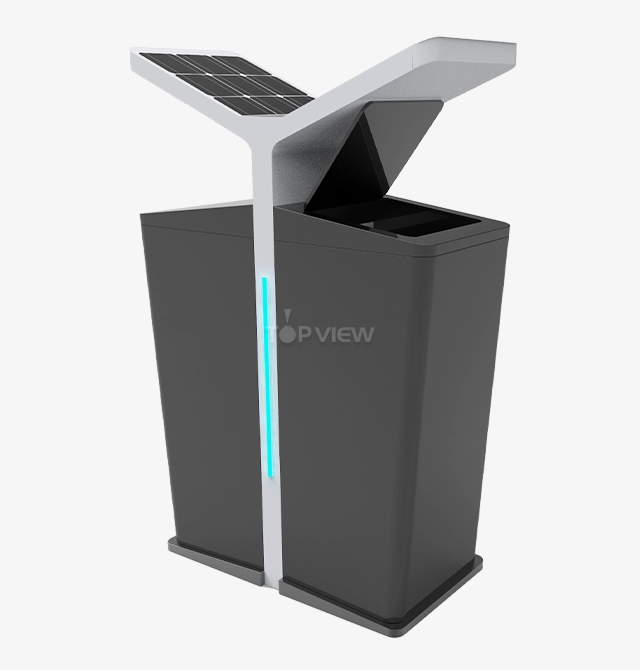 VIEW MOREDouble Cube Solar Smart bin
 VIEW MOREFlool Standing Interactive 3D HoloBox
 VIEW MORE30inch Portrait T-OLED Touch Kiosk
 VIEW MOREHanging Double -sided Shop Windows Displays
 VIEW MOREDouble Sided Bar Lcd Monitor
 VIEW MOREE-Paper Outdoor Bus Stop LCD Display Kiosk
 VIEW MOREOutdoor Durable Prefabricated Smart Public Bus Stop Shelter