



How to Understand the Application and Prospects of OLED Technology in the Display Industry?
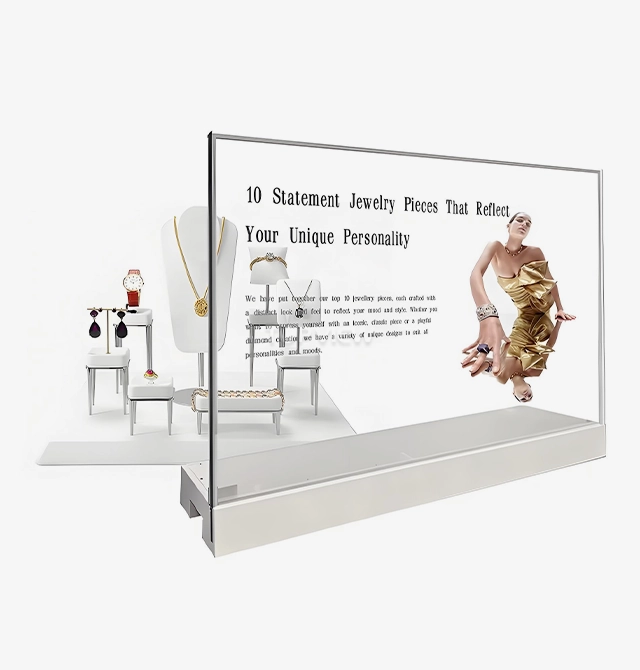
The self-emitting brightness of organic light-emitting diodes is combined with a see-through design in transparent OLED technology, which is a huge step forward in visual engineering. These screens use advanced organic layers and wires that are clear so that light can pass through the panel while still showing bright, high-contrast images. Transparent OLED Displays provide a "floating" digital look that is highly sought after in high-end retail, digital signs, and luxury architectural design. This is in contrast to standard displays that physically block the environment behind them.
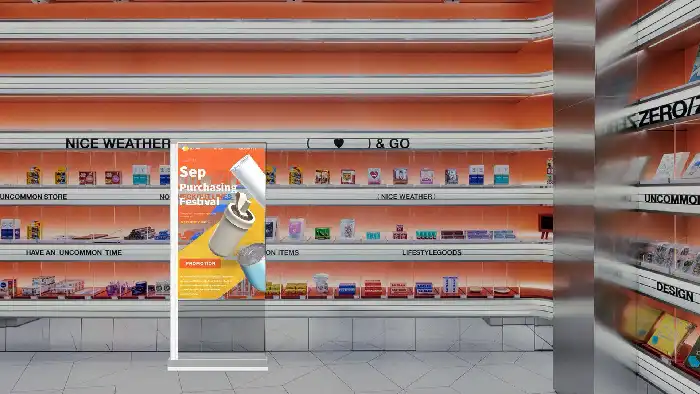
Understanding Transparent OLED Technology: Fundamentals and Benefits
Self-emission is the idea behind transparent OLED technology. This means that each pixel makes its own light. This design gets rid of the need for big backlights or color filters, which are needed in LCD screens. By getting rid of these obstructive parts, makers are able to get a high transparency rate, with the best models currently hitting 43% to 45%. Because it's clear, digital material can be seamlessly added to real-world objects, keeping viewers interested in both the high-definition digital layer and the real-world items behind the glass.
Users have better eye comfort because improved optical structures are built in. These screens care about your eyes by giving off very little blue light. Studies have shown that this kind of filtering saves the health of your retina. In addition, the lack of flickering means that pictures stay clear and smooth even after long watching sessions. The professional optical design successfully manages how light spreads out and bounces back, producing true colors that don't have the glare that most glass screens do. Because of these qualities, these panels are very effective for business settings that need to be careful.
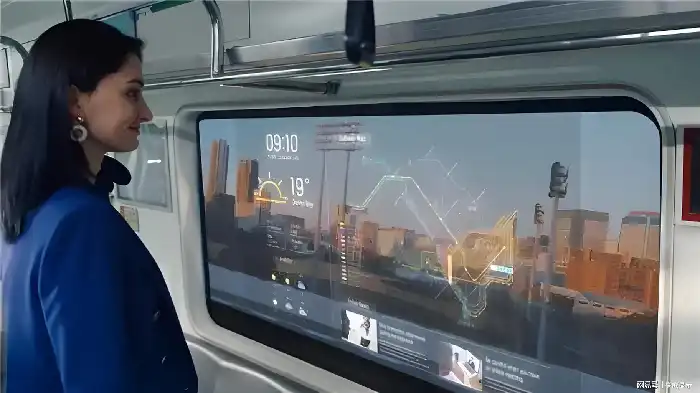
Comparing Transparent OLED Displays with Competing Technologies
Procurement experts have to compare performance metrics to project needs when looking at display options. Standard LCDs and LED video walls often have trouble sending light, which means that backlighting has to be turned off or pixels are spaced out far apart, which makes the picture less clear. These older technologies are outperformed by Transparent OLED Displays, which have infinite contrast ratios and "true black" cells that can be turned off to become completely transparent. This feature makes a strong, complex contrast that projection systems, which rely on surfaces that reflect light from the outside, can't match.
The change from rigid to flexible designs makes OLED systems even more versatile. Rigid panels are great for keeping store displays stable, but flexible choices let you use them for curved architectural installations and head-up displays in cars. B2B buyers say that even though OLED technology may cost more up front than standard signage, the long-term benefits of better room utilization and more meaningful interactions with customers make it worth the extra money. To pick the right arrangement, you have to balance the way something looks with the needs of the industry.
Market Overview and Procurement Insights for Transparent OLED Displays
The global supply chain for clear screens is developing quickly, with big companies like LG and small, specialized companies like Topview driving new ideas. The B2B procurement manager has to look at more than just prices when choosing a partner. They have to really think about technical help and the ability to scale up production. Topview is a company based in Shenzhen that helps manufacturers meet both high-end technology needs and low-cost manufacturing needs. Providers that offer OEM/ODM customization without strict minimum order quantities (MOQ) let developers move projects from small trial installations to large-scale infrastructure deployments.
Strategic procurement should give priority to sellers who can provide a lot of expert documentation and quick help after the sale. For complicated projects, it's important to check a supplier's production capacity and see if they can add unique 3D structures to booths. When looking for suppliers, buyers should make sure that the quality is the same across all batches of products and look for partners who follow strict standards like ISO or RoHS compliance. A strong, long-term relationship with a specialized maker can often lead to higher profit margins and make sure that the finished product meets all of the site's exact technical and software requirements.
Future Prospects and Industry Trends of Transparent OLED Displays
The way this Transparent Displays technology is going, it will soon be deeply integrated with smart city infrastructure and the Internet of Things (IoT) environments. As the resolution and brightness get better, these screens will likely take the place of static windows in airports, metro stops, and high-end meeting centers. New ideas like folding clear substrates are already being tested on prototypes. These could open up new markets for wearable tech and mobile consumer electronics. As production methods are improved, the cost of these panels will likely go down, which will speed up their use in mass-market applications.
To take advantage of these trends, procurement teams should stay in close touch with provider roadmaps. It is important to think ahead about problems that might come up with scaling. As the need for smarter, more interactive spaces grows, being able to guarantee a steady supply of standard, high-performance panels becomes a competitive edge. When buyers add these cutting-edge display options today, they put their businesses on the cutting edge of digital communication and set the stage for future growth and technology development in their specific fields.

Best Practices for Maximizing Value from Transparent OLED Displays
For placement to work well, external factors like controlling ambient light and temperature must be taken into account. For example, the T55OF model has a 55-inch screen with a resolution of 1920x1080, a peak brightness of 600 nits, and a 43% transparency rate. The screen is covered by 4mm toughened glass that is scratch-resistant. To take care of these assets, you have to follow strict cleaning rules and make sure that software changes are synced with the control systems at the site. Putting in place a strong preventive maintenance plan that includes regular checks on the touch-layer's sensitivity greatly increases the installation's useful life.
Real-world examples in museums and banks show how important it is to have well-thought-out content plans with a 55″ Landscape Transparent OLED Self-Service Touch Kiosk. When companies use 10-point capacitive touch, they can make interactive booths that look and feel like they belong in the area itself. By looking at case studies of similar deployments, project managers can find common problems like bad mounting or poor communication, which makes integration go more smoothly. Using the knowledge of their chosen display partner for placement help and technical training helps businesses make sure that the technology has the most impact on sales and operations.
Conclusion
Transparent OLED technology is now an important part of modern digital display strategy, far from its early days as an experiment. This technology gives retail, business, and public sectors an unbeatable visual and practical edge by making high-transparency screens that don't lose brightness or color accuracy. It's important to know how to balance hardware quality and expert help, whether you're trying to improve an airport information system or make an interactive showroom. Topview is still dedicated to giving our global partners the scale, customization, and reliable performance they need to make these complex digital ideas become professional, long-term realities as the industry changes.
FAQ
Q1: What is the primary advantage of choosing a transparent OLED display?
The main benefit is that digital material can be shown while light can still pass through the screen. Instead of creating a "black box," as traditional screens do, these displays blend in with their surroundings, keeping the room's look while adding a high-tech, realistic interface.
Q2: Are these displays durable enough for public use?
Yes, new ones have high-strength toughened glass that doesn't break easily and doesn't scratch easily either. This protective layer is 4mm thick and keeps the screen safe in places with a lot of people, like airports, shopping malls, and convention centers.
Q3: Can Topview customize these displays for specific projects?
Of course. Topview offers a wide range of OEM and ODM services, such as custom housings, unique 3D structures, and software integration. We can help with both silk-screen logos and LED lighting branding, and we welcome unique project needs.
Partner with Topview for Superior Outdoor Display Solutions
Are you ready to add cutting-edge Transparent OLED Displays to your next project? Topview is the best Transparent OLED Displays maker in the world, and they offer high-performance, fully customizable options to B2B clients all over the world. Get in touch with our experts right away at market@tviewdisplay.com to talk about your unique needs. Work with a provider that promises top-notch quality, dependable long-term support, and the cutting-edge technology you need to take your business display projects to the next level of excellence.
References
1. Advanced Display Technology Trends in Modern Architecture, Journal of Visual Engineering.
2. Comparative Analysis of OLED vs. LCD Performance in High-Ambient Light, International Display Review.
3. The Evolution of Transparent Substrates in Digital Signage, Display Technology Yearbook.
4. Optical Transparency and Human Eye Health: Research on Display Ergonomics, Optometry Today.
5. Global B2B Procurement Strategies for High-End Electronic Components, Industrial Sourcing Guide.
6. Market Projections for Self-Emissive Display Integration in Smart Infrastructure, Electronics Industry Outlook.
YOU MAY LIKE
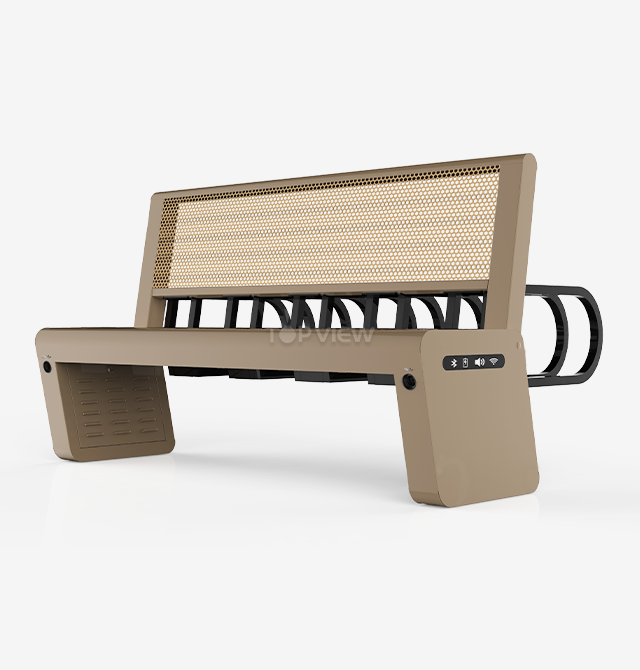 VIEW MORESolar Bench with bicycle parking
 VIEW MOREIntelligent IOT System Bright LED Light Pole
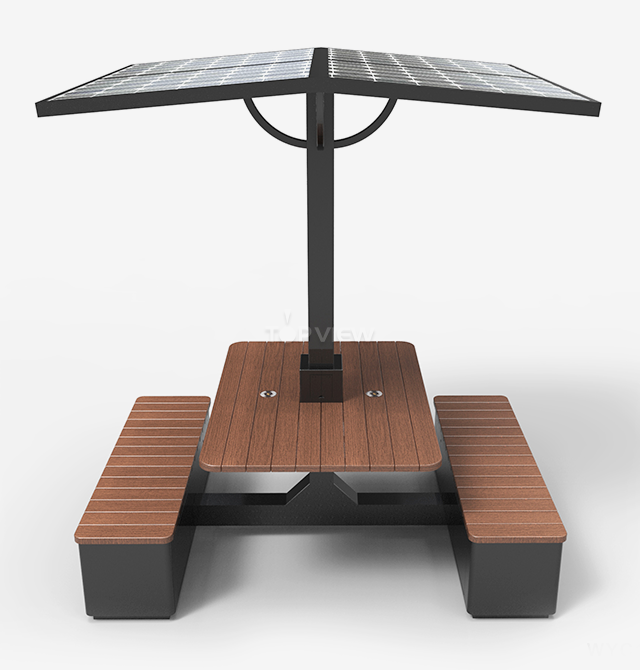 VIEW MORESolar Integrated table and chair
 VIEW MORE360-degree Full HD 3D holographic display
 VIEW MORETransparent OLED Touch Screen
 VIEW MOREDouble Sided Bar Lcd Monitor
 VIEW MORESelf Service payment Kiosk
 VIEW MORECustom Printing Self-Service Kiosk