


Solar Bus Shelter Smart Lighting: Enhancing the Waiting Experience
Modern solar bus shelters have a lot of high-tech parts that all work together to give the best performance. The solar panel array is usually made up of high-efficiency photovoltaic cells that can collect sunshine even when it's cloudy outside. Energy storage systems use modern lithium-ion batteries to store power for use at night, or when it's cloudy, so the lights stay on no matter what the weather is like. The intelligent control system is like the brain of the operation. It controls the flow of energy, keeps an eye on how well the system is working, and changes the amount of lights based on the environment and the number of people in the area. LED light sources give off better light while using less power. This makes waiting areas well-lit, which makes passengers safer and more comfortable. These parts are kept in strong frames made of #304 stainless steel and toughened glass, which makes them last a long time and keeps them from being damaged.
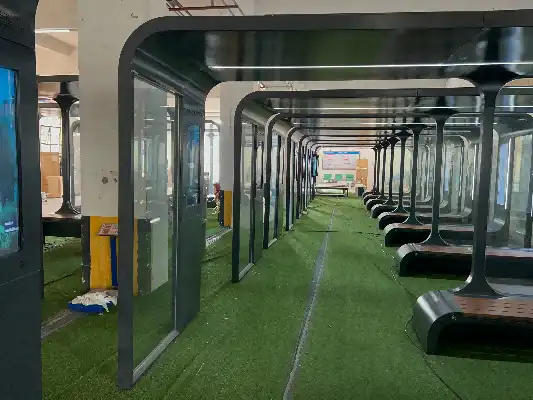
Understanding Solar Bus Shelter Smart Lighting: Core Components and Benefits
Essential Components of Solar-Powered Transit Solutions
Transit companies that use solar shelter technology see huge improvements in how they run their businesses. One of the biggest perks is that these systems don't depend on municipal power grids, so they don't cost anything to run. It is possible for the normal solar shelter to make enough electricity to power lights, TVs, and other amenities all year long. Improvements in passenger safety are instantly clear when there is consistent, bright lighting that makes it easier to see at night and in bad weather. Well-lit waiting places make people feel better, which makes them more likely to use public transport and improves how people feel about transport services in general. Besides saving energy, each solar shelter also stops about 2,500 pounds of CO2 from being released into the air each year compared to grid-powered options.
Comprehensive Benefits for Urban Transit Systems
Modern solar shelters have a lot of smart features that make the experience better for the people who use them. Intelligent monitoring systems help maintenance teams to keep an eye on things from afar, keeping track of performance metrics and finding problems before they affect service. Passengers can use the internet for free when they are connected wirelessly, turning waiting times into useful or fun times. Adding intelligent announcement systems keeps customers up to date on service changes and arrival times. Mobile device charging stations are very important in our connected world because they can work in emergencies. Optional climate control features, such as heating and cooling systems that use less energy, can be changed based on the season to keep the temperature comfortable while still using less energy.
Advanced Features and Smart Technology Integration
Smart Bus Shelter lighting that is powered by the grid has a lot of problems that solar alternatives can fix. Traditional systems use a lot of energy, which means they have ongoing costs that put a strain on municipal budgets. Power blackouts often leave people in the dark, which makes them less safe and makes people less likely to use public transportation. Maintenance for traditional lighting systems includes replacing bulbs often, fixing electrical problems, and keeping an eye on power lines all the time. These tasks need specialised workers, cause service interruptions, and have ongoing costs that add up over time. Power outages caused by bad weather are especially bad for traditional systems. During storms, when passenger safety is most at risk, shelters don't have lights.
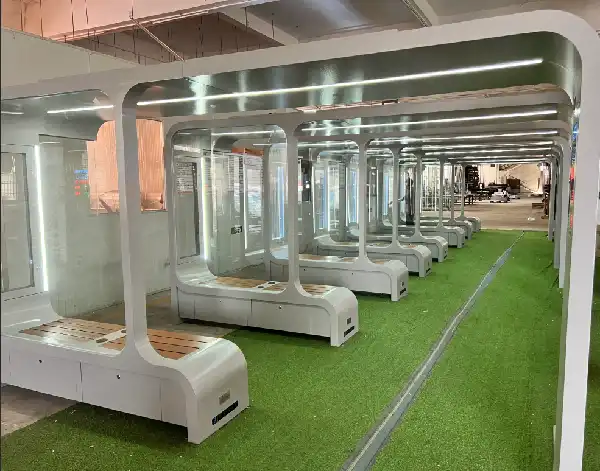
Comparing Solar Smart Lighting with Traditional Bus Shelter Lighting Solutions
Addressing Traditional Lighting Limitations
When solar-powered lighting systems are turned on, they work without the power grid, so they always provide light, no matter what the power situation is outside. When LED technology is built into solar systems, it produces better light while using 75% less energy than regular fluorescent lighting. Motion sensors and the ability to dim the light make the best use of energy, which extends the battery life and makes sure the light works reliably during long times of low sunlight. Traditional lighting elements don't last nearly as long as solar components. LED lights last 50,000 hours on average, while fluorescent bulbs only last 8,000 hours. Solar panels come with contracts that last 20 to 25 years, and battery systems last 10 to 15 years. Because it lasts longer, it costs less to repair and doesn't need much upkeep.
Solar Technology Advantages and Performance Benefits
A thorough study of the money side of things shows that installing a solar cover will save you a lot of money in the long run. Even though they may cost more to install at first than traditional methods, operational savings add up quickly. Getting rid of monthly energy bills and lowering the amount of maintenance needed usually pays for itself in three to five years. Many times, government rebates and incentives cover a big chunk of the original costs of an investment. Federal tax credits, state incentives, and rebates from energy companies can cut the costs of getting started by 30 to 50 percent. Solar systems are also more durable, which lowers their lifetime costs. This makes them a good choice for procurement managers who are watching their budgets and want to make investments in sustainable infrastructure.
Cost-Benefit Analysis and Financial Advantages
When choosing solar shelter systems for large-scale use, procurement workers need to think about how they can be expanded. Standardised designs make buying in bulk easier and keep the quality the same across multiple sites. With the ability to customise, municipal branding, advertising spaces, and specific amenity needs that match community needs and revenue-generating possibilities can all be added. The modular designs of our solar shelter options allow them to fit a range of size needs. Standard dimensions of L3500W1625H2550mm make the best use of the room while still being flexible enough to fit the needs of each site. Material choices include different ceiling layouts made of PC plate, aluminium sheet, stainless steel sheet, Smart Bus Shelter, or tempered glass panels, which make it possible to match the look of the current infrastructure.
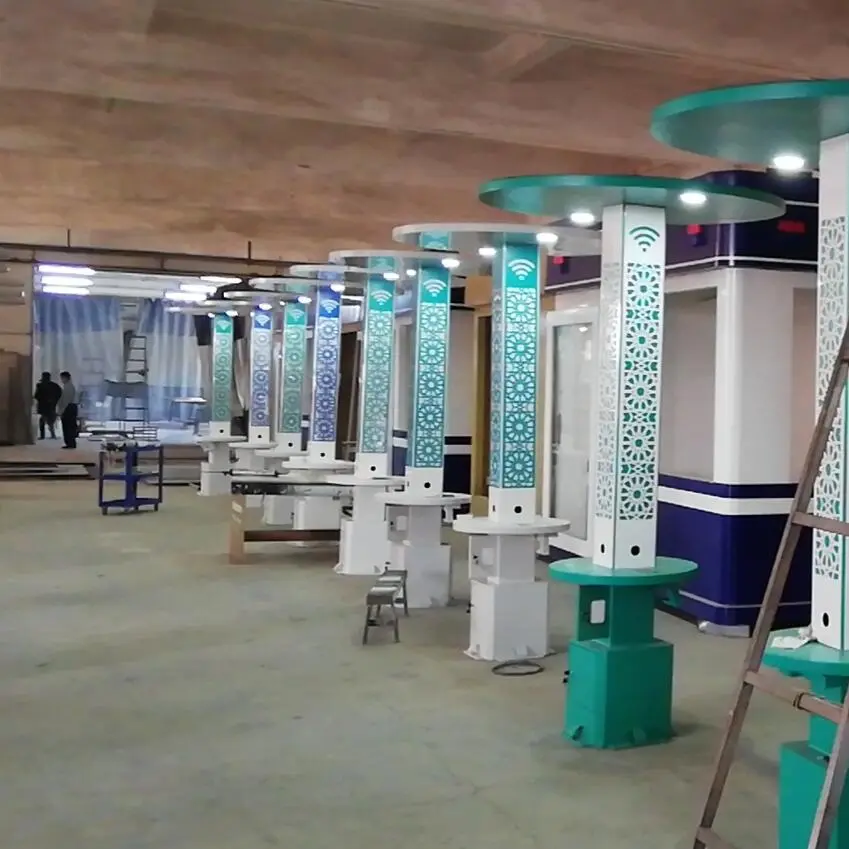
Designing and Procuring Solar Bus Shelters with Smart Lighting for B2B Clients
Scalability and Customization Considerations
Strong safety features are very important when investing in public assets. Tempered glass screens let you see clearly and protect against damage from impacts and vandalism. Anti-glare technology makes sure that there is enough light without making it hard for close drivers or residents to see. In case of an emergency, features like backup lighting and contact tools make passengers safer. Vandal-resistant design elements keep the look of the design nice while protecting valuable parts from damage. Secure fixing systems keep people from getting to the electrical parts without permission, and long-lasting finishes keep them from getting graffiti or worn down over time. Motion-activated lighting saves energy and turns on right away when people walk up, making the space feel welcoming and discouraging unwanted activities.
Safety Features and Vandal Resistance
To make a good purchase, you need to carefully look at each seller, paying special attention to their manufacturing skills, ability to follow certification rules, and infrastructure for providing support after the sale. International certifications like CE, FCC, and RoHS make sure that products meet the standards in many different areas. Assessing a company's manufacturing ability keeps deliveries on time and makes sure that the quality of products for big projects stays the same. Coverage for warranties and the ability to get technical help have a direct effect on long-term happiness and operational success. Solar panels, batteries, and control systems are just a few of the major parts that should be covered by full warranty plans. During installation and ongoing operation, quick response times for technical support are essential. This means that suppliers need to have dedicated engineering teams and quick response procedures.
Supplier Evaluation and Partnership Development
The technology behind solar shelters keeps getting better as new parts are made and systems can be put together more easily. Higher-efficiency solar panels that use perovskite and tandem cell technologies promise to make more power while taking up less space. Using solid-state technologies in better battery storage options will make them last longer and work better in cold weather. The use of artificial intelligence makes it possible for predictive maintenance to find problems before they affect the level of service. Machine learning algorithms make the best use of energy by looking at trends of use, weather forecasts, and changes in the seasons. These smart systems change the lighting schedules, climate control settings, and charging station access on their own to get the most out of their resources while still giving passengers the best experience possible.
Future Trends: Smart and Eco-Friendly Innovations in Bus Shelter Technology
Emerging Technology Integration
In the future, shelter designs will include more features than just lighting and safety from the weather. Monitoring tools for air quality will give real-time information about the environment and help with smart city projects. Energy kiosks will let people charge their electric cars and get power in an emergency during natural disasters or power blackouts. When digital displays are added to shelters, they will become information hubs where people can get real-time updates on transit, hear community messages, and talk about emergencies. Through touch-screen interfaces driven by renewable energy systems, Solar Bus Shelter passengers will be able to use interactive features to plan their routes, make payments, and access public services.
Multifunctional Infrastructure Development
Future shelter designs will incorporate expanded functionality beyond basic lighting and weather protection. Air quality monitoring systems will provide real-time environmental data while contributing to smart city initiatives. Energy kiosks will enable electric vehicle charging and emergency power access during natural disasters or grid outages. Digital display integration will transform shelters into information hubs providing real-time transit updates, community announcements, and emergency communications. Interactive features will enable passengers to access route planning, payment systems, and civic services through touch-screen interfaces powered by renewable energy systems.
Regulatory Support and Sustainability Goals
Urban sustainability initiatives and regulatory frameworks increasingly favor renewable energy infrastructure investments. Carbon reduction mandates encourage municipal adoption of solar-powered systems as cities pursue ambitious environmental goals. Green building standards and LEED certification programs recognize solar shelter installations as valuable contributions to sustainable development objectives. Federal and state funding programs specifically target renewable energy infrastructure projects, providing financial incentives that improve project economics for public agencies. Grant opportunities and low-interest financing options make solar shelter implementation more accessible for communities with limited capital budgets.
Conclusion
Solar-powered smart lighting in bus stops is a huge step forward for public transportation infrastructure. It has real benefits for operations, the environment, and passengers. These new lighting systems get around the problems with standard lighting while making things more useful by using smart features and renewable energy. The many benefits include no longer having to pay for energy, higher passenger safety, less upkeep, and big environmental benefits that are in line with today's sustainability goals. Procurement professionals looking for transit solutions that are durable, cost-effective, and up-to-date in technology will find that solar shelters offer compelling value propositions backed by proven performance, extensive warranties, Solar Bus Shelter, and ongoing technical support from experienced manufacturers.
FAQ
1. How reliable is solar lighting during cloudy weather or winter months?
Modern solar shelter systems incorporate high-capacity battery storage designed to maintain operation during extended periods of limited sunlight. Advanced lithium-ion batteries typically store 3-5 days of operational power, ensuring consistent lighting even during consecutive cloudy days. Winter performance remains reliable through optimized panel positioning and cold-weather battery management systems.
2. What is the typical lifespan of solar shelter components?
Solar panels carry 20-25-year warranties and often exceed 30 years of productive operation. LED lighting systems operate reliably for 50,000+ hours, equivalent to 15-20 years of typical usage. Battery systems provide 10-15 years of service life with proper maintenance. Control systems and structural components are designed for 20+ year operational periods.
3. Can solar shelters be customized for specific branding or advertising requirements?
Customization options are extensive, including panel materials, colors, dimensions, and integrated advertising displays. Branding elements can be incorporated through various methods, including LED backlighting, printed graphics, and digital display integration. OEM and private labeling services accommodate specific municipal or commercial requirements without minimum order quantity restrictions.
Partner with Topview for Advanced Solar Bus Shelter Solutions
Transit agencies ready to embrace sustainable infrastructure solutions will discover exceptional value through Topview's comprehensive solar bus shelter manufacturer expertise. Our 13-year specialization in LED display technology, combined with modern production facilities and dedicated engineering support, ensures superior quality and reliable performance for large-scale deployments. Topview's manufacturing capabilities include complete customization options, international certifications, and flexible OEM partnerships that address specific project requirements while maintaining competitive pricing advantages. Contact our technical team at market@tviewdisplay.com to explore customized solutions, request detailed specifications, and discuss bulk procurement options that enhance passenger experiences while advancing sustainability objectives across your transit network.
References
1. International Association of Public Transport. "Sustainable Transit Infrastructure: Solar Technology Implementation Guidelines." Public Transport Research Journal, 2023.
2. American Public Transportation Association. "Energy Efficiency in Transit Facilities: Best Practices and Cost Analysis." Transit Infrastructure Report, 2023.
3. National Renewable Energy Laboratory. "Solar Photovoltaic Technology Performance in Public Infrastructure Applications." Renewable Energy Systems Analysis, 2023.
4. Urban Land Institute. "Smart City Infrastructure: Integration of Renewable Energy in Transportation Systems." Sustainable Development Research, 2023.
5. Transportation Research Board. "Passenger Facility Design and Safety Considerations for Solar-Powered Transit Infrastructure." Transportation Research Record, 2023.
6. International Electrotechnical Commission. "Standards for Solar Photovoltaic Systems in Public Infrastructure: Safety and Performance Requirements." Technical Standards Publication, 2023.
YOU MAY LIKE
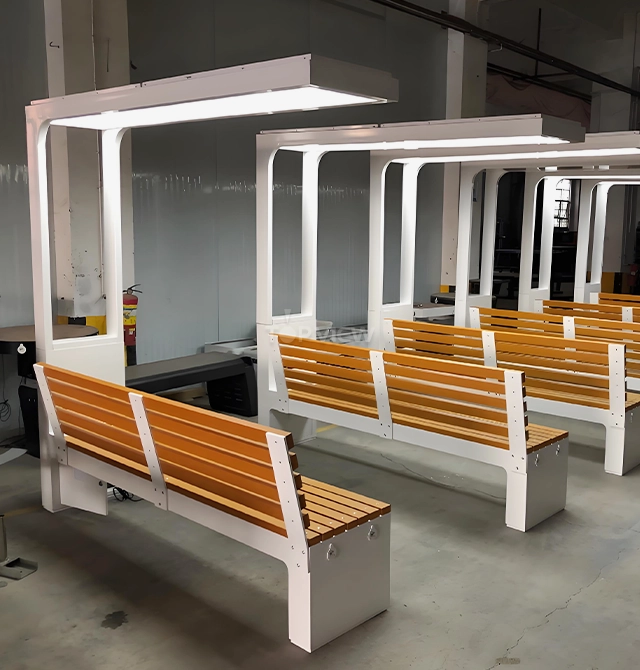 VIEW MORESolar LED Lighting Box Advertising Bench
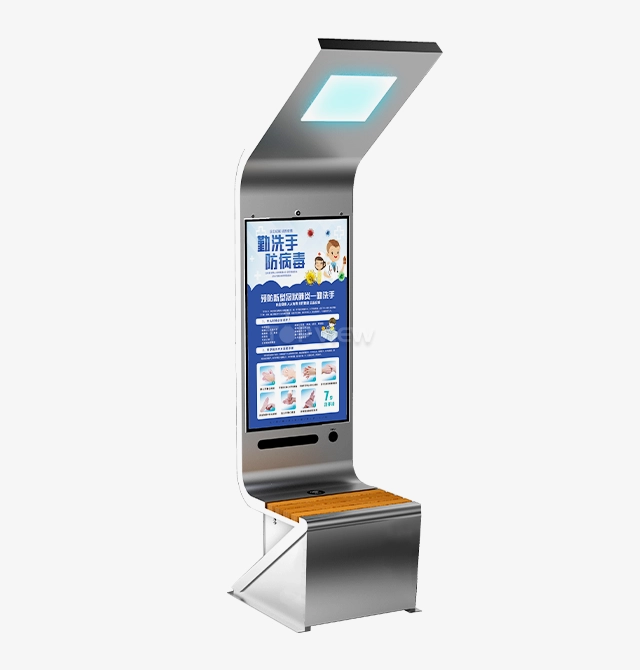 VIEW MORESingle Seat solar bench
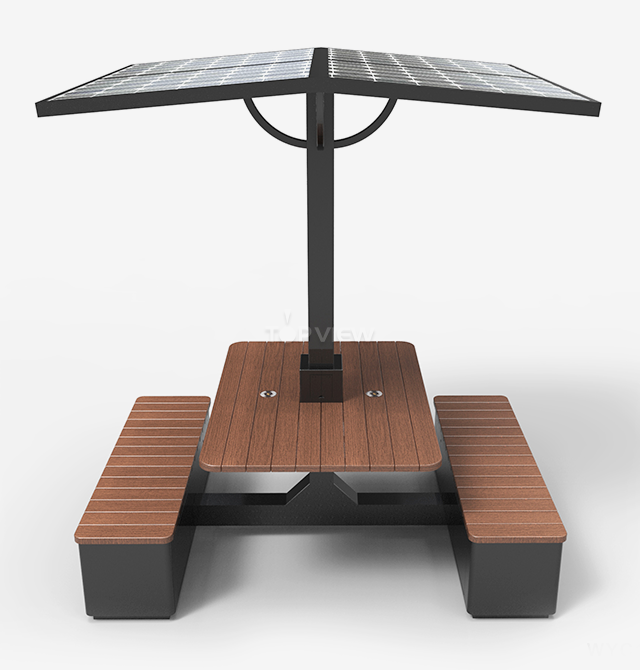 VIEW MORESolar Integrated table and chair
 VIEW MOREFlool Standing Interactive 3D HoloBox
 VIEW MOREPluggable OPS PC
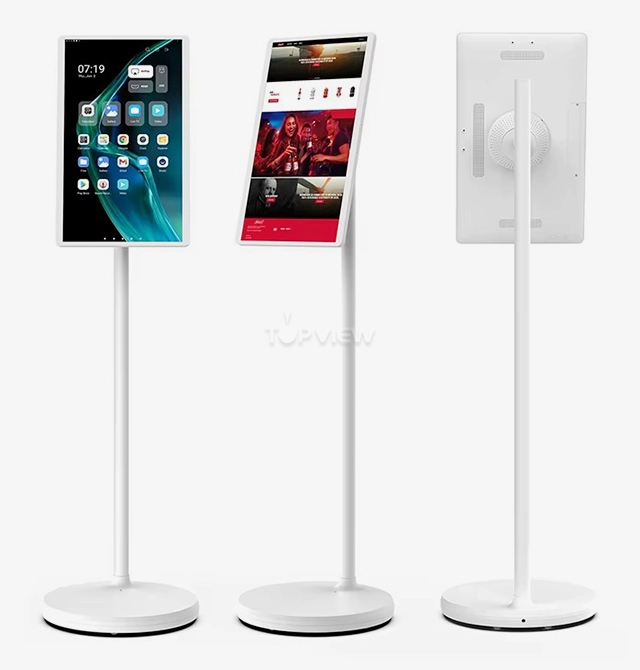 VIEW MOREMoving Touch Screen Kiosk
 VIEW MOREInteractive L-type self service Touch kiosk
 VIEW MORESlim outdoor digital totem