



Essential Requirements for True Outdoor High-Brightness LCD Screens
When choosing outdoor displays for business use, it's important to know the basic needs to make sure they work well and give you a good return on your investment. For LCD screens to really be used outside, they need to be able to handle rough conditions and still be very easy to see in full sunlight. For these specialised screens to work well in harsh outdoor conditions across many industries, they need to have certain technical features, such as the ability to be very bright, to be waterproof, and to use advanced optical bonding technologies.

Understanding the Core Challenges of Outdoor High-Brightness LCD Screens
Outdoor settings have a lot of tough challenges that can really hurt the performance and life of a display. These problems are more complicated than just being exposed to the weather; they involve how outdoor factors and display technology interact with each other.
Environmental Factors That Impact Display Performance
The biggest problem for outdoor displays is that they have to deal with direct sunlight. Ambient light levels can go above 100,000 lux in direct sunlight, which makes most indoor screens almost invisible. Temperature changes are another big problem. The weather outside can be very cold in the winter and very hot in the summer, which can cause things to expand and break, and shorten their lives. Electronic parts are always worried about humidity and water getting into them. Even a small amount of water can damage internal circuits, screens, and control systems in a way that can't be fixed. Building up dust makes it harder to see and makes it harder to control the temperature, and things that blow around in the wind can damage screen surfaces.
Technical Solutions for Outdoor Visibility
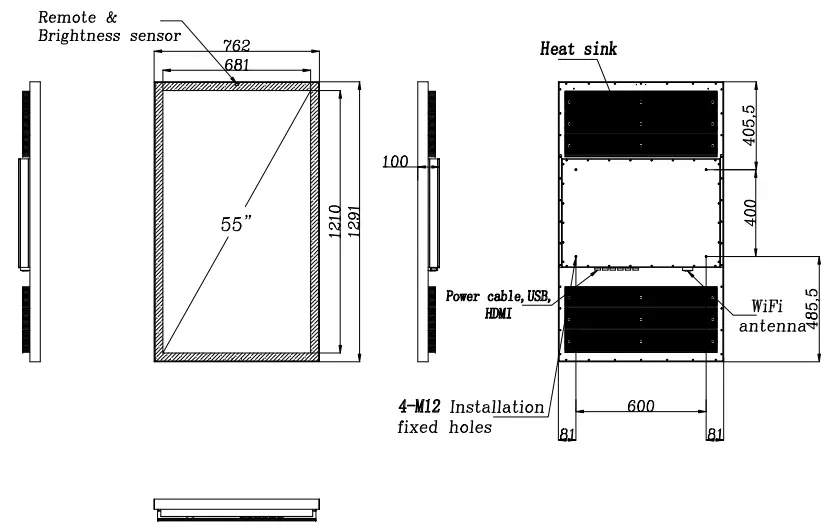
For outdoor visibility to be at its best, comprehensive engineering methods are needed. Between 2,500 and 5,000 nits of ultra-high brightness lets displays compete with direct sunlight, making sure that material can be seen clearly during the day. Anti-reflective coatings cut down on glare on the surface, and optical bonding gets rid of shadows inside the display layers. Advanced thermal management systems keep internal temperatures stable, which stops harm from overheating and keeps performance steady. These systems have heat sinks, airflow paths, and temperature sensors that change the brightness levels automatically to keep parts from overheating.
Essential Technical Requirements for Outdoor High-Brightness LCD Screens
Outdoor displays have to meet strict technical requirements to make sure they work reliably in all kinds of weather. These conditions are the basis for putting up digital signs outside that work well.
Brightness and Visibility Standards
For professional outdoor displays to stay visible in bright situations, they need to be at least 2,000 nits bright. Premium applications can get up to 5,000 nits of brightness, which means they can see very clearly even in full sunlight. The outdoor displays in the Topview T-series have OD10 backlighting that gives them brightness levels between 800 and 5,000 lux. Higher brightness levels can be confirmed for individual project needs. Automatic brightness sensors allow the brightness to be changed dynamically based on the amount of light in the room. This saves power while keeping vision high. These smart systems keep parts from breaking down by stopping them from working at full brightness when it's cloudy or dark outside.
Resolution and Display Quality Considerations
By choosing the right resolution, you can get a clear picture while also saving money and processing power. Full HD 1920x1080 resolution works well outside because it makes text and pictures clear at normal viewing distances. Ultra HD 3840x2160 choices improve detail for high-end installations where people may be closer to the screens. It's especially important to get the colours right outside, where changing light can change how things look. Professional displays keep the colours they show the same at all brightness levels. This makes sure that brand colours and marketing messages always look the way they're supposed to, Ultra Thin Waterproof Digital Signage, no matter what the setting is like.
Weatherproofing and Durability Features
IP66 weatherproof grades protect against water and dust getting in, which is necessary for working outside all year. This approval makes sure that displays can handle high-pressure water jets and full dust protection, which is needed in coastal areas, industrial areas, and places with extreme weather. When it comes to impact resistance, tempered glass is better than regular glass. It protects displays from wind-blown debris, attempts at vandalism, and accidental touch. The Topview outdoor line uses tempered glass that can withstand high temperatures and protect against lightning, so it can work reliably in a wide range of conditions.
Comparing Outdoor LCD vs. LED Displays: What Works Best for Your Business
When deciding between LCD and LED technologies, you need to carefully think about the needs of your product, the viewing distance, and your budget. Each technology has its own benefits that make it better for different outdoor uses.
Performance Characteristics and Applications
LCD displays are great for tasks that need to show colours accurately and information in great detail. Because they have more pixels per inch, they work great for close-up displays like public kiosks, wayfinding systems, and interactive screens where text needs to be clear. The thin design of LCD units, like the 130 mm thickness of Topview outdoor screens, makes mounting them flexible. For example, they can be installed in the ceiling or on a stand on the floor.LED displays are very bright and can be easily scaled up or down for large-format setups. They work best in stadiums, on highway signs, and on the outside of buildings where people can see them from farther away and where brightness is more important than fine detail.
Cost-Benefit Analysis for Different Applications
The cost of the initial investment varies a lot between technologies. For smaller installations, LCD displays usually have lower prices. Operational costs include things like power use, repairs, and the expected length of time something will last. LCD screens usually use less power per square foot, which lowers the costs of running systems that are always on. Long-term dependability factors make LCD technology better for uses that need to work the same way for a long time. LCD panels are easier to maintain and change parts for because they are modular, and their sealed design makes them safer from environmental contamination.
Procurement Considerations: How to Choose and Buy the Right Outdoor High-Brightness LCD Screen
Effective procurement strategies ensure optimal value while meeting specific application requirements. Understanding supplier capabilities, certification requirements, and customization options enables informed decision-making.
Size Options and Configuration Flexibility
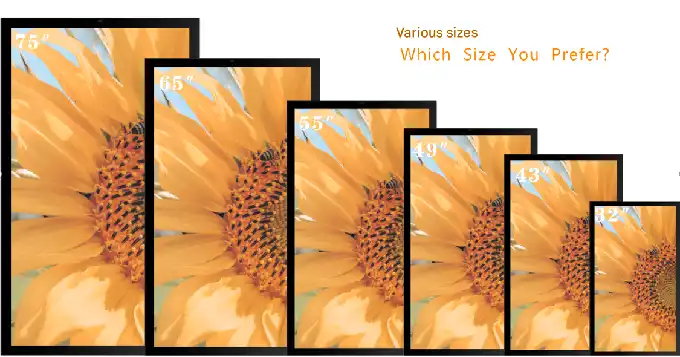
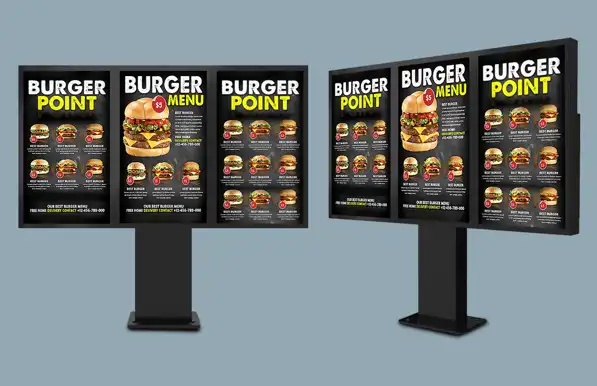
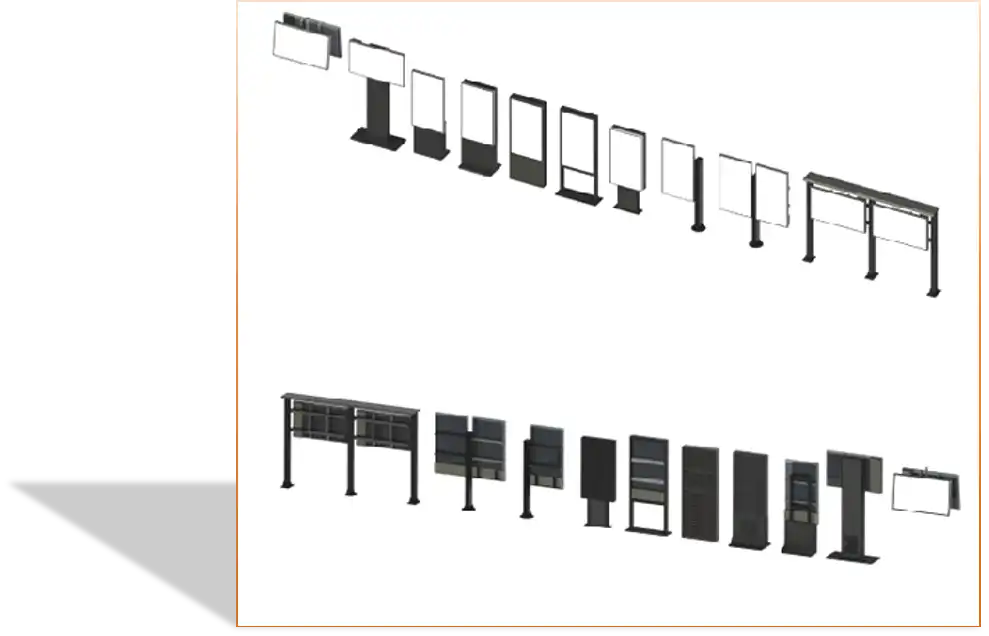
Professional outdoor displays offer multiple size configurations to accommodate diverse installation requirements. The Topview T-series provides comprehensive size options, including 32-inch (T32ODL), 43-inch (T43ODL), 49-inch (T49ODL), 55-inch (T55ODL), 65-inch (T75ODL), Ultra Thin Waterproof Digital Signage, and 75-inch (T75ODL) models, enabling precise matching to available installation spaces and viewing distance requirements. Single and double-sided enclosure options expand application possibilities, with dual-screen brackets supporting back-to-back installations for maximum visibility impact. Advanced configurations support triple-screen displays for specialized applications requiring extended horizontal coverage or wraparound visibility.
Certification and Compliance Requirements
International certifications, including FCC, RoHS, and C, ensure compliance with regional regulations and quality standards. These certifications validate electromagnetic compatibility, environmental safety, and performance reliability, essential for government projects, transportation infrastructure, and commercial installations requiring regulatory compliance. Quality assurance extends beyond initial certifications to include ongoing manufacturing standards and testing protocols. Established manufacturers maintain consistent quality across production batches, crucial for large-scale deployments requiring uniform performance characteristics.
Supply Chain and Logistics Considerations
Flexible pricing terms, including EXW, FOB, and DDP options, accommodate different logistical preferences and international shipping requirements. Understanding lead times between 5-15 workdays enables accurate project planning and installation scheduling coordination. Professional packaging using reinforced wooden cases protects displays during international shipping and storage. This attention to logistics details prevents damage-related delays and ensures displays arrive ready for immediate installation and commissioning.
Vesa Hole
Maintenance Tips and Longevity Enhancement for Outdoor LCD Screens
Proactive maintenance strategies maximize display lifespan while ensuring consistent performance quality. Regular maintenance schedules prevent minor issues from developing into costly repairs or premature replacements.
Cleaning and Inspection Protocols
Regular surface cleaning maintains optimal brightness and image clarity by removing dust, pollution residue, and environmental contamination. Appropriate cleaning solutions and techniques prevent damage to anti-reflective coatings while ensuring thorough contamination removal. Scheduled inspections identify potential issues, including seal integrity, mounting hardware condition, and thermal system performance. Early detection enables preventive maintenance that extends component life and prevents unexpected failures during critical operating periods.
Troubleshooting Common Issues
Loss of brightness is often caused by heat stress, pollution, or old parts. Monitoring the light levels on a regular basis lets you take action early on, either by cleaning the system or replacing parts, before it loses a lot of its functionality. Water getting in is a major problem that needs to be fixed right away. Moisture-related damage that can compromise whole display systems can be avoided by knowing how to properly maintain drainage systems and seals. Professional installations include planning for good drainage and checking the seals on a frequent basis.
Conclusion
When choosing the right outdoor high-brightness LCD screens, you need to think carefully about the challenges of the climate, the technical requirements, outdoor displays, and the needs of the application. Procurement teams can make decisions that are good for the long term when they know about things like brightness needs, weatherproofing standards, and upkeep issues. If you use the right technical specs, buy from dependable sources, and keep up with maintenance, your outdoor displays will keep working at their best for a long time and give you a great return on your investment for a wide range of business uses.
FAQ
1. What brightness level is required for outdoor LCD displays?
Outdoor LCD displays typically require minimum brightness levels of 2,000 nits for adequate visibility in bright ambient conditions. Premium applications may benefit from brightness capabilities up to 5,000 nits for exceptional clarity in direct sunlight conditions.
2. How important is IP rating for outdoor displays?
IP66 ratings provide essential protection against water and dust ingress, crucial for reliable year-round outdoor operation. This certification ensures that displays withstand high-pressure water exposure and complete dust protection in challenging environmental conditions.
3. What warranty options are available for outdoor LCD screens?
Standard warranty coverage includes one year of comprehensive protection, with extended warranty options available up to three years maximum. Extended warranties provide additional peace of mind for critical installations and high-investment projects.
4. Can outdoor LCD displays be customized for specific applications?
Professional manufacturers offer extensive customization options, including logo integration, custom housing colors, specialized mounting configurations, and software modifications. These customization capabilities enable displays to meet specific project requirements and branding needs.
Ready to Transform Your Outdoor Display Strategy with Professional Solutions?
Topview Display Technology brings over 13 years of specialized expertise in manufacturing high-performance outdoor displays tailored for demanding commercial applications. Our comprehensive T-series outdoor display lineup offers proven solutions for procurement managers, system integrators, and distributors seeking reliable outdoor display supplier partnerships. With flexible customization options, international certifications including FCC and CE compliance, outdoor displays, and competitive EXW pricing terms, we deliver cost-effective solutions that meet stringent project requirements. Our Shenzhen-based manufacturing facility features advanced production capabilities, experienced engineering support, and responsive customer service to ensure your outdoor display projects succeed. Contact our team at market@tviewdisplay.com to discuss your specific requirements and discover how our outdoor display solutions can enhance your next installation project.
References
1. International Standards Organization. "Environmental Testing Standards for Electronic Displays in Outdoor Applications." ISO Technical Publication Series, 2023.
2. Society for Information Display. "Brightness Requirements and Visibility Standards for Outdoor Digital Signage Systems." SID Technical Papers Annual Review, 2023.
3. Institute of Electrical and Electronics Engineers. "Weatherproofing and Environmental Protection Guidelines for Outdoor Electronic Equipment." IEEE Standards Publication, 2022.
4. Digital Signage Federation. "Best Practices for Outdoor Display Installation and Maintenance in Commercial Applications." DSF Industry Guidelines, 2023.
5. American National Standards Institute. "Safety and Performance Requirements for High-Brightness Outdoor Display Technologies." ANSI Technical Standards Documentation, 2022.
6. International Electrotechnical Commission. "IP Rating Classifications and Testing Procedures for Outdoor Electronic Display Equipment." IEC Standards Publication Series, 2023.
YOU MAY LIKE
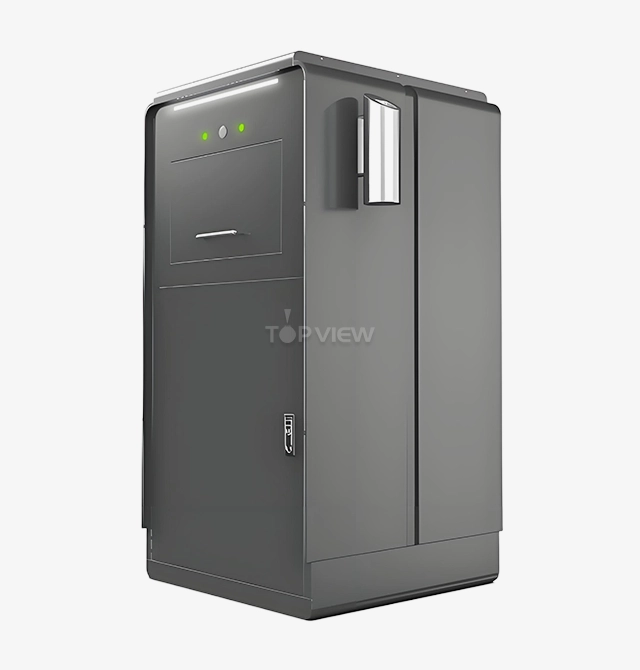 VIEW MORESolar Smart bin
 VIEW MOREIntelligent IOT System Bright LED Light Pole
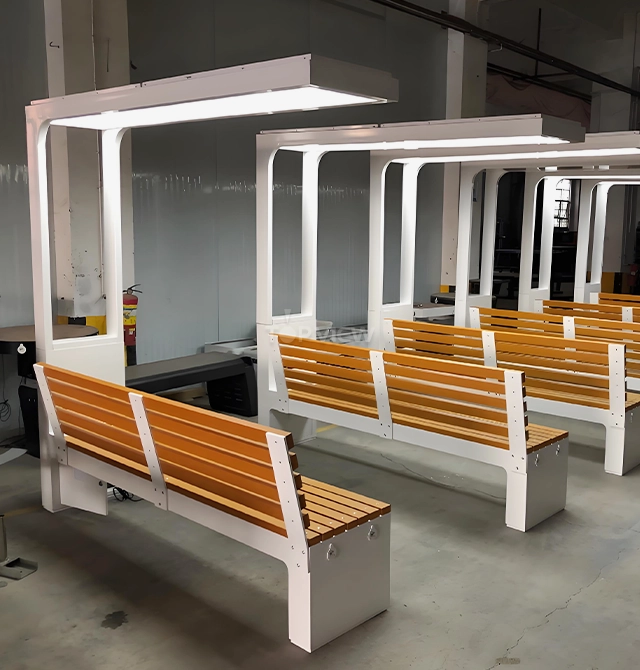 VIEW MORESolar LED Lighting Box Advertising Bench
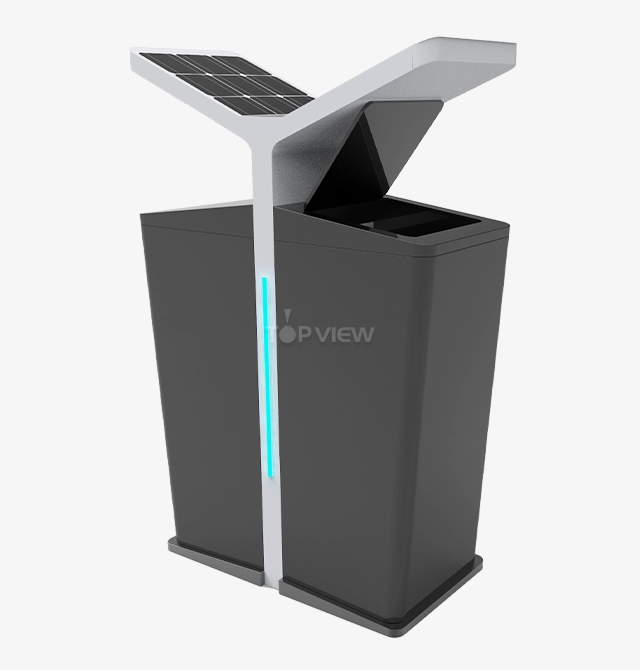 VIEW MOREDouble Cube Solar Smart bin
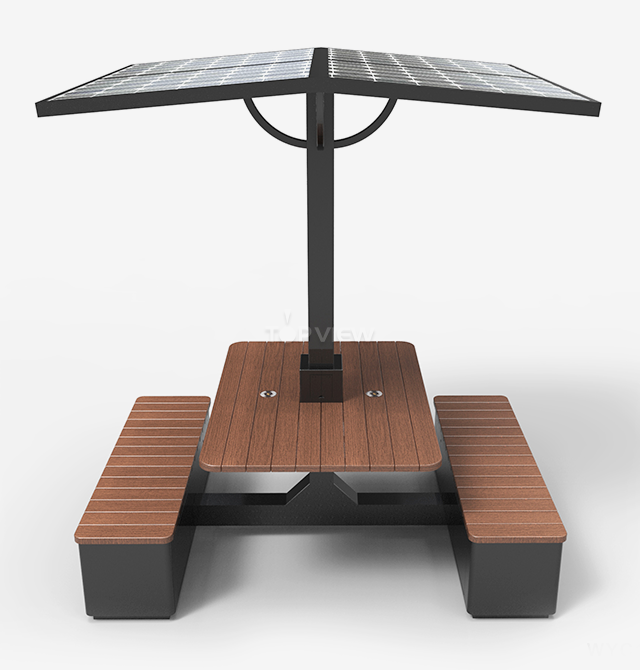 VIEW MORESolar Integrated table and chair
 VIEW MOREDesktop landscape Interactive 3D HoloBox
 VIEW MORE30inch Portrait T-OLED Touch Kiosk
 VIEW MOREFan Cooled Outdoor Kiosk