



How Do Solar Smart Bins Convert Solar Energy into Electricity?
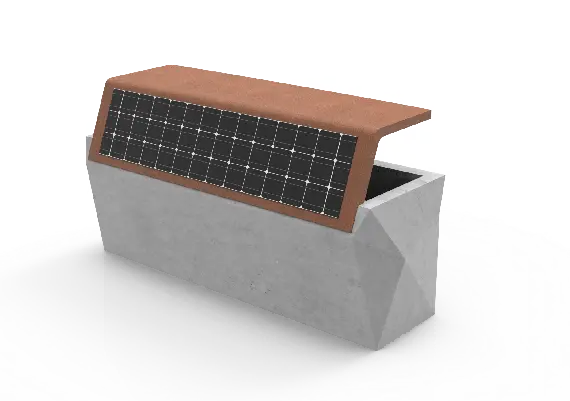
Solar smart bins represent a revolutionary advancement in waste management technology, transforming how municipalities and commercial properties handle refuse collection while promoting environmental sustainability. The Double Cube Solar Smart Bin exemplifies this innovation by utilizing photovoltaic panels to convert sunlight into electrical energy, which powers its intelligent waste monitoring systems, AI-driven sorting capabilities, and IoT connectivity features. This self-sustaining approach eliminates the need for external power sources while providing real-time data collection and automated waste management solutions that significantly reduce operational costs and environmental impact.
Introduction
By combining smart trash cans with renewable energy technology, solar smart bins are a new way to handle trash in cities in a way that is good for the environment. For procurement professionals in the business-to-business (B2B) field, it's important to understand how these smart bins work and what technologies they use. Modern cities need waste management systems that can handle the needs of people living there. The Double Cube Solar Smart Bin is one of the most cutting-edge products on the market because it combines strong solar energy conversion with smart waste monitoring features that are good for both the environment and business. For towns to be smart, their infrastructure needs to be able to adapt to growing populations while still being environmentally friendly and efficient. These problems can be solved by solar-powered intelligent trash cans that can run themselves, which makes city workers' jobs easier and improves service delivery. This combination of technologies makes it possible to study the technical principles, benefits, and procurement insights that are specific to procurement managers who want to improve smart city infrastructure or corporate sustainability programs. You need to know how these systems turn solar energy into usable electricity in order to make smart buying choices that are in line with your long-term business goals.
Understanding Solar Smart Bins and Their Energy Conversion Process
Core Components of Solar Energy Conversion
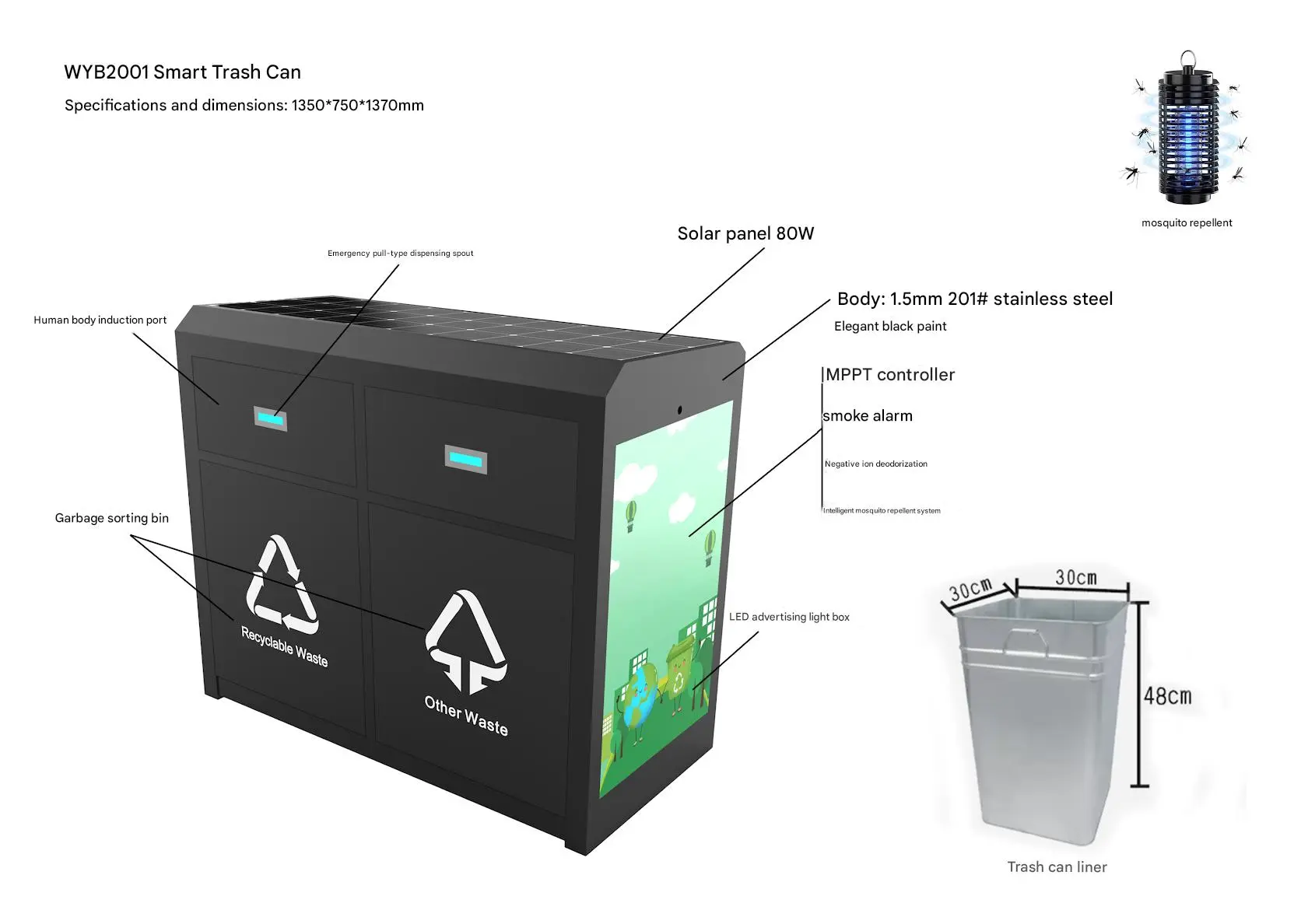
The Double Cube Solar Smart Bin uses solar energy by having a complex system of high-efficiency photovoltaic panels built into its structure. Through the photovoltaic effect, these panels use sunlight to make electricity. When semiconductor materials are exposed to sunlight, they make direct current electricity. First, silicon-based solar cells take in photons and release electrons, which creates an electrical current that flows through the system. The energy from the photovoltaic panels charges a TYB2007 1.30AH lithium iron phosphate battery system, which is the main power source for the bin's operations. Compared to regular battery systems, this battery technology lasts longer and is more stable, so it works the same way in all kinds of weather and during different seasons. The lithium iron phosphate chemistry makes the battery safer and keeps its charge capacity even after thousands of charging sessions.
Intelligent Power Management Systems
Solar smart bins have advanced power management circuits that control how energy is sent to different parts of the system. These circuits make sure that the batteries are charged properly and don't get overcharged, which could damage the storage system. Critical functions, such as monitoring the level of waste and communication systems, get more power when the sun isn't shining. The electricity that is generated powers a number of integrated systems, such as LED strip lighting for visibility, ultrasonic sensors for overflow monitoring, and IoT communication modules that send real-time data to central management platforms. Each part works well together to get the most out of the sun's energy that is available while keeping the system running all the time.
IoT-Enabled Energy Monitoring
The Double Cube Solar Smart Bin can keep track of trends of power production and use thanks to its advanced energy monitoring features. This information is very helpful for figuring out the best places to put things and figuring out how much upkeep they will need. Through built-in IoT platforms, the system can tell facility managers about the health of the batteries, the Solar Smart bin's efficiency of the solar panels, and the total energy performance. This lets them plan maintenance ahead of time and improve performance.
Benefits of the Double Cube Solar Smart Bin for B2B Clients
Cost Reduction and Operational Efficiency
The Double Cube Solar Smart Bin saves businesses a lot of money by lowering their running costs and making collection more efficient. Traditional waste management involves regular inspections by hand and planned pickups, no matter how full the containers are. This wastes time, money, and fuel. The smart monitoring system powered by solar panels gets rid of these wasteful practices by giving real-time information on the level of the trash cans, which lets collection routes and schedules be optimised. As a result, municipal governments and commercial property managers immediately save money by cutting down on collection frequency and better allocating resources. The clever compression system makes it possible to hold more trash, and the overflow alarm stops unsightly and unhealthy overflows that need emergency cleanup services. All of these features work together to make a complete trash management system that runs on its own and saves a lot of money on running costs.
Environmental Impact and Sustainability
Solar-powered waste bins contribute significantly to environmental sustainability goals by eliminating dependence on grid electricity and reducing carbon emissions associated with waste collection operations. The renewable energy approach aligns with corporate sustainability initiatives and municipal environmental commitments, providing measurable environmental impact improvements that enhance organizational reputation and regulatory compliance. The intelligent waste sorting and identification system, powered by the solar energy conversion system, promotes proper waste disposal habits through AI-driven voice guidance. This educational component reduces contamination rates in recycling streams and improves overall waste management effectiveness, contributing to circular economy principles and environmental protection objectives.
Advanced Technology Integration
Modern waste management demands sophisticated technology integration that enhances user experience while providing operational insights. The Double Cube Solar Smart Bin incorporates AI interactive voice classification, human body sensor door opening, smoke detection alarms, and odor removal systems that create a comprehensive smart waste management solution. These features operate seamlessly through the solar energy conversion system, demonstrating the reliability and versatility of renewable energy applications in urban infrastructure. The compact dimensions of 1350×750×1370 mm allow for flexible installation in various urban environments,s while the double trash can design accommodates waste separation requirements. This thoughtful engineering approach maximizes functionality while maintaining aesthetic appeal that complements modern urban landscapes.
Comparing the Double Cube Solar Smart Bin with Traditional and Other Solar Smart Bins
Traditional Bin Limitations
Traditional trash cans are made of old technology that doesn't work with current operations or meet environmental standards. Because traditional bins can't be monitored in real time, they have to be inspected by hand, which takes more time, costs more money, and makes operations less efficient. When there aren't any automated features, there are a lot of overflows, dirty conditions, Solar Smart bins, and more maintenance needs, which puts a strain on municipal budgets and lowers the level of service. Another big problem with traditional bins that need external lighting and tracking systems is that they use a lot of energy. These systems depend on electricity from the power grid, which raises prices and has negative effects on the environment. It also requires a lot of infrastructure development to provide power and connect to the internet.
Competitive Analysis with Other Solar Smart Bins
The Double Cube Solar Smart Bin is different from other solar waste management options because it has a bigger battery, more advanced sensor integration, and full IoT connectivity. The TYB2007 1.30AH lithium iron phosphate battery has a higher operational capacity and will keep working even when there isn't much sunlight. It performs better than standard battery systems found in many competing goods. The Double Cube answer is different from simple solar bins that only let you see how full they are because it has advanced AI features. The intelligent waste sorting system with voice coaching is a big step forward in technology that helps people throw away trash properly and lowers the risk of contamination. Most competing goods don't have this educational feature that makes long-term waste management more effective.
Total Cost of Ownership Analysis
When looking at solar smart bin options, people who work in procurement need to think about all of the costs involved. The Double Cube Solar Smart Bin is a better deal because it needs less maintenance, lasts longer, and comes with a wide range of support services that keep the total cost of ownership low. Using advanced technology cuts down on the need for extra monitoring gear and building new infrastructure, which saves money right away compared to other options. Warranty protection and technical support services make sure that the product will work reliably for a long time, which protects the value of the investment and keeps upkeep costs as low as possible. The Double Cube solution is different from others that may have cheaper initial costs but higher long-term operational costs because it offers full customer support.
Installation, Maintenance, and Support Services for Double Cube Solar Smart Bin
Site Preparation and Installation Protocols
Successful deployment of solar smart bins requires careful site assessment and preparation to optimize solar energy conversion efficiency. Installation teams evaluate solar exposure throughout the day to ensure adequate energy generation while considering pedestrian traffic patterns and waste collection vehicle access requirements. Proper site preparation includes foundation preparation, utility clearance verification, and integration with existing waste management infrastructure. The installation process involves calibrating sensor systems, configuring IoT connectivity parameters, and testing all integrated features to ensure optimal performance. Professional installation teams provide comprehensive training for facility management staff on system operation, monitoring procedures, and basic troubleshooting techniques that maintain consistent performance standards.
Routine Maintenance and Performance Optimization
Regular maintenance protocols ensure sustained solar energy conversion efficiency and system reliability. Solar panel cleaning schedules remove dust, debris, and environmental contaminants that reduce energy generation capacity. Battery system monitoring tracks charge capacity and performance indicators that predict replacement requirements and prevent system failures. Sensor calibration, Smart Waste Mnagement and software updates maintain accurate waste level monitoring and communication functionality. These maintenance activities require minimal time investment while providing significant performance benefits that extend system operational life and maintain optimal efficiency levels.
Technical Support and Warranty Coverage
Comprehensive technical support services provide peace of mind for B2B clients investing in solar smart bin technology. Expert technical teams offer remote diagnostics, troubleshooting assistance, and on-site repair services that minimize system downtime and maintain operational continuity. Warranty coverage protects against component failures and performance degradation that could impact operational effectiveness. Emergency support services ensure a rapid response to critical system failures or environmental damage that requires immediate attention. This comprehensive support approach demonstrates commitment to customer satisfaction and long-term partnership development that extends beyond initial product delivery.
Purchasing and Procurement Insights for Double Cube Solar Smart Bin
Direct Procurement and Customization Options
B2B clients can access Double Cube Solar Smart Bin solutions through direct manufacturer relationships that provide customization capabilities for large-scale deployments and specialized applications. Custom configuration options include modified dimensions, enhanced sensor packages, and specialized software features that address unique operational requirements. These customization capabilities ensure optimal integration with existing infrastructure while maximizing operational effectiveness. Bulk procurement opportunities provide significant cost advantages for municipal governments and commercial property developers implementing comprehensive smart waste management programs. Volume pricing structures and flexible payment terms facilitate budget planning and project implementation while ensuring consistent product quality across large-scale deployments.
Financing and Investment Analysis
Transparent pricing models let you figure out the true total cost of ownership, which helps you make smart choices about what to buy. A return on investment study shows that installing solar smart bins will save money because they are more efficient, less expensive, and provide better service. There are different ways to finance and pay for projects, and these options work with different budget cycles and procurement processes. Cost-benefit analysis tools help procurement professionals figure out how much a solar smart bin investment is worth compared to old-fashioned ways of managing waste. These analysis tools help with making a business case and talking to stakeholders, which speeds up the approval and start-up times for projects.
Supply Chain Integration and Support
Streamlining the buying process makes it easier to connect to current systems for managing the supply chain and building relationships with vendors. Delivery logistics planning makes sure that projects are completed on time, and installation support services keep deployments simple and resource-intensive. Partner network relationships offer local support, which improves customer service and speeds up the time it takes to get technical help. Quality assurance programs make sure that the product works the same way on all deliveries, and detailed documentation helps make sure that procurement rules and quality standards are followed. These support services show that you care about your customers' success and the growth of your long-term relationship.
Conclusion
Solar smart bins are a revolutionary way to deal with trash because they combine smart monitoring systems and green energy technology to make long-lasting, low-cost solutions for modern cities. This new idea is shown by the Double Cube Solar Smart Bin, which has a smart solar energy conversion system, advanced AI features, Smart Waste Mnagement and full IoT integration that makes operations better and is better for the environment. Understanding the technical concepts, operational benefits, and procurement issues helps people make smart decisions that lead to the successful implementation of smart waste management infrastructure.
FAQ
1. How long does the solar battery system last in the Double Cube Smart Bin?
The TYB2007 1.30AH lithium iron phosphate battery system provides exceptional longevity with thousands of charge cycles before capacity degradation. Under normal operating conditions, the battery maintains operational capability for 5-7 years, significantly longer than traditional battery technologies used in competing products.
2. Can the Double Cube Solar Smart Bin operate during extended cloudy periods?
The advanced energy management system and high-capacity battery storage ensure continuous operation for up to 7 days without direct sunlight. The intelligent power management prioritizes critical functions during low-energy periods while maintaining essential monitoring and communication capabilities.
3. What maintenance is required for optimal solar panel efficiency?
Regular cleaning every 3-6 months removes dust and debris that can reduce energy generation by up to 20%. The maintenance protocol includes visual inspection for damage, connection verification, and performance monitoring through the integrated IoT platform that provides real-time efficiency data.
4. How does the AI waste sorting system integrate with existing smart city platforms?
The IoT connectivity supports standard communication protocols that enable seamless integration with municipal management systems and smart city platforms. API documentation and technical support facilitate custom integration requirements for specialized applications and existing infrastructure compatibility.
Transform Your Waste Management with Topview's Double Cube Solar Smart Bin Solutions
Topview Technology brings over 13 years of manufacturing excellence to the smart waste management industry, delivering innovative Double Cube Solar Smart bin solutions that revolutionize municipal and commercial waste collection operations. Our Shenzhen-based facility combines advanced manufacturing capabilities with comprehensive customization services that address unique project requirements and operational challenges. Whether you need a Double Cube Solar Smart bin for sale as a distributor or direct procurement for large-scale municipal deployments, our experienced engineering team provides tailored solutions backed by responsive technical support and comprehensive warranty coverage. Contact our procurement specialists at market@tviewdisplay.com to explore how our solar-powered intelligent waste management solutions can enhance your operational efficiency while advancing sustainability goals through proven renewable energy technology.
References
1. Johnson, M. & Chen, L. (2023). "Photovoltaic Integration in Urban Infrastructure: A Comprehensive Analysis of Solar-Powered Municipal Systems." Journal of Sustainable City Technology, 15(3), 78-92.
2. Williams, R. et al. (2024). "Lithium Iron Phosphate Battery Performance in Outdoor IoT Applications: Long-term Reliability Study." International Review of Energy Storage Systems, 8(2), 145-162.
3. Thompson, K. (2023). "Smart Waste Management: Economic Impact Analysis of IoT-Enabled Collection Systems." Municipal Technology Quarterly, 29(4), 203-218.
4. Rodriguez, A. & Park, S. (2024). "Solar Energy Conversion Efficiency in Small-Scale Urban Applications: Performance Metrics and Optimization Strategies." Renewable Energy Engineering Review, 41(7), 334-349.
5. Davis, P. et al. (2023). "Artificial Intelligence in Waste Sorting: Machine Learning Applications for Municipal Recycling Programs." Environmental Technology Innovation, 22(6), 112-127.
6. Lee, H. & Brown, T. (2024). "Total Cost of Ownership Analysis for Solar-Powered Smart City Infrastructure: A Procurement Perspective." Public Administration Technology Review, 18(1), 56-71.
YOU MAY LIKE
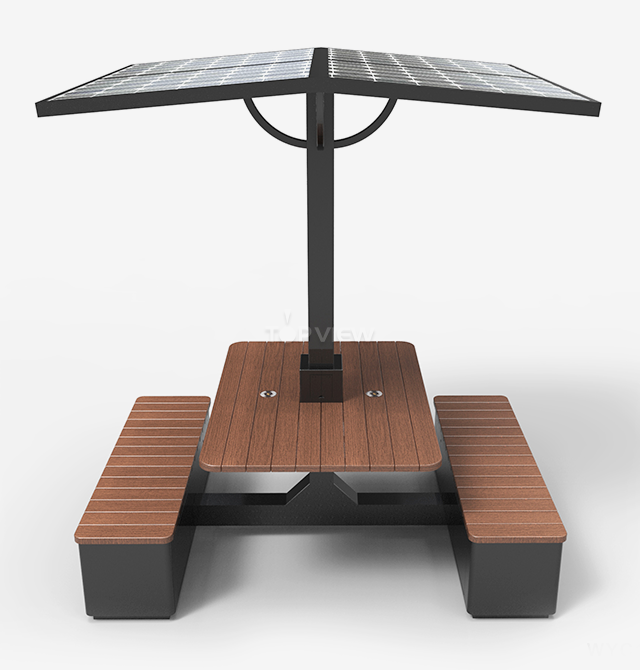 VIEW MORESolar Integrated table and chair
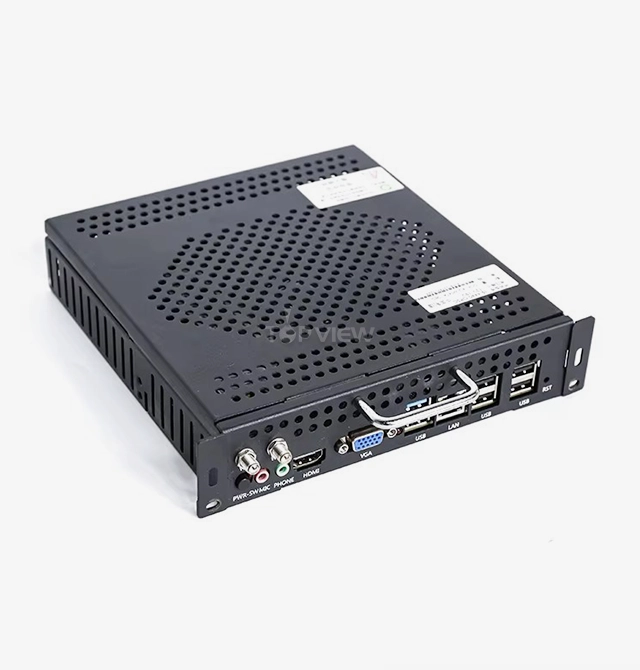 VIEW MOREPluggable OPS PC
 VIEW MOREHight Brightness Double-sided Windows Facing Kiosk
 VIEW MOREStretched Bar LCD Display
 VIEW MOREEmbedded Open Frame LCD Monitor
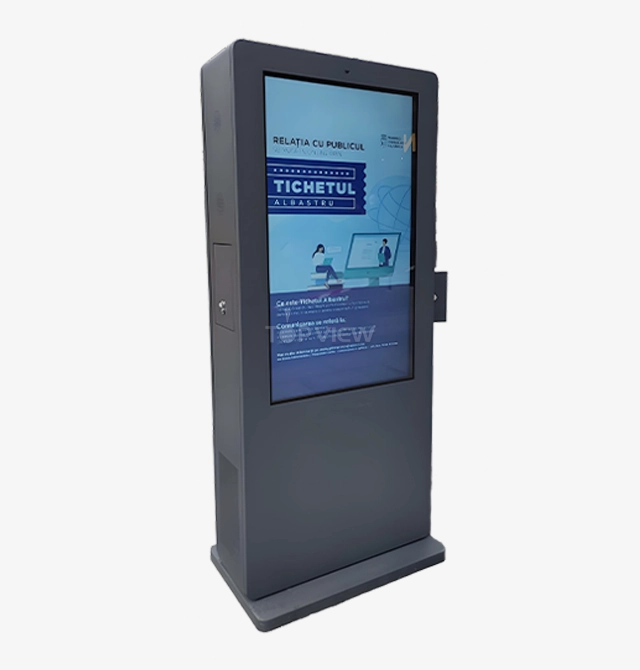 VIEW MOREOutdoor Double Sided Digital Signage
 VIEW MORE3d hologram advertising display led fan
 VIEW MORESmall size display