



What are the common issues with outdoor LCD advertising displays and how can they be resolved?
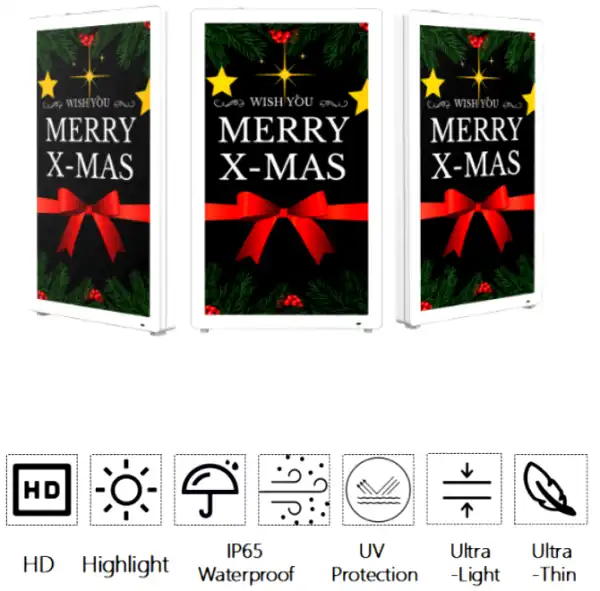
Outdoor LCD digital signage has a number of ongoing problems that affect how well ads work and how much it costs to run. Common problems include screens that break down after being in the sun for a long time, moisture getting inside and fogging the screen, overheating that shortens the life of parts, and seeing issues in bright sunlight. These problems are caused by not protecting against the weather well enough, not having enough light, and not managing heat well enough. Choosing displays with IP65-rated enclosures, high-brightness panels exceeding 2,000 nits, intelligent temperature control systems, and anti-glare tempered glass are all part of resolution strategies. These features make sure that the displays work reliably in a wide range of climates and demanding business settings.
Introduction
Purchasing managers, AV integrators, and regional distributors who want strong advertising platforms can't do without outdoor LCD digital signage anymore. Unlike indoor screens, outdoor LCD digital signage has to work all the time in difficult conditions like direct sunlight, rain, dust, scorching summer heat, and cold winters. They still have to keep the view clear. The stakes are high: a broken display at a transportation hub or shopping center wastes marketing dollars, hurts customer interaction, and hurts the trustworthiness of the brand.
In the past ten years, I've seen procurement teams deal with repeated mistakes that could have been avoided by choosing better products and building stronger relationships with suppliers. Knowing why these problems happen gives buyers the power to make smart choices, which lowers the total cost of ownership and guarantees long-term dependability. This piece breaks down the most common problems with outdoor LCD digital signage and gives answers that can be used right away.
Common Issues Faced by Outdoor LCD Advertising Displays
Environmental Damage and Weather Impact
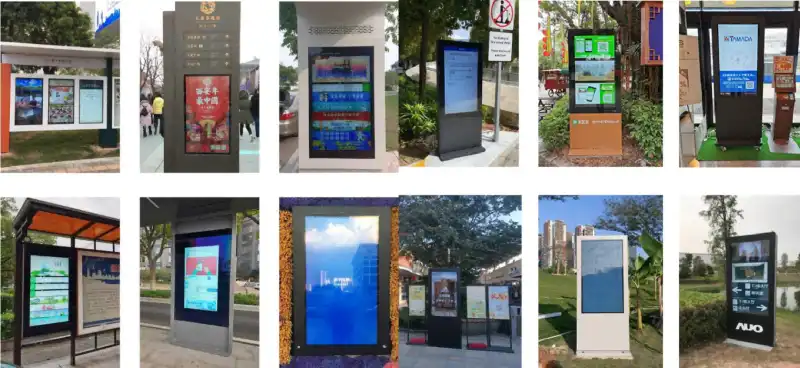
Outdoor LCD digital signage is constantly being hit by the weather. UV light from the sun breaks down LCD backlights and polarizing films, which leads to color shifts and less brightness over time. When outdoor LCD digital signage isn't properly sealed, rain and humidity can get inside and cause condensation on internal parts and noticeable screen fogging that hides content. When dust builds up, it blocks air systems and causes thermal breakdowns. Changes in temperature from -20°C to +50°C put stress on computer systems and speed up the aging of parts. Coastal installations are more likely to rust because salt spray attacks metal frames and wiring inside if the protective coatings aren't good enough.
Hardware Limitations and Component Failures
A lot of outdoor LCD digital signage fails too soon because they use commercial-grade screens that are made for indoor use. Standard brightness levels of about 500 nits are totally washed out by direct sunlight, so ads can't be seen during the hottest parts of the day. When backlight LEDs are exposed to too much heat, they break down faster, making the brightness patterns on the screen surface uneven. After being exposed to high temperatures for a long time, touchscreen stickers stop responding to touches. If you don't protect your power supplies from surges, voltage spikes from lightning strikes, or changes in the power grid can be damaged so badly that you have to replace the whole unit.
Software Glitches and Content Delivery Problems
Problems with network connections stop planned content updates in their tracks, showing old or frozen pictures for long periods of time. Troubleshooting is hard and expensive with content management systems that don't have remote monitoring. This is especially true for setups that are far away. When internal temperatures rise above safe levels, media player software crashes due to thermal stress. Security holes in old software make Outdoor LCD Digital Signage accessible to people who aren't supposed to be there, which could let competitors or attackers change what's shown. These problems with software make Outdoor LCD Digital Signage less reliable, which is something that B2B clients depend on for consistent brand messaging.
Installation and Structural Weaknesses
When outdoor LCD digital signage is mounted incorrectly, both outdoor and indoor digital signage are at risk. When viewing angles are off, glare spots appear that make it harder to read, and mounting brackets that aren't stable make the screen more likely to be damaged by wind or tampered with on purpose. When cables are not managed properly, they can get wet and be physically stressed, which can cause signal loss. If the outdoor digital signage is not protected, it ends up in places where direct sunlight hits at bad angles all day, rendering even high-brightness panels useless. Vandalism is more likely when outdoor LCD digital signage doesn't have glass that can withstand contact and locking systems that keep it from being stolen, especially in public places where security isn't very good.
Root Causes Behind the Outdoor LCD Display Analyzed
Inadequate digital signage and sealing
The main reason outdoor LCD digital signage fails is that they aren't protected enough from the weather. Displays with an IP grade below IP65 don't have the right seals to keep dust and water jets from getting inside. Materials used for gaskets that aren't resistant to UV light break down in months, leaving holes. Outdoor let digital signage ventilation systems aren't built with the right filters, rain can get in during the winter while they try to keep the heat inside. When it rains a lot, cable entry places that don't have covered grommets let water in and cause damage.
Brightness Mismatch and Optical Deficiencies
Normal indoor screens that give off 300 to 700 nits can't compete with sunshine that gives off 5,000 to 10,000 nits. Without special high-brightness backlights and anti-reflective glass coatings, the content on the screen goes away when viewed outside in the day. Some companies use lower-quality LCD cells that don't have enough liquid crystal transition temperatures (Tni). This makes the screen go black when it gets hotter than 85°C, which is known as isotropic failure. When there isn't any optical bonding between the LCD screen and the protective glass, there is a space for air to flow between them. This lets condensation form, and interior reflections lower the contrast ratios.
Thermal Management Deficiencies
Not enough kills outdoor LC. Raintal signage during storms. Passive cooling with simple heat sinks can't handle the heat load that comes from backlights that are very bright and are in full sunlight. Outdoor LCD digital signage that doesn't have smart temperature sensors keeps the fans running at low speeds all the time, so they don't cool down when they need to. On the other hand, units that don't have automatic shutdown digital signage running even when internal temperatures reach levels that could damage them. This trades short-term uptime for long-term reliability. Bad airflow design makes hot spots around power sources and media players, which speeds up the breakdown of parts in those areas.
Neglected Maintenance and Reactive Troubleshooting
Outdoor LCD digital signage is often treated as "install-and-forget" assets by buying teams, who only schedule upkeep when problems become obvious. As dust gathers on screens and heat exchangers, it slowly lowers the effectiveness of cooling, but it can't be seen until the system overheats and breaks. If you don't clean the protective glass on a regular basis, dirt and dust can build up and lower the brightness by 20 to 30 percent, which defeats the purpose of high-nit panels. If you don't update the firmware on time, known bugs won't be fixed, and fixing problems after the fact without being able to monitor them remotely leads to longer downtime and expensive emergency service calls.
Proven Solutions to Enhance Outdoor LCD Display Reliability
High-Brightness Panels with Intelligent Adaptation
To stay visible in full sunlight, modern outdoor LCD digital signage needs to be between 2,000 and 5,000 nits bright. The 43X/55X/65X Series has high-brightness screens with automatic light-sensing technology that changes the output based on the lighting conditions. For example, the screens get brighter during the day and dim down at night to save energy and make the LEDs last longer. This smart change keeps the brightness from burning out and makes sure that vision is always at its best.
These screens have 178° ultra-wide viewing angles that keep colors bright and clear, no matter where the viewer is standing. This solves the visibility issues that come with narrow-angle screens. When you put together industrial-grade TFT LCD screens and anti-glare IK10-rated tempered glass, you get protection against both weather and crime while also reducing reflections that would make it harder to read.
Comprehensive Weatherproofing Architecture
Outdoor LCD digital signage that you can trust has many levels of safety for the environment. IP65-rated barriers keep out all dust and water jets from all directions, which is very important for sites that are going to be pressure-washed or hit by big storms. The 43X/55X/65X Series uses SGCC-galvanized steel plates and a pressure-washed alloy frame that has been treated with an AkzoNobel outdoor-specific powder coating. This gives the products better corrosion protection and makes them last longer than seven years, even in coastal areas.
G4 automotivSGCC-galvanized keeps dangerous dust and aluminum from keeping air flow going, and marine-grade grommets on the entry points for cables seal off paths for moisture to get in. Vandalism is discouraged by stainless steel die-cast anti-theft locks, and the tempered glass surface can't be scratched or broken by impact. This multi-layered method fixes the problems with weatherproofing that make cheap options fail too soon.
Intelligent Temperature Control Systems
Professional outdoor LCD digital signage is different from consumer-grade ones because they have better thermal control. The 43X/55X/65X Series uses an advanced temperature control system with high-speed brand-name fans that have a very fast rotational speed, a lot of airflow, quickly get rid of heat, and make very little noise. Built-in temperature sensors constantly check the temperature inside, and the fan speed is automatically changed to match the thermal load.
When an unusual rise in temperature is noticed, like when equipment is broken or when the weather is very bad, the system shuts down for safety. The screen goes blank, but the fans keep going at full speed to quickly remove the heat. As soon as the chassis temperature drops to a safe level, the screen starts working again without any help from the user. This smart fail-safe system stops thermal harm that would need expensive repairs or a whole new unit, which directly fixes the thermal problems we talked about earlier.
Professional Installation and Optimal Configuration
When quality outdoor LCD digital signage is installed correctly, it works at its best. Professional positioning makes sure that screens are set up at the best viewing angles to reduce glare and increase audience reach. Structure checks make sure that mounted surfaces can hold the weight and wind load of big screens. Surge protection switches and leakage protection devices are used in electrical setups to protect against power surges and lightning hits. These are important safety features that are often left out of low-cost installations.
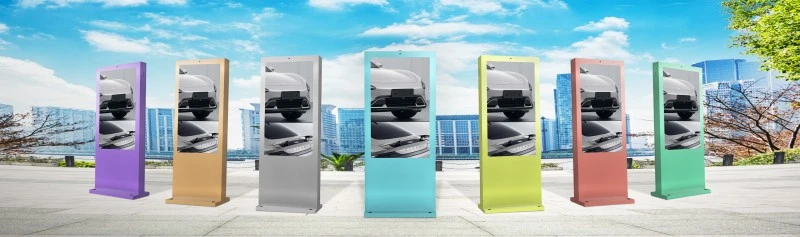
The 43X/55X/65X Series works with many running systems, such as Android, Windows, and separate drivers. This means it can easily connect to your current content management system. Optional G+F mini touch modules with 10-point sensitivity let you use engaging apps without affecting the enclosure's ability to keep out the weather. This adaptability makes it possible to use it in a wide range of situations, from simple advertising loops to complicated interactive guidance systems.
Proactive Maintenance and Remote Monitoring
Changing maintenance from reactive to proactive makes Outdoor LCD Digital Signage much more reliable. As part of the three-month inspection schedule, protective glass is cleaned, air filters are replaced, seals are checked for integrity, and the cooling system's performance is tested. Real-time diagnostics are made possible by remote monitoring, which lets technical teams spot problems as they arise before they cause downtime. Automatic reboots of microcomputers are set to happen during off-peak hours so that brief software bugs can be fixed without interrupting business hours.
Advanced content management systems send automatic alerts when Outdoor LCD Digital Signage strays from its normal working settings, such as when they show strange temperature readings, brightness differences, or problems connecting to the network. This early warning system lets people take preventative steps that stop setups from failing in a way that makes things worse.
Conclusion
Outdoor LCD digital signage is a big purchases that pay off big time if they are set up and taken care of properly. Environmental exposure, thermal stress, and visual needs mean that custom-built solutions are needed instead of internal equipment that has been used for other things. High-brightness panels with smart light detecting, full IP-rated weatherproofing, advanced heat management, and construction that can withstand impacts fix the main problems that lead to common failures. When making a purchase choice, it's important to weigh the original prices against the total cost of ownership. This is because premium features like weatherproofing and temperature control can help avoid costly failures and downtime. Businesses can use outdoor LCD digital signage that keeps their brand visible and works reliably in a wide range of settings by working with experienced makers who offer strong technical support and the ability to make changes.
FAQ
1. What brightness level is necessary for outdoor displays?
For outdoor LCD digital signage to be read during the day, they need to be at least 2,000 nits bright. For installations facing direct sunlight, they should be between 2,500 and 5,000 nits bright. When used outside, standard indoor screens with 300 to 700 nits look completely dull. Automatic brightness change improves vision and extends the life of the LED backlight by dimming intelligently when there isn't much light around.
2. What IP-rated outdoor digital signage installations?
IP65 is good for most outdoor uses because it keeps dust out and protects against water jets coming from any direction. IP66 provides better water protection against strong jets and is suggested for areas that are likely to be pressure-washed or hit by heavy storms. Ratings below IP65 don't have enough shielding to be used outside safely.
3. How often do outdoor displays require maintenance?
Maintenance that is done every three months in standard deployment environments includes cleaning the protective glass, replacing the air filter, inspecting the seals, and making sure the cooling system works. Installations in difficult environments, like seaside areas with salt spray, industrial zones with a lot of particle pollution, or places with very high or very low temperatures, may need to be inspected every month. Condition-based maintenance, which steps in before problems happen instead of sticking to strict schedules, is possible with remote monitoring systems.
Partner with Topview for Reliable Outdoor LCD Digital Signage Solutions.
For more than thirteen years, Topview Technology has specialized in the production of professional-grade outdoor LCD digital signage made for tough business-to-business uses. Our factory in Shenzhen has three modern production lines run by twenty senior engineers and dedicated after-sales experts. Each day, they make up to 100 units, and the quality is always the same. The 43X/55X/65X Series solves all the problems we talked about in this article with its high-brightness screens, IP65-rated weatherproofing, intelligent temperature control, and IK10 impact-resistant construction. It also comes with warranties that last up to three years.
We have a lot of experience making outdoor LCD digital signage, and we accept OEM outdoor digital signage orders. Our research and development team makes sure that the brightness levels, color choices, operating systems, and special gadget interfaces are exactly what you want. Competitive factory prices, lead times of five to fifteen workdays, and full expert help during installation and operation are all good things for procurement managers. Email our team at market@tviewdisplay.com to talk about your outdoor LCD digital signage needs and find out how our engineered solutions can help your advertising work better while keeping the total cost of ownership low.
References
1. Chen, W. & Liu, H. (2021). "Thermal Management Strategies for High-Brightness Outdoor LCD Displays." Journal of Display Technology, 17(4), 256-268.
2. International Electrotechnical Commission. (2020). "IEC 60529: Degrees of Protection Provided by Enclosures (IP Code). " IEC Standards Publication, 3rd Edition.
3. Martinez, R. & Thompson, K. (2022). "Failure Mode Analysis of Outdoor Digital Signage in Extreme Climates." International Journal of Electronic Engineering Research, 14(2), 112-129.
4. Outdoor Advertising Association of America. (2023). "Digital Out-of-Home Display Specifications and Best Practices. " OAAA Technical Guidelines, Annual Edition.
5. Yamamoto, T., Singh, P. & O'Connor, D. (2021). "Optical Bonding Technologies for Outdoor Display Applications: Comparative Performance Under Solar Loading." Display Systems Technology Review, 9(3), 78-94.
6. Zhang, Q., Anderson, M. & Roberts, S. (2022). "Predictive Maintenance Frameworks for Commercial Outdoor Display Networks." Journal of Infrastructure Systems Management, 28(1), 44-61.
YOU MAY LIKE
 VIEW MORE100L compressible smart trash bin
 VIEW MORE21.5/23.8 inch Android 14 L Shaped Restaurant Desktop Menu Board
 VIEW MORE32" Outdoor Self-service ordering kiosk
 VIEW MOREStainless Steel Freestanding Water Drinking Fountain
 VIEW MORELED Flexible Transparent Crystal Film Screen
 VIEW MORE55 Inch Curved Smart Oled Video Wall
 VIEW MOREEmbedded Open Frame LCD Monitor
 VIEW MORES-type Interactive Information Kiosk