



Proper Cleaning Methods for Ultra-High Brightness Outdoor Displays
Outdoor screens with very high brightness need to be cleaned in a certain way to keep their great performance and extend their useful life. These high-tech digital signs, Outdoor Displays, which usually have brightness levels above 5,000 nits, need to be cleaned in a certain way to protect their weatherproof seals, anti-glare coats, and sensitive LED parts. The right way to clean outdoor displays not only keeps them visible, but also protects expensive investments and keeps picture quality consistent in a range of weather conditions.
Understanding Ultra-High Brightness Outdoor Displays and Their Cleaning Needs
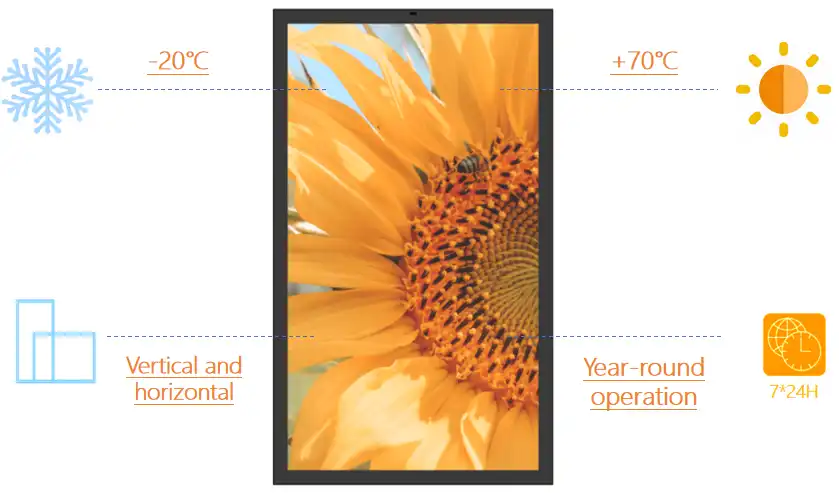
Outdoor displays with ultra-high brightness are a big step forward in digital signage technology. They are designed to be very visible even in full sunlight. These high-tech systems usually have light levels higher than 5,000 nits and use advanced LED and LCD technologies that are made to work in harsh outdoor conditions.
Technical Specifications and Environmental Challenges
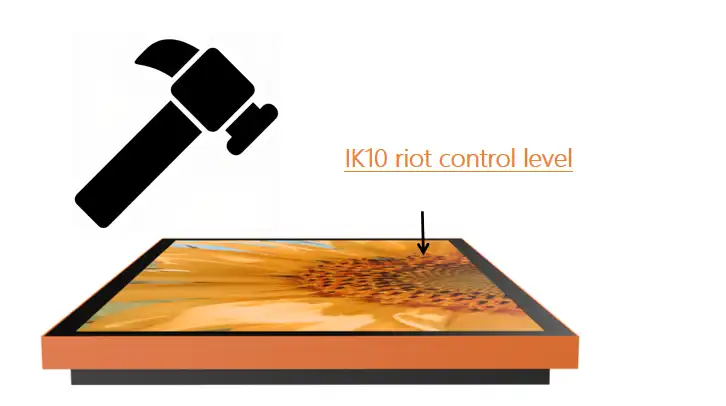
Contemporary outdoor displays are well protected from the weather, with IP66 grades that make sure they are completely safe from dust and strong water jets. This level of engineering excellence is shown by Topview's T32ODL through T75ODL line, which has brightness levels ranging from 800 to 5,000 lux and is made of tempered glass that can withstand extreme temperature changes, moisture, and lightning strikes. Environmental factors always make it hard for displays to work well. Pollution in cities leaves behind acidic leftovers that can wear away protective coatings. Also, dust builds up and blocks light, which causes heat to build up. Bird droppings contain toxic chemicals that need to be cleaned up right away, and UV light breaks down surface treatments over time if they are not kept up properly.
Critical Components Requiring Specialised Care
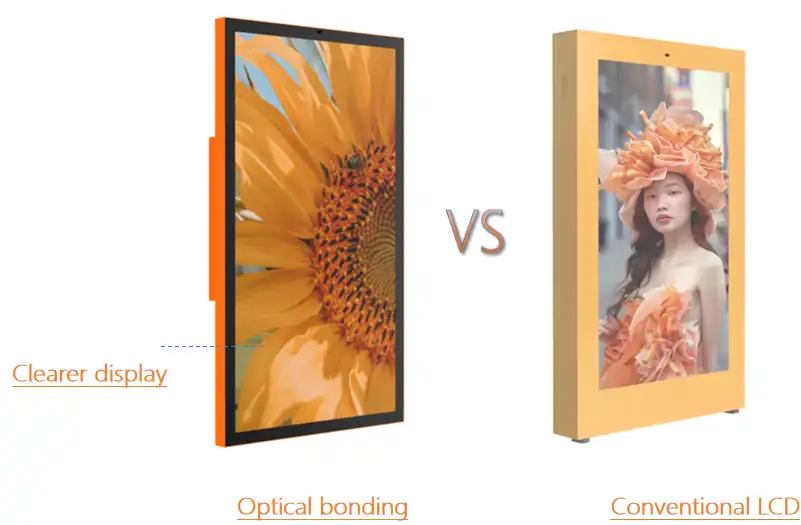
High-end displays use optical bonding technology to make the protective glass and LCD screens blend together perfectly, leaving no air gaps that can trap dirt and dust. This full lamination method makes the structure stronger and cuts down on internal reflections, but it also needs more advanced cleaning methods to protect the carefully designed surface treatments. Another important thing to think about is coverings that block glare and reflection. When the lighting is bright, these special surface treatments make things much easier to see. However, cleaning chemicals or methods that are too rough can damage them forever.
Common Challenges and Mistakes in Cleaning Outdoor Displays
When professional maintenance teams work on outdoor screens with very high brightness, they often run into the same problems. A lot of these problems are caused by using old-fashioned cleaning methods on high-tech digital signage equipment.
Chemical Compatibility Issues
A lot of common cleaning products have acids, alcohol, or ammonia in them, which can damage anti-reflective coats and weatherproof seals in a way that can't be fixed. At first, these chemicals may seem to clean well, but over time, they break down the material in a way that shows up as less clarity, more reflection, or less resistance to the weather. Another common mistake is using rough cleaning tools. Standard paper towels, rough cloths, or cleaning brushes can leave tiny scratches that can turn into damage that can be seen. This can blur images and make it possible for water to get through protective coatings.
Frequency and Timing Misconceptions
Too much cleaning can be just as bad as not doing it at all. When you clean something too much, the protective coatings and weatherproof seals get damaged. This is especially true around mounting points and wire connections. On the other hand, long breaks between cleaning sessions let contaminants stick to surface treatments, which makes removal harder and might require rough methods that damage the surface. The time of the weather adds to the problems. Cleaning when it's very hot or very cold, very humid, Ultra Thin Waterproof Digital Signage or windy can trap cleaning residues, cause thermal shock, or let contaminants on surfaces before they are fully dried. A lot of maintenance teams don't realise how important the surroundings are when they are cleaning. When procurement experts know about these problems, they can set up maintenance plans that protect their investments and keep displays working at their best for long periods of time.
Proven Proper Cleaning Methods for Ultra-High Brightness Outdoor Displays
Using cleaning methods that have been proven to work by science will ensure the best performance of the display while also saving its complex parts and increasing its useful life. These ways were created after a lot of testing in the field and suggestions from manufacturers.
Recommended Cleaning Products and Tools
Professional-grade cleaning products made just for optical surfaces get the best results without hurting delicate coatings. pH-neutral cleaners made for LCD and LED screens get rid of dirt and grime well while protecting anti-reflective coatings and waterproof seals. When it comes to cleaning displays, the best tools are high-quality microfibre cloths. These special fabrics pick up and hold on to dirt and dust without scratching. They are also made so that they don't leave behind any lint that could hurt the quality of the images. Multiple rotations of the cloth make sure that the surfaces stay clean while they are being cleaned. In the final steps of cleaning, distilled water is very important because it gets rid of mineral deposits that can leave spots or hazing on surfaces that are sensitive to light. This simple addition to the cleaning process makes the end result much better and stops buildup problems from happening in the future.
Step-by-Step Cleaning Protocol
Turn off all of the equipment and give it enough time to cool down before you start cleaning it. This safety step keeps people and equipment safe and makes sure that cleaning solutions don't evaporate too quickly, leaving behind residues. To start, use clean microfibre cloths and gentle dry cleaning to get rid of any dust or dirt that is free. This first step keeps rough bits from scratching surfaces while they are being cleaned with water. Pay extra attention to places like vents and mounting hardware where dirt and dust tend to gather. Cleansing solution should be used lightly on microfibre cloths instead of directly on display surfaces. With this limited application, the solution can't get through the seals or pool around the connection points. Use light pressure and circle motions, overlapping strokes to make sure you cover the whole area.
Environmental Considerations and Frequency Guidelines
How often you clean varies a lot depending on the conditions in your area. Urban areas with a lot of pollution may need maintenance once a week, while installations in rural areas may be fine with maintenance once a month. Coastal areas have problems with salt exposure that need special rules and more frequent checks. Seasonal changes are necessary for maintenance plans to work well. In the spring, cleaning gets rid of the buildup from the winter; in the summer, protocols focus on dust and UV protection; in the fall, preparations get rid of organic debris; and in the winter, maintenance checks for weather protection. When these tried-and-true methods are used regularly, they keep displays working well and help procurement professionals who are in charge of managing a wide range of outdoor digital signage portfolios get the most out of their money.
Installation and Maintenance Tips to Facilitate Effective Cleaning
Strategic planning during installation phases significantly reduces long-term maintenance complexity and costs while improving cleaning effectiveness. Thoughtful design choices and proper installation techniques create foundations for efficient ongoing maintenance programs.
Mounting and Accessibility Considerations
Proper mounting system selection directly impacts cleaning accessibility and effectiveness. Tilt mechanisms and adjustable brackets enable optimal cleaning angles while reducing strain on maintenance personnel. Topview's ceiling-mounted and floor-stand applications provide flexible installation options that accommodate diverse architectural requirements while maintaining service accessibility. Service clearances around displays must accommodate cleaning equipment, Ultra Thin Waterproof Digital Signage, and personnel movement. Minimum clearances of 36 inches enable effective cleaning without compromising safety or results. Consider maintenance platform requirements during planning phases to ensure consistent access across installation lifecycles. Cable management and connection protection prevent cleaning solution infiltration that could damage electronic components. Sealed connections and protected cable runs eliminate common failure points while simplifying cleaning procedures around sensitive areas.
Protective Features and Surface Treatments
Advanced surface treatments significantly reduce cleaning requirements and improve long-term performance. Hydrophobic coatings encourage water beading, allowing natural rain cleaning while reducing manual maintenance frequency. Anti-static treatments minimise dust attraction, particularly beneficial in high-traffic urban environments. Topview's tempered glass construction with anti-glare properties represents an optimal balance between durability and cleaning simplicity. The robust surface withstands professional cleaning techniques while maintaining optical clarity throughout extended service periods. Integrated weather shields and protective overhangs reduce direct exposure to environmental contaminants, extending cleaning intervals while protecting sensitive components. These design elements prove particularly valuable in challenging climatic conditions.
Professional Maintenance Integration
Establishing relationships with qualified maintenance providers ensures consistent cleaning quality while reducing internal resource requirements. Professional services bring specialised equipment, training, and experience that deliver superior results compared to ad-hoc cleaning approaches. Maintenance contract specifications should detail cleaning frequencies, approved products, quality standards, and performance guarantees. These agreements provide accountability while ensuring consistent application of proven protocols across multiple installation sites. Regular maintenance documentation enables trend analysis and optimisation opportunities. Tracking cleaning frequencies, product usage, and performance metrics supports data-driven decision making for maintenance program improvements and budget planning.
Selecting Ultra-High Brightness Outdoor Displays with Cleaning and Durability in Mind
Procurement decisions significantly impact long-term maintenance requirements and operational costs. Selecting displays with appropriate durability features and cleaning-friendly designs provides substantial advantages throughout product lifecycles.
Critical Durability Features and Certifications
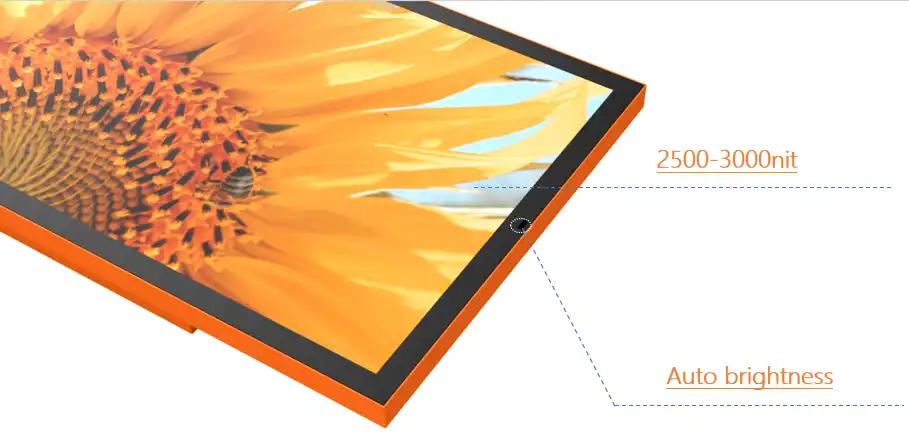
According to the minimum standards for serious outdoor uses, IP66 weatherproof ratings guard completely against dust and strong water jets. Topview's outdoor display line goes above and beyond these standards by adding extra protection against lightning, extreme temperatures, and UV light. Specifications for brightness must match the surroundings and the ability to clean and maintain. The T32ODL to T75ODL series can be set to brightness levels ranging from 800 to 5,000 lux. This lets you get the best performance while taking into account the cleaning challenges that come with ultra-high brightness uses. Certification that meets standards like FCC, RoHS, and CE makes sure that the product is of good quality and works with devices from other countries. It also guarantees that the manufacturing process follows standards that help the product last a long time and keep working the same way.
Size and Configuration Options
Sizes range from 32 inches to 75 inches to meet the needs of a wide range of applications while keeping the same cleaning procedures across all installations. Topview's wide range of sizes makes it possible to use standard maintenance methods for all monitor sizes. Flexible mounting choices, such as ceiling and floor-stand applications, give installers more ways to make cleaning easier. The super-thin 85 mm thickness cuts down on the area that needs to be cleaned while still keeping the structural integrity needed for outdoor use. Resolutions ranging from Full HD 1920x1080 to Ultra HD 3840x2160 let you improve speed without affecting the amount of cleaning that needs to be done. Choosing the right resolution is an important part of buying something because higher resolutions may need to be cleaned more often to keep the picture clear.
Supplier Support and Service Capabilities
Long-term ownership costs and maintenance efficiency are directly affected by the ability to manufacture and the support infrastructure. Topview's 2,000-square-meter building has three modern production lines and full-time engineering support to make sure that the standard of their products is always high and that they can get technical help quickly. A warranty that lasts between one and three years protects you against early failures and shows that the maker believes the product will last. Options for longer warranties give extra safety for important installations where the costs of downtime are higher than thecost of the premium warranties. Customisation options, such as OEM logos, specialised software, and project-specific changes, make it possible to create solutions that work better and are easier to clean. Topview's method is flexible enough to meet specific needs without requiring a minimum order.
Conclusion
Keeping ultra-bright outdoor displays in good shape takes specific knowledge, the right tools, and consistent use of tried-and-true cleaning methods. Understanding environmental challenges, avoiding common mistakes, Outdoor Displays and using systematic care methods are all ways to protect large investments and get the best performance. Long-term operations can be successful if strategic purchasing choices put durability, cleaning ease, and supplier support at the top of the list. Professional maintenance integration and careful planning of the construction process make cleaning even more effective while lowering costs and making things easier to do.
FAQ
1. How often should ultra-high brightness outdoor displays be cleaned?
Cleaning frequency depends on environmental conditions and display location. Urban installations typically require weekly cleaning due to pollution and dust accumulation, while rural locations may perform adequately with monthly maintenance. Coastal environments demand increased attention due to salt exposure, while high-traffic areas accumulate contaminants more rapidly.
2. What cleaning products are safe for LED outdoor displays?
Use only pH-neutral cleaners specifically formulated for optical surfaces. Avoid ammonia, alcohol, or acidic compounds that can damage anti-reflective coatings and weatherproof seals. Distilled water provides excellent results for light cleaning and final rinsing. Always test cleaning products on inconspicuous areas before full application.
3. Can weather conditions affect cleaning effectiveness?
Weather significantly impacts cleaning results and safety. Avoid cleaning during temperature extremes, high winds, or precipitation. Optimal conditions include moderate temperatures, low humidity, and calm conditions. Allow adequate drying time before reactivating displays to prevent moisture-related issues.
4. What tools should be avoided when cleaning outdoor displays?
Never use paper towels, rough cloths, scrapers, or brushes that could scratch protective coatings. Avoid high-pressure water systems that might penetrate seals. Standard household cleaning products and automotive cleaners often contain compounds harmful to display surfaces and weatherproof components.
5. How do anti-glare coatings affect cleaning requirements?
Anti-glare treatments require gentle cleaning techniques to preserve their effectiveness. These specialised coatings reduce reflections and improve visibility, but can be permanently damaged by inappropriate cleaning methods. Use only approved optical cleaners and microfiber cloths designed for coated surfaces.
Partner with Topview for Superior Outdoor Display Solutions
Topview Technology delivers premium ultra-high brightness outdoor displays engineered for minimal maintenance and maximum performance across challenging environments. Our T32ODL through T75ODL series combines advanced optical bonding, IP66 weatherproofing, and customizable brightness levels up to 5,000 lux to meet diverse procurement requirements. With over 13 years of manufacturing expertise, comprehensive certifications, and flexible EXW, FOB, or DDP pricing terms, Outdoor Displays Topview serves as your trusted outdoor displays supplier for projects requiring reliable, high-performance digital signage. Contact our engineering team at market@tviewdisplay.com to discuss your specific cleaning and durability requirements, custom configurations, and volume pricing for your next outdoor display procurement initiative.
References
1. Society for Information Display, "Environmental Impact Assessment on Outdoor Display Technologies and Maintenance Protocols," Display Technology Research Journal, 2023.
2. International Electrotechnical Commission, "Weatherproof Rating Standards for Outdoor Electronic Displays: IP65 and IP66 Compliance Guidelines," IEC Technical Standards Publication, 2022.
3. American Society of Testing and Materials, "Standard Practice for Cleaning and Maintenance of High-Brightness LED Display Systems," ASTM Technical Committee Report, 2023.
4. Digital Signage Federation, "Best Practices for Outdoor Display Maintenance and Longevity in Commercial Applications," Industry Guidelines Manual, 2022.
5. Optical Coating Manufacturers Association, "Anti-Reflective and Anti-Glare Coating Preservation Techniques for Professional Display Applications," Technical Bulletin, 2023.
6. Environmental Protection Agency, "Chemical Safety Guidelines for Electronic Display Maintenance in Commercial Settings," EPA Industrial Guidelines, 2022.
YOU MAY LIKE
 VIEW MORE32inch Outdoor LCD Totem Signage
 VIEW MORELED Flexible Transparent Crystal Film Screen
 VIEW MORE55″ Transparent OLED Display Cabinet
 VIEW MOREHight Brightness Double-sided Windows Facing Kiosk
 VIEW MOREDetachable Leg Interactive Touch Table
 VIEW MOREUltra Slim Double-sided Floorstand Kiosk
 VIEW MOREDouble Sided Floor Standing Digital Signage
 VIEW MOREWall-Mounted Outdoor LCD Digital Signage