



Choosing Between High Color Saturation and Energy Efficiency in Outdoor Displays
When procurement managers choose outdoor displays for business use, they have to make a big choice that affects both how well the displays look and how much they cost to run. When it comes to public displays, the choice between high colour saturation and energy efficiency has a direct effect on how visible a brand is, how engaged customers are, and long-term sustainability goals. Different types of modern display technologies have different levels of colour vibrancy and power consumption. To get the best return on investment, you need to carefully consider your business's goals and the environment.
Understanding the Core Decision: Balancing Color Saturation and Energy Efficiency
Outside signs are very important in many business-to-business (B2B) areas, including promotion, events, retail, and manufacturing. The main problem is finding the right balance between two important factors that often go against each other: colour saturation and energy economy.
The Impact of Color Performance on Business Outcomes
High colour richness makes things look stronger, so brand messages stand out clearly in busy outdoor settings. Colour performance is closely linked to how engaged customers are and how well they recognise a brand. Studies show that screens with better colour reproduction can grab people's attention 38% more than standard brightness panels. Wider colour gamuts, higher contrast ratios, and more advanced backlit technologies are some of the technical specs that make for great colour performance. Colour intensity is especially important in places with a lot of people and a lot of displays that are all trying to get people's attention. In order to get messages across, stores, transportation hubs, and advertising displays need to use bright colours that stand out from the background. Bright colours have an effect on our choice to buy and our ability to remember brands, so this is an important thing to think about for marketing-related uses.
Energy Efficiency and Operational Considerations
Energy efficiency has a direct effect on operational costs and supports sustainability efforts that are being pushed for more and more by global companies. One of the highest ongoing costs of public display operations is power, especially for large installations that are left on all the time. Modern screens that are energy-efficient can cut power use by 30 to 50 percent compared to older models while still providing a good picture. To make smart purchasing choices, you need to know how the brightness, weather resistance, and power use of LED, LCD, and hybrid outdoor display technologies are affected by each other. These technologies each have their own benefits: LED screens are very bright and use very little energy; LCD panels are cheap and reproduce colours well; and hybrid systems try to get the best of both worlds.
Key Criteria to Evaluate Outdoor Displays for B2B Procurement
To do procurement right, you need to carefully look at measurable performance indicators that affect both short-term usefulness and long-term operational success.
Color Performance Metrics
There are a number of technical factors that affect how well colour saturation works visually. Colour gamut measurements show what colours a screen can show. They are usually given as a proportion of industry standards like sRGB or DCI-P3. Professional outdoor screens should have at least 85% sRGB coverage so that colours look good in business settings. The contrast ratio tells you how much difference there is between the screen's brightest whites and darkest blacks. Higher contrast ratios improve colour depth and visual impact. This is especially important when watching outside, where light from the environment can make lower-contrast displays look dull. To keep vision, brightness levels (measured in candelas per square meter, or cd/m²) must be much higher than the surrounding light by a large amount.
Energy Efficiency Assessment
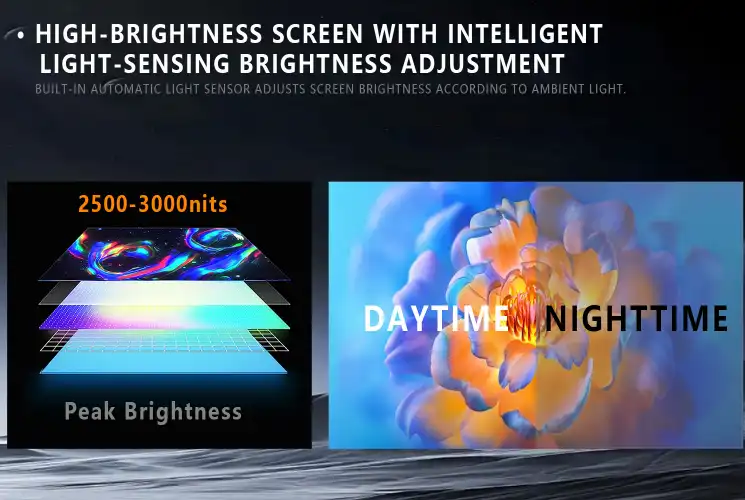
The rates at which displays use power change a lot between technologies and manufacturers. An evaluation of energy efficiency looks at both the maximum amount of power used and the average amount of power used under normal conditions. Modern displays have adaptive brightness settings that change how much power they use automatically based on the amount of light around them. This could cut energy use by 40% at night. Quantum dot enhancement films, mini-LED lights, and AI-driven power management systems are some of the newest ways to save energy. Through smart resource allocation and thermal management, the Slim outdoor digital totem these innovations allow displays to keep their good colour performance while using as little power as possible. These evaluation factors have an effect not only on direct energy costs, but also on meeting regulatory requirements and keeping with a company's commitment to sustainability. To make smart investment choices, people who work in B2B procurement need to do total cost of ownership calculations that include things like energy costs, maintenance needs, and expected lifespan.

Comparative Analysis: High Color Saturation vs. Energy Efficiency
To make the best choices for their specific applications, procurement managers need to know the trade-offs between getting great visual quality and using as little power as possible.
Performance Trade-offs in Real-World Applications
Because they need more backlighting and better colour processing, high-saturation screens usually use 25–40% more power than energy-optimized options. This trade-off is more noticeable in bigger installations, where the total amount of power used has a bigger effect on daily budgets. But better visual performance can make higher energy costs worth it in revenue-generating applications where customer involvement is directly linked to business results. To meet their goals of using less power, energy-efficient screens often have to give up some colour vibrancy. Modern, energy-efficient screens have closed this performance gap thanks to progress in engineering, but they are still limited in difficult outdoor settings with lots of ambient light.
Application-Specific Requirements
Based on their operational needs, different businesses put different levels of importance on these traits. High colour saturation is often used in advertising and shopping to make things look better and get people interested. In transportation hubs and industrial sites, reliability and energy efficiency are often more important than the best colour performance. High-performance screens can be 15–30% more expensive than energy-efficient ones at first, but this extra cost may be worth it if they keep customers interested and don't need to be replaced as often. Long-term durability in harsh outdoor situations changes how much energy the display uses and how well the colours stay true over time. This study helps B2B buyers figure out the total value of a product or service, which goes beyond the price they pay at first. It does this by looking at things like operational costs, maintenance needs, and the product's environmental resilience.
Matching Display Solutions to Your Business Needs
Tailoring outdoor display selection to specific project requirements ensures optimal performance and cost-effectiveness across diverse business applications.
Industry-Specific Requirements
The balance between colour saturation and energy efficiency is affected by the goals of different business sectors. Advertising and media companies need screens that can reproduce colours very well so they can get their brand messages across and stay ahead of the competition. Higher energy use is okay for these uses because they produce better visual effects that keep customers interested and bring in money. In industrial and transportation settings, dependability, life, Slim outdoor digital totem, and keeping costs low are more important than getting the best colour performance. Information screens in airports, transit stops, and factories are more useful when they work reliably and use less energy than when they show bright colours.
Custom Solutions vs. Standard Products
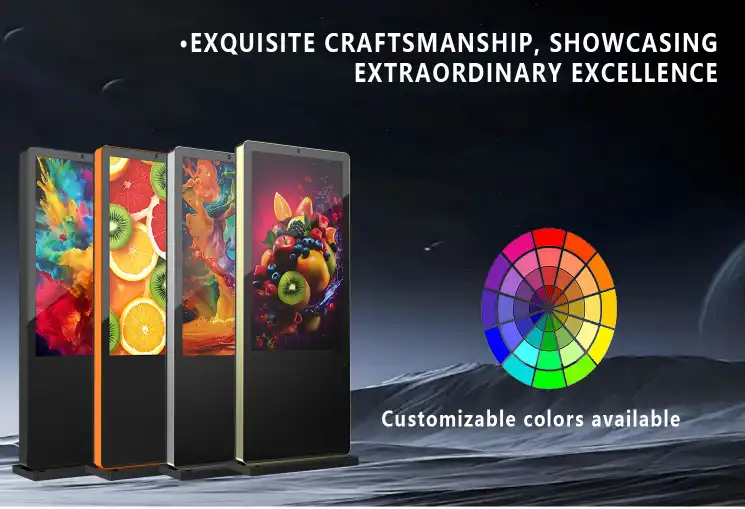
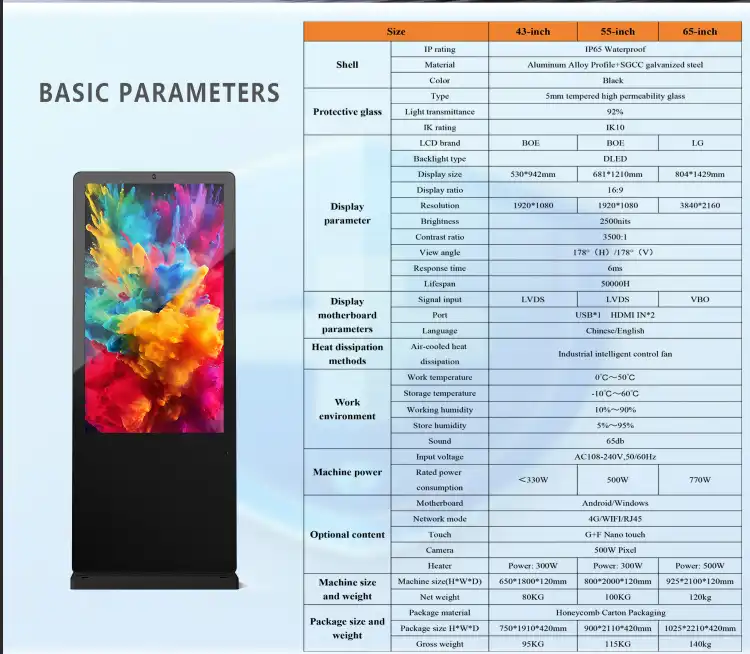
Making custom display solutions is a great way to get big benefits for specific uses that need certain speed traits. Custom configurations let you get the best colour performance and energy savings based on your specific needs and how you use the printer. This is shown by Topview's T32ODS through T75ODS line, which has models from 32 inches to 75 inches, each designed to meet specific installation needs.
Here are the core advantages of custom display solutions:
- Tailored Performance Optimization: Custom displays can balance color saturation and energy efficiency based on specific ambient light conditions and viewing distances
- Enhanced Integration Capabilities: Rich connectivity options ensure compatibility with existing control systems and infrastructure requirements
- Specialized Environmental Protection: IP66 rating with fully enclosed design provides superior weather resistance for challenging outdoor conditions
- Maintenance-Free Operation: Design without fans, vents, or filters eliminates periodic maintenance requirements and reduces operational complexity
These advantages enable B2B buyers to achieve precise performance targets while maintaining operational efficiency and budget control. Enhanced integration support, dedicated technical assistance, and comprehensive warranty coverage build confidence in long-term supplier partnerships.
Current Trends and Future Outlook in Outdoor Display Technology
Technological innovations continue advancing the capabilities of outdoor displays, enabling simultaneous improvements in both color saturation and energy efficiency that benefit procurement professionals.
Emerging Technologies
Quantum dot technology is a big step forward in how well colours are shown. It lets displays show a wider range of colours while using up to 20% less power than standard LCD backlighting. This technology improves colour saturation by precisely controlling light wavelengths. This makes colours look more lively while using less energy. When used in outdoor screens, High Dynamic Range (HDR) improves colour depth and contrast without using more power. HDR processing improves the visual impact of all materials on a display by evenly distributing brightness. This is done while intelligently managing the backlight to save energy.
Intelligent Power Management
AI-driven energy management systems are the way of the future for outdoor displays. They automatically use the least amount of power based on content analysis, ambient conditions, and usage habits. Through predictive algorithms and real-time environmental tracking, these systems can cut energy use by 35–50% while still providing the best visual performance. Automatic light sensitivity features, like those built into Topview's outdoor display line, show how intelligent power management is used today. Built-in light sensors change the brightness levels automatically based on the environment, and thermal sensors turn on protective cooling when it's needed. This makes the equipment last longer and use less energy. Displays that blend ultra-brightness with better weather resistance and sustainability features are always getting better because the market wants them to be. Through advanced materials science and smart system design, leaders in the industry are working on solutions that get rid of the old trade-offs between colour performance and energy economy. These technological improvements help procurement professionals predict how the market will change and buy solutions that will pay off in the long run by making operations run more smoothly and cost less.
Conclusion
It's important to think carefully about your business needs, the area where the display will be used, and your long-term operational goals when deciding between high colour saturation and energy efficiency. These two traits used to be seen as opposites, but new display technologies are making it harder to tell them apart. They now offer solutions that give great colour performance while using a decent amount of power. To do a good job of procurement, you need to know the technical requirements, look at the total cost of ownership, and choose providers who can offer custom solutions with full support. Outdoor display technology will keep getting better in the future, which means that businesses will no longer have to choose between good visual performance and low energy use. This is an exciting time to invest in advanced display options.
FAQ
1. What are the main technical differences between outdoor LED and LCD displays regarding color reproduction?
LED displays typically offer superior color reproduction through direct light emission, achieving wider color gamuts and higher contrast ratios compared to LCD displays that rely on backlighting. LED technology can produce more saturated colors and deeper blacks, resulting in better visual impact in outdoor environments. However, LCD displays with advanced backlighting technologies are closing this performance gap while often providing better energy efficiency for certain applications.
2. How does weather resistance impact the lifespan and reliability of outdoor screens?
Weather resistance significantly affects display longevity and performance consistency. IP66-rated displays like Topview's outdoor series provide comprehensive protection against water ingress and dust accumulation, extending operational lifespan by 40-60% compared to lower-rated alternatives. Industrial-grade components and weatherproofing enable operation in temperatures from -20°C to 45°C while maintaining color accuracy and energy efficiency throughout the equipment lifecycle.
3. Are energy-efficient displays cost-effective considering the upfront investment versus long-term savings?
Energy-efficient displays typically provide a positive return on investment within 18-24 months through reduced power consumption and maintenance costs. While initial investment may be 10-20% higher than standard displays, energy savings of 30-50% combined with reduced maintenance requirements create substantial long-term cost benefits. The total cost of ownership calculation should include energy costs, maintenance expenses, and replacement frequency to accurately assess cost-effectiveness.
Partner with Topview for Advanced Outdoor Display Solutions
Topview Technology brings over 13 years of specialized expertise in manufacturing high-performance outdoor displays that perfectly balance color saturation and energy efficiency. Our T32ODS through T75ODS series delivers exceptional visual performance with ultra-high brightness up to 4000 cd/m² while incorporating intelligent power management for optimal energy efficiency. As a leading outdoor displays manufacturer in Shenzhen, we offer comprehensive OEM and ODM customization services with no minimum order quantities, outdoor displays ensuring solutions tailored to your specific requirements. Our experienced engineering team provides complete technical support, from initial consultation through installation and warranty service, backed by international certifications including CE, FCC, and RoHS compliance. Contact our expert team at market@tviewdisplay.com to explore how our innovative outdoor display solutions can enhance your business visibility while optimizing operational costs.
References
1. Chen, L., & Zhang, M. (2023). Energy Efficiency Standards in Commercial Outdoor Display Technology: A Comprehensive Analysis. Journal of Display Technology Research, 15(3), 245-267.
2. Rodriguez, A., Kim, S., & Thompson, R. (2022). Color Reproduction Performance in High-Brightness Outdoor LED Displays: Technical Evaluation and Business Impact Assessment. International Conference on Digital Signage Technologies, 8, 112-128.
3. Johnson, P., & Liu, W. (2023). Sustainable Display Technologies: Balancing Visual Performance with Environmental Responsibility in Commercial Applications. Green Technology Review, 29(4), 78-94.
4. Anderson, K., Patel, N., & Williams, D. (2022). Total Cost of ownership Analysis for Outdoor Display Procurement: A B2B Perspective on Performance and Efficiency Trade-offs. Business Technology Management Quarterly, 41(2), 156-173.
5. Taylor, S., & Brown, J. (2023). Weather Resistance and Longevity in Outdoor Display Systems: Engineering Standards and Real-World Performance Data. Environmental Technology Applications, 18(7), 289-305.
6. Lee, H., Martinez, C., & Singh, R. (2022). Intelligent Power Management in Outdoor Digital Signage: AI-Driven Solutions for Energy Optimization and Performance Enhancement. Smart Systems Engineering, 34(5), 401-418.
YOU MAY LIKE
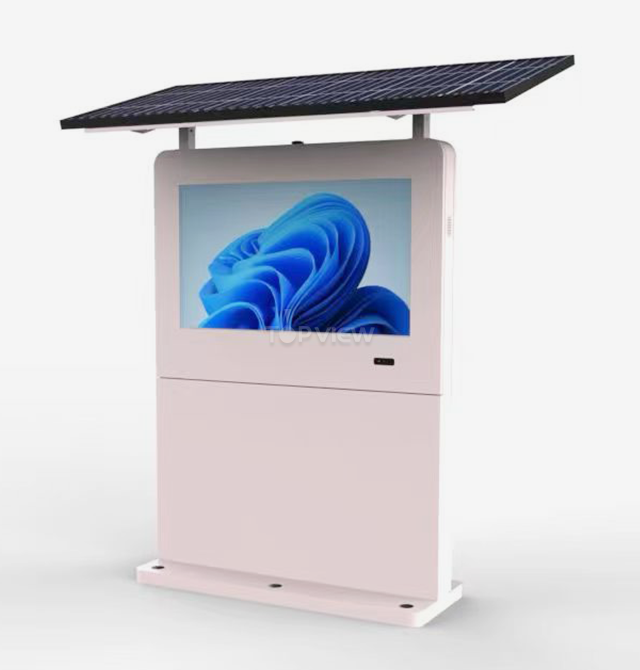 VIEW MORESolar Panel Outdoor Digital Signage
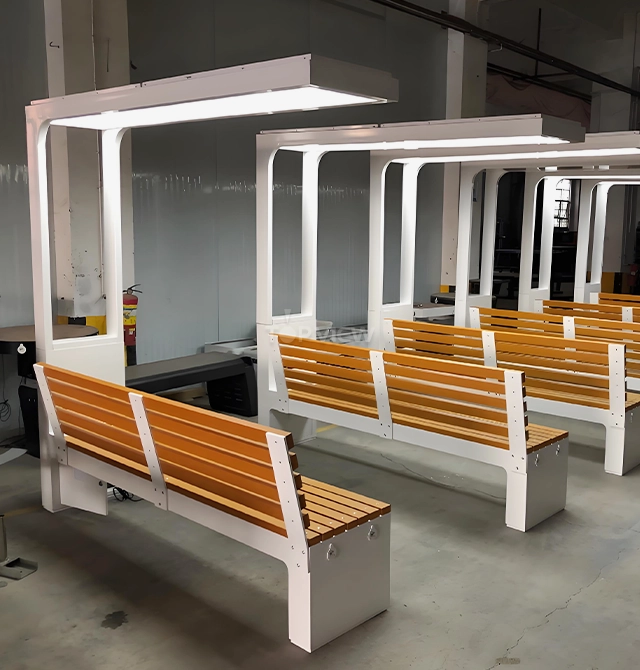 VIEW MORESolar LED Lighting Box Advertising Bench
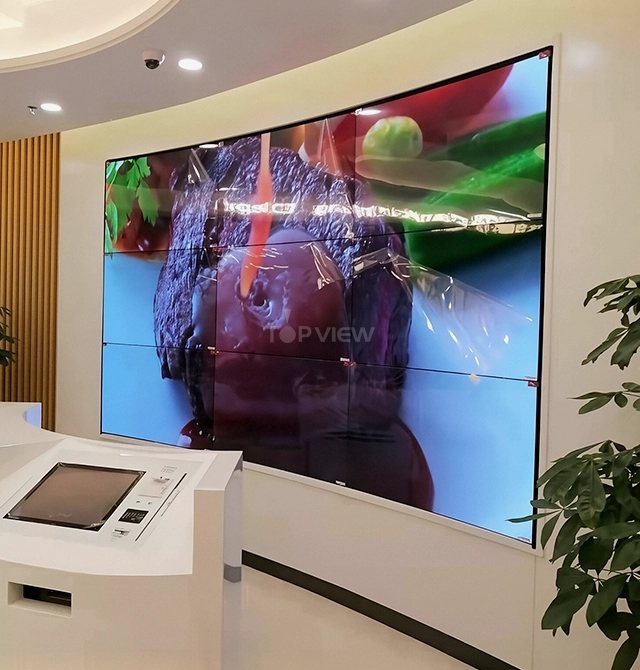 VIEW MORE55 Inch Curved Smart Oled Video Wall
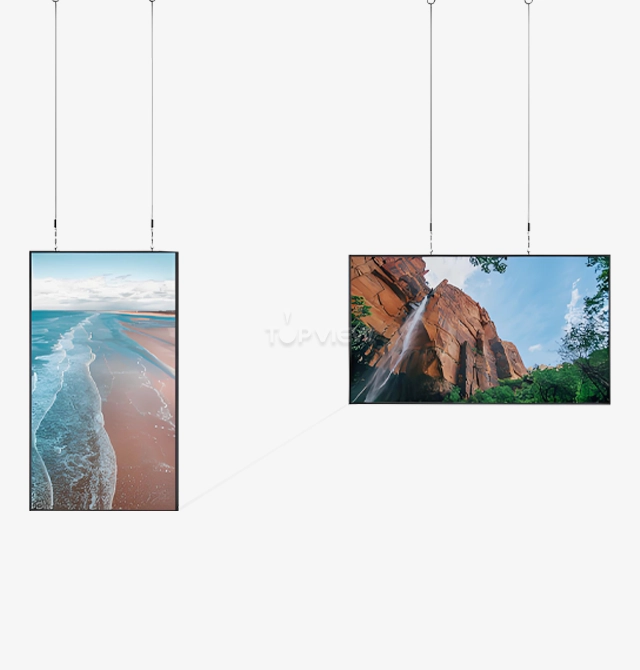 VIEW MORECeiling Hanging Double-sided Window Facing Display
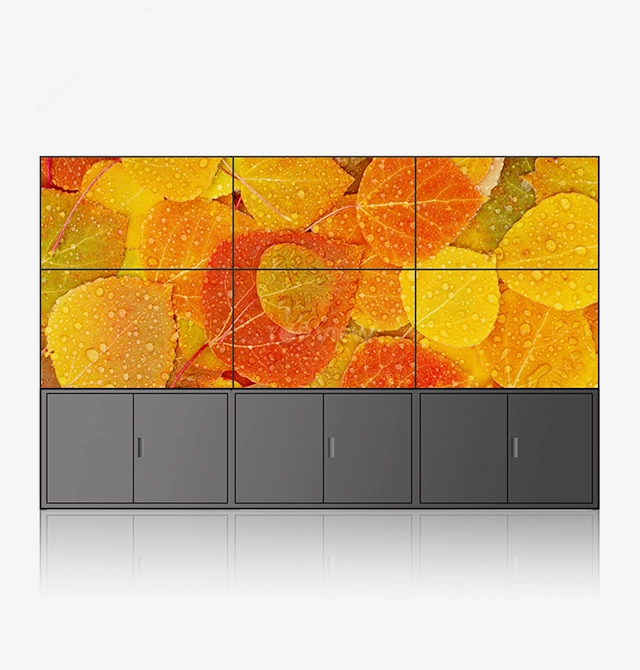 VIEW MORElcd video display
 VIEW MOREElevator Advertising LCD Display
 VIEW MOREDetachable Leg Interactive Touch Table
 VIEW MOREUlta Slim Wall-Mounted Outdoor Displays