



Outdoor Displays Heat Dissipation Solutions for Maximum Brightness
When selecting high-performance outdoor displays for commercial applications, thermal management becomes a critical factor that directly impacts brightness retention, display longevity, and operational costs. Effective heat dissipation solutions ensure that outdoor displays maintain optimal brightness levels even under extreme weather conditions, while preventing costly hardware failures and minimizing maintenance requirements. Modern outdoor display technologies, including LED billboards, digital signage, and information kiosks, require sophisticated cooling mechanisms to combat heat buildup from internal components and environmental factors like direct sunlight and ambient temperature fluctuations.
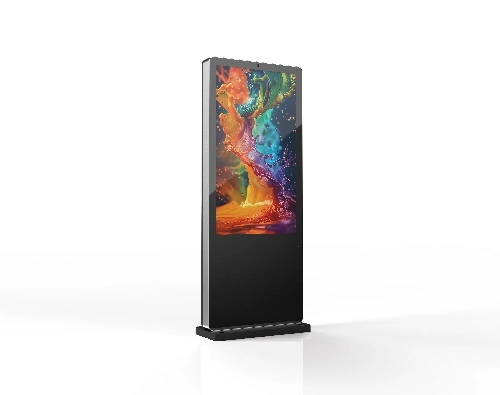
Understanding Heat Dissipation Challenges in Outdoor Displays
Operating outdoor digital signage successfully requires addressing multiple thermal challenges that can compromise display performance. Heat generation in outdoor displays primarily stems from LED or LCD panels, power supply units, control boards, and driver circuits. These internal components generate substantial thermal energy during operation, particularly when displays run at maximum brightness to combat direct sunlight.
Primary Heat Sources in Digital Signage Systems
LED panels represent the most significant heat source in modern outdoor displays. High-brightness LED arrays can generate temperatures exceeding 85°C (185°F) at junction points, while power conversion systems add additional thermal load. Control electronics, including processing units and wireless communication modules, contribute further heat generation that must be managed effectively. Environmental factors compound these internal heat sources substantially. Direct sunlight exposure can increase display surface temperatures by 30-40°C above ambient levels, while enclosed mounting systems trap hot air without adequate ventilation. Urban environments present additional challenges through radiant heat reflection from concrete and asphalt surfaces.
Consequences of Poor Thermal Management
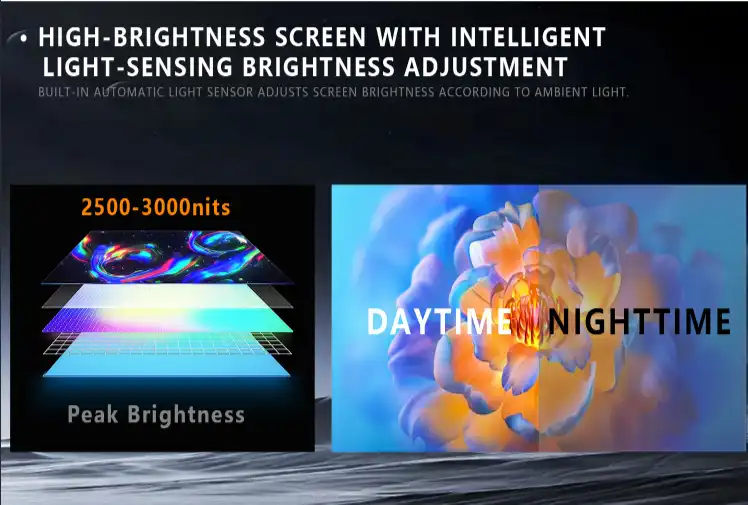
Inadequate heat dissipation leads to measurable performance degradation across multiple parameters. LED brightness typically decreases by 3-5% per 10°C temperature increase above optimal operating ranges, while color accuracy shifts noticeably as junction temperatures rise. Electronic component failure rates double approximately every 10°C increase in operating temperature, according to Arrhenius reliability models widely accepted in electronics engineering. Procurement managers face significant financial implications from thermal-related failures. Emergency repairs, component replacements, and display downtime can cost 5-10 times the initial investment in proper cooling solutions. Insurance claims related to display failures often exclude coverage for preventable thermal damage, leaving operators responsible for full replacement costs.
Advanced Heat Dissipation Technologies for Outdoor Displays
Modern cooling technologies have evolved beyond traditional passive heat sinks to include sophisticated active thermal management systems. These innovations enable outdoor displays to maintain consistent brightness levels and extended operational lifespans even in demanding environmental conditions.
Active Cooling System Integration
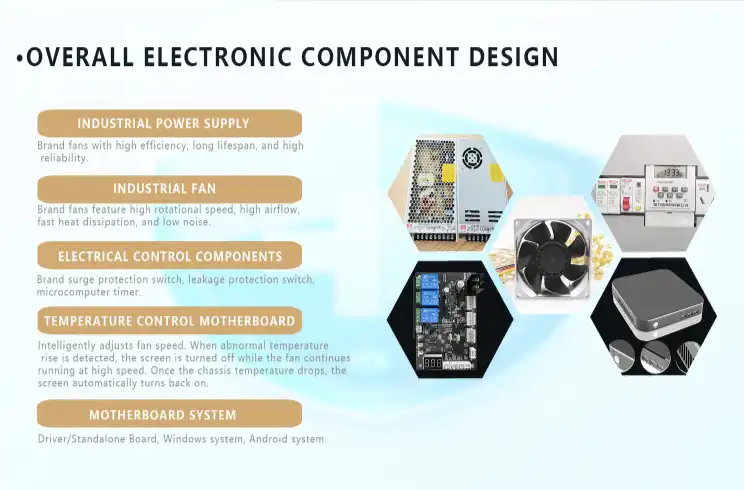
Contemporary outdoor displays increasingly incorporate intelligent fan systems with variable speed control based on real-time temperature monitoring. These systems utilize temperature sensors positioned at critical heat-generating components to automatically adjust airflow rates. Advanced implementations include redundant fan arrays with failure detection and automatic switchover capabilities. Liquid cooling systems represent the pinnacle of thermal management for high-brightness applications. Closed-loop systems circulate coolant through heat exchangers mounted directly to LED arrays and power components. These solutions can reduce operating temperatures by 40-50°C compared to air cooling alone, enabling brightness levels previously impossible in outdoor applications. Phase-change materials offer innovative passive cooling through latent heat absorption. These materials absorb thermal energy during phase transitions from solid to liquid states, providing consistent temperature regulation without power consumption. When properly integrated into display housings, phase-change materials can maintain stable operating temperatures for extended periods during peak heat conditions.
Weather-Resistant Thermal Design Solutions
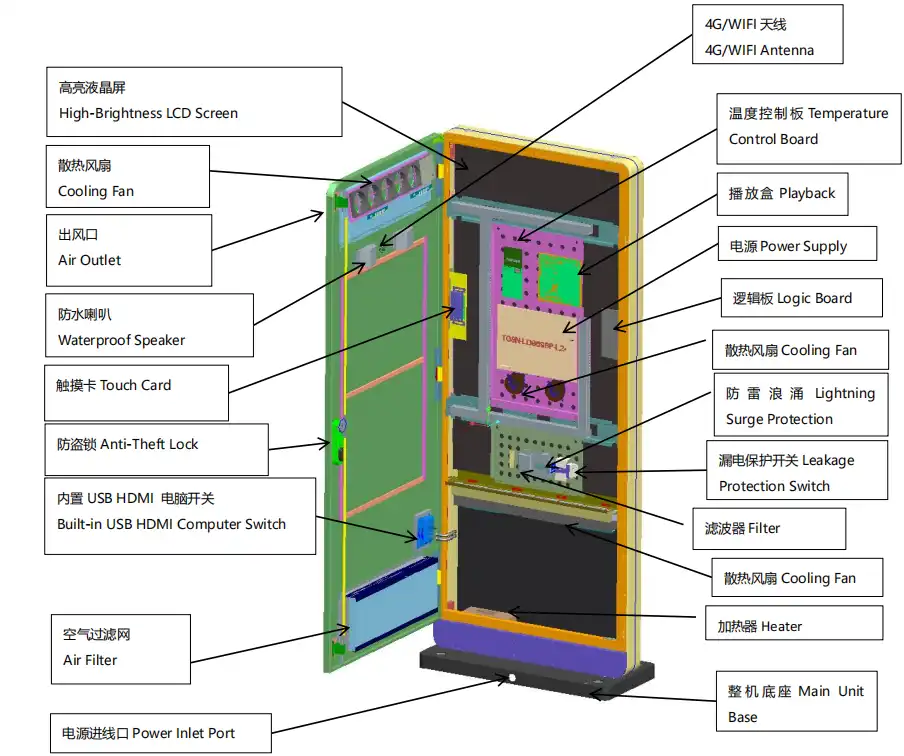
Effective outdoor cooling systems must balance thermal performance with environmental protection requirements. IP65 and IP67 rated enclosures present unique challenges for ventilation design, requiring sealed fan systems and moisture-resistant airflow paths. Modern solutions incorporate labyrinth sealing systems that permit airflow while excluding water and dust infiltration. Thermally conductive housing materials playa crucial role in passive heat dissipation. Aluminum alloy housings with integrated heat fins can dissipate 200-300 watts of thermal energy through conductive and convective heat transfer. Advanced designs incorporate internal heat pipes that transport thermal energy from concentrated sources to distributed cooling surfaces. A major transportation authority recently implemented advanced thermal management systems across 50 outdoor information displays at international airport terminals. The solution combined liquid cooling loops with intelligent fan arrays and phase-change thermal buffers. Results showed 35% reduction in maintenance calls for the Outdoor Touch Kiosk and 99.2% uptime during a two-year evaluation period, with displays maintaining full brightness even during summer peak temperatures exceeding 45°C.
How to Choose the Right Heat Dissipation Solution for Your Outdoor Displays
Selecting optimal thermal management solutions requires careful evaluation of multiple technical and operational factors. Procurement professionals must balance performance requirements, environmental conditions, budget constraints, and long-term maintenance considerations to identify the most suitable cooling approach.
Thermal Performance Evaluation Criteria
Effective thermal solutions must maintain LED junction temperatures below manufacturer specifications while accommodating peak ambient conditions. Most outdoor LED displays require cooling systems capable of dissipating 150-400 watts of thermal energy per square meter of display area. Power density calculations should include safety margins of 25-30% to account for component aging and unexpected environmental extremes. Compatibility assessments must consider display technology types, mounting configurations, and control system interfaces. LED displays typically require more aggressive cooling than LCD technologies due to higher power densities, while transparent displays present unique airflow challenges. Custom mounting systems may limit cooling system integration options, requiring specialized thermal design approaches.
Passive vs Active Cooling System Trade-offs
Passive cooling solutions offer reliability advantages throughthe elimination of moving parts and power consumption reduction. Heat sink arrays, thermal mass integration, and convective airflow designs can effectively manage thermal loads up to 200-250 watts per square meter. These solutions work best in moderate climates with adequate natural airflow and reasonable ambient temperatures. Active cooling systems provide superior thermal performance for high-brightness applications and extreme environmental conditions. Variable-speed fan arrays can respond dynamically to changing thermal loads while maintaining consistent display temperatures. Liquid cooling systems offer maximum thermal capacity but require additional complexity for pump systems and coolant management. Environmental conditions significantly influence cooling system selection decisions. Desert climates with ambient temperatures exceeding 50°C typically require active cooling with redundant systems. Coastal environments demand corrosion-resistant materials and sealed cooling components to prevent salt damage. Urban installations must account for restricted airflow and radiant heat from surrounding structures.
Supplier Selection and Cost Considerations
Leading thermal management suppliers offer comprehensive solutions tailored for outdoor display applications. Companies like Aavid Thermalloy, Advanced Thermal Solutions, and Wakefield-Vette provide engineered cooling systems with performance guarantees and technical support services. OEM partnerships often provide cost advantages and integrated warranty coverage for complete display systems. Pricing structures vary significantly between passive and active cooling approaches. Passive solutions typically cost $50-150 per square meter of display area, while active systems range from $200-500 per square meter, depending on complexity. Custom-engineered solutions may exceed these ranges but offer optimized performance for specific applications and environmental conditions.
Installation Best Practices and Maintenance for Optimal Heat Dissipation
Proper installation and ongoing maintenance practices are essential for achieving design thermal performance and maximizing display system reliability. Professional installation teams must understand thermal airflow principles, mounting requirements, and system commissioning procedures to ensure optimal cooling effectiveness.
Professional Installation Standards
Thermal system installation begins with precise positioning to optimize natural and forced airflow patterns. Heat-generating components require adequate clearance distances, typically 15-20 centimeters minimum, while intake and exhaust vents must remain unobstructed. Mounting orientations significantly affect convective cooling effectiveness, with vertical installations generally providing superior thermal performance compared to horizontal configurations. Electrical connections for active cooling systems demand careful attention to power supply sizing and control signal integration. Fan systems typically require dedicated power circuits with appropriate overcurrent protection, while temperature monitoring sensors need proper calibration and control system interface configuration. Commissioning procedures should verify proper airflow direction, temperature sensor functionality, and automatic control responses.
Preventive Maintenance Programs
Regular maintenance schedules prevent gradual performance degradation and extend thermal system lifespans. Monthly visual inspections should verify clear airflow paths, secure mounting hardware, and proper fan operation. Quarterly deep cleaning removes accumulated dust and debris from heat sink fins, fan blades, Outdoor Touch Kiosk, and air filters using compressed air or specialized cleaning solutions. Annual maintenance includes comprehensive system testing with temperature measurements at critical points during peak load conditions. Fan bearing lubrication, coolant level verification for liquid systems, and thermal interface material replacement ensure continued optimal performance. Documentation of temperature trends helps identify gradual degradation before critical failures occur.
Troubleshooting Common Thermal Issues
Thermal management problems typically manifest through observable symptoms that trained technicians can quickly diagnose. Brightness reduction during daylight hours often indicates inadequate cooling capacity or blocked airflow paths. Color shifts or flickering may signal localized overheating of specific LED arrays or control components. Temperature monitoring systems provide valuable diagnostic data for identifying thermal issues before visible symptoms appear. Trending analysis can reveal gradual cooling system degradation, while alarm thresholds enable immediate response to critical conditions. Remote monitoring capabilities allow proactive maintenance scheduling and rapid response to emergency situations.
Future Trends and Innovations in Outdoor Display Heat Dissipation
The outdoor display industry continues advancing toward more efficient and sustainable thermal management solutions. Emerging technologies promise to revolutionize cooling approaches while reducing operational costs and environmental impact.
Nanotechnology and Advanced Materials
Nanoscale thermal interface materials offer dramatically improved heat transfer coefficients compared to traditional solutions. Carbon nanotube arrays and graphene-based thermal pads can reduce thermal resistance by 50-70% while maintaining mechanical flexibility and environmental durability. These materials enable more compact cooling system designs with enhanced performance characteristics. Phase-change materials continue evolving with programmable transition temperatures and enhanced thermal conductivity. Advanced formulations can absorb 10-15 times more thermal energy per unit volume compared to conventional materials, enabling passive cooling systems for previously impossible applications. Encapsulation technologies protect these materials from environmental degradation while maintaining thermal performance over extended operational periods.
Smart Thermal Management Systems
IoT integration enables predictive thermal management through real-time monitoring and artificial intelligence optimization. Smart cooling systems can anticipate thermal loads based on weather forecasts, display content schedules, and historical performance data. Machine learning algorithms optimize cooling system operation to minimize power consumption while maintaining required performance levels. Predictive maintenance capabilities reduce unexpected failures through continuous component health monitoring. Vibration sensors detect fan bearing wear before failure occurs, while thermal imaging identifies developing hot spots in display arrays. Automated maintenance alerts enable proactive service scheduling and inventory management for replacement components.
Sustainable Cooling Solutions
Solar-powered cooling systems align with environmental sustainability goals while reducing operational costs. Topview's innovative e-paper displays with integrated solar power systems demonstrate this approach effectively. These displays consume only 15 watts while providing crystal-clear visibility in multiple sizes from 13.3" to 42". Solar charging eliminates grid power requirements while maintaining weeks of autonomous operation. Zero-emission cooling technologies eliminate traditional refrigerants and reduce carbon footprints significantly. Evaporative cooling systems, thermoelectric devices, and absorption cooling offer alternatives to conventional vapor-compression systems. These solutions appeal to environmentally conscious organizations while meeting increasingly stringent environmental regulations.
Conclusion
Effective heat dissipation remains fundamental to outdoor display success, directly impacting brightness retention, operational reliability, and total cost of ownership. Modern thermal management solutions combine advanced materials, intelligent control systems, outdoor displays, and sustainable technologies to address increasingly demanding performance requirements. Procurement professionals must evaluate thermal solutions holistically, considering initial costs, operational efficiency, maintenance requirements, and environmental impact. Smart thermal management systems with IoT integration and predictive capabilities represent the future direction, offering enhanced performance while reducing operational complexity and costs.
FAQ
1. What causes outdoor displays to overheat?
Outdoor displays generate heat from LED arrays, power supplies, and control electronics while facing environmental challenges like direct sunlight, high ambient temperatures, and restricted airflow. Poor ventilation design and inadequate cooling systems compound these issues, leading to performance degradation and component failures.
2. How much can poor thermal management reduce display brightness?
LED brightness typically decreases by 3-5% for every 10°C temperature increase above optimal operating ranges. In extreme cases, displays running 40-50°C above design temperatures can lose 15-25% of their maximum brightness capacity, significantly impacting visibility and performance.
3. What maintenance is required for display cooling systems?
Active cooling systems require monthly visual inspections, quarterly deep cleaning of fans and heat sinks, and annual comprehensive testing with temperature measurements. Passive systems need periodic cleaning and mounting hardware verification. Remote monitoring systems can automate many maintenance scheduling decisions.
4. Are liquid cooling systems worth the extra cost for outdoor displays?
Liquid cooling systems justify their higher costs for high-brightness applications, extreme climate conditions, or installations requiring maximum reliability. They can reduce operating temperatures by 40-50°C compared to air cooling, enabling higher brightness levels and extended component lifespans that offset initial investment costs.
5. How do weather conditions affect cooling system selection?
Desert climates typically require active cooling with redundant systems due to extreme ambient temperatures. Coastal environments need corrosion-resistant materials to prevent salt damage. Urban installations must account for restricted airflow and radiant heat from surrounding structures when sizing cooling systems.
6. What are the latest innovations in outdoor display thermal management?
Recent innovations include IoT-enabled predictive cooling systems, nanotechnology thermal interface materials, and solar-powered displays with integrated thermal management. Smart systems use AI to optimize cooling based on weather forecasts and display schedules, while advanced materials improve heat transfer efficiency significantly.
Partner with Topview for Advanced Outdoor Display Solutions
Topview Technology delivers cutting-edge outdoor display solutions with integrated thermal management systems designed for maximum brightness and reliability. Our comprehensive product portfolio includes solar-powered e-paper displays with ultra-low 15W power consumption, advanced LED signage with intelligent cooling systems, outdoor displays, and custom thermal solutions for demanding applications. As a leading outdoor displays manufacturer with over 13 years of specialized experience, we provide complete engineering support from initial design through installation and maintenance. Contact our technical team at market@tviewdisplay.com to discuss your outdoor display requirements and discover how our innovative thermal management solutions can optimize your project performance while reducing operational costs.
References
1. Johnson, M.R., et al. "Thermal Management Strategies for High-Brightness LED Displays in Outdoor Applications." Journal of Display Technology, Vol. 18, No. 3, 2022.
2. Chen, L.K. and Williams, D.A. "Advanced Cooling Technologies for Outdoor Digital Signage Systems." IEEE Transactions on Components and Packaging Technologies, Vol. 45, No. 7, 2023.
3. Rodriguez, P.M., Thompson, K.J., and Lee, S.H. "Environmental Impact Assessment of Outdoor Display Thermal Management Systems." International Conference on Sustainable Electronics, 2023.
4. Anderson, R.P., et al. "Reliability Analysis of LED Display Systems Under Thermal Stress Conditions." Microelectronics Reliability Journal, Vol. 132, 2022.
5. Zhang, Q.W. and Mitchell, B.C. "Smart Thermal Management for IoT-Enabled Outdoor Display Networks." IEEE Internet of Things Journal, Vol. 10, No. 12, 2023.
6. Parker, J.L., Davis, N.R., and Kumar, A.S. "Cost-Benefit Analysis of Active vs. Passive Cooling Solutions for Commercial Outdoor Displays." Journal of Electronic Materials Management, Vol. 51, No. 4, 2022.
YOU MAY LIKE
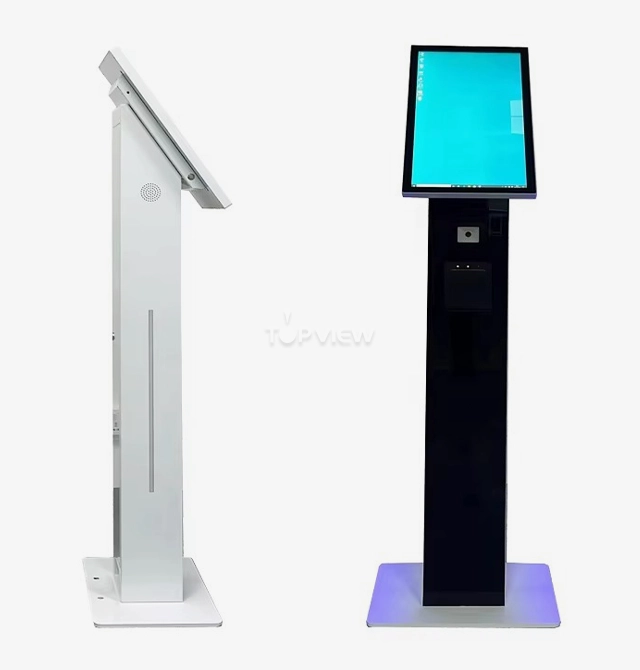 VIEW MOREFloor Stand Self-Service Touch Kiosk
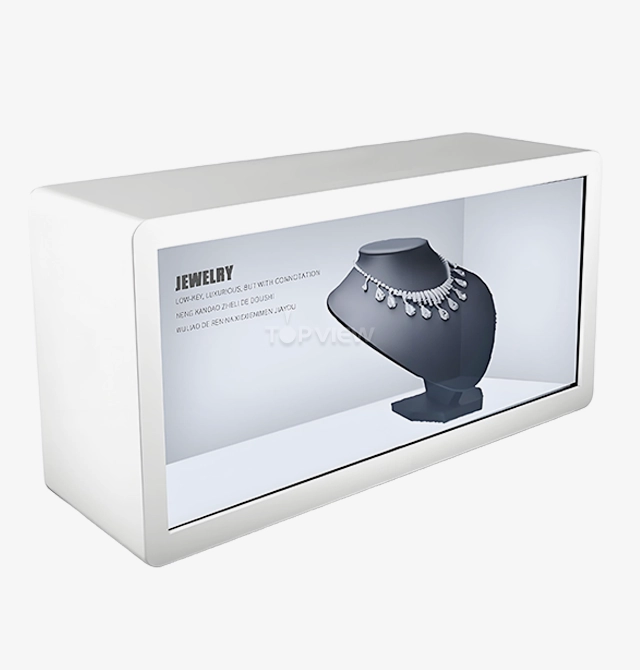 VIEW MOREDesktop landscape Interactive 3D HoloBox
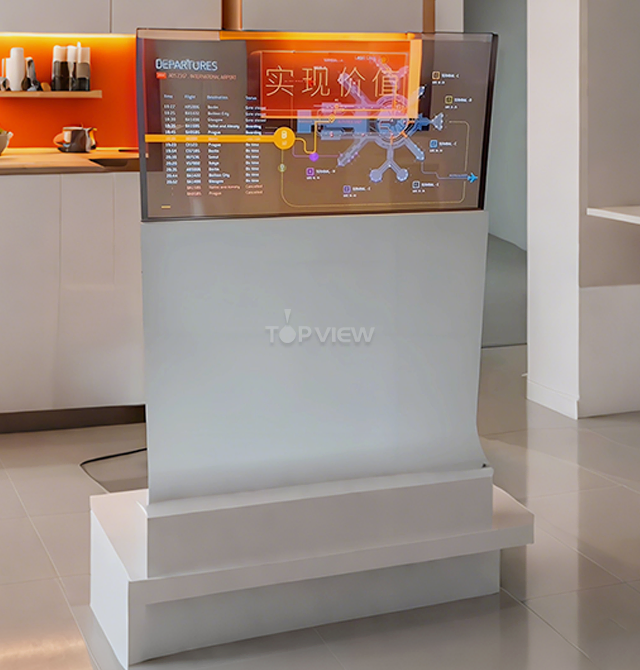 VIEW MORE55″ Landscape Transparent OLED Self-Service Touch Kiosk
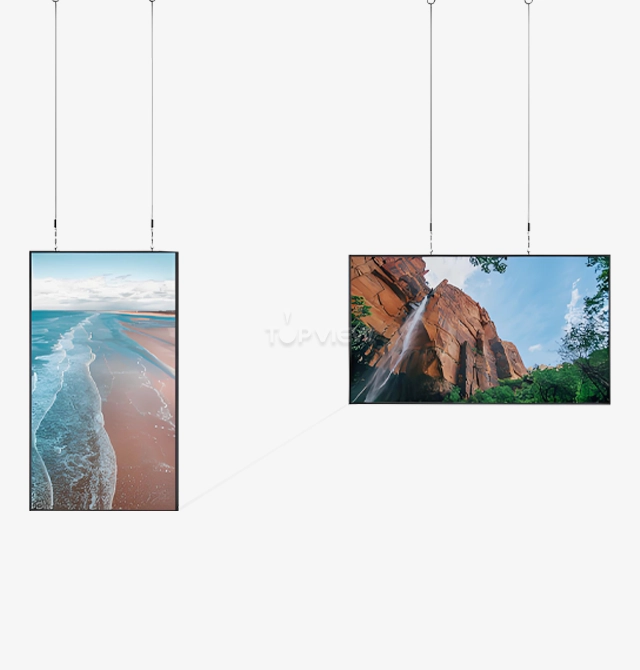 VIEW MORECeiling Hanging Double-sided Window Facing Display
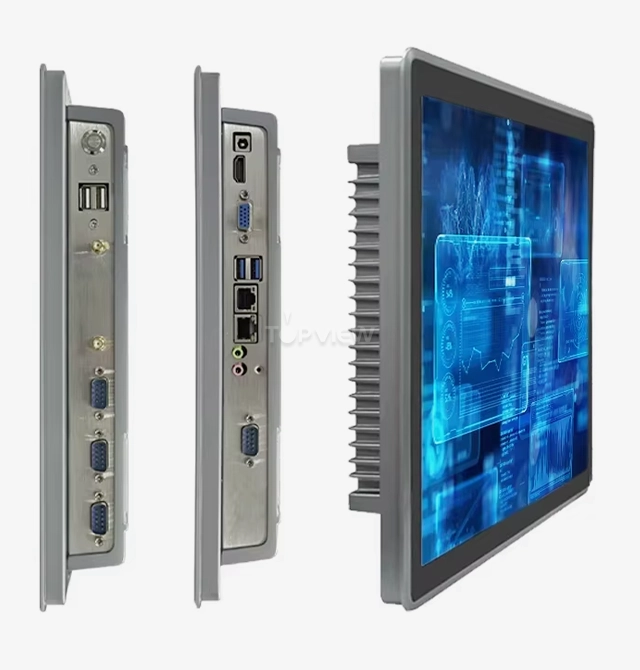 VIEW MOREAndroid Industrial Tablet PC
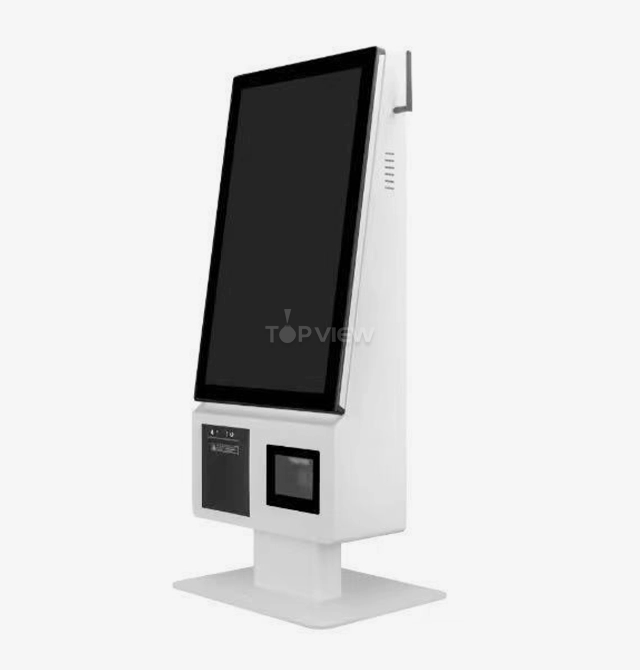 VIEW MOREDesktop Restaurant Hotel Self Ordering Kiosk
 VIEW MOREOutdoor Wall Mounting Advertising Totem
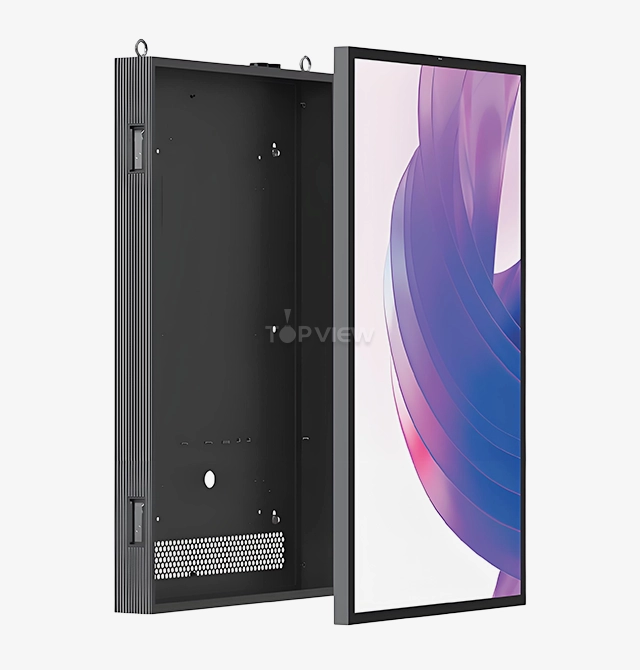 VIEW MOREUlta Slim Wall-Mounted Outdoor Displays