



What are the main differences between LCD and OLED screens?
The main difference between LCD and OLED screens is how they emit light. LCDs use a steady glow going through a layer of liquid crystals to make pictures. This gives them stable, cost-effective performance for long-term use in factories. On the other hand, OLED technology uses organic substances that produce light at the pixel level. This makes it possible for better contrast, infinite black levels, and the creation of cutting-edge Transparent OLED Displays. Because they are self-emissive, they don't need big backlighting units. This means they can be thinner and have more design options than standard screens, which makes them a great choice for high-traffic business settings.
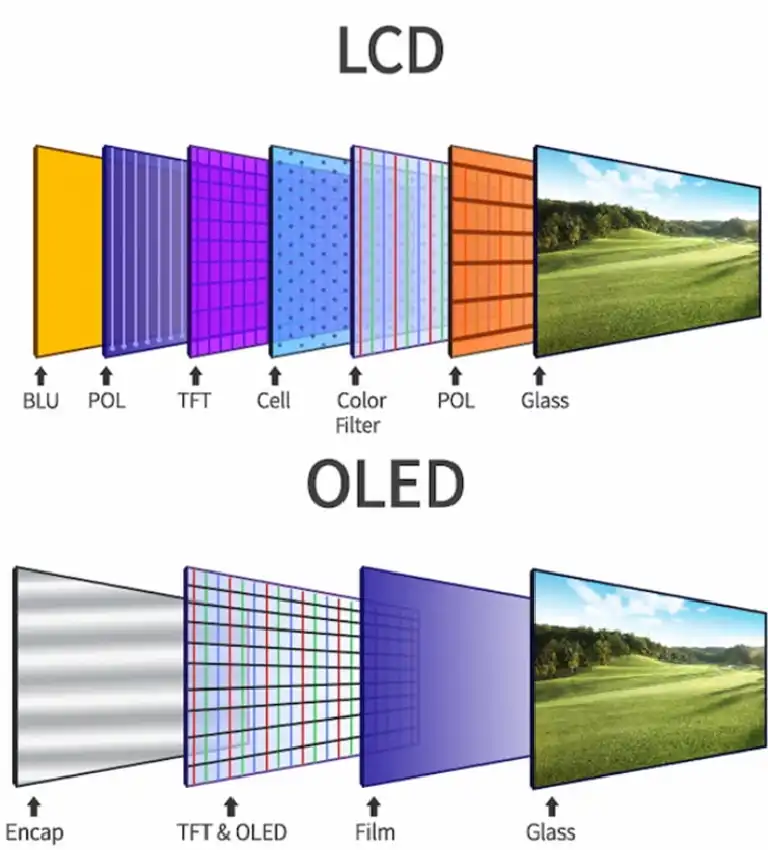
Understanding Display Technologies: LCD vs OLED
To buy an industrial display, you need to know how light is controlled inside a panel. LCD technology works by blocking or allowing light from a backlight, making it a reliable worker for medical devices or 24/7 command centers where consistent brightness is important. Topview uses these ideas to make solutions that last a long time and meet strict international standards like CE and RoHS.
Polarizers, a lighting unit, and color filters are just a few of the complicated parts that LCD screens need. This structure is strong and easy to understand, so it will last a long time for large business tasks. OLEDs are different because they don't have a display at all. Each pixel acts as its own light source, giving a wider color range and significantly faster response times. This structural simplicity in OLEDs allows for the unique transparency features that turn normal glass walls into dynamic, high-definition digital displays.
Dimensional Analysis of LCD and OLED Displays
When looking at Transparent Displays monitor technology for business use, it's important to pay close attention to color clarity and contrast ratios. LCDs are very bright in places with a lot of background light, but OLEDs have deeper blacks and brighter colors that really make digital material stand out. This difference is especially important when choosing technology for high-end store brands or interactive museum displays, where the quality of the images determines the customer experience.
Long-term business success depends on how well things use energy and how long they last. Because pixels are literally turned off when darker material is shown, OLEDs use less power. LCDs keep a constant power draw for the backlight, which remains a desired trait for static information displays in airports or metro stops. Our team at Topview makes sure that the technology we choose for display solutions fits the needs of your project over its entire lifecycle. We do this by balancing the amount of power used with the visual effect needed for modern, smart-building systems.
Comparative Applications and Use Cases in B2B Procurement
It relies on the industry area to choose the right screen. Transparent OLED Displays work great in front of high-end stores that want to show digital price tags or ad videos right on top of real goods without blocking the view. These screens, like our 55-inch types that are 43–45% clear, give off an augmented reality vibe that brings people in and gets them involved in a way that regular dark LCDs can't.
Practical Deployment and Integration
The durability of LCD video boards is still an important standard for industry control rooms and government information hubs. In these places, stability 24 hours a day, seven days a week, and clear data display are very important. Our specialized hardware has no trouble with these tasks. Here are the main benefits of our cutting-edge 55-inch Transparent OLED Displays:
- The T55OL 1.55" panel uses LG's own technology to make sure the image quality is very good. With 43% transparency, it gives users great clarity, letting them see real items behind the screen while also interacting with digital content. This gets rid of the problem of visual clutter in crowded store displays.
- Equipped with GFF 10-Point Capacitive Touch, this gadget lets users connect with it by touching it more than once without any problems. This feature is necessary for science museums and show halls that want people to interact with the displays. It replaces static signs with high-conversion, active touch interfaces that make users happier and more likely to stick around.
- The sleek, integrated design incorporates 4mm protected toughened glass, which is both scratch- and shock-resistant, and is built into the sleek, integrated design. This design keeps people safe in high-traffic areas like mall billboards or greeting areas. It also lowers upkeep costs and makes the product a long-lasting investment for businesses that need it to work every day.
These features help with common problems in procurement, like not having enough space and viewers who aren't interested. By adding such versatile display technology, your team can ensure that every square inch of display area adds directly to brand awareness and operational goals.
How to Choose Between LCD and OLED for Your Business Needs?
People who work in procurement have to find a mix between technical specs and the total cost of ownership. While LCDs offer a lower upfront investment for bulk, large-scale outdoor projects, OLED solutions provide a higher return on investment through better branding effect and innovation.
Strategic Selection Criteria
When improving your plan for buying displays, think about the following:
- Figure out if your project needs high transparency for interactive screens or high-brightness backlighting for advertising outside.
- Check to see if you need unique software or hardware housing. Our R&D team can provide this through our specialized ODM services.
- Check the factory's warranty and customer service after the sale to make sure that long-term professional help is easy to get.
Topview offers full support for unique 3D structures and software interaction, making sure that your display is ready to be set up as soon as it arrives. Whether you need a basic monitor or a high-end clear system, our team can help you find the right solution for your needs and your budget.
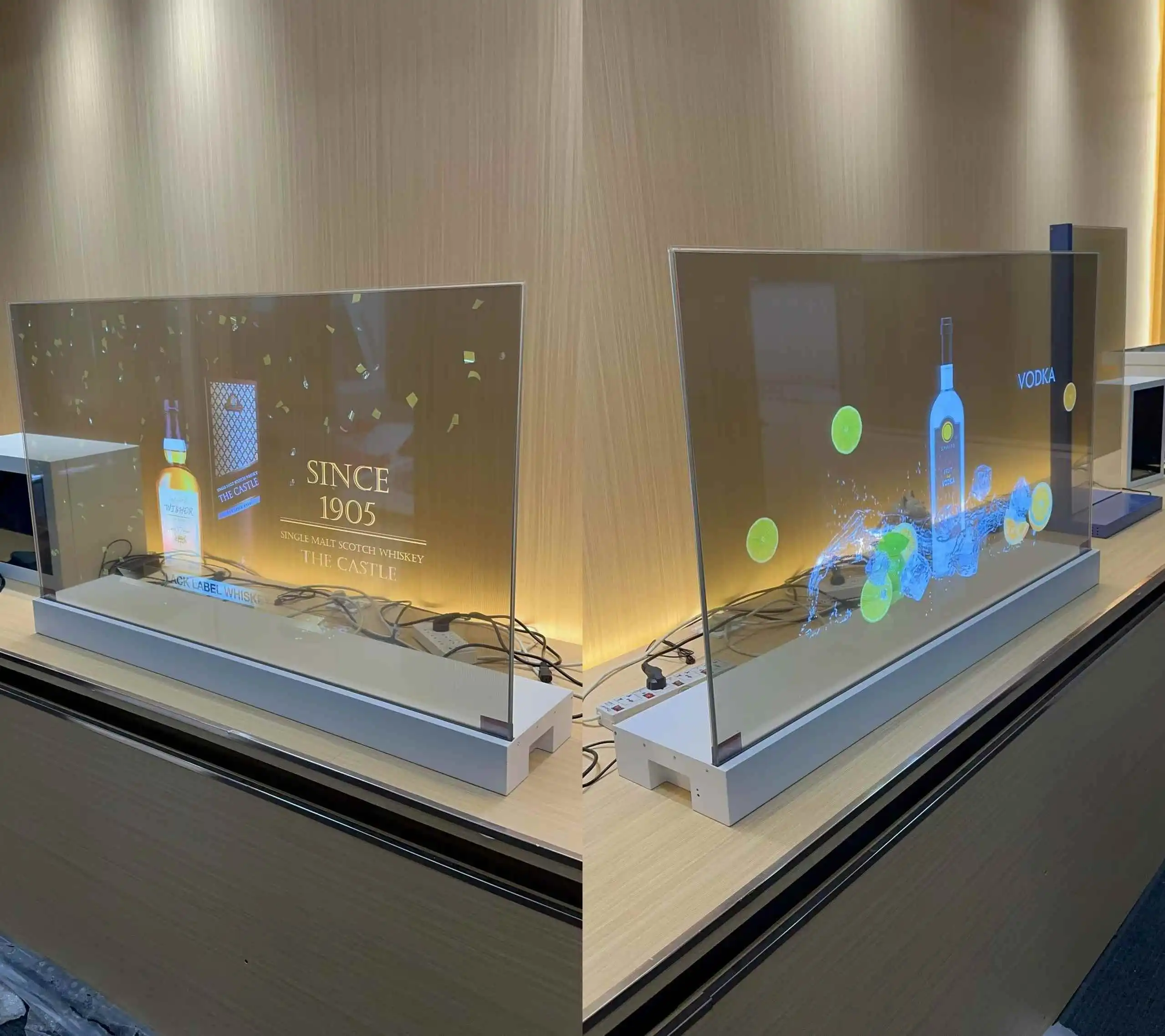
Future Trends and Innovations in Transparent OLED Displays
The display market is moving toward smarter, more integrated systems. This change is being led by Transparent OLED Touch Screen, and improvements in the life of organic materials have made these screens better for longer use hours. These kinds of solutions are being asked for more and more in smart cities and interactive architecture.
As materials get better, the price of making complex panels goes down. This means that more businesses can afford high-end visual options. Early users in the transportation and retail industries are already using these technologies to make their places stand out. When you work with a factory-direct maker, you get the newest versions of products and the ability to make unique ones, which keeps your projects ahead of global trends.

Conclusion
Your choice between LCD and OLED technology relies on what you need to do, such as displaying information reliably for a long time or creating an engaging brand experience. LCDs are known to last a long time and be cost-effective for large deployments, but OLEDs offer better visual quality and new ways to control transparency. As an experienced partner in Shenzhen, Topview is dedicated to offering high-quality, customizable display solutions that meet your project-specific needs. You are welcome to look at all of our products and talk to us about how our professional research and development (R&D) and manufacturing services can help you with your next digital signage project.
FAQ
Q1: What are the main benefits of using Transparent OLED Displays over traditional LCDs?
Transparent OLED Displays don't need a backlight, so they can make things look see-through in a way that regular LCDs can't. This makes them great for luxury stores and museums, where you want to highlight real goods while adding digital information.
Q2: Can Topview provide custom housing for these displays?
Yes. Our building in Shenzhen has a business that only makes homes. We are experts at OEM and ODM projects, which lets us make custom 3D structures and add special hardware, like sensors or external devices, right to your display booths.
Q3: How does the 10-point touch feature enhance user interaction?
The 10-point capacitive touch update for the GFF lets more than one person interact with it, so complicated motions and interactive playlists are possible. This works great in places like show halls and lobby areas where people need to be engaged and able to easily use the space.
Q4: What industries benefit most from Transparent OLED technology?
The places that benefit the most are shops, museums, science centers, and business locations. These fields use the clearness and bright colors of Transparent OLED Displays to improve the atmosphere and look of things while showing moving digital content clearly.
Partner with Topview for Superior Outdoor Display Solutions
Are you ready to take your visual plan to the next level with skilled display solutions? To talk about your needs for Transparent OLED Displays and specialized gear, get in touch with the Topview experts. Full OEM/ODM services are available from our team for huge purchases and big jobs. Get a price from our experts today by emailing market@tviewdisplay.com. Find out why we are the Transparent OLED Displays manufacturer of choice for global names. Come with me as we build your idea.
References
1. The Evolution of Organic Light-Emitting Diodes in Commercial Signage.
2. Comparative Analysis of Light Transmission in Modern Display Panels.
3. Integration Strategies for Interactive Capacitive Touch Systems.
4. Total Cost of Ownership Models for Large-Scale Industrial Displays.
5. Advances in Thin-Film Display Materials for Public Infrastructure.
6. The Future of Transparent Digital Signage in Retail Architecture.
YOU MAY LIKE
 VIEW MOREDouble Cube Solar Smart bin
 VIEW MOREStretched Bar LCD Display
 VIEW MOREWooden Frame Digital Signage
 VIEW MOREAndroid Industrial Tablet PC
 VIEW MORESelf Service payment Kiosk
 VIEW MORECustom Printing Self-Service Kiosk
 VIEW MOREInteractive K-type Interactive Touch Kiosk
 VIEW MOREFloor Stand Digital Advertising Signage