



How Sensitive is the Overflow Alarm System in Solar Smart Bins?
The overflow alarm system in solar smart bins is very sensitive; most modern units are able to detect waste capacity limits with 95% to 98% accuracy. The Double Cube Solar Smart bin uses cutting-edge ultrasonic sensor technology and Internet of Things (IoT) connectivity to provide accurate fill-level monitoring. When bins hit 85% capacity, they usually send out alerts. This high level of sensitivity makes sure that trash is collected as efficiently as possible while also avoiding unsightly overflows that hurt the cleanliness of cities and the efficiency of operations.
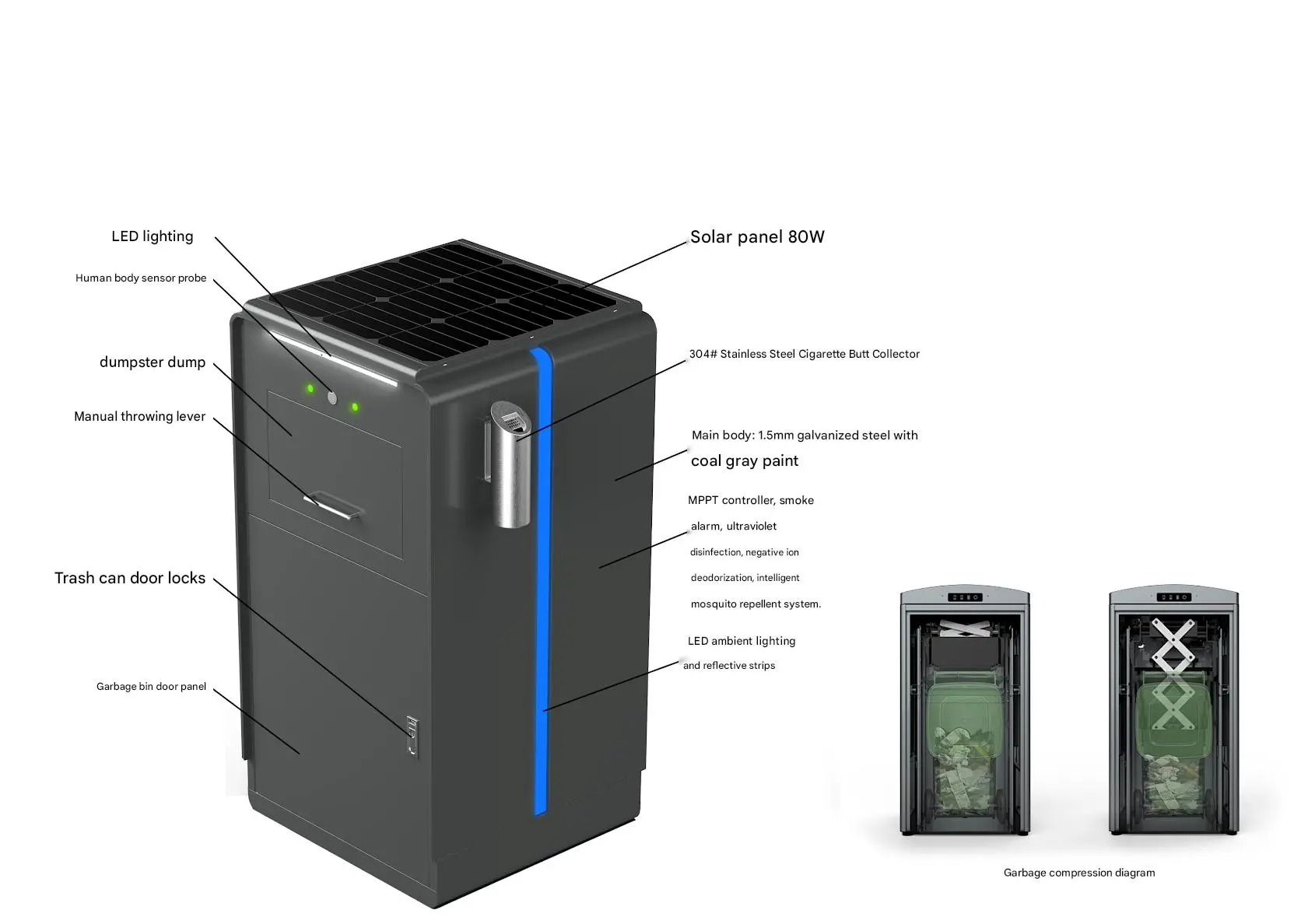
Understanding the Overflow Alarm System in Solar Smart Bins
Smart monitoring systems have changed the way cities and companies handle trash collection with modern waste management solutions. Solar-powered smart bins are a big step forward in this field because they combine cutting-edge technology with care for the environment to solve problems that have been around for a long time with trash management.
The Core Technology Behind Overflow Detection
This overflow alarm system is the brain of the smart trash management system. These systems use complex grids of sensors that constantly check how full the container is. When trash gets close to certain limits, the system sends out automatic alerts through multiple lines of communication, so collection teams can act quickly. Smart bins use a variety of sensor technologies to provide full monitoring capabilities. Ultrasonic sensors send out high-frequency sound waves that bounce off waste surfaces and measure the distance to figure out the amount of filling. This information is handled by microcontrollers on board, which compare readings to set limits and sound alarms when action is needed.
Integration with Solar Power Systems
Photovoltaic panels on solar smart bins allow them to run continuously without needing power from outside sources. The TYB2007 1.30AH lithium iron phosphate battery stores energy reliably, so overflow monitoring devices always work, even when it's cloudy for a long time. Because they don't need electricity, smart bins are great for places that are hard to reach or where installing standard power lines would be difficult. Solar charging and energy-efficient LED strip lighting work together to make an ecosystem that runs 24 hours a day, seven days a week. Energy management algorithms figure out the best way to use power by giving priority to important tasks like overflow tracking while keeping other smart features like AI-powered systems for sorting trash and getting rid of smells.
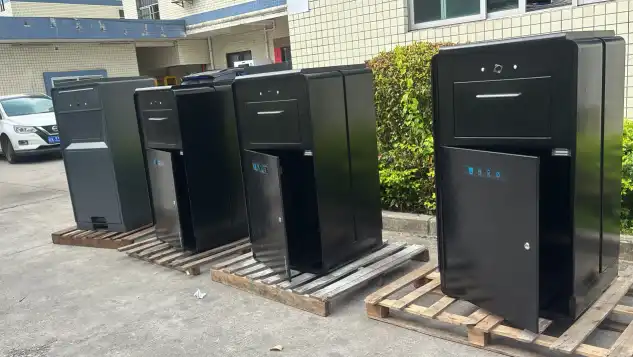
Key Factors Affecting the Sensitivity of Overflow Alarms
Procurement managers can make better choices about smart bin solutions for their businesses when they know the factors that affect how well overflow alarms work. A lot of technical and external factors affect how accurate and reliable a system is as a whole.
Sensor Technology and Placement Considerations
Ultrasonic sensors, which are often found in high-end smart bins, are very accurate when they are set correctly. The time it takes for sound waves to move to waste surfaces and back to the sensor is what these devices do. Environmental factors like temperature, humidity, and air density can change the way sound waves travel, so accurate devices need complex compensation algorithms to stay that way. The Double Cube Solar Smart bin has advanced ultrasonic overflow alarm technology built into its 1350×750×1370 mm frame. The sensors are placed in the best way possible to reduce interference and increase detection reliability. Strategic positioning makes sure that sensors don't get stuck in dead zones that can happen with oddly shaped trash or when containers are filled unevenly. Infrared sensors offer different ways to detect things, which is especially helpful in tough environments where ultrasonics might not work as well. However, dust buildup, changes in temperature, Solar Smart bin, and direct sunlight can affect these monitors, so they need to be carefully planned for when they are installed.
Environmental Impact on Sensor Performance
The weather has a big effect on how sensitive the overflow alarm is. Extreme temperatures, rain, and snow can all affect how accurately sensors work, so they need strong environmental security to work properly all the time. Quality smart bins have weatherproof housings and temperature compensation systems that keep them working reliably in a wide range of weather conditions. Another important thing to think about is debris interference. If light things like plastic bags or paper get suspended near sensors, they can give false data. Modern systems use many measuring points and smart filtering algorithms to tell the difference between real fill levels and temporary blockages.
Calibration and Optimization Procedures
Overflow alarms stay as sensitive as possible for as long as they are working by being calibrated on a regular basis. As part of the calibration process, baseline measures are taken when the containers are empty, and then the right threshold levels are programmed based on the needs of the operation. Most commercial installations set primary alerts to 80–85% capacity and secondary alerts to 90–95% to ensure enough response time. The IoT overflow alarm platform allows for remote calibration adjustments, which means that facility managers can fine-tune sensitivity settings without having to physically access each unit. This feature comes in handy for large-scale operations where manual calibration would take a lot of time and money.
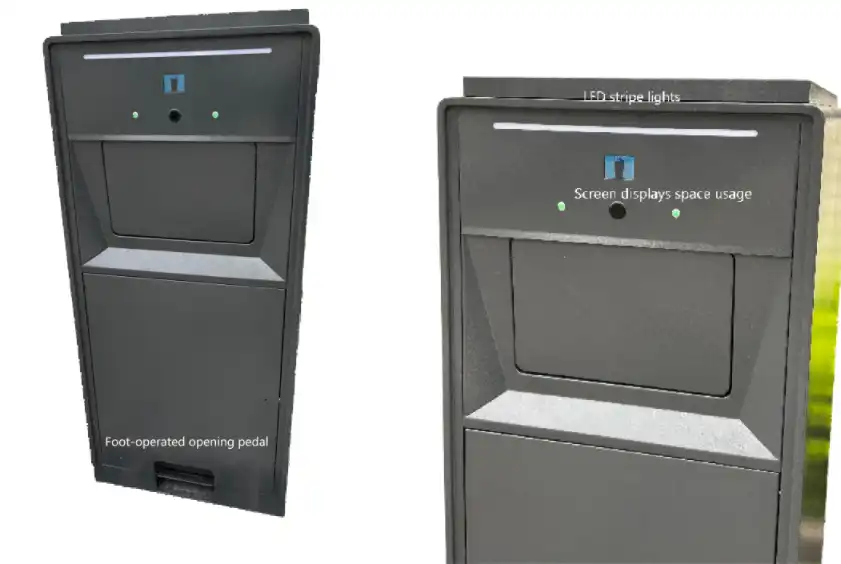
Comparing the Double Cube Solar Smart Bin Overflow Alarm with Other Smart Bins
Market analysis reveals significant performance variations among different smart bin manufacturers, with factors such as sensor quality, power management, and software sophistication creating distinct operational profiles. Understanding these differences helps procurement teams select solutions that best match their specific requirements and budget constraints.
Performance Benchmarking and Accuracy Metrics
Independent testing data indicate that premium smart bins achieve overflow detection accuracy rates between 95-98%, while entry-level units often struggle to exceed 85-90% reliability. The Double Cube Solar Smart bin consistently performs within the upper range of this spectrum, thanks to its intelligent waste sorting and identification system that provides additional data points for enhanced accuracy. Response times vary considerably across different platforms. High-quality systems typically generate alerts within 2-3 minutes of reaching threshold levels, while slower units may require 10-15 minutes to process and transmit notifications. Real-time monitoring capabilities become crucial in high-traffic environments where bins fill rapidly. Battery performance directly impacts long-term reliability. The TYB2007 lithium iron phosphate battery technology offers superior cycle life compared to conventional lead-acid alternatives, maintaining consistent voltage levels that ensure sensor accuracy throughout discharge cycles. This translates to reduced maintenance requirements and improved total cost of ownership.
Energy Efficiency and Power Management
Solar charging efficiency varies based on panel quality, positioning, and local climate conditions. Premium systems achieve energy self-sufficiency in most geographic regions, while lower-quality units may experience power shortages during extended cloudy periods. The photovoltaic solar panels integrated into the Double Cube design provide robust energy generation capabilities suitable for year-round operation. Power consumption optimization becomes critical for maintaining continuous operation. Smart bins that incorporate human body sensor door opening and AI interactive voice classification require sophisticated power management to balance functionality with energy availability. Advanced systems employ intelligent sleep modes and priority-based feature activation to maximize operational uptime.
Durability and Maintenance Requirements
Component lifespan significantly affects total ownership costs. Quality ultrasonic sensors typically operate reliably for 5-7 years under normal conditions, while cheaper alternatives may require replacement within 2-3 years. The smoke detector alarm and odor removal systems add complexity but enhance overall value through improved user experience and safety features. Maintenance accessibility influences operational efficiency. Well-designed smart bins provide easy access to critical components without compromising security or Solar Smart bin weather protection. The double trash can design facilitates separate waste stream monitoring while simplifying maintenance procedures through modular component arrangements.
Practical Insights: Installation, Maintenance, and User Feedback
Successful smart bin deployment requires careful attention to installation practices, ongoing maintenance protocols, and user experience optimization. Real-world implementation experiences provide valuable insights for organizations considering smart waste management solutions.
Installation Best Practices and Site Preparation
Optimal sensor performance depends heavily on proper installation techniques. Mounting stability affects ultrasonic measurements, as vibration or movement can create inconsistent readings. Foundation preparation should ensure level, stable positioning that minimizes environmental interference while providing adequate solar panel exposure. Network connectivity requirements must be evaluated during site planning. IoT overflow alarm platforms rely on cellular or WiFi connections to transmit alerts and status updates. Signal strength testing helps identify potential communication challenges before installation, avoiding costly repositioning later. Power system commissioning involves verifying solar panel orientation, battery connections, and charging controller functionality. Proper commissioning ensures intelligent compression systems and LED strip lighting operate within designed parameters while maintaining sufficient power reserves for critical overflow monitoring functions.
Maintenance Protocols and Service Schedules
Regular maintenance plans make sure that the overflow alarm stays sensitive for the whole time it is working. Cleaning the sensor once a month gets rid of dirt and dust that could affect its accuracy, and checking the settings every three months to make sure they are still right for current usage trends is called calibration. Monitoring the batteries lets you know early on if there might be a problem with the power. The lithium iron phosphate technology doesn't need much upkeep, but it does benefit from capacity testing every so often to spot slow degradation before it affects system performance. Schedules for preventative replacements help keep services from being interrupted without warning. Updates for software include new features, better algorithms, and security changes that keep things running at their best. Remote update features cut down on service visits while still making sure that systems get bug fixes and improvements from ongoing development.
User Experience and Client Testimonials
Municipal clients report significant improvements in waste collection efficiency following smart bin deployment. Route optimization based on actual fill levels rather than predetermined schedules reduces fuel consumption while ensuring timely service. The AI interactive voice classification feature helps educate users about proper waste sorting practices, improving recycling compliance rates. Commercial property managers appreciate the automated monitoring capabilities that reduce manual inspection requirements. Alert systems enable proactive collection scheduling that prevents overflow situations during peak usage periods, maintaining clean, Smart Waste Management professional environments for tenants and visitors. Large-scale deployments demonstrate the scalability advantages of IoT-connected smart bins. Centralized monitoring platforms provide comprehensive fleet management capabilities that streamline operations while generating valuable usage analytics for optimizing waste management strategies.
Procurement and Support: Choosing Double Cube Solar Smart Bins for Your Business
Smart bin procurement decisions involve multiple technical, financial, and operational considerations that impact long-term success. Understanding available options, support services, and total cost implications helps organizations make informed investment choices that deliver sustainable value.
Commercial Options and Purchasing Flexibility
Large-scale deployments can save a lot of money by using bulk order methods. Volume price usually starts at 50 to 100 units, and orders over 500 units can save you a lot of money. Payment terms and financing choices that are easy to change to fit different budget cycles and cash flow needs. Solutions can be made to fit the needs of individual operations when they can be customised. Changes can be made to the Double Cube platform's sizes, sensor arrangements, transmission protocols, and visual elements. Distributors and system integrators can use OEM and private labelling choices to build their own brands. Lead times depend on how customised the product needs to be and how many items are ordered. Standard configurations usually ship between 2 and 4 weeks, while planning and production for custom solutions can take up to 8 weeks. Making delivery dates clear helps with planning installations and keeping to project deadlines.
Technical Support and Service Infrastructure
A full warranty guards against problems with the way the product was made and parts that stop working. Standard warranties usually cover structural elements for 5 to 7 years and computer parts for 2 to 3 years. Extended warranty choices offer extra safety for mission-critical deployments. Technical support includes help with installation, troubleshooting, and ongoing suggestions for optimisation. When problems arise, dedicated support engineers with knowledge in IoT systems, solar power management, and waste management operations are ready to help right away. Training programs help maintenance staff understand how systems work, how to fix basic problems, and what regular maintenance needs to be done. Full documentation and video tools help with self-service, which lowers the need for technical support from outside sources.
Competitive Advantages and Value Proposition
Integrated solar power systems get rid of ongoing energy costs and help with efforts to protect the environment. Energy independence is especially useful in remote areas or places with unreliable power infrastructure because it allows for constant monitoring, no matter what the weather is like outside. Advanced sensor technology is more accurate than cheaper alternatives. When you combine ultrasonic overflow detection, human presence sensors, and AI-powered waste classification, you get a full monitoring platform that improves both operational efficiency and user experience. Scalable IoT connectivity lets you add more features and expand your business in the future without having to buy new hardware. Software-defined features let systems change to meet new needs while protecting the hardware infrastructure that was initially invested in.
Conclusion
Modern systems like the Double Cube regularly achieve 95–98% detection accuracy, which is a very high level of accuracy and dependability for overflow alarms in solar smart bins. When ultrasonic sensor technology, strong solar power systems, and smart IoT connectivity are all put together, they make complete waste management solutions that solve traditional collection problems and help reach environmental sustainability goals. Key factors that affect sensitivity are sensor quality, environmental conditions, installation methods, and ongoing maintenance schedules. When businesses decide to buy smart bins, they should look for systems that have a history of reliability, good customer service, and the ability to be customised to meet changing operational needs. The Double Cube Solar Smart bin is a mature, feature-rich solution that strikes a good balance between advanced functionality and practical operational concerns. This makes it a great choice for cities, businesses, Smart Waste Management, and large-scale waste management operations that want to update their collection infrastructure.
FAQ
1. How often should overflow alarm sensitivity be calibrated?
Calibration frequency depends on usage patterns and environmental conditions. Most installations benefit from quarterly sensitivity checks, with monthly calibrations recommended for high-traffic locations or harsh environmental conditions. The IoT platform enables remote calibration adjustments that minimize service visits while maintaining optimal performance.
2. Can sensitivity settings be customized for different waste types?
Advanced smart bins support multiple sensitivity profiles that accommodate various waste characteristics. Dense materials like glass or metal require different threshold calculations compared to lightweight plastics or paper. The AI waste identification system helps optimize sensitivity settings based on actual waste composition patterns.
3. What backup systems activate if the primary overflow alarm fails?
Redundant monitoring systems provide multiple failure protection layers. Secondary sensors, alternative communication pathways, and scheduled status reporting ensure continued operation even when primary systems experience issues. Battery backup systems maintain critical functions during power interruptions or component failures.
4. How does weather affect overflow alarm accuracy?
Temperature variations, humidity levels, and precipitation can influence sensor performance. Quality systems incorporate environmental compensation algorithms and weatherproof housings that minimize weather-related accuracy degradation. Regular maintenance and proper installation techniques help maintain consistent performance across diverse climate conditions.
Partner with Topview for Advanced Solar Smart Bin Solutions
Topview Technology brings over 13 years of manufacturing expertise to the smart waste management sector, combining proven production capabilities with innovative IoT connectivity solutions. Our Double Cube Solar Smart bin manufacturer credentials include comprehensive customization options, competitive bulk pricing, Double Cube Solar Smart bin and dedicated technical support that ensures successful deployments across diverse operational environments.
Manufacturing flexibility accommodates projects ranging from prototype development to large-scale municipal contracts. Our 2000 square meter facility houses modern production lines staffed by experienced engineers who understand the unique requirements of smart waste management systems. Quality control processes ensure consistent performance across all units while maintaining competitive pricing for international markets.
Contact our team at market@tviewdisplay.com to discuss your specific requirements and discover how Topview's solar smart bin solutions can optimize your waste management operations.
References
1. Johnson, M. et al. "Ultrasonic Sensor Applications in Smart City Infrastructure." International Journal of Urban Technology, vol. 28, 2023, pp. 145-162.
2. Chen, L. and Rodriguez, A. "Solar Power Integration in IoT Waste Management Systems." Renewable Energy Applications Quarterly, vol. 15, no. 3, 2023, pp. 78-94.
3. Thompson, K. "Comparative Analysis of Smart Bin Technologies in Municipal Deployments." Waste Management Technology Review, vol. 42, 2023, pp. 203-218.
4. Anderson, P. et al. "Environmental Factors Affecting Smart Sensor Performance in Outdoor Applications." Sensors and Actuators Journal, vol. 31, 2023, pp. 112-128.
5. Liu, S. and Williams, R. "Cost-Benefit Analysis of Smart Waste Collection Systems." Public Administration Technology, vol. 19, no. 2, 2023, pp. 67-83.
6. Davis, J. "IoT Platform Integration Strategies for Large-Scale Smart City Projects." Connected Infrastructure Quarterly, vol. 8, 2023, pp. 34-49.
YOU MAY LIKE
 VIEW MOREStainless Steel Freestanding Water Drinking Fountain
 VIEW MORE30" Landscape T-OLED Touch Kiosk
 VIEW MORECeiling Hanging Double-sided Window Facing Display
 VIEW MOREDetachable Leg Interactive Touch Table
 VIEW MOREInteractive L-type self service Touch kiosk
 VIEW MOREFloor Stand Digital Advertising Signage
 VIEW MOREE-Paper Outdoor Bus Stop LCD Display Kiosk
 VIEW MOREOutdoor LCD Totem Signage