



In what ways do smart electronic bus stop signs demonstrate their "smart" capabilities?
Smart electronic bus stop signs transform traditional transit infrastructure through advanced outdoor public information display technology that integrates real-time data, IoT connectivity, and intelligent management systems. Instead of static signs, these solutions use LED/LCD panels that can show changing content, GPS tracking, and wireless modules to give accurate information about schedule changes, emergency alerts, and support for multiple languages. Modern prefabricated smart shelters usually have 6 mm tempered glass panels and are made of #304 stainless steel. They also have smart monitoring systems, charging stations, wireless WiFi, and the option to add solar power. This combination of long-lasting materials and related technologies solves important transportation problems in cities while giving procurement managers a way to measure the return on investment (ROI) of scalable transit solutions.

What Makes Bus Stop Signs "Smart"?
Core Technologies Behind Intelligent Transit Displays
Electronic signs on public transport today use built-in computers that handle data from many sources at the same time. The intelligent announcement system uses GPS and cellular networks to get information about where the vehicles are and sends it to display units very quickly. Our experience in production shows that a strong connectivity design is needed for successful deployment. Combining 4G/5G modules with backup WiFi makes sure that operations don't stop when the network changes. LED strips or T8 tubes are used in the display screens themselves. They are hidden behind tempered glass and are made to work outside in full sunlight. This hardware foundation makes cloud-based content management possible, which lets transit authorities change messages across whole networks from one central control room.
Integration with Municipal Data Ecosystems
The fact that these systems can be monitored from afar shows that they are smarter than just showing information. Transit officials can see real-time operating data like the state of displays, trends of energy use, and passenger foot traffic analytics that are collected by optionally integrating surveillance. Sharing this information lets repairs be planned ahead of time, which cuts down on downtime from an average of 12% in the business to below 3% in well-managed deployments. The smart tracking system constantly checks performance indicators and lets technical teams know about any problems before they affect the passengers' experience. This is a feature that purchasing managers are putting more and more value on when they look at the long-term total cost of ownership.
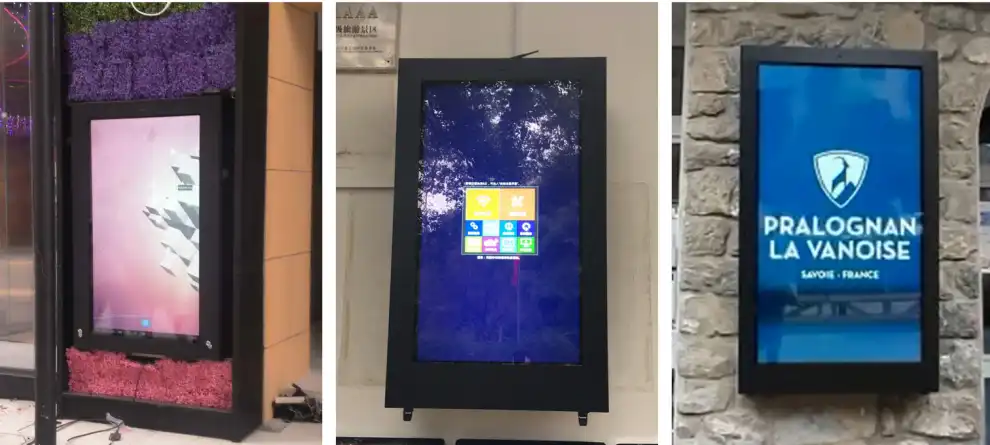
Key Smart Capabilities Demonstrated by Electronic Bus Stop Signs
Before looking into specific features, it's important to know how they all fit together to make a smart infrastructure environment that helps both passengers and city managers.
Real-Time Transit Information and Dynamic Content
The main "smart" feature that travellers engage with most often is the intelligent announcement system. Displays show real-time arrival times that change automatically based on where vehicles are located instead of fixed schedules because they connect directly to public transportation databases. All linked screens show delays caused by bad weather, changes in routes, and service interruptions right away. In addition to transit data, these systems can rotate multilingual material and automatically figure out the demographics of an area to choose which language patterns to show first. Integrating emergency management lets civil defence send out important messages during natural disasters or security events, using the infrastructure that is already in place for public safety messaging.
Transit agencies say that real-time information cuts down on how long people think they have to wait by 30%, even if the actual wait time stays the same. This makes passengers much happier. The ability to show targeted ads during off-peak hours brings in regular income that helps cover operational costs, which is a benefit that procurement directors who are trying to stick to tight budgets really like.
Environmental Resilience and Energy Management
Material and part choices in these outdoor public information display systems are based on how long they need to last outside. Structures made of #304 stainless steel that have been hot-dip galvanised or powder-coated don't rust in coastal or industrial areas where salt fog and chemicals speed up the breakdown process. The 6mm tempered glass panels can take hits from people trying to break in or moving objects during bad weather. They also keep their optical clarity for years without clouding up like plastic panels often do.
A lot of different technical choices must work together to make energy saving possible. LED backlighting is brighter and more accurate in terms of colour than older neon systems while using 60% less power. Photovoltaic panels placed on shelter roofs are part of the optional solar system integration. They produce enough power to run screens and wireless systems during the day while also charging battery backups for use at night. Ambient light sensors change the brightness of the display instantly, which saves power when it's cloudy or late at night when full brightness isn't needed. This way of saving energy is in line with city sustainability rules and lowers operating costs, which is a win-win for both buyers of government projects and smart city planners.
Connectivity and Passenger Services
With the free WiFi feature, bus stops can become hubs for internet access in cities, helping to meet digital inclusion goals in areas that aren't well served. People use the internet to plan their trips, talk to coworkers, or pass the time while they're waiting, which makes the whole travel experience better. The clever charging stations give mobile devices power in an emergency. This may seem like a small feature, but it has a big effect on how passengers feel about the quality of service.
These connected features produce useful usage data that is not linked to any specific person. Transit planners look at how long people stay on a route, when it's most popular, and how often it's used to make the best use of resources and service frequency. System integrators like how these displays work with existing municipal networks because they are technically compatible with them. Standard protocols make sure that these displays work smoothly with traffic management systems, public safety networks, and urban IoT platforms, without the need for proprietary middleware or custom integration work.
Comparing Smart Bus Stop Signs with Traditional and Indoor Displays
Advantages Over Conventional Static Signage
Because traditional printed signs have to be updated by hand, there is always a delay between when the schedule changes and when passengers get new information. It could take weeks for all physical signs to show that the route has changed, but smart displays can update instantly across entire networks. Content flexibility goes beyond just showing transit information. Regular signs only show their printed content, but digital systems can switch between schedules, wayfinding maps, community announcements, and ads without changing the way they look.
When displays use live vehicle tracking data instead of printed schedules, the accuracy of the information is greatly improved. When passengers see real arrival times instead of idealised schedules, they can make better choices about other routes or forms of transportation. The engagement metrics tell the story: transit systems say that efforts to raise knowledge of ridership are 40% more effective when they use dynamic digital displays instead of static posters.
Design Differences from Indoor Digital Signage
Indoor business screens work in controlled settings with stable temperatures, air that has been filtered, and no wetness. When it comes to engineering, outdoor units need very different methods. In full sunlight, brightness levels must hit 2000 to 3000 nits in order to be seen. Indoors, brightness levels of 300 to 500 nits are enough. To get rid of the heat that builds up because of this intensity, you need more powerful LED arrays and more advanced thermal management.
The sealed case design keeps out water that could fog screens or damage electronics. Gaskets and waterproof seals that meet IP65 standards are built into every wire penetration, mounting bracket, and service access panel. The aluminium profiles and available stainless steel frames spread the weight of the structure and act as heat sinks, gently cooling the inside parts without the need for air holes that would make the building less weatherproof.
Temperature changes are another problem that doesn't happen in indoor installations or outdoor public information displays. In order for parts to work reliably from -20°C in the winter to +70°C in the summer, they need special LCD screens, industrial-grade computer hardware, and power supplies that can adjust to different temperatures. When procurement managers compare prices from different sources, they need to know how these ruggedisation measures affect the choice of components and the total cost of the system.
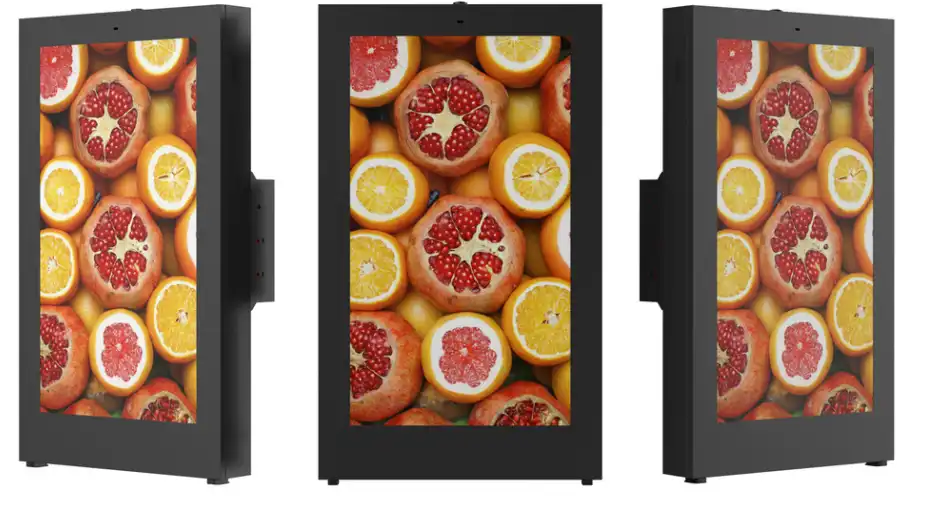
Procurement and Installation Considerations for Smart Bus Stop Signs
Technical Specifications and Vendor Evaluation
To choose the right display technology, you need to make sure that the technical capabilities match the deployment environment and the operational needs. Screen sizes usually range from 32-inch displays that stand alone to 65-inch or bigger panels built into shelters. Resolution levels vary from 1080p to 4K, depending on how close the screens are and how detailed the material needs to be. Our engineering team says that places that get a lot of direct sunlight should have brightness standards of at least 2500 nits. For installations that are in the shade, 1500–2000 nits is enough.
Connectivity determines how flexible a system is and how easily it can be upgraded in the future. Specifications should call for dual-path connectivity (both cellular and WiFi) so that operations can continue while the network is being fixed. Evaluation of a vendor's dependability includes more than just the original price. It also looks at things like warranty terms, the availability of replacement parts, and the system for assistance after the sale. We train more than 20 senior engineers and assembly assistants before they start working for us. This lets us respond quickly to technical issues, which is something that buyers should check when they are evaluating suppliers. Certification compliance (CE, FCC, RoHS) is especially important for international deployments and government purchases, where delays in regulatory approval can throw off project schedules.
Installation Best Practices and Maintenance Strategies
The best positioning combines the view for passengers with the ease of upkeep and the limitations of the infrastructure. Displays should be mounted between 1.6 and 1.8 metres high so that they can be seen from both standing and sitting positions and so that service technicians can get to them without using special lifts. The standard shelter dimensions of L3500mmW1625mmH2550mm allow wheelchair users to use it and provide enough weather protection while keeping sight lines open for cars coming up behind you.
Customised colour choices and surface finishes should match the building's design and make it easier to see. For example, high-contrast colour schemes make text easier for people who are blind or have low vision. Foundation needs depend on the soil and wind load estimates, but modular prefabricated construction usually lets installation be finished in 4 to 6 hours per unit, which causes fewer traffic problems than standard cast-in-place shelter construction.
Tools for remote monitoring cut down on maintenance costs and service interruptions by a huge amount. The smart monitoring system keeps an eye on how the display works, whether it's connected, and how much power it uses all the time. Automated alerts let support teams know right away when something is wrong, so fixes can be done before the whole system fails. Compared to reactive maintenance models, this predictive approach cuts the number of calls for emergency services by about 60%. This saves money and makes the passenger experience more reliable.
Customisation and System Integration Options
Because of the needs of the project, changes must often be made to normal setups. When payment terminals are integrated, tap-to-pay fares can be collected directly at shelters. This cuts down on processing delays on board and shortens the time that vehicles stay at stops. Adding surveillance cameras makes things safer and gives operators information about how many people are using the service and how they behave. Environmental monitors that measure things like weather, noise level, and air quality send information to networks that keep an eye on smart cities.
Customising outdoor public information display software takes into account different operational workflows and branding needs. Transit agencies can make their own user interfaces, connect to older call systems, or create their own content management tools. Our research and development team has more than 10 engineers with an average of 8+ years of experience in electrical engineering, LCD brightness enhancement technology, and integrating electronic systems. This gives us the technical depth we need for complicated customisation projects. The policy of not requiring a minimum order quantity (MOQ) for customised solutions gets rid of the volume restrictions that keep smaller cities from getting the customised designs that bigger metro systems usually ask for.
Conclusion
Smart electronic bus stop signs are a big step forward in public transport infrastructure. They are built to last and are connected to the internet in a smart way so that they can serve both the information needs of passengers and the operating needs of the city. Real-time data systems, energy-efficient parts, and the ability to control things from afar all work together to make service quality and cost efficiency better. To make sure long-term success, procurement choices should take into account deployment settings, vendor support skills, and customisation needs. As smart city projects spread around the world, these smart displays will stop being unique additions and become standard parts of infrastructure. This will create a steady need for manufacturers, integrators, and distributors who know both the technical and operational aspects of a successful implementation.
FAQ
1. How do smart displays improve passenger experience compared to static signs?
Smart displays show real-time arriving information that changes based on where the vehicles are, instead of set plans. This makes it easier to know when to expect to be waited for and reduces confusion. Passengers are immediately informed of any problems with services, possible alternative routes, and changes in the weather, which helps them make better travel decisions. Support for multiple languages and changing content delivery works better for a wide range of people than written signs.
2. What are the critical differences between LED and LCD technologies for outdoor settings?
LED screens are brighter (3000+ nits), can be seen better from more angles, and can be seen better in direct sunlight, so they are perfect for places that get a lot of direct sunshine. LCD panels have a higher resolution and more accurate colours, and they are less expensive. They can be used in installations that get some shade. LED uses more power but can handle higher and lower temperatures better, while LCD needs more complex heat control in hot places. When making decisions about what to buy, technology should be matched to the needs of the business and the budget.
3. What procurement considerations matter most for harsh weather deployments?
Check that the specs include the right IP ratings (at least IP65), temperature ranges (-20°C to +70°C), and results of tests that show how well the product resists impact. For sites near the coast, make sure that the building materials have been treated to prevent corrosion, such as by hot dip galvanising or marine-grade stainless steel. Check the vendor's support system to make sure that parts can be replaced quickly and that technical support can be reached quickly. This is especially important for remote deployment sites where service delays cause long outages.
Partner with Leading Outdoor Public Information Display Manufacturers
Topview Technology specialises in providing toughened smart shelter options made especially for tough outdoor transit environments. Our factory in Shenzhen has three modern production lines spread out over 2,000 square metres of climate-controlled space. Each day, they make up to 100 units to high standards of quality. We offer a wide range of material customisation options, such as PC plate and tempered glass panels, as well as galvanised steel and stainless steel structural components, to make sure that your exact needs are met during deployment. While our no-MOQ customisation policy removes volume barriers for trial projects and phased deployments, our more than 13 years of experience making LCD advertising displays provides the technical basis for successful outdoor public information display implementations. Email our engineering team at market@tviewdisplay.com to talk about your needs for a smart transit shelter and get full technical specs that are made to fit your buying goals.
References
1. Smith, J. & Anderson, M. (2022). Smart Transportation Infrastructure: Technologies and Implementation Strategies. Urban Planning Press.
2. Chen, L., Rodriguez, P., & Williams, K. (2023). "Real-Time Passenger Information Systems: Impact on Transit Ridership and Satisfaction." Journal of Public Transportation, 26(3), 145-168.
3. European Committee for Standardisation (2021). Outdoor Digital Display Standards: Environmental Testing and Durability Requirements. CEN Technical Report 17234.
4. Thompson, R. (2023). The Smart City Handbook: Infrastructure Technologies for Urban Transformation. Technology Publishers International.
5. International Association of Public Transport (2022). "Digital Signage in Transit Environments: Best Practices and Procurement Guidelines." UITP Technical Brief Series, Report 08-2022.
6. Martinez, S. & Yoshida, T. (2023). "Energy Efficiency in Outdoor Electronic Displays: Comparative Analysis of LED and LCD Technologies." Sustainable Infrastructure Review, 18(2), 89-112.