



How to Choose Outdoor Displays with High Brightness for Harsh Environments?
When picking the right outdoor displays for harsh settings, you need to think carefully about the displays' brightness levels, durability features, and environmental protection standards. Outdoor displays that are very bright must be easy to see in full sunlight and be able to handle extreme weather, temperature changes, and possible vandalism. To get reliable performance in a wide range of tough environments, it's important to choose displays with at least 2500 nits of brightness, strong IP65 ratings for security, and full thermal management systems.
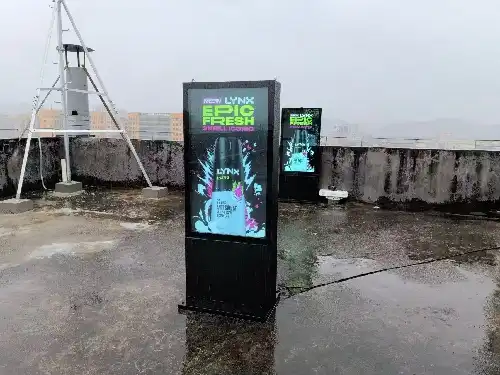
Understanding the Challenges of Outdoor Displays in Harsh Environments
When we put digital signage solutions to use outside in harsh conditions, we run into a number of weather issues that can have a big effect on their performance and durability. Extreme sunlight is the biggest problem right now because displays have to work against light levels that can hit 100,000 lux or more during the hottest parts of the day.
Environmental Factors Affecting Display Performance
Outdoor display devices are always at risk from problems caused by the weather. Rain, snow, dust storms, and changes in humidity can get inside shelters that aren't properly sealed, damaging internal parts permanently and causing corrosion and electrical problems. Extreme temperatures are also a problem, since displays may have to work in places as cold as -40°C and as hot as +85°C, based on where they are and the time of year. Another important thing to think about in public places is physical security. Vandalism efforts, accidental impacts, and intentional tampering mean that displays need to have stronger security features that don't affect the way they look or how easy they are to use.
The Critical Role of High Brightness Technology
Standard screens for indoor use usually run at 300 to 500 nits, which is way too dim for viewing outside. Professional outdoor installations need brightness levels between 2,500 and 7000 nits to make sure that content can be seen clearly in a range of lighting situations. This ability to increase brightness makes sure that advertising messages stay effective, public information stays available, and investments in digital signs always pay off, even when the environment is bad. As the brightness level goes up, heat reduction becomes more important. Advanced cooling systems keep displays working at their best for long periods of time without causing damage from heat.
Key Selection Criteria for High Brightness Outdoor Displays
To choose the right outdoor display technology, you have to look at a lot of different technical specs and operating needs that will have a direct effect on the long-term performance and total cost of ownership. Each of the criteria is very important for making sure that the rollout goes well in tough environmental conditions.
Brightness and Visibility Standards
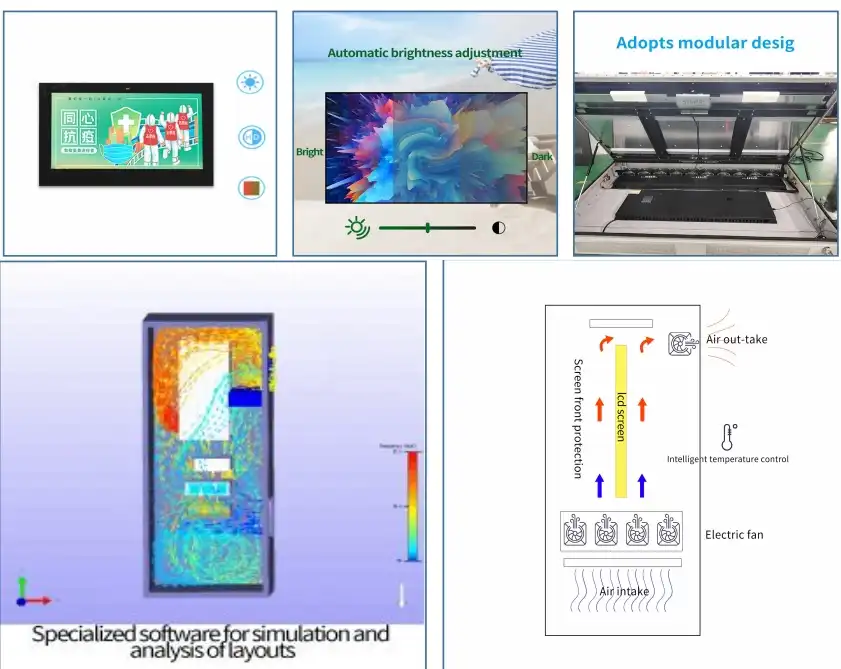
For basic outdoor visibility, professional outdoor displays should be at least 2500 nits bright. For best performance in full sunlight, premium installations often need 3000 to 5500 nits. Automatic brightness adjustment features help get the most out of your power while keeping your vision stable as the daylight changes. The outdoor screens in the Topview T-series can get as bright as 3000 nits thanks to photosensitive systems that change automatically based on the conditions around them. This adjustable technology makes sure that you can see clearly and use the least amount of energy possible in a variety of lighting conditions.
Protection and Durability Requirements
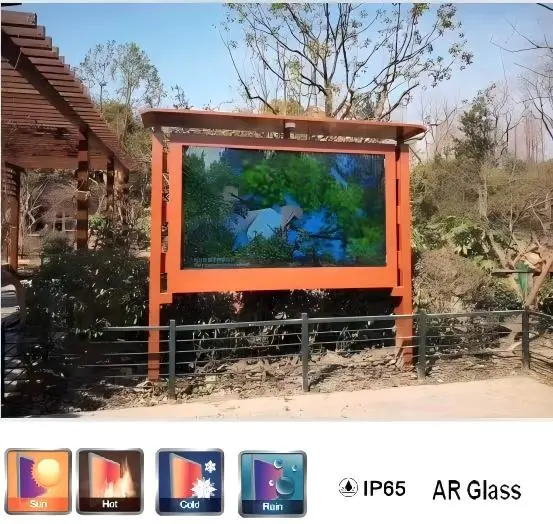
For outdoor displays, IP65 certification is the minimum level of protection that is allowed. It protects against dust getting in and water damage from rain or cleaning materials. More advanced systems might need IP67 ratings to be better protected in harsh weather. Impact resistance ratings, like IK10 certification, Outdoor Totem Signage make sure that displays can handle being hit by objects intentionally or by mistake. Tempered anti-glare glass adds more security and cuts down on screen reflections that can make it hard to see in bright light.
Thermal Management and Cooling Systems
Good thermal control keeps parts from breaking down and makes sure they work the same way at all temperatures. Built-in cooling fans, heat sinks, and smart temperature control systems keep the right working temperatures, even when the lights are on full brightness in hot places. Modern outdoor screens have multilayer filtration systems that keep dust from building up and make sure there is enough airflow for cooling parts. Alarm systems that check the temperature automatically help find problems with overheating before they cause lasting damage.
Comparing Outdoor Display Technologies and Types
Different display technologies offer varying advantages depending on specific application requirements, budget constraints, and environmental conditions. Understanding these differences helps procurement managers make informed decisions that align with their operational needs and performance expectations.
LED vs LCD Technology Analysis
LED displays excel in brightness capabilities, often achieving 5000+ nits while maintaining excellent energy efficiency ratios. They demonstrate superior durability in harsh conditions and offer modular construction that simplifies maintenance and replacement procedures. However, LED displays typically require higher initial investment costs and may present pixel density limitations in close viewing applications.LCD technology provides exceptional image resolution and color accuracy, making it ideal for detailed content display and close-range viewing scenarios. Modern outdoor LCD displays can achieve 3000+ nits brightness while offering cost-effective solutions for medium-scale installations.
Size Options and Customization Capabilities
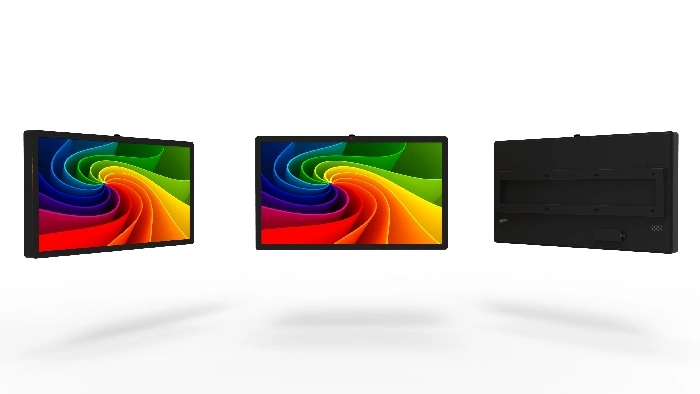
Professional companies that make outdoor displays offer a wide range of sizes to meet the needs of all kinds of installations. The diagonal sizes of the models in the Topview T-series range from 32 inches to 98 inches, so they can be used for a wide range of purposes, from small kiosks to huge digital signs. In addition to choosing the size, you can also choose between displays that are on both sides, touch screens with up to ten touch points, and special mounting systems with strong lifting bolts for a safe installation. Customising software lets it work with content management systems and remote monitoring tools that are already in place. Android OS, Windows OS, and TV Board configurations are all operating system choices that can work seamlessly with a variety of content delivery networks and management platforms. This adaptability makes sure that it works with current systems and gives ways to improve things for future growth.
How to Source and Procure High-Brightness Outdoor Displays Effectively
Successful procurement of outdoor display systems requires strategic planning, thorough vendor evaluation, and a comprehensive understanding of total cost of ownership factors. Working with experienced manufacturers ensures access to quality products, reliable support services, and competitive pricing structures.
Vendor Selection and Quality Assurance
Partnering with established manufacturers provides access to proven technology, comprehensive certifications, and reliable after-sales support. Look for suppliers offering FCC, RoHS, and CE certifications that ensure compliance with international quality and safety standards. Topview Technology brings over 13 years of specialized experience in LCD advertising display manufacturing, operating from a 2000 square meter facility in Shenzhen with three modern production lines and a daily capacity reaching 100 units. Their quality assurance processes include clean, Outdoor Totem Signage dust-proof assembly environments and comprehensive pre-service training for all technical staff.
Cost Considerations and Volume Pricing
Effective procurement strategies balance initial investment costs with long-term operational expenses. Volume pricing opportunities can significantly reduce per-unit costs for large installations, while OEM and ODM customization services provide additional value through brand integration and specialized feature development. Payment terms such as TT (Telegraphic Transfer) offer security and convenience for international transactions. Professional packaging in wooden case reinforced containers ensures safe delivery, while lead times of 5-15 workdays accommodate project scheduling requirements.
Warranty and Support Services
Comprehensive warranty coverage protects investments and ensures operational continuity. Standard one-year warranties provide basic protection, while extended coverage up to three years offers enhanced peace of mind for critical installations. Professional after-sales support teams help resolve technical issues quickly and minimize operational disruptions. Remote monitoring capabilities enable proactive maintenance and quick response to potential problems. Distributed management systems support remote or local control through wired, Wi-Fi, or 4G network connections, enhancing operational flexibility and reducing maintenance costs.
Case Studies and Practical Applications of High Brightness Outdoor Displays
Real-world implementations demonstrate the practical benefits and performance capabilities of high-brightness outdoor displays across various challenging environments. These examples provide valuable insights into successful deployment strategies and operational best practices.
Transportation Hub Installations
Major airports and transportation centers require displays that maintain visibility throughout varying lighting conditions while providing reliable information delivery to travelers. High-brightness displays with automatic adjustment capabilities ensure consistent performance from early morning departures to late evening arrivals. Successful installations demonstrate the importance of robust mounting systems and comprehensive weather protection. Dual-sided display configurations maximize information delivery efficiency while reducing installation complexity in space-constrained environments.
Retail and Advertising Applications
Outdoor advertising installations have their own problems, like having to work longer hours, needing different kinds of material, and being exposed to different kinds of weather. Messages can be delivered clearly on high-brightness displays even when they are in full sunlight, so advertising works all day. Touch screens that can be interactive make shopping more fun for customers, and smart split-screen technology lets you show different kinds of material for different kinds of messages. These features show measurable gains in the number of interactions with customers and measures of how well advertising works.
Government and Public Information Systems
For the safety of the public and the delivery of information, municipal sites must work reliably in all kinds of weather and keep things visible. Advanced monitoring systems that can sound a warning if something isn't right make sure that problems that could affect public service delivery are fixed quickly. Professional outdoor displays need to be durable for public placements because they are built to last and have safety features. Double locks with unique keys keep people who aren't supposed to be there from getting in, but authorised repair staff can still get in easily.
Conclusion
When choosing the right outdoor displays for harsh settings, you need to carefully consider how bright they are, how well they protect against the elements, and how reliable they will be in the long term. High-brightness technology that delivers 3000+ nits makes it possible to see in direct sunlight, and IP65 security and advanced thermal management systems make it durable against the elements. For procurement to go well, you need to work with experienced manufacturers who can offer a wide range of customisation choices, reliable support services, and a history of doing well in tough installations. Technical excellence, operational flexibility, and professional support are the building blocks for successful outdoor display deployments that offer consistent performance and high returns on investment in a wide range of difficult conditions.
FAQ
1. What brightness level is required for outdoor displays in direct sunlight?
Outdoor displays need a minimum of 2500 nits for basic visibility in sunlight conditions, with 3000+ nits recommended for optimal performance. Professional installations often utilize displays capable of 5000-7000 nits to ensure clear visibility during peak daylight hours across various viewing angles and distances.
2. How important are IP ratings for outdoor display protection?
IP65 rating represents the minimum standard for outdoor displays, providing protection against dust infiltration and water damage from rain. This certification ensures displays can operate reliably in typical outdoor conditions while maintaining component integrity and preventing moisture-related failures.
3. What cooling systems are essential for high-brightness outdoor displays?
Effective cooling systems include built-in fans, heat sinks, and automatic temperature control mechanisms that prevent overheating during high-brightness operation. Advanced systems incorporate multilayer filtration and intelligent climate control that maintains optimal operating temperatures across varying environmental conditions.
4. Can outdoor displays be customized for specific applications?
Professional outdoor displays offer extensive customization options, including size variations, dual-sided configurations, touch screen capabilities, and specialized mounting systems. Software customization enables integration with existing content management platforms and remote monitoring systems for enhanced operational control.
Partner with Topview for Premium Outdoor Display Solutions
Topview Technology stands as your trusted outdoor displays manufacturer, delivering cutting-edge high-brightness display solutions engineered for the most demanding environments. Our comprehensive T-series lineup features models from 32-inch to 98-inch with 3000 nits brightness, IP65 protection, and advanced thermal management systems that ensure reliable performance across challenging conditions. With over 13 years of manufacturing expertise, three modern production lines, and dedicated engineering support, we provide complete customization services without minimum order requirements. Contact our team at market@tviewdisplay.com to explore volume pricing options, technical specifications, and professional installation support that transforms your outdoor display vision into reality.
References
1. International Electrotechnical Commission. "Environmental Testing Standards for Electronic Equipment in Harsh Conditions." IEC Publication Series, 2023.
2. Society for Information Display. "High Brightness Display Technology for Outdoor Applications: Performance Standards and Best Practices." SID Technical Journal, Vol. 54, 2023.
3. International Association of Digital Signage. "Global Outdoor Display Market Analysis: Technology Trends and Environmental Compliance." IADS Annual Report, 2024.
4. IEEE Standards Association. "Thermal Management Requirements for High-Brightness Outdoor Electronic Displays." IEEE Standard 802.15, 2023.
5. Outdoor Advertising Association of America. "Technical Guidelines for Digital Billboard Installation and Environmental Protection." OAAA Technical Bulletin, 2024.
6. International Organization for Standardization. "Ingress Protection Rating Standards for Outdoor Electronic Equipment." ISO/IEC 60529 Amendment, 2023.
YOU MAY LIKE
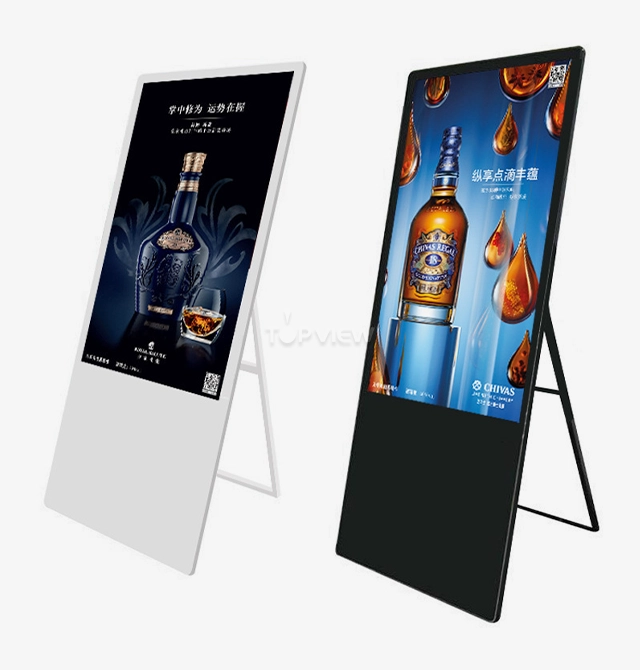 VIEW MOREDigital Poster Display
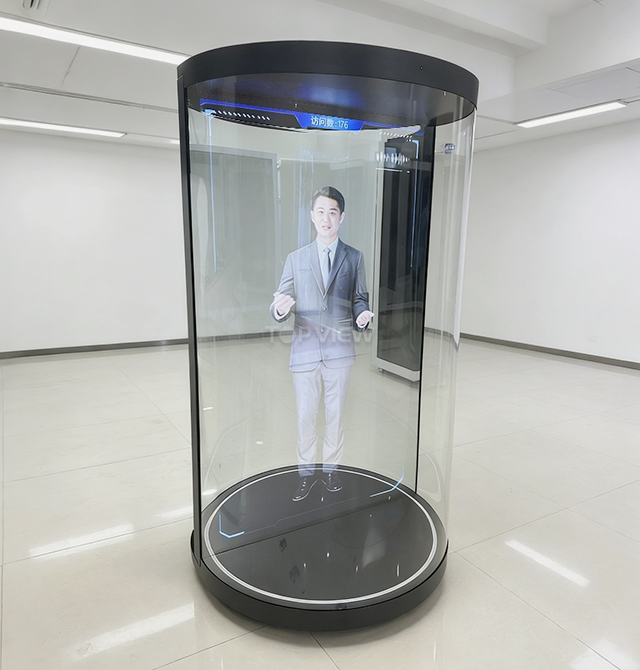 VIEW MORE3D Holotube Display
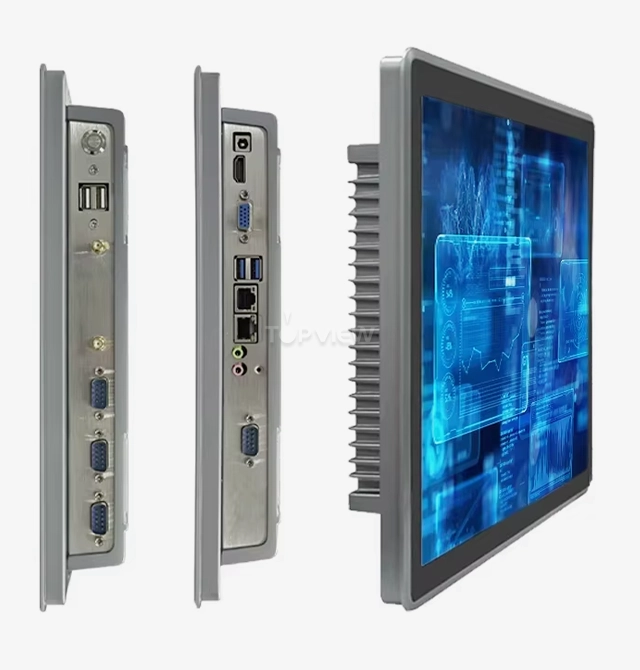 VIEW MOREAndroid Industrial Tablet PC
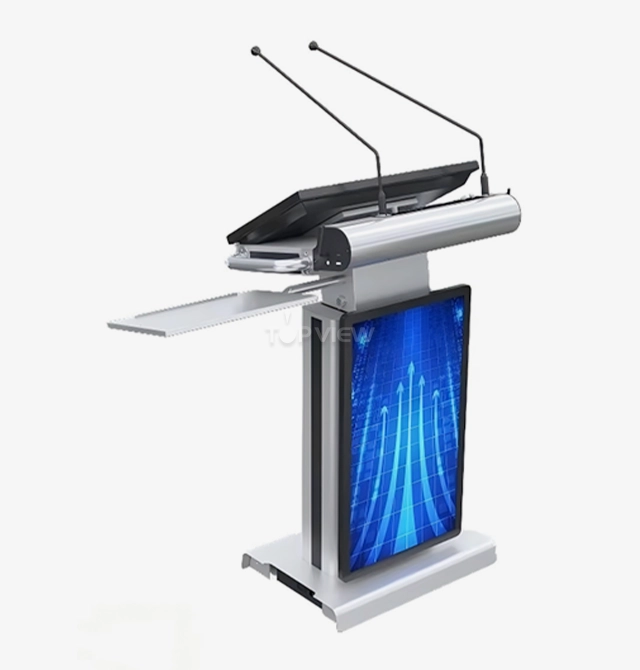 VIEW MOREAdjustable Smart Digital Podiums
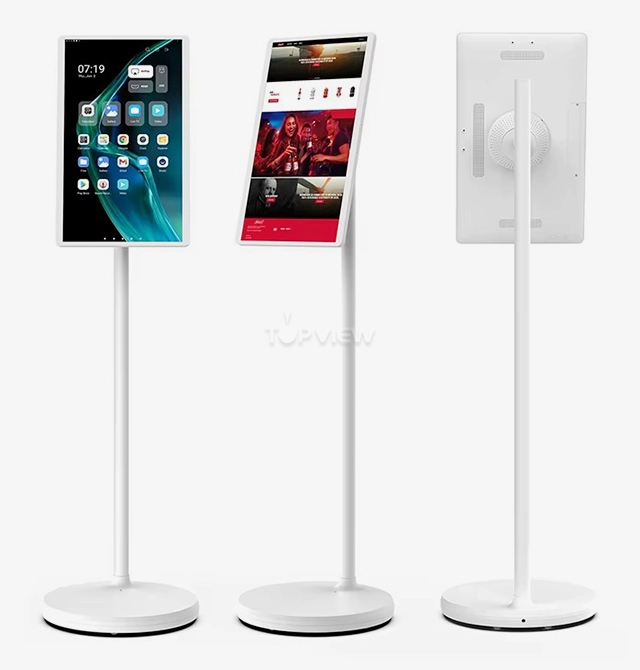 VIEW MOREMoving Touch Screen Kiosk
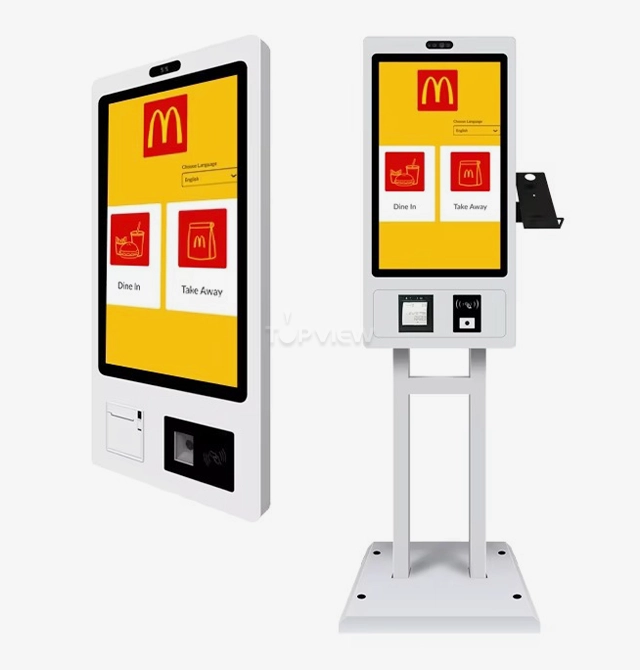 VIEW MORESelf Service payment Kiosk
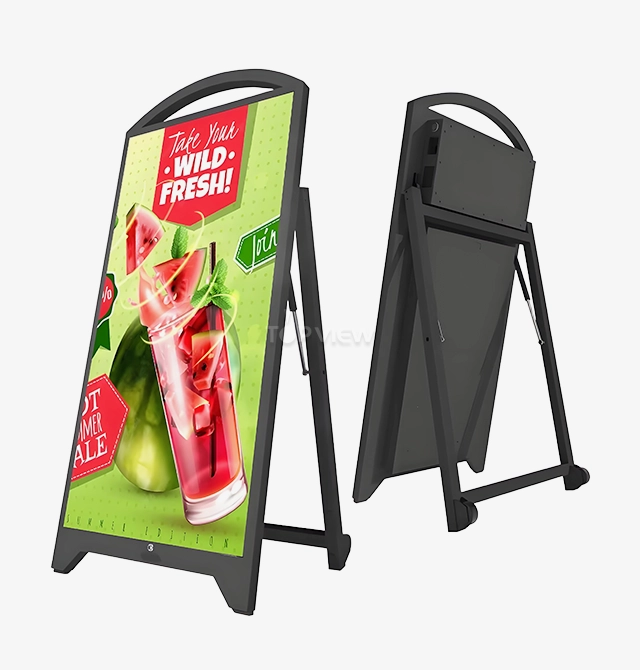 VIEW MOREOutdoor Portable Waterproof LCD Display
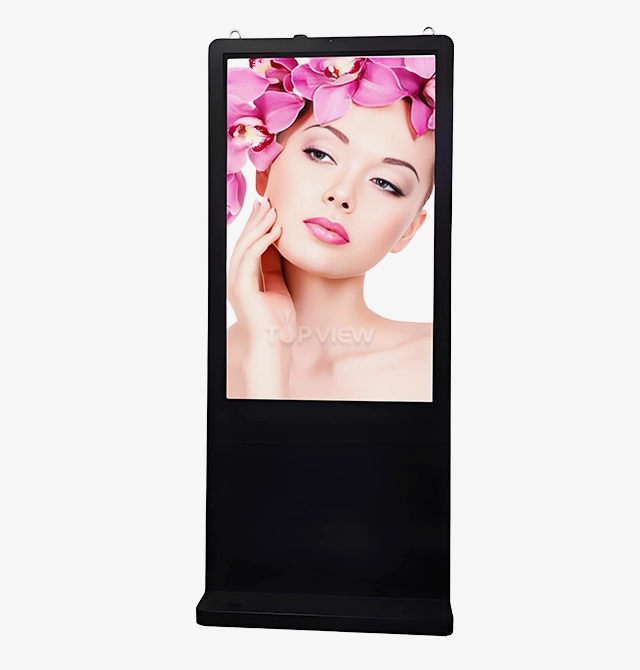 VIEW MOREUltra Thin Waterproof Digital Signage