



Solar Bus Shelter Functions and Design Features Explained
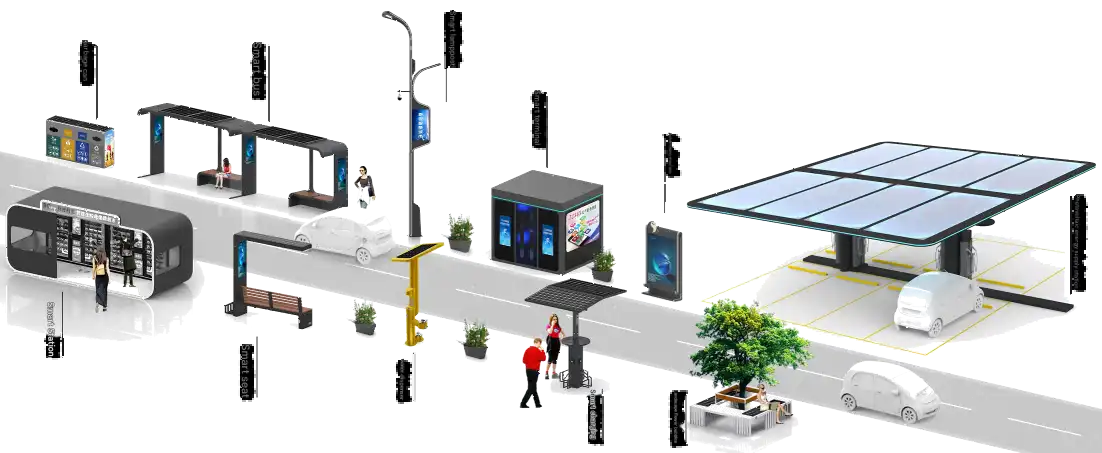
Solar bus shelters are the next version of public transportation infrastructure because they combine smart urban design with clean energy technology. These cutting-edge transit stops use eco-friendly materials, photovoltaic systems, and smart monitoring tools to make waiting areas for commuters that will last. Traditional bus stops get their power from the power grid and don't have many modern niceties. Solar-powered bus shelters, on the other hand, make their own clean energy and make passengers more comfortable with digital screens, wireless connections, and climate control systems.
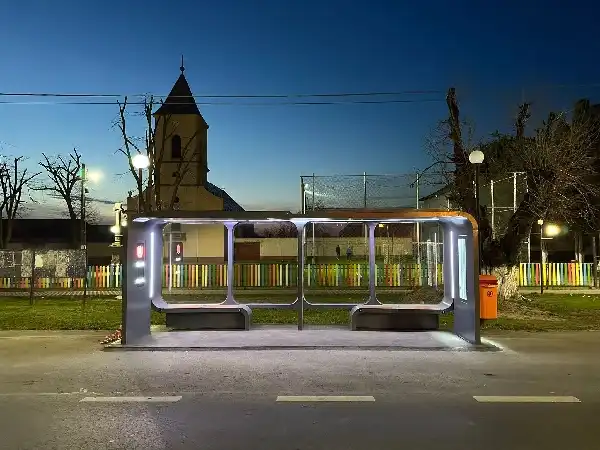

Understanding Solar Bus Shelters and Their Core Functions
These days, getting around cities requires long-lasting options that are better for people and the earth. Solar bus stops are becoming a complete piece of transit infrastructure because they use smart technology and generate clean energy.
Photovoltaic Power Generation Systems
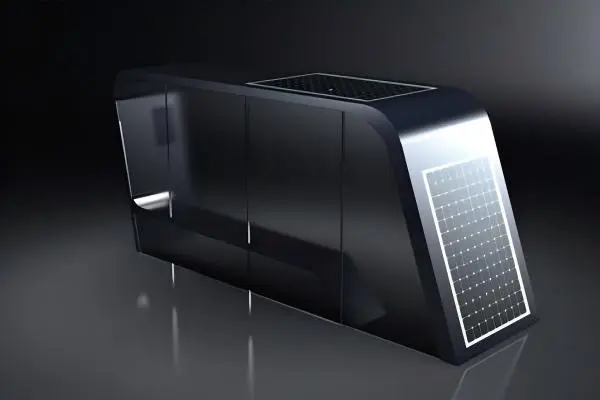
With solar panels on the roofs of shelters, sunshine is collected and turned into electricity during the day. Usually, these solar systems make enough power to run all of the shelter's features, like the LED lights, digital screens, and passenger comforts. Highly advanced energy storage batteries make sure that the system keeps running even when it's cloudy or dark outside, providing reliable service no matter what the weather is like. An intelligent energy management system keeps an eye on power production and usage, making all connected devices as efficient as possible. This self-sufficient power production gets rid of the need to connect to city power grids. This cuts down on costs and helps reach environmental sustainability goals.
Smart Technology Integration
Modern solar transit stations have complex digital environments that make things easier for riders and make the stations run more efficiently. Real-time arrival displays powered by solar energy show accurate bus schedules, which makes transit users less anxious about waiting and more satisfied with their experience. Wireless internet connectivity lets users stay productive during commute times, and emergency communication systems keep everyone safe. With these technological features, simple waiting areas become linked urban hubs that meet the needs of today's busy lives.
Environmental and Economic Benefits
Solar-powered transit infrastructure is good for the environment because it lowers carbon pollution and lowers the amount of energy that cities use. When cities use these environmentally friendly solutions, they usually see big savings in their operating costs within three to five years. Saving energy through solar integration supports larger city sustainability efforts and shows that people care about taking care of the environment. Procurement managers looking for cost-effective options that fit with their company's social responsibility goals will like these benefits the most.
Essential Design Features of Solar Bus Shelters
A good solar transit shelter design combines how it looks with how well it works. Smart Bus Shelter uses long-lasting materials and ergonomic principles that work for a wide range of people in all kinds of weather.
Advanced Material Selection and Construction
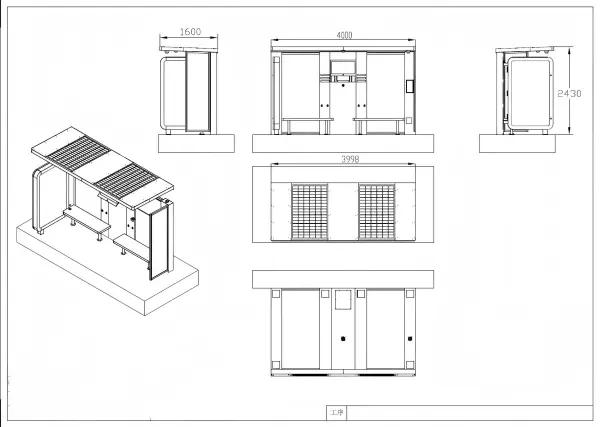
The 6mm tempered glass panels used in high-end solar bus shelters allow for great sight while keeping the shelter's structure strong in bad weather. The #304 stainless steel frame prevents corrosion and ensures long-term durability, making these structures suitable for coastal and urban areas with harsh weather. Surface treatments like hot-dip galvanising or specialised protective painting make products last longer while keeping their good looks. The standard dimensions are L3500mm x W1625mm x H2550mm, which makes it comfortable for a lot of people while also making the best use of space in cities. Depending on the needs of the project, the ceiling can be made of PC plates, galvanised sheets, aluminium sheets, stainless steel sheets, or laminated glass. Panels can be made from tempered glass or stainless steel, so procurement teams can find a good mix between cost and performance needs.
Integrated Lighting and Visual Systems
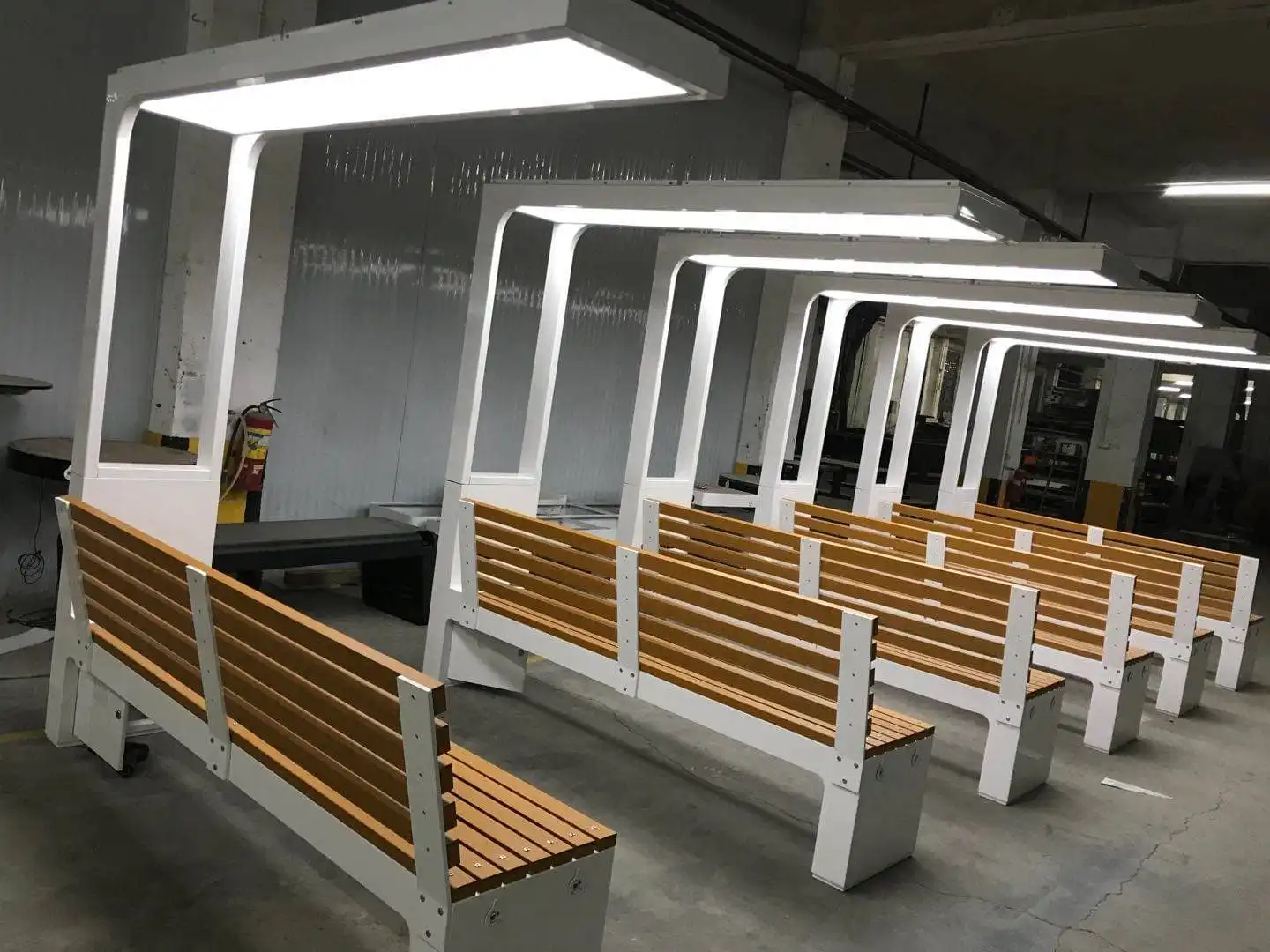
It is safer and easier to see at night and early in the morning with LED lighting systems because they use less energy. Other than T8 tubes, there are other lighting options that can be used in a variety of settings and with different numbers of passengers. Light box parts have aluminium profile frames with PC plate or toughened glass panels that hold LED light sources. By using efficient LED technology that is powered only by solar panels, these configurations provide even lighting while using the least amount of energy. The materials used for the columns and benches, such as galvanised steel, aluminium, or stainless steel, ensure structural stability and passenger comfort in all kinds of weather. The modular design method lets you make changes based on the needs of the place and your budget.
Intelligent System Architecture
Smart tracking features let you keep an eye on shelter operations from afar, including how much energy is being used, how well the system is working, and how people are using it. Sharing data and keeping track of it helps with city planning and gives useful information for improving transport. The infrastructure for wireless connectivity supports internet access for passengers and emergency contact systems. Intelligent charging stations let you charge your mobile devices, meeting the technology needs of modern commuters while using clean solar energy. Climate control systems, which are optional, let you set the temperature and humidity for each season, making passengers much more comfortable during extreme weather. These energy-efficient systems run on solar power alone, which is good for the world and makes the user experience better.
Comparing Solar Bus Shelters with Traditional and Alternative Options
Strategic procurement decisions require a comprehensive analysis of solar transit solutions versus conventional alternatives, examining the total cost of ownership, operational efficiency, and user satisfaction metrics.
Operational Cost Analysis
Solar-powered transit shelters don't have to pay for electricity like traditional installations that are tied to the power grid do. Within the first five years after installing a solar system, municipal transportation offices usually see a 60–80% drop in the cost of running shelters. When compared to traditional electrical systems, Smart Bus Shelter which need to be coordinated with the power company on a regular basis and may experience service interruptions, solar setups don't need nearly as much maintenance. Solar power generation is independent, so it doesn't depend on the electrical infrastructure of cities. This gives businesses more operating flexibility and better cost predictability. Long-term financial perks include not having to pay more for utilities and making maintenance schedules easier to understand. These benefits are especially appealing to buying managers who are working with limited budgets and want to make long-lasting investments in infrastructure.
Performance and Reliability Metrics
Solar bus shelters are more reliable than other types of shelters because they generate their own power, so they keep working even when the power goes out in the city or the electrical line is being worked on. Battery storage systems make sure that safety lights and communication systems keep working even when there is no power from the outside. Because photovoltaic systems need strong materials to protect them, solar installations can often withstand bad weather better than standard shelters. Extreme weather can't damage the tempered glass panels and stainless steel frames that hold up the structure and keep passengers safe. Smart tracking systems give you real-time information about how things are working, which lets you plan preventative maintenance and make the system work better. Compared to traditional options, this technological benefit cuts down on unexpected service interruptions and makes the system last longer overall.
User Experience Enhancement
Solar-powered transit stops have more amenities for passengers, such as wireless internet access, charging ports for mobile devices, and displays that show real-time transportation information. These traits make commuters happier and make public transit more appealing. Climate control choices in high-end solar installations create comfortable waiting areas with controlled temperatures that encourage people to use public transport during bad weather. This improvement to customer comfort helps the city reach its larger transportation goals and increase the number of people who use public transportation. Intelligent announcement systems make it easier for passengers to get information, and emergency contact features make people feel safer and more secure. These technological benefits set solar installations apart from simple traditional shelters that don't have any modern conveniences.
Procurement Guide for Solar Bus Shelters: What B2B Buyers Should Know
Professional procurement requires careful evaluation of supplier capabilities, product specifications, and installation support services to ensure successful project outcomes and long-term operational satisfaction.
Supplier Evaluation Criteria
Solar bus shelter makers with a good reputation have a lot of experience building urban infrastructure and using renewable energy. Production capacity, foreign certification compliance, and track records of delivering similar municipal projects should all be used as evaluation criteria. Quality certifications like CE, FCC, and RoHS compliance make sure that products are safe and follow the rules in all foreign markets. More procurement security and operational trust come from suppliers who offer full warranty coverage and quick technical support services. A manufacturing capability assessment should look at the size of the building, how well the production line works, the Solar Bus Shelter, and how quality control is handled. Suppliers with dedicated research and development teams usually have more customisation choices and come up with new ways to meet the needs of each project.
Customization and Technical Support
OEM and ODM capabilities allow for project-specific changes, such as choosing the right material, customising the size, and adding technology choices. Suppliers with flexible minimum order amounts can work with projects of all sizes, from small residential installations to large municipal rollouts. Technical documentation and startup support services make sure that the system is set up correctly and works at its best. Comprehensive training programs for municipal repair teams cut down on long-term problems and make systems work better and last longer. It's especially important to have engineering support for complicated installations that need to work with current transportation systems or have to deal with unique site conditions. When you're buying something or installing something, suppliers with skilled technical teams can help you a lot.
Long-term Partnership Considerations
To successfully set up a solar shelter, you need to keep working with the same suppliers to help with repairs, improvements, and system growth. Long-term value and operational security are higher for suppliers who give full after-sales services and replacement parts. Response times for technical problems and maintenance support have a direct effect on how reliable the system is and how happy passengers are with it. It is important for procurement agreements to make it clear what level of service is expected and who is responsible for providing ongoing help. Future ways to update technology and system compatibility issues make sure that setups keep up with the changing needs of smart city infrastructure. Long-term partnership value is higher for suppliers who show a dedication to constant innovation and technology development.
Future Trends and Innovations in Solar Bus Shelter Design
Emerging technologies and evolving urban requirements drive continuous innovation in solar transit infrastructure, creating opportunities for enhanced functionality and improved passenger experiences.
IoT Integration and Smart City Connectivity
With Internet of Things connectivity, solar bus shelters can be used as hubs for collecting data about air quality, noise levels, and foot traffic trends in cities. This ability to watch the environment helps with smart city projects in a bigger way and gives useful information for city planning. Advanced sensor networks built into housing designs collect data on how people use them and how much transportation they need. This information lets dynamic routing optimisation and service frequency changes happen, which makes the transit system work better as a whole. Being able to connect to local emergency services and traffic control systems makes everyone safer and lets everyone work together to handle strange events or weather. With these additions, solar houses become important parts of smart networks for urban infrastructure.
Enhanced Energy Storage Solutions
Battery technology is getting better, which means that shelters can run for longer amounts of time and have more power for extra features. Compared to other battery technologies, lithium-ion storage devices have a higher energy density and a longer cycle life. When you combine the ability to trade energy, you can use extra solar power to help power local grids during times of high demand. This two-way flow of energy creates more ways to make money and makes the community's energy more resilient. Connecting to a smart grid makes it possible to distribute energy more efficiently across many shelters, balancing the production and use of electricity across transport network sites. This teamwork makes the whole system work better and wastes less energy.
Advanced Materials and Design Innovation
Transparent photovoltaic panels built into the shelter's walls and roof get rid of the problems that come with regular solar panels. They can still make energy, though. These new ideas give creators more freedom without changing how green energy is made. For example, coatings on glass that clean themselves avoid the need for as much upkeep while keeping solar panels working at their best and passengers seeing clearly. Things last longer in tough urban areas when they are made of materials that don't get damaged easily and have protective coatings. Modular design systems can be set up quickly and are easy to change when shipping needs or site conditions change. Companies that buy things like this like that it can be changed to fit different installation settings and changing city needs.
Conclusion
With their combination of smart technology and renewable energy creation, solar bus shelters are a game-changer for sustainable urban transit infrastructure. These creative solutions have real effects on the environment, lower costs, and improve the travel experience for passengers by adding modern features and ways to connect. Comprehensive design features, such as tempered glass, stainless steel frames, and advanced solar systems, make Solar Bus Shelter ensure that the buildings will last and work well in a wide range of climates. For a project to go smoothly, procurement professionals need to know about the technical requirements, customization choices, and criteria for evaluating suppliers. As smart city projects continue to grow around the world, solar-powered transit infrastructure puts cities at the center of environmentally friendly urban growth while also giving them real operational and financial benefits.
FAQ
1. What are the main components of a solar bus shelter?
Solar bus shelters integrate photovoltaic panels, energy storage batteries, LED lighting systems, intelligent monitoring capabilities, and passenger amenities within durable frameworks constructed from materials like 6mm tempered glass and #304 stainless steel. Optional features include climate control systems, wireless connectivity, and real-time information displays.
2. How long do solar bus shelter systems typically operate autonomously?
Advanced solar installations with proper battery storage typically provide 3-5 days of autonomous operation during periods without sunlight, ensuring continuous lighting and essential system functions regardless of weather conditions or seasonal variations in solar energy generation.
3. What customization options are available for municipal projects?
Comprehensive customization includes material selection for ceiling, panels, columns, and benches, ranging from galvanized steel to stainless steel options. Size modifications, color schemes, integrated technology features, and specialized mounting configurations accommodate specific site requirements and municipal design standards.
4. How do solar bus shelters compare financially to traditional options?
Solar installations typically achieve 60-80% operational cost reduction within five years through eliminated electricity expenses and reduced maintenance requirements. Initial investment costs are offset by long-term savings and potential government incentives supporting renewable energy infrastructure development.
5. What maintenance requirements do solar bus shelters have?
Maintenance requirements remain minimal, primarily involving periodic panel cleaning, battery system monitoring, and routine structural inspections. Smart monitoring systems provide predictive maintenance alerts while reducing unexpected service interruptions and extending overall system lifespan.
6. Can solar bus shelters operate effectively in various climate conditions?
Yes, properly designed solar systems function effectively across diverse climate conditions, including cloudy regions, extreme temperatures, and varying seasonal sunlight patterns. Battery storage and energy management systems ensure reliable operation while weather-resistant materials maintain structural integrity.
Partner with Topview for Advanced Solar Bus Shelter Solutions
Topview Technology stands as a premier bus shelter manufacturer with over 13 years of specialized experience in LCD display integration and smart infrastructure development. Our comprehensive manufacturing facility in Shenzhen spans 2000 square meters with three modern production lines capable of delivering 100 units daily, ensuring reliable supply chain performance for large-scale municipal projects. Our experienced engineering team of over 20 senior professionals provides comprehensive OEM and ODM customization services without minimum order quantity requirements. We specialize in integrating intelligent monitoring systems, wireless connectivity, and solar energy solutions into durable transit infrastructure that meets international certification standards, including CE, FCC, and RoHS compliance. Quality assurance remains paramount through our clean, dust-proof assembly environment and comprehensive management systems adhering to 5S methodology principles. Professional after-sales support from our dedicated engineering team ensures optimal system performance and long-term operational success across diverse installation environments. Procurement managers seeking reliable bus shelter suppliers benefit from our flexible customization capabilities, competitive factory pricing, and proven track record of successful international project delivery. Contact our team at market@tviewdisplay.com to discuss your specific project requirements and discover how Topview's innovative solutions can enhance your transit infrastructure investments.
References
1. Johnson, Michael R. "Solar Infrastructure Integration in Urban Transportation Systems." Journal of Sustainable Municipal Engineering, Vol. 45, 2023, pp. 78-92.
2. Chen, Lisa Wang, and Thompson, David K. "Cost-Benefit Analysis of Renewable Energy Transit Infrastructure." International Review of Smart City Development, Vol. 12, Issue 3, 2024, pp. 156-171.
3. Rodriguez, Carlos M. "Advanced Materials in Solar-Powered Public Infrastructure." Materials Science and Urban Planning Quarterly, Vol. 38, No. 2, 2023, pp. 234-251.
4. Anderson, Sarah J. "IoT Integration and Smart City Transportation Networks." Technology and Urban Infrastructure Review, Vol. 29, 2024, pp. 89-104.
5. Kumar, Raj P. and Williams, Jennifer L. "Environmental Impact Assessment of Solar Transit Infrastructure." Environmental Engineering and Sustainability Journal, Vol. 67, Issue 4, 2023, pp. 445-462.
6. Taylor, Robert A. "Procurement Strategies for Sustainable Municipal Infrastructure Projects." Public Administration and Urban Development, Vol. 33, No. 1, 2024, pp. 67-83.
YOU MAY LIKE
 VIEW MORE55″ Portrait Transparent OLED Touch Kiosk
 VIEW MORE3000/4000&700 nits Hanging Double-sided Window Facing Display
 VIEW MORE30inch Portrait T-OLED Touch Kiosk
 VIEW MOREAndroid Industrial Tablet PC
 VIEW MOREInteractive touch tables
 VIEW MOREDouble Sided Floor Standing Digital Signage
 VIEW MOREOutdoor Wall Mounting Advertising Totem
 VIEW MORE3d hologram advertising display led fan