



Common Faults and Troubleshooting Tips for Outdoor High-Brightness Displays
As one of the most difficult digital signage uses, outdoor screens have to deal with constant exposure to harsh weather conditions while still working properly. Throughout their operational lifecycle, these strong systems must provide excellent visibility in bright sunlight, be able to handle changes in temperature, and protect against damage caused by weather. It is important for procurement managers and technical teams in charge of big installations to understand common problems and use effective troubleshooting strategies. With the right upkeep plans and a methodical approach to finding problems, outdoor high-brightness displays can work reliably for years, Outdoor Displays with as little downtime and replacement costs as possible.
Understanding Outdoor High-Brightness Display Systems
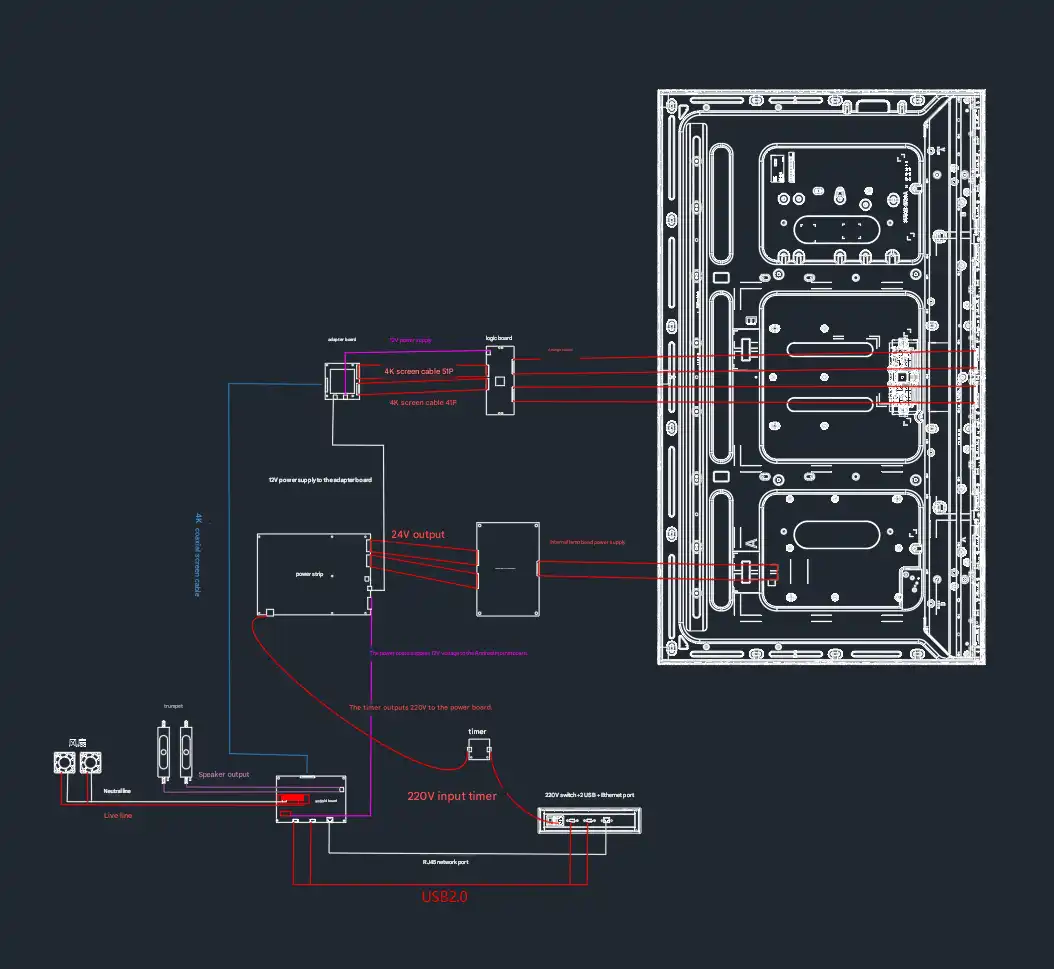
High-brightness displays that are used outside use advanced LCD and LED technologies that were made to work in harsh situations. The brightness of these systems is usually higher than 2,500 nits, which is much brighter than indoor displays that only work at 300 to 500 nits. This means that they can be seen clearly even in full sunlight. Modern outdoor displays use full-bonding technology, which combines the LCD panel with a protective cover glass in a seamless way. This lowers reflections and improves image clarity. The core architecture includes weatherproofing features like IP65-rated enclosures, advanced thermal management systems, and stronger mounting structures. Temperature correction circuits keep the colours true even when the temperature is very high or very low, and anti-reflective coatings keep glare to a minimum. These improvements in technology make it possible to use them in a wide range of places, such as transportation hubs, stadium installations, retail settings, and government information systems.
Technology Foundations and Performance Standards
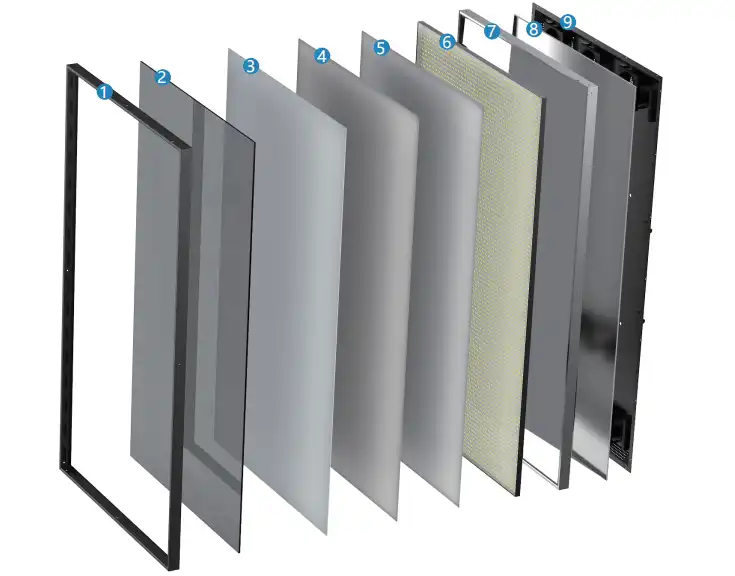
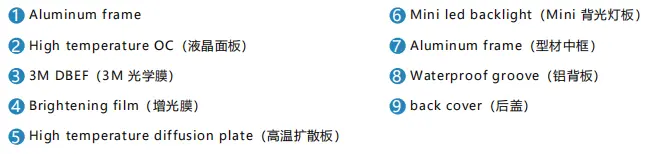
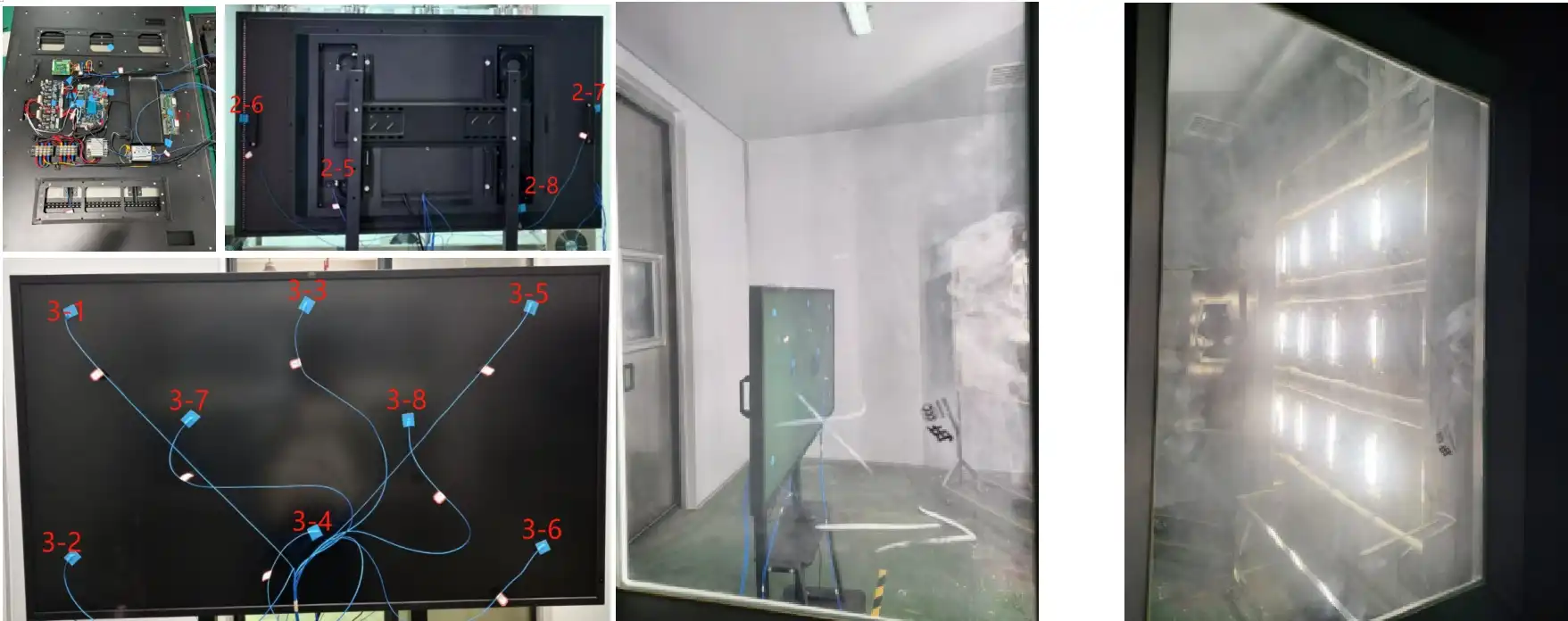
Present-day outdoor screens use either LCD or LED panel technologies, and each has its own benefits for certain uses. LCD-based systems, like Topview's T-series models, which come in 32", 43", 49", 55", 65", and 75" sizes, offer great picture quality with Full HD (1920x1080) and Ultra HD (3840x2160) resolution choices. Compared to traditional options, these units use over 30% less power and have better light transmission thanks to advanced full-bonding technology. The engineering behind outdoor displays protects against important environmental problems with multiple layers. Waterproof sealing stops water from getting in, and the dustproof design keeps the integrity of the internal parts. Designs that are shock-resistant can handle shocks from nearby traffic or machinery, and housings that are pressure-resistant can handle damage from impacts. These safety steps increase the life of the equipment while keeping performance levels the same in all kinds of weather.
Common Faults in Outdoor High-Brightness Displays and Their Root Causes
Outdoor display systems have a number of fault patterns that happen over and over again and can have a big effect on their stability and visual performance. Knowing about these common problems lets you plan ahead for maintenance and quickly fix problems when they happen. Most of the problems that happen in the field are caused by environmental stressors, components that are getting old, and installation variables.
Pixel-Related Failures and Display Inconsistencies
One of the most obvious types of fault is a dead pixel, which looks like a spot that is always dark and can't show colour information. Most of the time, these breakdowns are caused by flaws in the manufacturing process, physical damage, or electrical stress on individual pixel transistors. If pixels get stuck and keep showing the same colour even when input signals change, Outdoor Totem Signage, it's likely that the driver circuit is broken or there is thermal damage in the display matrix. Colour differences between display panels show up as changes in brightness or colour temperature that can be seen between modules that are next to each other. This usually happens because different parts age at different rates, are exposed to heat in different ways, or were made with different standards. Temperature cycling makes these problems happen faster, especially in places that don't have good thermal control systems.
Environmental Damage and Weather-Related Malfunctions
Moisture getting into outdoor display electronics is very dangerous because it can lead to rust, short circuits, and component failure. When bad weather hits, water can get in because the seals around cable entry points aren't good enough, or the cover materials aren't strong enough. When temperature differences are too big, internal condensation can form, which can cause electrical problems and damage that can't be fixed. Accumulation of dust affects both how well things look and how well they handle heat. Particulate matter gets in the way of air flow, makes it harder for heat to escape, and can damage moving parts like cooling fans by wearing them down. Chemical pollutants in cities speed up the corrosion process, especially on metal surfaces that are visible and electrical connections.
Power Supply and Connectivity Issues
Power source changes can lead to a number of operational issues, such as changes in brightness, sudden shutdowns, and component stress that speeds up the ageing process. If outdoor installations don't have enough power conditioning, voltage spikes, harmonic distortion, and frequency changes that are too big for the displays' design tolerances can happen. Signal connectivity faults stop images from being sent and can show up as colour banding, synchronisation errors, or even signal loss. Over time, UV light, changing temperatures, and physical force on the cable can damage the signal integrity. Power lines or close equipment can cause electromagnetic interference, which can add noise to video signals and lower the quality of the images.
Troubleshooting Techniques Based on a Systematic Deconstruction Approach
To effectively troubleshoot, you need a methodical technique that finds the source of the problem while keeping system downtime to a minimum. Professional techs use specialised diagnostic tools and organised methods to quickly find the root causes of problems and fix them. This structured method cuts down on the time needed to fix and stops parts from being replaced or system changes that aren't needed.
Diagnostic Procedures and Fault Isolation Methods
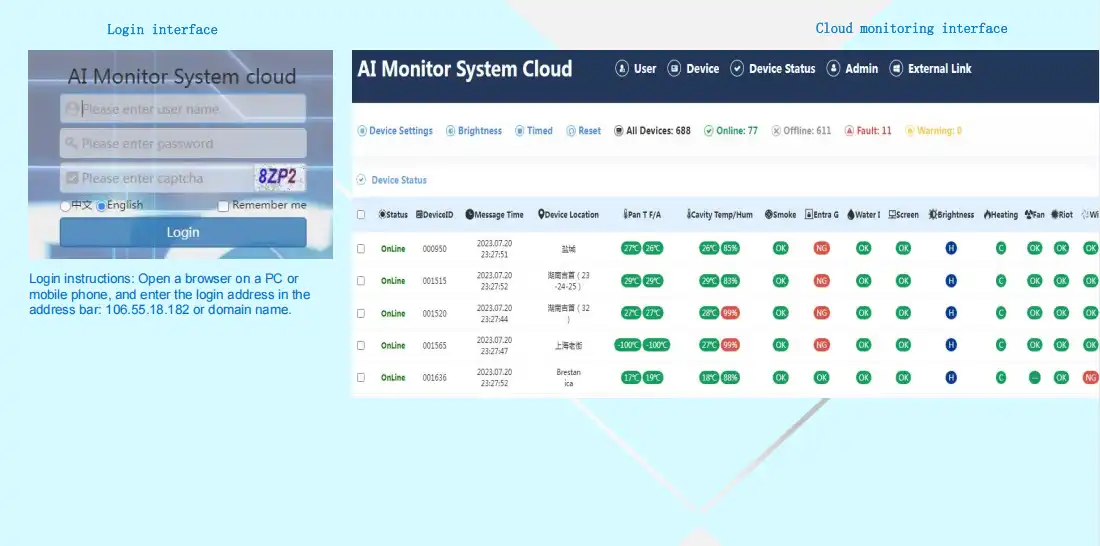
Visual inspection and operational testing are the first steps in figuring out what's wrong. This is done to record any symptoms and set baseline performance measures. Technicians check the outside conditions, such as the integrity of the environmental protection, the security of the mounting, and the links between the cables. Thermal imaging to find hot spots, electrical measurements to make sure the power supply is stable, and signal analysis to check the quality of the inputs and outputs are all parts of internal diagnostics. More advanced diagnostic tools include portable oscilloscopes for signal analysis, thermal cameras for mapping heat distribution, and special test patterns for checking display uniformity. These tools give us numbers that help us decide what to fix and tell the difference between problems with parts and problems in the environment. Keeping track of diagnostic data lets you look for patterns and plan for preventative maintenance.
Hardware Solutions and Component Replacement Strategies
Repairs at the component level fix particular hardware problems while keeping the system's integrity and warranty coverage. Replacing the power source fixes problems with voltage regulation and makes the system more reliable. Swapping out the display module fixes problems with pixels and uniformity, but making sure it's properly calibrated makes sure it works well with existing panels. To keep the cooling system running at its best, fans need to be replaced, Outdoor Totem Signage heat sinks need to be cleaned, and thermal interface materials need to be replaced. Replacing the cables fixes problems with signal integrity and stops future connection problems before they happen. Protective housing fixes bring back the weatherproofing and keep the elements from damaging the inside parts.
Software and Calibration Adjustments
Many operational problems can be fixed with software-based methods that don't require hardware changes. Firmware updates fix problems with compatibility, make devices more stable, and add new features. Colour calibration processes make all display panels look the same again and fix problems caused by parts wearing out over time. System configuration changes make the system work best in different environments and with different types of content. Brightness scheduling lowers power use when the ambient light level is low while still allowing for good vision. Temperature compensation methods keep colours accurate even when temperatures change with the seasons.
Preventive Maintenance Tips to Maximise Outdoor Display Longevity
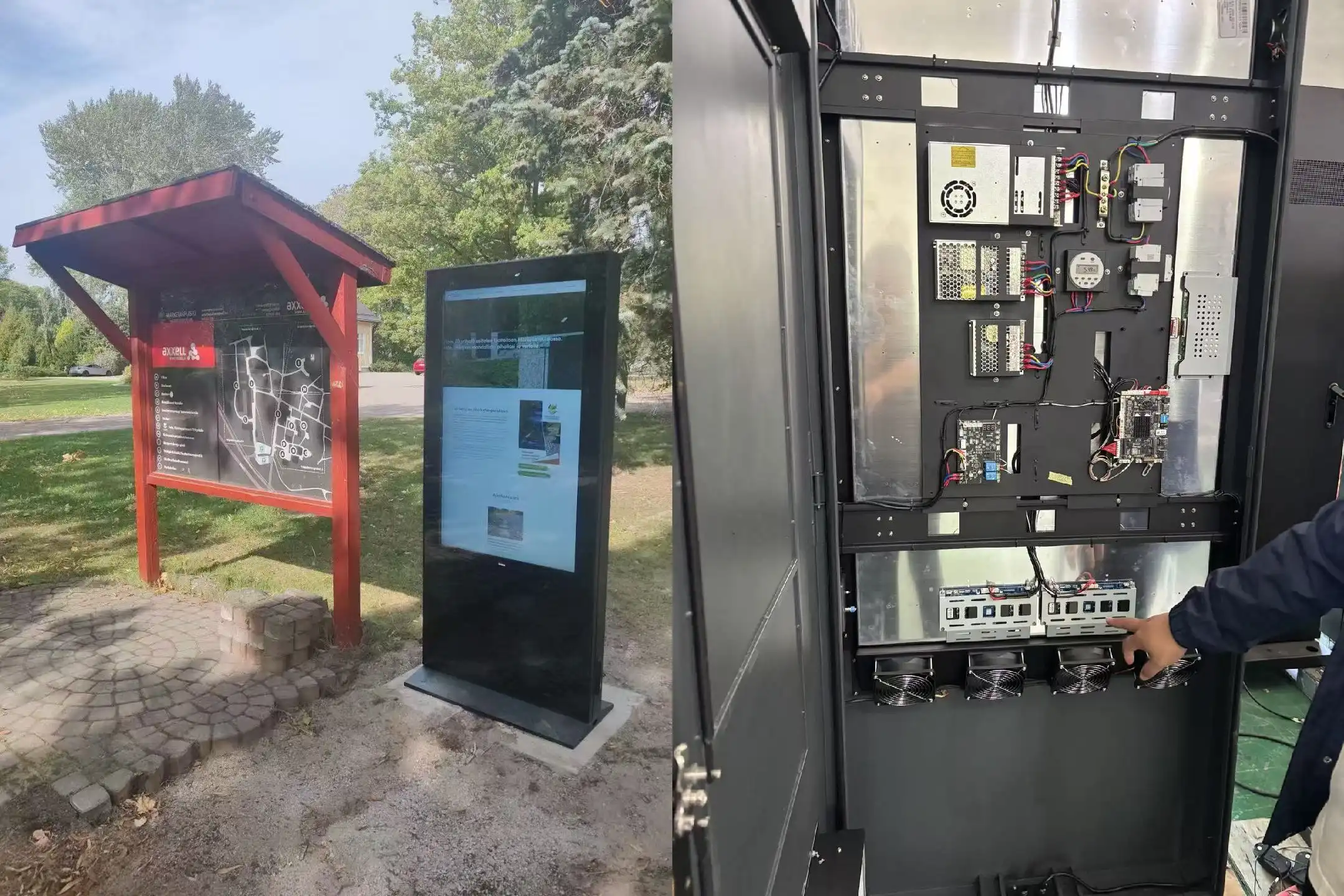
Comprehensive preventive maintenance programs significantly extend operational lifespan while reducing unexpected failures and associated costs. Regular inspection schedules enable early detection of potential problems before they cause system downtime. Proper maintenance techniques preserve manufacturer warranty coverage while optimising long-term performance and reliability.
Scheduled Cleaning and Environmental Protection
Regular cleaning procedures remove accumulated dirt, salt residue, and chemical pollutants that can cause long-term damage. Manufacturer-approved cleaning solutions and techniques prevent damage to anti-reflective coatings and protective surfaces. Quarterly deep cleaning schedules address seasonal contamination patterns while weekly visual inspections identify immediate concerns requiring attention. Environmental protection verification includes gasket inspection, cable entry point examination, and drainage system functionality testing. Weatherproofing integrity directly impacts internal component longevity and system reliability. Seasonal preparation procedures address specific environmental challenges such as winter freeze protection and summer heat management.
System Monitoring and Performance Tracking
Continuous monitoring tools give information about performance in real time and let you plan ahead for maintenance. Temperature logging finds problems with thermal control before they lead to component failures. Power monitoring finds problems with the electricity source and checks that it stays stable over time. Performance benchmarking sets standard values for reaction characteristics, colour precision, and brightness uniformity. Testing against these benchmarks on a regular basis shows how performance is slowly getting worse and helps plan upkeep. By looking at old data, you can find trends that can tell you when to replace parts or upgrade the whole system.
Professional Service and Support Integration
Topview's full support program includes technical help for life, which goes beyond the standard warranty periods. On-site upkeep, emergency repair services, and system optimisation consultations are all offered by professional service teams. This ongoing connection makes sure that the display works at its best for as long as it is operational, Outdoor Totem Signage while also keeping the total cost of ownership as low as possible. Options for extended warranties that last up to three years offer extra security against problems with the way the product was made and parts that break down too soon. Commercial-grade construction lets public areas be used 24 hours a day, seven days a week, with little upkeep. Professional installation and testing services make sure that the system works well at first and is properly integrated.
How to Select Reliable Outdoor High-Brightness Displays for Your Business Needs
To choose the right outdoor display technology, you need to carefully think about your long-term business goals, operational needs, and the conditions of the area. Professionals in procurement have to weigh the initial investment costs against the total cost of ownership, which includes costs for repairs, power use, and replacement. Knowing the important details of a specification and what a vendor can do lets you make smart choices that improve speed and value.
Technical Specifications and Performance Requirements
The brightness of the display is an important specification feature. For outdoor use, the minimum brightness level needed for sunlight visibility is usually 2,500 nits. The resolution you choose depends on how far away you are watching and what you want to see. For large-format installations, Ultra HD (3840x2160) gives you the best image quality. Professional systems offer panel sizes ranging from 32" to 75", giving architects a range of configuration choices to meet their needs. Operating temperature ranges need to take into account the local environment and leave enough room for extreme weather events. Topview's outdoor displays work successfully in a wide range of temperatures and keep the same brightness and colour accuracy. Modern thermal management systems make it possible to work in harsh circumstances, like desert installations and the Arctic.
Quality Assurance and Certification Standards
International certificates like FCC, RoHS, and CE compliance make sure that the quality of the product and its compliance with regulations for use around the world. These certifications prove that safety guidelines for electromagnetic compatibility, the environment, and electricity are met. Professional-grade building meets the long-lasting needs of businesses and works reliably in tough situations. As part of controlling the quality of manufacturing, there are detailed testing procedures that make sure that performance standards and reliability standards are met. Scalable buying for big projects is possible because the factory can make up to 100 units per day. Quality management methods that follow industry standards make sure that the quality of each batch of products is the same.
Vendor Evaluation and Partnership Considerations
The technical skills of the vendor, such as their custom design services, OEM/ODM options, and engineering help, have a direct effect on the success of the project. Topview's experienced engineering team offers customisation services with no minimum order size, so customers can get solutions that are perfect for their needs. Full technical documents and help with installation make the deployment and commissioning processes go more smoothly. Project timelines and ongoing activities are both affected by how reliable the supply chain is. Different buying tactics can be accommodated by delivery terms that are flexible, such as EXW, FOB, and DDP. Lead times of 5 to 15 working days allow for quick deployment, and foreign shipping is safe thanks to wooden case-reinforced packaging. TT arrangements that allow for flexible payment support a range of purchasing policies and spending cycles.
Conclusion
To keep working at their best, outdoor high-brightness displays need to know all the possible ways they could go wrong and how to fix them in a planned way. Regular preventative maintenance, using the right installation methods, and getting qualified technical help can greatly lower operational problems and increase the system's useful life. Partnering with experienced manufacturers who offer ongoing help throughout the product lifecycle is good for procurement professionals. When you buy good outdoor display technology and have it maintained by professionals, it works well and gives you the best return on your investment in a wide range of business situations.
FAQ
1. What are the most common maintenance requirements for outdoor displays?
Quarterly professional cleaning and inspection schedules address most preventive maintenance needs for outdoor high-brightness displays. Regular cleaning removes environmental contaminants while inspections identify potential issues before they cause system failures. Monthly visual checks of mounting hardware, cable connections, and protective housing integrity help maintain optimal performance between professional service visits.
2. How do weather conditions affect outdoor display performance?
Extreme temperatures can impact colour accuracy and component longevity, while moisture exposure poses risks to electronic components. Quality outdoor displays incorporate weatherproofing rated to IP65 standards and thermal management systems that maintain stable operation across wide temperature ranges. Proper installation with adequate drainage and ventilation significantly reduces weather-related performance issues.
3. What resolution standards work best for large outdoor advertising displays?
Ultra HD (3840×2160) resolution provides optimal image quality for outdoor advertising applications, particularly for installations with close viewing distances. Full HD (1920×1080) resolution remains suitable for applications where viewing distances exceed 10 feet. Resolution selection should consider content requirements, viewing distance, and budget constraints to achieve the best balance of image quality and cost-effectiveness.
4. How long do outdoor displays typically operate before requiring replacement?
Professional-grade outdoor displays designed for commercial applications typically provide 5-7 years of reliable operation with proper maintenance. Environmental conditions, usage patterns, and maintenance quality significantly influence operational lifespan. Quality manufacturers like Topview offer extended warranty options and lifetime technical support to maximise system longevity and performance consistency.
Partner with Topview for Superior Outdoor Display Solutions
Topview Technology combines over 13 years of specialised manufacturing experience with comprehensive engineering capabilities to deliver exceptional outdoor display solutions. Our T-series outdoor displays feature advanced full-bonding technology, superior weatherproofing, and energy-efficient operation that reduces power consumption by over 30%. With flexible customisation options, global certification compliance, and lifetime technical support, Outdoor Displays Topview serves as your reliable outdoor displays manufacturer for challenging commercial applications.
Our Shenzhen facility operates three modern production lines staffed by over 20 experienced engineers, ensuring consistent quality and reliable delivery schedules. Contact our technical team at market@tviewdisplay.com to discuss your specific requirements and receive customised proposals.
References
1. International Society for Display Technology. "Environmental Standards for Outdoor Digital Signage Systems." Journal of Display Engineering, Vol. 15, No. 3, 2023.
2. Smith, Robert J., and Chen, Wei. "Reliability Analysis of High-Brightness LCD Displays in Extreme Weather Conditions." Proceedings of the International Conference on Electronic Displays, 2023.
3. Digital Signage Federation. "Best Practices for Outdoor Display Maintenance and Troubleshooting." Professional Installation Guidelines, 4th Edition, 2023.
4. Anderson, Michael K. "Thermal Management in Outdoor Electronic Displays: Design Considerations and Performance Optimisation." IEEE Transactions on Components and Systems, Vol. 28, No. 7, 2023.
5. European Committee for Display Standardisation. "Weatherproofing Requirements for Commercial Outdoor Displays." Technical Standard ECDS-2023-04, Brussels, 2023.
6. Zhang, Li, and Johnson, Sarah. "Power Efficiency Innovations in Modern Outdoor High-Brightness Display Technology." International Review of Digital Signage Technology, Vol. 12, Issue 2, 2023.
YOU MAY LIKE
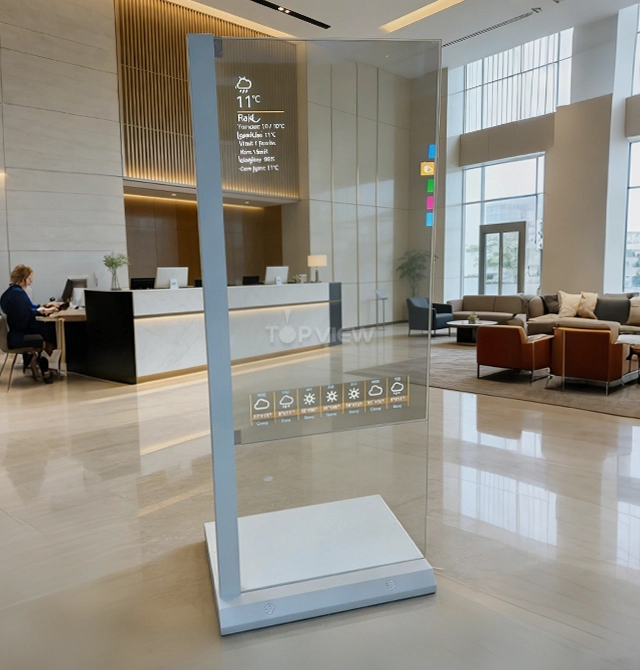 VIEW MORE55″ Portrait Transparent OLED Touch Kiosk
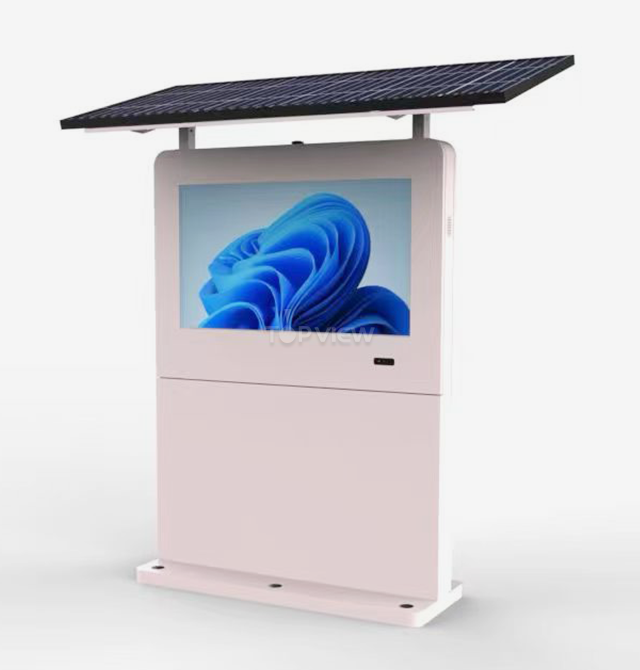 VIEW MORESolar Panel Outdoor Digital Signage
 VIEW MOREMessage Smart Solar Bench
 VIEW MOREFlool Standing Interactive 3D HoloBox
 VIEW MOREDesktop landscape Interactive 3D HoloBox
 VIEW MOREDouble Sided Bar Lcd Monitor
 VIEW MORElcd video display
 VIEW MOREoutdoor ev charging kiosk