



How is waste deposited into solar-powered trash cans?
Walking through any modern city today, you'll notice a quiet transformation happening at street corners and public spaces. Smart waste management systems are replacing traditional receptacles, and at the heart of this change lies an elegant question: how exactly does waste find its way into these autonomous units? Solar-powered trash cans combine renewable energy with intelligent sensor technology to create a seamless, hygienic disposal experience. When a person approaches within detection range—typically 20 to 50 centimeters—infrared or ultrasonic sensors identify the presence and trigger an automatic lid-opening mechanism. The user deposits waste hands-free, and after a brief delay, the lid closes automatically, preserving cleanliness while preventing odor escape and pest intrusion. This sensor-driven process, powered entirely by solar energy harvested throughout the day, represents a significant leap in public sanitation technology.


Understanding the Basics: How Does Waste Get Deposited into Solar-Powered Trash Cans?
The Sensor Detection Process
At the start of the waste deposition cycle, proximity sensors are placed close to the bin's opening. The invisible rays that these devices send out create a detection zone. When your hand or body moves into this area, the system knows that you want to poop. Modern models have two sensors instead of one so that passing people or animals don't cause as many false triggers.
Automated Lid Mechanisms
Once the sensor proves that a person is present, the lid mechanism is opened by a small motor that is driven by the onboard battery system. Depending on the style, the lid either opens easily along springs or slides across the top. Anti-pinch technology built into the system stops the lid from moving if it senses pressure, keeping people safe. There is enough time for waste to be put in before the lid closes itself, as the hole stays open for about 5 to 10 seconds.
Energy Flow from Solar Panels to Operations
Solar panels on top of the unit collect light from the sun and use photovoltaic cells to turn it into electricity. Even when there is some cloud cover, a 60W monocrystalline silicon solar panel like the ones used in high-end models can make enough power for the whole day. This energy charges lithium iron phosphate (LiFePO4) batteries, which store power for use at night or when there isn't enough light. An MPPT (Maximum Power Point Tracking) smart device makes sure that no capacity is lost by converting energy as efficiently as possible.
Solar collection and operating needs are linked in a way that makes the loop self-sustaining. During the hottest parts of the day, extra energy charges the battery reserve. When the sensors are working or the compacting is happening, power is used. This independence gets rid of the need for grid links, which cuts down on the costs of building infrastructure for cities by a large amount.
Comparing Solar-Powered and Traditional Trash Cans: What Makes Waste Deposition Smarter?
Hygiene Advantages Through Touchless Operation
To use a regular bin, you have to physically lift the lid, step on the wheels, or push the swing doors. Every touchpoint increases the chance of contamination, especially in public places with a lot of foot activity. Solar-powered trash cans get rid of this whole problem. The touchless deposition process stops the spread of pathogens, which was a very important factor that came up during recent public health problems.
Increased Capacity Through Intelligent Compaction
A lot of solar-powered units have systems that compact the waste when the amount of filling reaches a certain level. These compactors use 400 kg to 600 kg of hydraulic or electric force to squeeze trash together, making compaction ratios of up to 8:1. The amount of trash that a normal 100-liter interior liner can hold is the same as an 800-liter traditional bin. According to data from installations in cities, this increase in capacity directly lowers the number of times that collections need to be made, which cuts costs by up to 75%.
Real-Time Monitoring and Data-Driven Collection
Smart solar units talk to central management systems through cellular or LoRaWAN connectivity to let them know when the bins are full, what the battery status is, and any operational alerts. Waste collection teams only get alerts when bins need to be serviced, so they don't have to make extra stops on their routes. This method, which is based on data, makes the best use of fuel and workers while also avoiding overflow situations that damage public spaces.
Cities that use these methods say that collection speed and city cleanliness have gotten better. Sensor-enabled bins cut the number of miles that collection vehicles had to drive by 40% in a test scheme in San Francisco.
Key Components Influencing Waste Deposition Efficiency in Solar-Powered Trash Cans
Solar Power System Quality and Specifications
The success is based on how well the solar panels work and how reliable the batteries are. High-quality monocrystalline silicon panels have conversion rates above 20%, which means they can get the most energy even when they are only in the sun for a short time. When you pair these panels with LiFePO4 batteries, they will last a long time. These batteries can be charged and discharged 2,000 to 3,000 times, which means they can work nonstop for two to three years in harsh weather.
Specifications play a big role in purchasing decisions. When paired with a 30AH battery, a 60W panel gives you enough power to:
- Continuous sensor tracking for 24 hours at a time
- Several daily processes for compacting (usually 3–5 rounds)
- LED lights make it easier to see at night
- Communication module functions for monitoring from afar
Sensor Technology and Responsiveness
Sensor choice affects both how the user feels and how much upkeep needs to be done. Infrared sensors work best when it's dry, but they might not work as well when it's raining or foggy. Ultrasonic options don't use light but sound waves instead, so they work better in all kinds of weather. High-end models have mixed sensor arrays that check signals against each other. This almost completely gets rid of false triggers while keeping response times fast.
Sensor placement also affects ease of use. Units with sensors on top have larger detection areas, so people of different heights can use them without having to be perfectly placed. Side-mounted designs are good for making sure they are accessible for wheelchair users.
Physical Design Elements Affecting User Interaction
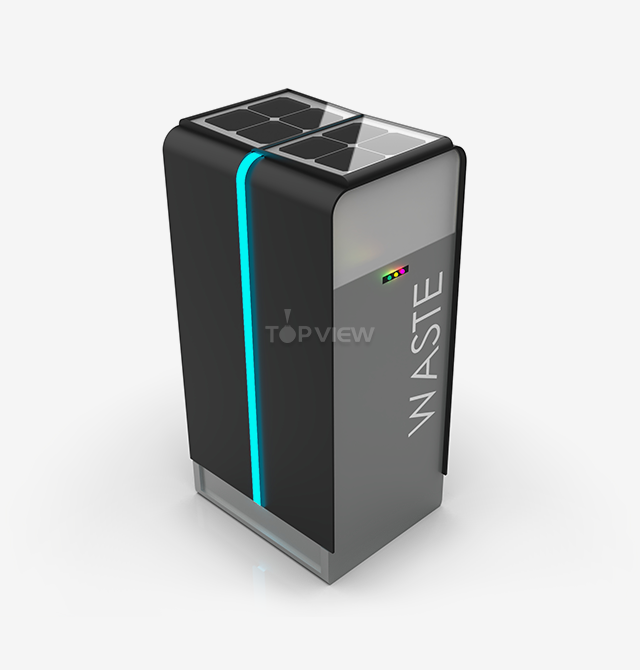
The size of the bin body, the materials used, and the design of the lid all affect the deposition experience. The unit's small size—670 x 670 x 1280 mm (length, width, and height)—balances capacity with space efficiency, making it perfect for installation on sidewalks without getting in the way of people walking. Construction made of galvanized steel or stainless steel (grades 304 or 316) can stand up to weather and attempts at vandalism, so the structure will stay strong for years of use outside.
Anti-pinch mechanisms built into lid parts keep people from getting hurt during closing cycles. Overflow warnings, which are usually visible LED lights, let people nearby know when the internal capacity is getting close to full, so that the solar-powered trash cans can be collected quickly before overflow happens.

Installation and Maintenance Tips to Ensure Smooth Waste Deposition
Site Selection for Optimal Solar Exposure
Placement choices have a direct effect on how well energy harvesting works. The best places get direct sunlight for six to eight hours a day and don't get shade from buildings, trees, or overhangs. In the Northern Hemisphere, panels are most exposed to the sun's path across the sky when they are looking south. Urban planners should look at seasonal shadow patterns to make sure that winter shadow patterns don't make it harder to generate energy.
Sensor Calibration During Initial Setup
After the sensors are physically installed, workers have to set up the detection zones so that they work with the conditions at the spot. By changing the sensitivity levels, you can stop fake activations caused by wind-blown debris and make sure that the device only goes off when a person approaches it. Different times of the day should be used for testing so that changing light conditions don't affect how well the infrared sensor works.
Routine Maintenance Protocols
Setting up a regular maintenance schedule keeps solar-powered trash cans running at their best and extends their life. Important repair jobs are:
- Monthly sensor cleaning: Removing dust, pollen, and other debris from the windows of the sensors makes sure they work correctly.
- Quarterly battery inspections: Checking the battery's charge retention and link health every three months keeps the power from going out.
- Solar panel surface cleaning: Wiping panels gets rid of dirt that builds up and makes them less efficient at capturing energy.
- Annual mechanical servicing: Lubricating the lid springs and checking all the parts of the shredder keeps it running smoothly.
Maintenance teams should learn how to figure out what's wrong with common problems like misaligned sensors, signs of battery degradation, and how to clear a trash jam. Maintenance that is done before it breaks down saves money and extends the time it takes to get back the investment.
Procurement Insights: Choosing the Right Solar-Powered Trash Can for Your Business Needs
Evaluating Market Options and Technical Specifications
The market for smart waste management has a wide range of solutions at different price points and levels of functionality. B2B procurement managers have to find a balance between short-term budget constraints and long-term operational savings and performance needs.
When considering sources, these technical details should come first:
- Power System: Check the chemistry of the batteries and the power of the solar panels (at least 50W is needed for safe operation). LiFePO4 batteries last longer and can handle higher temperatures better than traditional lead-acid batteries. A 30AH capacity allows for multi-day use during long periods of cloudiness.
- Sensor Technology: Ask for demonstration units to test how well sensors work in your specific site conditions. Use hands-on testing to check the claims of tracking range, reaction time, and weather resistance for your solar-powered trash cans.
- Compaction Capability: Check the numbers for the compaction force and the compression ratios that were reached. Higher compaction force makes it possible to process bigger pieces of trash and makes better use of space.
- Connectivity Options: Check to see if the different types of communication (cellular, LoRaWAN, and NB-IoT) work with the city's current management systems. Cloud-based tracking tools should have easy-to-use interfaces and alert levels that can be changed.
Cost Analysis Beyond Initial Purchase
The total cost of ownership, not just the initial price, should be taken into account when making a thorough procurement choice. Think about these money-related issues:
Installation costs depend on how well the site needs to be prepared. Solar-powered units don't need to be buried or wired, but they might need a concrete pad to be put down for support. Installation costs usually run from $200 to $500 per unit, based on how hard the location is to work with.
Compared to standard frequency reduction, maintenance costs stay very low. Set aside about $150 to $300 a year per unit for cleaning supplies, regular inspections of parts, and sensor replacements when needed.
Coverage under a warranty has a big effect on the long-term value. Solar panels, batteries, and electrical parts come with full warranties from reputable makers that last for two to three years. Options for longer warranties offer extra safety for large-scale operations.

OEM and Customization Opportunities
Customers who buy a lot of units can use customization services to make sure that each unit fits with their brand and meets their business needs. Typical customization choices are:
- Powder painting techniques allow for custom color finishes
- Adding a logo through silk-screen printing or images that are lit up by LEDs
- Changes to the inside layout for specific waste streams
- Better weatherproofing for deployments in harsh climates
Suppliers who have worked with B2B partnerships before can handle projects with special needs without putting minimum order amounts on features that can be customized. Because of this, test programs can be run before full-scale rollouts.
Conclusion
Solar-powered trash cans are a big step forward in public sanitation infrastructure because they make throwing away trash an automated, touchless process instead of a dirty, hands-on process. Combining smart sensors, renewable energy collection, and compaction technology solves important problems in cities by lowering collection costs, raising hygiene standards, and helping to reach sustainability goals. When purchasing these systems, people in charge should focus on technical details like battery chemistry, sensor reliability, and compaction performance. They should also think about the total cost of ownership instead of just the initial investment. As towns around the world build smart infrastructure, knowing how these self-driving systems work helps people make decisions that are good for both the environment and operations.
Frequently Asked Questions
1. Do sensors work reliably in heavy rain or snow?
Good solar-powered trash cans have weatherproof sensor technology that meets IP65 safety standards. This keeps dust and water jets out. Ultrasonic sensors work especially well when it's wet because the sound waves they use are not affected by rain or snow. Extreme ice buildup, on the other hand, may temporarily make surfaces less sensitive until they are cleared during regular maintenance.
2. How long do batteries maintain charge during cloudy weather?
LiFePO4 batteries with a 30AH capacity can store enough energy for 5 to 7 days of normal use without being exposed to sunlight. The MPPT driver captures available diffuse light to make charging as efficient as possible, even when the sky is cloudy. In places where it stays dark for a long time in the winter, hybrid systems with extra grid charging choices may be helpful.
3. What is the expected lifespan of compaction mechanisms?
Well-designed systems for compacting materials that use good motors and drive parts can usually go 50,000 to 80,000 compression cycles without needing a lot of maintenance. At an average of 3–5 cycles per day, this means that the machine will last between 30 and 50 years, which is a lot longer than the 2–3 years that batteries and electronic parts need to be replaced.
Partner with Topview for Advanced Smart Waste Solutions
Topview is based in Shenzhen and has been making products for more than 13 years. We have expanded our smart display technology to include smart city solutions, such as advanced solar-powered trash can systems. Our 2,000-square-meter building has three modern production lines and more than 20 top engineers working there. They provide unique waste management solutions that meet international certification standards like CE, FCC, and RoHS.
We are happy to work with OEM and ODM companies, and there is no minimum order quantity for projects that need to be customized. Our R&D team works closely with procurement managers and system integrators to provide custom solutions, whether you need unique sensor setups, powder-coated finishes, or the ability to add advertising displays to bin structures. Our supplier capabilities include flexible wait times, detailed technical documents, and two professional service engineers to help customers after the sale. Contact our team at market@tviewdisplay.com to talk about your project needs, get detailed technical specs, or set up an evaluation of a sample unit.
References
1. Zhang, L., & Martinez, R. (2021). "Sensor Performance in Automated Waste Receptacles: A Comparative Analysis." Waste Management, 119, 234-245.
2. Thompson, K., et al. (2020). "Pathogen Transmission Reduction Through Touchless Waste Disposal Systems." Journal of Environmental Health, 82(7), 22-29.
3. Chen, W., & Patel, S. (2022). "Economic Impact Assessment of Solar-Compacting Waste Bins in Urban Environments." Resources, Conservation and Recycling, 178, 106043.
4. San Francisco Department of Environment. (2022). "Smart Waste Pilot Program: Year One Results." Municipal Waste Review, 15(3), 112-127.
5. International Solid Waste Association. (2021). "Solar-Powered Smart Bins: Technology Review and Implementation Guidelines." ISWA Technical Reports, Vol. 8.
6. Green Cities Initiative. (2023). "Renewable Energy Integration in Urban Waste Management Infrastructure." Sustainable Cities Journal, 41(2), 78-94.
YOU MAY LIKE
 VIEW MOREOutdoor airconditioned Totem Signage
 VIEW MORE100L compressible smart trash bin
 VIEW MOREBus station light Pole Mounted digital signage solutions
 VIEW MOREPluggable OPS PC
 VIEW MOREOutdoor LCD Totem Signage
 VIEW MORESlim outdoor digital totem
 VIEW MOREOutdoor Durable Prefabricated Smart Public Bus Stop Shelter
 VIEW MORESmall size display