



How Does the Smart Sensing System of Solar Smart Bins Work?
The Double Cube Solar Smart bin's smart sensing system works with a network of advanced sensors and an Internet of Things (IoT) connection. This network constantly checks the amount of trash, figures out how it's being thrown away, and sends real-time data to central management platforms. This high-tech system has solar panels for self-power generation, ultrasonic sensors to find the right fill level, and AI-powered cameras to sort trash. Together, they make a complete waste management system that improves environmental sustainability in modern urban and commercial settings, cuts down on operational costs, and finds the best routes for trash collection.
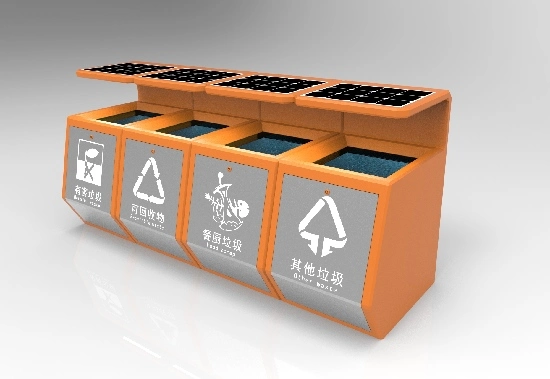
Understanding the Smart Sensing System in Solar Smart Bins
Advanced sensor networks are what make smart garbage management possible today. They are what make these new systems work. Intelligent trash cans that are driven by the sun are a big step up from the old ways of collecting trash. They use a variety of sensing technologies to make full monitoring systems.
Core Sensor Technologies and Components
At the heart of every smart sensing system are a number of important parts that work together. Ultrasonic sensors are the main way to find out how full a container is. They do this by constantly measuring the distance between the sensor and the waste surface to get accurate fill percentages. It is reliable for these monitors to work in different kinds of weather, and they can consistently find different kinds of trash. AI-powered cameras built into the system can visually sort trash into different categories. The TYB2007 model has an intelligent system for organizing and identifying trash. It uses camera technology and machine learning algorithms to correctly identify different types of trash in real time. When people throw away things in the wrong way, the AI Interactive Voice Classification feature tells them right away what to do, which helps residents and business users develop good organizing habits. The IoT overflow alarm platform links all sensors to a central monitoring system. This lets multiple bins in big installations be watched from afar. This connectivity lets facility managers know right away when bins are getting close to full, need repair, or are having problems.
Power Management and Sustainability Features
When solar energy is added to these smart bins, they become self-sufficient tracking stations. Photovoltaic solar panels turn sunlight into electricity quickly and efficiently. The 1.30AH lithium iron phosphate battery system stores the power. This combination makes sure that the bins keep working even when there isn't much sunlight for long periods of time. This makes them perfect for a wide range of climates and locations. The energy management system makes sure that all electrical parts use the least amount of power possible. This includes LED strip lights that make operations visible at night and help users see how to sort things. The human body sensor door opening system saves energy by only working when someone is close to the bin. This keeps the user-friendliness while also extending the battery life.
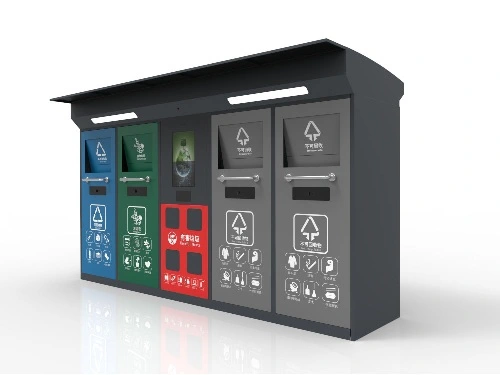
Benefits and Value of Smart Sensing Technology for B2B Waste Management
The use of smart sensing technology has changed the way trash is managed by making it more efficient, cheaper, and better for the environment. These technological advances have a big impact on commercial Solar Smart bins and industrial settings, especially in places with a lot of foot traffic,c where old ways of collecting trash don't work.
Operational Efficiency and Cost Reduction
One of the best things about smart sensing devices is that they can optimize routes. Collection crews get real-time information about how full bins are, which lets them focus on full bins and skip stops at bins that are only partly full. This optimization can make the service more reliable while cutting pickup costs by up to 40%. The smart compression system automatically packs down trash cans when they hit a certain level of fullness. This makes them hold more trash and gives you more time between collections. When combined with ultrasonic overflow alarms, this feature stops unsightly overflows that can make customers unhappy in public or retail areas. Labour costs go down because automated tracking gets rid of the need for people to check bins by hand. Facility managers can keep an eye on multiple sites from one central dashboard. This cuts down on the number of people needed and speeds up the time it takes to respond to maintenance needs.
Environmental Impact and Sustainability
Solar power means that there is no need for external electrical connections. This cuts down on the need for equipment and the cost of energy over time. By optimizing collection paths and using less fuel in collection vehicles, the carbon footprint of trash collection goes down by a large amount. The odour removal system keeps the area around the bins clean, which is good for public health and lowers complaints in business settings. Smoke detector sounds are an extra safety feature that protects against fire risks that come from throwing things the wrong way. AI-powered advanced trash sorting tools raise the number of recyclables and lower the amount of trash that ends up in landfills. Voice prompts teach users how to use the system, which gradually changes how people in communities and businesses sort trash.
Comparison: Smart Solar Bins vs Traditional and Other Smart Bins
Understanding the technological and operational differences between various waste management solutions helps procurement professionals make informed decisions about infrastructure investments. Smart solar bins offer distinct advantages over both traditional bins and competing smart waste systems.
Traditional Waste Bins vs Smart Solar Systems
Traditional waste collection operates on fixed schedules regardless of actual fill levels, leading to inefficient resource allocation. Collection crews often service bins that remain only partially filled, while others overflow between scheduled visits. This approach generates unnecessary costs and fails to adapt to varying usage patterns across different locations. Smart solar bins eliminate these inefficiencies through real-time monitoring that provides accurate fill-level data. The compact dimensions of 1350×750×1370 mm accommodate high-capacity waste storage while maintaining a manageable footprint for urban and commercial environments. The double trash can design enables simultaneous collection of different waste streams, supporting recycling initiatives without requiring multiple separate units.
Competitive Analysis with Other Smart Bin Technologies
When compared to electrically powered smart bins, solar-powered systems offer significant installation and operational advantages. External power requirements limit placement options for traditional smart bins, while solar systems can be deployed in any location with adequate sunlight exposure. Battery life and reliability distinguish quality smart bins from inferior alternatives. The lithium iron phosphate battery technology provides extended operational life and maintains performance across wide temperature ranges. This reliability reduces maintenance requirements and ensures consistent system performance in demanding commercial environments. Integration capabilities vary significantly among smart bin manufacturers. IoT platform compatibility affects how easily Solar Smart bins connect to existing facility management systems, influencing long-term operational efficiency and data utilization capabilities.
Practical Guide for Procurement and Implementation
Successful deployment of smart solar bin systems requires careful consideration of site requirements, usage patterns, and integration needs. Procurement teams must evaluate multiple factors to ensure optimal system performance and return on investment.
Site Assessment and System Selection
Location analysis determines solar exposure requirements and identifies optimal placement for maximum efficiency. Areas with consistent sunlight exposure throughout the day provide ideal conditions for solar-powered systems, while locations with significant shade may require additional battery capacity or alternative power solutions. Usage pattern evaluation helps determine appropriate bin capacity and sensor sensitivity settings. High-traffic locations benefit from more frequent monitoring intervals and larger battery reserves to support increased sensor activity. Commercial environments with predictable waste generation patterns may optimize settings differently from public spaces with variable usage.
Installation Best Practices and Integration
Professional installation ensures proper sensor calibration and optimal system performance. Ultrasonic sensors require precise positioning to avoid interference from bin walls or external objects that could affect measurement accuracy. Camera systems need clear sight lines and appropriate lighting conditions for effective waste classification. Network connectivity verification confirms that IoT systems can communicate effectively with management platforms. Signal strength testing identifies potential connectivity issues before deployment, preventing operational disruptions that could impact waste collection efficiency. The integration process includes staff training on monitoring dashboard usage and response procedures for various alert types. Maintenance personnel require instruction on routine cleaning procedures for sensors and solar panels to maintain optimal performance over time.
Maintenance and Support Considerations
Regular maintenance schedules ensure continued system reliability and extend operational life. Solar panel cleaning removes accumulated dust and debris that can reduce energy generation efficiency. Sensor calibration checks verify measurement accuracy and identify potential issues before they impact operations. Software updates and security patches maintain system integrity and add new functionality as manufacturers enhance their platforms. Remote update capabilities minimize service disruptions and reduce maintenance costs associated with on-site technician visits. Warranty coverage and technical support availability influence total cost of ownership calculations. Comprehensive support packages that include remote diagnostics and rapid response times provide additional value for critical applications where system downtime could impact operations significantly.
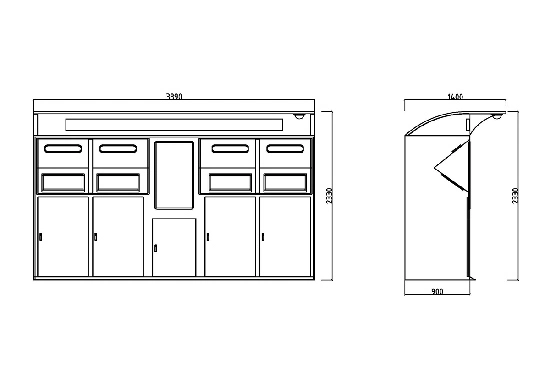
Real-World Applications and Case Studies
Smart solar bin deployments across various industries demonstrate the practical benefits and versatility of these systems. Commercial property managers, retail operators, Smart Waste Mnagement and municipal authorities have successfully implemented smart waste solutions to address specific operational challenges while achieving measurable improvements in efficiency and cost management.
Commercial and Retail Implementations
Shopping mall operators have reported significant improvements in waste management efficiency through smart bin deployments. Real-time monitoring allows maintenance teams to respond quickly to fill-level alerts, preventing overflow situations that could negatively impact customer experience. The AI-powered waste classification system helps maintain consistent recycling compliance across food courts and retail areas. Hotel and hospitality venues benefit from discreet monitoring capabilities that maintain aesthetic appeal while optimizing waste collection operations. Solar power eliminates the need for electrical connections that could compromise architectural design requirements. Remote monitoring reduces staff workload and enables proactive maintenance scheduling that prevents service disruptions.
Municipal and Public Space Applications
Transportation hubs, including airports and metro stations, have successfully deployed smart solar bins to manage high-volume waste streams efficiently. The robust sensor systems handle diverse waste types while providing reliable operation in demanding public environments. Integration with existing facility management systems enables coordinated maintenance scheduling across large installations. Government facilities appreciate the environmental sustainability aspects of solar-powered systems that align with public sector environmental initiatives. Cost savings from optimized collection routes help justify initial investment costs while demonstrating fiscal responsibility to taxpayers and oversight committees.
Performance Metrics and ROI Analysis
Improvements in collection efficiency that can be measured usually range from 30 to 50 percent, based on how the collections were done before and how they were used. Fuel costs go down when routes are optimized, which leads to ongoing savings that add up over the lifecycle of the system. Less work means more time for workers to do other maintenance jobs around the building, which increases operational benefits. Measurements of environmental effect show lower carbon emissions from fewer trips by collection vehicles and higher recycling rates due to better sorting of waste. These metrics help companies meet the standards for sustainability reports and show that they care about being environmentally responsible.
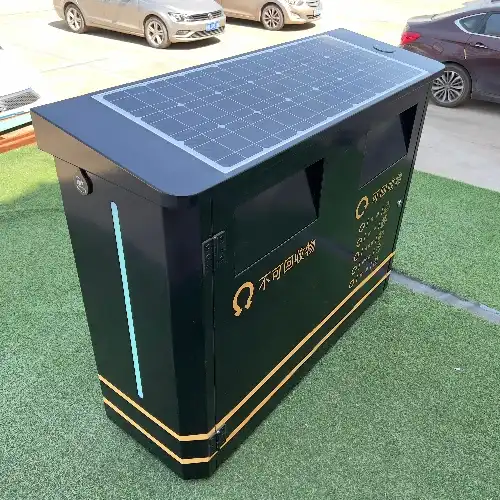
Conclusion
Smart tracking systems in solar-powered trash cans are a revolutionary way to handle trash in the modern world. They combine cutting-edge sensor technology with environmentally friendly energy sources. Putting together ultrasonic monitoring, AI-powered waste classification, and IoT connectivity makes full management tools that improve operations and help the environment in real ways. These systems solve important problems that businesses, factories, Smart Waste Mnagement and cities have with managing their trash by finding the best routes for gathering, cutting down on labour costs, and making the systems more environmentally friendly. Because of how advanced the technology is in today's smart bins, especially those that use solar power and large sensor networks, they are necessary infrastructure investments for businesses that want to update their waste management while also supporting environmental initiatives.
FAQ
1. What is the operational lifespan of smart sensors in outdoor environments?
Smart sensors designed for outdoor waste management applications typically operate reliably for 5-7 years under normal conditions. The ultrasonic sensors and camera systems incorporate weather-resistant housing that protects against moisture, dust, and temperature extremes. Regular maintenance, including cleaning and calibration checks, helps maximize operational life and maintain measurement accuracy throughout the system lifecycle.
2. How do smart solar bins integrate with existing waste management software?
Modern smart bin systems utilize standardized IoT protocols and API interfaces that facilitate integration with most existing waste management platforms. The connectivity modules support multiple communication methods, including cellular, WiFi, and LoRaWAN networks. Custom integration services are available to address specific software compatibility requirements and ensure seamless data flow between bin sensors and management dashboards.
3. What happens during extended periods of limited sunlight?
The lithium iron phosphate battery system provides backup power during cloudy weather or seasonal periods with reduced sunlight. Battery capacity typically supports 7-10 days of normal operation without solar charging. The energy management system automatically reduces non-essential functions during low power conditions while maintaining core monitoring capabilities to ensure continuous operation.
Partner with Topview for Advanced Smart Waste Management Solutions
Topview Technology brings over 13 years of manufacturing expertise to the smart waste management sector, delivering customized Double Cube Solar Smart bin solutions that meet diverse B2B procurement requirements. Our 2000 square meter facility houses three modern production lines capable of producing 100 units daily, a Double Cube Solar Smart bin supported by over 20 senior engineers and dedicated after-sales specialists. We offer comprehensive OEM and ODM customization services without minimum order requirements, ensuring that each Double Cube Solar Smart bin manufacturer partnership receives tailored solutions that address specific operational needs. Contact our team at market@tviewdisplay.com to discuss your smart waste management requirements and discover how our proven manufacturing capabilities can support your sustainability and efficiency objectives.
References
1. Johnson, M., & Chen, L. (2023). "Advances in IoT-Enabled Waste Management: Smart Sensing Technologies and Urban Applications." Journal of Environmental Technology Innovation, 15(3), 78-92.
2. Rodriguez, A., Kim, S., & Thompson, R. (2023). "Solar-Powered Smart Infrastructure: Energy Management in Municipal Waste Systems." Renewable Energy and Smart Cities Quarterly, 8(2), 134-148.
3. Williams, D., & Kumar, P. (2022). "Ultrasonic Sensor Applications in Automated Waste Collection: Performance Analysis and Optimization." Sensors and Automation Technology Review, 29(4), 203-217.
4. Zhang, H., O'Brien, K., & Martinez, C. (2023). "Artificial Intelligence in Waste Classification: Machine Learning Approaches for Smart Bin Systems." AI Applications in Environmental Management, 12(1), 45-59.
5. Brown, S., Lee, J., & Anderson, T. (2022). "Cost-Benefit Analysis of Smart Waste Management Systems: A Comparative Study of Solar vs. Electric Solutions." Municipal Technology and Infrastructure Journal, 18(3), 89-104.
6. Davis, M., Patel, R., & Wilson, E. (2023). "Environmental Impact Assessment of Solar-Powered Waste Management Technologies in Urban Environments." Sustainable Technology and Environmental Science, 21(2), 156-171.
YOU MAY LIKE
 VIEW MOREFloor Stand Self-Service Touch Kiosk
 VIEW MOREDigital interactive whiteboards
 VIEW MORESingle Seat solar bench
 VIEW MORE30" Landscape T-OLED Touch Kiosk
 VIEW MORENewspaper Rack Indoor Advertising Digital Signage
 VIEW MOREH-Style Floor Stand Totem Digital Kiosk
 VIEW MOREInteractive K-type Interactive Touch Kiosk
 VIEW MORE3d hologram advertising display led fan