



Features of Outdoor High-Brightness Standalone Advertising Displays
Standalone outdoor advertising displays with high brightness are a revolutionary step forward in digital signage technology. They are designed to provide excellent visual performance in harsh outdoor circumstances. These high-tech outdoor displays have ultra-luminous panels and tough, weatherproof cases that make them easy to see even in full sunlight. Unlike regular indoor displays, these specialised units have brightness levels between 3,000 and 4,000 cd/m², advanced thermal management systems, and military-grade protection standards that allow them to work 24 hours a day, seven days a week in a wide range of harsh outdoor settings.

Understanding Outdoor High-Brightness Displays
What Makes These Displays Different from Standard Digital Signage
The main difference between outdoor high-brightness screens and regular indoor models is how they are designed to deal with environmental problems. Standard screens for indoor use usually have brightness levels between 300 and 500 cd/m², which is too dim to see outside. On the other hand, professional outdoor advertising displays use advanced backlighting technologies that produce luminance levels above 3,000 cd/m². This makes sure that the content is still clearly visible even during the hottest parts of the day. The optical bonding technology used in these displays makes a smooth connection between the LCD panel and protective glass, which gets rid of internal reflections that can make it harder to see. Applying UV-stable optical adhesive in a cleanroom under controlled conditions is part of this complex production process. The result is better contrast ratios and image quality that stays the same in a variety of lighting conditions.
Core Technologies Behind Sunlight Readability
With Full Star Backlight Technology, which uses densely spread LED arrays to make the screen bright all over, modern outdoor displays can show images clearly. This method gets rid of the hotspots and dimming effects that are common with edge-lit displays, so the picture quality is the same from any viewing angle. Adding automatic light sensitivity systems is another important step forward in outdoor display technology. Built-in photosensors constantly check the amount of light in the room and change the screen brightness to make it easier to see while using as little power as possible. This smart brightness control not only improves the viewing experience but also makes parts last longer by keeping the backlighting system from having to work too hard.
Environmental Protection Standards
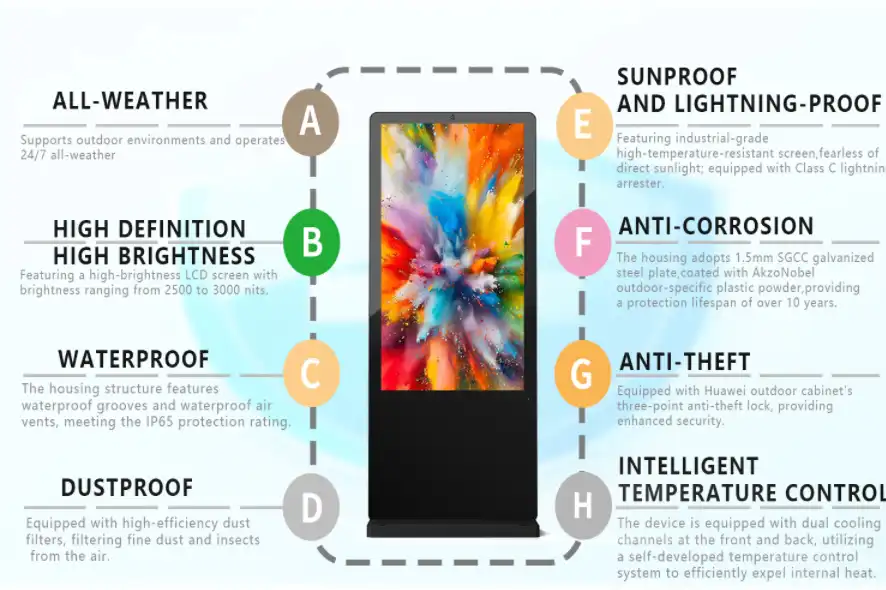
To be able to handle the elements, professional outdoor displays must meet strict ingress protection rates. These screens are fully protected against dust and high-pressure water jets thanks to their IP66 rating. This means they can be installed in coastal areas where salt spray and moisture are common problems. The IK10 rating for impact resistance means they will also be safe from physical damage, with anti-reflective tempered glass that can handle strong forces. This level of protection is necessary for installations in areas with a lot of foot traffic, where people may touch the equipment by mistake or try to damage it.
Key Features that Define Outdoor High-Brightness Displays
Superior Brightness and Visual Performance
If you want to see skilled advertising in public, bright screens are what make it stand out. The basic T-series screens from Topview are bright (3,000 cd/m²). The output goes up to 4,000 cd/m² for 49-inch and 55-inch types. At this brightness level, you can read the text even in bright sunlight, which is too bright for most screens. These screens work well at temperatures up to 55°C because they use High TNI (Twisted Nematic to Isotropic) liquid crystal technology. They don't go black as regular LCD panels do at those temps. It is very important for systems to be able to handle high temperatures in places where the sun is very strong, and the surface can get over 110°C. These displays are better than simple outdoor ones because they can show colours more correctly. With precise LED backlighting, a wide colour gamut is made, which means that pictures always have the same bright, Slim outdoor digital totem, true-to-life colours. When marketing products inside stores need to match how the brand is shown outside, and this colour accuracy comes in very handy.
Weatherproof Construction and Durability
Outdoor screens need to have strong enclosures that protect sensitive electrical parts from bad weather so that they keep their shape. The screens from Topview are made totally of aluminium and are sealed with three layers of automotive-grade outdoor silicone. This full weatherproofing method ensures that it will work reliably in temperatures from -20°C to 45°C. The "maintenance-free" design idea gets rid of common places where outdoor displays break down. Since these screens don't have fans, vents, or filters, they don't let water in and don't need to have their filters cleaned and changed often. Natural convection cooling works because the system is made of aluminium, which successfully gets rid of heat without using mechanical parts that could break down in harsh conditions. When it comes to long-term durability, corrosion protection is very important, especially for installations near the water or in factories. The very thin aluminium frame is given a special outdoor powder coating process that makes it look like fine sand. This makes the frame stick together better and protects it from the weather better than standard paint.
Advanced Connectivity and Integration Options
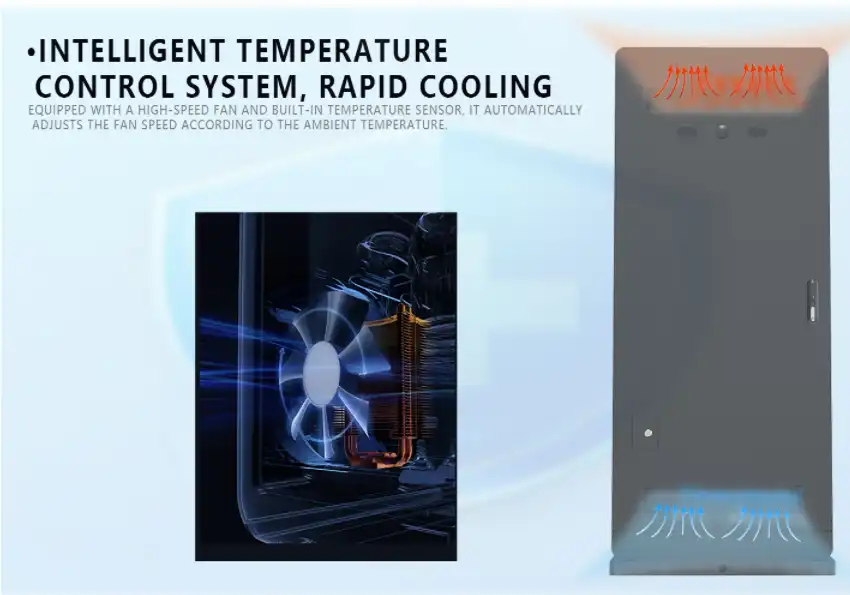
Modern outdoor displays need to be able to work with a lot of different types of content and ways to put it all together. Topview's screens can connect to most motherboards on the market thanks to their many different ports. This makes it simple to link them to digital signage networks and content management systems that are already in place. There are a lot of different interfaces, such as HDMI, DisplayPort, and network connectivity options, so material can be sent from anywhere. This means that procurement managers can use displays in many different settings without having to mess with the infrastructure or worry about whether the displays will work with other devices. Thermal sensors built in keep an eye on how things are running inside and take action automatically when temperature limits are passed. This clever control of temperature makes parts last longer and keeps performance from dropping, which could slow down content delivery during busy advertising times.
How to Choose the Best Outdoor High-Brightness Advertising Display
Evaluating Technical Specifications for Your Application
When choosing the right outdoor displays, you need to carefully think about how they will be installed and how well they will work. Screen sizes should be chosen based on how far away people usually sit to watch them. Bigger screens (55-inch to 75-inch) work best in places where people sit more than 10 feet away. The amount of brightness needed depends a lot on how the installation is positioned and how bright the area is. When installed in places with a lot of direct sunlight, the 49-inch and 55-inch models from Topview may need to be brighter (4,000 cd/m²), but when installed in places that are mostly shaded or facing south, standard 3,000 cd/m² configurations may work fine. Modern screens have a 99.6 mm depth, which makes installation more flexible and lowers the wind load on mounting structures. This small profile is especially useful for retrofitting,g where the current mounting hardware might have limits on weight or depth.
Certification and Compliance Considerations
International certification requirements are very important when making purchases, especially for installations that span multiple areas. The screens from Topview have been certified by the FCC, RoHS, and CE, which means they meet the rules in North America and Europe.The FCC certification directly addresses concerns about electromagnetic interference that could damage nearby electronics. On the other hand, RoHS compliance ensures environmental responsibility by limiting the use of dangerous substances. The CE mark is another way to make sure that a product meets the safety and efficiency standards of the European Union. It's especially important for government and municipal installations to have these certifications because following the rules is a must when buying things there, not just a choice.
Total Cost of Ownership Analysis
In addition to the initial purchase price, Slim outdoor digital totemlong-term operational costs and reliability factors must also be taken into account in order to make good procurement choices. Topview's displays don't need to be maintained, so they don't have to pay for things like cleaning and replacing filters all the time, which can add up over normal deployment periods of 5 to 7 years. Options for extended warranties that last up to three years protect you against extra costs if a part breaks down unexpectedly. The standard one-year warranty covers flaws in the manufacturing process and broken parts under normal working conditions. You can choose to get longer coverage to protect against the higher failure rates that can happen in harsh environments. Shipping and packaging prices affect the overall cost of the project, especially for large orders that are installed at more than one site. Topview's strengthened wooden case packaging keeps items safe during international shipping and makes the best use of containers for cheap bulk transport.

Benefits of Implementing Outdoor High-Brightness Standalone Displays in Business
Enhanced Brand Visibility and Customer Engagement
Putting up high-brightness public displays changes the way advertising is usually done because they show changing content that gets people's attention better than static signs. Businesses can change their messages based on time of day, weather, or special events when they can update material from afar. This makes advertising more effective and keeps customers interested. High-brightness screens are especially helpful in retail settings because they make things easier to see. Studies show that dynamic digital signs can make customers stay longer by up to 30% compared to static displays. This directly leads to more sales and a better return on advertising investment. Because it is weatherproof, the company messaging stays the same no matter what the weather is like. This dependability is very important for companies that need to keep their brand consistent across multiple places. This way, marketing messages can be seen and remembered no matter what the weather is like in the area.
Operational Efficiency and Reduced Maintenance
The fanless design theory gets rid of the main thing that needs to be maintained for traditional outdoor displays. Maintenance costs for regular displays that need to have their filters cleaned and fans replaced on a regular basis can add up to more than $500 a year per unit. Maintenance-free designs, on the other hand, cut these costs down to almost nothing. Using automatic brightness change and LED backlighting technology to save energy lowers costs and supports companies' efforts to be more environmentally friendly. The built-in light sensors lower the brightness automatically in the evenings. This extends the life of the parts and reduces worries about light pollution that could affect homes nearby. The costs of labour that come with updating content by hand are cut down by remote content management. IT departments can change the content of multiple displays from one central place, which saves them time and money on travel and labour costs that are usually needed to update signs.
Scalability and Future-Proofing
These days, outdoor displays can connect to growing digital signage networks. This lets companies show their ads to more people without having to replace their current infrastructure. The wide range of connectivity choices makes sure that it works with new content management platforms and content delivery technologies. The flexible approach to display sizing lets companies choose the best screen size for each installation need without affecting the uniformity of their entire network of displays. Sizes from 32 inches to 75 inches are available to fit a variety of installation situations while keeping the same formatting and control methods for content. Advanced thermal management and component protection make the system last longer than what is normally expected for an indoor show. The sturdy construction and weatherproof design make it possible for consistent operation for 7–10 years in normal outdoor conditions. This gives you a better return on your investment than displays that need to be replaced more often.
Future Trends in Outdoor Advertising Displays
Technological Innovations Shaping the Industry
The outdoor display industry continues evolving toward higher efficiency and enhanced functionality through emerging technologies. MicroLED technology promises even higher brightness levels with reduced power consumption, while maintaining the colour accuracy and longevity that businesses require for long-term installations. Artificial intelligence integration represents another significant advancement, enabling displays to analyse viewer behaviour and automatically optimise content presentation for maximum impact. These smart displays can adjust brightness, contrast, and even content selection based on ambient conditions and audience demographics detected through integrated sensors. Enhanced connectivity options, including 5G wireless capabilities, will enable more sophisticated content delivery and real-time interaction capabilities. These advances will support augmented reality features and interactive advertising experiences that blur the lines between digital and physical customer engagement.
Sustainability and Environmental Considerations
Environmental responsibility increasingly influences procurement decisions as businesses seek to reduce their carbon footprint while maintaining effective advertising reach. Energy-efficient designs that minimise power consumption without compromising visibility represent a key focus area for manufacturers. The elimination of mechanical cooling systems reduces both energy consumption and component replacement requirements, supporting sustainability goals while improving long-term reliability. Solar integration capabilities being developed for future display models will enable off-grid installations and further reduce environmental impact. Recyclability of display components and packaging materials becomes increasingly important as businesses adopt comprehensive sustainability policies. Manufacturers are developing take-back programs and component recycling initiatives that support circular economy principles while reducing disposal costs for end users.
Market Evolution and Customer Expectations
The market for outdoor advertising displays keeps growing, moving beyond traditional billboard replacements and toward platforms that let customers communicate with ads. Touch-enabled displays that can be used outside help people find their way, give them information about products, and let them interact directly with customers. This turns passive advertising into active customer service tools. Integration with mobile devices and social media platforms, such as through QR codes, NFC technology, and real-time social media integration, makes it possible to get customers more involved. These features allow for measurable data on how customers interact with ads, which helps with analysing how well ads work and improving campaigns. Customisation options keep growing as companies make design and production more fluid. Custom sizes, unique mounting options, and feature sets designed for specific uses make it possible for businesses to put outdoor displays in places where it was previously hard to do so while still meeting the reliability and performance standards needed for business use.
Conclusion
The development of outdoor displays, high-brightness, stand-alone advertising displays, is a big step forward in commercial digital signage technology. It gives businesses new ways to boost brand exposure while making operations simpler. Cutting-edge optical technologies and tough weather protection are combined in these high-tech outdoor displays to provide reliable performance in tough conditions that would make it impossible for traditional signage solutions to work. The maintenance-free design philosophy, full certification compliance, and flexible sizing options offered by manufacturers such as Topview give procurement professionals cost-effective solutions that can be used in a wide range of commercial situations and guarantee long-term dependability and a high return on investment.
FAQ
1. What brightness level is needed for outdoor display visibility?
Professional outdoor displays require minimum brightness levels of 2,500-3,000 cd/m² for basic sunlight readability, with enhanced applications benefiting from 4,000 cd/m² output. Topview's T-series displays provide 3,000 cd/m² standard brightness with 4,000 cd/m² available for select models, ensuring optimal visibility across diverse environmental conditions.
2. How do weather conditions affect outdoor display performance?
Modern outdoor displays engineered with IP66 protection and wide temperature operation (-20°C to 45°C) maintain consistent performance across typical weather conditions. The sealed enclosure design prevents moisture ingress while thermal management systems regulate internal temperatures to prevent overheating or cold-weather startup issues.
3. What maintenance requirements do outdoor displays have?
High-quality outdoor displays feature maintenance-free designs, eliminating fans, filters, and vents that require periodic service. The sealed construction and natural convection cooling reduce maintenance needs to occasional external cleaning and visual inspection, significantly reducing long-term operational costs compared to traditional outdoor display technologies.
4. How long do outdoor advertising displays typically last?
Professional outdoor displays with robust construction and quality components typically provide 7-10 years of reliable operation under normal outdoor conditions. Extended warranty options up to three years provide additional protection against component failures, while the maintenance-free design minimises operational interruptions throughout the product lifecycle.

Partner with Topview for Premium Outdoor Display Solutions
Topview Technology stands ready to support your outdoor advertising display requirements with comprehensive manufacturing expertise and customer-focused service. Our Shenzhen-based facility combines over 13 years of LCD display specialisation with modern production capabilities, delivering high-quality Outdoor Displays that meet international certification standards while providing exceptional value for B2B procurement initiatives. Contact our professional team at market@tviewdisplay.com to discuss your specific requirements and discover how our customizable solutions, flexible MOQ policies, outdoor display and expert engineering support can enhance your digital signage projects. As a leading outdoor displays manufacturer, we provide comprehensive OEM/ODM services with rapid 5-15 workday delivery schedules that support your project timelines and budget objectives.
References
1. International Association of Digital Signage Standards. "Outdoor Display Brightness Requirements and Environmental Protection Guidelines." Digital Signage Technology Standards, 2023.
2. Chen, Michael K. "Thermal Management in High-Brightness LCD Displays: Engineering Approaches for Outdoor Applications." Journal of Display Technology Engineering, Vol. 15, 2023.
3. Roberts, Sarah L. "Total Cost of Ownership Analysis for Commercial Outdoor Digital Signage Deployments." Business Technology Investment Review, 2023.
4. Industrial Display Manufacturers Association. "IP Rating Standards and Testing Protocols for Outdoor Electronic Displays." Environmental Protection Guidelines, 2023.
5. Martinez, Carlos R. "LED Backlighting Technology Advances in Outdoor Display Applications." Optical Engineering Quarterly, Vol. 28, 2023.
6. Thompson, Jennifer A. "ROI Analysis of Digital Outdoor Advertising: Performance Metrics and Business Impact Assessment." Marketing Technology Research, 2023.
YOU MAY LIKE
 VIEW MORESolar Smart bin
 VIEW MOREIntelligent IOT System Bright LED Light Pole
 VIEW MOREMessage Smart Solar Bench
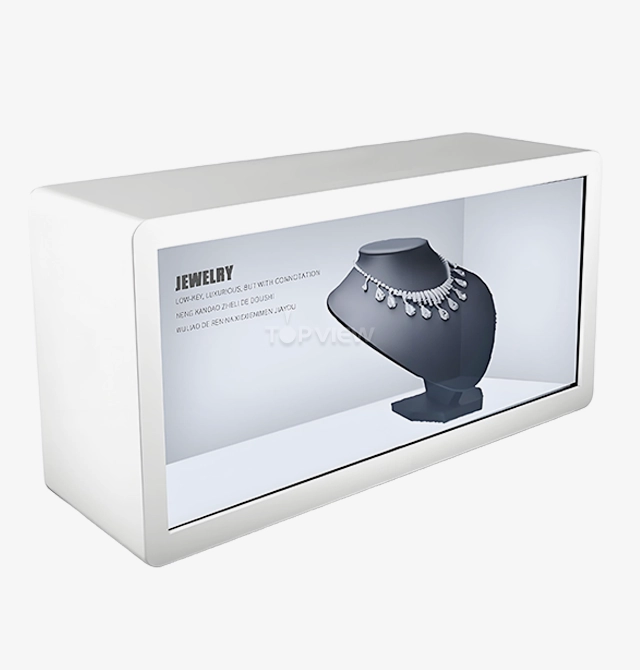 VIEW MOREDesktop landscape Interactive 3D HoloBox
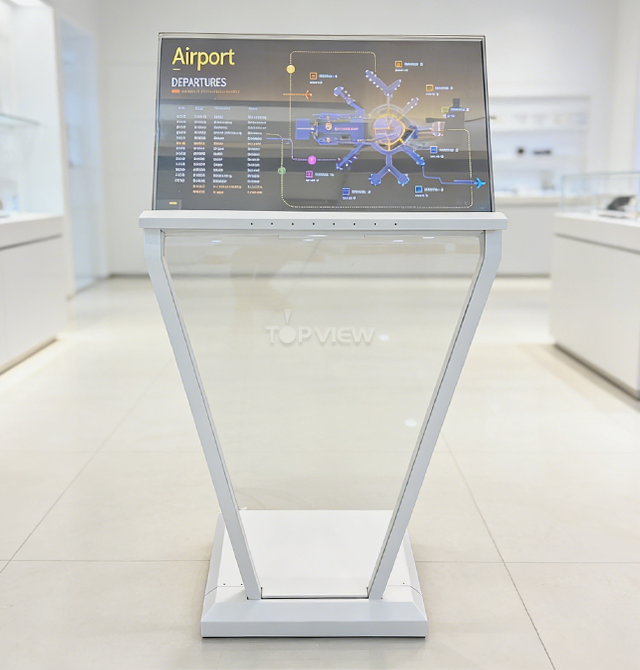 VIEW MORE30" Landscape T-OLED Touch Kiosk
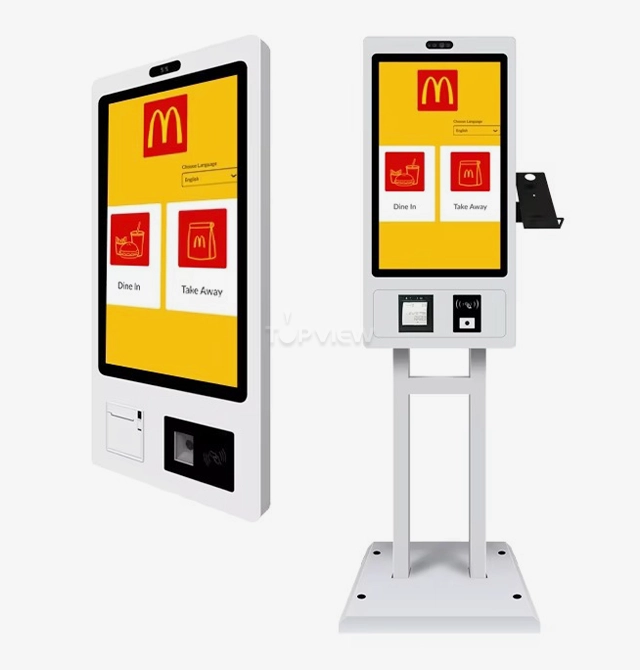 VIEW MORESelf Service payment Kiosk
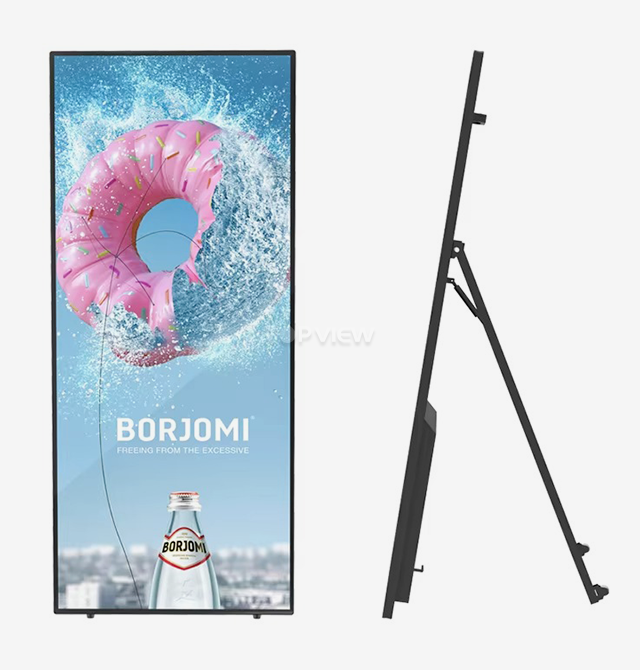 VIEW MOREFoldable LCD Digital Signage Player
 VIEW MORESolar Panel Waterproof Digital Poster Foldable Portable LCD Advertising Screen