



Key Features and Applications of Outdoor High-Brightness LCD Displays
Outdoor Displays are a huge step forward in digital sign technology. They are specially designed to work well in outdoor settings and handle the challenges that come with them. For reliable operation in direct sunlight, extreme temperatures, and bad weather, these specialised screens blend ultra-high brightness, weatherproof construction, and the latest display technologies. Modern outdoor high-brightness LCD displays have brightness levels higher than 3,000 nits, IP65-rated enclosures and smart cooling systems that allow them to work continuously in a wide range of business settings, from transport hubs to retail advertising.
Understanding Outdoor High-Brightness LCD Displays
Through the development of outdoor digital signage, businesses can now connect with their customers in all kinds of bad weather. When used outside, outdoor high-brightness LCD displays are complex technical solutions that get around the basic problems that come with using regular indoor screens.
Advanced Display Technology Architecture
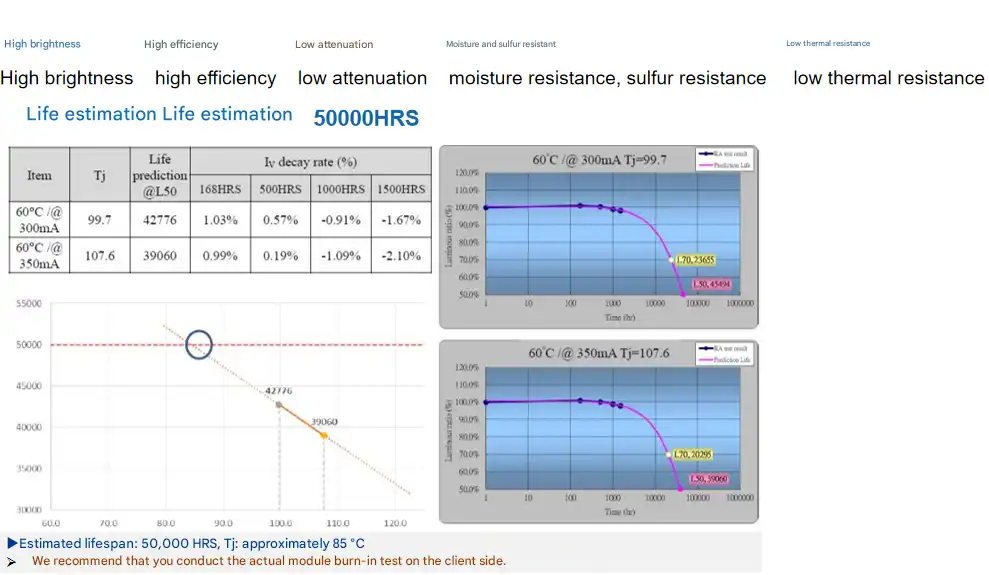
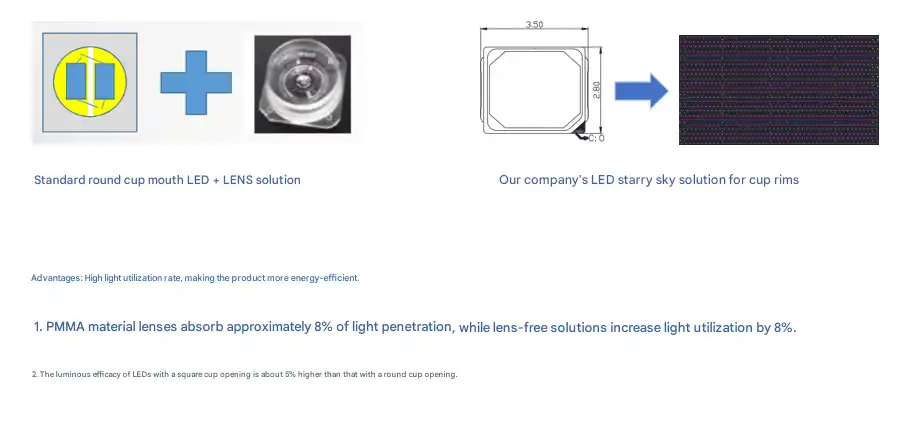
Outdoor high-brightness screens are different from regular LCD panels because they have special backlighting systems that make them much brighter. The main part of the technology uses LED backlighting panels that are designed to give off the most light while using the least amount of energy. The brightness of these systems is usually between 1,500 and 5,000 nits, and our premium models, the TD32OD through T75OD series, can reach 3,000 nits, which is about five times brighter than regular indoor displays. The display architecture includes advanced local dimming capabilities with full array implementation. This technology changes the backlighting in real time based on what's being shown. This gives you better brightness ratios while using less power. By stopping unnecessary backlighting in dark image areas, the intelligent dimming system improves the life of the display. This makes these solutions both cost-effective and good for the environment.
Environmental Protection and Durability
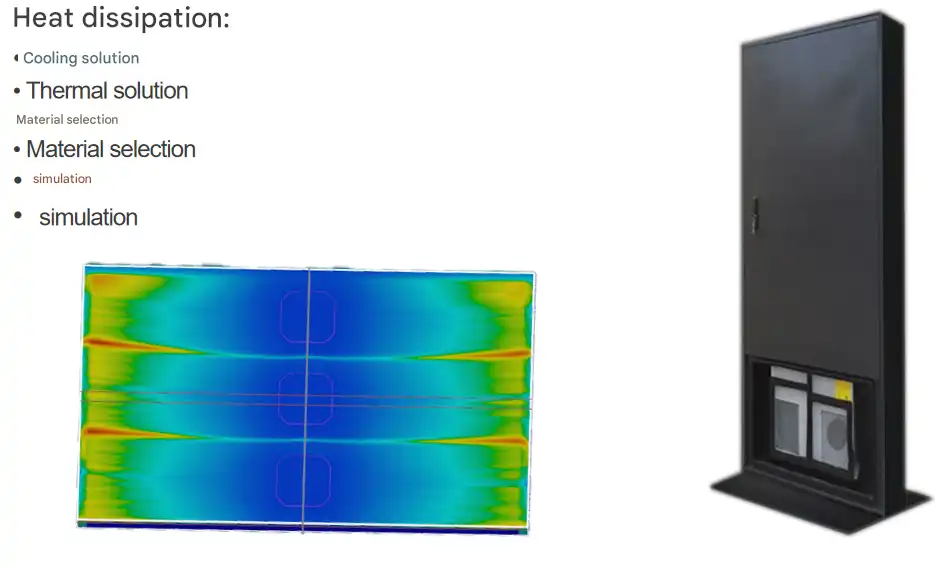
Professional outdoor screens have to be able to handle harsh conditions that would break regular electronics. The engineering method focuses on protecting against all of these things: water, dust, UV light, and changes in temperature. Enclosures with an IP65 rating completely block water and dust, so they will work reliably even when it's raining or dusty outside. Temperature control systems are important for outdoor displays to last and work well. Modern models have two ways of cooling: fast fan systems for places where it's hot, and built-in PTC heaters for places where it's cold. Positive Temperature Coefficient (PTC) heaters are safer than traditional heating elements because they control the temperature on their own, so there is no risk of burning. Temperature sensors constantly check the conditions inside, and if necessary, they turn on heating or cooling systems to keep things running at their best.
Essential Features That Define Outdoor High-Brightness LCD Displays
The features that set professional outdoor screens apart include a number of new technologies that are meant to make sure they work reliably in a wide range of situations and environments.
Ultra-High Brightness and Visibility
Professional outdoor displays are very easy to see because they use advanced brightness technologies that keep the text readable in strong sunlight. The 3,000 nits brightness output of our TD series screens makes them easy to see even during the hottest parts of the day. The ability to make the screen very bright is paired with automatic brightness control systems that use ambient light sensors to make the best use of the display's output based on the lighting conditions around it.
Here are the main features that make professional outdoor screens stand out when it comes to managing brightness:
- Ambient Light Sensing: Intelligent sensors continuously monitor environmental light levels and automatically adjust display brightness to maintain optimal visibility while conserving energy
- Dynamic Brightness Control: Advanced algorithms optimise brightness distribution across the display surface, enhancing contrast and reducing power consumption during varied lighting conditions
- Anti-Glare Technologies: Specialised surface treatments minimise reflections and glare, ensuring consistent readability from multiple viewing angles
These technologies for managing brightness work together to improve viewing performance and extend the life of displays by smartly reducing power use.
Weather Resistance and Build Quality
Professional screens that are put outside have full weather protection systems that make them work reliably in all kinds of weather. Combining advanced materials science with smart design, the engineering method makes displays that can withstand severe weather. The IP65 rating is the industry standard for protecting outdoor electronics, guaranteeing complete protection against dust intrusion and water jets from any direction. This amount of protection makes sure that displays keep working even when bad weather like heavy rain, snow, Outdoor Totem Signage and flying objects are present. The materials used for the covering are UV-resistant polymers and metals that don't rust, so the structure stays strong even after being in the sun and changing temperatures for a long time.
Dual-Sided Display Capabilities
Modern public displays can be set up in a variety of ways on both sides, making them more useful for advertising and more efficient to run. The two-sided feature lets you control the content of each display face separately, so you can send different messages to different groups of people or direct traffic flow. This feature is especially helpful in places like transportation hubs, stores, and advertising displays, where people can see things from different angles and need different materials to be delivered.
Strategic Applications of Outdoor High-Brightness LCD Displays in B2B Markets
Because outdoor high-brightness displays are so flexible, they can be used in a wide range of industries. Each one benefits from its own set of features that meet operating needs and audience engagement goals.
Advertising and Media Applications
Digital advertising has changed outdoor marketing by letting campaigns be managed in real time and dynamic material to be delivered. Advertising agencies and media companies can use high-brightness LCD displays to make ads that are effective and can be seen during the day. Even when the sun is shining brightly, the high brightness output makes sure that ads stay bright and catchy. Transit advertising is a particularly profitable use case where outdoor screens give audiences continuous exposure. Airports, tube stops and bus terminals all benefit from displays that can be read in a variety of lighting conditions and can handle the demands of working in busy places. Being able to change material from afar makes it possible to optimise campaigns in real time and use dynamic pricing strategies that bring in the most money from ads.
Retail and Commercial Property Enhancement
Outdoor displays are used in stores to make shopping more fun for customers, which brings more people into the store and raises the exposure of the brand. Large, bright screens are used for advertising, guiding customers, and keeping customers interested in shopping centres and store chains. The weatherproof design makes sure that it works consistently no matter what the weather is like, so customers can always get in touch. Commercial property developers see outdoor displays as valuable extras that make properties more appealing and bring in extra money. In competitive real estate markets, being able to change the layout of displays and add labelled elements makes it easier to stand out.
Industrial and Transportation Infrastructure
It is important for transport hubs to have information displays that are steady and always work, even when it rains. Outside signs are useful in metro systems, train stops, and airports as they help people find their way and let emergency services know what's going on. No matter how bright it is, the tough design and high clarity make sure that you can see and get to important information. Industrial sites use outdoor screens to communicate safety messages, keep an eye on operations, and keep track of visitors. Facility management is more efficient and follows safety rules better when it works with existing control systems and shows real-time operating data.
How to Choose the Right Outdoor High-Brightness LCD Display for Your Business
To choose the best outdoor display option, you need to carefully consider technical requirements, environmental needs, and operational goals. When making a choice, people should think about both short-term needs and long-term upkeep and scalability.
Technical Specification Analysis
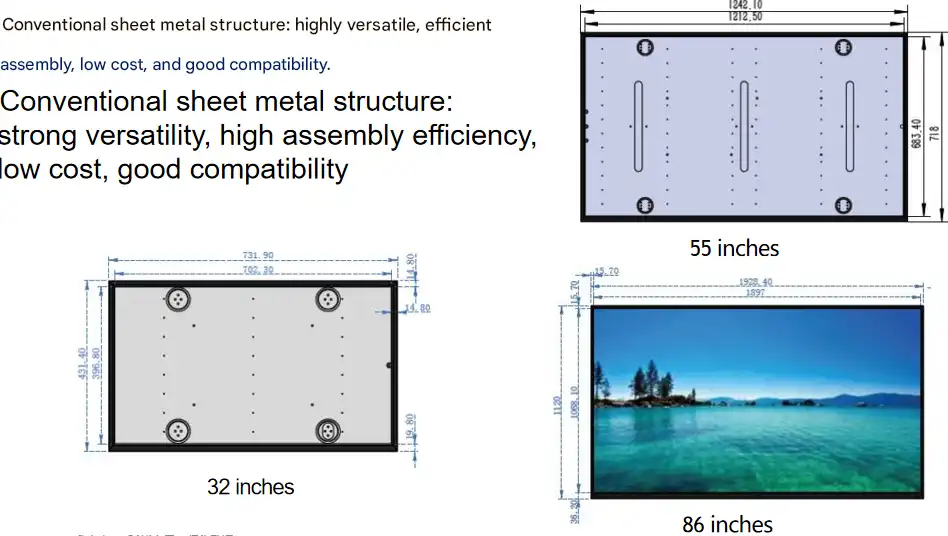
Understanding the connection between technical skills and application needs is the first step in choosing a good display. For outdoor uses, brightness output is the most important specification, and the minimum needs depend on where the screen is installed and how it is being viewed. Displays that will be in full sunlight need brightness levels higher than 2,500 nits. Installations that will be partially shaded may be able to get by with lower brightness levels. Choosing a screen size relies on how far away you want to look at it and what your audience needs. Our TD series comes in a wide range of sizes, from 32 inches to 75 inches, Outdoor Totem Signage, so it can be used in a wide range of situations, from close-up store settings to large-scale advertising installations. Resolution needs should be based on the type of content and the viewing distance. For close-up applications, better resolutions offer more detail.
Operating System and Integration Capabilities
Modern outdoor screens come with a variety of operating systems, such as Android OS, Windows OS, and custom TV board configurations. Android-based systems work well with mobile apps and cloud-based content management platforms, and Windows support makes sure that they can be easily added to your current IT setup. When choosing an operating system, you should think about how much technical help you need, how easy it is to integrate, and how much content management you need.
Supplier Evaluation and Partnership Considerations
For an outdoor display to work well, the supplier needs to be carefully evaluated in terms of their manufacturing skills, quality control methods, and long-term support commitments. Some important things to look at when judging a product are its production capacity, international certifications, warranty coverage, and availability of technical help. The quality of the manufacturing directly affects how long the display lasts and how reliably it works. As a way to make sure their goods meet the rules in the countries they want to sell them to, suppliers should show that they follow international standards like FCC, RoHS, and CE certifications. The manufacturer's dedication to consistent product quality can be seen in the clean rooms and quality control processes that are available in the production facility.
Installation, Maintenance, and Future Trends of Outdoor High-Brightness LCD Displays
For outdoor displays to work well and last as long as possible, they need to be installed correctly and regularly maintained. Professional installation and preventative maintenance usually pay off in a big way by cutting down on downtime and making equipment last longer.
Professional Installation Best Practices
Installing an outdoor display requires special skills in protecting the environment, mounting the structure, and making electrical connections. A site assessment should look at things like wind loads, the need for electrical infrastructure, and how easy it is to do upkeep. Professional installation teams make sure that displays are mounted firmly and properly sealed to keep out the outside world. Local safety codes and laws must be followed when installing electricity, especially for outdoor tools with a lot of power. For electrical damage to be avoided during weather and power changes, proper grounding and surge protection are necessary. The building should include the right heating and cooling systems to allow for year-round use.
Preventive Maintenance Strategies
Routine maintenance schedules should address cleaning, component inspection, and performance monitoring. Regular cleaning of display surfaces and ventilation systems prevents dust accumulation that can impair cooling efficiency and image quality. Software updates and firmware upgrades ensure displays maintain compatibility with content management systems and security protocols.
Here are the essential maintenance practices that ensure optimal display performance:
- Surface Cleaning Protocols: Regular cleaning using approved methods and materials prevents the buildup of dirt and pollutants that can reduce visibility and damage protective coatings
- Ventilation System Maintenance: Periodic inspection and cleaning of cooling fans and air filters ensures proper temperature management and prevents overheating failures
- Software and Security Updates: Regular firmware updates and security patches maintain system stability and protect against cybersecurity threats
These maintenance practices, when implemented consistently, significantly extend display lifespan while maintaining optimal performance throughout the equipment lifecycle.
Emerging Technology Trends
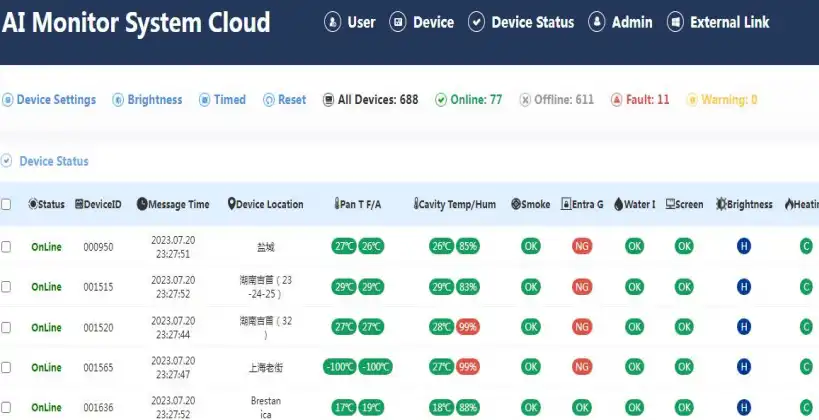
The future of digital signs outside is being formed by improvements in display technology, internet connectivity, and AI. It's getting easier to get displays with higher resolutions, like 4K and 8K, and energy efficiency is getting better with advanced LED backlighting and power management systems. When IoT is integrated, it allows for remote monitoring and predictive maintenance, which lowers costs and improves system reliability. AI-driven content optimisation changes the display settings automatically based on the environment and audience data, increasing engagement while reducing energy use. Better touch technologies and gesture recognition systems that work reliably outside are making interactive features bigger. These improvements make the customer experience more interesting and give businesses useful analytics data for improving their operations.
Conclusion
Outdoor high-brightness LCD displays are a mature and reliable technology option for businesses that need long-lasting, high-performance digital signage in tough settings. These displays can be used for a wide range of tasks, from advertising and retail to transportation and industry facilities, thanks to their ultra-high brightness, full weather protection, Outdoor Displays and flexible configuration options. When businesses choose outdoor displays, they should focus on technical specs that work with their surroundings and operational needs. They should also work with seasoned suppliers who offer full support and quality assurance. Investing in professional-grade outdoor displays pays off in the long run because they work reliably, require less upkeep, and make it easier for people to interact with them.
FAQ
1. What Makes Outdoor Displays Different from Indoor Models?
Outdoor displays incorporate specialised engineering features that enable operation in harsh environmental conditions. The primary differences include ultra-high brightness levels (typically 2,500-5,000 nits versus 300-500 nits for indoor displays), weatherproof enclosures rated IP65 or higher, advanced temperature management systems, and UV-resistant materials. These features ensure reliable operation in direct sunlight, extreme temperatures, and severe weather conditions that would damage conventional indoor displays.
2. How Much Energy Do High-Brightness Outdoor Displays Consume?
Energy consumption varies significantly based on display size, brightness settings, and environmental conditions. Modern outdoor displays incorporate energy-efficient LED backlighting and intelligent brightness management that automatically adjusts power consumption based on ambient light levels. Local dimming technology further reduces energy usage by illuminating only necessary screen areas. While initial power requirements are higher than indoor displays due to brightness demands, automatic adjustment features can reduce consumption by 30-50% during low-light conditions.
3. Can Outdoor Displays Operate in Extreme Weather Conditions?
Professional outdoor displays are specifically engineered to withstand extreme weather, including heavy rain, snow, high winds, and temperature ranges from -20°C to +50°C. IP65-rated enclosures provide complete protection against water and dust ingress, while integrated heating and cooling systems maintain optimal operating temperatures. PTC heating elements prevent condensation during cold weather, while advanced cooling systems prevent overheating during high-temperature conditions. Proper installation and maintenance ensure reliable operation throughout diverse weather patterns.
Partner with Topview for Premium Outdoor Display Solutions
Topview Technology delivers industry-leading outdoor displays that combine exceptional brightness, weatherproof construction, and flexible customisation options tailored to your specific requirements. Our TD series models (32" through 75") feature 3,000 nits brightness output, IP65 protection, and dual-sided display capabilities supported by comprehensive technical expertise and manufacturing excellence. With over 13 years of specialisation in LCD advertising displays, our Shenzhen facility maintains rigorous quality standards while offering competitive pricing and flexible OEM/ODM solutions. We provide complete project support from initial consultation through installation and ongoing maintenance, Outdoor Displays, ensuring your outdoor display investment delivers maximum impact and reliability. Contact our team at market@tviewdisplay.com to discuss your outdoor display requirements and receive customised recommendations for your specific applications.
References
1. Smith, J.A., "Outdoor Digital Signage: Technology Trends and Market Applications," Digital Display Technology Journal, Vol. 45, 2023.
2. Chen, L.M., "High-Brightness LCD Technologies for Extreme Environment Applications," International Display Technology Review, Issue 12, 2023.
3. Rodriguez, C.E., "Weather Resistance Standards for Outdoor Electronic Displays," Environmental Electronics Quarterly, Spring 2023.
4. Thompson, K.R., "Energy Efficiency in High-Brightness Outdoor Display Systems," Sustainable Technology Applications, Vol. 18, 2023.
5. Williams, D.P., "Installation and Maintenance Best Practices for Outdoor Digital Signage," Commercial Display Technology Handbook, 3rd Edition, 2023.
6. Anderson, M.J., "Market Analysis: Global Outdoor Display Technology Trends and Forecasts," Display Industry Research Report, 2023.
YOU MAY LIKE
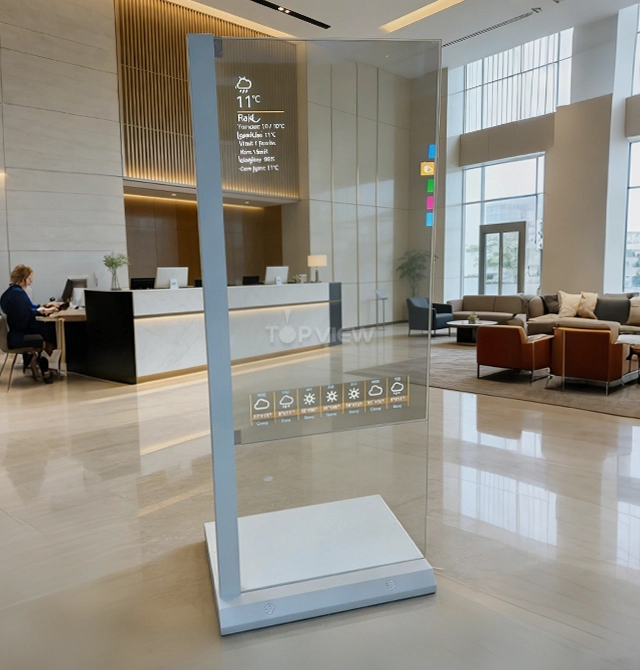 VIEW MORE55″ Portrait Transparent OLED Touch Kiosk
 VIEW MORESingle Sided High Brightness Windows Facing Displays
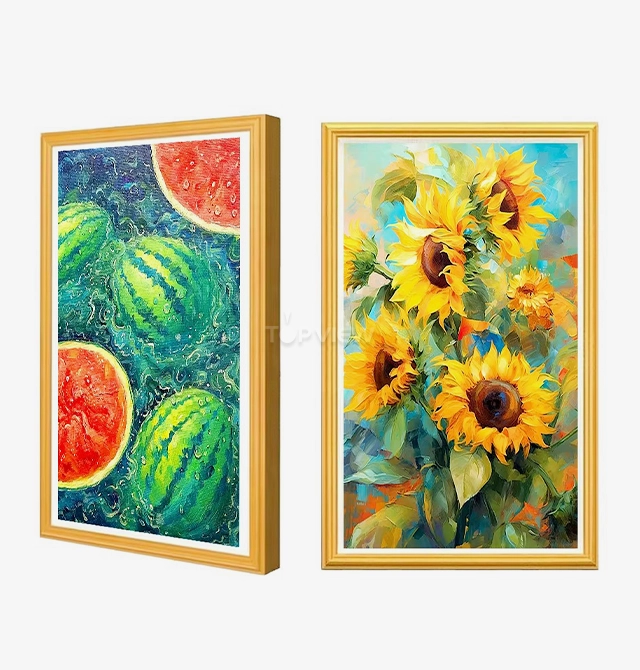 VIEW MOREWooden Frame Digital Signage
 VIEW MOREElevator Advertising LCD Display
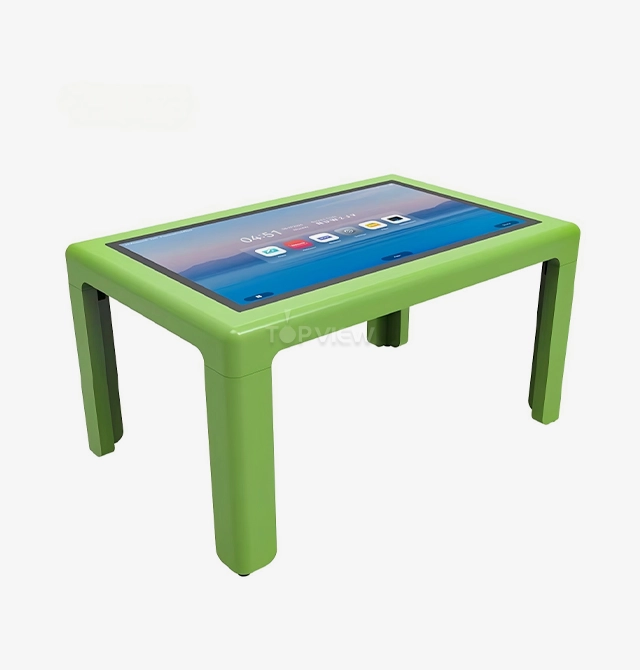 VIEW MOREDetachable Leg Interactive Touch Table
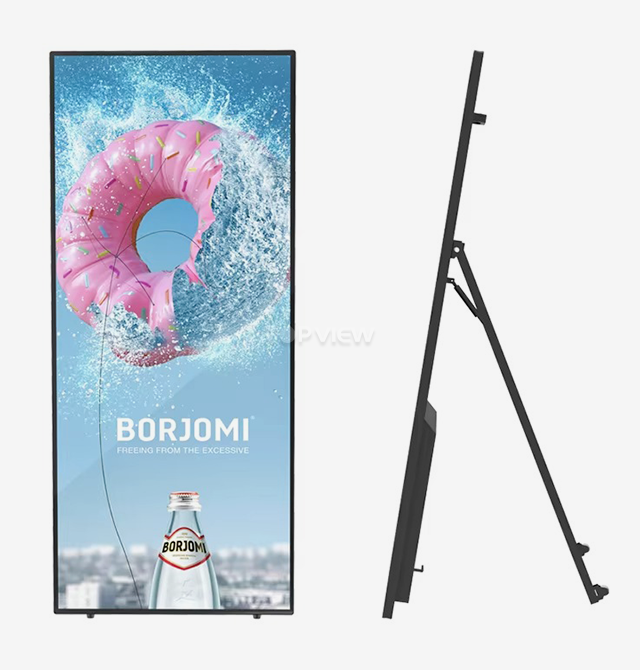 VIEW MOREFoldable LCD Digital Signage Player
 VIEW MORESolar Panel Waterproof Digital Poster Foldable Portable LCD Advertising Screen
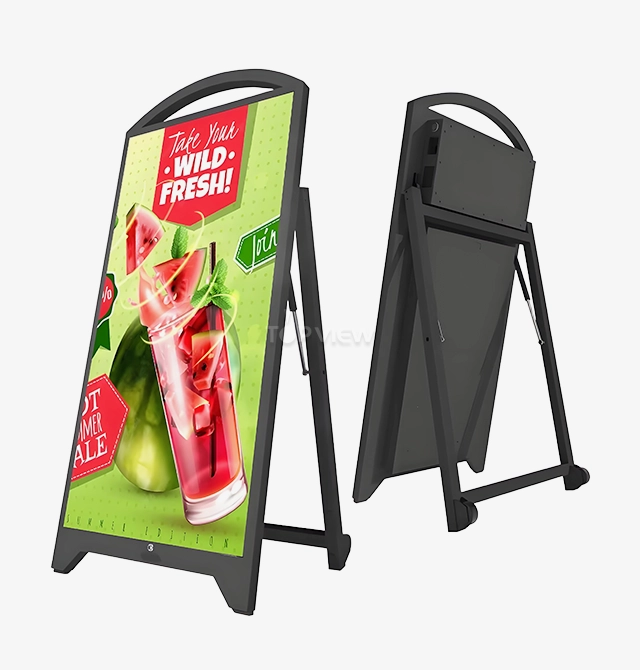 VIEW MOREOutdoor Portable Waterproof LCD Display