



Current Status and Technical Analysis of Transparent OLED Displays
Organic light-emitting diodes and high-clarity substrates are blended together smoothly in Transparent OLED Displays, which are a big step forward in visual technology. With this new technology, screens can be both digital information hubs and see-through windows, which changes the way that real and digital things can be combined. Unlike traditional display layouts, these screens use pixel-dimming technology to release light on their own, so they don't need bulky backlights and give designers more freedom than ever before. With more engaging stores and advanced command centers on the rise, these screens offer better color accuracy and high-resolution images that can work in a wide range of industrial settings, setting a new standard for modern B2B purchasing requirements.
Understanding Transparent OLED Display Technology
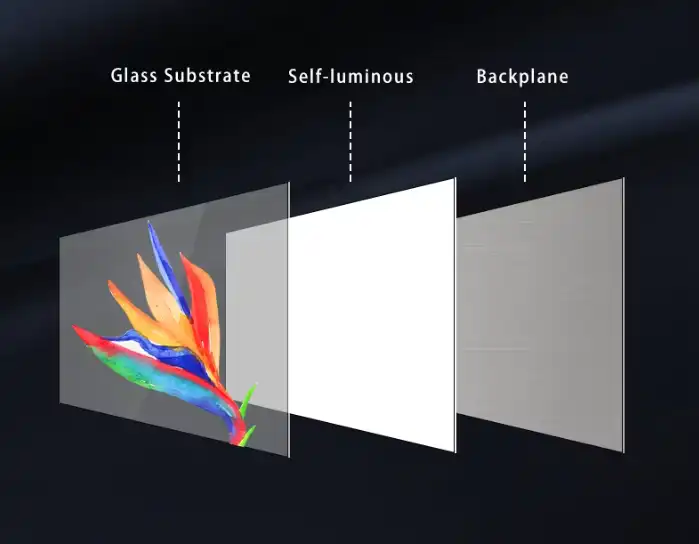
In this technology, the self-luminous system is what makes it work. Each image is its own light source. Manufacturers get very high clarity by getting rid of the liquid crystal layers and backlights that are needed in regular LCDs. This structure has a large color range, often more than 108%, which makes the intensity and brightness levels better than older display technologies. These improvements make it possible for visual content to stay clear even when it's on top of real items. This makes the technology perfect for high-end store counters, museum exhibits, and company lobbies where both looks and information clarity are important.
In an Transparent Displays OLED screen, each pixel works on its own, turning off completely to show "true black." Because of this feature, an endless contrast ratio can be made, which is something that regular screens can't do. Because the light coming from these screens is focused, they have perfect viewing angles and colors that look the same from any angle. This accuracy makes sure that text and complicated images can be read even in bright rooms, giving professional programs a reliable and beautiful-looking interface.
Current Status and Market Landscape of Transparent OLED Displays
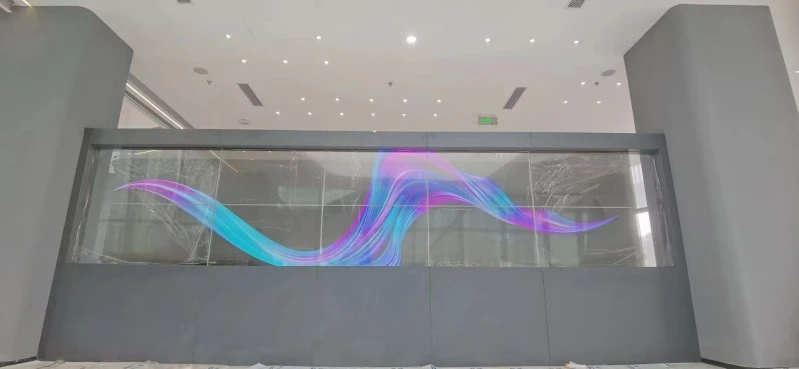
High-end retail, smart city infrastructure, and the organization of high-end events are all sectors that are driving demand for transparent OLED displays, which is driving the market for these displays to see rapid growth at the moment. The individuals who are working on the development of new displays have the primary objective of making them more transparent while maintaining the integrity of the structure. As procurement managers throughout the world want to differentiate their businesses or firm locations from those of their competitors, these panels have transitioned from being specialized prototypes to actual, large-scale deployment options. At this point in time, the supply chain is able to accommodate a diverse array of designs, ranging from individualized movable glass doors to fixed video walls in transportation hubs. This provides companies with a significant competitive edge in the market for digital signage.
Comparative Analysis: Transparent OLED vs Other Display Technologies
Procurement experts often compare the performance of Transparent OLED Displays to that of regular LCD screens or LED video walls when deciding where to put new displays. A lot of the time, traditional screens have problems with light leaks or big chassis designs that make it hard to see the background. On the other hand, Transparent OLED Displays have a thin design that fits nicely with current building parts. They have a better cost-to-performance ratio for projects that need high clarity without the blur effects that come with systems that depend on backlight. This technology greatly reduces the amount of energy used while increasing the visual effect of digital overlays. This shows that it will be useful in a wide range of professional settings for a long time.
Technical Challenges and Solutions in Transparent OLED Displays
Matching the fragility of organic materials with the requirement that they be operational twenty-four hours a day, seven days a week, is a challenge that must be overcome in order to create these displays. Although early versions had issues with how long they lasted, this issue has been resolved in current manufacture because to advancements in material science and improvements in power efficiency protocols. These screens are able to withstand the wear and tear that is often associated with public places as a result of new features such as the use of high-strength tempered glass and enhanced heat management. These new innovations are utilized by Topview in order to guarantee that each and every unit that we ship to our clients maintains its colour constancy and brightness over the duration of its anticipated lifetime. This successfully eliminates the issues that are often associated with display technologies that are in their early stages.
Advancements in Durability and Touch Integration
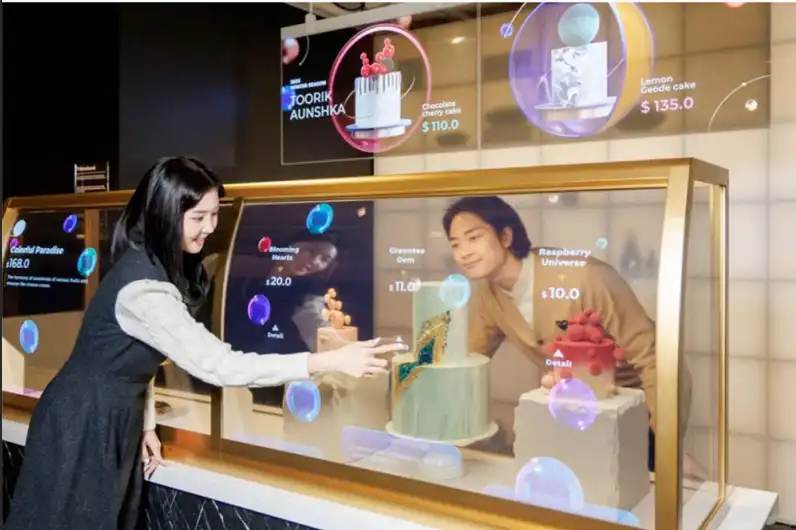
Adding touch features to clear glass makes the experience truly engaging. For example, our T55OL model has 10 points of capacitive touch capabilities and 43% clarity. With these features, people can interact with digital material that is shown through a surface, like a booth or a display case. Using 4mm tempered glass makes the screens less likely to get scratched or hit, so the purity of the show stays intact even in places with a lot of people, like museums or malls. For current B2B display usage, this mix of interactivity and physical security is essential.
Topview’s Specialized Hardware Solutions
Topview offers full professional integration options, such as support for both Windows and Android running systems. Because of this, installers can use plug-and-play digital signage that works perfectly with current network systems. Our screens always work well in high definition at 1920*1080 resolution, whether they are in a museum or a high-end business event. By focusing on slim, modular designs, we let our clients make unique video walls or interactive displays that don't block the light in the room but instead add to it, making the shift between the digital and the real world smooth.
Procurement Guide: Making Informed Decisions for Transparent OLED Displays
To get good display hardware, you need to carefully think about the needs of your project, like how to install it, whether it works with other software, and whether you need help after the sale. Purchasing managers should give more weight to partners who can do both OEM and ODM work with Transparent OLED Touch Screen. This lets them make unique housing, add their own logos, and integrate software in a way that works best for them. By having strict 5S management and a dedicated R&D team, Topview is able to bridge the gap between factory-direct prices and foreign quality standards. To make sure that your project goes smoothly from procurement to successful rollout without any delays or hidden costs, you need to check with the provider to see if they can provide technical paperwork and installation instructions.
Conclusion
As these display systems have improved, they have changed how companies connect with their customers, from static signs to more interactive, moving experiences. If buying workers pick the right technology, they can gain a big edge over their competitors by improving visual communication and making systems last longer. These solutions are a key part of future-proof infrastructure because they balance clarity, interactivity, and design freedom. They can be used for everything from large-scale stadium projects to precise store displays. Working with a maker with a lot of experience will make sure that your specific customization and volume needs are met with stability and technical know-how, which will help your brand stand out in a world that is becoming more and more digital.
FAQ
Q1: What are the main benefits of using Transparent OLED Displays for retail?
These screens let dynamic content appear on top of real goods without getting in the way of seeing them. This creates an engaging experience that keeps the sleek look and draws customers, encourages interaction, and raises brand engagement.
Q2: How do these screens differ from traditional LCD transparent screens?
These Transparent OLED Displays don't need a backlight like LCDs do; they give off light on their own. Because the pixels produce their own light instead of screening a separate backlight source, the designs are smaller, the transparency is much higher, and the contrast ratios are better.
Q3: What kind of support does Topview provide for system integrators?
Topview provides a lot of technical help, such as customizing hardware, integrating software, and skilled R&D advice. We help integrators with installation documentation, design needs specific to the project, and specialized after-sales services to make sure that all business projects run smoothly and for a long time.
Partner with Topview for Superior Outdoor Display Solutions
Topview Technology is the best company to go to for high-performance Transparent OLED Displays+ manufacturer needs. They offer cutting-edge visual options all over the world. We can help your business reach its digital transformation goals by giving you custom setups and reliable factory-direct prices. Get in touch with our knowledgeable staff right away at market@tviewdisplay.com to talk about your future projects. Use our vast research and development (R&D) and production know-how to make sure your next work goes smoothly. We are committed to quality and excellence.
References
1. Advanced Organic Light-Emitting Diode Technology and Its Commercial Applications.
2. Market Trends in Large-Format Transparent Display Systems.
3. Comparative Study of Self-Emissive vs. Backlit Transparent Display Technologies.
4. Engineering Standards for High-Durability Digital Signage in Public Spaces.
5. Innovations in Projected Capacitive Touch for Transparent OLED Surfaces.
6. Procurement Strategies for Scalable LED and OLED Display Infrastructure.
YOU MAY LIKE
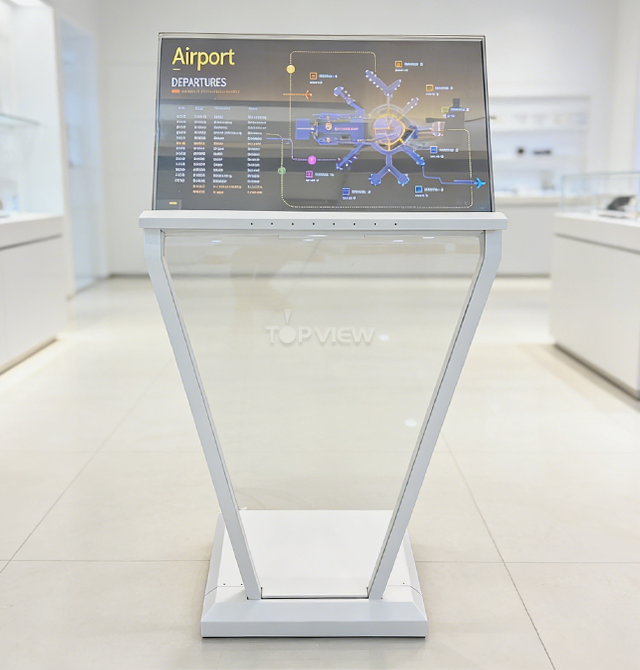 VIEW MORE30" Landscape T-OLED Touch Kiosk
 VIEW MOREPluggable OPS PC
 VIEW MOREHanging Double -sided Shop Windows Displays
 VIEW MOREInteractive K-type Interactive Touch Kiosk
 VIEW MOREDrive Thru Menu Board Display
 VIEW MOREOutdoor Portable Waterproof LCD Display
 VIEW MOREoutdoor ev charging kiosk
 VIEW MORESmall size display